
2027 Clinical Research Management Degree Programs for Career Changers

Co-Founder and Chief Data Scientist
Professionals seeking to shift into clinical research management often find themselves unsure how to leverage existing skills while gaining industry-specific knowledge quickly. Career changers face unique challenges balancing education with work and family, yet the demand for qualified clinical research managers is strong. According to recent data, 45% of clinical research management students are adult learners returning to education, reflecting growth in mid-career transitions. This article explores how clinical research management degree programs tailor curricula and flexible delivery to support career changers, providing guidance on selecting programs that facilitate efficient, confident entry into this expanding field.
Key Things to Know About Clinical Research Management Degree Programs for Career Changers
- Many programs offer flexible online or hybrid formats tailored for working adults, allowing degree completion without sacrificing current job commitments or personal responsibilities.
- Accelerated pacing options enable career changers to finish clinical research management degrees faster, with some programs completing in 12-18 months compared to traditional timelines.
- Curricula emphasize employer relevance by integrating practical skills and regulatory knowledge, aligning with the 15% projected workforce growth in clinical research roles through 2030.
What Clinical Research Management Programs Accept Career Changers?
Many clinical research management programs are designed to support working adults and professionals seeking a career change by offering flexible prerequisites and practical curricula that facilitate skill transfer and accommodate diverse educational backgrounds. About 40% of graduate students in healthcare-related fields are adult learners transitioning from other careers, highlighting the rising demand for clinical research management degrees accepting nontraditional students.
- Master's in Clinical Research Management: These programs often offer leadership training and regulatory knowledge relevant to professionals from various fields. They provide flexible scheduling and emphasize skills useful for career changers entering the industry.
- Post-Bachelor's Certificate Programs: With fewer prerequisites, these certificates focus on essential competencies, making them ideal for those without a scientific degree who want targeted, efficient preparation.
- Professional Development and Continuing Education Courses: Short, modular courses enable learners to develop specific skills progressively while maintaining employment, supporting a gradual career transition.
- Online Graduate Diplomas in Clinical Research: These programs offer asynchronous learning to help students balance their current commitments while gaining specialized knowledge in clinical trial management and compliance.
Each program type emphasizes practical experience and flexibility, supporting career changers well. Working professionals exploring accelerated dnp programs might find that clinical research management offers a complementary or alternative pathway to advancing in healthcare research and administration.
What Clinical Research Management Specializations Are Best for Career Changers?
Choosing the right clinical research management specialization is essential for career changers, as it bridges transferable skills with industry demand, enabling a smoother transition and improving employment prospects. Employment in specialized clinical trial management roles is projected to grow by 12% through 2030, highlighting strong market need. Below are four top specializations well suited for professionals switching careers.
- Clinical Trial Monitoring: Utilizes organizational and analytical skills familiar to those in project management, making it easier for individuals with compliance and quality assurance experience to transition efficiently while maintaining career growth potential.
- Regulatory Affairs: Attracts those from legal, policy, or healthcare administration backgrounds, focusing on understanding and navigating complex regulations to ensure strict adherence protocols-skills often developed in previous roles and critical within clinical studies.
- Data Management and Analytics: Perfect for professionals with IT or statistical expertise, emphasizing data integrity and interpretation in clinical trials, allowing individuals to leverage existing technical know-how while entering a vital industry segment.
- Patient Recruitment and Retention: Appeals to those with marketing or communications skills, centering on participant engagement and enrollment strategies that tap into prior experience managing outreach and relationship-building efforts.
These specializations reflect the best clinical research management tracks for professionals switching careers because they build on prior experience to make the learning curve manageable and increase career mobility. For those considering a broader healthcare career change, exploring the easiest DNP programs can also provide insights into complementary educational pathways.
What Are the Admission Requirements for Career Changers Applying to a Clinical Research Management Program?
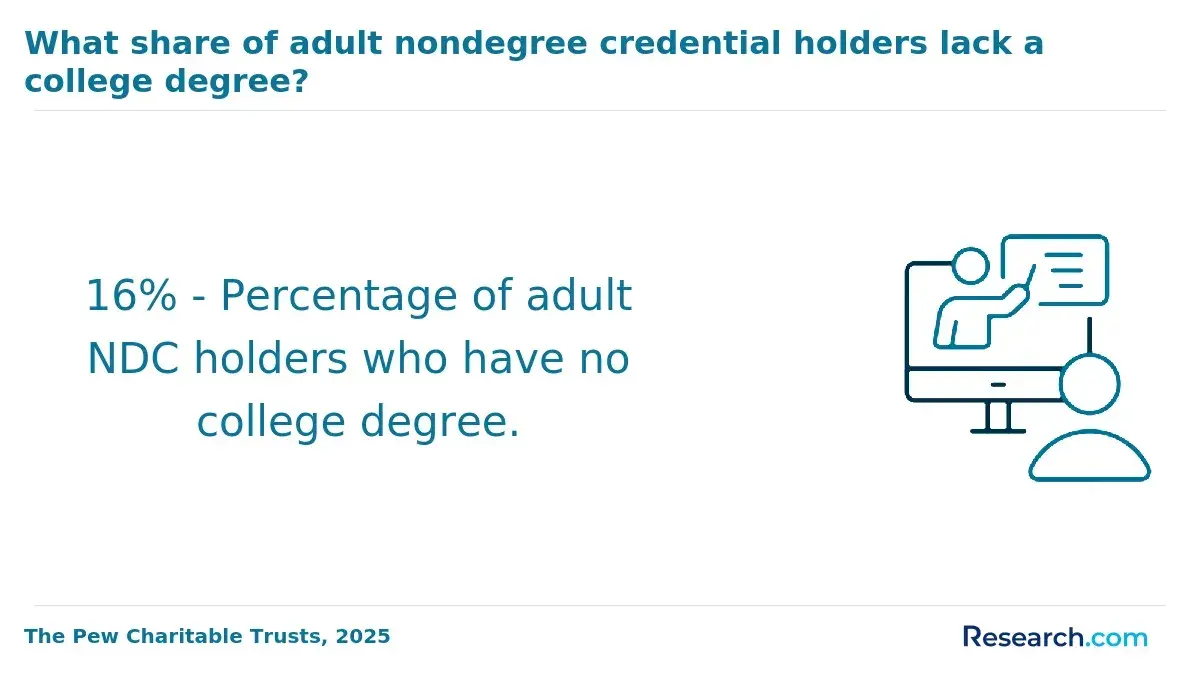
Admission requirements vary significantly for career changers applying to a clinical research management program, making it essential to understand how nontraditional applicants are evaluated. Adult learners, who represent nearly 40% of higher education enrollment nationwide, benefit from flexible pathways designed to accommodate diverse backgrounds and professional experiences. Below are key admission criteria that typically apply to career changers in clinical research management programs.
- Educational Background: Most programs require a bachelor's degree from an accredited institution, but the specific major is often flexible to include a variety of prior fields.
- GPA Requirements: A minimum GPA, usually between 2.5 and 3.0, is commonly expected. This benchmark ensures academic readiness while allowing some leeway for professional accomplishments.
- Statement of Purpose: Applicants must often submit a detailed statement explaining their motivation for transitioning into clinical research management and how their previous experience supports this career shift.
- Flexible Study Options: Programs usually offer part-time, evening, or online study options to accommodate working professionals, enabling effective balance between work and education.
- Transferable Skills: Experience in project management, data analysis, or regulatory compliance can enhance an application by demonstrating relevant competencies applicable to clinical research management roles.
- Alternative Qualifications: Some programs accept relevant certifications or professional training in life sciences or healthcare instead of traditional prerequisites.
Career changers should explore nontraditional clinical research management program prerequisites for nontraditional applicants, which reflect the evolving needs of adult learners. For those interested in related fields, an online healthcare administration degree may also offer valuable flexible opportunities to enhance career prospects.
What Is the Coursework for a Clinical Research Management Degree for Career Changers?
For career changers, grasping the coursework is crucial to ensure a smooth transition into clinical research management. Programs typically balance foundational theories with hands-on learning tailored to adult students' schedules. The key areas often covered include:
- Regulatory Affairs and Compliance: This section addresses the legal and ethical standards that govern clinical trials, with a particular focus on FDA rules and Good Clinical Practice guidelines, helping learners understand industry requirements.
- Clinical Trial Design and Management: Students delve into the processes of planning and overseeing clinical studies, including developing protocols, recruiting participants, and managing data collection procedures, emphasizing practical application.
- Biostatistics and Data Analysis: Coursework introduces essential statistical concepts and software tools used to evaluate clinical trial data, enabling accurate interpretation of research outcomes.
- Project Management: This area teaches methods for handling project timelines, budgeting, and coordination of multidisciplinary teams, honing skills needed for complex clinical research environments.
- Research Ethics and Human Subject Protection: Topics explore ethical considerations and the processes surrounding informed consent and Institutional Review Board approvals, reflecting the focus on participant safety.
The blend of theory with case studies or simulations offers flexibility, often through asynchronous or part-time options suitable for working professionals balancing commitments.
I recently spoke with a professional who completed an online clinical research management program as a step toward changing careers. He expressed that adapting to the online format while managing full-time work was challenging but rewarding, noting, "It felt overwhelming at first to juggle assignments and job responsibilities, but the course structure made it manageable and relevant." Practical assignments helped him connect classroom concepts to real-world scenarios, and he appreciated the program's support for adult learners, saying it gave him confidence to move forward in his new field.
What Clinical Research Management Program Formats Are Available for Career Changers?
Choosing the right program format is essential for career changers balancing jobs and personal life, as flexibility greatly affects the likelihood of completing studies. Nearly 40% of all postsecondary students in the U.S. are adult learners, who often seek programs that fit around existing commitments. Below are common formats tailored for such students pursuing clinical research management.
- Online Programs: These offer unparalleled convenience, letting students study anytime and anywhere, making them ideal for professionals with unpredictable schedules. Coursework is typically self-paced, supporting individualized time management.
- Part-Time Evening or Weekend Programs: Designed for full-time employees, these usually hold classes outside standard hours, either in person or through hybrid models, to accommodate work demands without sacrificing interaction.
- Hybrid Programs: Blending online learning with occasional on-site sessions, hybrid formats provide flexibility while fostering engagement and hands-on experiences beneficial for networking and skill application.
- Certificate Programs: Focused and shorter than full degrees, certificates equip learners with targeted skills for entry into clinical research management, appealing to those wanting a faster transition without extensive time commitments.
What Skills Do Career Changers Gain in a Clinical Research Management Program?
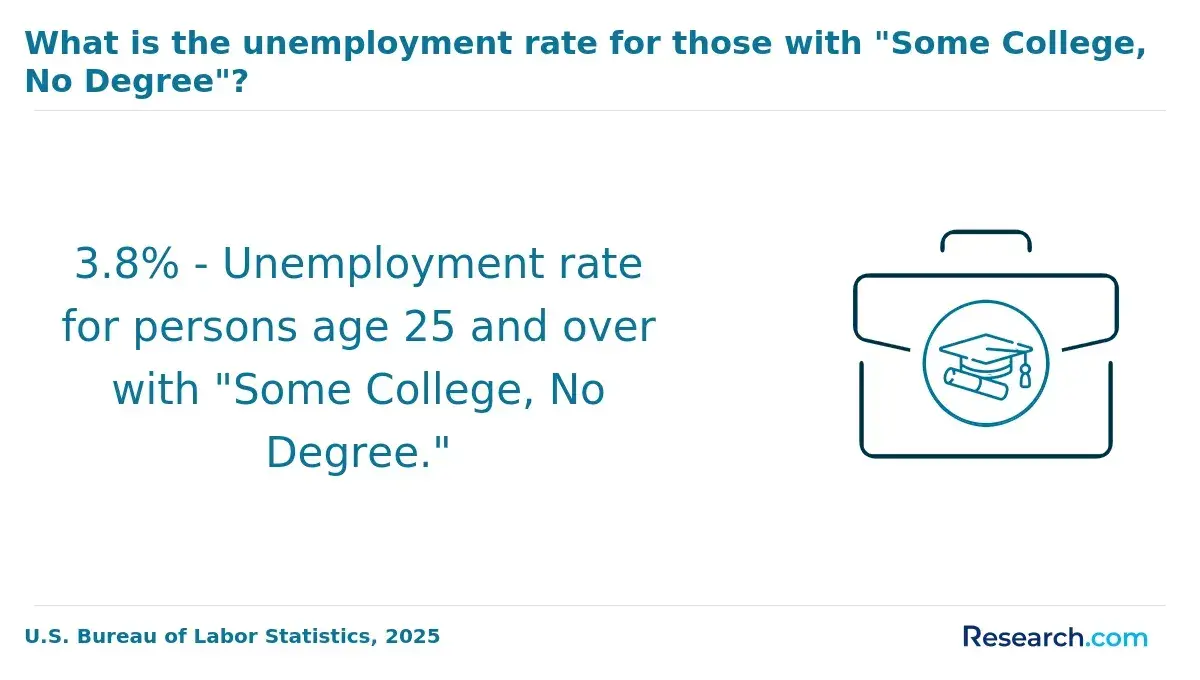
Developing new skills is critical for career changers, especially as the World Economic Forum estimates that by 2025, half of the global workforce will require reskilling to adapt to shifting job demands. For professionals moving into clinical research management, building a blend of technical and interpersonal abilities is key to thriving in a competitive healthcare environment. The following skills are among the most valuable for those making this transition.
- Regulatory Knowledge: Understanding healthcare regulations and compliance standards enables career changers to manage clinical trial protocols confidently, ensuring ethical and legal obligations are met throughout the research process.
- Project Leadership: Acquiring project management capabilities equips learners to coordinate complex clinical studies, balance timelines, and lead cross-functional teams effectively in diverse research settings.
- Data Evaluation: The ability to analyze and interpret clinical data supports evidence-based decision-making and helps maintain high standards of research integrity and quality assurance.
- Effective Communication: Cultivating clear and professional communication skills fosters collaboration with sponsors, patients, and multidisciplinary teams, which is vital for successful trial execution and stakeholder engagement.
- Analytical Problem-Solving: Training to identify, assess, and resolve unexpected challenges in trials strengthens adaptability and critical thinking, which enhances longer-term career prospects.
When asked about her experience, a career changer who completed a clinical research management degree shared how daunting the initial shift felt. She described struggling to grasp regulatory nuances and project coordination demands simultaneously but emphasized how structured coursework and real-world case studies helped her gain confidence. Reflecting on obstacles like managing diverse team expectations and navigating complex data sets, she noted, "The program challenged me to think on my feet and communicate clearly under pressure." She credits these skills for enabling a smoother career switch and believes that embracing the learning curve was essential to her successful integration into clinical research roles.
How Much Does a Clinical Research Management Degree Cost for Career Changers?
Career changers pursuing a clinical research management degree often face financial complexities that demand careful consideration, especially given the average student debt for graduate borrowers in the U.S. is about $71,000 according to the National Center for Education Statistics. Planning the total program cost is essential to balance education with existing financial obligations. Below are key cost components to consider:
- Tuition: Tuition is the largest expense, typically ranging from $15,000 to $45,000 for the entire clinical research management program. Costs vary based on the institution, format, and credit hours. Many affordable clinical research management programs for working professionals offer in-state rates or per-credit pricing that can reduce overall expenses.
- Fees: Additional fees may include technology charges, lab access, and administrative costs that can add several thousand dollars over the duration of the program. It's important to review these carefully, as some programs have mandatory fees even for online students.
- Textbooks and Materials: Required textbooks, software licenses, and course-specific materials can add up quickly, often costing several hundred to over a thousand dollars. Some programs provide digital resources to help reduce these expenses.
- Clinical or Research Practicum: Hands-on experience through practicums or internships may require travel, immunizations, or equipment costs. While necessary for credentialing, these expenses should be anticipated in advance.
- Flexible Payment and Support Options: Many students benefit from employer tuition assistance, scholarships, or installment plans. Programs catering to adult learners often include part-time or accelerated options that allow continuation of employment, reducing lost income and making financing more manageable.
- Cost-Saving Pathways: Transfer credits from previous study or selecting programs with lower per-credit-hour rates can significantly reduce total costs. For comparison or options, researching the cheapest online health science degree pathways may provide insights relevant for clinical research management prospects.
How Does a Clinical Research Management Curriculum Support Career Transitions?
Curriculum design is especially crucial for career changers entering clinical research because it must build on existing skills while providing targeted, specialized knowledge needed for this complex field. A well-crafted clinical research management curriculum supports a seamless transition by focusing on relevant, practical competencies. Below are key ways such a curriculum aids career changers:
- Applied Learning Opportunities: Case studies and simulations immerse students in real-world clinical trial scenarios, promoting hands-on experience that bridges theory and practice.
- Transferable Skill Development: Emphasis on skills like data analysis, effective communication, and regulatory compliance makes it easier for students to leverage their previous work experience in a clinical research context.
- Flexible Pacing: Understanding the demands of working professionals, programs offer adaptable schedules that allow learners to balance education with personal and work commitments.
- Real-World Projects: Integration of current industry practices through projects enhances job readiness by connecting classroom knowledge with ongoing clinical research challenges.
- Interdisciplinary Coursework: Courses blend foundational and advanced content suitable for diverse professional backgrounds, preparing students comprehensively for clinical research management roles.
The skills gained in clinical research management programs empower career changers to confidently enter the field with a strong foundation. For those considering parallel healthcare pathways, it's also useful to explore programs like the cheapest BSN to DNP programs.
What Careers Can Career Changers Pursue With a Clinical Research Management?
For career changers, understanding potential job outcomes helps align educational efforts with labor market needs. The U.S. Bureau of Labor Statistics forecasts a 9% increase in medical and health services manager roles from 2022 to 2032, indicating rising demand in healthcare leadership. Below are several common career paths for those earning a clinical research management degree.
- Clinical Research Coordinator: Manages day-to-day clinical trial activities, including participant enrollment and protocol compliance. This position leverages organization and multitasking skills, making it a strong fit for those shifting careers.
- Regulatory Affairs Specialist: Ensures clinical studies adhere to federal regulations by maintaining accurate documentation and interpreting policies. Transferable skills in compliance and detail orientation ease the transition to this role.
- Data Manager: Oversees the collection, validation, and analysis of clinical trial data. Candidates with technical aptitude and analytical thinking find their skills valuable here.
- Clinical Project Manager: Coordinates planning and implementation of clinical research projects, requiring leadership and effective communication. Professionals experienced in managing complex tasks can adapt well to this career.
- Quality Assurance Auditor: Reviews trial procedures to ensure adherence to quality standards and regulatory requirements. Detail-focused individuals with backgrounds in auditing or compliance are suited for this role.
What Is the Average Salary After Earning a Clinical Research Management Degree as a Career Changer?
Salary expectations play a crucial role for career changers pursuing a clinical research management degree, as they help frame financial goals and guide investment in education. Research from Georgetown University's Center on Education and the Workforce shows reskilled professionals often see a 15%-20% salary boost within several years in their new field. Here are common compensation trends for careers linked to this degree.
- Clinical Research Coordinators: Entry-level positions typically offer salaries starting around $50,000, with potential to increase to $75,000 annually as experience grows.
- Experienced Clinical Research Managers: Salaries range from $85,000 to $120,000 depending on organization size and project responsibilities.
- Bonuses and Incentives: Many roles, especially in biotech and pharmaceutical sectors, include performance-based bonuses that supplement base pay.
- Geographic Influence: Pay tends to be higher in metropolitan areas and established biotech hubs due to demand and cost of living.
- Prior Experience Impact: Candidates with backgrounds in healthcare or regulatory affairs often earn 10%-25% more than entry-level graduates, reflecting transferable skills and industry knowledge.
What Graduates Say About Their Clinical Research Management Degrees for Career Changers
- Pedro: "Choosing to switch careers felt daunting until I discovered the Clinical Research Management degree program. The $15,000 average cost was reasonable given the specialized knowledge I gained, and it made the investment worthwhile. Now, I'm confidently leading clinical trials and contributing meaningfully to medical advancements."
- Vina: "Reflecting on my career pivot, enrolling in a Clinical Research Management program was one of the smartest decisions I made. Although the $12,000 tuition was a stretch, the curriculum's depth prepared me thoroughly for the industry's complexities. Completing this program has been transformative in securing my new role in research oversight."
- Bennette: "I approached the Clinical Research Management degree with a professional mindset, focusing on its $14,500 average cost against expected career outcomes. The program's rigorous approach refined my skills and opened doors to leadership positions in healthcare research. This education was pivotal in shaping my successful transition."
Other Things You Should Know About Clinical Research Management Degrees
After completing a clinical research management degree in 2027, career changers should consider certifications like the Certified Clinical Research Associate (CCRA) or Certified Clinical Research Coordinator (CCRC). These certifications can enhance job prospects and demonstrate a commitment to the profession, often required by employers in the industry.
While prior healthcare experience can be beneficial, it is not always required for career changers. Many programs are designed to provide foundational knowledge in clinical science and trial management to those from non-clinical backgrounds. However, having some familiarity with medical terminology or healthcare environments may accelerate learning and improve job readiness.
References
- Clinical Trial Manager Career Roadmap: Essential Steps and Salary Guide https://ccrps.org/clinical-research-blog/clinical-trial-manager-career-roadmap-essential-steps-and-salary-guide
- Breaking Into Clinical Research: Entry-Level Roles & Career Pathways - Advanced Recruiting Partners https://advancedrecruitingpartners.com/breaking-into-clinical-research-entry-level-roles-career-pathways/
- 4 Jobs Where You Can Make a Difference with a Clinical Research Diploma - Oxford College https://www.oxfordedu.ca/4-jobs-where-you-can-make-a-difference-with-a-clinical-research-diploma/
- MS in Clinical Research Management https://www.unthealth.edu/college-of-biomedical-and-translational-sciences/degree-programs/ms-in-clinical-research-management.html
- Conducting and Monitoring Clinical Trials - Online https://www.kozminski.edu.pl/en/programs/postgraduate-programs/conducting-and-monitoring-clinical-trials-online
- Clinical Research Careers in 2026: Roles, Salaries & Scope https://clinilaunchresearch.in/clinical-research-careers/
- Top 10 Highest Paying Countries for Clinical Research Associates (CRA) https://academically.com/blogs/highest-paying-countries-for-clinical-research-associates/
- Clinical Research Interview Questions & Answers (2026 Guide) https://taskacademy.org/how-to-prepare-for-a-clinical-research-interview/
- Top 25 Clinical Research and Clinical Research Management Master's Degree Programs - Healthcare Management Degree Guide https://www.healthcare-management-degree.net/best/clinical-research-clinical-research-management-masters-programs/
- Curriculum Overview - Master's Program in Clinical Research Management https://school.wakehealth.edu/education-and-training/graduate-programs/clinical-research-management-ms/curriculum


