2027 Community College to Legal Studies & Law Bachelor's Degree Transfer Guide

Co-Founder and Chief Data Scientist
Imagine a community college student aiming to transfer into a bachelor's degree in legal studies & law but facing unclear credit transfer policies and varying program prerequisites. Nearly 40% of community college students encounter transfer credit loss, delaying degree completion and increasing costs. This loss often stems from differences in course requirements between institutions and limited advising resources.
Navigating these challenges is crucial for a timely, cost-effective transfer. This article outlines essential strategies for community college students to optimize their transfer process into legal studies & law bachelor's programs, clarifying academic planning, credit alignment, and institutional expectations to smooth the pathway forward.
Key Benefits of Community College to Legal Studies & Law Bachelor's Degree Transfer
- Transferring offers improved academic accessibility through established articulation agreements, ensuring credits from community colleges are recognized, reducing redundant coursework and time to degree.
- Cost efficiency is significant, as community colleges typically charge two-thirds less per credit than four-year institutions, enabling substantial savings during the initial years of study.
- Smoother degree completion pathways result from tailored transfer advising and streamlined curricula, with 68% of transfer students graduating within four years post-transfer, higher than non-transfer peers.
Who should consider transferring to a legal studies & law bachelor's degree?
Transferring from a community college to a legal studies & law bachelor's degree program offers a strategic route for many students seeking enhanced educational and career prospects in the legal field. Nearly 38% of community college students successfully transfer to four-year institutions within six years, demonstrating the relevance of this path for academic and professional growth. Several specific groups of students tend to benefit most from this transfer option.
- Associate Degree Completers: Students who have earned an associate degree in criminal justice, paralegal studies, or similar disciplines often transfer to specialize further and strengthen their qualifications with a bachelor's degree in legal studies & law.
- Career Advancers: Individuals aiming for roles such as compliance officers, legal analysts, or court officials find a bachelor's degree essential for increasing career opportunities and meeting eligibility criteria for transferring into law bachelor's degree programs.
- Academic Changers: Those transitioning from other fields who want to explore legal concepts, policy analysis, and justice system frameworks can leverage transfer pathways to reorient their studies without starting from scratch.
- Graduate School Preparers: Students preparing for law school or other advanced legal programs use the transfer route to build foundational knowledge and better position themselves for competitive graduate admissions.
- Non-Traditional Students: Working adults and military veterans benefit from the affordability and flexibility of community college transfer options, pursuing legal studies & law degrees while managing professional development or personal commitments.
By choosing this path, community college students interested in transferring to legal studies bachelor's degree programs maximize accessible education while positioning for specialized legal careers. For those exploring affordable pathways beyond an undergraduate degree, programs like the cheapest online master's in social work offer additional options in allied fields.
What are the transfer requirements for a legal studies & law bachelor's degree?
Transferring from a community college to a bachelor's degree program in legal studies & law requires fulfilling specific academic and administrative standards. Nearly 40% of transfer students in the U.S. choose to enter social sciences and related fields, including legal studies & law, demonstrating strong interest in this area.
These requirements help ensure students are ready to succeed in upper-division coursework. Below are some common transfer criteria to consider.
- Minimum GPA: A solid cumulative GPA is crucial to show academic readiness for advanced legal studies & law classes. Admissions committees typically expect a GPA that reflects the student's ability to handle rigorous coursework.
- Completed Coursework: Transfer applicants should have finished key foundational courses. These often include composition, political science, and introductory legal studies & law subjects that provide essential background knowledge.
- Official Transcripts: Submitting official transcripts from all post-secondary institutions attended is necessary to verify completed coursework and academic history, which forms the basis for transfer credit evaluation.
- Application Materials: A thorough transfer application may include personal statements, letters of recommendation, and supplemental documents aimed at highlighting the applicant's motivation and suitability for legal studies & law programs.
- General Education Requirements: Some programs require proof of completed general education or core curriculum requirements to ensure students have met broad academic standards necessary for bachelor's degree completion.
These community college to legal studies and law degree transfer criteria allow students to plan effectively and target courses that improve admission chances. Additionally, students exploring this pathway should consider the financial impact and career outcomes associated with their academic choices, including those outlined among the highest paid degrees.

2026 Update: Evaluating Legal Studies Program Fit After Transfer
For 2026, this guide adds a program-fit check to help transfer students compare how bachelor’s programs connect legal studies coursework with career goals, law school preparation, and hands-on experience.
- Whether the program is geared toward pre-law, paralegal work, compliance, public policy, court administration, or another legal career path.
- Availability of internships, field placements, mock trial, moot court, legal clinics, or research assistant roles for transfer students.
- How much legal writing, research, ethics, and case analysis is built into upper-division courses.
- Access to advising for law school applications, LSAT planning, graduate study, or legal career preparation.
- Whether online or hybrid students can participate in the same experiential learning opportunities as campus students.
- Career services connections with courts, law firms, nonprofits, government agencies, or corporate legal departments.
Looking beyond credit transfer helps students choose a legal studies program that supports both degree completion and their next step after graduation.
Can I transfer all my community college credits to a legal studies & law bachelor's degree?
Transferring community college credits to a legal studies & law bachelor's degree program is often possible but rarely straightforward. Acceptance depends on how closely your previous coursework aligns with the bachelor's degree requirements, as well as each institution's transfer policies.
According to recent data, about 64% of community college students who transfer to four-year schools successfully apply some or all of their credits, though full transfer is not guaranteed. The quality and relevance of courses you completed play a significant role in determining how many credits count toward your degree.
Factors such as course equivalency, institutional accreditation, and the relevance of your completed coursework heavily influence credit transfer decisions. Courses must match the content and credit hours required by the receiving program, with regionally accredited community colleges usually providing more transferable credits.
Receiving schools assess transcripts in detail, reviewing syllabi and grades to decide which classes satisfy core or elective requirements. Even if many credits transfer, some may only apply to general education or electives, not specialized legal studies & law courses.
One graduate who transferred from community college into a legal studies & law bachelor's program shared that "the transcript evaluation took longer than expected, and not every class I hoped would transfer actually did."
He recalled feeling frustrated initially but noted that articulation agreements between his community college and university eased much of the process. "It wasn't just about the number of credits, but how they fit into the curriculum," he said, emphasizing that thorough planning and consultation with advisors made a crucial difference in his transfer experience.
What classes should I take at community college for a legal studies & law bachelor's degree?
Careful course selection at community college plays a key role in ensuring a smoother transfer and successful completion of a legal studies & law bachelor's degree. Research shows that transfer students who complete core coursework beforehand have a 30% higher chance of graduating within four years of transfer. Focusing on strategic classes early can greatly enhance academic readiness.
Consider these recommended course areas:
- General Education: Prioritize courses that fulfill general education requirements such as English and social sciences, as these typically transfer well and count toward degree completion.
- Foundational Legal Classes: Introductory courses about law and legal systems provide a solid understanding of U.S. legal frameworks, preparing students for more advanced legal topics.
- Communication Skills: Classes in composition, public speaking, or debate help develop critical advocacy and argumentation skills vital for legal studies.
- Analytical Thinking: Logic and critical thinking courses strengthen reasoning abilities necessary for success in legal coursework.
Taking the best community college classes for law bachelor's degree transfer ensures students are well-prepared academically and maximize credit acceptance. For those exploring options beyond legal studies, programs like a bachelor of business administration online may also offer flexible pathways for transfer students.
What should I do before transferring to a legal studies & law bachelor's degree?
Thorough preparation before transferring to a legal studies & law bachelor's degree program can greatly enhance your chances of academic success and simplify the transition. Studies show that transfer students who engage in careful planning and advising before moving to a new program are about 30% more likely to graduate within four years. Taking deliberate steps can help you avoid unexpected challenges and better align your current studies with the new program's requirements.
Consider the following essential actions to get ready for transfer:
- Evaluate Coursework Review all completed classes to confirm they meet the prerequisites and foundational subjects expected by your target bachelor's degree program. This ensures your credits will be accepted and applicable toward your degree.
- Consult Advisors Schedule meetings with academic advisors from both your community college and the intended transfer school. Discuss degree plans, credit transfers, and identify any gaps that may need addressing before or after transferring.
- Prepare Documentation Assemble all necessary application materials well ahead of deadlines, including transcripts, letters of recommendation, and personal statements if required. Being organized reduces last-minute stress and errors.
- Understand Program Demands Familiarize yourself with the curriculum structure and the academic expectations of the legal studies & law bachelor's degree so that you are prepared for the complexity and type of coursework pending after transfer.
- Learn Transfer Policies Investigate the policies and support services offered by the receiving institution, which can help you navigate credit evaluations, orientation, and academic support during your first semesters.
A student currently enrolled in a legal studies & law bachelor's program who transferred from a community college shared that the process was both challenging and rewarding. "Initially, I underestimated how much aligning previous coursework with the new program mattered," she explained. "I had to reassess some classes and retake a few to fully meet the prerequisites."
Her biggest takeaway was that consistent communication with advisors made a difference: "They helped me create a clear roadmap, which eased my anxiety about transferring." She also emphasized the emotional side, mentioning that staying proactive and organized helped her feel more confident and ready to tackle upper-division classes after the move. Her experience highlights how preparation, while demanding, ultimately set the stage for successful integration into the bachelor's degree program.
When should I apply for a transfer to a legal studies & law bachelor's degree?
Timing your transfer application to a legal studies & law bachelor's program plays a crucial role in ensuring a seamless academic transition and keeping your graduation timeline on track. Research shows that almost 60% of community college students who successfully transfer do so within a two-year span, emphasizing how timely applications influence enrollment success. Below are essential timing factors to consider when planning your transfer.
- Academic Readiness: Apply once you have completed or are nearing completion of prerequisite courses common to legal studies & law programs. Demonstrating preparedness can significantly enhance your chances of admission.
- Application Windows: Legal studies & law programs generally operate on annual or biannual transfer cycles. Knowing these periods helps you schedule your application early and comply with deadlines.
- Document Preparation: Since transfer applications often require official transcripts, recommendation letters, and personal statements, start gathering these materials well before deadlines to prevent delays.
- Program Start Dates: Align your application with the start of academic terms such as semesters or quarters to maximize course availability and facilitate smooth integration into the program's schedule.
- General Education Completion: Completing foundational general education requirements before applying can expedite your transfer process and lessen the workload once enrolled in the legal studies & law program.
Is it cheaper to transfer to a legal studies & law bachelor's degree from community college?
Starting at a community college before transferring to a legal studies & law bachelor's degree program is widely regarded as a cost-effective approach. National data show that community college tuition rates are often less than half those of four-year institutions, offering substantial savings in the initial years of higher education. These savings can significantly reduce the financial burden associated with earning a bachelor's degree.
Key cost-related factors make this pathway attractive:
- Lower Tuition: Community colleges charge much less in tuition than four-year universities, easing the upfront cost of postsecondary education for many students.
- Reduced Degree Expenses: Completing lower-division legal studies & law coursework at community college lowers the total cost since upper-division courses at universities generally carry higher tuition rates.
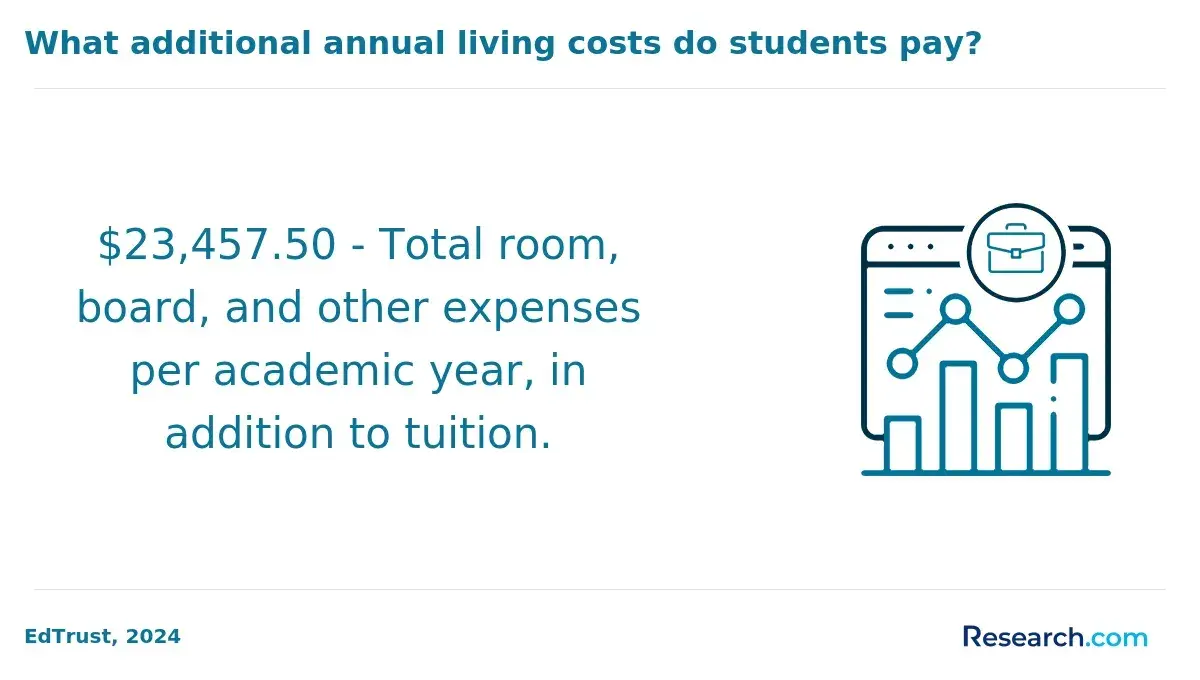
- Housing Savings: Many community college students live at home during their studies, which helps avoid expensive dorm or off-campus housing and meal plan fees.
- Commuting Costs: Staying local reduces expenses related to transportation and relocation, often making community college a more economical choice during the first two years.
- Affordable Transfer: Although tuition may increase after transferring to a four-year institution for legal studies & law, the overall amount paid across four years often remains lower due to the initial savings.
Considering tuition alongside living and ancillary expenses is vital when planning an educational pathway. From a strictly financial standpoint, beginning at a community college can offer meaningful cost savings, helping students efficiently pursue a legal studies & law bachelor's degree.
What financial aid is available for legal studies & law bachelor's degree transfer students?
Transfer students moving from community college to a legal studies and law bachelor's degree program may access various financial aid options to help manage their educational expenses. Approximately 60% of transfer students receive some type of federal or state financial assistance, underscoring the broad availability of support for this group. These resources can significantly reduce the costs associated with completing their degree. Common financial aid options include the following:
- Need-Based Assistance: This aid is awarded based on a student's demonstrated financial need and can come from federal, state, or institutional sources. Programs like Federal Pell Grants are a key example, providing support to eligible transfer students pursuing a legal studies bachelor's degree.
- Federal and State Support: Grants, tuition waivers, and other state-funded programs often cover part of the educational expenses for eligible students transferring into legal studies and law programs.
- Institutional Aid: Four-year colleges often provide grants or tuition discounts specifically designed to attract transfer students, helping to lessen the financial burden.
- Work-Study Opportunities: Part-time employment options on or near campus allow students to earn income while gaining valuable work experience, which can help offset living and educational costs.
Transfer students are encouraged to explore financial aid websites and connect with college financial aid offices to maximize their funding opportunities. Those considering a career change may find additional guidance in resources like the teacher to speech language pathologist career transition article, reflecting the variety of professional paths available post-degree completion.
By leveraging scholarships and grants for legal studies bachelor's degree transfers and other aid options, students can better navigate the financial challenges of transferring and completing their education.
Are there scholarships for transfer students in legal studies & law bachelor's degree programs?
Scholarships can provide important financial assistance for transfer students pursuing legal studies & law bachelor's degree programs, helping to reduce the costs associated with transitioning from community colleges to four-year institutions.
Research shows that roughly 41% of transfer students obtain some form of scholarship or financial support, illustrating the availability of aid targeted to this group. These funds can be essential for students navigating financial aid options for legal studies law transfer students. Below are common types of scholarships transfer students may find.
- Merit-Based Scholarships: These awards recognize students who have demonstrated strong academic performance and leadership potential during their community college studies. They reward excellence and encourage transfer students to continue excelling in legal studies & law.
- Need-Based Scholarships: Designed for students facing financial challenges, these scholarships consider family income and economic circumstances to provide aid that alleviates educational expenses.
- Transfer-Specific Scholarships: Exclusively available to students moving from community colleges to bachelor's degree programs, these scholarships emphasize the value of this educational pathway and support transfer students directly.
- Institutional and External Scholarships: Many colleges reserve scholarship funds specifically for transfer students in legal studies & law, while external organizations such as legal associations and community groups also offer financial awards to support aspiring law students.
Students seeking scholarships should explore both institutional sources and external opportunities early in their transfer planning. Additionally, those interested in STEM fields might consider supplementing their educational goals by exploring online electrical engineering courses USA, which offer flexible options that can complement or broaden their academic experience.
What problems do students face when transferring to a legal studies & law bachelor's degree?
While transferring from community college to a legal studies & law bachelor's degree program can be an effective way to advance one's education, students often face hurdles that affect their academic progress. Transfer students nationally complete their bachelor's degrees within six years at a rate of about 60%, lower than the 75% for those who start at four-year schools. Several challenges contribute to this disparity.
Common obstacles include:
- Credit Transfer Issues: Credits earned at community colleges may not always match the specific requirements of legal studies & law programs, resulting in lost credits or the need to repeat courses, which delays graduation.
- Academic Rigor: Legal studies & law courses demand advanced critical thinking and deeper analysis, making it necessary for students to quickly adapt to more challenging material compared to their earlier studies.
- Administrative Complexity: Transfer students must often contend with complicated procedures involving transcripts, course equivalencies, and enrollment paperwork, which can slow down their registration and impact timely progress.
- Coursework Misalignment: Prior classes might not fully prepare students for specialized upper-level legal subjects, leading to knowledge gaps that affect performance in required courses.
What Graduates Say About Community College to Legal Studies & Law Bachelor's Degree Transfer
- Ariel: "Transferring from community college to a legal studies & law bachelor's degree program was a pivotal decision for me. I wanted a more specialized education that aligned with my passion for justice and advocacy. The affordable tuition compared to direct university enrollment made this path financially manageable, and now, as a practicing paralegal, I truly see how this transition accelerated my professional growth."
- Taylor: "After completing my basics at community college, I chose to transfer into a legal studies & law bachelor's degree program to gain a comprehensive understanding of the field. The cost-effectiveness of transferring credits saved me both money and time, which was crucial in balancing work and study. Reflecting on this journey, the degree opened doors to valuable internships and ultimately a fulfilling career in law enforcement."
- Marianna: "My decision to transfer into a legal studies & law bachelor's degree program stemmed from a desire to deepen my knowledge and improve my career prospects. The lower overall cost afforded by transferring from community college helped ease financial stress. Professionally, earning this degree has enhanced my credibility and expanded my opportunities in legal consulting, marking a major milestone in my career path."
Other Things You Should Know About Legal Studies & Law Degrees
After transferring from a community college, students generally need two to three additional years to complete a legal studies & law bachelor's degree. The timeline can vary based on credit transferability and course load.
Many legal studies & law bachelor's degree programs require or highly recommend internships or practical legal experiences. These opportunities enhance real-world skills and increase employability. Transferring students should inquire with their target school about such requirements and available resources.
Community colleges often focus on foundational courses such as introductory law, legal research, and writing. Four-year programs typically build on this foundation with advanced topics like constitutional law, criminal law, and legal ethics. Understanding these differences can help students choose courses that align with bachelor's degree requirements.
Transferring to a four-year program does not inherently affect law school eligibility, but maintaining a strong GPA, building faculty relationships for recommendations, and preparing for the LSAT are crucial. These factors, more than your status as a transfer student, influence law school admissions.
References
- 'Waste of time': Community college transfers derail students https://toronto.citynews.ca/2023/05/02/waste-of-time-community-college-transfers-derail-students/
- Financial Aid - Paralegal College | Center for Advanced Legal Studies https://paralegal.edu/financial-aid/
- Challenges Facing Community College Transfer Students https://www.academicbriefing.com/risk-management/student-affairs/challenges-facing-community-college-transfer-students/
- Advantages of Starting at a Community College | San Juan College https://www.sanjuancollege.edu/blog/benefits-of-transferring-from-community-college/
- Legal Studies Program https://www.ccbcmd.edu/Programs-and-Courses/SBTL/Legal-Studies/index.html
- Law School Scholarship Databank https://www.accesslex.org/databank
- Funding and support during your studies: internships, scholarships and sponsors https://www.lawsociety.org.uk/en/career-advice/becoming-a-solicitor/funding-and-support-during-your-studies-internships-scholarships-and-sponsors
- Legal Studies - Genesee Community College https://www.genesee.edu/academics/programs/legal-studies/
- Transfer Students https://illinoisstate.edu/academics/legal-studies-language-integration/transfer/