2027 Competency-Based Online Database Management Master's Degrees

Co-Founder and Chief Data Scientist
Many prospective students struggle to balance full-time work with advancing their education in database management. Traditional programs often require fixed schedules and credit hours, which can delay degree completion. Competency-based education (CBE) offers a flexible alternative by allowing learners to progress at their own pace upon demonstrating mastery of skills.
Industry data shows that 68% of students in online database management master's programs prefer self-paced learning to better align with career and personal commitments. This article explores how competency-based online database management master's degrees work and guides readers through admissions, curriculum, technology platforms, and career outcomes to aid informed decision-making.
Key Benefits of Competency-Based Online Database Management Master's Degree
- Competency-based online database management master's degrees offer flexible pacing, enabling working professionals to balance studies with employment without adhering to fixed semester schedules.
- These programs accelerate skill acquisition by allowing students to demonstrate mastery through assessments, reducing time spent on redundant coursework compared to traditional models.
- Students gain access to diverse, global networks through online cohorts and faculty, fostering international collaboration and expanding career opportunities in data-driven industries.
What Is a Competency-Based Database Management Master's Degree, and How Does It Work?
Prospective students considering competency-based online database management master's programs should understand how this learning model operates to see how it differs from traditional education approaches. This method focuses on demonstrating mastery of skills rather than accumulating credit hours. The following points outline essential aspects of competency-based education to help guide learners.
- Competency-Based Education Defined: Unlike traditional credit-hour models, CBE requires students to prove mastery of specific knowledge areas and skills. Progress is measured by demonstrated competencies instead of time spent in lectures or online sessions.
- Self-Paced Learning Structure: These programs offer flexible, modular coursework allowing learners to progress at their own speed. This setup enables students to quickly bypass familiar subjects and dedicate more time to challenging topics.
- Assessment of Mastery: Learners must pass rigorous formative and summative assessments, which may include exams, projects, or practical simulations directly tied to database management expertise.
- Faculty and Mentor Support: Though primarily self-directed, students receive academic support from instructors and mentors who provide feedback and help overcome learning obstacles.
- Alignment with Adult Learners' Needs: This approach suits working professionals and adult students seeking flexibility and practical skill development. Enrollment in competency-based graduate programs has increased by over 20% in recent years, reflecting growing demand for adaptable education options.
Those exploring options may also find it helpful to compare competency-based programs with other flexible degree formats, such as online MSW programs affordable. Incorporating competency-based learning into a database management degree can provide a personalized and efficient educational path for many learners.
What Are the Admission Requirements for a Competency-Based Online Database Management Master's Program?
Prospective students aiming for competency-based online database management master's programs must meet specific admission criteria that differ from traditional graduate admissions. These requirements reflect the programs' focus on demonstrated skills and flexibility. Here are the main admission elements to consider:
- Bachelor's Degree: A bachelor's degree from an accredited institution is typically required, ideally in a related field such as computer science, information technology, or business. Some programs accept degrees from other disciplines if supplemented with relevant technical coursework or experience, which aligns with pathways like the easiest bachelor degree to get online.
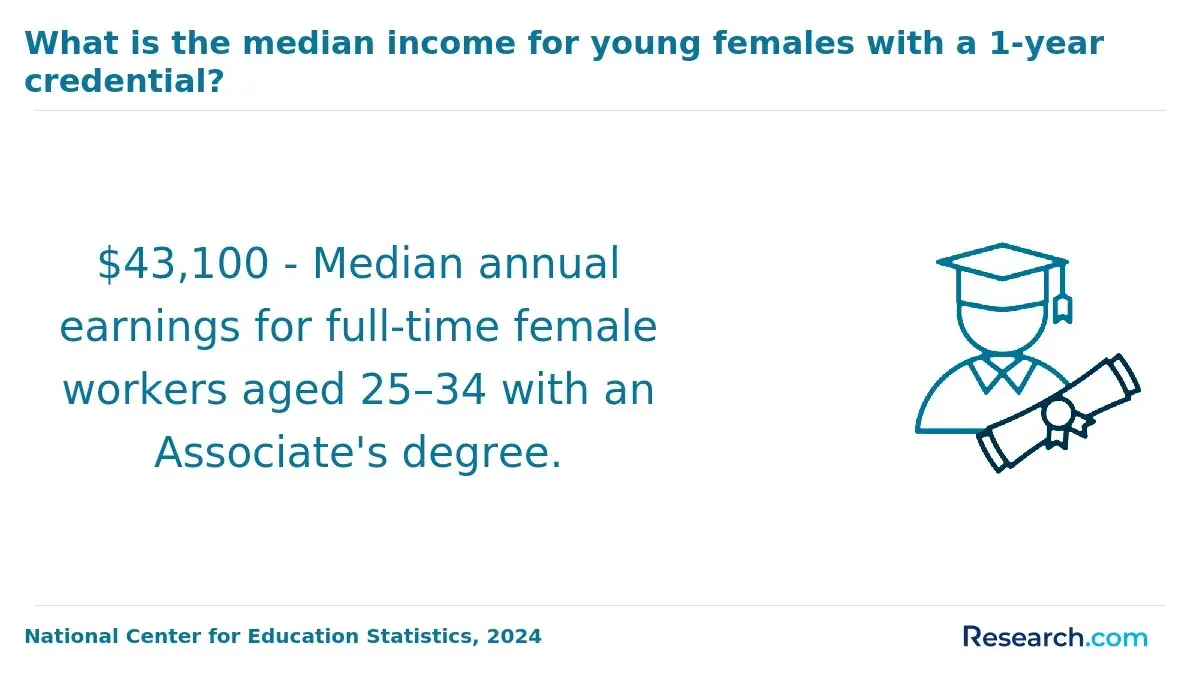
- Academic Transcripts and Minimum GPA Requirements: Official transcripts must verify prior education. Minimum GPA requirements for database management master's programs usually range between 2.5 and 3.0 on a 4.0 scale, demonstrating adequate academic preparedness.
- Professional Experience: While not always mandatory, prior work experience in database management or related IT fields is often preferred. This experience enhances readiness for a competency-based curriculum and can strengthen the application.
- Standardized Test Waivers: Many competency-based education (CBE) programs waive GRE or GMAT requirements, focusing instead on skills and experience to reduce barriers compared to traditional graduate programs.
- Holistic Evaluation: Admissions committees look beyond test scores and GPA, considering letters of recommendation, personal statements, and overall profile to assess candidates' fit for self-paced, competency-driven study.
Applicants improve their chances by emphasizing relevant database management competencies and professional background while conveying clear motivation for choosing a competency-based master's degree.
What Is the Minimum GPA Requirement for a Database Management Competency-Based Master's Program?
Prospective students exploring competency-based online database management master's programs often wonder about the minimum GPA required for admission. GPA expectations play a critical role in assessing eligibility, but programs also acknowledge diverse applicant backgrounds. Consider the following key aspects:
- Typical GPA Thresholds: Most accredited programs expect a minimum undergraduate GPA around 3.0 on a 4.0 scale, ensuring applicants have a solid academic foundation.
- Flexibility for Experience: Programs sometimes waive strict GPA rules if candidates can demonstrate substantial professional expertise or achievements in database management, valuing practical skills alongside academics.
- Alternative Admission Criteria: Competency-based education often includes portfolios, skill assessments, or competency exams, allowing applicants who lack the ideal GPA to validate their readiness through demonstrated knowledge.
- Variation by Institution: GPA requirements can differ widely, so reviewing each school's specific criteria is essential to align expectations with individual qualifications.
- Personalized Support: Engaging with admissions counselors can provide tailored advice, especially for those whose GPA or experience may not directly match published requirements.
When asked about his experience, a professional who pursued a competency-based online database management master's degree to change careers shared that meeting the GPA requirement was initially concerning. He explained, "I didn't have the traditional GPA, but the program reviewed my work history and allowed me to submit a portfolio showcasing real projects."
He found the process "challenging but fair" and appreciated the chance to prove competence through practical evidence rather than relying solely on past grades. This approach reassured him that admissions focus on proven skills rather than numeric thresholds alone.
How Long Does It Take to Complete a Competency-Based Database Management Master's Degree Online?
Prospective students exploring competency-based online database management master's degree options will find that the flexible pacing model is one of its strongest advantages. This section outlines critical aspects affecting program duration and how learners can tailor their progress to match their lifestyles.
Key factors influencing the duration of competency-based online database management graduate programs include the following:
- Flexible Self-Paced Learning: Students advance by demonstrating mastery of material, allowing those who are highly motivated or experienced to move through courses faster than traditional timelines.
- Completion Time Range: While some learners may finish their degrees in about 12 months, others balancing employment and personal responsibilities might take up to three years, reflecting the customizable nature of the program.
- Subscription-Based Tuition: Unlike credit-hour billing, a subscription payment model encourages quicker completion since tuition is charged per term rather than per credit, rewarding students who accelerate their studies financially.
- Prior Learning Assessment and Transfer Credits: Students with relevant database management experience or prior coursework can often test out of certain competencies, shortening overall program length.
- Setting a Realistic Timeline: Evaluating weekly work commitments, family duties, and familiarity with database management topics can help students craft a practical study schedule that balances progress with daily demands.
For those looking to minimize costs while pursuing an accelerated path, researching options like the affordable online executive MBA programs may offer useful insights into flexible tuition structures and pacing models.
How Much Does a Competency-Based Online Database Management Master's Degree Cost?
When considering a competency-based online database management master's degree, understanding tuition options is crucial for budgeting and planning. Below are key components of common pricing models and financial aids to keep in mind:
- Subscription-Based Tuition: This approach charges a flat fee each term, regardless of the number of competencies or courses completed. It motivates students to accelerate their progress since the cost remains fixed during the enrollment period.
- Per-Competency or Per-Credit Fees: Some programs bill based on the number of competencies or credits finished, making costs directly proportional to the individual's pace. This model suits learners who prefer spreading out their studies over a longer timeframe.
- Lower Overall Tuition Compared to Traditional Programs: Competency-based degrees typically cost less than traditional credit-hour-based master's programs due to quicker completion times and decreased institutional overhead.
- Financial Aid and Employer Support: Students often qualify for federal loans, specialized scholarships for database management fields, and employer tuition reimbursement, all of which can significantly reduce the financial burden.
- Assessing Total Costs: Prospective students should factor in additional expenses such as technology fees, course materials, and opportunity costs related to time or potential income foregone while studying.
A professional who transitioned careers after completing a competency-based online database management master's shared that while tuition was initially a concern, the subscription model allowed her to expedite her studies without extra charges. She appreciated the financial aid options but cautioned that unexpected fees for software and textbooks added up. Reflecting on her journey, she noted, "The ability to control the pace helped me balance work and study, making the investment feel worthwhile despite upfront uncertainties about costs."
Which Accrediting Bodies Recognize Competency-Based Database Management Master's Programs?
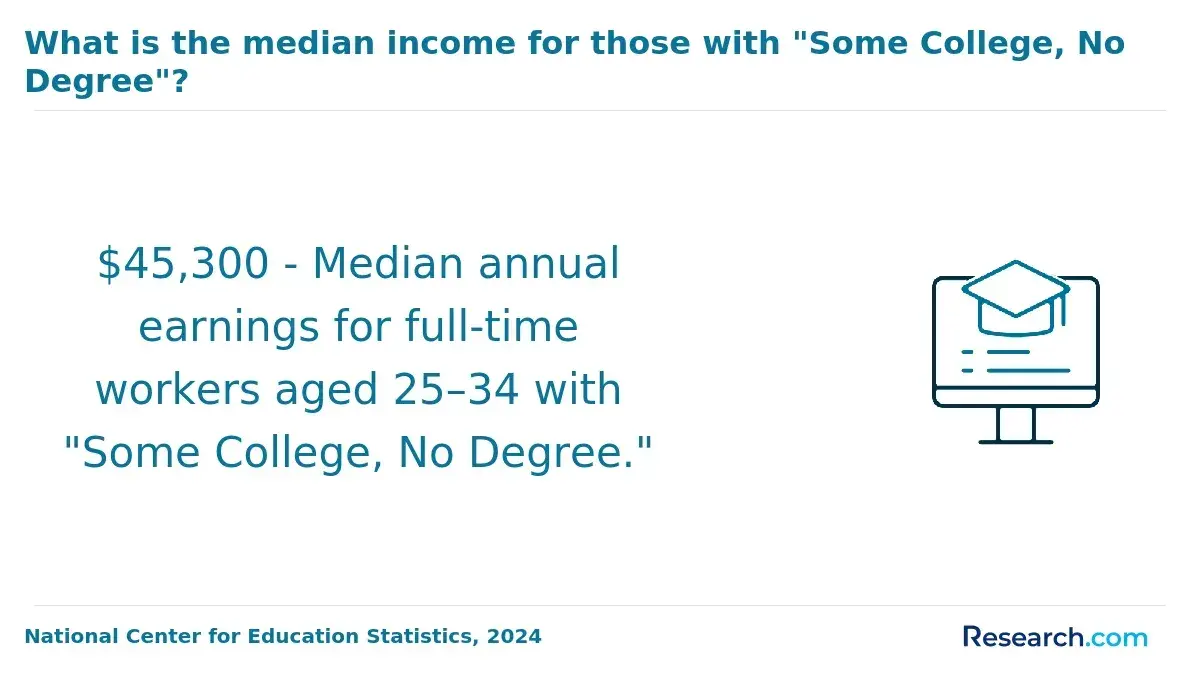
When evaluating competency-based online database management master's programs, confirming their accreditation is a crucial step. Accreditation influences whether employers regard the credential as credible and if students qualify for federal financial assistance. The following points highlight the essential aspects of accreditation for these programs:
- Regional Accreditation: The most respected accreditation in the U.S. comes from regional bodies such as the Higher Learning Commission (HLC), Southern Association of Colleges and Schools Commission on Colleges (SACSCOC), and WASC Senior College and University Commission (WSCUC). These agencies rigorously assess a program's learning outcomes and evaluation approaches, including those unique to competency-based education.
- Programmatic Accreditation: Specialized accreditors like ABET evaluate programs related to computing and technology. Although not all database management master's programs hold this type, it offers an additional measure of quality, ensuring curricula align with industry expectations.
- Verification of Accreditation Status: Students should confirm accreditation through the U.S. Department of Education's Database of Accredited Postsecondary Institutions and Programs (DAPIP). This official resource helps avoid enrollment in unaccredited or fraudulent programs.
- Impact on Financial Aid and Career Prospects: Accreditation directly affects eligibility for federal financial aid, while many employers regard degrees from accredited institutions as more trustworthy, impacting job opportunities and advancement.
- Caution Against Unrecognized Accreditors: Beware of programs claiming accreditation from bodies not recognized by relevant authorities. These may be predatory entities lacking academic standards and employer acceptance.
What Core Competencies and Curriculum Areas Are Covered in a Database Management CBE Master's Program?
Competency-based online master's programs in database management focus on developing measurable skills and knowledge that align directly with industry standards and professional expectations. This approach ensures that graduates are well-prepared for real-world challenges. Below are key elements that define such programs:
- Industry-Aligned Competency Domains: These programs cover critical areas like analytical reasoning, leadership, domain-specific technical skills, and ethical practice in database management. This holistic focus equips students with both technical proficiency and professional behavior essential for success.
- Competency-Based Curriculum Structure: The curriculum is organized into competency units, each targeting clear learning outcomes. Unlike traditional courses, these units emphasize mastery of skills through practical assessments rather than time spent.
- Applied Projects and Assessments: Students complete hands-on projects simulating realistic database management scenarios. These experiences allow them to design, optimize, and secure databases while reinforcing theoretical knowledge.
- Focus on Measurable Learning Outcomes: Each competency includes specific goals and assessments designed to verify mastery, enabling students to progress at their own pace upon demonstrating required skills.
- Program Alignment with Career Goals: Prospective students should analyze the detailed competency frameworks of each program carefully. Finding a strong match between the program's competencies and their professional objectives is vital for future success in the database management field.
What Delivery Formats and Technology Platforms Are Used in Online Database Management CBE Programs?
Effective delivery formats and technology platforms are critical to the success of competency-based online database management master's degree students. These tools ensure that learners can access materials flexibly, track their progress, and communicate with instructors and peers. Below are key features commonly found in the technology infrastructure of online database management competency-based learning platforms.
- Learning Management Systems (LMS): Many programs use established LMS platforms such as Canvas or Blackboard, or proprietary systems specifically designed for competency tracking. These platforms serve as centralized hubs where students can find course content, assessments, and monitor their individual progress.
- Asynchronous Learning: A hallmark of competency-based education, asynchronous learning lets students study database management content on their own schedules. This flexibility is especially valuable for professionals balancing work and education commitments.
- Synchronous Elements: While primarily self-paced, some programs incorporate live virtual lectures or labs. These synchronous sessions enable real-time interaction with instructors and peers, enhancing collaborative learning and immediate feedback opportunities.
- Accessibility and Mobile Compatibility: Quality CBE programs ensure that learning platforms comply with accessibility standards to support learners with diverse needs. Mobile-friendly interfaces allow students to engage with coursework using smartphones or tablets, making study possible from almost anywhere.
- Technical Support Services: Robust technical support is essential for remote students navigating online systems. Dedicated teams assist with troubleshooting and platform issues to maintain smooth, uninterrupted access to all learning resources.
Prospective students should request a demo or a trial period to explore the user interface and confirm that the technology aligns with their learning style and device capabilities. For those comparing competency-based options, it's helpful to consider how these technology tools differ from traditional credit-hour models. Additionally, exploring related marriage and family masters programs can provide insight into competency-based degree formats across other fields.
How Are Students Assessed, and How Is Mastery Demonstrated in Database Management CBE Programs?
Prospective students exploring competency-based online database management master's degrees should understand how assessment differs from traditional exams. Demonstrating mastery typically relies on practical performance tasks rather than timed tests. The following points highlight key features of competency-based assessment methods in database management master's programs.
- Performance-Based Assessment: Instead of traditional exams, students complete simulations, capstone projects, or portfolio submissions that require applying skills in realistic database management scenarios.
- Faculty Evaluators and Rubrics: Experienced faculty or competency assessors review student work using standardized rubrics aligned with professional database management standards to ensure objective and consistent evaluation.
- Resubmission and Growth: When mastery isn't demonstrated initially, students receive detailed feedback and opportunities to revise and resubmit work. This process emphasizes learning and improvement rather than penalization.
- Non-Traditional Testing Formats: Some proctored assessments may be used but focus on authentic demonstrations of competence instead of conventional multiple-choice or timed quizzes.
- Meaningful Evidence for Employers: This evidence-based assessment approach offers employers concrete proof of a student's database management skills, which can often be more valuable than traditional letter grades or GPA measures.
These competency-based assessment approaches align closely with how employers value practical skills in the database management field. For applicants considering such programs, researching reputable accredited institutions is key; many of the most popular online colleges offer competency-based options. Engaging with these innovative formats provides a clearer path to demonstrating mastery in online database management competency-based degrees.
What Transfer Credit and Prior Learning Assessment Options Exist for Database Management CBE Programs?
For prospective students pursuing competency-based online database management master's degrees, prior learning assessment (PLA) offers a valuable opportunity to gain credit for existing knowledge and skills. This process helps accelerate degree completion by recognizing expertise earned through work experience, certifications, or earlier coursework. Below are essential aspects of PLA in these programs.
- Portfolio Evaluation: Learners compile evidence such as professional work samples, project details, or certifications to demonstrate their mastery. Faculty review these portfolios to award credit, bypassing the need for redundant courses.
- Standardized Examinations: Tests like CLEP and DSST assess foundational and technical knowledge relevant to database management. Successfully passing these exams can earn credit for specific course requirements.
- Institutional Challenge Exams: Many programs offer tailored exams designed to measure competency in particular subject areas. Passing these allows students to skip related classes by proving proficiency.
- Transfer Credit Policies: Programs typically limit the amount of PLA or transfer credits accepted, often capping it between 30% and 50% of total degree credits. Understanding these caps early is crucial for effective academic planning.
- Time and Cost Savings: Earning PLA credits can greatly reduce program duration and lower tuition costs, making graduate education more accessible and affordable.
Applicants should thoroughly document their database management experience and certifications before applying. Asking detailed questions about PLA procedures during admissions will clarify eligibility criteria, permitting a strategic and informed approach to maximizing credit toward the master's degree.
What Career Outcomes and Professional Opportunities Does a Database Management CBE Master's Degree Unlock?
For those pursuing a competency-based online master's degree in database management, understanding the tangible career benefits is essential. Employers increasingly prioritize proven skills over traditional academic credentials, making your demonstrated competencies crucial in advancing your professional journey. Key advantages graduates can anticipate include the following:
- Expanded Career Opportunities: Graduates are well-positioned for roles such as database administrator, information systems manager, data analyst, and data architect. These titles reflect the mastery-focused learning approach that prepares students for complex, real-world challenges.
- Attractive Salary Prospects: Labor market data indicates professionals with advanced database management qualifications often earn between $80,000 and $130,000 annually. Verified skill portfolios from CBE programs give candidates a stronger footing to negotiate competitive salaries.
- High Industry Demand: Sectors like finance, healthcare, government, and technology actively seek experts in database management due to increased reliance on sophisticated data solutions and analytics.
- Skill Verification and Differentiation: A documented portfolio highlighting proven competencies equips graduates to stand out during recruitment by demonstrating practical, job-ready expertise rather than just academic achievements.
- Networking and Professional Growth: Engagement with professional associations and alumni groups linked to competency-based programs offers mentorship, job leads, and industry insights, expanding career advancement opportunities.
What Graduates Say About Their Competency-Based Online Database Management Master's Degrees
- Hilary: "Choosing a competency-based online database management master's degree was a strategic decision for me because I needed flexibility while working full-time. The affordability of the program made it possible to advance my education without taking on heavy debt. This degree has truly accelerated my career growth, empowering me to take on complex projects with confidence."
- Kristin: "Reflecting on my experience, the competency-based structure allowed me to focus on mastering skills at my own pace, which was ideal given my background in technology. The cost was reasonable compared to traditional programs, which eased my financial concerns. Since graduating, I've noticed a tangible improvement in my professional impact, especially in optimizing data workflows and team leadership."
- Leigh: "As a working professional, what attracted me to the competency-based online database management master's program was the direct alignment of coursework with industry standards, ensuring relevance. The program's cost efficiency was a clear advantage, allowing me to invest smartly in my education. Earning this degree has significantly boosted my confidence and opened doors to higher-level opportunities in data strategy and management."
Other Things You Should Know About Database Management Degrees
Online competency-based database management programs typically offer a range of student support services similar to traditional online degrees. These include academic advising, technical support, tutoring, career services, and access to digital libraries and resources. Many programs also provide personalized learning coaches to help students navigate their competency progress and stay on track.
Competency-based master's programs focus on mastering defined skills and knowledge at an individual pace, whereas traditional programs follow a fixed credit-hour curriculum and schedule. CBE programs often allow faster completion for students with prior experience, while traditional programs may provide more structured timelines and cohort interactions. Both types cover core database management topics but differ significantly in delivery and assessment methods.
References
- How to Assess Learners in a Competency-Based Education Teaching Model https://info.nhanow.com/learning-leading-blog/how-to-assess-learners-in-a-competency-based-education-teaching-model
- Mastery-Based Assessment - Changing Education | Sora https://soraschools.com/blog/mastery-based-assessment-why-its-changing-education
- Online Master's Degree Programs | University of Phoenix https://www.phoenix.edu/online-masters-degrees.html
- Best Master's in Database Management Degrees | ComputerScience.org https://www.computerscience.org/degrees/masters/database-management/
- Prior Learning Assessment & Competency-Based Education - Aurora Institute https://aurora-institute.org/cw_post/prior-learning-assessment-competency-based-education/
- Online Master of Science in IT: Database Systems Technology https://www.umgc.edu/online-degrees/masters/it-database-systems-technology
- The Complete Guide to Competency-Based Education https://www.d2l.com/blog/the-complete-guide-to-competency-based-education/
- Understanding Unified Content Delivery Platforms https://bluestream.com/blog/understanding-unified-content-delivery-platforms/
- SMC Accreditation & Recognition https://smceducation.com/accreditation/