
2027 Competency-Based Online Leadership Master's Degrees

Co-Founder and Chief Data Scientist
Many working professionals face the challenge of balancing full-time jobs and family commitments while pursuing advanced degrees. Competency-based online leadership master's programs offer a solution by allowing students to progress at their own pace through demonstrated skills rather than traditional credit hours. This model suits career changers eager to validate prior experience and recent graduates seeking flexible education paths.
According to the National Center for Education Statistics, enrollment in competency-based graduate programs increased by 18% from 2018 to 2022, reflecting growing demand. This article explores how competency-based leadership degrees work and guides readers through expectations, admissions, costs, and career impact.
Key Benefits of Competency-Based Online Leadership Master's Degree
- Competency-based online Leadership master's degrees offer flexible pacing, enabling working professionals to advance studies around their schedules without sacrificing job responsibilities.
- This model accelerates skill acquisition by allowing students to progress upon demonstrating mastery, often reducing time to degree completion compared to traditional credit-hour programs.
- Students gain access to a diverse, global network of peers and mentors, enhancing cross-cultural collaboration and broadening professional opportunities in an interconnected marketplace.
What Is a Competency-Based Leadership Master's Degree, and How Does It Work?
Prospective students exploring competency-based online leadership master's degree programs should understand how these differ substantially from traditional credit-hour curricula. This model centers on skill mastery rather than time spent in class. The following key features highlight how competency-based education (CBE) in graduate-level leadership functions and adapts to learner needs.
- Focused on Mastery Over Time Spent: Unlike conventional programs requiring fixed classroom hours, CBE demands learners demonstrate mastery of specific leadership competencies through assessments that validate skills and knowledge, not seat time.
- Self-Paced, Modular Structure: Courses consist of independent modules allowing students to progress at their own speed, accelerating through familiar topics or dedicating more time to difficult areas-ideal for those balancing work and study.
- Regular Assessments and Feedback: Practical assignments, scenario-based evaluations, and exams confirm mastery of leadership concepts, emphasizing real-world problem solving aligned with leadership roles.
- Mentor and Faculty Support: Students receive ongoing personalized guidance from faculty mentors, supporting academic progress and professional development despite the program's self-directed nature.
- Alignment with Adult Learners: This flexible approach suits adults with varied schedules and prior experience, enabling education without rigid semester constraints and accommodating career commitments.
Data shows that over 30% of U.S. higher education institutions have adopted or plan to expand competency-based programs, signaling growing confidence in this approach for meeting diverse learner needs. Those interested in how competency-based leadership master's degrees work may also explore related best degrees to pursue, ensuring informed decisions when selecting graduate studies.
What Are the Admission Requirements for a Competency-Based Online Leadership Master's Program?
Prospective students aiming for competency-based online leadership master's programs should carefully consider admission standards to optimize their applications. These standards often emphasize skills and experience over traditional measures, and understanding minimum GPA requirements for competency-based leadership master's degrees can clarify expectations. The primary criteria include:
- Bachelor's Degree: A bachelor's degree from an accredited institution is essential, providing the academic foundation required for graduate study.
- Transcripts and Academic Records: Official transcripts are requested to verify coursework and academic readiness. Although some programs may not enforce strict GPA minimums, they review transcripts to assess the applicant's preparation level.
- Professional Experience: Leadership or related work experience is often preferred and sometimes required. Many programs assess this experience as part of a holistic review, valuing demonstrated professional competencies.
- Letters of Recommendation: Usually two or three letters from academic or professional contacts are required to highlight an applicant's character, skills, and leadership potential.
- Standardized Tests and Waivers: Unlike many traditional graduate programs, most competency-based programs waive GRE or GMAT requirements, focusing instead on practical skills and relevant experience.
Applicants can strengthen their submissions by emphasizing measurable leadership achievements and relevant competencies. Showcasing applicable work experience within leadership roles enhances how admissions committees evaluate qualifications in these flexible programs. For those looking for flexible academic pathways, reviewing options at an easy university may also be beneficial.
What Is the Minimum GPA Requirement for a Leadership Competency-Based Master's Program?
For those considering a competency-based online leadership master's degree, understanding undergraduate GPA expectations can clarify admissions prospects. GPA is one factor among many, with some programs offering flexibility in evaluation. Below are core points about typical GPA standards and alternative admission pathways.
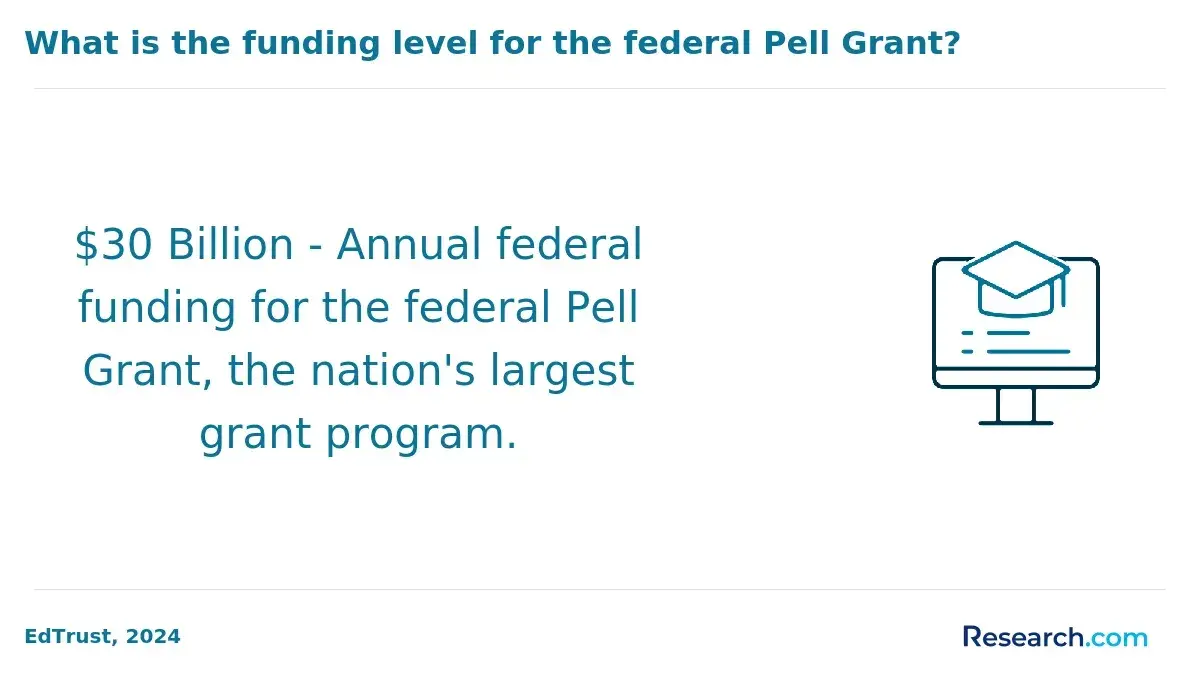
- Common GPA Thresholds: Most accredited leadership CBE master's programs look for an undergraduate GPA near 3.0 on a 4.0 scale, reflecting readiness for graduate-level coursework.
- Allowance for Professional Experience: Certain programs may waive GPA minimums if applicants show extensive leadership experience or significant career accomplishments, recognizing expertise beyond academics.
- Alternative Assessment Methods: Competency-based programs often invite candidates to submit portfolios, complete competency exams, or demonstrate skills, helping offset lower academic grades.
- Institutional Differences: Admissions criteria, including GPA standards, can vary widely between schools, so expectations are not uniform.
- Direct Communication Recommended: Prospective students should review specific program requirements and contact admissions officers for tailored information.
A professional who pursued a competency-based online leadership master's degree shared that his undergraduate GPA was below average, which initially worried him. However, he found that compiling a detailed portfolio showcasing his previous managerial roles and leadership projects played a crucial role in his acceptance. "The admissions advisor was clear that my work experience would speak louder than grades," he recalled. He also noted the process required patience and proactive communication but ultimately felt the program's flexibility was a good fit for his career shift.
How Long Does It Take to Complete a Competency-Based Leadership Master's Degree Online?
Prospective students exploring competency-based online leadership master's degrees should consider how program duration impacts their educational planning. The average duration for competency-based leadership master's programs varies widely depending on individual circumstances. Here are some essential aspects to keep in mind:
- Flexible, Self-Paced Timeline: These programs offer unmatched flexibility, allowing learners to advance through competencies at their own speed, which suits diverse schedules and learning preferences.
- Completion Timeframe: Motivated students with ample availability can finish in about 12 months, while those managing work and family often take up to 3 years to complete their degree.
- Subscription-Based Tuition: Many institutions apply a subscription pricing model where tuition is paid per term, incentivizing quicker completion by reducing total costs for accelerated learners.
- Prior Learning and Transfer Credits: Candidates can often bypass certain competencies through prior learning assessment (PLA) or accepted transfer credits, effectively shortening the time needed to graduate.
- Realistic Planning: When estimating program length, consider factors such as weekly work hours, family obligations, and familiarity with leadership topics. Setting a balanced pace helps maintain steady progress without burnout.
Choosing an affordable program also matters, so exploring cheap online universities can support cost-effective education decisions.
How Much Does a Competency-Based Online Leadership Master's Degree Cost?
Prospective students exploring competency-based online leadership master's degrees should carefully consider the tuition structures and overall costs involved. The unique pricing models and financial aid options play a significant role in managing education expenses. Key factors to keep in mind include:
- Subscription-Based Tuition: This model charges a flat fee per term, granting students unlimited access to courses within that period. It supports faster degree completion and can lower costs for those who efficiently master competencies.
- Per-Competency or Per-Credit Pricing: Some programs bill based on each competency or credit completed. While this offers budget flexibility, extended progress might increase total tuition fees.
- Cost Advantage Over Traditional Programs: CBE degrees generally cost less than traditional master's due to accelerated pacing and decreased institutional overhead.
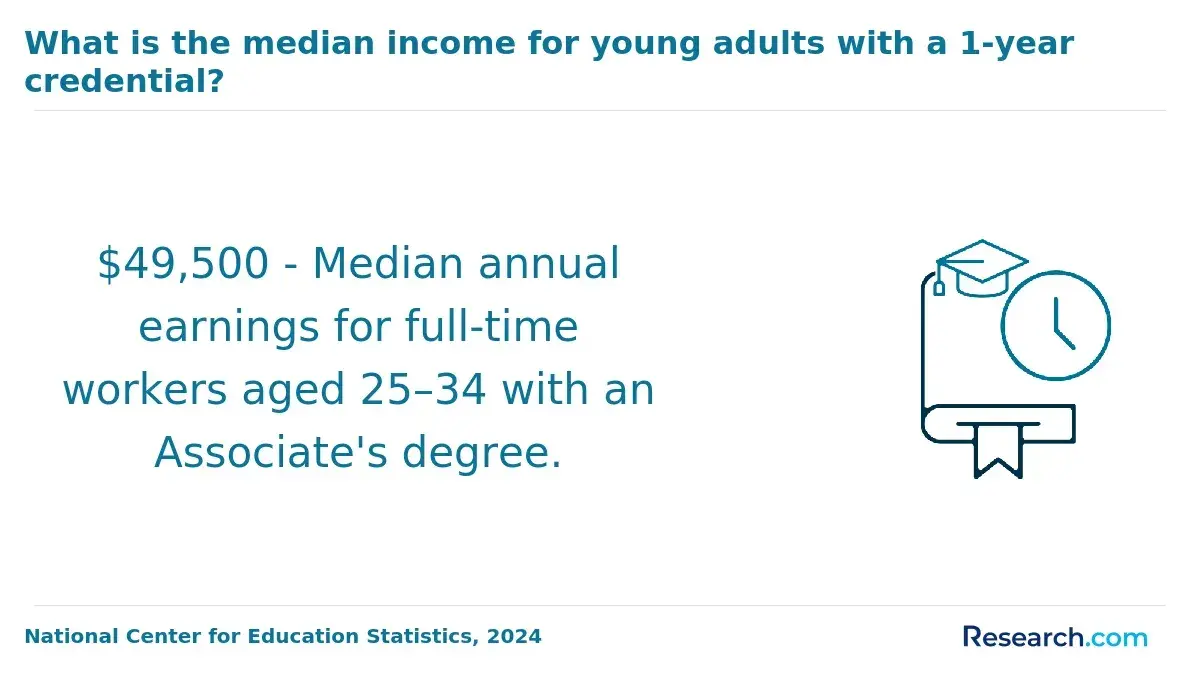
- Financial Aid Opportunities: Students can leverage federal loans, employer tuition reimbursement, and scholarships designed for graduate leadership studies to alleviate expenses.
- Calculating True Total Cost: Beyond tuition, one must account for technology fees, required materials, and potential income lost during study periods to fully understand financial commitments.
One professional who transitioned careers after completing her online leadership master's reflected that managing costs felt like navigating uncharted territory. She appreciated the subscription model's flexibility but noted how it required disciplined pacing to keep expenses down. "I had to be strategic about which competencies to tackle each term to avoid unnecessary fees," she shared. Balancing family and work alongside her studies, she valued the accessible financial aid which made a significant difference. Her experience highlighted that while tuition costs are critical, understanding and planning for all related expenditures ultimately lead to a successful program completion without unexpected financial strain.
Which Accrediting Bodies Recognize Competency-Based Leadership Master's Programs?
For those considering competency-based online leadership master's degrees, accreditation plays a crucial role in ensuring the value and recognition of their credentials. Below are important points to consider when evaluating a program's accreditation status.
- Regional Accreditation Is Essential: Recognized regional bodies like the Higher Learning Commission (HLC), Southern Association of Colleges and Schools Commission on Colleges (SACSCOC), and WASC Senior College and University Commission (WSCUC) certify institutions offering these programs. Their endorsement verifies adherence to strict academic and operational standards that benefit both students and employers.
- Programmatic Accreditors Strengthen Reputation: Beyond regional approval, some leadership master's programs seek accreditation from specialized organizations such as the Accreditation Council for Business Schools and Programs (ACBSP) or the Association to Advance Collegiate Schools of Business (AACSB). These accreditors focus on leadership-specific learning outcomes and assessment practices.
- Impact on Financial Aid and Credential Validity: Federal financial aid eligibility typically depends on accreditation status, making recognized programs more accessible. Employers and graduate schools are also more likely to accept degrees from accredited institutions, enhancing career prospects.
- Verification Through Official Resources: Prospective students should confirm accreditation by consulting the U.S. Department of Education's Database of Accredited Postsecondary Institutions and Programs (DAPIP), which provides up-to-date and reliable information on institutional and program status.
- Caution Regarding Unrecognized Accreditations: Be vigilant against claims of accreditation from organizations not recognized by the Department of Education or the Council for Higher Education Accreditation, as these may indicate substandard programs that risk students' educational investments.
What Core Competencies and Curriculum Areas Are Covered in a Leadership CBE Master's Program?
For prospective students exploring competency-based online leadership master's degrees, understanding how these programs structure learning around clearly defined outcomes is key to selecting the right fit. The curriculum emphasizes measurable skills aligned with professional standards rather than traditional credit hours. Below are several fundamental aspects that characterize these programs.
- Competency Domains Mapped to Industry Standards: Programs focus on core skills such as analytical reasoning, strategic decision-making, domain-specific technical expertise, and ethical leadership. These competencies reflect expectations from employers and professional bodies to prepare graduates for real-world challenges.
- Applied Project-Based Learning: Instead of relying on exams or essays, students complete hands-on projects that simulate leadership challenges. This experiential approach cultivates practical skills and critical thinking necessary in diverse organizational environments.
- Structured Competency Units with Assessments: The curriculum is divided into specific units where learners must demonstrate mastery through performance-based assessments. This format offers pacing flexibility and ensures thorough skills acquisition.
- Integration of Ethical and Cultural Awareness: Emphasis on ethical practice and cultural competence prepares students to lead with integrity and inclusiveness in increasingly diverse workplaces.
- Review of Competency Frameworks for Career Alignment: Prospective students should carefully examine each program's competency outlines to verify the alignment with their professional goals and intended career paths.
What Delivery Formats and Technology Platforms Are Used in Online Leadership CBE Programs?
Prospective students exploring competency-based online leadership program technologies benefit from understanding the digital infrastructure that supports flexible and effective learning. The delivery methods for online leadership master's degrees often combine various tools and formats to enhance accessibility and engagement. Below are core technological features typical of these programs.
- Learning Management Systems (LMS): Programs commonly utilize popular LMS platforms such as Canvas, Blackboard, or proprietary systems designed specifically for competency-based education. These platforms serve as centralized hubs where students can access course materials, submit assignments, and track their progress efficiently.
- Asynchronous Learning: A fundamental aspect of many competency-based online leadership programs is asynchronous delivery. This format enables students to engage with readings, lectures, and assessments on their own schedule, supporting varied learning paces and lifestyles, which is especially important for working professionals.
- Synchronous Elements: Some programs include live virtual sessions or real-time discussions to facilitate direct interaction with faculty and peers. These synchronous components, delivered through video conferencing or virtual labs, enhance networking opportunities and deepen understanding of leadership concepts.
- Accessibility and Mobile Compatibility: High-quality programs ensure platforms meet accessibility standards such as screen reader support, captions, and keyboard navigation. Mobile-friendly interfaces further allow students to study on smartphones or tablets, providing continuous access regardless of location.
- Technical Support Services: Reliable 24/7 technical assistance, including help desks and tutorials, is integral to helping remote learners overcome technical challenges promptly, preserving an uninterrupted learning experience.
Before enrolling, it is advisable for prospective students to request a demo or utilize any free trial periods offered to confirm whether the program's technology aligns with their device capabilities and learning preferences. For those interested in expanding their qualifications, information on related fields like an MFT degree may also be relevant to career pathways. Overall, thoughtful evaluation of these technology factors will help ensure a positive experience in competency-based online leadership master's programs.
How Are Students Assessed, and How Is Mastery Demonstrated in Leadership CBE Programs?
For prospective students exploring competency-based online leadership master's degrees, understanding how mastery is assessed is critical. Unlike traditional credit-hour programs, competency-based education (CBE) emphasizes applied skills and real-world outcomes over timed exams. The assessment methods and mastery demonstration techniques in online leadership competency-based education focus on authentic evidence of leadership ability. Key features include:
- Performance-Based Assessments: Mastery is demonstrated through practical tasks such as simulations, capstone projects, and other real-world assignments rather than relying on traditional exams. These activities enable students to apply leadership theories in meaningful contexts.
- Faculty Evaluation Using Standards: Experienced faculty or competency assessors use detailed rubrics aligned with established leadership competencies to objectively evaluate student work. This standardized approach ensures consistent measurement of essential leadership skills.
- Resubmission and Mastery Focus: If initial mastery is not met, students are encouraged to resubmit assignments. This growth-oriented, non-punitive process supports deeper learning and skill development over rote memorization or quick performance.
- Evidence-Based Mastery: Portfolios and comprehensive projects build a robust body of evidence showcasing proficiency across multiple leadership domains. This kind of assessment often carries more weight with employers than traditional letter grades.
Integrating competency-based assessment methods in leadership master's programs enhances the relevance and authenticity of student evaluations. For those considering advanced degrees, it is useful to compare these methods with traditional approaches to better align with personal and professional goals. Additionally, prospective students will find comprehensive guidance on accredited programs and the broader career pathways available, including insights into related fields such as PsyD programs.
What Transfer Credit and Prior Learning Assessment Options Exist for Leadership CBE Programs?
For students pursuing a competency-based online leadership master's degree, prior learning assessment (PLA) can be a valuable tool to accelerate their studies by recognizing knowledge gained outside traditional classrooms. Below are important PLA components commonly accepted by these programs.
- Portfolio Evaluation: Students submit a collection of professional experiences, certifications, training, and accomplishments that demonstrate proficiency in leadership competencies. Faculty review this evidence to grant course credit based on mastery of required skills.
- Standardized Exams: Tests such as CLEP (College-Level Examination Program) and DSST (DANTES Subject Standardized Tests) provide students opportunities to earn credit by passing exams that assess knowledge relevant to leadership coursework.
- Institutional Challenge Exams: Some schools offer their own exams, allowing students to test out of certain courses. Successfully passing these challenges reduces the number of credits needed for degree completion.
- Transfer Credit Limits: Most programs restrict transfer or PLA credits to between 30% and 50% of the total program credits to ensure students engage deeply with their institution's curriculum.
- Time and Cost Benefits: Applying PLA credits effectively shortens the time required to graduate and lowers tuition expenses, rewarding students for previously acquired leadership skills.
Prospective students should gather detailed documentation of their leadership roles and certifications before applying and actively seek information about PLA policies during admissions to maximize credit opportunities and accelerate their degree path.
What Career Outcomes and Professional Opportunities Does a Leadership CBE Master's Degree Unlock?
For prospective students pursuing a competency-based online master's degree in Leadership, understanding the career advantages of this credential is essential. Competency-based education (CBE) prioritizes skill mastery over credit hours, and graduates benefit from tangible professional opportunities as a result. Below are key factors illustrating how a Leadership CBE degree can influence career trajectories.
- Employer Preference for Skills: Organizations increasingly favor candidates who demonstrate verified leadership competencies rather than traditional academic credentials, making CBE graduates more attractive in hiring processes.
- Common Positions and Sectors: Graduates often secure positions such as project managers, operations directors, organizational development specialists, or executives. Industries with strong demand include healthcare, technology, government, education, and nonprofits.
- Salary Insights: Publicly accessible labor market data suggests that mid- to senior-level roles obtained by Leadership CBE holders typically command salaries between $80,000 and $130,000 annually, varying by sector and location.
- Utilizing Competency Portfolios: Candidates can leverage detailed portfolios showcasing mastered skills during job interviews and applications to clearly illustrate leadership readiness and differentiate themselves from peers.
- Networking and Professional Growth: Building connections through professional leadership organizations, alumni networks, and industry groups enhances mentorship opportunities and supports ongoing career advancement after graduation.
What Graduates Say About Their Competency-Based Online Leadership Master's Degrees
- Leia: "Choosing a competency-based online leadership master's degree was a game-changer for me because it offered the flexibility I needed to balance work and study without sacrificing my career growth. The program's cost was surprisingly reasonable compared to traditional routes, making advanced education accessible without overwhelming debt. Since graduating, I've noticed a tangible boost in my confidence and the ability to lead projects more effectively at my company."
- Forest: "Reflecting on my experience, the competency-based structure allowed me to focus on mastering the skills most relevant to my professional goals rather than following a rigid curriculum. Financially, it was an investment that paid off because it shortened my time to completion, saving both time and money. This degree has elevated my leadership approach, enabling me to manage diverse teams with greater empathy and strategic insight."
- Gwyneth: "The reason I pursued this kind of program was purely pragmatic: I needed a reputable credential that respected my previous experience and didn't force me into a traditional semester schedule. I appreciated the affordable tuition and the self-paced format that fit my busy lifestyle. Completing the leadership master's completely transformed my professional outlook, opening doors to higher-level opportunities I never thought possible."
Other Things You Should Know About Leadership Degrees
A competency-based leadership master's program allows students to advance upon mastering specific skills rather than adhering to set academic schedules. In contrast, traditional programs follow a fixed semester timeline, focusing on credits earned through course completion and assessments.
Online leadership competency-based education (CBE) programs typically offer a range of student support services, including academic advising, career counseling, tutoring, and technology assistance. Many programs also provide access to virtual libraries and networking opportunities with peers and faculty. These services are designed to accommodate the flexible and self-paced nature of CBE, ensuring students receive timely help despite studying remotely.
The pros of a competency-based leadership master's include flexibility, the ability to learn at one's own pace, and alignment with real-world skills. Students who have prior experience can potentially complete the program faster and save on tuition. On the downside, CBE programs demand strong self-discipline and time management, and some employers or graduate schools may be less familiar with this degree format. Additionally, networking opportunities might be more limited compared to traditional cohort-based programs.
References
- How to Assess Learners in a Competency-Based Education Teaching Model https://info.nhanow.com/learning-leading-blog/how-to-assess-learners-in-a-competency-based-education-teaching-model
- Online Competency-Based Degree Programs | University of Phoenix https://www.phoenix.edu/competency-based-degrees.html
- Organizational Leadership Degree â Online Masters |IWU https://www.indwes.edu/program/ma-organizational-leadership/
- European Master in Competency-Based Leadership & High Performance - ISEB https://iseb.es/programas-formativos/master/european-master-in-competency-based-leadership-high-performance/
- What Can I Do With a Master’s in Organizational Leadership? https://claremontlincoln.edu/news-blog/what-can-i-do-with-a-masters-in-organizational-leadership/
- 5 Leadership Training Platforms to Boost Your Program https://oliviergillier.net/5-e-learning-platforms-to-boost-your-leadership-training-program/
- MA in Organizational Leadership (Standard) *self-paced https://www.umassglobal.edu/academic-programs/ma-organizational-leadership-standard-self-paced
- MSED: Higher Education Leadership https://www.utm.edu/academics/majors-and-programs/msed-higher-education-leadership
- 8 Tech-Based Solutions for Designing and Delivering CBE https://www.instructure.com/resources/blog/8-tech-based-solutions-designing-and-delivering-cbe
- Most Affordable Online Master's in Leadership https://www.bestcollegesonline.org/most-affordable/masters-leadership-online/


