2027 Competency-Based Online Nurse Executive Leadership Master's Degrees

Co-Founder and Chief Data Scientist
Healthcare professionals seeking advancement into executive roles often face time constraints that traditional degree programs cannot accommodate. Competency-based education (CBE) offers a flexible alternative by allowing students to progress upon demonstrating mastery rather than completing fixed credit hours. Recent data show that online CBE programs in nurse executive leadership have grown enrollment by 45% in five years, reflecting rising demand for adaptable learning formats among working nurses. This article will explore how competency-based online nurse executive leadership master's degrees function, their admissions criteria, curriculum, and career benefits, helping readers determine if this model aligns with their educational and professional objectives.
Key Benefits of Competency-Based Online Nurse Executive Leadership Master's Degree
- Competency-based online nurse executive leadership degrees enable working professionals to balance study with career demands through flexible, self-paced learning models that reduce scheduling conflicts.
- These programs allow accelerated skill acquisition by focusing on demonstrated competencies rather than time spent, often shortening degree completion compared to traditional formats.
- Students gain access to diverse, global professional networks via online platforms, fostering collaboration and career opportunities across healthcare systems worldwide.
What Is a Competency-Based Nurse Executive Leadership Master's Degree, and How Does It Work?
Prospective students exploring competency-based nurse executive leadership master's degree online programs often seek clarity on how these models differ from traditional credit-hour graduate studies. Competency-based education (CBE) emphasizes mastery of skills and knowledge rather than time spent in class, offering a flexible alternative for busy professionals. Below are essential points explaining how competency-based nurse executive leadership programs work.
- Definition And Distinction: Competency-based education centers on demonstrating mastery of specific leadership competencies required in nursing administration, shifting focus from accumulating credit hours to achieving measurable outcomes. This model contrasts with traditional programs that are primarily structured around fixed schedules and seat time.
- Self-Paced Learning: Students progress through modular coursework at their own pace, engaging with tailored content and completing assessments when prepared. This flexibility suits working nurses balancing professional and personal demands, enhancing accessibility.
- Mastery Demonstration: Advancement depends on passing rigorous evaluations that confirm practical understanding of nurse executive leadership competencies, ensuring graduates have job-ready skills rather than just completed coursework.
- Faculty And Mentor Support: Although self-directed, students receive ongoing guidance from faculty or mentors who help clarify complex concepts and maintain momentum toward degree completion.
- Alignment With Adult Learners: This approach appeals to adult learners valuing relevant, efficient education. A recent study found that 62% of graduate students in competency-based programs cited flexibility as their primary motivation for enrollment.
These programs represent a noteworthy option for professionals investigating how competency-based nurse executive leadership programs work to meet evolving educational needs. For those interested in expanding their healthcare credentials, exploring related online pharmacist programs may also provide valuable career insights and opportunities. Visit online pharmacist programs to learn more.
What Are the Admission Requirements for a Competency-Based Online Nurse Executive Leadership Master's Program?
Prospective students interested in competency-based online nurse executive leadership master's programs should be aware of key admission requirements that differ notably from traditional graduate education. These criteria reflect the unique focus on skills and competencies over credit hours and standardized testing. Below are primary admission factors applicants typically encounter.
- Bachelor's Degree and Academic Records: A bachelor's degree from an accredited institution is generally required. Official transcripts must be submitted to verify prior academic achievement. While some programs may set minimum GPA standards, these are usually more flexible than those at traditional schools, accommodating the varied educational backgrounds of adult learners pursuing nurse executive leadership master's programs online.
- Professional Experience: Relevant experience in nurse executive leadership or healthcare management is often preferred and sometimes mandatory. This prerequisite helps demonstrate mastery of leadership competencies essential for success in competency-based education, which emphasizes practical skills aligned with career roles.
- Letters of Recommendation: Applicants typically need to provide letters from supervisors or mentors who can speak to their leadership potential, clinical expertise, and readiness for graduate-level self-directed study.
- Standardized Test Waivers: Unlike many traditional master's programs, competency-based programs frequently waive GRE or GMAT requirements. Emphasis is placed on professional competencies and real-world achievements instead of standardized test scores.
- Holistic Application Review: Admissions committees evaluate candidates by assessing education, work history, leadership competencies, and personal statements. This comprehensive approach gauges whether an applicant is suited for a self-paced, outcome-driven learning model.
To improve your chances, underscore your accomplishments in nurse executive leadership and share examples of managing healthcare teams or projects. This strategic alignment with program outcomes strengthens your application and better positions you to meet the minimum GPA for nurse executive leadership master's programs online. For those balancing clinical or administrative careers while studying, integrating practical learning with coursework, as seen in medical coding courses, can offer relevant, complementary skills.
What Is the Minimum GPA Requirement for a Nurse Executive Leadership Competency-Based Master's Program?
For applicants considering competency-based online nurse executive leadership master's programs, understanding GPA expectations is essential as these standards often influence admissions decisions. The following points outline typical benchmarks and alternative evaluation methods commonly used in these programs.
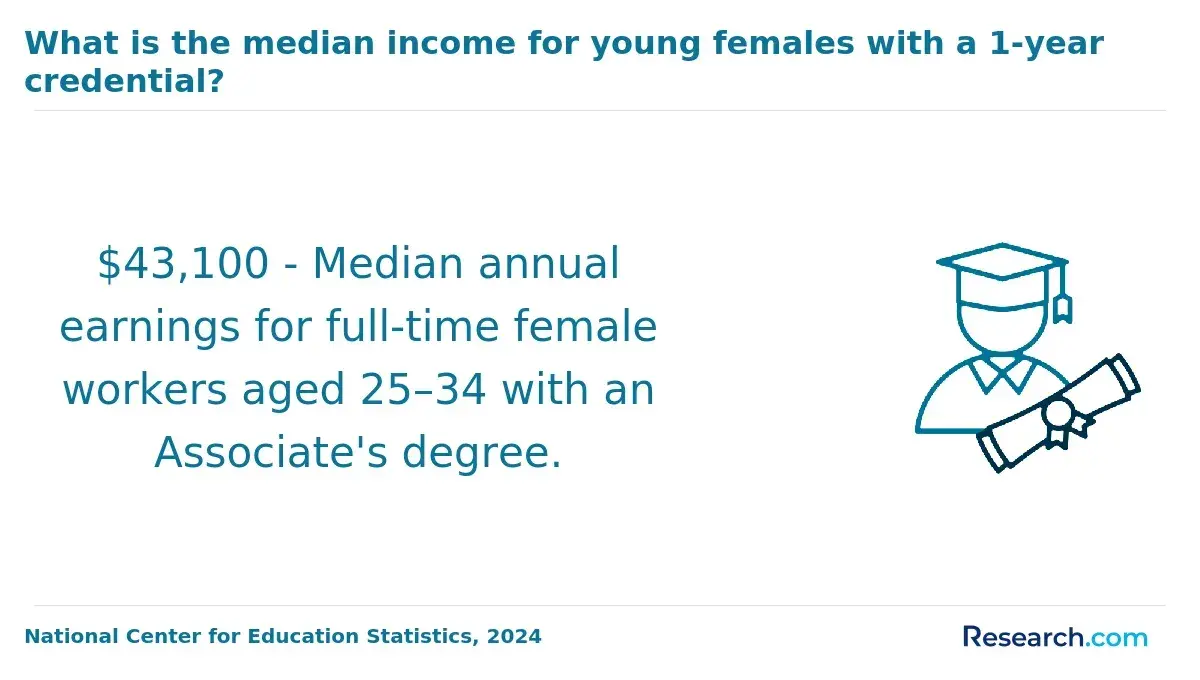
- Common GPA Threshold: Many accredited nurse executive leadership competency-based master's programs generally expect a minimum undergraduate GPA of about 3.0 on a 4.0 scale, signaling a solid academic foundation for graduate studies.
- Consideration of Professional Experience: Some institutions may waive strict GPA requirements if candidates bring substantial leadership experience or notable accomplishments in nursing administration, valuing practical expertise alongside academics.
- Alternative Assessment Approaches: These programs often prioritize demonstrated competencies, allowing applicants to submit leadership portfolios, complete skill-based assessments, or provide other evidence that showcases their abilities beyond traditional GPA metrics.
- Institutional Variability: Since GPA criteria can differ across programs, it's important to review each school's admissions policies carefully to understand specific expectations and potential exceptions.
- Admissions Support Services: Prospective students should connect with admissions advisors to receive tailored advice and clarification on how GPA standards apply in their unique cases.
Reflecting on a professional who pursued a competency-based online nurse executive leadership master's degree to facilitate a career change, he recalled initial anxiety about his GPA not fully representing his capabilities. He shared, "I worried my lower undergraduate GPA would hold me back, but the program's acceptance of my leadership portfolio made a big difference."
Navigating the application involved gathering evidence of his work achievements and completing competency evaluations, which ultimately proved more relevant than traditional academic scores. "The personalized guidance from admissions was invaluable, helping me understand exactly how to present my strengths," he noted, emphasizing how such alternative approaches can open doors for those with diverse backgrounds.
How Long Does It Take to Complete a Competency-Based Nurse Executive Leadership Master's Degree Online?
Prospective students considering a competency-based online nurse executive leadership master's degree will benefit from knowing how adaptable program durations can be. The typical length varies widely based on personal schedules and mastery of material. Below are key factors influencing completion time for this flexible degree model:
- Flexible, Self-Paced Progress: Students move forward by proving competency rather than logging fixed classroom hours. This enables motivated learners to accelerate their pace significantly compared to traditional programs.
- Typical Completion Range: While some students complete their degree in as few as 12 months, others may extend their studies up to three years to accommodate professional and family commitments.
- Subscription-Based Tuition Benefits: Many programs use flat-rate or subscription tuition models that motivate students to finish earlier, which in turn lowers overall costs.
- Prior Learning Assessment (PLA) and Transfer Credits: Learners with relevant experience or prior coursework in nurse executive leadership can often bypass certain competencies, shortening their journey.
- Setting a Realistic Timeline: Assessing work hours, personal obligations, and familiarity with nurse executive leadership subjects helps students establish a practical progress plan that balances learning pace with lifestyle.
The duration variability in a competency-based nurse executive leadership master's degree completion time reflects the program's personalized approach. For those exploring nursing degrees, finding information on the cheapest online nursing prerequisites may also be a helpful starting point.
How Much Does a Competency-Based Online Nurse Executive Leadership Master's Degree Cost?
Prospective students considering a competency-based online nurse executive leadership master's degree should familiarize themselves with tuition models and cost factors to plan their investment wisely. Below are key aspects of how pricing and fees typically function in these programs:
- Tuition Models: Programs often charge a flat subscription fee per term, allowing unlimited competency completion within that period, or charge based on each competency or credit earned. Subscription pricing encourages students to progress swiftly without worrying about extra charges per competency.
- Cost Comparisons: Traditional nurse executive leadership master's degrees usually range between $30,000 and $60,000, while competency-based programs often lower this to $10,000-$25,000 by enabling accelerated completion and leveraging online delivery.
- Financial Support: Various aid options are available, including federal student loans, employer tuition reimbursement, and scholarships aimed specifically at nurse executive leadership graduate students. These can significantly ease direct expenses.
- Additional Fees: Beyond tuition, students should budget for technology platform access, instructional materials, and textbooks, as these expenses accumulate over the duration of the program.
- Opportunity Costs: Faster program completion can reduce lost income or promote quicker career advancement, which should be factored into the overall assessment of program affordability.
A professional who completed a competency-based online nurse executive leadership master's program reflected on the financial journey, noting how the subscription model allowed her to accelerate her studies and save money. She described the initial challenge of estimating the total cost due to varying technology fees and resource needs but appreciated access to employer tuition benefits that softened the financial load. "The flexibility to move at my own pace meant I spent only what I needed on tuition and reentered the workforce sooner," she shared. This experience highlights how understanding all cost elements can help students better prepare for their educational investment.
Which Accrediting Bodies Recognize Competency-Based Nurse Executive Leadership Master's Programs?
For those exploring competency-based online nurse executive leadership master's degrees, verifying accreditation is essential for ensuring the value and recognition of the credential. Below are key considerations to keep in mind when assessing a program's accreditation status.
- Regional Accreditation: This is the primary indicator of institutional quality, granted by agencies like the Higher Learning Commission (HLC), Southern Association of Colleges and Schools Commission on Colleges (SACSCOC), and WASC Senior College and University Commission (WSCUC). These bodies evaluate the overall integrity of the institution, including faculty expertise and student services.
- Programmatic Accreditation: Specialized accreditors such as the Commission on Collegiate Nursing Education (CCNE) and the Accreditation Commission for Education in Nursing (ACEN) focus specifically on nursing leadership programs. They assess curriculum relevance and learning outcomes tailored to nurse executive leadership skills.
- Verification Tools: Prospective students should use the U.S. Department of Education's Database of Accredited Postsecondary Institutions and Programs (DAPIP) to confirm current and legitimate accreditation for both institutions and programs, promoting transparency and protecting against false claims.
- Evaluation of Competency-Based Education: Recognized accreditors place strong emphasis on how well CBE models measure students' mastery of leadership competencies through rigorous assessments, distinguishing credible programs from those lacking thorough verification.
- Avoiding Unrecognized Accreditors: Caution is advised against programs claiming accreditation by entities not acknowledged by the U.S. Department of Education or the Council for Higher Education Accreditation (CHEA), as such affiliations may indicate predatory practices and diminish degree value.
What Core Competencies and Curriculum Areas Are Covered in a Nurse Executive Leadership CBE Master's Program?
Prospective students exploring competency-based online nurse executive leadership master's degrees benefit from programs centered on clearly defined, measurable learning outcomes aligned with industry standards. These programs emphasize practical skills and leadership qualities needed for healthcare management. Below are key competency domains and curriculum features typical of nurse executive leadership CBE master's programs.
- Competency-Driven Learning Outcomes: Programs focus on outcomes that are precise and measurable, ensuring students meet professional expectations required for nurse executive roles.
- Leadership and Strategic Management: This domain develops advanced leadership capabilities such as decision-making, team coordination, and strategic planning essential for effective healthcare administration.
- Analytical Reasoning and Critical Thinking: Students gain expertise in data analysis, financial oversight, and quality improvement techniques designed to drive organizational excellence.
- Ethical Practice and Professionalism: Ethical decision-making, regulatory adherence, and advocacy for patient-centered care prepare students to handle moral and professional challenges in healthcare leadership.
- Applied Projects and Real-World Assessments: Instead of traditional coursework, learning is demonstrated through projects, case studies, and simulations that replicate real nurse executive leadership situations.
Curricula are constructed around competency units and assessments that emphasize real-world application. Prospective students should carefully review the competency frameworks of each program to ensure alignment with their career objectives in nurse executive leadership.
What Delivery Formats and Technology Platforms Are Used in Online Nurse Executive Leadership CBE Programs?
For students considering competency-based nurse executive leadership online learning platforms, understanding the technology infrastructure is crucial for a smooth educational experience. Technology platforms directly influence how learners interact with course material and progress. Below are key technology features typical in these programs:
- Learning Management Systems (LMS): Nurse executive leadership CBE programs commonly utilize platforms such as Canvas, Blackboard, or proprietary LMS solutions. These systems centralize course content, assessments, and resources, creating an intuitive experience for students to monitor their progress and access materials.
- Asynchronous Learning Flexibility: These programs often emphasize asynchronous learning, enabling students to engage with content at their own pace. This flexibility supports working professionals managing multiple commitments by allowing access to lectures, discussions, and modules anytime.
- Synchronous Engagement: While asynchronous learning predominates, some programs incorporate live sessions, virtual labs, or real-time group activities to enhance collaboration and provide immediate instructor feedback, often scheduled to accommodate various time zones.
- Accessibility and Device Compatibility: Quality CBE nurse executive leadership online programs prioritize accessibility features such as screen-reader support, captioned videos, and mobile-friendly interfaces to ensure all students can participate fully, regardless of device or special needs.
- Technical Support Services: Robust remote technical support, including help desks, troubleshooting guides, and orientation sessions, is essential to minimize technical disruptions and aid learners in navigating platform tools effectively.
Prospective students should take advantage of demos or free trial periods of technology platforms to verify compatibility with their individual learning styles and devices. Exploring these features firsthand can help determine if a program's technology aligns with their expectations and needs.
Those interested can also explore affordable mha online programs as part of their search for relevant competency-based nurse executive leadership online learning platforms.
How Are Students Assessed, and How Is Mastery Demonstrated in Nurse Executive Leadership CBE Programs?
For prospective students exploring competency-based assessment methods in nurse executive leadership online master's programs, grasping how mastery is demonstrated is essential. These programs shift away from traditional timed exams toward practical and applied assessments. The following key points illustrate how competency-based education (CBE) evaluates student success in nurse executive leadership, setting it apart from conventional models.
- Performance-Based Assessments: Students demonstrate mastery through real-world activities such as simulations, case studies, or capstone projects that replicate nurse executive leadership scenarios. These tasks evaluate practical leadership skills beyond rote memorization.
- Faculty Evaluation Using Standardized Rubrics: Competency assessors or faculty review student submissions according to detailed rubrics aligned with industry standards in nurse executive leadership. This standardized evaluation ensures consistency and objectivity in grading.
- Growth-Oriented Resubmission Process: When initial mastery is not demonstrated, students can revise and resubmit their work. This non-punitive approach fosters continuous improvement and deep learning rather than penalizing mistakes.
- Portfolios and Reflective Evidence: Students compile portfolios showcasing a range of work products reflecting their leadership competencies over time. These portfolios offer comprehensive evidence of acquired skills linked to real-world leadership demands.
- Meaningful Employer Recognition: Because mastery is proven through applied competencies tied directly to professional standards, employers often find this evidence-based demonstration more meaningful than traditional letter grades.
This method of assessment aligns closely with demonstrating mastery in nurse executive leadership competency-based education, where practical outcomes matter most. Students considering these programs should also research admissions criteria, accreditation, and cost details to find a CBE option tailored to their goals. For those concerned with application barriers, options like online colleges no application fee may ease the entry process.
What Transfer Credit and Prior Learning Assessment Options Exist for Nurse Executive Leadership CBE Programs?
Prior learning assessment (PLA) offers a valuable opportunity for students enrolling in a competency-based online nurse executive leadership master's degree to earn academic credit for existing knowledge and skills acquired outside traditional classrooms. By validating mastery through various methods, PLA helps reduce program length and tuition costs. Here are the main approaches used by nurse executive leadership CBE programs:
- Portfolio Evaluation: Students compile a comprehensive portfolio of their professional experience, certifications, and relevant training. This portfolio serves as documented proof of competencies aligned with program outcomes, allowing substitution of coursework.
- Standardized Exams: Exams like CLEP (College-Level Examination Program) and DSST (DANTES Subject Standardized Tests) assess knowledge in specific leadership and healthcare domains. Passing these exams can translate into transferable credits recognized by the institution.
- Challenge Exams: Some schools administer customized challenge or proficiency exams tailored to their curriculum, enabling students to test out of core courses by demonstrating required knowledge and skills.
- Transfer Credit Limits: Despite offering PLA options, most programs place caps on the number of credits accepted to maintain academic rigor and comprehensive mastery within their degree framework.
- Documentation and Inquiry: Prospective students should prepare detailed records of nurse executive leadership experience, certifications, and prior coursework, and proactively seek information on PLA policies during admissions to maximize credit awards.
What Career Outcomes and Professional Opportunities Does a Nurse Executive Leadership CBE Master's Degree Unlock?
Prospective students considering a competency-based online nurse executive leadership master's degree can benefit from understanding how this credential translates into tangible career growth. Emphasizing proven skills over traditional academic metrics, this pathway positions graduates favorably within healthcare leadership roles. The points below outline key advantages and opportunities associated with the degree.
- Expanded Leadership Roles: Graduates qualify for senior-level titles such as nurse executive, director of nursing, clinical manager, and healthcare administrator. These positions demand strategic oversight and operational expertise, central to competency-based education.
- Competitive Salary Prospects: Annual earnings for nurse executive leadership roles typically span $90,000 to $150,000, influenced by factors like location, healthcare settings, and individual experience, reflecting the value placed on advanced credentials.
- Robust Industry Demand: Hospitals, outpatient facilities, insurance companies, and health systems actively seek professionals with competency-based degrees, recognizing their measurable leadership, financial management, policy understanding, and patient care capabilities.
- Distinctive Competency Portfolios: Graduates maintain detailed portfolios demonstrating their skills and accomplishments, offering concrete evidence during hiring processes that helps differentiate them from other candidates.
- Networking and Professional Communities: Engagement with professional associations and alumni networks from CBE programs enhances career trajectories through mentorship, specialized learning, and exclusive job opportunities.
What Graduates Say About Their Competency-Based Online Nurse Executive Leadership Master's Degrees
- Aries: "Choosing a competency-based online nurse executive leadership master's degree allowed me to tailor my learning pace around my demanding job. The program's reasonable cost was a huge factor, making advanced education accessible without overwhelming financial stress. Since graduating, I've noticed a clear boost in my confidence and leadership skills, which has opened new doors in my career."
- Fernan: "Reflecting on my experience, the main reason I opted for a competency-based online nurse executive leadership master's degree was the flexibility it offered, letting me balance study with family and work. The cost was competitive compared to traditional programs, which eased my decision. Professionally, the degree refined my strategic thinking and prepared me to take on higher-level administrative roles with greater ease."
- Ruth: "What stood out to me was the ability to accelerate through competencies I already mastered, cutting down on time and tuition fees. The cost-effectiveness of this nurse executive leadership master's program was unlike any other I reviewed. Completing it empowered me to implement innovative management techniques at my hospital, making a measurable impact on patient care quality."
Other Things You Should Know About Nurse Executive Leadership Degrees
In 2027, competency-based programs allow students to progress through course material at their own pace, focusing on mastery of skills rather than time spent in class. This contrasts with traditional programs, which follow a structured schedule, creating a more flexible option for working professionals.
In 2027, competency-based programs focus on mastery of specific skills at your own pace, while traditional programs follow structured timelines. The competency-based approach may offer greater flexibility but requires strong self-discipline and time management skills. Traditional programs provide more guided learning and set deadlines.
Pros include flexible pacing, the ability to leverage prior experience, and often lower overall costs. These programs cater to self-motivated learners and working professionals needing adaptable schedules. Cons may include less synchronous interaction and the need for strong self-discipline. Additionally, the newer format might be less familiar to some employers or institutions compared to traditional degrees.
References
- How to Get Credit for Prior Learning in Nursing Programs https://www.cael.org/resouces/pathways-blog/how-to-get-credit-for-prior-learning-in-nursing-programs
- 3 Benefits of Chamberlain’s MSN Nurse Executive Degree Program https://www.chamberlain.edu/blog/3-benefits-of-chamberlain-s-msn-nurse-executive-degree-program
- Online Master’s in Nursing Administration & Nurse Executive Leadership Programs https://www.onlineeducation.com/nursing/nursing-administration-executive-leadership-programs
- Top 20 Online Master's Degrees in Nursing Administration and Leadership - Healthcare Management Degree Guide https://www.healthcare-management-degree.net/best/online-masters-degrees-in-nursing-administration-and-leadership/
- Measuring mastery: Best practices for assessment in competency-based education https://www.academia.edu/16912279/Measuring_mastery_Best_practices_for_assessment_in_competency_based_education
- Nurse Executive Post-Master’s Certificate https://catalog.pnw.edu/preview_program.php
- How to Get Credit for Prior Learning in Nursing Programs https://www.allnursingschools.com/articles/prior-credit-nursing/
- Nursing Leadership in the Digital Age: A Powerful Role in Healthcare Transformation https://www.cambridgehealth.edu/careers/healthcare-career/nursing-leadership-in-the-digital-age-a-powerful-role-in-healthcare-transformation/
- Implementing CBE in Nursing Education https://corehighered.com/en/blog/implementing-cbe-in-nursing-education
- Client Challenge https://www.springerpflege.de/mastery-learning-in-a-bachelor-s-of-nursing-program-the-roseman-/50627334