
2027 Competency-Based Online Project Management Master's Degrees

Co-Founder and Chief Data Scientist
Many prospective students face uncertainty choosing between traditional and competency-based online project management master's programs. Career changers often worry about how their prior experience translates into credits and timely graduation. With employment in project management expected to grow 12% through 2030, accelerated CBE programs attract those seeking faster, flexible paths without strict credit-hour confines. However, understanding admissions criteria, GPA expectations, and cost differences can be daunting.
This article explores the fundamentals of competency-based education in project management master's degrees, guiding readers through program structures, accreditation, curriculum, and career outcomes to help make informed decisions aligned with their professional goals.
Key Benefits of Competency-Based Online Project Management Master's Degree
- Competency-based online project management master's degrees allow working professionals to learn at their own pace, balancing education with career and personal commitments.
- Students accelerate skill acquisition by demonstrating mastery, often completing programs 30-50% faster than traditional credit-hour models.
- These programs foster global networking opportunities by connecting students with diverse peers and industry experts worldwide, enhancing career prospects.
What Is a Competency-Based Project Management Master's Degree, and How Does It Work?
Prospective students interested in competency-based online project management master's degrees will find this approach offers a flexible and efficient alternative to traditional programs. By focusing on skill mastery rather than credit hours, learners can progress according to their own readiness. Below are key elements that define how competency-based learning works in project management master's education.
- Competency-Based Education Explained: Unlike traditional programs requiring fixed credit hours, competency-based education (CBE) centers on demonstrating mastery of specific project management skills and knowledge. Progression depends on proving understanding, regardless of time spent in class.
- Self-Paced Learning Structure: These programs often allow students to move through modules at their own pace, enabling acceleration when ready. This supports diverse schedules and learning speeds common among adult learners.
- Assessment and Mastery Focus: Students complete assessments such as projects, exams, and practical tasks that confirm competencies, ensuring graduates have real-world expertise rather than just academic hours.
- Faculty and Mentor Support: While largely self-directed, CBE programs usually include instructors or mentors to provide feedback and guidance, helping students apply concepts effectively.
- Alignment with Adult Learners: Designed for working professionals, this model offers flexibility and leverages prior experience, making graduate study more accessible and relevant.
Enrollment in competency-based programs has grown by over 20% annually in recent years, reflecting rising demand for adaptable graduate education solutions. Students looking for adaptable paths may also explore easy degrees that pay well as part of their education planning. Integrating competency-based learning in project management master's degrees ensures a practical, personalized approach attuned to the needs of today's learners.
What Are the Admission Requirements for a Competency-Based Online Project Management Master's Program?
Prospective students aiming for a competency-based online Project Management master's degree should carefully consider the specific admission requirements, which often differ from traditional credit-hour programs. These criteria ensure applicants possess the necessary skills and background to succeed in a competency-based education (CBE) environment focused on demonstrated abilities. Below are the main factors typically evaluated during admission:
- Bachelor's Degree and Academic Records: Completion of a bachelor's degree from an accredited institution is a fundamental requirement. Applicants usually need to submit official transcripts, and while GPA requirements can be more flexible than in traditional programs, academic credentials remain important.
- Professional Experience: Many programs prefer or require prior professional experience in Project Management or related fields. This practical background helps assess applicants' readiness for competency-based learning, emphasizing applied knowledge over theoretical coursework.
- Standardized Test Requirements: Unlike conventional graduate admissions, competency-based programs often waive GRE or GMAT tests. This reflects their prioritization of measurable competencies instead of standardized scores.
- Letters of Recommendation and Personal Statements: Applicants are commonly asked to provide references that highlight their professional skills and academic potential, along with personal statements articulating their motivations and relevant competencies in Project Management.
- Holistic Evaluation Approach: Admissions committees review multiple facets of an applicant's profile, including academic records, professional experience, recommendations, and communication skills. This well-rounded approach aligns with the CBE model's focus on comprehensive readiness rather than isolated metrics.
Applicants aiming to enhance their chances should emphasize specific Project Management competencies and relevant work experience in their applications. Additionally, researching accredited programs through resources like accredited online colleges that accept fafsa can help identify reputable institutions. Understanding how GPA and application requirements vary in online Project Management master's programs will further streamline the application process.
What Is the Minimum GPA Requirement for a Project Management Competency-Based Master's Program?
For those considering a competency-based online project management master's degree, knowing the usual GPA expectations can help set realistic admission goals. While many programs emphasize academic performance, they often recognize that experience and demonstrated skills matter just as much. Here are some important points prospective students should know:
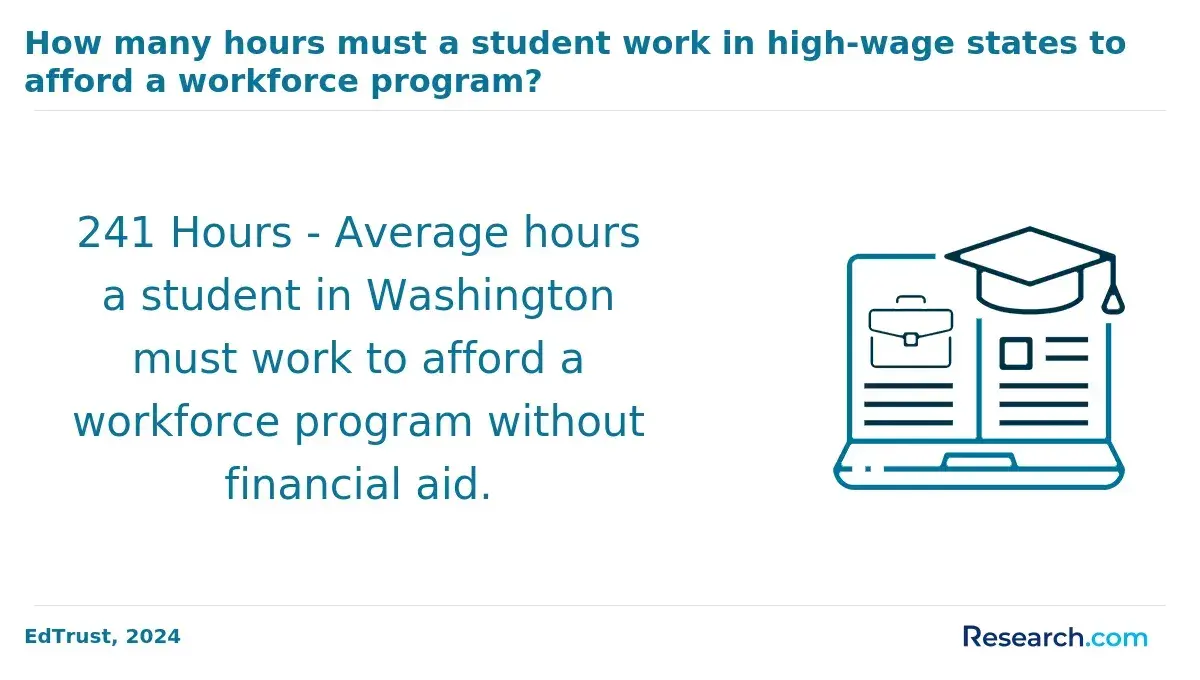
- Common GPA Thresholds: Accredited project management CBE master's programs typically expect a minimum undergraduate GPA near 3.0 on a 4.0 scale to ensure readiness for graduate study.
- Flexibility Based on Experience: Programs often consider applicants with lower GPAs if they have strong professional backgrounds or notable contributions in project management, valuing real-world expertise.
- Alternative Assessment Methods: Many CBE programs assess candidates through portfolios, competency-based evaluations, or prior learning reviews that can compensate for weaker academic records.
- Institutional Differences: GPA standards and exceptions vary, so it is crucial for applicants to check each school's published criteria carefully.
- Advisory Support: Engaging with admissions counselors can clarify individual qualification concerns and reveal strategies to enhance one's application beyond GPA metrics.
When speaking with a professional who pursued an online project management master's to change careers, he shared that the GPA requirement initially felt intimidating. "My undergraduate GPA was below the typical threshold, but the program's emphasis on competency and professional experience gave me confidence," he explained. He appreciated the chance to present a portfolio showcasing leadership in past roles, which helped admissions see his capabilities beyond grades. "It wasn't just about numbers; it was about proving I understood the core skills," he said. Navigating this process required patience and clear communication with advisors, which ultimately made the difference in gaining acceptance.
How Long Does It Take to Complete a Competency-Based Project Management Master's Degree Online?
For those interested in a competency-based online project management master's degree, the flexible pace is a major advantage, allowing students to tailor their studies to fit busy lifestyles. Below are key factors that influence the duration and progression of such programs:
- Flexible, Self-Paced Progression: Students advance by demonstrating competency instead of completing fixed semesters, enabling faster completion for motivated learners or extended timelines for those balancing other priorities.
- Typical Completion Range: Completion times typically span from 12 months for highly dedicated students to around 3 years for individuals managing work and family commitments, reflecting the personalized nature of competency-based project management master's degree completion time.
- Subscription-Based Tuition Models: Many programs use a subscription fee based on enrolled time periods rather than per credit, incentivizing quicker progress through lower overall tuition costs.
- Prior Learning Assessment and Transfer Credits: Students can often shorten their program by earning credit for previous work experience or coursework, allowing them to bypass competencies they have already mastered.
- Setting a Realistic Timeline: It's important to factor in weekly work hours, family obligations, and familiarity with project management topics to develop a manageable study schedule that promotes steady progress without risking burnout.
Prospective students might also explore the best online business degree options to compare program length, cost, and flexibility when planning their educational journey.
How Much Does a Competency-Based Online Project Management Master's Degree Cost?
Prospective students considering a competency-based online project management master's degree should understand the common tuition frameworks and their impact on overall expenses. The following highlights key cost factors to keep in mind.
- Subscription-Based Tuition: Charged as a fixed fee per term-typically between $2,000 and $3,500-this model allows learners to complete as many competencies as possible within that period. It suits self-motivated students who can accelerate their pace to reduce the total time and cost.
- Per-Competency or Per-Credit Pricing: Students pay for each individual competency or credit completed, often ranging from $300 to $1,200 per unit. This offers flexibility to progress at a personalized speed but may lead to higher costs if completion takes longer.
- Cost Advantages Over Traditional Programs: Due to streamlined delivery and the ability to complete coursework faster, these degrees frequently cost 20% to 50% less than conventional project management master's degrees.
- Financial Aid and Employer Support: Many programs qualify for federal student loans, and employer tuition assistance is commonly available. Scholarships targeting project management graduate students can also help alleviate expenses.
- Comprehensive Cost Considerations: Beyond tuition, students should include technology fees, required materials like textbooks, and opportunity costs such as income lost during study time when budgeting the full investment.
A professional who transitioned careers after earning a competency-based online project management master's shared that while managing tuition fees was initially daunting, the subscription model offered clarity and control over expenses. She recalled frequently strategizing to intensify her studies early on, which helped her minimize the number of terms needed. "It felt empowering to pay a flat rate and just focus on mastering the competencies," she noted. Despite occasional challenges balancing work and study, the financial predictability of CBE tuition made completing the degree feel more attainable than traditional formats.
Which Accrediting Bodies Recognize Competency-Based Project Management Master's Programs?
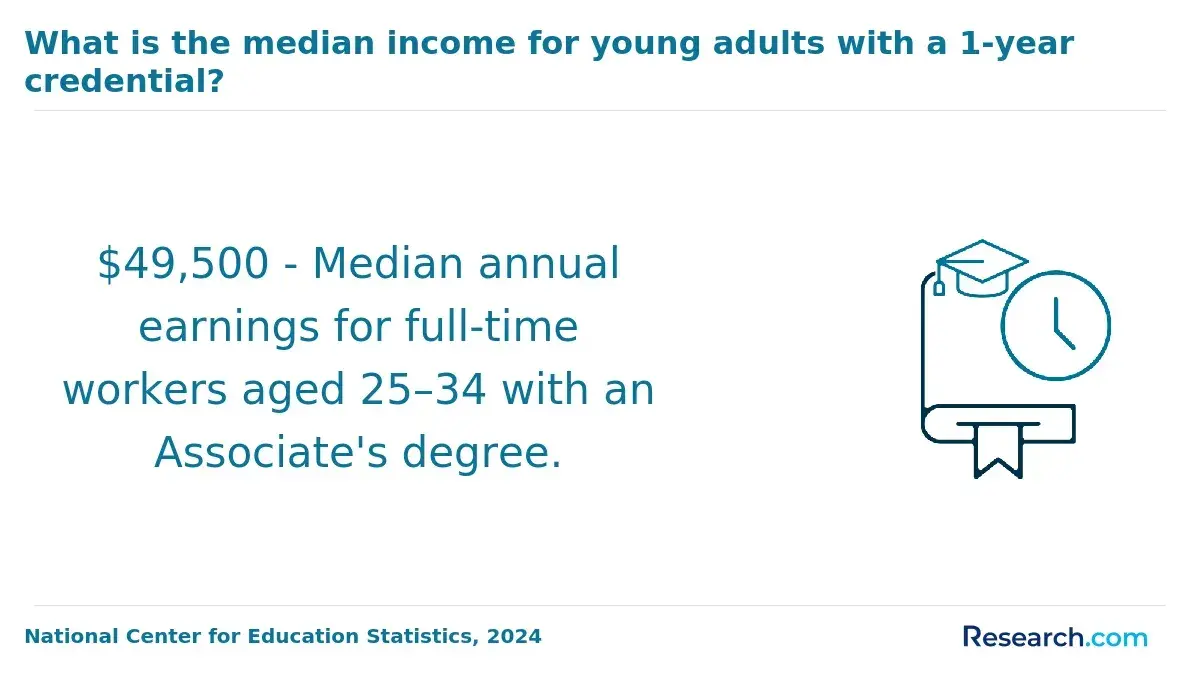
Accreditation status plays a vital role for prospective students exploring competency-based online project management master's degrees, impacting both the recognition of their credential by employers and access to federal financial aid. To better assess program legitimacy and quality, consider the following factors:
- Regional Accreditation Authorities: Institutions accredited by regional bodies like the Higher Learning Commission (HLC), Southern Association of Colleges and Schools Commission on Colleges (SACSCOC), and WASC Senior College and University Commission (WSCUC) meet stringent standards ensuring academic excellence and are widely respected across the United States.
- Programmatic Accreditation Focus: Discipline-specific accreditors such as the Project Management Institute's Global Accreditation Center (PMI GAC) evaluate whether curricula and learning outcomes align with industry expectations, assuring graduates are prepared for certification and professional success.
- Official Verification Resources: Students can confirm accreditation credentials using the U.S. Department of Education's Database of Accredited Postsecondary Institutions and Programs (DAPIP), which lists recognized accrediting agencies and legitimate programs.
- Financial Aid and Employment Implications: Attendance at accredited institutions usually qualifies students for federal aid, while employers favor candidates holding degrees from accredited programs, linking accreditation directly to career advancement opportunities.
- Caution Against Unrecognized Accrediting Entities: Some programs may claim accreditation from organizations not acknowledged by the Department of Education or CHEA, which can be a red flag for predatory practices; it's crucial to prioritize recognized accreditors when selecting a program.
What Core Competencies and Curriculum Areas Are Covered in a Project Management CBE Master's Program?
For prospective students considering a competency-based online project management master's degree, it is crucial to recognize that these programs are designed around clearly defined, measurable learning outcomes aligned with industry standards and professional expectations. This structure ensures graduates possess relevant, job-ready skills. The following points highlight the core competencies and curriculum features typical of these innovative programs:
- Competency-Driven Learning Outcomes: Programs emphasize specific, measurable skills directly linked to industry-recognized project management standards. These outcomes steer the curriculum and enable students to demonstrate mastery of key concepts and best practices.
- Analytical Reasoning and Problem-Solving: Students gain expertise in evaluating complex project environments, interpreting data accurately, and making informed decisions. This competency is essential for managing risks and optimizing resources in dynamic situations.
- Leadership and Communication Skills: Successful project managers lead teams effectively and engage diverse stakeholders. Curriculum components typically cover conflict resolution, negotiation, and team motivation within project scopes and timelines.
- Technical and Domain-Specific Expertise: Coursework focuses on methodologies like Agile and Waterfall, project management tools, and relevant software applications. This technical grounding facilitates the application of theory to practical scenarios.
- Ethical Practice and Professional Responsibility: Programs incorporate ethical decision-making principles, compliance with regulations, and professional accountability to prepare students for maintaining integrity throughout project lifecycles.
Rather than following traditional lecture-based classes, these programs organize curriculum into competency units, assessments, and applied projects that simulate real-world project management challenges. Prospective students should carefully review each program's competency framework to confirm alignment with their career aspirations and industry requirements.
What Delivery Formats and Technology Platforms Are Used in Online Project Management CBE Programs?
Online project management competency-based program delivery platforms play a vital role in shaping student experiences for those pursuing an online master's degree. These technological infrastructures influence how learners interact with materials and demonstrate mastery. Below are essential features commonly found in technology used in online project management master's degrees.
- Learning Management Systems (LMS): Robust LMS platforms such as Canvas, Blackboard, or proprietary systems designed specifically for competency-based education organize course content, monitor learner progress against competencies, and streamline assessments to support effective skill mastery.
- Asynchronous Learning: This format allows students to engage with lectures, readings, and assignments on their own schedules, promoting flexible, self-paced completion of project management competencies that is ideal for working professionals and global learners.
- Synchronous Components: Some programs integrate live virtual sessions or interactive labs to foster real-time collaboration, clarify difficult concepts, and simulate practical project environments, enhancing comprehension without replacing the primarily asynchronous experience.
- Accessibility and Mobile Compatibility: Leading CBE programs ensure their platforms comply with standards like WCAG, making resources accessible for users with disabilities. Mobile-friendly interfaces and dedicated apps allow students to study seamlessly across devices.
- Technical Support Services: Responsive help desks and tutorial resources enable learners to promptly resolve technical problems, minimizing disruptions and allowing sustained focus on mastering project management topics.
Prospective students are encouraged to request a demonstration or trial period of a program's technology platform to verify its alignment with their learning style and available devices. Finding a program with a supportive technological ecosystem is key to succeeding in an online project management competency-based program. For those exploring options, consulting listings of affordable masters programs can provide additional guidance on accessible yet high-quality degrees.
How Are Students Assessed, and How Is Mastery Demonstrated in Project Management CBE Programs?
Prospective students exploring competency based assessment methods in project management master's programs should understand how mastery differs significantly from traditional timed exams. In these programs, students demonstrate their skills primarily through practical tasks reflecting real workplace demands. Below are key aspects that characterize assessment and mastery demonstration in this model.
- Performance Tasks and Simulations: Students complete realistic project management tasks or simulations that require applying knowledge in professional scenarios, focusing on problem-solving rather than memorization.
- Capstone Projects and Portfolios: Many CBE programs include comprehensive capstone projects or portfolios, allowing students to integrate competencies across multiple project stages for faculty evaluation.
- Role of Faculty Evaluators: Competency assessors use standardized rubrics aligned with project management professional standards to objectively review student submissions, ensuring consistent and fair measurement of mastery.
- Growth-Oriented Assessment Process: When mastery is not initially shown, students can revise and resubmit work in a non-punitive process that fosters continuous learning and skill improvement.
- Employer-Valued Evidence of Competency: This evidence-based approach provides employers with tangible proof of practical skills, often valued more than traditional letter grades in hiring decisions.
This approach to demonstrating mastery aligns with the goals of online project management competency based degrees, focusing on authentic proof of capability over test scores. Students seeking flexible, skills-focused education may also consider other fields, such as a game development degree offered through similar pathways emphasizing demonstrated competency.
What Transfer Credit and Prior Learning Assessment Options Exist for Project Management CBE Programs?
Prior learning assessment (PLA) is especially valuable for students pursuing a competency-based online project management master's degree, as it recognizes existing expertise and helps accelerate their educational journey. This process allows learners to earn credit by proving their mastery in relevant areas. The following list highlights common PLA approaches used by many project management CBE programs:
- Portfolio Evaluation: Candidates compile documentation of professional experience, certifications, and completed projects. Faculty or evaluators thoroughly assess these submissions to verify competency and award appropriate course credit.
- Standardized Exams: Tests such as CLEP or DSST are frequently accepted, assessing foundational knowledge in key project management topics. Success in these exams enables students to bypass certain courses.
- Institutional Challenge Exams: Some universities offer their own exams aimed at determining if a student has mastered specific subject matter, providing an additional pathway to earn credit.
- Transfer Credit Limits: While PLA options are flexible, most programs cap transfer credits at around 30% to 50% of the degree requirement to uphold academic integrity and accreditation standards.
- Time and Cost Efficiency: Leveraging PLA effectively can reduce both the duration of study and tuition expenses, making degree completion quicker and more affordable.
Applicants should gather comprehensive records of their project management experience and certifications prior to applying. Engaging with program admissions to clarify PLA policies and credit transfer protocols is also advised to maximize benefits.
What Career Outcomes and Professional Opportunities Does a Project Management CBE Master's Degree Unlock?
For individuals pursuing a competency-based online project management master's degree, recognizing how this credential translates into tangible career benefits is crucial. The following highlights illustrate the market value and professional advantages that accompany earning such a degree.
- Employer Preference for Verified Skills: Hiring managers increasingly prioritize candidates who can prove mastery of specific project management competencies over those relying solely on traditional degrees. CBE graduates present concrete evidence of their expertise, enhancing their appeal during the recruitment process.
- Common Roles and Salary Expectations: Those with advanced project management credentials often secure positions like project manager, program manager, portfolio manager, or project analyst. Salary data shows these roles typically offer annual earnings between $75,000 and $120,000 or higher, contingent on experience and sector.
- Industry Versatility: Project management professionals are sought after in varied fields such as IT, healthcare, construction, finance, and manufacturing. Organizations across these industries view robust project management skills as essential for effective leadership and outcomes.
- Competitive Advantage Through Competency Portfolios: Documented portfolios showcasing verified skills give CBE graduates a unique edge in interviews and applications, allowing them to demonstrate real-world problem solving and project execution abilities.
- Networking and Professional Affiliations: Active involvement in sector-specific associations, alumni groups, and mentorship networks linked to CBE programs fosters ongoing career growth, offering access to job opportunities and continuing education.
What Graduates Say About Their Competency-Based Online Project Management Master's Degrees
- Byron: "I chose the competency-based online project management master's degree because it allowed me to progress at my own pace, fitting studies around my busy work schedule. The affordability of the program made it possible without sacrificing my financial stability. Since graduating, I've applied the skills immediately in real-world scenarios, accelerating my career growth more than I expected."
- Elaine: "Reflecting on my experience, the biggest draw was the clear focus on mastering competencies rather than just accumulating credits. The program's cost was very reasonable compared to traditional degrees, which helped ease my decision. Professionally, earning this degree has boosted my confidence and opened doors to leadership roles I hadn't considered before."
- Camille: "As someone who needed flexibility and value, I found the competency-based online project management program perfectly suited my needs. The cost-effectiveness was a huge factor, especially knowing I wouldn't be paying for endless semesters. This degree has empowered me to lead projects more effectively and has been a pivotal step in my ongoing professional development."
Other Things You Should Know About Project Management Degrees
In 2027, the pros of pursuing a competency-based Project Management master's degree online include flexibility and a personalized pace. Cons may involve the need for self-discipline and reduced real-time interaction with peers and instructors compared to traditional formats.
Competency-based programs allow students to progress by demonstrating mastery of specific skills rather than accumulating credit hours at a fixed pace. This often leads to greater flexibility and potentially faster completion times. Traditional programs follow a semester schedule with fixed courses, while CBE emphasizes personalized pacing and real-world application.
Employers and graduate schools typically view a competency-based Project Management master's degree positively. This approach demonstrates mastery of relevant skills and knowledge, which is often valued in the workplace. However, acceptance can vary by institution, so it's advisable to verify their perceptions and recognition individually.
References
- Online Collaboration Software for Project Management | Planview https://www.planview.com/resources/articles/lkdc-online-collaboration-software-project-management/
- RPL Assessment - BSB50820 Diploma of Project Management (Recognition of Prior Learning) https://elementalprojects.arlo.co/w/courses/66-rpl-assessment-bsb50820-diploma-of-project-management-recognition-of-prior-learning
- 5 careers you can go into with a project management degree https://online.essex.ac.uk/blog/5-careers-project-management-graduates/
- Careers and Outcomes | Master of Project Management | Elmhurst University https://www.elmhurst.edu/academics/departments/business/programs/master-project-management/careers-outcomes/
- Beyond the Diploma: Understanding Competency-Based Master's Degrees - Oreate AI Blog http://oreateai.com/blog/beyond-the-diploma-understanding-competencybased-masters-degrees/091601871c3d3b14a5358df0e52553a1
- Why learn about Advanced Competency-Based Management (CBM)? Hear what this Competency Academy participant has to say! https://resources.hrsg.ca/blog/why-learn-about-competency-based-management-cbm
- CEO George Mentz Colorado Springs http://projectmanagementcertification.org/masterprojectmanager.html
- PMI Accreditation – What It Means and Why It Matters - Online Masters Project & Programme Management https://projectmanagement-ul.ie/pmi-accreditation-means-matters/
- How to leverage cloud-based solutions for effective project management https://www.ilxgroup.com/eur/blog/how-to-leverage-cloud-based-solutions-for-effective-project-management
- CBE Starter Pack 4: Progress Based on Mastery https://aurora-institute.org/cw_post/cbe-starter-pack-4-progress-based-on-mastery/


