2027 Competency-Based Online School Psychology Master's Degrees

Co-Founder and Chief Data Scientist
Many prospective students struggle to find flexible graduate programs that recognize prior knowledge and allow self-paced progress. Traditional credit-hour models often extend time and cost, impeding career changers and working professionals aiming to enter school psychology swiftly. Competency-based education (CBE) offers an alternative by assessing mastery over fixed timeframes, a critical shift as the Bureau of Labor Statistics reports a 10% employment growth for school psychologists from 2022 to 2032.
This article explains how competency-based online school psychology master's degrees function, comparing them to traditional formats while addressing admissions, curricula, accreditation, and career outcomes.
Key Benefits of Competency-Based Online School Psychology Master's Degree
- Competency-based online school psychology master's degrees offer flexible pacing ideal for working professionals balancing careers and study commitments without fixed semester schedules.
- This model accelerates skill acquisition by allowing students to advance upon demonstrated mastery, often reducing program length by 25% compared to traditional formats.
- Students benefit from diverse, global peer networks enabled through online platforms, broadening professional connections beyond regional limitations common in campus-based programs.
What Is a Competency-Based School Psychology Master's Degree, and How Does It Work?
For prospective students exploring competency-based online school psychology master's programs, grasping how this model differs from traditional education formats is essential. Competency-based education (CBE) emphasizes demonstration of skills over time spent in class, offering an adaptable path for learners. Below are key features that explain how competency-based learning works in school psychology degrees.
- Mastery Over Time Spent: Instead of the typical requirement of fixed credit hours, CBE students progress by proving mastery of defined skills and knowledge areas, focusing on outcomes rather than seat time.
- Self-Paced Learning Modules: Coursework is arranged into modular, self-directed units allowing students to learn at their own pace, reinforcing core competencies crucial to effective school psychology practice.
- Assessments for Demonstrated Competence: Regular evaluations-including projects, exams, and applied tasks-assess real-world skills and replace traditional letter grades with mastery-based feedback.
- Faculty and Mentor Support: Even though programs are self-paced, students generally receive continuous guidance from faculty mentors to help clarify complex psychological concepts and maintain progress.
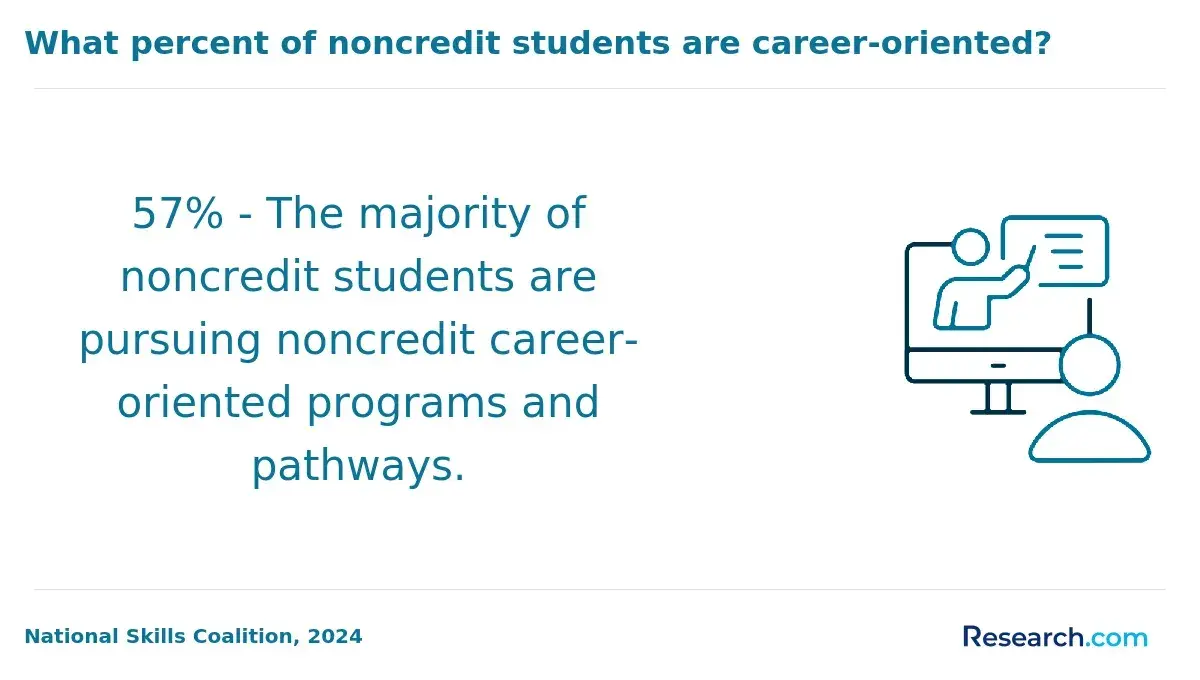
- Alignment With Adult Learners' Needs: This flexible structure suits working professionals and adult students, prioritizing applicable skills over classroom hours. Notably, the 2023 CACREP report indicated a 25% increase in enrollment in competency-based graduate programs, highlighting their rising popularity.
Competency-based school psychology master's programs explained in this way provide a clear alternative to traditional credit-hour models by focusing on measurable outcomes tailored to individual learning speeds. For those interested in the fastest degree to get with practical relevance in psychology, these programs represent a valuable option to consider.
What Are the Admission Requirements for a Competency-Based Online School Psychology Master's Program?
Applicants to competency-based online school psychology master's programs should prepare to meet specific admission standards that reflect the unique focus on demonstrated skills rather than traditional credit hours. Understanding these requirements helps applicants align their qualifications and enhance their chances of acceptance. Key admission factors include the following:
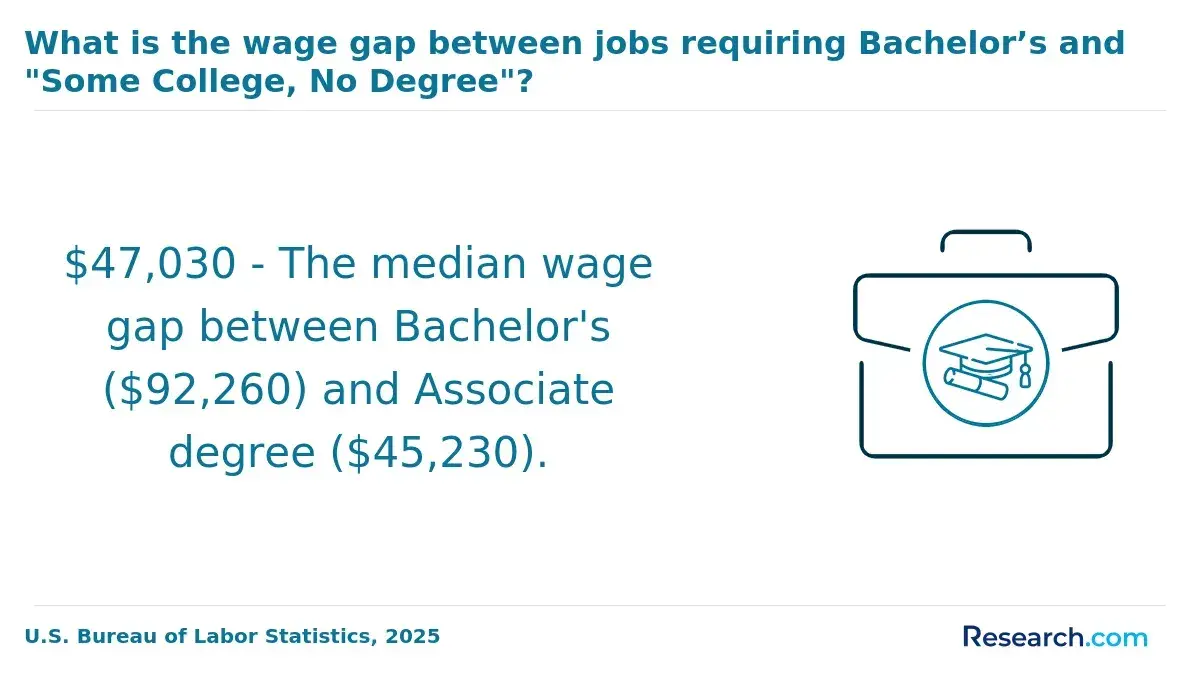
- Bachelor's Degree and Transcripts: Candidates must possess a bachelor's degree from an accredited institution, typically in psychology, education, or a related discipline. Programs often require official transcripts and may enforce minimum GPA and entrance criteria for online school psychology master's degree programs to ensure academic readiness.
- Letters of Recommendation: Usually, applicants need two or three letters of recommendation from individuals who can attest to their academic abilities, professional competencies, or potential in school psychology. These letters provide insight beyond grades, helping admission committees gauge applicant suitability.
- Prior Professional Experience: While not always mandatory, relevant experience in school psychology, education, counseling, or related fields is preferred. This practical background showcases applicant commitment and strengthens applications by demonstrating real-world knowledge.
- Standardized Test Requirements: Unlike traditional graduate programs, many competency-based education (CBE) options waive GRE or GMAT requirements. This reflects CBE's holistic admissions philosophy, valuing demonstrated skills and competencies over standardized test scores.
- Holistic Evaluation and Application Strengthening: Admission decisions are based on multiple factors including academic history, professional experience, and motivation. Prospective students are encouraged to highlight specific school psychology skills, relevant competencies, and any work or volunteer experience, which can notably improve application strength.
For students exploring efficient pathways, programs offering easy degrees to get online sometimes include competency-based master's degrees in school psychology, making these options attractive for career changers or recent graduates focused on practical skills acquisition.
What Is the Minimum GPA Requirement for a School Psychology Competency-Based Master's Program?
Prospective students considering a competency-based online school psychology master's program often wonder about the minimum undergraduate GPA requirements. While many programs emphasize practical skills, academic performance still shapes admission decisions. The following points highlight the usual expectations and alternative evaluation methods related to GPA in these settings:
- Typical GPA Thresholds: Accredited competency-based master's programs commonly require a minimum undergraduate GPA near 3.0 on a 4.0 scale, establishing a baseline of academic readiness for graduate-level study.
- Consideration of Professional Experience: Some programs are flexible with GPA requirements, especially if applicants can demonstrate meaningful experience, leadership, or notable contributions in school psychology fields.
- Alternative Assessment Tools: Applications may include portfolios, direct competency evaluations, or interviews that enable candidates to showcase relevant skills outside conventional GPA metrics.
- Institutional Variability: GPA policies differ by institution, so reviewing specific admissions guidelines is essential to understand each program's expectations and exceptions.
- Value of Admissions Consultation: Speaking with admissions advisors can clarify GPA requirements, potential waivers, or conditional admission pathways tailored to individual circumstances.
When asked about his experience, a professional who enrolled in a competency-based online school psychology master's program explained that while his undergraduate GPA was below the typical cutoff, he relied heavily on his extensive work background and portfolio to demonstrate readiness. He shared, "Navigating the admissions criteria felt daunting at first, but the ability to present real-world accomplishments alongside my academic record made a huge difference." He added that personalized advice from admissions staff helped him understand how to emphasize his strengths, which ultimately led to acceptance and confidence in his chosen path.
How Long Does It Take to Complete a Competency-Based School Psychology Master's Degree Online?
Prospective students often wonder how long to complete a competency-based school psychology master's degree online, as program length varies widely with personal pace and commitments. This flexible model allows learners to tailor their progress, making it essential to understand typical timelines and influencing factors. Key points to consider include:
- Flexible, Self-Paced Progression: Progress depends on mastery of competencies rather than fixed credit hours. This approach lets students move faster or slower depending on their schedules and learning aptitude.
- Typical Duration Range: Highly motivated candidates can finish within about 12 months, while many take up to 3 years if managing work, family, or other responsibilities.
- Subscription-Based Tuition Models: Tuition is often charged by enrollment time rather than course load. Faster completion can reduce overall costs, rewarding efficient learners.
- Prior Learning Assessment and Transfer Credits: Previous experience or academic credits may exempt students from certain competencies, shortening program length.
- Setting Realistic Timelines: Considering work hours, family duties, and prior knowledge of school psychology helps in creating achievable study goals and sustainable progress.
Choosing a program aligned with your pace and commitments is key to success. For those exploring affordable options in related fields, a cheap online engineering degree might also be worth reviewing as part of broader career planning.
How Much Does a Competency-Based Online School Psychology Master's Degree Cost?
For students considering a competency-based online school psychology master's degree, understanding the cost structures is crucial to budgeting effectively. These programs typically offer two main tuition models that can impact how expenses accumulate. Below is an outline of the primary financial aspects prospective students should evaluate.
- Subscription-Based Tuition: This model charges a fixed fee each term, enabling learners to complete as many competencies or courses as they can during that period. It promotes faster degree completion and may reduce overall costs through accelerated progress.
- Per-Competency or Per-Credit Pricing: In this approach, fees are based on the number of competencies or credits finished, providing flexibility but potentially increasing total costs if the program takes longer than expected.
- Cost Advantage Compared to Traditional Degrees: Competency-based programs often come at a lower price-commonly between $10,000 and $25,000 total-since they foster accelerated pacing and reduce administrative overhead, unlike traditional master's degrees that frequently exceed $30,000.
- Financial Support Options: Students can access federal student loans, employer tuition reimbursement, and scholarships specifically designed for graduate students in school psychology, which can significantly offset expenses.
- Comprehensive Cost Assessment: Beyond tuition, it's important to consider additional charges such as technology fees, textbooks, and the opportunity costs associated with time invested, as these contribute to the full financial commitment.
A professional who transitioned careers after completing an online competency-based school psychology master's program shared that managing costs was a balancing act. She recalled, "The subscription model really motivated me to accelerate my studies and save money, but I also carefully planned for extra fees like exam proctoring and digital resources." Though budgeting required careful attention to hidden costs, she found the overall investment worthwhile, noting the financial flexibility helped ease stress during her career change.
Which Accrediting Bodies Recognize Competency-Based School Psychology Master's Programs?
When assessing competency-based online school psychology master's programs, confirming proper accreditation is vital for ensuring the degree's acceptance by employers and qualification for federal financial aid. Below are key accreditation considerations prospective students should keep in mind.
- Importance of Regional Accreditation: Recognized regional accreditors like the Higher Learning Commission (HLC), Southern Association of Colleges and Schools Commission on Colleges (SACSCOC), and WASC Senior College and University Commission (WSCUC) offer institutional accreditation. This guarantees the school meets established academic standards and influences credit transferability and financial aid access.
- Discipline-Specific Program Accreditation: The National Association of School Psychologists (NASP) specializes in reviewing school psychology graduate programs, including competency-based models, focusing on curriculum quality, learning outcomes, and assessment methods.
- Focus on Competency Measurement: Accrediting agencies scrutinize whether CBE programs truly assess students' mastery of skills rather than just credit accumulation, ensuring graduates are professionally prepared.
- Verification of Accreditation Status: The U.S. Department of Education's Database of Accredited Postsecondary Institutions and Programs (DAPIP) serves as an authoritative resource for confirming the recognized accreditation of institutions and their programs.
- Avoiding Unrecognized Accreditors: Some entities claim accreditation without Department of Education or Council for Higher Education Accreditation (CHEA) approval. Enrolling in such programs risks invalid credentials, wasted tuition, and obstacles to licensure.
What Core Competencies and Curriculum Areas Are Covered in a School Psychology CBE Master's Program?
For prospective students considering a competency-based online school psychology master's degree, recognizing how these programs define and measure learning outcomes is essential to making an informed choice. The curriculum is organized to align tightly with industry standards and professional expectations, ensuring graduates are well-prepared to meet real-world challenges. Below are the key competency domains typically emphasized in such programs.
- Competency-Driven Learning Outcomes: These programs establish specific, measurable competencies that reflect core skills like analytical reasoning, data-driven decision-making, and applied behavioral assessment critical for effective practice in school psychology.
- Ethical Practice and Professionalism: Students receive in-depth training on ethical standards, confidentiality, multicultural competence, and legal responsibilities required to serve diverse school communities responsibly.
- Applied Projects and Real-World Assessments: Rather than relying on traditional exams, assessment focuses on case studies, performance tasks, and projects that simulate actual situations encountered by school psychologists.
- Leadership and Consultation Skills: Curricular components build leadership abilities, teamwork proficiency, and consultation techniques with educators, families, and community stakeholders to support student success.
- Individualized Competency Units: Coursework is divided into modular competency units, allowing learners to demonstrate mastery progressively, offering flexibility and clear professional skill development pathways.
Reviewing each program's competency framework carefully is crucial for prospective students to ensure it matches their career objectives and licensure preparation needs in school psychology.
What Delivery Formats and Technology Platforms Are Used in Online School Psychology CBE Programs?
Technology infrastructure plays a pivotal role in delivering competency-based online school psychology master's programs, shaping how students interact with course content and instructors. This section highlights the key technological components that support flexible and accessible learning. Below are important features typically integrated into these programs:
- Learning Management Systems (LMS): Established platforms like Canvas and Blackboard are commonly used, while some institutions develop proprietary systems designed specifically for competency-based online school psychology program technology. These LMS platforms centralize course content, assessments, and communication tools, making navigation intuitive for remote learners.
- Asynchronous Learning: A core benefit of competency-based education is the freedom to engage with lectures, readings, and assignments on students' own schedules. This supports diverse learners, including working professionals, by allowing individualized pacing within the delivery formats for online school psychology master's degrees.
- Synchronous Components: Many programs supplement asynchronous study with live virtual sessions, workshops, or labs that encourage real-time interaction, clarify complex topics, and foster community among peers and faculty.
- Accessibility and Mobile Compatibility: Quality programs ensure the platform meets accessibility standards, accommodating students with disabilities through features like screen readers and captioning. Mobile-friendly designs further enable convenient access via smartphones and tablets.
- Technical Support Services: Reliable technical help is critical, with many schools offering 24/7 support desks, tutorials, and troubleshooting assistance to minimize disruptions for remote students.
Prospective students should consider requesting platform demonstrations or utilizing free trial periods to confirm that the technology aligns with their learning style and device capabilities. Exploring options such as EdD programs can also offer insight into varied online education technologies supporting competency-based models.
How Are Students Assessed, and How Is Mastery Demonstrated in School Psychology CBE Programs?
For prospective students evaluating competency-based online school psychology master's programs, it's essential to understand how assessment methods differ markedly from traditional credit-hour models. Rather than relying on timed exams, CBE programs require students to demonstrate mastery through practical, real-world applications. Below are key points detailing the core aspects of competency-based assessment methods in school psychology master's programs.
- Performance-Based Assessments: Mastery is typically shown through simulations, capstone projects, portfolios, or proctored assessments that mimic professional scenarios. These tasks emphasize tangible skills over theoretical memorization.
- Role of Faculty Evaluators: Experienced faculty or designated competency assessors use standardized rubrics closely aligned with school psychology professional standards to evaluate student submissions, ensuring objectivity and consistency across assessments.
- Mastery and Resubmission Process: If a student's work initially falls short of competency standards, they have opportunities to revise and resubmit without penalty, fostering a growth-oriented environment focused on skill development rather than failure.
- Evidence-Based Validation: This approach emphasizes concrete evidence of competencies, making degrees more meaningful to employers who prioritize applied skills over traditional letter grades.
Competency-based online school psychology degrees also appeal to a diverse range of learners, including recent graduates, career changers, and international applicants. These programs often incorporate robust student support systems and can offer prior learning assessments that recognize relevant experience.
Students looking to compare competency-based education with traditional online programs might find valuable insights by exploring the offerings at the most popular online colleges, which include nationally accredited options with varied cost structures, admissions standards, and program durations.
What Transfer Credit and Prior Learning Assessment Options Exist for School Psychology CBE Programs?
For students pursuing a competency-based online school psychology master's degree, prior learning assessment (PLA) can be a valuable option to earn credit for existing expertise. PLA enables learners with relevant work history, certifications, or previous academic experiences to demonstrate mastery and reduce the time and cost required to complete the program. The following points highlight the common PLA approaches in these programs.
- Portfolio Evaluation: Many CBE programs allow students to submit detailed portfolios showcasing their professional experience, certified skills, and previous training. Faculty assess these portfolios to determine if the demonstrated competencies meet program standards, potentially awarding academic credit.
- Standardized Exams: Tests such as CLEP (College-Level Examination Program) and DSST (DANTES Subject Standardized Tests) provide an official avenue for candidates to earn credit by passing exams in relevant subject areas without taking additional courses.
- Institutional Challenge Exams: Some institutions offer their own challenge exams tailored specifically to school psychology coursework. By successfully passing these assessments, students can validate their knowledge and bypass certain classes.
- Transfer Credit Limits: While PLA credits can accelerate degree completion, programs often enforce caps on how many credits can be transferred or earned through prior learning to maintain academic rigor and ensure sufficient engagement with the core curriculum.
- Impact on Program Length and Cost: Applying PLA credits strategically can shorten the duration of study and reduce tuition expenses, making advanced education more efficient and affordable.
Applicants should prepare comprehensive documentation of their school psychology experience and relevant certifications before enrollment. It is advisable to clarify PLA policies and transfer credit restrictions early in the admissions process to plan an optimal educational path.
What Career Outcomes and Professional Opportunities Does a School Psychology CBE Master's Degree Unlock?
For students pursuing a competency-based online school psychology master's degree, understanding the career benefits linked to this credential is essential. This section highlights key professional advantages associated with completing a CBE program and how graduates can use their skills portfolio to stand out. Consider these factors when planning your career path:
- Varied Career Roles: Graduates qualify for positions such as school psychologists, behavioral specialists, educational consultants, and assessment coordinators. These roles exist across public and private educational institutions, clinics, and specialized services, reflecting the versatility of the training.
- Salary Expectations: Entry-level school psychologists with a master's generally earn between $60,000 and $75,000 per year, while experienced practitioners or those in high-demand areas can reach salaries from $90,000 to $100,000 annually.
- Employer Demand and Recognition: School districts, mental health organizations, and nonprofits actively seek professionals with advanced school psychology training, especially those who present portfolios demonstrating competencies in assessment, intervention, and counseling.
- Portfolio Advantage: Documented competency portfolios give CBE graduates a significant edge in interviews and applications by showcasing real-world skills and readiness directly to employers.
- Professional Networks and Associations: Engagement with school psychology associations, alumni groups, and CBE program communities enhances job prospects and keeps graduates connected to evolving industry opportunities.
What Graduates Say About Their Competency-Based Online School Psychology Master's Degrees
- Ian: "I chose a competency-based online school psychology master's program because it allowed me to progress at my own pace while balancing a full-time job. The affordability of the program was a major factor, as it helped me avoid the heavy debt I feared with traditional degrees. Now, working as a licensed school psychologist, I feel my skills were sharpened through relevant, practical competencies that truly prepared me for the challenges in the field."
- Russell: "Reflecting on my journey, the competency-based structure of the online school psychology degree gave me the flexibility to master each skill thoroughly rather than rushing through semesters. The program's cost-effectiveness was a relief, making advanced education accessible without sacrificing quality or my financial stability. Professionally, earning this degree enhanced my ability to advocate effectively for students' mental health, which has been deeply rewarding."
- Elena: "My decision to enroll in a competency-based online school psychology master's program was driven by the need for a faster, more focused path to licensure. The transparent pricing helped me plan financially from start to finish, avoiding unexpected expenses. This program transformed my career by equipping me with targeted competencies that have directly improved my daily practice and professional confidence."
Other Things You Should Know About School Psychology Degrees
Admissions for a competency-based online school psychology master's degree in 2027 typically require a bachelor's degree in psychology or a related field, a minimum GPA (often around 3.0), letters of recommendation, a personal statement, and sometimes practical experience in a related area. GRE scores can sometimes be optional.
Competency-based programs focus on mastery of specific skills and knowledge areas, allowing students to progress at their own pace, which can shorten completion times for motivated learners. Traditional online master's programs follow a fixed schedule with credit-hour requirements, offering a more structured timeline. While both target the same professional competencies, CBE programs emphasize practical application and assessments over seat time.
The duration of a competency-based online school psychology master's degree in 2027 varies based on the student's pace. Unlike traditional programs with fixed schedules, competency-based programs allow students to progress as they demonstrate mastery, potentially completing the degree faster.
References
- Psychology Schools and Program Accreditation https://www.psychologycareercenter.org/school-accreditation.html/amp
- What You Can Do with an MS in Psychology: The Pathway to Possibility https://paloaltou.edu/resources/blog/what-you-can-do-ms-psychology-pathway-possibility
- Master’s In School Psychology: Everything You Need To Know Before You Enroll https://www.nasdaq.com/articles/masters-in-school-psychology:-everything-you-need-to-know-before-you-enroll
- School Psychology (MA degree) https://www.iona.edu/academics/explore-majors-programs/school-psychology-ma-degree
- Counseling and Psychology - School Psychology - Master's | Tennessee Tech University https://www.tntech.edu/majors/counseling-and-psychology_school-psychology-masters.php
- Jobs With A Master's Degree In Psychology | Psychology.org https://www.psychology.org/resources/jobs-with-a-masters-in-psychology/
- Accreditation Is Important in School Psych. | The Chicago School https://www.thechicagoschool.edu/insight/psychology/school-psychology-accredited-program-importance/
- 10 Key Components of a Competency-Based Education Program https://www.openlms.net/blog/education/10-key-components-competency-based-education-program/
- Core Competencies of the School Psychologist - Psy.D. in School Psychology | Gallaudet University https://gallaudet.edu/psychology/psy-d-in-school-psychology/core-competencies-of-the-school-psychologist/
- Online Master’s in School Psychology https://onlinecounselingprograms.com/online-counseling-degrees/online-masters-in-psychology/school-psychology/