
2027 Is a School Psychology Online Degree Worth It?

Co-Founder and Chief Data Scientist
Online education has expanded rapidly, with enrollment in distance learning programs increasing by over 30% in recent years. Many prospective students are drawn to online school psychology degrees for their flexibility and accessibility, especially as the demand for qualified school psychologists grows in the U.S., projected to rise by 8% over the next decade.
This article will help students evaluate whether an online school psychology degree is worth pursuing by examining important factors, including cost, program accreditation, job market trends, employer perceptions, and the flexibility these programs offer. Understanding these elements will support informed decisions about investing time and resources in this field.
Key Benefits of Online School Psychology Degree
- Online school psychology programs offer flexible schedules, accommodating working professionals and parents without compromising accredited curriculum standards.
- The growing demand for school psychologists, projected to increase by 8% through 2031, ensures strong career growth and diverse employment settings.
- Graduates gain practical skills in assessment and intervention, enabling impactful support for student mental health and academic success across varied educational environments.
Who Should Choose an Online School Psychology Degree Program?
Online learning has become a practical choice for many students due to its ability to offer flexible schedules that accommodate professional and personal commitments. This convenience attracts individuals with diverse needs who seek rigorous training without sacrificing other priorities.
Below are the key groups that stand to gain the most from pursuing an online school psychology degree program.
- Working Professionals: Those currently employed in education or related areas can continue their careers while earning advanced credentials. The online format allows these individuals to integrate study time around existing responsibilities without interruption.
- Career Changers: Individuals aiming to transition into school psychology from different fields find online programs manageable. This option is especially beneficial when relocation or pausing employment isn't practical.
- Parents and Caregivers: For those with family duties, online programs provide the flexibility to study at convenient times, minimizing the need for childcare arrangements or travel.
- Rural or Remote Learners: Students living far from campus-based training can access high-quality education and meet licensure requirements without geographic constraints.
What Are the Pros and Cons of an Online School Psychology Degree?
Online school psychology programs have become increasingly popular among students and professionals seeking flexibility and the chance to advance their careers without relocating or interrupting their current jobs.
These programs offer a viable pathway for many to pursue graduate education while managing personal and professional responsibilities.
Pros of an Online School Psychology Degree
- Flexibility and Convenience: Online programs let students complete coursework from anywhere on a schedule that fits their lifestyle, allowing those balancing work or family commitments to continue their education effectively. This flexibility is a key benefit of earning a school psychology degree online.
- Increased Accessibility: Students are no longer limited by geography and can choose programs nationally, which is especially important for those seeking specific state licensure or specialized training options.
- Potential Cost Savings: By eliminating expenses such as campus housing and commuting, online degrees often reduce overall costs. Many public programs can cost significantly less than traditional out-of-state tuition, improving financial access to graduate education.
- Career Advancement: Accredited online degrees are widely accepted by employers, opening doors to specialized roles in school psychology and allowing graduates to enhance their professional qualifications.
Cons of an Online School Psychology Degree
- Limited Hands-On Experience: Many online students must secure local placements for practicums and internships themselves, which can be difficult but are essential for licensure and professional competency. This highlights one of the common drawbacks of online school psychology programs.
- Reduced Networking Opportunities: Online formats offer fewer face-to-face interactions, limiting networking with peers and faculty that often supports career growth and job placement.
- Need for Self-Motivation: Success relies heavily on disciplined time management and self-direction, which may challenge students preferring structured, in-person learning environments.
- Potential State Licensure Hurdles: Not all programs meet every state's licensure requirements, so students must verify that their chosen program aligns with their professional and regional goals to avoid future barriers.
Students exploring whether to pursue an online degree should weigh these benefits of earning a school psychology degree online against the drawbacks of online school psychology programs.
For those considering their educational path, resources about the best college degree for future opportunities can provide additional guidance.
How Do AI-Enhanced Virtual Classrooms Work in Online School Psychology Programs?
AI technologies have become central to modern online education by making learning more personalized and efficient, particularly in school psychology programs. These advancements improve student engagement and mastery through intelligent tools that adapt to individual needs.
Below are key features illustrating how AI-powered virtual learning transforms online school psychology education.
- Adaptive Learning Tools: These systems analyze student responses to customize content and support, ensuring each learner receives targeted help where needed. This personalized adaptive learning with AI in online psychology programs helps students focus on critical skills and concepts efficiently.
- AI-Driven Feedback: Automated feedback on assignments and quizzes guides students toward areas for improvement, accelerating skill development and comprehension, which is essential for applied psychology training.
- Collaborative AI Platforms: AI-powered discussion boards and group work tools facilitate meaningful peer interactions by pairing students with complementary abilities and managing productive discourse, enhancing teamwork skills crucial in school psychology.
- Automated Assessment and Progress Monitoring: AI generates practice tests and analyzes performance data to provide ongoing formative evaluation, while sending timely reminders and resources to keep students engaged and on track.
Developing AI literacy through these virtual classrooms is vital as students learn to evaluate and ethically use AI tools in psychological practice. For those curious about degree options, consider exploring what is the easiest bachelor's degree to get online to complement your advanced studies.
What Technology Do You Need for an Online School Psychology Degree?
Having the right technology setup is essential for success in modern online school psychology programs. It enables smooth access to course materials, effective communication with faculty, and fulfillment of practicum requirements.
Below is a list of specific tools, equipment, and software students should prepare before enrolling in an online school psychology program to meet these demands.
- Reliable Internet Connection: A high-speed internet with a minimum of 25 Mbps download and 5 Mbps upload is crucial. This ensures uninterrupted access to live virtual sessions, recorded lectures, and video conferencing with supervisors during practicum and internships.
- Computer or Laptop with Current Operating System: A dependable device is necessary for running specialized assessment software and statistical tools used in research projects. Compatibility with various learning management systems also supports seamless course participation.
- Video Conferencing Software Capability: This technology facilitates virtual supervision sessions and allows students to conduct telehealth consultations in appropriate school settings, enhancing real-world experience and professional interaction.
- Digital Portfolio Platform: A secure system to store and organize evidence of competency including case studies, assessment reports, and reflective essays. This helps meet documentation standards across the ten NASP domains.
- Secure File Storage System: Protecting confidential student records and assessment data is vital. Compliance with FERPA and ethical school psychology practice standards requires secure digital storage solutions.
- Headphones and Microphone: Quality audio devices improve communication clarity during supervision calls and presentations, which is important for receiving critical feedback from faculty.
Integrating these virtual learning tools for school psychology students creates a professional environment supporting both academic and practicum success. For those considering an efficient pathway to advance their careers, exploring fast paced master's degree programs in related fields may be beneficial.
How Long Does It Take to Finish an Online School Psychology in 2027?
Understanding the length of online school psychology programs is crucial for students planning their academic and professional timelines. Program durations vary widely due to differences in degree levels, course formats, and part-time versus full-time study options.
Below is an overview of typical timelines you can expect for completing an online school psychology degree.
- Full-Time Online Track: Most master's and education specialist (EdS) programs take about three years of coursework plus a one-year, full-time internship. These programs often offer structured pacing with set course loads and deadlines, designed for students who can dedicate significant time to study.
- Part-Time Enrollment: For those balancing work or family, many programs extend over four years or more. Students can take fewer courses per term and benefit from asynchronous formats, enabling flexible scheduling but potentially lengthening overall completion time.
- Accelerated and Advanced Practitioner Options: Some schools provide accelerated paths or fully online doctoral degrees that can be completed in as little as two years part-time. These options cater to experienced professionals aiming to advance with increased flexibility and reduced on-campus requirements.
- Transfer Credit and Customized Pacing: Learners able to transfer relevant credits or choose accelerated modules may complete their degrees faster, while leaves of absence or extended study plans can prolong program duration significantly.
Can You Work Full-Time While Completing an Online School Psychology Degree?
Balancing a full-time job while pursuing an online school psychology degree is a frequent concern because many students juggle work, family, and studies simultaneously. Understanding the factors that impact this balance helps determine how feasible working full-time during the program is.
Several elements influence whether students can manage work alongside their studies efficiently:
- Flexible Scheduling: Online programs often offer asynchronous courses that let you complete assignments anytime, making it easier to fit study hours around a full-time job. Synchronous classes, however, need live attendance at set times, which may require negotiated time off.
- Program Pacing: Full-time enrollment typically lasts about three years, but many schools allow part-time options. Taking fewer courses can reduce weekly workload but extends the timeline to graduation.
- Workload Expectations: Students can expect to dedicate 15-20 hours weekly on coursework, so realistic planning is vital to avoid burnout.
- Employer Support: Flexible work hours or time off for practicums and internships greatly ease challenges during the degree.
- Time Management Skills: Self-discipline and organization are crucial since online learning demands independent motivation and efficient scheduling.
When I spoke with a recent graduate who balanced a full-time job while enrolled online, she shared how daunting it was initially. "There were nights I felt completely overwhelmed with coursework and work deadlines," she recalled.
Yet, she emphasized the importance of setting strict routines and prioritizing tasks each week. With employer support allowing flexible hours, she managed to complete internships on weekends and used asynchronous lessons to study late at night.
Reflecting on her journey, she said, "It was tough, but the flexibility of the online program and my ability to organize my time made it possible." Her experience highlights that while demanding, working full-time and completing an online school psychology degree can be done with dedication and support.
How Do Online School Psychology Degree Programs Help with Internships?
Internships are vital for gaining practical experience and building the skills required for a career in school psychology. They allow students to apply theoretical knowledge in real-world educational environments, essential for professional readiness.
Online school psychology programs employ various methods to assist students in securing and completing these critical practicum experiences.
These programs offer targeted support through:
- Partnership Collaboration: Universities work closely with school districts to identify and secure internship sites that meet accreditation standards, ensuring placements align with professional requirements.
- Flexible Scheduling: Coursework is designed to accommodate internship commitments, allowing students to balance fieldwork with virtual classes without conflict.
- Resource Toolkits: Comprehensive guides help students navigate placement procedures, set learning objectives, and understand supervision expectations for successful practicum completion.
- Mentorship and Communication: Regular interaction between university supervisors and field supervisors fosters ongoing support, feedback, and problem-solving throughout the internship.
What Is the Average Tuition Cost of an Online School Psychology Program?
Grasping the tuition costs of an online school psychology program is essential for students preparing their academic and financial plans. It allows them to weigh affordability and value effectively before committing.
Below is a detailed look at various tuition factors for these programs:
- Average Tuition Per Year: The typical annual cost for an online master's in school psychology is approximately $27,326, which can accumulate to around $82,000 over a standard three-year course.
- Public vs. Private Institutions: Public universities generally offer lower tuition rates, charging as little as $350 per credit, while private schools may cost upwards of $1,350 per credit, reflecting significant price differences.
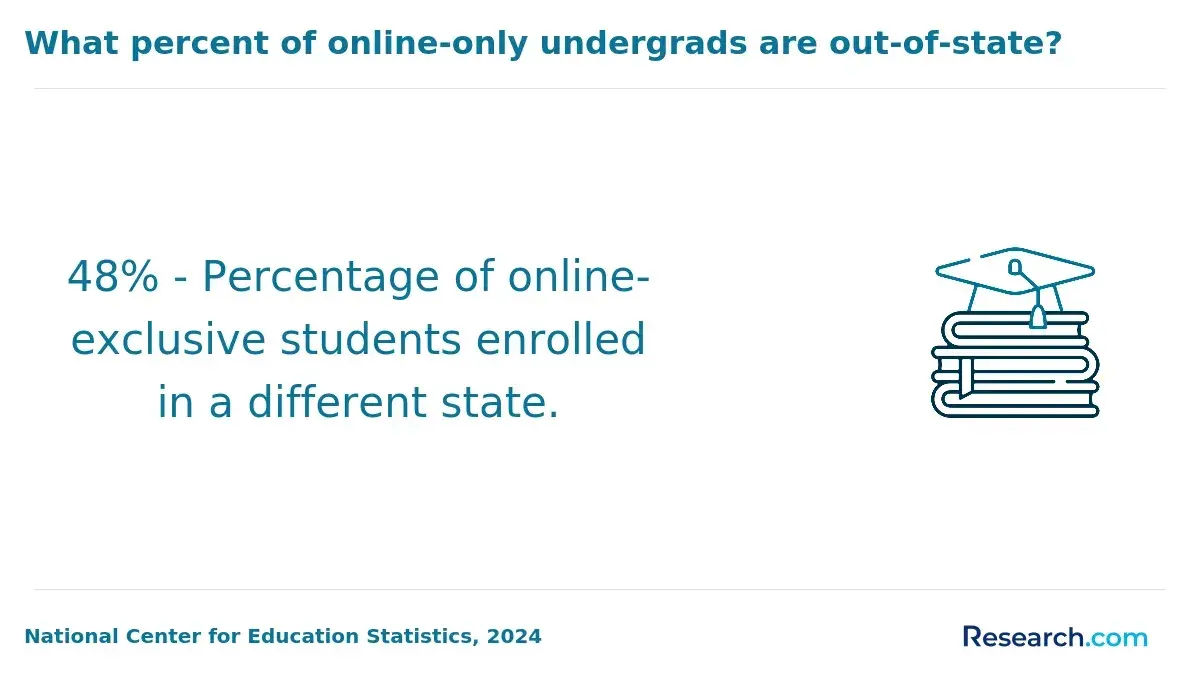
- In-State and Out-of-State Rates: Many programs have distinct rates for residency status, but some online schools maintain a uniform tuition regardless of where students live, simplifying budgeting for non-residents.
- Additional Fees: Besides tuition, students should anticipate extra expenses like lab fees, required textbooks, and travel costs for any in-person internships or practicums.
- Program Cost Examples: For instance, Idaho State University's school psychology program charges about $48,636 for in-state and $67,158 for out-of-state students for a full 67-credit curriculum.
When asked about the tuition experience, a student currently enrolled in an online school psychology program shared how initial cost estimates helped shape his decision. "Budgeting was tricky because beyond tuition, I had to factor in occasional trips for practicum placements and the cost of specialty materials," he explained.
He emphasized the peace of mind gained from programs offering flat tuition rates regardless of residency, which made financial planning more straightforward. This clarity allowed him to confidently pursue his degree while managing expenses without unexpected surprises.
"Knowing the full financial picture upfront kept me motivated, even when balancing work and study," he noted reflectively, illustrating that understanding tuition can significantly impact one's educational journey.
What Is the Average Salary for Someone with an Online School Psychology Degree in 2027?
Understanding potential earnings is crucial when evaluating an online school psychology program, as it helps prospective students weigh the cost of tuition against future income.
Knowing the average salary for school psychologists in 2025 can guide your decision about whether the investment in an online degree will likely pay off in your region or career stage.
Below are some key salary insights that highlight this important aspect.
- Average Entry-Level Salary: Entry-level school psychologists typically start around the 10th percentile salary, which is approximately $60,880 per year. This reflects early career wages for those just out of graduate school and beginning their professional journey.
- Mid-Career Salary Growth: With experience, salaries rise to approach or slightly exceed the median annual wage of $86,930. These figures represent a solid earning potential for school psychologists who have established themselves in the field.
- Top Earners and Specializations: The most experienced or specialized school psychologists, including those working in corporate, healthcare, or enterprise management sectors, can earn well over $100,000 annually. The top 10% make upwards of $132,320, reflecting the value of advanced expertise or niche roles.
- Salary by Industry and Location: Earnings can vary significantly depending on employment settings and geography. For example, school psychologists employed in K-12 schools may experience gradual salary increases, while those in private practice or specialized roles often command higher starting pay.
These financial factors demonstrate that an online school psychology degree offers strong earning potential, especially when combined with geographic flexibility and access to higher-paying regions or specialized sectors.
For those researching programs, exploring the top schools online is a practical step toward making an informed decision based on the latest salary and program data.
Which Industries Hire Graduates From Online School Psychology Programs?
An online school psychology degree offers versatility, preparing graduates for roles across diverse professional fields beyond traditional educational settings. This adaptability opens numerous career paths, demonstrating why such qualifications remain in demand in various industries.
Below is a detailed overview of key industries hiring online school psychology graduates.
- Education: The most prominent sector hiring graduates is the education industry, including public and private schools, charter schools, and school districts nationwide. Positions often involve psychological assessments, counseling, intervention planning, and consultation.
- Educational Technology: Companies developing learning programs, assessment tools, and educational software actively recruit graduates to apply psychological principles toward innovative product design. The rise of digital learning has expanded opportunities in this sector significantly.
- Higher Education: Universities and colleges employ graduates to offer student support services, counseling, and academic coaching. These roles benefit from the skills gained in an online school psychology degree and allow work in diverse campus environments.
- Corporate Training and Development: Organizations within corporate sectors seek graduates to design employee training, development programs, and workplace wellness initiatives. The knowledge of human behavior and assessment enhances effectiveness in these roles.
- Remote Services: The remote and virtual expansion of school psychology roles is a growing trend, with employers recruiting for teletherapy, online counseling, and remote psychological assessments across multiple states. This flexibility increases access and broadens the job market.
- Nonprofits and Special Education Agencies: Graduates also find roles in nonprofits focusing on student advocacy and in special education agencies providing tailored interventions and support.
For students exploring career pathways, reviewing options at trusted institutions such as the top online trade schools can provide valuable guidance on program selection and industry connections.
What Graduates of Online School Psychology Programs Say About Their Degree
- Blair: "The flexibility of the online school psychology degree allowed me to balance my studies with a full-time job, which was a game-changer. The curriculum was engaging and paced perfectly for my learning style, helping me absorb complex concepts without feeling overwhelmed. Considering the competitive tuition rates, it really felt like a worthwhile investment in my career advancement. "
- Jameson: "Pursuing my school psychology degree online gave me the space to reflect deeply on both theory and practice at my own pace, which enhanced my professional growth significantly. The cost savings compared to traditional programs made it accessible without sacrificing quality. This experience has opened new doors for me to support children's mental health in educational settings. "
- Annaleigh: "Completing an online degree in school psychology was a pragmatic choice given my busy schedule, and the high-caliber instruction maintained my engagement throughout. The affordability combined with the comprehensive learning materials made it a wise financial decision. Overall, it substantially broadened my expertise and improved my practice with clients. "
Other Things You Should Know About School Psychology Degrees
In 2027, graduates with an online school psychology degree can expect a promising job market, as the demand for school psychologists continues to grow. Online programs often match the curriculum of traditional programs, equipping students with essential skills and knowledge sought by employers.
Accredited online school psychology programs are designed to meet the educational requirements for state licensure and certification. These programs often include required coursework, supervised practicum, and internship experiences that fulfill state board criteria.
Students should confirm that their chosen program aligns with the licensure requirements of the state where they intend to practice.
References
- Master’s in School Psychology in California | National University https://www.nu.edu/degrees/applied-behavior-analysis/programs/master-science-in-school-psychology-with-ppsp-credential/
- School Psychology Program Information https://apps.nasponline.org/standards-and-certification/graduate-education/index.aspx
- School Psychology https://www.alliant.edu/education/school-psychology
- School Psychologist Salary (2025 Earning Guide by State) https://www.allpsychologyschools.com/school-psychology/salary/
- Master’s in Psychology - Is it Worth it? https://onlinecounselingprograms.com/online-counseling-degrees/online-masters-in-psychology/reasons-get-masters-in-psychology/
- EdS Degree in School Psychology https://www.online.drexel.edu/online-degrees/education-degrees/eds-school-psychology/index.aspx


