
2027 Financial Counselor vs. Financial Advisor: Explaining the Difference

Co-Founder and Chief Data Scientist
The choice between becoming a Financial Counselor and becoming a Financial Advisor is really a choice between two different kinds of client problems. Financial Counselors usually help people stabilize their day-to-day finances, understand bills, manage debt, apply for assistance, or make informed budgeting decisions. Financial Advisors usually help clients build and protect wealth through investment planning, retirement strategies, insurance, and long-term financial decision-making.
Both careers require trust, clear communication, and strong financial knowledge, but they differ in compensation, credentials, regulation, work settings, and stress. The distinction matters for students comparing finance, business, counseling, social services, or healthcare administration pathways. It also matters because demand for financial guidance continues to grow; employment for Financial Advisors is projected to increase by 6% through 2032.
This guide explains what each role does, the skills and credentials that matter, expected earnings, career growth, common challenges, and how to decide which path fits your strengths and professional goals.
Key Points About Pursuing a Career as a Financial Counselor vs a Financial Advisor
- Financial Counselors typically earn between $40,000 and $65,000 annually with a 10% job growth rate, focusing on debt management and budgeting advice.
- Financial Advisors have a higher salary potential, often exceeding $90,000, with a 7% job growth, specializing in investments and wealth management.
- Counselors impact clients through direct financial education, while Advisors provide comprehensive planning, influencing individual financial futures and market investments.
What does a Financial Counselor do?
A Financial Counselor helps clients understand immediate financial obligations and make practical decisions about paying bills, managing debt, improving budgeting habits, and accessing available support. The role is often client-service focused and may involve working with people who are under financial stress, confused by complex systems, or unable to pay the full cost of services upfront.
In healthcare settings, Financial Counselors commonly meet with patients to explain out-of-pocket costs, verify insurance coverage, estimate treatment expenses, and develop payment plans for medical care. They may also help patients complete financial aid applications or determine whether they may qualify for Medicaid, charity care, or other assistance programs.
Daily work can include reviewing account records, confirming insurance details, documenting conversations, collecting payments, explaining financial policies, and coordinating with billing, admissions, social work, or patient access teams. Outside healthcare, Financial Counselors may work in universities, nonprofit agencies, community organizations, financial firms, or corporate HR departments.
Where the role is strongest
- Client education: Helping people understand options before they make a financial decision.
- Debt and payment support: Creating realistic payment plans and explaining consequences.
- Access to services: Guiding clients through aid, benefits, or assistance applications.
- Financial stabilization: Helping clients move from crisis or confusion toward a manageable plan.
What does a Financial Advisor do?
A Financial Advisor helps individuals, families, and businesses make decisions about long-term financial goals. The work often centers on investments, retirement planning, insurance, tax-aware strategies, estate considerations, debt management, and wealth preservation. Unlike Financial Counselors, Advisors are more likely to recommend or manage investment products, depending on their licenses, firm model, and regulatory responsibilities.
Typical tasks include assessing a client’s income, assets, liabilities, time horizon, risk tolerance, and financial goals. Advisors may prepare financial plans, review portfolio performance, discuss market changes, recommend asset allocations, explain retirement options, and adjust strategies as a client’s life changes.
Financial Advisors often work in banks, brokerage firms, wealth management companies, insurance providers, registered investment advisory firms, or independent practices. A bachelor’s degree in finance or a related discipline is commonly expected, and many professionals pursue credentials such as the Certified Financial Planner (CFP) designation to strengthen credibility.
What makes the role different
- Investment responsibility: Advisors often work with securities, portfolios, and long-term wealth strategies.
- Regulatory requirements: Licenses may be required depending on the advice or products offered.
- Business development: Many Advisors must attract, retain, and grow a client base.
- Market exposure: Client outcomes and conversations can be affected by market volatility.
What skills do you need to become a Financial Counselor vs. a Financial Advisor?
Both careers require financial literacy and ethical judgment, but they emphasize different strengths. Financial Counselors need strong listening, education, and problem-solving skills because many clients are dealing with immediate financial pressure. Financial Advisors need stronger investment analysis, planning, compliance awareness, and client acquisition skills because their work often involves regulated products and long-term financial strategy.
Skills a Financial Counselor needs
- Empathy: Counselors often work with clients who feel overwhelmed, embarrassed, or anxious about money. The ability to stay calm and respectful is essential.
- Clear communication: Clients may not understand insurance terms, payment options, interest, credit, or budgeting concepts. Counselors must explain choices without jargon.
- Problem-solving: The job requires turning a client’s income, bills, deadlines, and eligibility requirements into a realistic action plan.
- Active listening: Counselors need to identify the real issue behind the question, whether it is debt, lack of documentation, fear of collections, or confusion about benefits.
- Ethical judgment: Confidentiality, fairness, and unbiased guidance are central to the role.
Skills a Financial Advisor needs
- Analytical ability: Advisors interpret financial data, risk tolerance, asset allocation, investment performance, and long-term projections.
- Sales and relationship-building: Many Advisors must earn client trust, explain their value, and retain clients through changing market conditions.
- Market knowledge: Advisors need to understand investment options, market trends, retirement vehicles, and economic factors that may affect planning.
- Risk management: Clients need recommendations that match their goals, time horizon, liquidity needs, and tolerance for loss.
- Negotiation and business judgment: Advisors may discuss fees, service levels, investment approaches, or planning priorities with clients and firms.
How to compare your fit
- Choose counseling if you prefer direct education, practical problem-solving, and helping clients manage financial stress.
- Choose advising if you enjoy investment strategy, long-term planning, client development, and a more performance-driven environment.
- Consider both if you like personal finance education but also want to build expertise in planning, retirement, or wealth management.
How much can you earn as a Financial Counselor vs. a Financial Advisor?
Financial Advisors generally have higher earning potential than Financial Counselors, but they may also face more pressure tied to client acquisition, assets under management, commissions, fees, licensing, or market conditions. Financial Counselors often have more stable salary structures, especially in healthcare, nonprofit, government, or institutional settings, but their average earnings are typically lower.
The financial counselor average salary in the US is roughly $45,125 annually, with entry-level positions offering hourly wages between $18.27 and $23.80. These roles are commonly found in nonprofit or government sectors, where pay scales differ from private wealth management or investment firms. Counselors primarily focus on budgeting, debt reduction, payment guidance, and basic money management, often serving clients who need financial stability rather than investment growth.
In a financial advisor annual earnings comparison, Advisors earn on average $102,134 per year, with most making between $75,000 and $131,000. Top earners often surpass $144,000, while senior Advisors can command salaries up to $150,000 or higher. Median wages have been reported near $94,170, with metropolitan areas and states like California offering higher salaries.
The pay gap reflects differences in job scope, investment management responsibilities, client revenue models, and licensing requirements. Students considering either path should review relevant business, finance, economics, accounting, counseling, or healthcare administration options using a college majors list.
What affects earnings most
- For Financial Counselors: employer type, healthcare or nonprofit setting, certification, years of experience, and supervisory responsibility.
- For Financial Advisors: client base, assets managed, compensation model, licenses, credentials, market location, and ability to retain clients.
- For both: communication skill, ethical reputation, specialization, and the ability to explain financial decisions clearly.
What is the job outlook for a Financial Counselor vs. a Financial Advisor?
The job outlook is clearer and stronger for Financial Advisors because the occupation is tracked more directly in national labor projections. Financial Counselors remain important in healthcare, nonprofit, government, education, and community settings, but specific national growth data for this occupation is less widely documented.
Financial Counselors are likely to remain relevant where people need help understanding costs, debt, benefits, billing systems, and financial aid. Healthcare systems, community organizations, and public agencies continue to need professionals who can explain financial obligations and connect clients with available resources. However, this path is generally described as stable rather than aggressively high-growth.
For personal Financial Advisors, the outlook is notably stronger. The Bureau of Labor Statistics forecasts a 10% increase in employment between 2024 and 2034, which surpasses the average for all professions. Other research projects growth rates ranging from 13% to 17%, with approximately 25,000 to 27,000 openings annually.
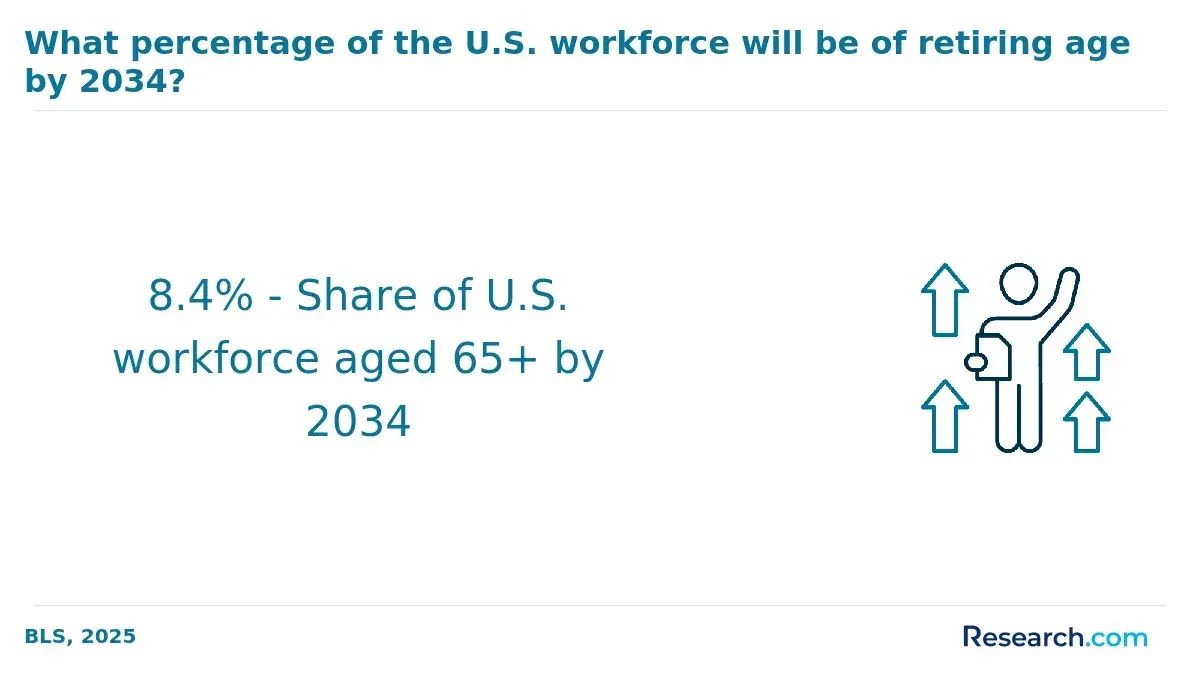
Demand for Advisors is supported by an aging population needing retirement guidance, the shift toward self-managed retirement accounts, and the growing complexity of personal finance. Technology, including AI tools and robo-advisors, may automate parts of portfolio management or client onboarding, but it does not eliminate the need for human judgment, trust-building, and personalized planning.
Bottom line on outlook
- Financial Counselor: a steadier service-oriented path, especially for those interested in healthcare, nonprofit, or community impact.
- Financial Advisor: a stronger growth path for those willing to meet licensing, client relationship, and performance expectations.
What is the career progression like for a Financial Counselor vs. a Financial Advisor?
Career progression differs because the two roles reward different kinds of advancement. Financial Counselors usually move forward through experience, specialization, certification, and program leadership. Financial Advisors often progress through licensing, client book growth, credentials, specialization, and eventually management or independent practice.
Typical career progression for a Financial Counselor
- Entry-Level Counselor: Focuses on client education, payment guidance, debt management, and basic financial support, often within nonprofit, healthcare, government, or community organizations.
- Certified Accredited Financial Counselor (AFC): Many counselors pursue this credential to strengthen professional credibility and move beyond entry-level responsibilities.
- Senior Counselor or Specialist: Experienced counselors may specialize in areas such as housing, healthcare billing, military financial counseling, student services, or debt resolution.
- Leadership Roles: Counselors can advance into program manager, training coordinator, department supervisor, or director of counseling services positions.
This path is well suited for professionals who want steady advancement, meaningful client interaction, and a community or service-oriented role. The financial counselor career path emphasizes education, access, and practical problem-solving more than investment products.
Typical career progression for a Financial Advisor
- Junior Advisor: Starts by supporting senior Advisors, learning firm systems, conducting research, preparing client materials, and building relationships.
- Licensed Advisor: Obtains required licenses such as Series 7 or Series 63 when needed to offer investment products or services.
- Certified Financial Planner (CFP): Many Advisors pursue this designation after gaining experience because it signals broader planning competence and professional credibility.
- Senior and Leadership Roles: Advisors may advance to senior advisor, team leader, branch manager, partner, or independent registered investment advisor roles.
Financial Advisors typically have broader opportunities for specialization and higher earning potential, especially in wealth management, retirement planning, insurance planning, estate-related planning, and business owner services. In the U.S., the outlook for this career is strong, with the Bureau of Labor Statistics projecting 10-17% job growth from 2024 to 2034. Professionals considering research, teaching, or advanced academic work in finance or related fields may also compare options such as the easiest phd programs.
Can you transition from being a Financial Counselor vs. a Financial Advisor (and vice versa)?
Yes. A transition is possible in either direction, but it is not automatic. The move usually requires new credentials, different regulatory knowledge, and a shift in how you serve clients. Financial Counselors bring strong client education and problem-solving skills. Financial Advisors bring planning, analysis, and investment knowledge. The challenge is filling the gaps between the two roles.
Moving from Financial Counselor to Financial Advisor
A counselor who wants to become an Advisor will usually need additional education, licensing, and investment knowledge. Financial Advisors often hold a bachelor’s degree in finance, economics, business, or a related field. Depending on the products or advice offered, they may need licenses such as Series 7, 63, or 65. Credentials such as the CFP (Certified Financial Planner) or CFA (Chartered Financial Analyst) can also strengthen credibility.
The most transferable skills are client communication, financial education, budgeting knowledge, and the ability to explain difficult topics in simple terms. The biggest learning curve is usually investment products, portfolio construction, compliance, risk management, and business development.
Moving from Financial Advisor to Financial Counselor
An Advisor who wants to become a Counselor will need to shift from wealth accumulation and portfolio management to everyday financial stability, debt, budgeting, benefits, and client education. Credentials such as AFC (Accredited Financial Counselor) or CFEI (Certified Financial Education Instructor) can help build credibility in counseling-focused roles.
Advisors often bring useful analytical and interpersonal skills, but they may need to adapt to clients with fewer assets, urgent financial stress, or limited options. The work may be less investment-driven and more focused on education, access, and behavior change.
According to the Association for Financial Counseling & Planning Education, over 3,500 Accredited Financial Counselors exist in the U.S., while the CFP Board lists more than 95,000 Certified Financial Planners, showing strong demand for both professions in 2025. Professionals seeking an affordable masters degree can use graduate study to deepen expertise, but they should still confirm whether licensing or certification is required for their intended role.
What are the common challenges that you can face as a Financial Counselor vs. a Financial Advisor?
Financial Counselors and Financial Advisors both work in trust-based roles, so their challenges often come from client expectations, sensitive financial information, and the need to communicate clearly under pressure. The difference is that Counselors are more likely to face emotionally difficult client situations, while Advisors are more likely to face market, sales, and compliance pressure.
Challenges for a Financial Counselor
- Emotional fatigue: Counselors may work with clients facing debt, medical bills, housing insecurity, collections, or limited access to services.
- Changing rules and policies: They must keep up with financial literacy standards, consumer protection laws, assistance programs, billing policies, and eligibility requirements.
- Limited resources: Nonprofit, government, or community settings may have tight budgets, high caseloads, and fewer tools than private firms.
- Difficult conversations: Counselors often need to explain costs, denials, payment obligations, or limited options without making clients feel judged.
Challenges for a Financial Advisor
- Regulatory pressure: Advisors must navigate compliance requirements, fiduciary expectations, documentation standards, and changing rules.
- Income variability: Earnings may depend on client acquisition, assets under management, production goals, market performance, or firm compensation models.
- Market volatility: Advisors must help clients stay disciplined during downturns, uncertainty, or disappointing returns.
- Technology and competition: Robo-advisors, industry consolidation, and fee pressure can affect autonomy, pricing, and service models.
A shared obstacle is the low level of trust placed in financial services, with only 44% of retail investors confident that firms act in their best interest. Building credibility requires transparent communication, ethical conduct, accurate documentation, and a client-first approach.
Students preparing for either career should consider affordability and aid options when comparing programs. Reviewing colleges that accept FAFSA can help identify more accessible pathways to relevant qualifications.
Understanding the challenges facing financial counselors and financial advisors in 2025 can help you choose a path that matches your temperament, risk tolerance, and preferred work environment.
Is it more stressful to be a Financial Counselor vs. a Financial Advisor?
Neither role is stress-free, but the source of stress is different. Financial Counselors often deal with emotional and urgent client needs. Financial Advisors often deal with market uncertainty, client retention, regulatory scrutiny, and performance expectations.
Financial Counselors may work with clients who are behind on bills, facing medical expenses, struggling with debt, or unsure how to access assistance. The emotional weight can be significant because clients may be anxious, frustrated, or embarrassed. However, counselors may also experience strong job satisfaction when they help clients understand their options, avoid harmful decisions, or regain financial control.
Financial Advisors often face a different kind of pressure. They may be responsible for guiding clients through investment decisions, explaining losses, meeting business development goals, and maintaining trust during market volatility. Advisors can also experience stress from fee pressure, compliance requirements, and the responsibility of influencing major financial decisions.
Which role may feel more stressful?
- Financial Counselor stress is usually more emotional and service-based.
- Financial Advisor stress is usually more performance-based, market-based, and regulatory.
- Your personality matters: If you handle emotional conversations well, counseling may feel manageable. If you handle competition, uncertainty, and client acquisition well, advising may be a better fit.
How to choose between becoming a Financial Counselor vs. a Financial Advisor?
The best choice depends on the type of client problem you want to solve. Choose Financial Counseling if you want to help people handle immediate financial challenges, understand systems, and build everyday financial stability. Choose Financial Advising if you want to help clients invest, plan for retirement, manage risk, and make long-term wealth decisions.
- Client Focus: Financial Advisors work with clients who want to grow, preserve, or transfer wealth through investments and planning. Financial Counselors assist people managing debt, bills, budgeting, access to aid, and everyday financial challenges.
- Educational Requirements: Advisors usually need finance-related education and may pursue credentials like CFP. Counselors may benefit from credentials like AFC and backgrounds in counseling, social work, healthcare administration, public service, or financial education.
- Work Environment: Advisors often work in corporate, banking, insurance, wealth management, or private advisory settings with flexible but demanding schedules. Counselors commonly work in nonprofits, hospitals, government agencies, universities, or community organizations with more structured service models.
- Compensation: Financial Advisors may earn more, but compensation can be tied to assets, production, commissions, fees, or performance. Financial Counselors usually earn more predictable hourly or salary-based pay, though average earnings are lower.
- Career Goals: Advising fits those seeking higher income potential, entrepreneurship, and investment specialization. Counseling fits those seeking community impact, client education, and hands-on financial problem-solving.
A practical decision test
- If you enjoy markets, investing, retirement strategy, and portfolio conversations, Financial Advisor is likely the stronger fit.
- If you enjoy coaching, education, crisis problem-solving, and helping clients make basic financial progress, Financial Counselor may be more rewarding.
- If you want both, consider roles in financial planning, financial wellness, employee benefits, or community-based planning where education and planning overlap.
Industry demand grows for both professions as financial literacy needs and investment complexity increase. Students who prefer thoughtful one-on-one work may also explore careers for introverts.
Making an informed choice about the financial counselor vs financial advisor career path can shape your income, work environment, credentialing plan, and long-term job satisfaction.
What Professionals Say About Being a Financial Counselor vs. a Financial Advisor
- : "Choosing a career as a Financial Counselor has given me remarkable job stability and a competitive salary. The consistent demand for financial advice means I can confidently plan for the future while helping clients navigate their financial goals. It is a rewarding path that blends security with meaningful impact. — Emiliano"
- : "The financial advisory field offers unique challenges that keep every day interesting, from tailoring strategies to diverse client needs to adapting to market fluctuations. It is a profession that pushes you to think creatively and stay informed, providing ample opportunities for professional growth and learning. — Jared"
- : "Working as a Financial Counselor has opened doors to continuous development through certification programs and real-world experience. The career allows me to evolve my expertise while building strong client relationships, which I find deeply fulfilling both personally and professionally. — Amir"
Other Things You Should Know About a Financial Counselor & a Financial Advisor
Financial Counselors in 2027 often pursue certifications like Accredited Financial Counselor (AFC) or Certified Credit Counselor (CCC), while Financial Advisors typically aim for the Certified Financial Planner (CFP) or Chartered Financial Analyst (CFA) designations. These certifications demonstrate expertise in their respective fields and adherence to industry standards.
Financial Counselors are frequently employed by nonprofit organizations, credit counseling agencies, or government programs focused on financial education and debt management. Financial Advisors usually work for banks, investment firms, or operate independently, focusing on wealth management and investment strategies for clients.
In 2027, Financial Counselors may obtain certifications like Accredited Financial Counselor (AFC), focusing on financial literacy and behavioral changes. Financial Advisors often pursue designations such as Certified Financial Planner (CFP), requiring comprehensive knowledge in investments, estate planning, and retirement. These certifications help define their expertise and the scope of services offered.
References
- Financial adviser | Explore Careers | National Careers Service https://nationalcareers.service.gov.uk/job-profiles/financial-adviser
- Financial Advisor vs. Financial Planner - Kaplan Financial https://www.kaplanfinancial.com/resources/getting-started/financial-advisor-vs-financial-planner
- Financial Consultant vs Financial Advisor: Know the Difference - Diversified LLC https://diversifiedllc.com/how-to-retire/financial-consultant-vs-financial-advisor/
- How to successfully change careers into financial advice https://www.moneymanagement.com.au/news/financial-planning/how-successfully-change-careers-financial-advice
- Financial advisor vs. financial planner vs. financial coach: Key differences explained https://www.thrivent.com/insights/financial-planning/financial-advisor-vs-financial-planner-vs-financial-coach-key-differences-explained
- Financial Counselor vs Financial Advisor https://www.financialeducatorscouncil.org/financial-counselor-vs-financial-advisor/
- Tips For A Part-Time Transition To Becoming A Financial Advisor https://www.kitces.com/blog/transitioning-part-time-into-financial-planning-as-a-career-changer/
- Financial Planner vs. Financial Advisor: What’s the Difference? https://www.investopedia.com/articles/personal-finance/040215/financial-advisor-vs-financial-planner.asp
- How to Switch Careers from CPA to Financial Advisor | Money Guy https://moneyguy.com/article/how-to-switch-careers-from-cpa-to-financial-advisor/
- How to Become a Financial Planner | Accounting.com https://www.accounting.com/careers/financial-planner/how-to-become/


