2027 Curriculum & Instruction Internship Requirements: Hours, Placements, and Supervision

Co-Founder and Chief Data Scientist
A student entering a curriculum & instruction internship often faces uncertainty about the required commitment. Internships typically demand between 100 and 200 hours, blending classroom observation, lesson planning, and direct teaching.
Research shows that 67% of curriculum & instruction students find their most meaningful learning through guided practicum experiences under experienced supervisors. Placement settings commonly include public schools, tutoring centers, and community education programs, where supervision ranges from university faculty to on-site mentor teachers.
Understanding these elements helps students prepare effectively. This article explains the essential internship hours, placement considerations, and supervision expectations in curriculum & instruction degree programs to guide successful completion.
Key Things to Know About Curriculum & Instruction Internship Requirements
- Required internship hours, often between 100-150, demand careful academic scheduling to balance coursework and fieldwork, significantly influencing time management for students.
- Placement availability depends on partnerships with schools and organizations, with competitive site assignments shaping where and how students complete their internships.
- Supervision involves experienced educators providing ongoing feedback, with evaluation criteria focusing on teaching skills, reflective practice, and professional growth throughout the placement.
Do All Curriculum & Instruction Degrees Require an Internship?
Internships are frequently incorporated into curriculum & instruction programs to provide practical experience that bridges classroom theory with real-world educational practice.
Around 70% of education-related degrees include experiential learning elements such as internships or practicums, reflecting their value in preparing students for professional roles.
However, not all curriculum & instruction degree internship requirements are the same, as various factors influence their necessity within programs.
- Program Type: Undergraduate curriculum & instruction degrees are generally more likely to mandate internships than graduate programs, which may present them as optional or additional experiences tailored to specific career goals.
- Accreditation Expectations: Some accrediting bodies impose standards requiring hands-on learning components to ensure programs produce workforce-ready graduates, thereby encouraging or enforcing internship participation.
- Specialization Tracks: Specializations such as educational leadership or instructional technology might offer alternatives to traditional internships, focusing instead on aligned experiential learning opportunities that suit the field's demands.
- Alternative Experiential Options: Certain programs replace standard internships with practicums, service-learning projects, or collaborative assignments that meet practical learning objectives without formal internship placements.
Prospective students should carefully review curriculum & instruction degree internship requirements for their chosen programs, weighing these factors alongside their career ambitions and academic priorities. For those exploring flexible options, online programs that pay well may also offer varied experiential learning formats suited to different needs.
What Requirements Must Be Met Before Starting a Curriculum & Instruction Internship?
Academic programs set prerequisites for curriculum & instruction internships to ensure students are adequately prepared for the professional demands of fieldwork. Research shows that about 85% of academic programs require a minimum GPA, underscoring the importance of foundational knowledge before beginning internships.
Below are common eligibility criteria students typically must meet before starting their internship experience.
- Minimum GPA: Most programs require a minimum GPA of around 3.0 to reflect consistent academic achievement and readiness for advanced applied learning.
- Completed Coursework: Students must finish specific courses related to curriculum design, instructional strategies, and educational theory to ensure they possess essential knowledge for effective practice.
- Application Approval: Formal application processes often involve submitting transcripts, letters of recommendation, and personal statements. Approval by academic advisors or faculty committees confirms the student's suitability for the internship placement.
- Background Checks: For internships in K-12 settings, background screenings are mandatory to comply with safety regulations and protect student welfare.
- Orientation Attendance: Many programs require participation in preparatory seminars or orientation sessions that outline internship goals, expectations, and professional conduct standards.

How Many Internship Hours Are Required for Curriculum & Instruction Degrees?
Internship hours in curriculum & instruction degree programs are designed to provide essential hands-on experience in educational settings. Typically, these programs require between 100 and 300 hours of supervised fieldwork, with many institutions using a standard conversion of one credit hour equaling roughly 25 to 30 internship hours.
These requirements vary due to several important factors.
- Academic Credit Equivalencies: The way programs translate credit hours into internship hours differs, which impacts the total number of field experience hours required for completion.
- Program Type: Graduate degrees, such as master's or doctoral programs in curriculum & instruction, often have distinct internship hour demands compared to undergraduate or certification tracks.
- Accreditation Expectations: Accrediting bodies set minimum internship hours to ensure students engage in sufficient practical training, leading universities to adjust their requirements accordingly.
- Scheduling Format: Full-time students usually complete required hours within one semester, while part-time students may spread their internships over multiple terms, affecting total time commitment.
A curriculum & instruction degree graduate shared his experience, mentioning how the internship hours initially felt daunting due to balancing them alongside coursework and personal responsibilities. He described the process of coordinating with field supervisors and managing schedules as a challenge but also noted that the hands-on experience was invaluable.
"It wasn't just about clocking hours," he said, "but about applying what I was learning in real classrooms, which made the whole process rewarding." This perspective highlights the varied time commitment and effort involved in meeting internship hour requirements.
Where Do Curriculum & Instruction Students Complete Internships?
Internship placement environments significantly influence the practical learning of curriculum and instruction students by exposing them to diverse professional settings. Approximately 35% of internships occur beyond traditional educational institutions, reflecting the field's expanding reach.
This broad exposure supports developing versatile skills and understanding education's role across multiple sectors. Typical settings encompass the following:
- K-12 Schools and Universities: These traditional environments offer direct engagement with classroom teaching and curriculum design, providing foundational hands-on experience. Students often contribute to lesson planning and instructional strategies within these academic settings.
- Corporate Organizations: Many internships take place in companies focused on training, instructional design, or e-learning platforms. These settings allow students to explore education's application in workforce development and digital instruction.
- Government Agencies: Interns in this sector work on educational policy, community outreach, and program evaluation, gaining insight into the administrative and regulatory aspects of education.
- Nonprofit Organizations: These hosts frequently emphasize educational equity, literacy programs, and afterschool initiatives. Such placements immerse students in mission-driven projects addressing social and educational disparities.
- Research Institutions: Engaging in studies on pedagogy, assessment, or learning technology, interns contribute to advancing educational theory and practice. This environment supports students interested in research-oriented career paths.
Students exploring library sciences degree programs will find that a variety of approved sites for curriculum and instruction internships enhance their experiential learning opportunities.
How Are Internship Placements Assigned in Curriculum & Instruction Programs?
Internship placements in curriculum & instruction programs are carefully coordinated to ensure alignment with academic goals and quality supervision. Nearly 40% of internship opportunities nationwide now incorporate virtual or hybrid formats, highlighting diverse approaches in matching students to placements.
The following points outline common methods used to assign placements within these programs.
- Faculty-Guided Matching: Advisors and faculty members often play an active role by pairing students with sites that fit their specialization and career interests, relying on established relationships with educational partners.
- Student Preference Submission: Some programs allow students to rank preferred locations or types of settings. Although preferences are considered, final decisions ensure compliance with program standards and supervisor availability.
- Partnership-Based Assignments: Universities frequently maintain ongoing agreements with specific school districts and educational organizations, facilitating placements through these partnerships to streamline the selection process.
- Centralized Placement Systems: Certain institutions use centralized platforms or offices that manage student applications and match candidates to available internships based on criteria like skills, interests, and scheduling.
When I asked a curriculum & instruction degree student about her experience with placement assignment, she shared that the process felt "thorough but at times unpredictable."
She recalled submitting a list of preferred sites but ultimately being assigned to a partner school outside her hometown, which challenged her to adapt quickly. Despite initial nerves, she valued how faculty support smoothed the transition and emphasized that, "knowing that the program ensures appropriate supervision" gave her confidence throughout her internship journey.
Are Virtual or Remote Internships Available?
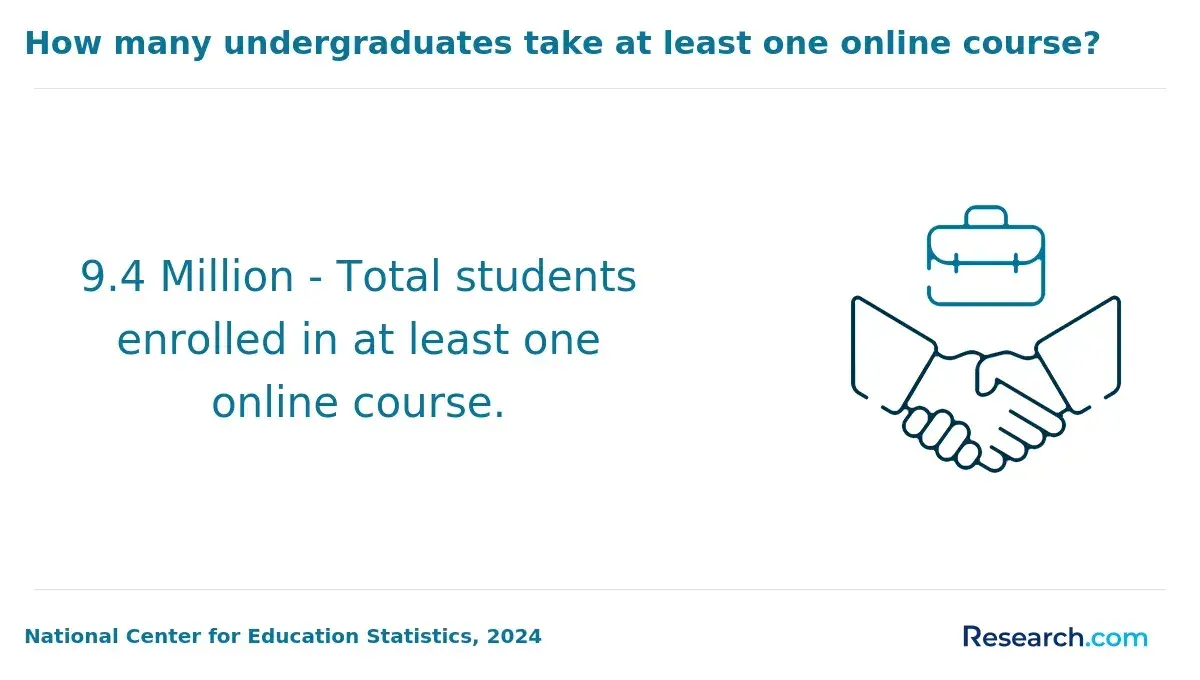
The increasing prominence of remote work has led to a significant rise in virtual and hybrid internships within curriculum & instruction programs. Recent research shows that nearly 60% of internship opportunities now include some form of online participation.
This trend reflects changing workforce dynamics and a growing acceptance of flexible, technology-driven learning environments. Such shifts prompt a closer look at how these internships are integrated into educational training.
Virtual internships in curriculum & instruction offer flexible scheduling, enabling students to balance coursework with hands-on experience. These opportunities depend on digital tools like video conferencing, learning management systems, and cloud-based collaboration platforms to maintain communication among interns, mentors, and supervisors.
By connecting students with diverse educational settings beyond their local area, these formats broaden exposure to varied instructional approaches. However, availability varies by program, with some prioritizing face-to-face placements due to the importance of direct observation and feedback in teaching practice.
Are Part-Time Internships Allowed for Working Students?
Part-time internships are valuable options for working students, especially since around 70% of college students in the U.S. hold jobs during their studies. These internships offer the flexibility needed to balance work and academic commitments effectively.
The following points highlight key aspects of how part-time internships accommodate working students within curriculum & instruction programs.
- Scheduling Flexibility: Many programs allow students to choose internship hours that fit around their work shifts and class schedules, often including evening or weekend options to increase accessibility.
- Employer Accommodations: Employers collaborating with curriculum & instruction programs frequently offer flexible arrangements, recognizing the importance of supporting students who juggle employment and education.
- Academic Workload Balance: Part-time internships enable students to gain practical experience without overwhelming their coursework, promoting steady progress and reducing burnout risks.
- Program Restrictions: Some curriculum & instruction programs require minimum weekly hours or set duration standards to ensure meaningful hands-on training, so students should verify these policies to meet program criteria.
What Supervision Is Required During a Curriculum & Instruction Internship?
Supervision during curriculum and instruction internships is essential for ensuring interns gain practical teaching skills aligned with professional standards. Research indicates that 80% of novice teachers who experienced effective mentoring felt better prepared for their teaching roles.
The following key supervision requirements help structure support and accountability throughout the internship.
- Faculty Oversight: Faculty supervisors oversee the intern's overall progress, ensuring the internship meets academic goals and curriculum and instruction internship supervision requirements. They conduct regular meetings to review development and provide reflective feedback to encourage continuous improvement.
- Workplace Mentors: Experienced educators act as mentors, offering day-to-day guidance and modeling effective instructional practices. These mentors provide immediate feedback to help interns adapt to diverse classrooms and enhance student learning experiences.
- Progress Monitoring: Internship supervisors collaborate in assessing lesson plans, classroom management, and instructional outcomes. This ongoing evaluation identifies strengths and areas needing growth, helping interns refine their teaching skills progressively.
- Performance Feedback: Written and verbal evaluations are integral to supervision practices, offering clear guidance and support. Constructive feedback fosters professional growth, bridging theoretical knowledge and practical application.
Effective supervision practices for curriculum and instruction internships ensure interns build confidence and competence. Students interested in advancing their careers may also explore a doctorate in leadership online to deepen their expertise in educational leadership and mentoring roles.
How Are Curriculum & Instruction Internships Evaluated?
Evaluation of curriculum & instruction internships is essential to ensure student interns develop the practical skills needed for effective teaching and instructional design.
Studies show experiential learning during internships can improve teaching readiness by up to 40%, highlighting the importance of thorough assessment.
Programs use multiple methods to assess performance and learning outcomes in these internships.
- Supervisor Reviews: On-site mentors or cooperating teachers evaluate interns' instructional practices, classroom management, and student engagement. These reviews provide detailed feedback aligned with program objectives, making them a cornerstone of internship performance evaluation.
- Reflective Assignments: Interns submit journals, essays, or portfolios detailing their experiences, challenges, and insights. These reflections offer educators insight into the intern's understanding and ability to engage in self-assessment, which is vital for ongoing professional growth.
- Performance Benchmarks: Many programs establish specific criteria that interns must meet, ensuring their skills align with expected educational standards. These benchmarks help quantify progress in applying theoretical knowledge to real-world teaching settings, an important part of how curriculum & instruction internship performance is assessed.
- Faculty Assessments: University instructors review supervisor evaluations alongside reflective work, often conducting follow-up discussions with interns. This triangulated approach guarantees consistency with academic standards and supports targeted improvement.
For students seeking to explore related fields, the MFT degree offers insight into professional training approaches that complement educational internships in curriculum & instruction.
What Challenges Do Curriculum & Instruction Students Face During Internships?
Internships in curriculum and instruction provide essential hands-on teaching experience but are often accompanied by high stress and demanding workloads.
A 2021 survey revealed that 62% of education interns experienced moderate to severe stress due to balancing internship and academic tasks.
These pressures create various hurdles, outlined below, that students must navigate during their placements.
- Balancing Schedules: Juggling extensive classroom hours alongside coursework and personal commitments is challenging. Many students struggle to maintain performance levels while managing tight and conflicting schedules during their curriculum and instruction internship challenges in the United States.
- Adapting to Professional Roles: Transitioning from student to educator demands rapid development of classroom management, lesson planning, and communication skills. This shift can be difficult for those unprepared for workplace expectations and responsibilities.
- Financial and Transportation Issues: Internships often require travel to distant sites, increasing costs and time spent commuting. Limited income during placements heightens the financial burden and can restrict access to suitable internship locations.
- First-Time Professional Duties: Handling tasks such as grading, lesson delivery, and responding to student needs without prior experience may overwhelm interns. Unexpected classroom challenges often require quick thinking and adaptability that students may not yet have fully developed.
Students interested in easing the internship burden might consider programs like the human services online program, which could offer more flexible options to balance learning and practical experience.
What Graduates Say About Curriculum & Instruction Internship Requirements
- Valeria: "From my experience, the supervised internships in curriculum & instruction were truly invaluable. Completing the required internship hours while being guided by experienced educators helped me develop confidence and classroom management skills. This hands-on approach really accelerated my growth as a future teacher."
- Marvin: "Looking back, the internship placements offered through the curriculum & instruction program provided diverse opportunities, allowing me to explore various educational settings. The structured supervision ensured I received meaningful feedback, which deepened my understanding of curriculum design. These experiences have been crucial in shaping my career path as an instructional coordinator."
- Parker: "Participating in the curriculum & instruction internships was a turning point for my professional development. The combination of rigorous internship hours and close mentorship prepared me for the realities of the classroom. Today, I credit those internships for equipping me with both practical skills and confidence to thrive as an education specialist."
Other Things You Should Know About Curriculum & Instruction Degrees
Yes, some programs allow students to distribute their required internship hours over more than one academic term. This flexibility helps accommodate students' scheduling needs but typically requires prior approval from the program coordinator to ensure continuity and adequate supervision throughout the internship experience.
Internships usually take place in K-12 public, private, or charter schools, but some programs may approve alternative educational environments such as community education centers or specialized learning institutions. The setting must provide opportunities relevant to curriculum design, instructional methods, or educational assessment to meet academic requirements.
In 2027, curriculum & instruction interns are often required to maintain comprehensive documentation throughout their internship. This typically includes a reflective journal to track experiences and a portfolio showcasing lesson plans and pedagogical strategies applied during their placement. These records help demonstrate learning progress and professional development.
Both the onsite mentor teacher and the university supervisor share responsibility for providing formative feedback during the internship. The mentor offers day-to-day insights on teaching practices, while the university supervisor ensures alignment with academic standards and guides professional growth through structured evaluations.
References
- Key Considerations When Developing an Internship Program https://www.palomar.edu/cooped/key-considerations-when-developing-an-internship-program/
- Top 5 Internship Challenges and How to Tackle Them https://resources.twc.edu/articles/top-5-internship-challenges-and-how-to-tackle-them
- Your Guide to Education Internships https://joinhandshake.com/blog/students/education-internships/
- Education Internships Abroad | Go Overseas https://www.gooverseas.com/internships-abroad/education
- Education & Teaching Internships Abroad | For Students & Grads https://www.internhq.com/fields/education/
- 12 Education Internships for College Students https://www.lumiere-education.com/post/education-internships-for-college-students
- Remote Curriculum Instruction Jobs https://www.virtualvocations.com/q-remote-curriculum-instruction-jobs.html