2027 Different Types of Developmental Psychology Master's Degrees: Specializations, Careers, and Salaries

Co-Founder and Chief Data Scientist
Many prospective students struggle to choose the right developmental psychology master's degree specialization that balances career goals and salary potential. Recent data shows that enrollment in online developmental psychology programs increased by 35% over the past five years, reflecting growing demand for flexible education options. Meanwhile, the U. S. Bureau of Labor Statistics projects a 12% growth in psychology-related roles by 2030, emphasizing strong workforce opportunities.
This article explores various specializations within developmental psychology master's degrees, career paths, and salary outcomes. It aims to guide readers in selecting programs that maximize return on investment and align with their professional aspirations.
Key Points About the Different Types of Developmental Psychology Master's Degrees
- Many online developmental psychology master's programs feature simplified admissions, often requiring only a bachelor's degree and minimal standardized testing, reflecting a 20% increase in accessible graduate education since 2019.
- Flexible online formats allow students to balance work and studies, with asynchronous classes growing by 35%, enabling broader access for nontraditional learners in developmental psychology fields.
- Graduates typically earn between $60,000 and $85,000 annually, driven by a projected 10% employment growth in developmental psychology-related professions through 2030.
What Are the Different Types of Developmental Psychology Master's Degrees Available?
Choosing the right developmental psychology master's degree specialization can significantly impact your career path and professional growth. Recognizing the differences in academic focus, research emphasis, and practical application helps prospective students select programs aligned with their interests and goals. Here is an overview of the main types of developmental psychology graduate programs that highlight these distinctions.
The primary categories include:
- Master of Arts (MA): Emphasizes theoretical frameworks and qualitative research methods, making it well-suited for students interested in broad psychological concepts and cultural contexts within developmental psychology.
- Master of Science (MS): Focuses on scientific inquiry and quantitative research, providing strong empirical skills applicable to clinical, laboratory, or experimental settings.
- Master of Education (MEd): Designed for those intending to apply developmental psychology principles in educational environments, this degree offers practical training for careers in school psychology, counseling, or curriculum development.
- Master of Public Health (MPH): Integrates developmental psychology with community health and policy, preparing graduates to address public health initiatives and developmental well-being at the population level.
- Master of Business Administration (MBA) in Behavioral Science: Though less common, this path applies developmental psychology concepts to leadership and organizational development, emphasizing business applications rather than clinical training.
According to data from the National Center for Education Statistics, nearly 60% of psychology master's graduates choose programs with a substantial research component, underlining the value of research skills in these degrees. For applicants with nontraditional academic backgrounds or those exploring high-paying careers, understanding these developmental psychology master's degree specializations ensures an informed decision. This insight is particularly crucial when evaluating the top 10 best majors for the future, of which psychology frequently ranks highly.
What Specializations Are Available in Developmental Psychology Master's Degrees?
Career outcomes are an important consideration for students selecting a developmental psychology master's degree, as different specializations lead to varied professional paths and industries. Employment for psychologists is expected to grow by 6% from 2021 to 2031, reflecting steady demand and potential salary growth in this area. Popular specializations often focus on aligning education with career goals, including emerging and career-focused developmental psychology master's degree specializations such as these:
- Child and Adolescent Development: Emphasizes cognitive, emotional, and social growth in youths, preparing graduates for roles in education, healthcare, and counseling settings like schools and clinics.
- Neurodevelopmental Disorders: Focuses on conditions such as autism and ADHD, meeting increasing needs in healthcare and research for diagnosis and intervention expertise.
- Gerontology: Addresses challenges faced by aging populations, integrating psychology with healthcare and social services to support older adults' cognitive and emotional well-being.
- Developmental Cognitive Neuroscience: Examines brain development linked to behavior, relevant to tech industries developing AI, brain-computer interfaces, and educational software.
- Educational Psychology: Combines developmental theories with learning strategies to improve teaching practices and educational outcomes in diverse learning environments.
Developmental psychology master's programs often include a range of specialized fields that cater to different career goals and research interests. Students who want to explore degrees with broad accessibility and clear career paths can also consider options from the easiest online college degree listings to complement their focus on developmental psychology.
How Long Does It Take to Complete Each Type of Developmental Psychology Master's Degree?
Time investment is a key factor when pursuing a high-paying developmental psychology master's degree, as it influences career planning and financial considerations. With acceptance rates often between 25-30%, applicants must weigh program length alongside competitiveness. Here are important factors affecting completion time:
- Full-time vs. part-time study: Full-time students typically finish in 1 to 2 years, while part-time learners may take 3 to 4 years due to reduced course loads and scheduling flexibility.
- Thesis requirements: Thesis-based programs often extend timelines because of demanding research and writing commitments, with full-time students usually needing closer to two years to complete all components.
- Non-thesis options: Coursework-focused degrees may be accomplished in about a year if students maintain a full-time pace, sometimes incorporating internships to gain practical experience alongside academics.
- Program format: Online and hybrid paths offer the convenience of balancing work and life but can lead to longer completion times depending on individual circumstances.
A graduate of a developmental psychology master's program shared that managing a thesis while working full-time made the process intense but rewarding. "Balancing data collection, literature review, and a part-time job took careful time management," they explained. The blend of academic rigor and real-world challenges extended the degree to nearly two years, but the hands-on research experience was invaluable. Their reflections highlight how individual pacing and program demands shape how long the journey takes, emphasizing careful planning to meet personal and professional goals.
Are There Accelerated Developmental Psychology Master's Degree Programs?
Program duration is a key consideration for those seeking fast entry into developmental psychology careers, as a shorter timeline can reduce time away from the workforce and speed up earning potential. Accelerated programs cater to students who want to complete their degrees more quickly while maintaining academic rigor. Here are some primary ways students can finish their master's degree faster:
- Heavier course loads: Taking more credits per semester than traditional programs allows students to advance through the curriculum at an increased pace, making it possible to complete degree requirements in less time.
- Year-round classes: Enrolling continuously across fall, spring, and summer terms helps avoid long breaks that typically extend the duration of a program. This approach supports steady progress and quicker completion.
- Combined bachelor's-master's pathways: These integrated programs let students start graduate-level coursework while finishing their undergraduate degree. This overlap streamlines study plans and shortens the overall time to a master's degree.
Accelerated developmental psychology master's degree programs are ideal for motivated professionals, working adults, and career changers who can manage a demanding course load. Success requires disciplined time management, but it offers significant advantages for those focused on early career advancement in counseling, research, or human development. To ensure the degree aligns with long-term goals, prospective students should also consider how their education fits within broader majors that make the most money.
Are Online Developmental Psychology Master's Degrees as Credible as Traditional Ones?
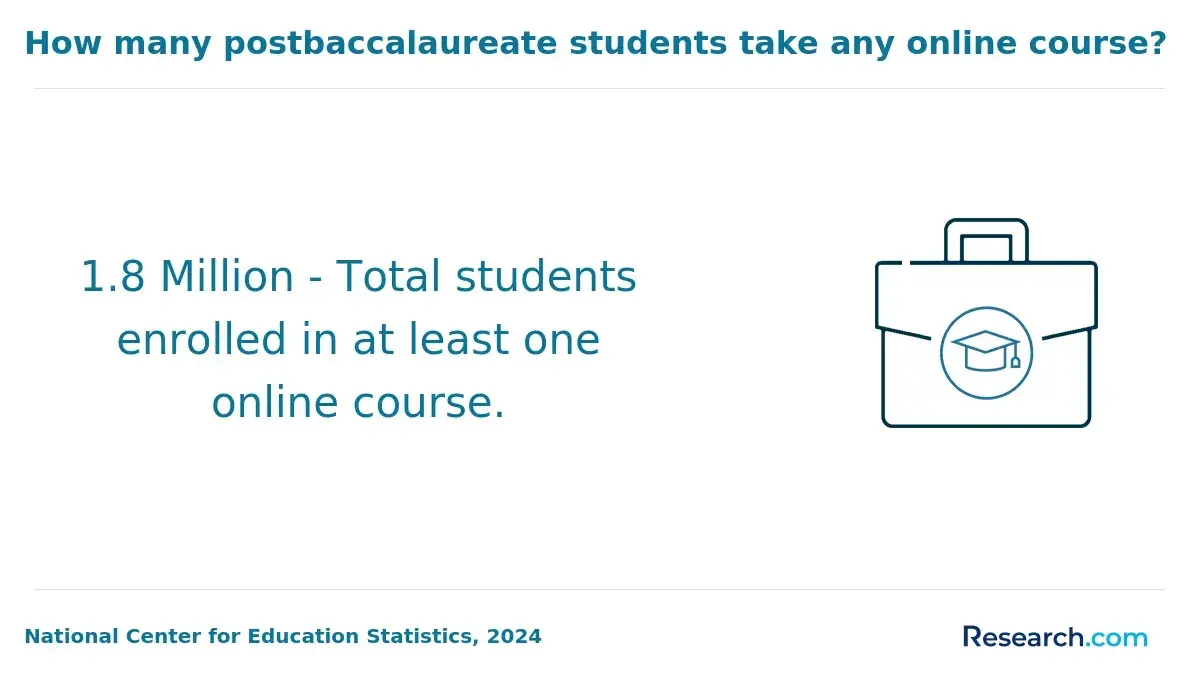
Students often wonder how the difficulty of online developmental psychology master's programs compares to traditional on-campus options. Many question whether these online programs match the rigor and credibility of their in-person counterparts. Notably, surveys indicate that around 75% of online developmental psychology students report satisfaction with their learning experience, underscoring successful online program engagement.
- Accreditation: Recognized accreditation is essential for online degrees to be seen as credible. Accredited online programs align with rigorous academic standards, ensuring graduates acquire comparable knowledge and skills to those from campus-based courses.
- Employer acceptance: Employers increasingly view accredited online developmental psychology degrees as equivalent to traditional ones, especially when candidates demonstrate relevant competencies and practical experience. The rise in online education prevalence contributes to this growing acceptance.
- Flexibility and accessibility: Online programs benefit working professionals and international students by offering flexible schedules and eliminating commute times. Self-paced modules and access to digital learning tools provide opportunities to balance education with personal and professional responsibilities.
- Challenges: A reduced level of face-to-face interaction and limited networking can affect the learning environment. Some students may find staying motivated without direct supervision more difficult, which demands strong self-discipline.
When asked about his experience, a graduate who pursued an online developmental psychology master's degree shared that the format "made continuing education manageable alongside a full-time job and family." He recalled initial doubts about the program's credibility but found that "the coursework was challenging and the instructors responsive," which helped him stay motivated. Unlike traditional settings, he appreciated being able to "study during late evenings without the stress of commuting." This flexibility was key in completing his degree smoothly and confidently, leading him to regard his online credential as equally respected by peers and employers alike.
How Much Does Each Type of Developmental Psychology Master's Degree Typically Cost?
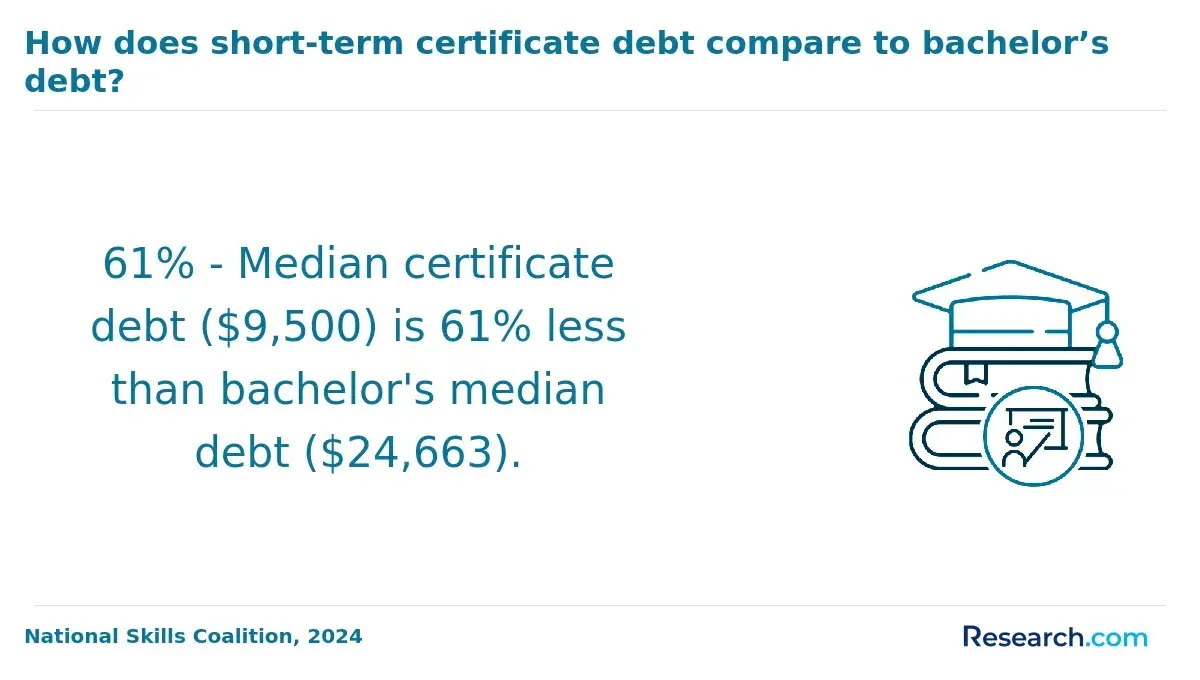
Tuition costs are a key factor for prospective students assessing master's programs in developmental psychology, as they directly impact financial planning and accessibility. With considerable variation between institution types and program formats, understanding these expenses can help students find options that fit their budgets. Recent data shows average tuition ranges widely, reflecting diverse offerings in the field; below are key points to consider regarding these costs.
- Public vs. Private Institutions: Public universities typically offer lower tuition rates compared to private colleges, often making them more affordable choices for many students. However, private institutions may provide specialized resources or networking advantages that justify their sometimes higher costs.
- Fully Online vs. Hybrid Programs: Fully online developmental psychology programs generally cost between $12,000 and $20,000 for the entire course of study, leveraging reduced campus-related expenses. Hybrid programs, mixing online and in-person classes, usually have higher tuition, ranging from $15,000 to $30,000, due to added facility and administrative fees.
- Additional Fees and Factors: Beyond tuition, students should anticipate costs for technology access, course materials, and potential internship requirements. Program length and total credit hours also influence the final cost, with longer programs and more credits increasing tuition expenses.
- Trends in Pricing and Enrollment: There has been a growing trend toward competitive pricing for online developmental psychology master's degrees, aimed at attracting working adults and nontraditional students. For example, a 2023 survey documented a 7% enrollment increase in such programs, partly driven by more accessible tuition structures.
What Jobs Can You Get with Each Type of Developmental Psychology Master's Degree?
Considering job outlooks is essential for those exploring career options with a developmental psychology master's degree, as the field offers varied opportunities with strong role flexibility and leadership potential. Employment in related sectors is projected to grow steadily, reflecting increased demand for specialists who support children's development and mental health. The following points highlight common career paths and industry roles linked to this degree.
- Child development specialist and school psychologist: These roles often allow work in educational settings, such as schools and rehabilitation centers. While many positions prefer candidates with a master's, certification beyond the degree is commonly required for school psychologists.
- Behavioral health counselor and clinical supervisor: Positions in healthcare or social services typically require a master's and state licensure. After gaining experience, professionals can advance to leadership roles like clinical supervisors or program directors, expanding their influence in mental health programs.
- Research coordinator and project manager: Those interested in applied or academic research may find roles managing projects or leading investigations, which offer a pathway to principal investigator positions and higher salaries. These jobs emphasize analytical skills and leadership in study design and execution.
- Industry diversity and salary range: Graduates commonly find employment in educational services, mental health clinics, and child welfare agencies. Median salaries range from $50,000 to $75,000 annually, demonstrating competitive compensation relative to the qualifications.
For working adults and career changers evaluating their educational investments, a developmental psychology master's degree provides practical career pathways that balance professional growth with meaningful impact. Prospective students seeking an affordable and credible program may consider pursuing an online psychology degree to fit their schedules and budget.
How Do Salaries Differ by Developmental Psychology Master's Degree Type?
Salary expectations are a key consideration for prospective students exploring how salaries vary by developmental psychology master's degree type. Earnings can differ greatly due to factors such as industry demand, geographic region, and experience level. On average, graduates with master's degrees in developmental psychology earn between $50,000 and $75,000 annually, though specializations and career paths heavily influence this range.
Examining specific salary brackets helps clarify these differences.
- Clinical and counseling specializations: These roles often command higher salaries, typically ranging from $60,000 to $80,000 annually. The demand for licensed practitioners in healthcare settings and the need for additional certifications drive up earning potential.
- Research-focused specializations: Salaries usually fall between $50,000 and $70,000. While starting salaries may be more modest, these positions often provide opportunities for long-term growth in academic or government agencies.
- Careers in education or social services: Positions tend to offer $45,000 to $65,000 annually, reflecting lower pay scales typical in public and nonprofit sectors compared to private industries or specialized clinics.
Geographic location greatly affects salaries; professionals working in urban centers or high cost-of-living areas frequently earn more, while those in rural or lower-cost regions may see reduced pay. Additionally, experience contributes significantly to salary differences, with mid-career developmental psychology specialists often earning 20 to 30% more than those entering the workforce. For individuals balancing costs and earning potential, comparing these variables is essential when choosing a specialization.
Prospective students considering related fields might also explore options like a data science master online program, which can complement psychological research skills with advanced data analysis expertise, potentially enhancing career opportunities and salary prospects.
What Factors Should You Consider When Picking a Type of Developmental Psychology Master's Degree?
Pursuing a master's degree in developmental psychology requires careful consideration of factors that influence both your educational experience and future career growth. Choosing a program aligned with your goals, budget, and schedule can make a significant difference in your success and long-term job satisfaction. The following points highlight key elements to evaluate when selecting a program.
- Career goals: Identify how the program supports your desired career path, including opportunities for internships, research, or specialization areas. Programs that offer tailored career resources can help you transition smoothly into roles that match your ambitions.
- Cost and financial investment: Analyze tuition fees in relation to your budget and potential return on investment. Scholarships, assistantships, and flexible payment options may alleviate financial strain while maintaining program quality.
- Time commitment and flexibility: Consider programs offering asynchronous or part-time formats, which are ideal for working adults or those balancing multiple responsibilities. Flexibility in scheduling can reduce stress and improve academic performance.
- Accreditation status: Prioritize accredited institutions to ensure your degree is recognized by employers and qualifies you for licensure or certification when applicable. Accreditation also reflects adherence to rigorous academic standards.
- Support services and resources: Look for programs providing comprehensive academic advising, tutoring, and access to research databases. Such services enhance learning and better prepare you for advanced scholarship and professional work.
- Earning potential and long-term career flexibility: Evaluate how the program equips you with skills relevant to high-demand areas in psychology. A degree that supports diverse employment opportunities and growth increases your earning prospects and adaptability in changing job markets.
Is a Developmental Psychology Master's Degree Worth It for Your Career Goals?
Choosing the right developmental psychology master's program is essential for aligning your education with meaningful career progress and financial rewards. This decision affects your ability to enter advanced roles and gain specialized expertise. Below are key factors to consider when assessing the return on investment.
- Career advancement: A master's degree often opens doors to higher-level positions in clinical, educational, or research settings that are not accessible with only a bachelor's. It can improve job security within competitive fields.
- Salary potential: Graduates generally see increased earning power, although this varies by specialization and industry. Long-term income growth is more likely with targeted skill development.
- Industry expectations: Many employers in healthcare, nonprofit, and education sectors require or strongly prefer candidates with a master's for client-focused or program leadership roles.
- Personal fulfillment: The degree enhances understanding of human development, allowing professionals to make meaningful impacts across diverse populations, which many find rewarding beyond monetary benefits.
What Graduates of Developmental Psychology Master's Degree Programs Say About Their Specialization, Career, and Salary
- Samantha: "I chose to pursue a master's in developmental psychology after volunteering with children and realizing how crucial early emotional support is. Despite concerns about the program's average cost of around $30,000, I found it to be a worthwhile investment. Since graduating, my career has taken off, and my salary increased significantly, allowing me to contribute meaningfully in educational settings."
- Casey: "Reflecting on my decision to enroll in a developmental psychology master's, I was initially drawn by my passion for understanding human growth. The program's tuition was a manageable $28,000, which I funded through scholarships and part-time work. This degree opened doors to research roles that enhanced my professional standing and salary, validating the cost and effort."
- Noel: "My journey into a developmental psychology master's program was driven by a desire to impact public health policies. The average cost was steep, approximately $32,000, but I viewed it as a long-term career investment. Professionally, this degree expanded my expertise and boosted my earning potential, making the financial commitment worthwhile."
Other Things You Should Know About Developmental Psychology Degrees
In 2027, graduates with a master's in developmental psychology may explore emerging roles in digital mental health technology, urban wellness planning, and AI-driven educational tools. These fields demand the integration of psychological insights to enhance user experience and community well-being, reflecting a modern approach to psychology applications.
In 2027, several factors can impact the availability of specific developmental psychology master's degree specializations. These may include evolving research trends, faculty expertise, changing societal needs, and funding availability, which can lead to programs emphasizing popular or in-demand fields such as cognitive development or child psychology.
Yes, geographic location strongly influences salaries for developmental psychology professionals. Urban areas and regions with a high cost of living typically offer higher wages compared to rural locations. Additionally, states with larger healthcare or education sectors often provide more job opportunities and competitive compensation.
References
- Developmental psychologists: Salary, career path, job outlook, education and more - RaiseMe https://www.raise.me/careers/life-physical-and-social-science/psychologists/developmental-psychologists/
- Choosing A Psychology Specialization | Psychology.org https://www.psychology.org/resources/choosing-a-specialization/
- What Can You Do With a Master's Degree in Psychology? https://www.snhu.edu/about-us/newsroom/social-sciences/what-can-you-do-with-a-masters-in-psychology
- Developmental Psychologist Salary Guide 2025 - PsychologyJobs.com https://psychologyjobs.com/career-advice/developmental-psychologist-salary/
- MScDevelopmental Psychology https://www.lincoln.ac.uk/course/chdstdms/
- Developmental Psychologist Salary Guide 2025 | Career Data https://psydprograms.org/how-much-do-developmental-psychologists-make/
- Verifying that you are not a robot... https://www.mastersinpsychology.com/blog/graduate-program-questions/
- 10 Most Affordable Master’s in Developmental Psychology Online https://www.online-psychology-degrees.org/best/online-masters-developmental-psych/
- Master of Science in Child and Adolescent Developmental Psychology, MS https://catalog.ncu.edu/preview_program.php
- Developmental Psychology https://www.shu.ac.uk/courses/psychology/msc-developmental-psychology/full-time