
2027 Different Types of Developmental Psychology Degrees and Their Salaries

Co-Founder and Chief Data Scientist
The demand for skilled professionals in developmental psychology continues to rise as awareness grows about the critical role this field plays in understanding human growth across the lifespan. According to the U.S. Bureau of Labor Statistics, employment in psychology-related occupations is projected to grow faster than the average for all careers, reflecting expanding opportunities for qualified experts. Choosing the right educational path is essential for maximizing career prospects and earning potential. This article provides a comprehensive guide to the various types of developmental psychology degrees available and outlines what graduates in each category can expect in terms of salary, helping readers make informed decisions about their academic and professional futures.
Key Points About Different Types of Developmental Psychology Degrees and Their Salaries
- Individuals with a bachelor's degree in developmental psychology typically access entry-level roles such as research assistants or case managers, earning an average salary of around $45,000 to $55,000 annually, which reflects moderate earning potential compared to advanced degrees.
- Master's degree holders in developmental psychology often qualify for specialized positions like clinical therapists or development coordinators, with salaries ranging from $60,000 to $75,000 per year and better prospects for career advancement and leadership roles.
- Those who obtain a doctoral degree (PhD or PsyD) in developmental psychology frequently pursue careers in academia, clinical research, or high-level consulting, earning median salaries exceeding $90,000 annually, alongside greater long-term growth and job stability in the evolving U.S. job market.
What Are the Different Types of Developmental Psychology Degrees Available?
Understanding the different types and levels of developmental psychology degrees is crucial for students to select a program that aligns with their career goals and educational backgrounds. Each degree option provides a unique academic focus and prepares students for varied roles within the field.
To help clarify these distinctions, here is an overview of the main types of developmental psychology degrees and what differentiates each one:
- Associate Degree in Psychology: This degree offers foundational knowledge in psychological principles with an introduction to human growth and development. Students typically study basic concepts in psychology, including introductory child or adolescent psychology classes, laying groundwork for further education.
- Bachelor's Degree in Developmental Psychology: Focuses on a broad overview of developmental theories and psychological changes from infancy through adolescence. Coursework often covers cognitive development, language acquisition, neurobiology, and research methods tailored to children and family studies.
- Master's Degree in Developmental Psychology: Provides advanced study of developmental theories and research techniques, including practical applications. Students engage in specialized coursework, research projects, and often field experience, gaining deeper understanding of human growth throughout life.
- Doctor of Philosophy (PhD) in Developmental Psychology: A research-intensive degree that emphasizes creating new knowledge through advanced theoretical frameworks and statistical analysis. Doctoral candidates complete original research and a dissertation that contributes significantly to the scientific understanding of human development.
- Doctor of Psychology (PsyD) in Developmental Psychology: Concentrates on clinical practice and applying developmental psychology concepts in real-world settings. Coursework includes advanced clinical methods, psychological assessment, and supervised practice, focusing on evidence-based interventions for developmental challenges.
According to the U.S. Bureau of Labor Statistics, psychologists with doctoral degrees earn higher median salaries-$85,330 in 2022-compared to those holding only a bachelor's or master's degree. Choosing the right degree also opens access to some of the high paying certification programs that can enhance career prospects in developmental psychology.
What Specializations Are Available in Developmental Psychology Degrees?
Choosing a specialization within developmental psychology degrees is a crucial step that allows students to tailor their education to specific interests and career objectives. Specializing helps align academic training with the demands of particular professional roles, increasing both job satisfaction and marketability.
Below are some common specializations in developmental psychology, each offering distinct focuses and career pathways.
- Child and Adolescent Developmental Psychology: Focuses on the psychological growth, learning, and behavior of children and adolescents. Key skills include developmental assessment, intervention, and research design. Graduates often work as school psychologists, early childhood educators, or youth counselors.
- Adult Development and Gerontology Developmental Psychology: Explores psychological changes during adulthood and aging, including cognitive decline and emotional well-being. Skills developed include geriatric assessment and counseling, leading to careers as gerontology specialists, elder care consultants, or adult development researchers.
- Cognitive and Language Developmental Psychology: Concentrates on the development of thinking, reasoning, and language abilities throughout life. Emphasizes research methods, cognitive assessment, and language acquisition theories. Typical roles include research psychologists, educational consultants, and speech-language pathologists.
- Social and Emotional Developmental Psychology: Examines how relationships and social contexts impact emotional and social growth. Develops abilities in emotional intelligence, social assessment, and intervention strategies. Graduates pursue work in mental health counseling, social work, or community outreach.
- Developmental Psychopathology: Studies atypical development and psychological disorders with a developmental lens. Involves skills like diagnostic assessment, behavioral intervention, and prevention research. Career options include clinical psychologists, behavioral therapists, and program evaluators.
Understanding these specializations can help students decide which path best fits their professional goals and personal interests, especially when exploring options as answers to the question "What is the easiest degree to get?"
How Long Does It Take to Complete Each Type of Developmental Psychology Degree?
Understanding how long it takes to complete each type of developmental psychology degree is crucial for students as they plan their education and career paths. Timelines can impact financial planning, career entry, and the opportunity to pursue advanced studies.
Below is an overview of the typical durations associated with the main developmental psychology degree types:
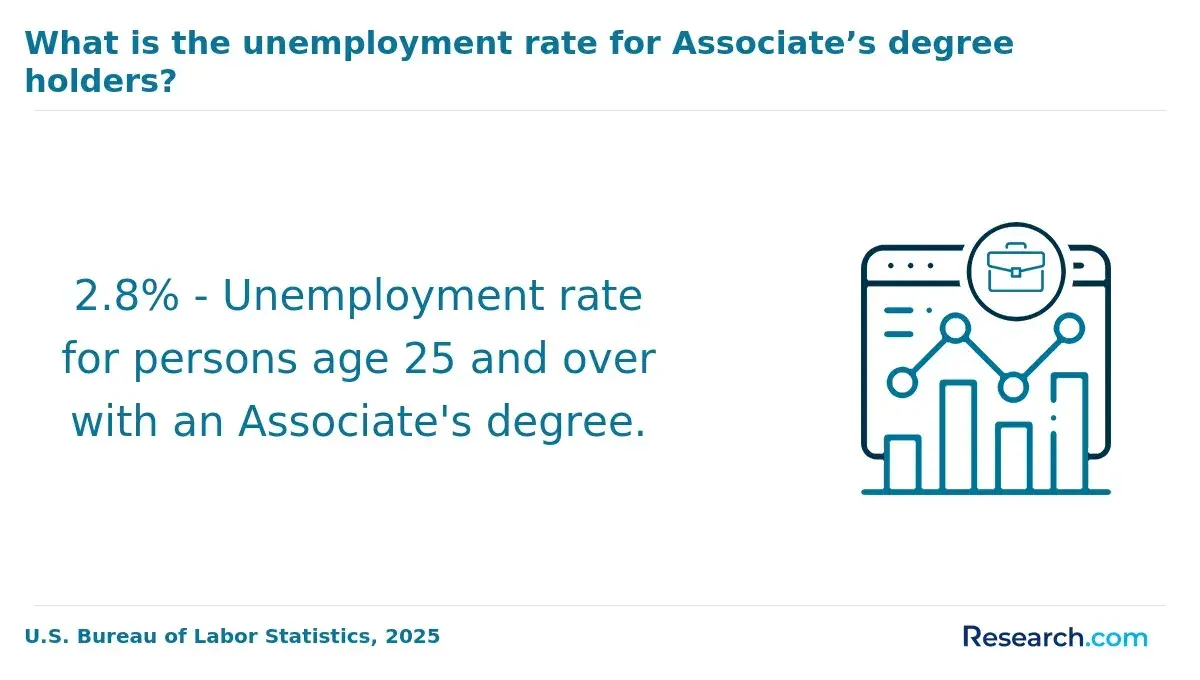
- Associate Degree in Developmental Psychology: Typically requires about two years of full-time study. Part-time students may take longer, while those transferring credits from previous coursework can shorten this timeline. Some community colleges offer online courses, providing flexibility for working students.
- Bachelor's Degree in Developmental Psychology: Usually takes four years to complete on a full-time basis. Students attending part-time or balancing work may extend this period. Accelerated programs and online degree options exist at some institutions, allowing completion in as little as three years.
- Master's Degree in Developmental Psychology: Generally requires two years beyond the bachelor's degree. Factors like thesis requirements, internship placements, and part-time enrollment can lengthen the time needed. Many programs now offer evening, online, or accelerated tracks to accommodate diverse student schedules.
- Doctoral Degree (PhD or PsyD) in Developmental Psychology: Completion time ranges from 4 to 7 years post-master's, depending on research scope, dissertation progress, and clinical requirements. Some programs allow students to enter directly after a bachelor's degree, which may extend overall time. Flexible pacing and part-time study options are available in select programs but can prolong duration.
Breakdown of All Fully Online Title IV Institutions

Are There Accelerated Developmental Psychology Degree Programs?
Yes, there are accelerated developmental psychology degree programs available in the United States that help students complete their education faster than traditional routes. These programs are structured to reduce the usual time it takes to earn a bachelor's or master's degree by using formats such as condensed courses, year-round enrollment, and extensive transfer credit policies.
For example, many accelerated bachelor's-completion programs allow students to transfer 60 to 90 credits, enabling them to finish their degree in approximately two years instead of the typical four.
Combined bachelor's/master's tracks, often called "4+1" programs, provide a pathway to earn both degrees in as little as five years. Condensed courses, which may last five to eight weeks, enable students to take more classes over a year than in traditional semester schedules.
In addition, continuous term availability and monthly or rolling start dates mean students can progress without long breaks, further shortening the time to graduation.
However, these accelerated programs come with key considerations. The workload tends to be intense, demanding a full-time commitment that can be challenging for students balancing jobs or family responsibilities.
Eligibility requirements often include maintaining a minimum GPA, completing prerequisite coursework like lifespan developmental psychology, and sometimes securing a research mentor for graduate-level components. While accelerated study means faster entry into the workforce, potential students should assess their readiness for the rigorous pace and plan accordingly to succeed.
Graduates of these programs generally benefit financially as well; starting salaries for those with a bachelor's degree hover around $44,000, while master's degree holders typically earn over $60,000, underscoring the value of accelerated educational paths.
When speaking with a graduate of an accelerated developmental psychology degree program, he shared that the journey was both demanding and rewarding. He described how "every week felt intensive, with classes moving quickly and frequent assignments no matter the season."
He emphasized the need for strong time management skills and a support system outside school to keep stress manageable. Yet, he also reflected on the sense of accomplishment that came from "finishing faster than expected and stepping into my career with a master's degree in hand."
He noted that while the pace sometimes felt overwhelming, the program "pushed me to grow personally and academically in ways I didn't expect," and his early entry into the job market made the hard work worthwhile.
The graduate's experience illustrates how accelerated developmental psychology programs, though challenging, offer an efficient path for motivated students ready to meet its demands.
Are Online Developmental Psychology Degrees as Credible as Traditional Ones?
Online developmental psychology degree programs maintain rigorous academic standards by closely aligning their curriculum, faculty qualifications, and assessment methods with those of traditional, on-campus programs.
Whether at the bachelor's, master's, or doctoral level, these programs require the same core coursework, including research methods, developmental theory, and statistics. Advanced degrees often incorporate capstone projects, practicums, or supervised clinical hours to ensure thorough training.
Accreditation plays a crucial role in establishing credibility; regionally accredited institutions and doctoral programs approved by the American Psychological Association (APA) adhere to strict quality standards regardless of the program format.
Consequently, many reputable universities now offer online developmental psychology degrees that match the content and rigor of their traditional counterparts.
Employer acceptance of online psychology degrees, including those specifically in developmental psychology, has grown substantially in recent years. A U.S. News & World Report survey found that nearly 80% of employers have hired candidates with online degrees, and 55% do not differentiate between online and traditional degrees when the school is reputable.
Furthermore, 61% of human resource professionals approve of online degrees, with 71% having hired individuals holding an online psychology degree.
Though some employers may still perceive traditional degrees as carrying more weight, especially in clinical psychology fields, academic leaders increasingly believe that online learning outcomes can be as good as, or better than, face-to-face education.
Ultimately, the credibility of a developmental psychology degree depends far more on the institution's accreditation and reputation than on whether the degree was earned online or on campus.
How Much Does Each Type of Developmental Psychology Degree Typically Cost?
Understanding the differences in tuition costs across developmental psychology degree levels is essential for effective budgeting and long-term financial planning. Knowing what to expect financially can help students make informed decisions about their education paths and explore the most suitable funding options.
Below is a detailed overview of typical tuition ranges for each type of developmental psychology degree:
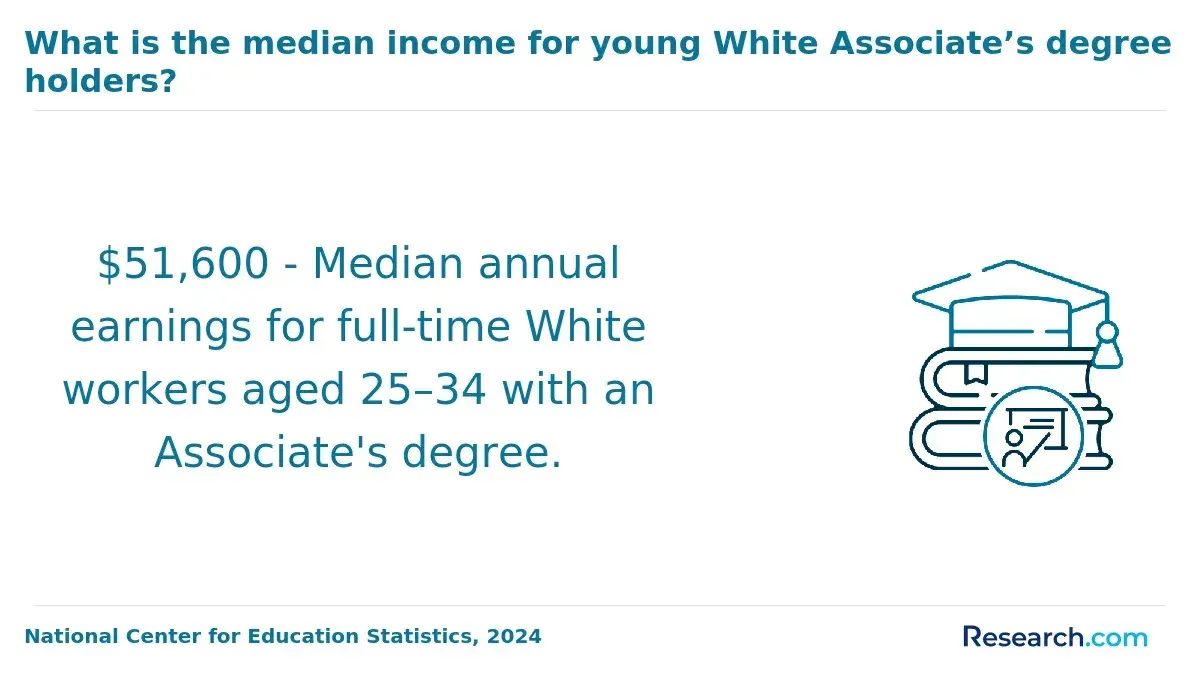
- Associate Degree in Developmental Psychology: Tuition for associate programs tends to be the most affordable, generally offered through public community colleges at costs around $4,000 per year. These programs are limited in availability for developmental psychology specifically but often provide access to federal grants and scholarships that significantly reduce out-of-pocket expenses.
- Bachelor's Degree in Developmental Psychology: Bachelor's degree tuition varies widely, from approximately $9,000 annually at in-state public universities to over $46,000 at private institutions. Online programs may present more budget-friendly options, averaging about $12,000 per year. Most undergraduates receive financial aid, with around 89% obtaining grants or scholarships, which can lower net costs substantially depending on individual circumstances.
- Master's in Developmental Psychology: Tuition for master's programs typically ranges between $3,400 and $58,700 per year. Public university programs average near $20,000 annually, while private institutions may charge more. Online master's degrees can be more affordable, sometimes costing under $10,000 per year. Common financial aid opportunities include graduate assistantships, scholarships, and federal loans to help manage these costs.
- Doctoral Degree in Developmental Psychology: Doctoral tuition varies extensively, with in-state public student rates starting around $14,000 yearly and private university costs potentially exceeding $60,000. Many doctoral students benefit from tuition waivers, assistantships, and stipends, which greatly diminish direct expenses. The availability of such funding depends on the program's competitiveness and your academic background.
Reflecting on her journey, a graduate of a developmental psychology degree program shared that navigating tuition costs required both strategic planning and flexibility. She recalled relying heavily on a combination of scholarships and work-study opportunities early in her studies, which eased the financial burden considerably.
Later, when pursuing a master's degree, she found that enrolling in an online program allowed her to continue working while studying, balancing income and tuition payments efficiently. She emphasized that understanding all available aid options and being proactive in applying for them made a substantial difference.
Ultimately, she considers the investment worthwhile, noting that her degree opened doors to fulfilling career opportunities and provided both personal and professional growth. Her experience underscores the importance of a well-researched financial plan tailored to each educational stage.
What Jobs Can You Get with Each Type of Developmental Psychology Degree?
The level of your developmental psychology degree greatly impacts the range of career opportunities and the types of roles you are qualified to pursue. Higher degrees typically open doors to more specialized positions with greater responsibility and pay, while undergraduate or associate degrees often lead to support or entry-level roles.
Below is a list outlining common jobs for each type of developmental psychology degree:
- Associate degree in developmental psychology: Graduates often find entry-level jobs such as teacher's aide, childcare worker, or youth program assistant. These roles focus on supporting daily activities for children, assisting lead teachers, or working within community and after-school programs. Common workplaces include daycare centers, preschools, and social services agencies.
- Bachelor's degree in developmental psychology: Job titles can include psychologist's aide, research assistant, and case manager. Responsibilities may involve assisting licensed psychologists with research, conducting developmental assessments, or coordinating child and family services. Additional career options include educational consulting or serving as consultants to youth media and toy companies. Median salaries for these positions typically range from $35,000 to $50,000 per year, making them aligned with many high paying 4 year degrees.
- Master's degree in developmental psychology: This qualification prepares graduates for roles such as rehabilitation counselor, school counselor, behavioral specialist, or educational consultant. These jobs often require providing counseling, designing interventions, performing behavioral assessments, and improving educational methods. Employment settings include schools, government agencies, nonprofit organizations, and private practice. Some positions may need additional certifications or licensure.
- Doctoral degree (Ph.D. or Psy.D.) in developmental psychology: Doctoral graduates can work as licensed developmental psychologists, university professors, or principal researchers. Their work may involve leading original research, teaching at the university level, providing advanced clinical services, or directing programs within academic, hospital, or government environments. The Ph.D. focuses more on research and academia, while the Psy.D. targets clinical practice, which requires licensure.
How Do Salaries Differ by Developmental Psychology Degree Type?
Degree level often influences earning potential significantly for those pursuing developmental psychology careers. Understanding these differences can help students make informed educational and career decisions based on financial and professional goals.
Below is a summary outlining typical salary ranges for each developmental psychology degree type:
- Associate Degree in Developmental Psychology: Most entry-level positions for associate degree holders are support roles, such as psychiatric aides or teaching assistants, with typical salaries ranging from $30,000 to $40,000 per year. Advancement usually requires further education, as higher-paying jobs often demand at least a bachelor's degree.
- Bachelor's Degree in Developmental Psychology: Graduates with a bachelor's degree often work as behavioral specialists, youth counselors, or research assistants, earning starting salaries around $40,000 annually. These roles are common in educational and community service settings, with higher salaries generally necessitating graduate studies.
- Master's Degree in Developmental Psychology: Holding a master's degree enables graduates to pursue careers as school psychologists, psychometricians, or educational consultants, where salaries typically range between $60,000 and $73,000. Pay varies depending on the employer, location, and experience, with urban areas and specialized positions offering higher earnings.
- Doctoral Degree (Ph.D. or Psy.D.) in Developmental Psychology: Most developmental psychologist roles require a doctorate, with median salaries between $98,000 and $120,000 annually. Experienced professionals and those in high-demand regions or industries can earn over $130,000. Doctoral degrees offer access to research, academia, clinical practice, and consulting opportunities with the highest earning potential.
Students interested in developmental psychology may also benefit from exploring options at the best affordable online universities that accept financial aid, which can provide flexible and cost-effective paths to advancing their degrees.
Is There High Demand for Developmental Psychology Degree Holders in the Job Market?
Holders of developmental psychology degrees are currently experiencing strong demand in the US job market, with employment projected to grow by 6% from 2024 to 2034-outpacing the average for all occupations.
This is influenced by several workforce needs, such as the expanding recognition of early childhood development's importance, which results in increased early intervention programs and developmental screenings in schools.
Additionally, the aging population drives opportunities for professionals focusing on adult development and cognitive aging. Demand is also rising for specialists in developmental disabilities, broadening career prospects in clinical and applied environments.
Median salaries reflect this positive trend, with developmental psychologists earning approximately $117,750 as of May 2024, particularly in scientific research and consulting positions.
Emerging technologies further enhance demand by enabling telehealth and digital assessment tools, expanding access to services for families in rural or underserved areas. Growth in healthcare, education, and organizational development sectors continues to rely on innovative digital platforms for assessment and intervention, driving demand for technology-savvy developmental psychology graduates.
Regionally, states like California, New York, Texas, Massachusetts, and Pennsylvania offer numerous opportunities thanks to large populations and robust healthcare and academic infrastructures. However, less populous and rural states present less competition and often high demand relative to supply, creating strong possibilities for new graduates to establish careers.
Overall, the outlook for developmental psychology degree holders remains positive, supported by demographic trends, technological advancements, and an increasing focus on mental health and developmental support across all ages.
For students exploring options, considering accredited programs such as online colleges that are nationally accredited can provide a valuable pathway into these expanding roles.
What Factors Should You Consider When Picking a Type of Developmental Psychology Degree?
Choosing the right degree level in developmental psychology is a critical decision that directly impacts your career opportunities, earning potential, and ability to achieve personal and professional goals. It also determines the time and financial investment required as well as access to specialized roles within the field.
To make an informed choice, students should carefully evaluate several key factors:
- Career Goals: Your intended career path should guide your degree choice. Entry-level roles typically require a bachelor's degree, but clinical practice, research, and academic positions often demand advanced degrees like a master's or doctorate. Consider whether you aim for licensure or specialized roles that require higher qualifications.
- Time Commitment: Degree programs vary in length-bachelor's degrees usually take four years, master's degrees about two additional years, and doctoral programs can require 4-6 years post-bachelor's. Reflect on your ability to dedicate full-time study or if part-time and online options are necessary to balance other responsibilities.
- Salary Expectations: Higher degrees generally lead to increased earning potential. Doctoral-level psychologists earn a median annual salary notably higher than those with bachelor's or master's degrees, reflecting their advanced expertise and qualifications.
- Licensure Requirements: Many clinical and counseling positions require state licensure, which typically involves holding a doctoral degree, completing supervised experience, and passing licensing exams. Ensure your degree path aligns with the licensure prerequisites for your desired practice area.
- Specialization Opportunities: Advanced degrees offer broader options to specialize, such as working with children, adolescents, or specific developmental challenges. If you have a focused interest, choose programs that provide relevant training and research opportunities.
- Program Format and Flexibility: Consider whether you prefer in-person or online study and if part-time or flexible scheduling options are available. Many undergraduate and some graduate programs now offer online formats, which can help balance education with work and family commitments.
What Developmental Psychology Graduates Say About Their Degree and Salary
- Brandy: "Completing my bachelor's degree in developmental psychology opened doors I hadn't imagined. The program's focus on early childhood development prepared me to work directly with young kids, which is my passion. Starting my career as a preschool developmental specialist has been incredibly rewarding, especially seeing children grow and overcome challenges with support. The stability and growing demand in this field give me confidence in my future. I truly feel like I'm making a meaningful difference every day. "
- Monica: "After earning my master's in developmental psychology, I found myself reflecting deeply on how societal factors shape adolescent growth. This degree sharpened my research skills and taught me to approach complex human behavior with empathy and precision. Working in a community mental health center has allowed me to apply this knowledge in real-world settings, championing mental health awareness among teens. The professional development opportunities have been abundant, making my career trajectory both exciting and stable. "
- Shanice: "Pursuing a PhD in developmental psychology was both challenging and transformative. The rigorous training equipped me to contribute original research on aging and lifespan development. I'm proud to lead projects that influence policy and practice, improving well-being for older adults. This degree also connected me to a vibrant academic community, offering continuous growth and collaboration. The sense of accomplishment and the chance to impact lives on a broad scale keeps me motivated every day. "
Other Things You Should Know About Developmental Psychology Degree Programs & Salaries
Yes, having a master's degree in developmental psychology generally increases salary potential. In 2027, those with a master's may earn 10-20% more than those with a bachelor's. This advanced degree often leads to roles with higher responsibilities and specialized expertise, reflected in increased earnings.
In 2027, developmental psychologists with a master’s degree can expect an average salary ranging from $55,000 to $80,000 annually. The salary may vary based on factors such as geographical location, level of experience, and the specific employer or sector in which one is employed.
In 2027, academic careers in developmental psychology typically offer lower starting salaries compared to applied settings. Academic positions often prioritize research and teaching, while applied roles, such as in healthcare or industry, may offer higher compensation due to direct service delivery and real-world application of skills.
References
- 14 Awesome Careers in Developmental Psychology | PsychologySchoolGuide.net https://www.psychologyschoolguide.net/guides/what-can-i-do-with-a-degree-in-developmental-psychology/
- Explore Psychology Degrees Online | Psychology.org https://www.psychology.org/online-degrees/
- What Are the Types of Psychology Degrees? http://www.warnerpacific.edu/blog/types-of-psychology-degrees/
- Pursuing a Career in Developmental Psychology https://www.apa.org/education-career/guide/subfields/developmental/education-training
- Earning Your Degree in Development Psychology https://www.allpsychologyschools.com/degrees/development-psychology/
- Graduate Programs in Developmental Psychology https://www.apadivisions.org/division-7/students-careers/graduate-programs
- How to choose a psychology specialisation https://www.open.edu.au/advice/insights/how-to-choose-a-psychology-specialisation
- Recommendations for a Sequence of Developmental Psychology Courses https://psychology.as.virginia.edu/recommendations-sequence-developmental-psychology-courses
- Developmental Psychology and Clinical Practice MSc https://www.ucl.ac.uk/prospective-students/graduate/taught-degrees/developmental-psychology-and-clinical-practice-msc
- How Long Is a Psychology Degree | The University of Olivet https://www.uolivet.edu/how-long-does-it-take-to-get-a-psychology-degree/


