2027 Different Types of Disability Studies Bachelor's Degrees: Specializations, Careers, and Salaries

Co-Founder and Chief Data Scientist
Imagine a student struggling to choose a meaningful path that combines advocacy, education, and policy work within disability communities. The challenge lies in understanding which specialization in disability studies best aligns with career goals in sectors like healthcare, social services, or law.
Employment in disability-related fields is projected to grow 17% over the next decade, highlighting the importance of targeted education. This article explores various bachelor's degree specializations in disability studies, detailing associated career opportunities and salary prospects. It aims to guide prospective students through informed decisions that match their professional aspirations and the evolving job market.
Key Things to Know About Different Types of Disability Studies Bachelor's Degrees
- Common specializations include policy advocacy, inclusive education, and assistive technology, each emphasizing different knowledge areas tailored to supporting diverse communities.
- Graduates often pursue careers as disability service coordinators, special education teachers, or rehabilitation counselors, roles requiring varied skill sets and credentials.
- Median salaries range from $40,000 to $60,000 annually, with policy and technology roles typically offering higher compensation due to specialized expertise and demand.
What Are the Different Types of Disability Studies Bachelor's Degrees?
Disability studies bachelor's degrees come in various program formats that differ in structure, pacing, and delivery methods, accommodating diverse student needs. Enrollment in online and hybrid learning options has notably grown by 40% in recent years, underscoring a rising preference for flexible education models. These formats shape how students balance academic workload with personal and professional responsibilities.
Programs vary widely and fit different lifestyles and learning styles, ranging from fully in-person to fully remote. Common types of disability studies bachelor's degree programs include:
- Traditional On-Campus: These programs follow a full-time, in-person schedule, allowing students to engage directly with faculty and access campus resources. They often appeal to those seeking an immersive college experience.
- Online Programs: Entirely remote, these programs offer maximum flexibility, ideal for students who work or have other commitments, enabling study from any location. Online study is increasingly popular in the realm of disability studies bachelor's degree specializations.
- Hybrid Programs: Combining online coursework with occasional on-site sessions, hybrid models provide a balance between flexibility and face-to-face interaction, supporting varied learning preferences.
- Accelerated Programs: Designed for motivated students, these compress the curriculum into a shorter timeframe for faster degree completion, appealing to those eager to enter disability-related careers sooner. These options often align with best online degrees.
- Part-Time Programs: Allowing students to take fewer courses each semester, part-time study suits those balancing work or family while pursuing disability studies bachelor's degree specializations over a longer period.
Recognizing the types of disability studies undergraduate programs available helps prospective students choose an ideal fit for their goals and circumstances.
What Specializations Are Available in a Disability Studies Bachelor's Degree?
Disability studies bachelor's degree programs often include multiple specializations to allow students to tailor their education to their interests and career goals. Recent data shows that about 60% of these programs in the U.S. offer various specialization tracks, reflecting growing recognition of diverse professional paths within the field.
These options help students build targeted skills applicable to different advocacy, educational, or healthcare environments. Common specializations found in disability studies include:
- Policy and Advocacy: This track focuses on laws, policies, and advocacy strategies affecting people with disabilities. Students learn to interpret legislation, advance disability rights, and participate in social justice efforts.
- Assistive Technology and Accessibility: Emphasizing adaptive devices and user-centered design, this specialization explores technological solutions that enhance accessibility and independence for individuals with disabilities.
- Education and Inclusion: Concentrated on inclusive education practices, students study strategies for supporting learners with disabilities. The curriculum covers curriculum adaptation, teaching methods, and collaboration with families and educators.
- Community and Social Services: Preparing students to work with individuals and communities, this specialization covers social work principles, program development, and community engagement aimed at improving quality of life.
Each specialization integrates theory and practical skills to equip students for addressing challenges faced by people with disabilities from varied perspectives. For those wondering about admission requirements, particularly non-majors interested in an online disability studies master's program, eligibility criteria often include foundational coursework or related experience.
Prospective students interested in further advancing their education might consider exploring online MFT programs that intersect with disability studies themes and community wellness.
2026 Update: Skill Evidence to Build Before Graduation
For the 2026 refresh, this section adds a practical check on the kinds of evidence disability studies students can build while completing a bachelor’s degree, beyond choosing a specialization or comparing salaries.
- Courses that require applied work with disability law, rights-based policy, or accessibility standards.
- Projects showing skill in universal design, inclusive communication, or basic accessibility reviews.
- Community-based assignments completed with disability-led organizations or advocacy groups.
- Writing samples such as policy briefs, accommodation guides, program evaluations, or plain-language materials.
- Experience collaborating with educators, healthcare teams, social service staff, or public agencies.
- Training that emphasizes ethics, self-determination, cultural humility, and lived-experience perspectives.
Checking for these opportunities helps students graduate with clearer proof of readiness, making it easier to connect their degree to advocacy, service, education, or policy-focused roles.
What Entry-Level Jobs Can I Get With a Disability Studies Bachelor's Degree?
A bachelor's degree in disability studies opens doors to a range of entry-level roles across social services, education, advocacy, and healthcare. Data shows nearly 70% of recent graduates find employment in related fields within six months, highlighting the demand for skilled professionals knowledgeable about disability from diverse social and policy perspectives.
Below are examples of common positions accessible to those starting their careers after graduation.
- Disability Support Specialist: These specialists help individuals with disabilities connect to needed services and resources, coordinating care and advocating for client needs. This role hones communication, empathy, and case management skills.
- Community Outreach Coordinator: Responsible for organizing programs that promote disability inclusion, coordinators work with nonprofits, government entities, and community groups, gaining experience in event planning, public speaking, and stakeholder engagement.
- Rehabilitation Assistant: Assisting therapists or counselors, this job supports clients' functional improvement through therapeutic activities and progress monitoring, offering hands-on exposure to rehabilitation practices.
- Advocacy and Policy Assistant: Entry-level advocates contribute to shaping disability-related legislation and policies by conducting research, drafting reports, and supporting campaign efforts, developing strong analytical and writing skills.
- Inclusive Education Aide: Within schools, aides support students with disabilities by helping implement individualized education plans and classroom accommodations, fostering collaboration with teachers and families.
When asked about entry-level job search challenges, a professional with a bachelor's degree in disability studies shared that transitioning from academic knowledge to practical work was initially daunting. They noted, "Finding a position that aligns with what I studied took time; many roles require experience I hadn't yet gained."
Networking within advocacy circles and volunteering helped bridge that gap. Over time, they appreciated how coursework on systemic issues increased their confidence to advocate effectively once hired.
What Industries Pay the Most for Disability Studies Graduates?
Certain industries offer higher compensation for disability studies graduates, reflecting the specialized skills and growing demand for inclusive expertise. For example, healthcare roles related to disability services report median wages about 15% above the national average for social assistance. These salary trends help identify some of the highest paying sectors for disability studies professionals.
Common industries that reward this background include:
- Healthcare: Roles often focus on patient advocacy, rehabilitation coordination, and enhancing inclusivity in care services. Professionals must master medical and legal knowledge along with strong interpersonal abilities to tailor effective support plans.
- Government: Graduates may engage in policy creation, disability rights enforcement, or managing social programs. Success in these positions relies on critical thinking, communication skills, and a solid grasp of public administration to influence legislation and resource allocation.
- Technology: This sector values skills in accessibility design, user experience (UX), and assistive technology development. Graduates utilize their understanding of diverse user requirements and digital accessibility standards to build inclusive technology solutions.
Prospective students might also consider expanding their credentials through an EdD degree to increase opportunities in these competitive fields.
What Is the Average Salary for Disability Studies Bachelor's Degree Graduates?
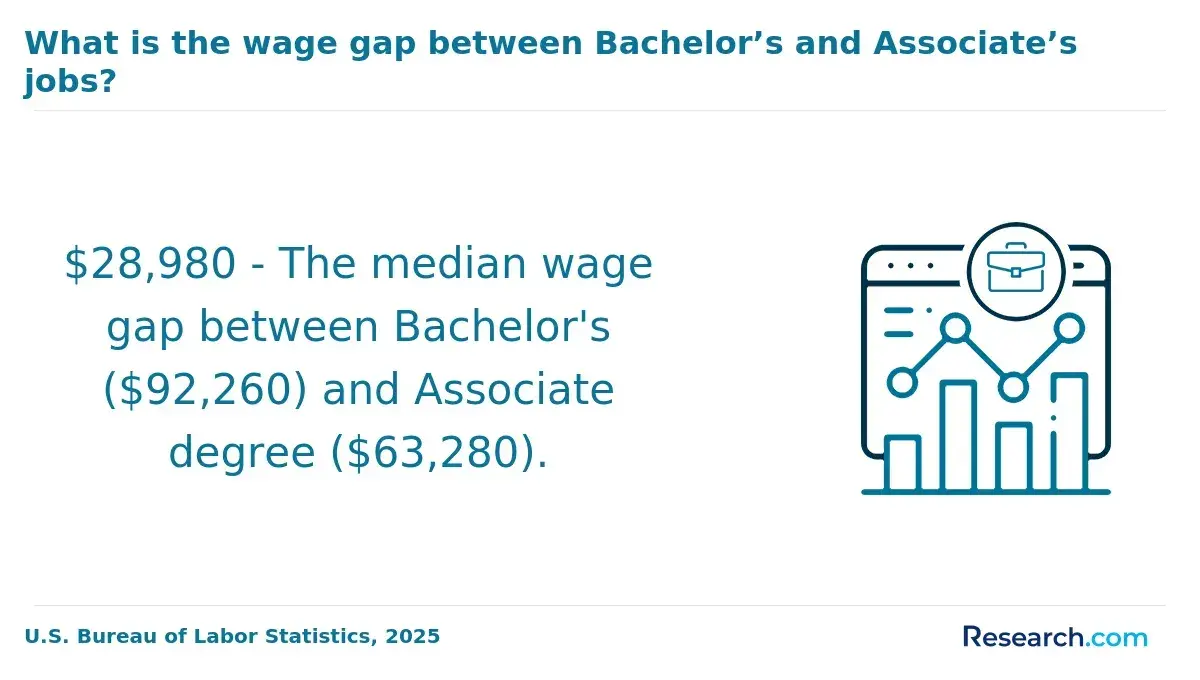
Salary outcomes for graduates holding a bachelor's degree in disability studies depend heavily on various factors like industry, geographic location, and experience level. Early-career salaries generally range from about $35,000 to $50,000 per year, while median wages for common roles such as social and community service managers approach $69,600.
Several key factors influence these figures.
- Experience Level: Earnings typically rise with time spent in the field, especially when advancing into roles that involve case management or program leadership.
- Industry Sector: Different work environments, including government, healthcare, or nonprofit organizations, offer varying compensation structures and benefits.
- Geographic Location: Metropolitan areas with higher costs of living tend to provide better salaries, balancing increased expenses.
- Specialized Skills: Proficiency in assistive technology, policy advocacy, or education support can lead to higher pay due to niche expertise.
- Job Responsibilities: Positions that include supervisory duties or require advanced certifications usually command greater salary levels.
A professional with a bachelor's degree in disability studies shared that navigating the early stages of her career involved balancing passion with practical challenges. She noted how adapting to varying organizational cultures and constantly expanding her skill set were key to career development. "Starting out, it was a bit overwhelming to find my footing in such a diverse field," she explained, emphasizing the importance of persistence and continuous learning.
Her journey illustrated how combining dedication with strategic growth opens doors to meaningful opportunities and gradually improving compensation. "Each step has taught me more about advocating effectively and building trust, which ultimately shapes both my impact and income," she reflected.
How Do Salaries Compare Across Disability Studies Specializations?
Earnings within disability studies vary notably based on the chosen specialization, reflecting differences in required expertise and job roles. For instance, those specializing in policy analysis or program management tend to earn substantially more than professionals focused on direct support or community engagement.
Research shows that median salaries for disability policy analysts and consultants can approach $65,000 annually, whereas roles like case managers or rehabilitation specialists typically bring in closer to $50,000. Such figures illustrate a significant wage gap linked directly to the nature of the work and level of responsibility.
Several elements influence these salary differences, including the complexity of skills needed, sector demand, and work environment. Positions requiring advanced capabilities-such as legal knowledge, data interpretation, or administrative oversight-generally receive higher pay.
Moreover, employers in government, nonprofit, and healthcare settings assign varying value to roles, often favoring policy or consultancy positions financially. Additionally, jobs with a focus on advocacy or education may differ in compensation compared to clinical or corporate-based careers, further impacting earning potential in this field.
Are Salaries Different for Online vs On-Campus Disability Studies Graduates?
Online and on-campus disability studies bachelor's degree programs generally provide comparable core skills and coursework, covering topics like disability rights, policy analysis, and advocacy methods. Employers tend to focus on the degree credential and relevant skills rather than the mode of education when considering salary offers. A recent survey from a national education labor bureau found that graduates with internship experience earn starting salaries approximately 8% higher than those without, indicating practical experience matters more than whether the degree was earned online or in person.
Salary differences may arise from factors such as access to networking opportunities, internships, and fieldwork, which are often more readily available through on-campus programs. Online students typically need to seek out these experiences independently to achieve similar advantages.
Additionally, regional job market demands and graduates' specialization within disability studies also influence earning potential. Prospective students should evaluate how programs support career readiness activities beyond coursework to maximize salary prospects after graduation.
Do Costs Vary Across Disability Studies Bachelor's Degree Programs?
Tuition and fees for disability studies bachelor's degree programs vary widely across the United States, reflecting differences in institutional type, format, and program design. Average annual tuition can range from about $10,000 at public universities for in-state students to more than $35,000 at private institutions.
Several key factors contribute to these cost differences.
- Institution Type: Public universities generally offer lower tuition rates compared to private schools, which often have higher fees due to different funding models. This difference significantly impacts the overall cost for students seeking a disability studies bachelor's degree tuition differences.
- Program Format: Online disability studies programs may provide more flexibility and potentially lower costs by eliminating campus fees and commuting expenses. However, some online degrees have tuition comparable to or exceeding that of traditional on-campus options, depending on each institution's pricing policies.
- Program Length and Structure: Most bachelor's degrees require around 120 credit hours, but some programs offer accelerated tracks or require additional credits for specialized concentrations. Combined studies or those with extensive practicum experiences can lead to increased costs.
- Geographic Location: Schools located in urban or high cost-of-living areas tend to have higher tuition and fees, reflecting broader economic factors. Campus amenities and resources, especially those tied to disability support services, also influence institutional expenses passed on to students.
When researching programs, prospective students should conduct a thorough cost comparison of disability studies programs to align their academic and career goals with budget considerations. For students interested in affordable options in related fields, programs such as an MBA under 35k can serve as examples of cost-efficient degree pathways.
What Financial Aid Options Are Available for Disability Studies Students?
Students pursuing a disability studies bachelor's degree can access a variety of financial aid resources to help cover tuition and related expenses. Approximately 85% of undergraduates in the U.S. benefit from some form of financial aid, reflecting broad support for higher education costs.
Below are several common types of aid available to these students.
- Federal Grants: Programs like the Pell Grant provide need-based funding that does not require repayment. These grants are especially valuable for students from low-income families seeking financial aid for disability studies bachelor's degrees.
- Federal Student Loans: These loans must be repaid with interest but often carry lower interest rates and more flexible terms than private loans, making them a feasible option for many students.
- Scholarships: Numerous organizations offer scholarships targeted to students studying disability-related fields or those with disabilities themselves. These scholarships are awarded based on merit, financial need, or criteria connected to disability advocacy and represent essential scholarships and grants for disability studies students.
- Work-Study Programs: These allow students to earn money through part-time employment on campus or with community organizations. This work not only helps offset educational costs but can also provide valuable experience in disability services.
- State and Private Aid: Some states and private entities provide additional funding options for students in related fields. Students should consult their college's financial aid office and disability support services to maximize aid opportunities and explore resources like the cheapest online environmental science degree programs for broader educational cost management strategies.
What Factors Should I Consider When Selecting a Disability Studies Degree?
Selecting the appropriate disability studies bachelor's degree requires examining several academic and personal factors to ensure a good fit. Studies indicate that over 70% of students choose programs based on how well they align with their career objectives.
Below are key aspects to keep in mind during the decision-making process.
- Academic Interests: Identify which topics within disability studies, such as social policy, healthcare, or advocacy, spark your curiosity. Aligning your studies with personal passions enhances engagement and academic success.
- Specialization Options: Consider the range of focus areas offered by programs, like disability rights law, inclusive education, or rehabilitation. Choosing relevant specializations can better prepare you for targeted professional roles.
- Program Format: Reflect on your lifestyle and responsibilities, as programs may be available online, in-person, or in hybrid models. Flexibility in scheduling can improve your learning experience and work-life balance.
- Career Alignment: Evaluate how degree programs connect to employment opportunities, including internships or partnerships with organizations. Practical experience often influences long-term career success.
- Long-Term Goals: Consider how the curriculum supports your ambitions, whether in policy development, social work, or healthcare coordination, to ensure your education advances your professional trajectory.
What Graduates Say About Different Types of Disability Studies Bachelor's Degrees
- Gregory: "Choosing a disability studies bachelor's degree was a conscious decision to blend my passion for advocacy with a structured understanding of policy and social systems. This degree opened doors to meaningful roles in nonprofit organizations focusing on accessibility, allowing me to apply theoretical knowledge to practical challenges. Notably, my salary increased significantly within two years, reflecting the specialized skills and insights I gained."
- Cole: "Reflecting on my experience, pursuing a disability studies bachelor's degree was about more than just academics-it shaped my worldview and fueled my commitment to inclusive education. The program's interdisciplinary approach gave me tools to work effectively in educational settings and collaborate with diverse communities. This foundation proved invaluable, jumpstarting my career and steadily enhancing my earning potential over time."
- Richard: "From a professional standpoint, earning a bachelor's degree in disability studies dramatically accelerated my career trajectory in social services. The focus on disability rights, policy, and community engagement equipped me to advocate confidently and secure a role with a competitive salary from the start. I appreciate how the degree balanced academic rigor with practical experience, making me well-prepared for leadership opportunities."
Other Things You Should Know About Disability Studies Degrees
In 2027, technology significantly enhances learning in disability studies degrees by offering adaptive tools and virtual simulations. These technologies help students understand diverse disabilities and create inclusive environments, enriching their specialization with practical experiences aligned with evolving career demands.
In 2027, disability studies graduates can pursue careers in advocacy, education, accessibility consulting, and policy analysis. With a growing focus on inclusivity, opportunities also exist in governmental and nonprofit organizations, making this a promising field for those looking to impact society positively.
Interdisciplinary coursework is fundamental to disability studies as it integrates knowledge from sociology, psychology, law, and health sciences. This approach helps students understand the complexity of disability issues beyond medical models by including social justice and human rights perspectives. It equips students to address disability challenges from multiple angles in their future careers.
References
- What are good careers for disabled people? https://disabilities.culture.narkive.com/1b65cHFx/what-are-good-careers-for-disabled-people
- What Disability Studies Students Learn http://www.canadian-universities.net/Universities/Programs/Disability_Studies-Topics.html
- Education Grants for Disabled Adults - Grants for Disabled https://grantsfordisabled.org/education-grants-for-disabled-adults/
- Top 20 Jobs for People with Disabilities in 2026 https://www.accessibilitychecker.org/blog/jobs-for-people-with-disabilities/
- Disability Studies Majors: Degree Outlook & Career Info - Course Advisor https://courseadvisor.com/majors/ethnic-culture-and-gender-studies/ethnic-studies/disability-studies/
- Disability and Community Studies - MDCS - Course at University of Calgary | You Apply https://youapply.com/program/disability-and-community-studies-master-by-course-work-university-of-calgary
- Bachelor's Degree (BAE) in Interdisciplinary Disability Studies https://academics.uky.edu/programs/bachelors/interdisciplinary-disability-studies