
2027 Disability Studies Degree Programs for Career Changers

Co-Founder and Chief Data Scientist
Many working adults face challenges when seeking meaningful careers that align with their values and experiences. For example, a social worker shifting focus toward disability advocacy may feel uncertain about gaining relevant expertise or credentials. Recent data shows that 41% of adult learners enrolling in disability studies programs do so to pivot careers, highlighting a growing demand for inclusive education tailored to this demographic.
This article examines how disability studies degree programs equip career changers with practical knowledge and skills, offering guidance on choosing suitable paths to make the transition both efficient and confident.
Key Things to Know About Disability Studies Degree Programs for Career Changers
- Many disability studies programs offer flexible scheduling with evening, weekend, and part-time options, accommodating working adults balancing jobs and family responsibilities.
- Online and hybrid formats are prevalent, enabling career changers to access coursework without geographic constraints, increasing enrollment by 25% in recent years.
- Support services like career advising and tutoring specifically target adult learners, improving retention and fostering transitions into sectors valuing inclusivity expertise.
What Disability Studies Programs Accept Career Changers?
Disability Studies programs are increasingly designed to accommodate working adults and professionals seeking a career change, offering flexible admissions and curricula suited for nontraditional students. Nearly 40% of master's students are now 25 or older, underscoring the rising demand for programs that effectively support adult learners during transitions.
- Master's in Disability Studies: These programs often feature flexible prerequisites and practical coursework that allows career changers to leverage prior experience while building new expertise in disability advocacy and policy.
- Graduate Certificates in Disability Studies: Focused and concise, these certificates provide concentrated learning without extensive prerequisites, making them ideal for professionals looking for a faster pathway into the field.
- Interdisciplinary Disability Studies: By integrating sociology, education, and health sciences, these programs create avenues for skill transfer from diverse backgrounds, easing transitions for career changers.
- Post-Baccalaureate Diplomas: Designed to build foundational knowledge, these diplomas support individuals without prior Disability Studies experience but with strong professional motivation to enter the field.
Such disability studies programs accepting nontraditional students acknowledge prior work experience over strict academic history, enhancing accessibility for career changers. This approach allows adult learners to transition efficiently while developing the competencies needed in the evolving field of Disability Studies.
For professionals interested in related fields, exploring AI degree programs may also offer complementary opportunities.
What Disability Studies Specializations Are Best for Career Changers?
Selecting the right disability studies specialization is essential for career changers to gain targeted skills that enhance employability and streamline their transition. The U.S. Bureau of Labor Statistics projects a 12% growth in social service occupations within disability sectors through 2030, signaling strong demand and promising career opportunities.
Below are four top specializations well suited for professionals seeking effective career mobility.
- Policy and Advocacy: Tailored for those with backgrounds in law, public administration, or social work, this specialization capitalizes on transferable negotiation and communication skills. It empowers learners to influence disability rights and policy development significantly.
- Assistive Technology: Best for individuals with STEM or technical experience, this field focuses on adapting technology to improve accessibility. It creates pathways into innovation-driven careers, complementing skills gained in an engineering online degree or related fields.
- Inclusive Education: Ideal for educators or trainers, this path develops expertise in curriculum adaptation and accessibility accommodations. It supports career changers looking to expand their roles in schools or community education programs.
- Rehabilitation Counseling: Well suited for healthcare or counseling professionals, this specialization prepares learners to assist individuals with disabilities in achieving independent living and employment objectives.
These specializations represent the best disability studies concentration options for professionals aiming to pivot efficiently while maintaining relevance and growth in a competitive job market. By integrating a counseling degree online into this curriculum, practitioners can bridge the gap between systemic advocacy and the high-demand world of clinical mental health.
What Are the Admission Requirements for Career Changers Applying to a Disability Studies Program?
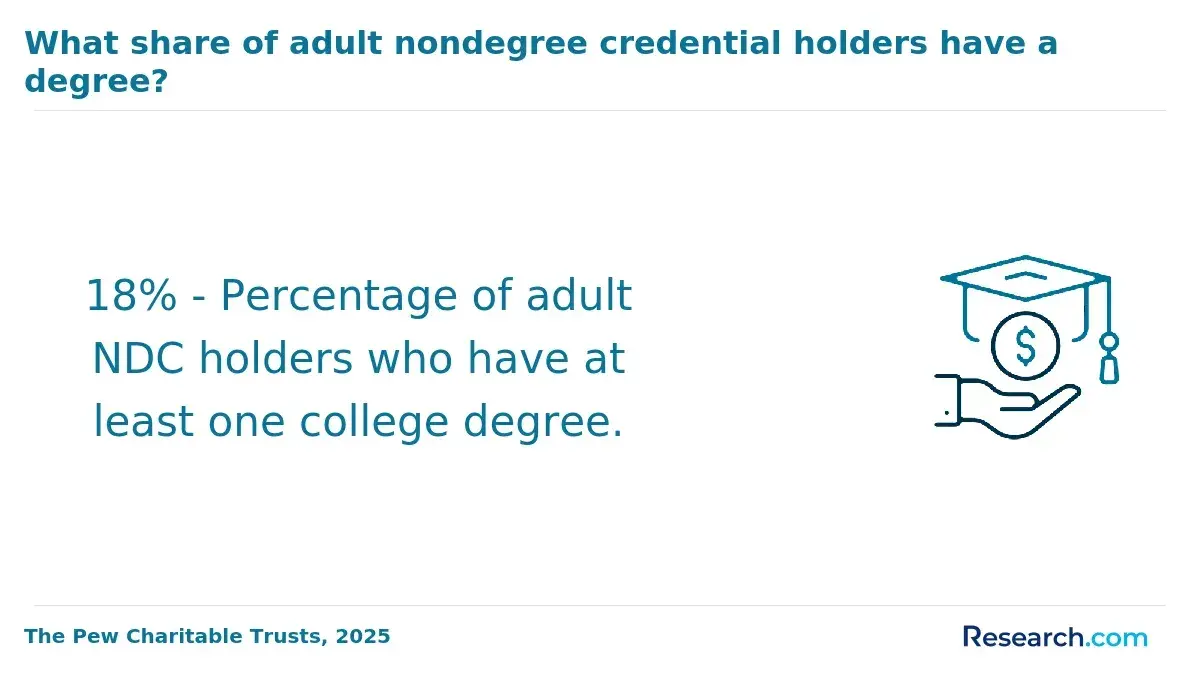
Admission requirements are especially important for career changers because they impact eligibility and help plan a smooth transition into disability studies. Nearly 40% of U.S. college students are adult learners, reflecting growing support for flexible admission policies that accommodate those shifting careers.
Here are some common prerequisites for career changers in disability studies programs:
- Completed Degree: A bachelor's degree or its equivalent from an accredited institution is generally required, establishing a foundational level of academic readiness.
- Official Transcripts: These documents verify prior education and help admissions assess your academic qualifications, often allowing for transfer credit recognition.
- Personal Statement: This letter outlines your motivation and career goals, giving admissions insight into your commitment to entering the disability field.
- Letters of Recommendation: Endorsements from academic or professional contacts can highlight your strengths and relevant experience, supporting your application.
- Resume or CV: Detailing work experience is crucial, especially as many programs value transferable skills from previous careers, such as communication or advocacy.
- Test Scores: While some programs may require standardized tests, many waive this for adult learners, recognizing practical experience and diverse backgrounds.
Many disability studies program prerequisites for working professionals recognize alternative pathways like portfolio reviews or interviews, granting credit for relevant volunteering or employment. Flexible enrollment options, including part-time schedules and online courses, help balance education with ongoing job responsibilities.
For those interested in expanding expertise in related fields, exploring a library degree might offer additional complementary skills useful in advocacy and information management within disability services.
What Is the Coursework for a Disability Studies Degree for Career Changers?
For career changers, knowing the structure of disability studies coursework is essential to effectively balance learning with existing responsibilities and quickly apply new insights. Programs often provide flexible formats such as online and part-time options, designed to meet the needs of working adults.
Below are the core elements included in this degree's curriculum:
- Foundations of Disability Studies: This area explores the historical context, theoretical models, and societal perspectives on disability, establishing a comprehensive base for further study.
- Legal and Policy Frameworks: Coursework addresses laws, advocacy mechanisms, and rights relevant to people with disabilities, ensuring students grasp the framework guiding professional practice.
- Research Methods and Ethics: Students gain exposure to both qualitative and quantitative research tailored to disability topics, alongside ethical standards critical to responsible inquiry.
- Practical Application Courses: Through case studies, community involvement, and hands-on projects, this component emphasizes real-world relevance and career preparation.
- Interdisciplinary Perspectives: Programs integrate approaches from sociology, psychology, education, and healthcare to offer a rounded understanding of the field.
A professional who pursued an online disability studies degree to switch careers shared their experience, highlighting the initial overwhelm of juggling coursework with a full-time job and family commitments. "It was challenging to adjust at first," he said, "but the online format gave me the flexibility to manage deadlines on my own schedule."
He also noted that engaging in interactive projects helped him connect theory to personal goals. "I felt more confident tackling career change because each course had clear, applied outcomes rather than just abstract concepts."
This practical focus was key to sustaining motivation during busy periods and making a meaningful transition.
What Disability Studies Program Formats Are Available for Career Changers?
Nearly 40% of postsecondary students are adult learners, making flexible degree programs essential for career changers balancing education with other commitments. Accessible learning options enable many to pursue a disability studies degree while managing work and family.
Common program formats include:
- Online Programs: Entirely remote courses that allow asynchronous study and offer great flexibility, ideal for professionals needing to fit coursework around busy schedules.
- Part-time Programs: Students enroll in fewer classes each term, spreading out the workload over a longer period to accommodate ongoing work or personal obligations.
- Hybrid Programs: A mix of online learning and occasional on-campus sessions, providing opportunities for direct engagement with instructors while maintaining some scheduling flexibility.
- Evening and Weekend Classes: Designed for full-time workers, these in-person classes occur outside regular business hours to reduce conflicts with work commitments.
These adaptable formats support steady progress, making it easier for career changers to pursue new pathways without sacrificing current responsibilities.
What Skills Do Career Changers Gain in a Disability Studies Program?
Developing transferable skills is critical for career changers, with 87% of employers valuing versatile abilities over specific degrees when considering candidates from nontraditional paths. These skills help adult learners move confidently into new roles by providing competencies that employers consistently seek.
Below are five core skills gained through a disability studies program that enhance both immediate job performance and future career growth.
- Critical Thinking: Students learn to analyze social systems and policies impacting people with disabilities, fostering the ability to identify challenges and propose inclusive solutions in various professional settings.
- Effective Communication: Training emphasizes empathetic and accessible dialogue tailored to diverse populations, equipping graduates for roles in advocacy, counseling, and education where clear messaging is essential.
- Cultural Competency: Understanding the intersection of disability with culture and society enables learners to work respectfully across different environments, enhancing collaboration and ethical decision-making.
- Policy Literacy: Familiarity with disability rights laws prepares students to navigate legal frameworks and advocate for compliance, reform, and equitable practices within organizations.
- Research Skills: Gaining proficiency in qualitative and quantitative methods allows graduates to collect and interpret data effectively, supporting evidence-based strategies in program development and evaluation.
A career changer who completed a disability studies degree described the journey as both challenging and rewarding. She recounted feeling overwhelmed at first by the breadth of new concepts and legal details but found that the program's emphasis on applying theory to real-world issues made the learning process meaningful.
"It wasn't just about absorbing information," she explained, "but about understanding how to use it to create positive change in the workplace and community." This approach built her confidence, helping her shift careers more smoothly while equipping her with a versatile skill set that continues to open doors in advocacy and program management roles.
How Much Does a Disability Studies Degree Cost for Career Changers?
Career changers pursuing a disability studies degree often face significant financial considerations alongside existing obligations. On average, graduate students in the U.S. borrow about $66,000 in student loans, making careful planning essential for adult learners managing both education and personal finances.
Below are key cost components to help these professionals understand their investment.
- Tuition: This is typically the largest expense, ranging from $15,000 to $40,000 annually depending on the institution and program format. For working professionals, full-time tuition may be considerable, but part-time or hybrid options can help spread costs.
- Fees: Additional fees often include technology, registration, and student services, which can add several hundred to a few thousand dollars yearly. These are necessary for online or in-person support and access to course materials.
- Books and Supplies: Annual costs for textbooks and materials range from $500 to $1,200. Many affordable disability studies programs for career changers now incorporate digital resources to reduce these expenses.
- Payment Flexibility: Flexible payment plans allow tuition to be spread over multiple terms, easing upfront payment burdens. Employer tuition assistance programs may offer partial or full reimbursement for relevant degrees, which can significantly offset costs.
- Acceleration and Credit Transfer: Accelerated programs, credit transfers from prior learning, and competency-based education pathways can shorten time to degree completion. These cost-saving strategies reduce total tuition paid and support a smoother career transition.
Working adults should also consider program formats like online or hybrid options, which can reduce commuting and housing costs. For example, exploring online doctoral programs in leadership can provide insights into affordable and flexible graduate education options that align with career change goals.
How Does a Disability Studies Curriculum Support Career Transitions?
Curriculum design is especially important for career changers because it must bridge diverse professional experiences while introducing new, relevant knowledge. A disability studies curriculum tailored for career changers ensures flexibility and applicability, fostering an effective transition into new fields.
Below are key features that support this process.
- Applied Learning Integration: The curriculum embeds applied learning to connect theoretical frameworks with practical situations, enabling students to see direct relevance to various professional environments.
- Transferable Skills Development: Emphasis is placed on cultivating advocacy, research, and interpersonal communication skills, which are valuable across multiple career paths and enhance workplace adaptability.
- Flexible Pacing Options: Programs often offer part-time or online formats that accommodate working adults, helping them balance education with existing personal and professional responsibilities.
- Real-World Projects: Students engage with contemporary disability issues through case studies and projects, fostering problem-solving abilities that prepare them for career challenges.
- Interdisciplinary Approach: Content covers legal, social, and healthcare aspects of disability studies, broadening employment opportunities by providing comprehensive context and understanding.
Students pursuing a disability studies curriculum for career changers also benefit from developing skills gained from disability studies degree programs that emphasize cultural competence and critical thinking. For those interested in exploring further educational options tailored to career transitions, top online degrees offer additional pathways conducive to adult learners and professionals seeking meaningful career shifts.
What Careers Can Career Changers Pursue With a Disability Studies?
For those shifting careers, recognizing potential job outcomes is essential to leverage existing skills effectively and meet growing labor market demands. The U.S. Bureau of Labor Statistics predicts a 12% increase in community and social service roles from 2022 to 2032, highlighting expanding opportunities.
Below are five common career options for individuals with a disability studies degree.
- Disability Advocate: Promotes the rights and accessibility of people with disabilities. Strong communication and organizational abilities translate well for career changers passionate about equity and social justice.
- Rehabilitation Specialist: Helps clients overcome physical or cognitive barriers, applying counseling and case management skills. This role suits career changers seeking to support personal development and adaptation.
- Inclusive Education Coordinator: Develops and oversees programs that integrate students with disabilities into mainstream classrooms. Experience in education or administration offers a solid foundation for this position.
- Accessibility Consultant: Provides guidance to organizations aiming to improve physical and digital accessibility. Those with backgrounds in design, technology, or project management find this role aligns with their skill sets.
- Human Services Case Manager: Organizes services and support networks for clients, relying on multitasking and client relationship expertise. This role supports career changers who excel in coordination and client-focused work.
What Is the Average Salary After Earning a Disability Studies Degree as a Career Changer?
Salary expectations play a crucial role for professionals shifting careers, as they directly affect financial stability and job satisfaction. Research indicates reskilled workers typically experience a 10-15% salary uplift within two years of completing further education.
Below are typical salary ranges and factors influencing earnings in fields related to disability studies.
- Entry-Level Advocacy: Positions in non-profit advocacy usually offer starting salaries between $38,000 and $45,000 annually. Candidates with prior work experience may negotiate higher entry pay.
- Inclusive Education Roles: Specialized roles such as policy analysis or educational coordination commonly earn between $50,000 and $65,000 per year, reflecting the expertise required.
- Management & Consultancy: Experienced professionals in leadership or consulting capacities can expect salaries ranging from $65,000 to $80,000, often influenced by the depth of industry knowledge.
- Industry Variability: Compensation varies significantly across sectors like government, healthcare, and nonprofit organizations, affecting overall salary potential.
- Advanced Credentials: Additional certifications or graduate degrees related to disability studies frequently enhance earning power and open doors to higher-paying opportunities.
What Graduates Say About Their Disability Studies Degrees for Career Changers
- Alvin: "Choosing to switch careers felt daunting until I discovered the Disability Studies degree program. The average cost was reasonable compared to other fields, which made investing in my future feasible. Earning this degree empowered me with the knowledge and confidence to make a real difference in accessibility services."
- Kira: "Reflecting on my career change, enrolling in the Disability Studies program was a thoughtful decision influenced by both passion and cost considerations; with tuition averaging around $15,000, it was a manageable investment. This program not only deepened my understanding but also enhanced my credibility in the nonprofit sector. "
- Robin: "The transition to a new profession through Disability Studies was a strategic move to align my work with my values. Although the financial commitment-roughly $20,000 on average-was significant, the skills and perspective I gained have been invaluable in advancing my career in social advocacy. "
Other Things You Should Know About Disability Studies Degrees
2027 disability studies programs provide career changers the chance to engage in interdisciplinary learning, focusing on social justice, policy, and advocacy. The curriculum emphasizes practical solutions to real-world challenges, fostering skills in empathy, communication, and policy development, thereby equipping graduates to make meaningful contributions to communities.
Prior work experience can greatly enhance a career changer's learning in disability studies programs by providing practical context to academic concepts. Many programs value diverse professional backgrounds, especially in healthcare, education, social services, or advocacy. This experience often enriches class discussions and supports applied learning through internships or community projects.
Accreditation is a crucial factor to verify when selecting disability studies programs, as it ensures educational quality and recognition by employers. Career changers should look for programs accredited by recognized bodies in higher education or related fields. This accreditation can impact eligibility for financial aid, licensure, or certification in certain professional roles.
References
- Bachelor's Degree (BAE) in Interdisciplinary Disability Studies https://academics.uky.edu/programs/bachelors/interdisciplinary-disability-studies
- Practitioners Certificate in Disability Studies | Daystar Institute of Disability Studies - Daystar University https://dids.daystar.ac.ke/course/practitioners-certificate-in-disability-studies
- Disability Studies degrees & courses https://universitycompare.com/courses/degrees/disability-studies
- Career Pathways - National Disability Institute https://www.nationaldisabilityinstitute.org/employment/career-pathways/
- Disability Studies - University of Windsor https://www.future.uwindsor.ca/program/disability-studies/
- Why Now is the Best Time to Start a Career in Disability Support https://mets.edu.au/start-a-career-in-disability-support/
- Master of Arts in Disability Studies | Iowa Graduate Degree https://loras.edu/academics/disability-studies/
- Discovering New Career Paths With A Disability https://www.allsupemploymentservices.com/blog/discovering-new-career-paths-with-a-disability
- How to Transition into a Career in Disability Support Services with All Health Training https://blog.allhealthtraining.edu.au/how-to-transition-into-a-career-in-disability-support-services-with-all-health-training
- Master of Disability and Inclusion Studies :: University of Waikato https://www.waikato.ac.nz/int/study/qualifications/master-of-disability-and-inclusion-studies/


