
2027 Which Employers Hire Disability Studies Degree Graduates? Industries, Roles, and Hiring Patterns

Co-Founder and Chief Data Scientist
Graduates with disability studies degrees often face uncertainty about where their skills fit within the job market-whether in healthcare, education, government, or nonprofit sectors. This lack of clarity complicates career decisions and internship targeting. Research indicates that approximately 45% of disability studies graduates find employment in social assistance and advocacy organizations, highlighting a strong industry preference. Hiring patterns show these employers value specialized knowledge in accessibility and policy advocacy-skills distinct from typical social work credentials. This article explores industries, roles, and geographic trends to clarify which employers actively recruit disability studies graduates and how career trajectories develop over time, enabling more informed career planning.
Key Things to Know About the Employers That Hire Disability Studies Degree Graduates
- Disability studies graduates primarily find employment in healthcare, education, government agencies, and nonprofit sectors focused on advocacy and accessibility-industries growing 8% annually in response to evolving disability rights legislation.
- Roles often include policy analysis, program coordination, inclusive education specialists, and accessibility consultants, with entry-level positions emphasizing community engagement and mid-career roles shifting toward strategic leadership.
- Hiring patterns reveal a geographic concentration in urban areas with strong service sectors-California, New York, and Washington-where employers value interdisciplinary expertise and lived experience alongside formal credentials.
Which Industries Hire the Most Disability Studies Degree Graduates?
Aligning academic preparation with career opportunity requires insight into which industries absorb the largest share of disability studies degree graduates. Data from the Bureau of Labor Statistics (BLS), National Center for Education Statistics (NCES), and LinkedIn Workforce Insights identify the top sectors employing these graduates and reveal how demand varies by organizational role and function across the United States.
- Healthcare: The leading sector for disability studies graduates, healthcare employs them in patient advocacy, rehabilitation support, and accessibility coordination. Disability studies functions here as a core operational role-shaping inclusive patient care policies and ensuring legal compliance.
- Education: Schools, colleges, and universities hire graduates mainly as special education coordinators, accessibility specialists, and disability resource managers. Here, disability studies roles support both administrative and instructional needs, fostering diverse and inclusive learning environments.
- Social Services: Comprising nonprofits, community organizations, and government agencies, this sector focuses on advocacy, resource navigation, and direct support. Graduates often engage in case management blended with policy work to enhance quality of life.
- Government: Federal, state, and local agencies recruit for compliance, program administration, and public policy related to disability rights. Disability studies acts as a support function integrated within broader governance, emphasizing regulation enforcement and resource allocation.
- Corporate Diversity and Inclusion: Large private firms employ graduates in diversity, equity, and inclusion roles crucial for creating accessible workplaces and inclusive hiring practices, supporting wider human resource functions.
- Rehabilitation Services: Vocational rehabilitation and independent living organizations rely on graduates for individualized support, job coaching, and skills training-where disability studies is a direct operational function dedicated to empowerment.
- Technology and Accessibility Consulting: Emerging demand comes from tech companies and consultants focused on digital accessibility and assistive technology, merging disability expertise with technical innovation to enhance product usability and compliance.
The concentration of graduates varies by degree level-associate degree holders often enter social services and rehabilitation roles, while bachelor's and graduate degree holders access policy, administration, or consulting careers. Specializations within disability studies-such as assistive technology or policy analysis-further shape industry fit and hiring patterns. This understanding of leading sectors equips students and professionals targeting entry-level and mid-career disability studies roles with a clear framework for positioning their education and career strategies.
For those exploring supportive health career tracks, combining disability studies with targeted credentials-such as medical coding classes-can provide additional pathways and improve hiring prospects.
What Entry-Level Roles Do Disability Studies Degree Graduates Typically Fill?
Advocacy Coordinator: These roles focus on advancing disability rights and supporting policy change efforts within nonprofit organizations and community groups. Core responsibilities include organizing awareness campaigns, liaising with stakeholders, and providing education on disability issues. Typically, advocacy coordinators report to program managers or directors within advocacy-focused organizations. Graduates leverage competencies in disability policy, social justice frameworks, and communication to effectively engage community members and policymakers. This role aligns well with those targeting typical starting positions in disability studies careers centered around social justice and community advocacy.
Program Assistant: Common in social service agencies and educational institutions, program assistants help implement and monitor activities aimed at improving accessibility and inclusion. Their tasks involve coordinating logistics, managing participant data, and supporting outreach efforts. Usually, they report to program coordinators or supervisors within nonprofit or educational settings. Disability studies graduates apply their understanding of accessibility standards and culturally responsive practices to enhance program delivery, making this an accessible entry-level role for graduates aiming to foster inclusive environments.
Research Analyst: Entry-level research roles in academic, governmental, and private sectors-including firms focused on disability services or inclusive employment-offer opportunities to collect data, conduct literature reviews, and perform preliminary analyses to support larger projects. These analysts often report to senior researchers or project leads. Core skills such as critical analysis, ethical research methodologies, and knowledge of disability models position graduates well for these roles, especially for those interested in evidence-based program development within the United States workforce.
Inclusive Education Assistant: Frequently found in K-12 schools or special education programs, these assistants provide support to students with disabilities and help modify curricula. Key duties include classroom support, individualized assistance, and collaboration with educators and families. They typically report directly to special education teachers or school administrators. Graduates draw on their training in inclusive pedagogies and student advocacy to foster supportive learning environments, a common path for disability studies graduates pursuing education sector roles.
Consulting Associate: In sectors such as management consulting or corporate social responsibility, disability studies graduates fill analyst or associate roles focused on accessibility strategies and inclusive workforce development. Work involves conducting assessments, preparing reports, and advising clients on disability inclusion policies. Reporting lines often lead to senior consultants or project managers. Competencies in legal frameworks, stakeholder engagement, and strategic planning enable graduates to bridge disability expertise with business needs, highlighting the versatility of the degree across diverse industries.
To strategically target the most relevant entry-level roles for disability studies graduates in the United States, aligning academic focus - whether on policy, education, research, or advocacy - with internship experiences and portfolio projects is critical. This targeted approach boosts employability by clarifying which job titles and industry contexts offer the strongest fit upon graduation. For students evaluating career paths or considering investment in graduate-level programs, resources like the cheapest accelerated nursing programs can serve as comparative guides to explore interdisciplinary options as well.
What Are the Highest-Paying Employer Types for Disability Studies Degree Graduates?
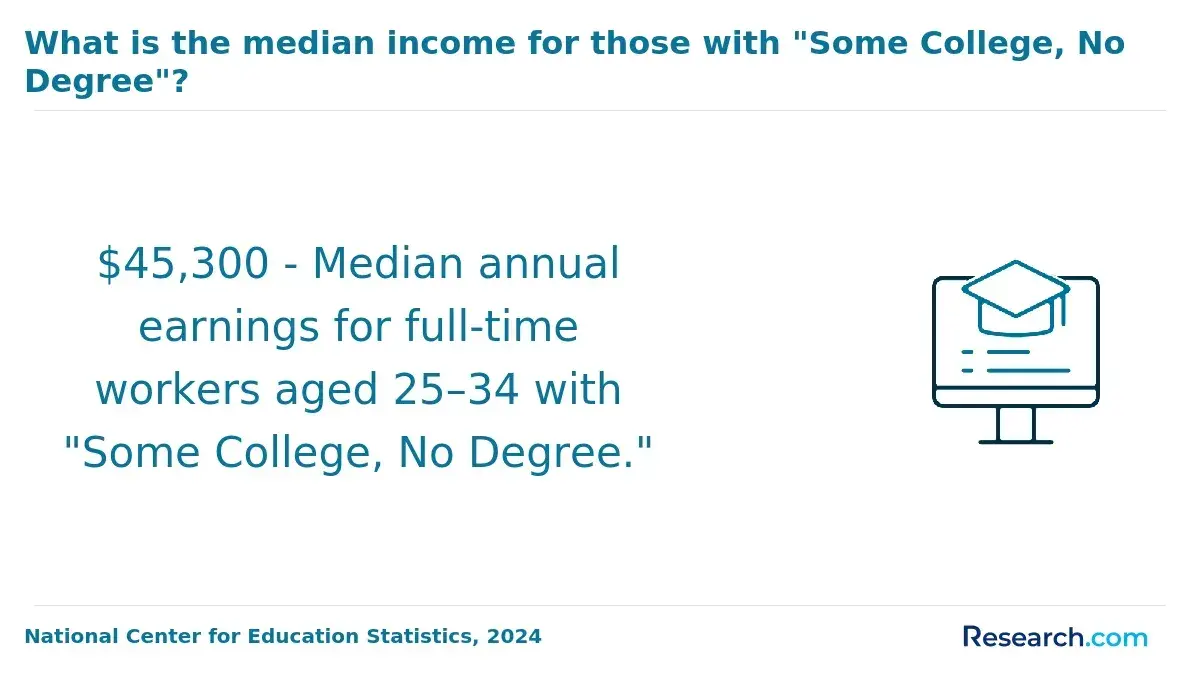
Compensation for disability studies degree graduates varies significantly by employer type, influenced by each sector's financial structure and strategic priorities. Drawing on data from BLS Occupational Employment and Wage Statistics, Glassdoor, LinkedIn Salary Insights, and Levels.fyi, a clear pattern emerges in starting and mid-career pay.
- Investment-Backed Technology Firms: These companies top the pay scale, offering competitive base salaries combined with equity, bonuses, and fast-tracked advancement. Graduates often work in roles linked to accessibility product development or inclusive design, blending technical and social expertise.
- Financial Services Organizations: Banks, insurers, and asset managers value disability studies expertise in compliance and diversity initiatives, typically providing strong base pay alongside performance incentives and robust benefits.
- Professional Services Consultancies: Firms specializing in organizational development and accessibility compliance pay well and offer structured career growth, with roles that frequently involve client engagement across industries.
- Privately Held High-Revenue Companies: These businesses can outpace public-sector salaries by leveraging profit-sharing, generous benefits, and competitive base pay, though compensation levels vary by sector.
- Government Agencies: Offering moderate base salaries paired with job security, pensions, and healthcare, government roles attract graduates focused on policy, program management, or community work where total compensation includes valuable retirement benefits.
- Nonprofit Organizations: Typically paying less due to funding constraints, nonprofits provide meaningful work with some offering flexible schedules and professional development, attracting graduates aligned with mission-driven environments.
Salary differences reflect underlying business logics-private and tech firms must attract scarce talent with high pay or equity, while governments and nonprofits emphasize stability and public benefit. High salaries may lack rich benefits or growth potential, whereas moderate pay accompanied by equity, retirement plans, and advancement opportunities can yield superior long-term value. Graduates should weigh starting salary alongside career trajectory, culture, and security to make informed employment choices.
A professional who successfully graduated from the disability studies degree recalled the challenges of navigating these options: "Initially, I was drawn to tech companies because of their high salaries, but the uncertainty of equity and rapid pace was daunting. I also explored consulting roles where client interaction and career progression felt promising but demanding. Ultimately, balancing compensation with workplace values and long-term growth was crucial. It wasn't just about the paycheck-it was about where I could learn, contribute, and build a stable career. Talking to mentors and peers helped me see beyond numbers to find a path that felt right both financially and personally."
Do Large Corporations or Small Businesses Hire More Disability Studies Degree Graduates?
Employment patterns for disability studies degree graduates differ notably by employer size, reflecting varied organizational structures and role expectations. Large corporations—often Fortune 500 firms—frequently offer graduates comprehensive onboarding, formal training, and clear promotion paths, bolstered by strong brand recognition that enhances resumes. These employers typically seek candidates skilled in analytical and program management areas linked to policy, compliance, or corporate social responsibility within disability studies, including roles supporting initiatives related to online nursing degree programs.
- Small Businesses: Small firms and startups provide a more expansive range of responsibilities for disability studies graduates, involving program design, advocacy, and community engagement. This setting fosters rapid skill growth through cross-disciplinary collaboration and quicker decision-making, suiting those preferring hands-on service and client-focused roles.
- Mid-Sized Companies and Nonprofits: Combining attributes from large and small employers, mid-market organizations and nonprofits emphasize mission-driven hiring and adaptability-particularly nonprofits, which are prominent within disability-related employment sectors.
- Specialization Alignment: Graduates focusing on policy analysis and institutional roles often align well with larger, complex organizations, whereas those dedicated to community practice or social entrepreneurship thrive in smaller, agile environments.
- Holistic Fit: Employer size should complement considerations like industry segment, mission, geographic location, and growth potential when choosing the best career setting. Such a multifaceted approach helps match a graduate's learning style and ambitions beyond simple employer scale.
How Do Government and Public Sector Agencies Hire Disability Studies Degree Graduates?
Federal, state, and local agencies constitute major employers for disability studies graduates, offering roles deeply connected to public health, social services, and advocacy. Agencies like the Department of Health and Human Services, Social Security Administration, Department of Veterans Affairs, and Equal Employment Opportunity Commission frequently seek professionals to handle disability policy, program oversight, and accessibility compliance. Similarly, state workforce offices, education departments, and public health units engage graduates to support community outreach and inclusive education initiatives.
- General Schedule (GS) System: Public sector jobs for disability studies graduates are classified within the GS pay scale, usually ranging from GS-7 to GS-11 at entry. Education level and experience directly impact starting pay grades, while advancement depends on acquiring certifications or supervisory experience.
- Hiring Procedures: The majority of federal positions adhere to competitive service protocols-requiring exams and ranked applications-though excepted service roles offer more flexible hiring paths tailored for specialized expertise.
- Security Clearance: While many disability studies roles focus on civil rights and public health with minimal clearance demands, certain positions involving sensitive data may require background investigations.
- Employment Stability and Benefits: Compared to private sector roles, government jobs generally provide stronger job security, defined-benefit retirement plans, and comprehensive healthcare, though salary growth may be slower and promotion timelines more structured.
- Pipeline Programs: Departments like Health and Human Services often sponsor internships and fellowship programs for early-career disability studies graduates-facilitating smoother entry into government service and networking opportunities.
A professional who launched her career following a disability studies degree describes the government hiring landscape as a "rigorous but rewarding process." She recalls navigating complex applications and competitive exams, which initially felt daunting but ultimately ensured a transparent selection. "Securing a role took patience and persistence," she reflects, "but the structured advancement and supportive benefits made it worthwhile." Her experience underscores how public sector pathways demand disciplined effort but can lead to fulfilling, mission-driven work that aligns closely with disability advocacy and policy development.
What Roles Do Disability Studies Graduates Fill in Nonprofit and Mission-Driven Organizations?
Graduates with a disability studies degree frequently find roles in nonprofits and mission-driven organizations where their expertise is highly sought after. These organizations engage in areas such as advocacy, community outreach, policy formation, and health services-fields that align closely with the skills developed through disability studies.
- Program Areas: Advocacy and public policy initiatives, community engagement, accessibility planning, disability awareness education, and social services focused on inclusion and equity.
- Organizational Types: Entities include disability rights nonprofits, social justice organizations, health-centered groups, and educational nonprofits dedicated to disability support or independent living.
- Functional Roles: Common positions involve case management, program coordination, policy analysis, outreach, accessibility consultation, and grant writing.
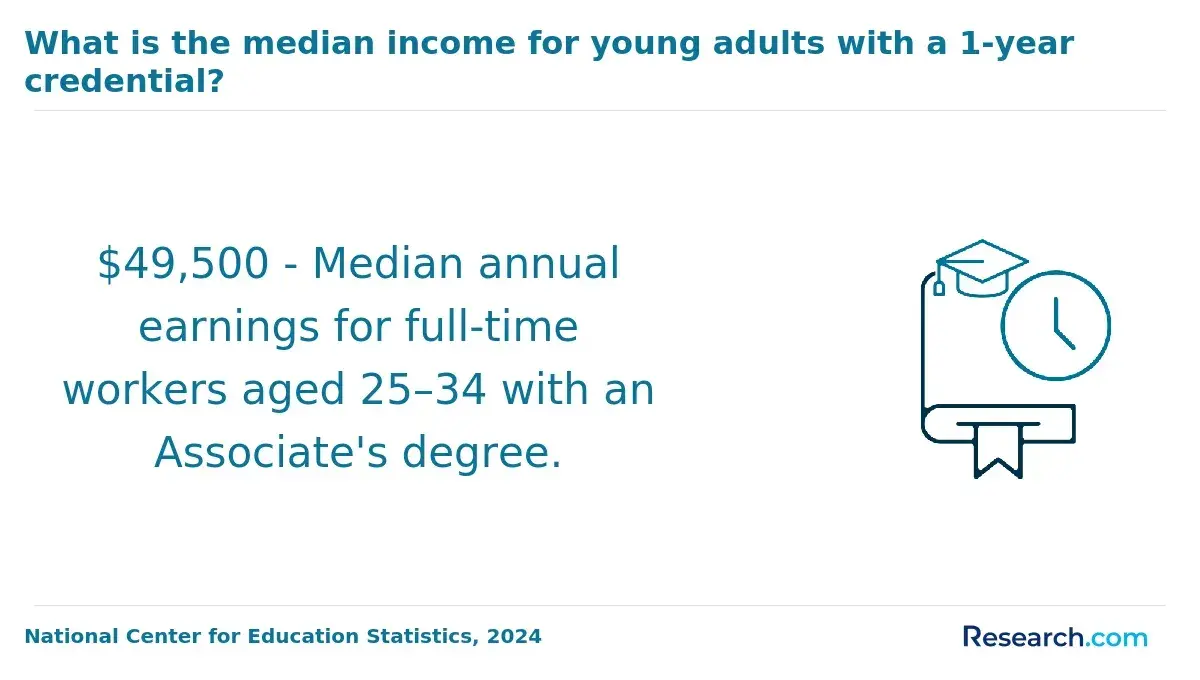
Nonprofit positions often demand broader responsibilities than similar private sector jobs-professionals may handle multiple functions simultaneously, fostering rapid skill acquisition especially for early-career personnel. However, compensation typically lags behind private sector equivalents. These workplaces prioritize mission over profit, promoting collaboration within resource-limited settings.
- Scope and Titles: Roles frequently combine advocacy, administrative tasks, and casework, with job titles reflecting coordination or management rather than narrow specialization.
- Compensation: Salaries tend to fall short of private sector rates, though some organizations offer benefits like loan forgiveness programs under Public Service Loan Forgiveness (PSLF).
- Organizational Culture: Emphasis on social justice, inclusiveness, and community engagement fosters meaning and challenge within the work environment.
Mission-driven for-profit entities-such as benefit corporations, certified B Corporations, social enterprises, and impact startups-are increasing as viable options. These organizations blend social impact with entrepreneurial models, often providing better compensation and resources than traditional nonprofits without sacrificing purpose.
- Growing Sector: Impact-focused startups and certified social enterprises present practical career paths balancing mission with improved pay.
- Trade-offs: While salaries are more competitive, a social mission remains central rather than maximizing profits.
- Career Considerations: Recognizing these distinctions helps graduates weigh financial realities alongside meaningful work to make informed career decisions.
How Does the Healthcare Sector Employ Disability Studies Degree Graduates?
Healthcare organizations employ disability studies degree graduates across a variety of settings, leveraging their specialized skills to improve accessibility, compliance, and inclusive care. Hospital systems often hire these graduates for roles in patient advocacy, coordinating disability accommodations, and developing inclusive care programs. Insurance carriers and pharmaceutical companies utilize their expertise in policy research, regulatory compliance, and advancing health equity. Public health agencies engage graduates for community outreach, program evaluation, and applying behavioral science to reduce barriers to care. Additionally, health tech startups seek professionals skilled in operations management, user-centered design, and data analysis to create accessible healthcare technologies.
Core competencies driving demand include:
- Communication: Engaging stakeholders effectively and delivering disability-focused education within healthcare teams.
- Policy Research: Navigating complex healthcare laws, regulations, and accessibility standards.
- Data Analysis: Evaluating health outcomes and disparities impacting people with disabilities.
- Operations Management: Coordinating services to ensure inclusive and compliant healthcare delivery.
- Behavioral Science: Employing evidence-based strategies to enhance patient adherence and well-being.
Disability studies graduates targeting healthcare roles should be aware that many positions require additional credentials, such as clinical licensure or certifications in health administration and compliance. Gaining an understanding of healthcare's regulatory environment is essential-especially for roles focused on direct care, insurance claims, or pharmaceutical compliance.
The healthcare sector shows strong employment stability and growth potential-particularly within community health, assistive technology, and mental health services that prioritize disability inclusion. Graduates who align their competencies with these growing subsectors and geographic markets can maximize their hiring prospects and career longevity.
Which Technology Companies and Sectors Hire Disability Studies Degree Graduates?
Technology companies hiring disability studies graduates reflect a diverse employment ecosystem where social justice expertise intersects with technical innovation. Data from LinkedIn Talent Insights and labor market analytics reveal two main pathways: working within core technology firms and joining technology functions inside non-tech organizations.
- Core Technology Companies: Graduates in disability studies play vital roles in advancing accessible product design, inclusive user experience research, and ethical AI frameworks. These roles are prominent in sub-sectors such as:
- Health Tech: Developing accessible telemedicine and wearable health devices that meet strict accessibility standards.
- EdTech: Creating adaptive educational platforms and assistive technologies to accommodate diverse learners.
- AI-Adjacent Functions: Providing guidance on bias mitigation and ethical practices in machine learning to foster inclusion.
- Technology Functions in Non-Tech Companies: Disability studies degree holders also build careers in sectors like finance, retail, and manufacturing. Their expertise supports digital equity, IT governance, and technology adoption that reduces barriers for employees and customers.
- Digital Equity and IT Governance: Implementing accessible digital tools and inclusive policies.
- Operations and Change Management: Leading initiatives to ensure technology adoption benefits people with disabilities.
- Marketing and Policy Development: Designing accessible marketing strategies and complying with disability legislation.
- Skills-Based Hiring and Remote Work Models: The tech industry's shift toward valuing diverse skills beyond traditional computer science degrees has expanded opportunities for disability studies graduates. Remote-first models further broaden geographic access to employers.
- Effective Entry Points: Portfolios showcasing knowledge of accessibility standards and inclusive research methods-especially through internships blending disability studies with tech innovation-strengthen candidates' prospects in tech roles.
- Accelerated Demand Sectors: Beyond health tech and edtech, fintech and climate tech sectors increasingly seek disability studies expertise to create accessible financial services and inclusive technological solutions for diverse communities.
For those considering specialization or graduate study, exploring the top online MHA programs can provide valuable pathways integrating healthcare management competencies with disability studies expertise, enhancing prospects across these growing sub-sectors.
Overall, technology industry roles for disability studies degree holders continue to evolve through cross-disciplinary collaboration, emphasizing social impact alongside technical development in a expanding, opportunity-rich market.
What Mid-Career Roles Do Disability Studies Graduates Commonly Advance Into?
Mid-career roles for disability studies graduates-typically five to ten years after entry-expand considerably beyond foundational positions. Based on data from the Bureau of Labor Statistics, LinkedIn career trends, and NACE alumni outcomes, graduates often move into leadership, specialized practice, and cross-functional roles as they deepen expertise and earn additional credentials. The landscape for disability studies mid-career job opportunities varies by starting industry and organization size.
- Program Management: Many advance into managing disability services programs within nonprofits, educational institutions, or corporate diversity teams. These roles demand strategic planning and staff supervision abilities.
- Policy Analysis and Advocacy: Graduates often develop specialization in policy work, leveraging their expertise to influence disability legislation, compliance, or accessibility standards at government agencies or advocacy groups.
- Accessibility Consulting: An increasingly common path involves becoming consultants who advise on inclusive design and workplace accommodation. Certifications like Certified Professional in Accessibility Core Competencies (CPACC) strengthen these career moves.
- Higher Education and Training: Mid-career professionals may take up roles as disability services coordinators or instructional designers focused on accessibility-often requiring graduate degrees in education, counseling, or related fields.
- Organizational Leadership: Those starting in large institutions typically follow defined tracks into managerial and director-level positions overseeing compliance, human resources, or community engagement divisions.
- Entrepreneurial and Nontraditional Paths: Graduates from smaller organizations or startups often pursue lateral moves-building expertise across program development, grants management, or technology-requiring proactive credentialing and skill diversification.
Successful advancement into these roles hinges on accumulating relevant certifications-such as Certified Disability Management Specialist (CDMS)-or pursuing further academic qualifications like a master's degree in social work or public policy. Complementary skills in data analysis, project management, and cross-sector collaboration are critical assets. For those evaluating options, understanding how mid-career role availability varies by employer type can shape a strategic approach to career development. For example, a disability studies graduate beginning in a large corporation may follow a clearly defined promotion ladder into management, whereas one starting in a startup might navigate a more lateral, self-directed path requiring intentional skill diversification.
Career changers and working professionals expanding their skill sets may also explore interdisciplinary fields-some may consider connecting disability studies expertise with health or movement sciences, where programs like the best online kinesiology programs can complement their background and open new avenues in rehabilitation or therapeutic services.
Ultimately, building career capital early-through certifications, graduate degrees, and targeted skills-is essential to positioning oneself for these common mid-level roles for disability studies graduates and advancing confidently along varied career arcs.
How Do Hiring Patterns for Disability Studies Graduates Differ by Geographic Region?
Demand for disability studies graduates varies markedly by region, with metropolitan centers leading in both job availability and salaries. Cities like Washington, D.C., New York, Boston, and San Francisco dominate hiring volumes due to concentrated industries-government bodies, healthcare networks, and academic research institutions-that prize advanced disability expertise. These hubs also offer premium wages reflecting the specialized nature of roles such as policy analysis, advocacy, and research coordination.
Mid-sized urban areas including Raleigh, Phoenix, and Minneapolis present expanding opportunities, particularly for those holding certificates or bootcamp credentials. These markets blend reasonable salary levels with growing nonprofit sectors and community health programs, creating accessible entry points outside costly large metros. Roles here often focus on support services, program management, and assistive technology assistance.
Rural and smaller markets show sporadic hiring, usually linked to local educational, healthcare, and social service organizations. While certificates and bootcamps can accelerate employment in these areas, compensation is generally lower and upward mobility may be limited without willingness to relocate.
The rise of remote and hybrid work models since 2020 has reshaped hiring geography-enabling access to higher-paying disability studies roles previously dominant in urban hubs. However, this broader access has intensified competition nationwide, emphasizing the need for candidates to differentiate through specialized skills and credentials.
- Economic Drivers: University research centers, government programs, and tech ecosystems primarily fuel metropolitan demand and salary advantages.
- Geographic Flexibility: Graduates relocating to densely concentrated employment markets tend to secure faster job placement and enhanced earnings.
- Local Hiring Pipelines: Job seekers restricted to specific areas benefit from targeting prominent local institutions aligned with disability studies expertise.
- Recent Statistic: According to Lightcast, remote disability studies job postings have increased by 15% nationally since 2021, signaling growing remote work influence.
What Role Does Internship Experience Play in How Employers Hire Disability Studies Graduates?
Internship completion significantly influences employment outcomes for disability studies graduates-boosting job offers, starting salaries, and accelerating time-to-employment. Data from the NACE Internship and Co-op Survey reveal graduates with internship experience secure positions more quickly and often at higher initial pay than those without. Internships at respected organizations-such as nonprofits, government agencies, or advocacy groups-carry extra weight by signaling both career commitment and cultural fit to prospective employers, enhancing long-term career prospects beyond the immediate job market.
- Access Disparities: Lower-income students, those attending smaller or under-resourced institutions, and those in regions with limited internships face barriers-especially when opportunities are unpaid-resulting in uneven early career advancement.
- Compensatory Strategies: Virtual internships, cooperative education models, and employer diversity recruitment programs serve as vital tools to reduce gaps in access and support underserved students.
- Strategic Timing and Targeting: Initiating internship applications by the first or second college year maximizes placement chances. Aligning internship targets with career goals and utilizing university career centers, alumni networks, and faculty connections further improve success rates.
- Statistical Insight: Recent university career service data show disability studies graduates completing at least one internship earn starting salaries about 15% higher and obtain jobs nearly 30% faster than peers without internships.
Prioritizing internship acquisition within disability studies education sharpens employability and enables graduates to navigate the diverse industries, organizational types, and geographic markets shaping the field's dynamic hiring landscape.
What Graduates Say About the Employers That Hire Disability Studies Degree Graduates
- Jayce: "Graduating with a degree in disability studies opened doors to a range of industries I hadn't initially considered-healthcare, education, and government agencies prominently hire graduates. Nonprofits and advocacy groups often look for professionals ready to shape inclusive policies, which was a perfect fit for my passion. I also noticed a trend toward remote roles and regional hubs in urban centers, broadening opportunities beyond traditional locations."
- Kaizen: "Reflecting on my journey through disability studies, I've seen that employers value diverse roles-from program coordination to policy analysis-in both private and public sectors. Large organizations, especially those focused on social services, tend to have structured hiring cycles, while startups might be more spontaneous and flexible. Interestingly, major metropolitan areas in the U.S. and Canada appear as key geographic markets for these positions, which shaped my job search strategy."
- Dominic: "The professional landscape for disability studies graduates is quite varied-consulting firms, educational institutions, and government bodies all actively recruit. Employers often prioritize candidates with strong advocacy and communication skills, relevant for roles like accessibility coordinators or diversity officers. Hiring patterns reveal a growing emphasis on inclusion across regions, particularly in cities with robust social infrastructure-this gave me confidence in pursuing roles nationwide."
Other Things You Should Know About Disability Studies Degrees
Graduate degree holders in disability studies typically have an advantage in the hiring process, especially for roles requiring advanced research, policy analysis, or leadership skills. Employers often value master's or doctoral credentials for specialized positions in academia, nonprofit management, and government agencies. However, bachelor's degree graduates may find more entry-level opportunities in direct service, advocacy, and community outreach roles.
Employers in disability studies-related fields place significant emphasis on portfolios that demonstrate practical experience-such as internships, volunteering, and advocacy projects. Extracurricular activities that show a commitment to disability rights, inclusive education, or community engagement strengthen a candidate's profile. Portfolios highlighting collaborative work and applied research are especially valued in nonprofit and educational organizations.
In 2027, disability studies degree graduates find opportunities in diverse industries such as social services, healthcare, education, and governmental agencies. Employers in these fields value their understanding of disability rights, advocacy, and inclusive practices to effectively support individuals with disabilities.
DEI initiatives have expanded opportunities for disability studies graduates by prioritizing inclusive hiring and workplace accessibility. Organizations with robust DEI frameworks often seek candidates with formal knowledge of disability rights and cultural competence. Graduates who understand intersectionality and systemic barriers are valuable assets in crafting policies and programs that promote equity for people with disabilities.
References
- The Great Big Workplace Adjustments Survey 2023: What did graduates tell us? | Business Disability Forum https://businessdisabilityforum.org.uk/policy-and-research/the-great-big-workplace-adjustments-survey-2023/graduate-research/
- Disability Studies: Is it the Field for You? https://enablingdevices.com/blog/disability-studies-is-it-the-field-for-you/
- Futuristic Employment: Cutting-Edge Jobs for People With Learning Disabilities https://www.disabledperson.com/blog/posts/futuristic-employment-cutting-edge-jobs-for-people-with-learning-disabilities-4f4420e2-60d1-48c5-818d-03596fbbe7a7
- Internship Pathways - Centre for Disability Studies https://cds.org.au/internship-pathways/
- Career Outcomes for Graduates https://online.utoledo.edu/programs/disability-studies/career-opportunities.html
- Disability Employment https://www.opm.gov/policy-data-oversight/disability-employment/
- MSF | Article https://www.msf.gov.sg/media-room/article/employment-of-persons-with-disabilities-in-the-public-sector
- University Graduates with a Disability: The Transition to the Workforce https://dsq-sds.org/article/id/211/
- Finding work as a disabled graduate | Evenbreak https://www.evenbreak.com/article/finding-employment-as-a-disabled-graduate
- People with disabilities and inclusive technological employment https://immune.institute/en/blog/empleo-tecnologico-personas-con-discapacidad/


