
2027 Different Types of Esports Business Bachelor's Degrees: Specializations, Careers, and Salaries

Co-Founder and Chief Data Scientist
An esports business bachelor’s degree is for students who want to work on the commercial side of competitive gaming: managing events, building brands, supporting teams, selling sponsorships, analyzing audiences, or coordinating media and operations. The hardest part is not deciding whether esports sounds exciting; it is choosing a program and specialization that can lead to realistic jobs, transferable business skills, and a sustainable return on cost.
The industry’s growth case has often been framed by projections that it was expected to surpass $2 billion in revenue by 2024. That growth has created more demand for professionals who understand both business fundamentals and gaming culture. Still, esports remains competitive, fast-moving, and uneven across employers. A strong degree choice should therefore combine esports-specific coursework with practical experience in marketing, finance, event production, analytics, sales, or operations.
This guide explains the main types of esports business bachelor’s degrees, common specializations, entry-level job options, salary considerations, program costs, financial aid, and the factors students should weigh before enrolling.
Key Things to Know About Different Types of Esports Business Bachelor's Degrees
- Esports business bachelor's degrees often specialize in marketing, event management, or team management, preparing students for roles like brand strategist, event coordinator, or esports manager.
- Graduates typically pursue careers in team operations, sponsorship sales, or tournament production, aligning with their focused study areas and industry demands.
- Entry-level salaries range from $40,000 to $60,000, with potential growth into six figures as professionals gain experience and assume leadership positions.
What Are the Different Types of Esports Business Bachelor's Degrees?
Esports business bachelor’s degrees are usually built on a business core with esports-focused courses in areas such as event management, digital marketing, sponsorships, media production, team operations, and gaming industry strategy. The main difference among programs is not only what they teach, but how they deliver the degree and how much access students get to internships, labs, events, faculty, and industry contacts.
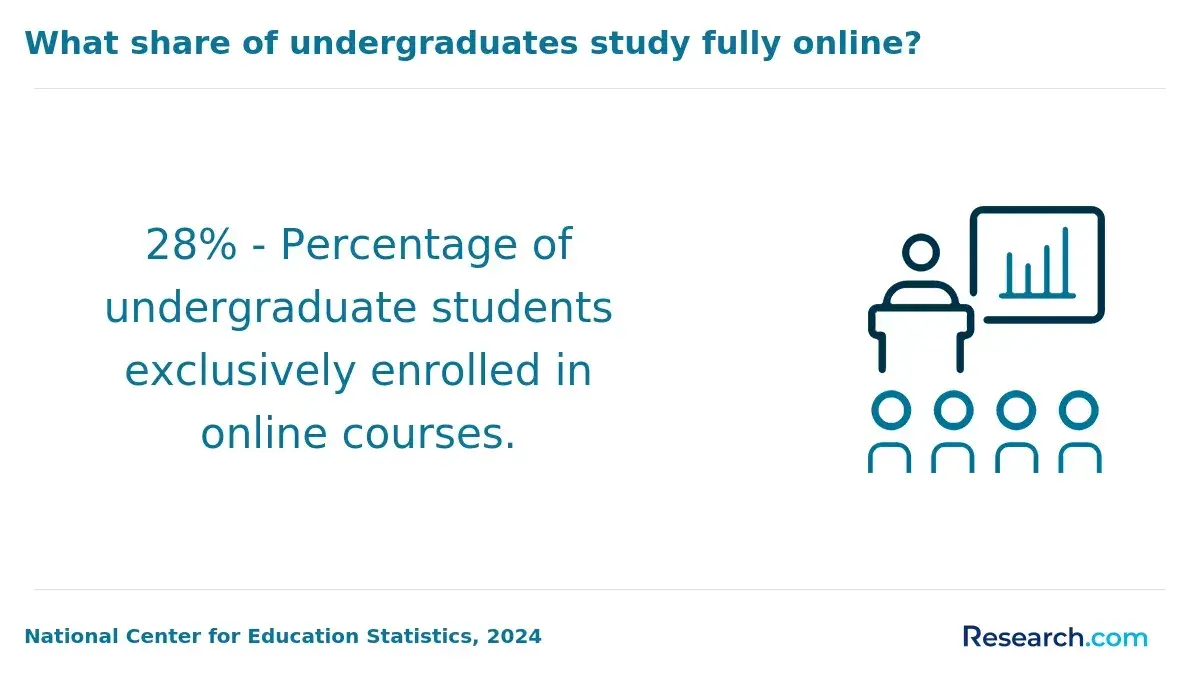
Approximately 30% of business-related degrees now include online or hybrid options, which gives students more ways to fit college around work, family, location, or budget. The right format depends on how you learn best and how much structure you need to build experience outside the classroom.
- Traditional On-Campus: On-campus programs are best for students who want face-to-face instruction, campus esports facilities, team participation, student organizations, and easier access to live events or local internships. The trade-off is less scheduling flexibility and, often, higher living or commuting costs.
- Accelerated Programs: Accelerated programs compress coursework into a shorter timeline. They can be useful for students with transfer credits, strong time-management skills, or a clear career target. Students should check whether the faster pace still leaves time for internships, portfolio work, and networking.
- Online Programs: Online programs offer the most flexibility for students who cannot relocate or attend classes on a fixed campus schedule. A strong online esports business program should still include collaborative projects, faculty interaction, industry-relevant assignments, and career support. Students comparing flexible business pathways may also review an online business degree to understand broader cost and curriculum options.
- Hybrid Programs: Hybrid programs combine online coursework with selected on-campus meetings, labs, residencies, or events. This format can work well for students who want flexibility but still value in-person networking and practical production experience.
- Part-Time Studies: Part-time study is designed for students balancing school with employment or other obligations. It usually extends the time to graduation, but it can reduce course overload and allow students to apply what they learn in a current job, internship, or volunteer esports role.
When comparing formats, do not rely on convenience alone. Review graduation requirements, internship access, career services, faculty industry experience, esports facilities, student-run events, and whether credits will transfer if you change schools. It can also help to compare esports business with other practical majors by reviewing the most useful degrees and considering which option gives you the strongest mix of interest, employability, and long-term flexibility.
What Specializations Are Available in a Esports Business Bachelor's Degree?
Specializations help students move from a broad interest in esports to a clearer career direction. Recent data indicates that roughly 70% of esports business degrees now include specialized tracks, showing how important focused preparation has become in this field. A good specialization should build skills that employers can evaluate through projects, internships, campaigns, analytics reports, event plans, media samples, or sponsorship proposals.
- Esports Marketing and Branding: This path focuses on fan engagement, digital campaigns, social media strategy, influencer partnerships, brand positioning, and audience development. It is a strong fit for students who enjoy storytelling, consumer behavior, content strategy, and campaign performance.
- Event Management and Production: This track prepares students to plan and run tournaments, campus competitions, live events, and online broadcasts. Coursework may cover scheduling, venue coordination, sponsorship activation, risk planning, promotion, budgeting, and production logistics. It suits students who are organized, calm under pressure, and comfortable coordinating many stakeholders.
- Game Analytics and Performance: This specialization emphasizes player metrics, audience data, competitive trends, and business intelligence. It can support roles in team strategy, content performance, product insights, or fan analytics. Students should expect more quantitative work and should build comfort with data tools and reporting.
- Business Strategy and Operations: This option centers on leadership, finance, partnerships, organizational planning, revenue models, and operational decision-making. It is useful for students interested in team management, league operations, startup environments, or long-term executive roles.
- Content Creation and Media: This area covers streaming, video production, esports journalism, audience storytelling, creator management, and platform strategy. It is a good match for students who want to build a portfolio and understand how esports audiences consume media across digital channels.
The best specialization is the one that gives you both interest and evidence of skill. For example, a marketing student should graduate with campaign samples and analytics results, while an event management student should have experience helping plan or operate real competitions. A media-focused student should leave with a portfolio, not just completed coursework.
Students who may later pursue graduate study should also review admissions expectations early. For non-majors considering an advanced degree, online esports business master’s admission criteria for non-majors can vary by school and may consider academic background, professional experience, prerequisite coursework, or evidence of related skills. Prospective students seeking eligibility for esports business master’s programs online should check each program’s prerequisites instead of assuming that any bachelor’s degree will qualify automatically.
What Entry-Level Jobs Can I Get With a Esports Business Bachelor's Degree?
An esports business bachelor’s degree can qualify graduates for entry-level roles across events, marketing, sales, operations, media, and team support. Studies indicate that around 68% of recent graduates secure jobs within six months, but outcomes depend heavily on experience, location, portfolio strength, networking, and willingness to start in support roles.
Students should think of the first job as a skill-building step. Many esports employers want proof that candidates can meet deadlines, communicate clearly, understand gaming audiences, and work well during fast-moving events or campaigns.
- Event Coordinator: Event coordinators help plan tournaments, manage schedules, communicate with vendors or teams, support sponsor needs, and troubleshoot event-day issues. This role builds project management, logistics, budgeting, and stakeholder communication skills.
- Marketing Assistant: Marketing assistants support social media, email campaigns, community engagement, content calendars, promotional partnerships, and campaign reporting. This path is useful for students who want to grow into brand, partnerships, or digital marketing roles.
- Player Relations Coordinator: Player relations staff help with team communications, travel arrangements, schedules, contracts, onboarding, and day-to-day support. The role requires discretion, professionalism, organization, and strong interpersonal skills.
- Broadcast Production Assistant: Production assistants support live streams, video shoots, show rundowns, technical setup, clip management, and behind-the-scenes coordination. This is a practical entry point for students interested in esports media, streaming, and live production.
- Sales Representative: Sales representatives may work on sponsorship outreach, merchandise, ticketing, partnerships, or advertising packages. This role develops negotiation, client communication, revenue awareness, and market research skills.
Common hiring mistakes include applying with only a degree and no evidence of hands-on work, using a generic business resume, or failing to show familiarity with esports audiences and platforms. Students can strengthen their applications by volunteering at tournaments, managing a campus esports event, creating campaign mockups, producing content, completing analytics projects, or pursuing internships before graduation.
A professional holding a esports business degree described the early job search as a test of adaptability: “Starting out, it was challenging to apply classroom concepts in real-time, especially coordinating with multiple stakeholders during live events. The fast pace demanded sharp problem-solving and adaptability.” He noted that early roles helped him turn academic knowledge into practical confidence by forcing him to improve communication, organization, and decision-making under pressure.
What Industries Pay the Most for Esports Business Graduates?
Pay for esports business graduates is often higher in industries where esports knowledge overlaps with technology, digital media, sponsorship revenue, audience data, or large-scale entertainment operations. Industry reports indicate that tech-related roles in esports can earn up to 30% more than the average across esports careers. However, the highest-paying jobs usually require more than enthusiasm for gaming; they require measurable business, analytical, sales, or operational results.
- Technology Sector: Gaming hardware firms, software companies, streaming platforms, and digital product companies may hire esports business graduates for product, partnerships, community, marketing, or strategy roles. These employers often value people who understand both user behavior and the gaming ecosystem.
- Marketing and Advertising: Agencies and brand teams involved in esports campaigns need professionals who can connect sponsors with gaming audiences. Strong skills in digital marketing, influencer strategy, audience analytics, campaign reporting, and brand safety can improve earning potential.
- Professional Esports Organizations: Teams, leagues, tournament operators, and event companies hire for sponsorships, operations, event management, partnerships, content, and fan engagement. Larger organizations and major global leagues tend to provide stronger compensation than smaller or newer organizations, though competition for these roles can be intense.
Students aiming for higher-paying sectors should choose coursework and internships that produce transferable business proof: revenue projects, sponsorship decks, campaign results, operational plans, analytics dashboards, or event budgets. For students who need a faster route through a broader business curriculum, an accelerated online business degree with esports-related electives or projects may be worth comparing against a dedicated esports business major.
What Is the Average Salary for Esports Business Bachelor's Degree Graduates?
Salary expectations for esports business bachelor’s degree graduates vary by role, employer, market, experience, and specialization. Entry-level salaries in the U.S. typically range from $45,000 to $55,000 annually, but students should treat that range as a starting estimate rather than a guarantee. Some roles pay less at small organizations or startups, while larger companies, technology employers, and revenue-focused roles may offer stronger compensation.
- Experience Growth: Earnings generally improve as graduates build a record of managing events, supporting campaigns, handling sponsorships, coordinating teams, or using analytics to guide decisions.
- Industry Demand: As esports organizations professionalize, employers place more value on candidates who can contribute immediately in marketing, operations, partnerships, finance, data, or media production.
- Geographic Variation: Metropolitan hubs with significant esports activity, like Los Angeles or Seattle, frequently offer higher salaries, though students should also compare those salaries with local cost of living.
- Company Size and Type: Established gaming corporations and major esports organizations usually have more structured compensation than smaller startups or early-stage teams.
- Skill Specialization: Skills in digital marketing, sponsorship negotiation, business analytics, event production, and revenue generation can improve earning potential because they connect directly to measurable business outcomes.
Students should also look beyond base pay. Benefits, remote-work flexibility, relocation costs, contract status, bonus potential, and promotion timelines can affect the real value of an offer. In early esports careers, a slightly lower-paying role with strong mentorship, industry exposure, and portfolio-building opportunities may sometimes be more valuable than a higher-paying job with limited growth.
One professional with a degree in esports business described the early years after graduation as “a balancing act between learning the industry’s unique rhythm and proving my value.” She emphasized that persistence, adaptability, and relationship-building helped turn initial uncertainty into better opportunities and faster salary growth.
How Do Salaries Compare Across Esports Business Specializations?
Salaries differ across esports business specializations because some roles are closer to revenue, technology, data, or senior operations. Esports marketing roles generally earn between $50,000 and $70,000 annually. By comparison, roles such as esports analysts or directors of esports operations often range from $80,000 to over $120,000, depending on experience and organizational size.
Specializations tied to measurable business impact often have stronger salary upside. For example, sponsorship sales can affect revenue directly, analytics can influence team or audience strategy, and operations leadership can determine whether events run profitably and reliably. Media and content roles can also grow in value when professionals demonstrate audience growth, monetization, or production leadership.
- Marketing and Branding: Often offers steady entry points, especially for students with campaign, social media, and analytics experience. Higher pay usually comes with proven campaign performance or partnership responsibility.
- Event Management and Production: Can lead to strong advancement for professionals who manage larger tournaments, budgets, vendors, sponsors, and production teams. Entry-level roles may be demanding and schedule-intensive.
- Analytics and Performance: Often has higher compensation potential because it requires stronger technical and analytical skills. Students should build evidence through dashboards, reports, data projects, or performance analysis.
- Business Strategy and Operations: Can lead to leadership roles, especially for graduates who understand finance, partnerships, staffing, compliance, and organizational growth.
- Content and Media: Pay varies widely. Candidates with strong portfolios, production skills, platform knowledge, and audience metrics are more competitive than those with coursework alone.
When choosing a specialization, students should not chase salary alone. The best path is one where they can develop rare, demonstrable skills and sustain interest long enough to build expertise.
Are Salaries Different for Online vs On-Campus Esports Business Graduates?
Salaries for esports business bachelor’s graduates generally do not differ based only on whether the degree was earned online or on campus. A recent industry survey found that nearly 70% of esports employers have no salary preference between online and traditional degree formats. Employers are more likely to evaluate accreditation, relevant coursework, internships, project experience, portfolio quality, communication skills, and evidence that the graduate understands the esports business environment.
The delivery format can still affect career readiness indirectly. On-campus students may have easier access to esports arenas, campus teams, live productions, faculty relationships, and local networking events. Online students may gain flexibility and save on relocation or commuting, but they often need to be more intentional about finding internships, virtual projects, industry communities, and portfolio-building opportunities.
Online students can reduce the networking gap by joining esports associations, volunteering for remote tournament operations, producing content, completing freelance or campus-affiliated projects, and attending industry events when possible. On-campus students should avoid assuming that location alone will lead to employment; they still need practical work samples, references, and a clear career target.
In short, degree format matters less than what students do with the opportunity. The strongest candidates graduate with relevant experience, a focused resume, and proof that they can contribute to marketing, events, operations, analytics, media, or partnerships from the start.
Do Costs Vary Across Esports Business Bachelor's Degree Programs?
Yes. Costs can vary substantially across esports business bachelor’s programs because tuition, fees, delivery format, location, and required technology differ by institution. For context, average annual tuition at public universities generally ranges from $10,000 to $15,000, while private colleges may charge more than $30,000. Students should compare total cost of attendance, not just the advertised tuition rate.
- Institution Type: Public universities often cost less for in-state students, while private colleges may charge higher tuition. Out-of-state tuition at public institutions can also change the cost comparison.
- Program Format: Online esports business degrees may reduce housing or commuting expenses, but online tuition is not always cheaper. Some programs charge technology, platform, or distance-learning fees.
- Program Length and Credits: Programs with more required credits, specialized labs, practicums, or internship components may cost more overall. Accelerated options can reduce time in school but may require heavier course loads.
- Specialized Fees: Esports programs may include fees for gaming labs, production equipment, software, competition spaces, or digital tools. Students should ask for a full fee schedule before enrolling.
- Geographic and Living Costs: On-campus students should factor in housing, transportation, food, relocation, and local cost of living. A school with higher tuition but strong local internship access may still be worthwhile for some students, while others may benefit from a lower-cost online option.
Students researching esports business degree program tuition differences should compare net price after grants and scholarships, transfer credit policies, internship support, graduation timelines, and career outcomes. It may also help to compare tuition models in adjacent professional programs, such as an online hospitality management degree, because event operations, customer experience, and business management can overlap with esports career goals.
What Financial Aid Options Are Available for Esports Business Students?
Esports business students may qualify for the same broad financial aid categories available to other undergraduate students, including grants, loans, scholarships, and work-study. According to the National Center for Education Statistics, over 85% of undergraduate students receive some form of financial aid. The most important step is to start early, meet deadlines, and compare aid packages based on net cost rather than headline scholarship amounts.
- Federal Grants: Federal grants, including programs like the Pell Grant, are typically based on financial need and do not have to be repaid if eligibility requirements are met. They can substantially reduce the amount students need to borrow.
- Student Loans: Federal student loans can help cover tuition and living costs, but they must be repaid. Students should borrow only what they need and understand repayment terms before accepting loan offers.
- Scholarships: Scholarships may be available through colleges, esports organizations, gaming groups, business associations, community foundations, or private donors. Some awards may consider academic performance, leadership, community involvement, gaming-related experience, or career goals.
- Work-Study Programs: Work-study can provide part-time income while students are enrolled. When possible, students should look for roles connected to esports, athletics, events, marketing, media, or student organizations to gain experience while earning money.
A practical funding plan may combine several sources. Students should ask each school about esports-specific scholarships, business department awards, transfer scholarships, internship stipends, emergency grants, and whether financial aid applies equally to online, hybrid, and on-campus formats. Those comparing financial aid structures across fields can also review options in a program such as an architecture online degree to understand how costs and aid may differ by discipline.
What Factors Should I Consider When Selecting a Esports Business Degree?
Selecting an esports business bachelor’s degree should be a career decision, not just a lifestyle or interest decision. Recent research shows that 72% of students emphasize program specialization and career prospects as primary factors in their choice. The strongest programs help students graduate with business fundamentals, esports context, practical experience, and a clear employment strategy.
- Academic Interests: Review the actual curriculum, not just the program title. Look for courses that match your interests, such as marketing, event coordination, data analysis, sponsorships, digital media, finance, or team operations.
- Specialization Flexibility: Choose a program that lets you focus without becoming too narrow. A specialization in sponsorship, analytics, media, or event management should still include transferable business skills.
- Program Format: Compare full-time, part-time, online, hybrid, and on-campus options based on your schedule, location, learning style, and need for in-person facilities or networking.
- Career Alignment: Prioritize programs with internships, capstone projects, student-run esports events, employer partnerships, career coaching, alumni connections, and opportunities to build a portfolio.
- Long-Term Aspirations: Consider whether the degree can support leadership, entrepreneurship, graduate study, or movement into adjacent industries such as sports, entertainment, marketing, technology, or hospitality.
Students should also verify institutional accreditation, transfer credit policies, faculty qualifications, internship expectations, and total cost. Be cautious with programs that rely heavily on esports branding but offer limited business depth, weak career support, or few practical projects. A credible program should prepare you for esports roles while also giving you skills that remain useful if the industry shifts.
What Graduates Say About Different Types of Esports Business Bachelor's Degrees
- Vance: "Choosing an esports business bachelor's degree was a strategic decision for me because I wanted to merge my passion for gaming with solid industry knowledge. This program gave me direct exposure to esports management and marketing strategies that helped me land a position at a leading esports organization right after graduation. Plus, the hands-on experience translated into a noticeable salary increase within my first year."
- Marvin: "Reflecting on my decision to pursue an esports business bachelor's degree, I realize it was pivotal for understanding the nuances of sponsorships and event coordination. The degree's specialization options allowed me to tailor my learning to careers in esports event management, which has proven invaluable. Since graduating, I've seen exceptional career growth and have moved into leadership roles faster than I anticipated."
- Patricia: "My primary reason for choosing an esports business bachelor's degree was to tap into the booming industry's emerging career paths. The curriculum's emphasis on entrepreneurship and digital media prepared me for a diverse range of roles beyond just game development. Financially and professionally, this degree significantly boosted my opportunities, resulting in a rewarding salary and rapid career advancement."
Other Things You Should Know About Esports Business Degrees
In 2027, graduates with an esports business bachelor's degree can pursue careers in team management, marketing, event management, and sponsorship coordination. These roles are essential in the esports industry, offering opportunities to work with teams, brands, and event organizers, leveraging business acumen and market knowledge.
Internships are highly valued in esports business education as they provide practical experience and industry connections. Many degree programs encourage or require internships to help students apply classroom knowledge to real-world esports operations, marketing, or event management roles. Completing internships can significantly improve job prospects after graduation.
Yes, esports business graduates possess versatile skills applicable in broader entertainment, marketing, and digital media sectors. Their expertise in branding, sponsorship acquisition, and event production can translate to roles in traditional sports, media companies, and advertising agencies. This flexibility expands career opportunities beyond strictly esports-centered organizations.
References
- How to pursue a career in esports: A beginner's guide https://www.cmich.edu/blog/all-things-higher-ed/how-to-pursue-a-career-in-esports-a-beginner-s-guide
- Career Opportunities for College Graduates in the Esports Industry - Gaming-Fans.com https://gaming-fans.com/2024/11/career-opportunities-for-college-graduates-in-the-esports-industry/
- BS in Esports and Industry Content Management https://www.neumann.edu/academics/undergrad/bs-esports-and-industry-content-management
- The Lucrative eSports Careers Pioneering in the Industry - Duelit https://www.duelit.com/the-lucrative-esports-careers-pioneering-in-the-industry/
- Bachelor of Arts in Esports Business and Entertainment West Virginia University https://www.hotcourses.co.id/study/course/us-usa/bachelor-of-arts-esports-business-and-entertainment/58457092/program.html
- Online BBA in eSports and Gaming Management https://www.walsh.edu/bba/esports-gaming-management.html
- From Gamer to Pro: Unveiling Lucrative Career Paths in the Esports Universe - Vehicles Technology Talk https://vehiclestechnologytalk.com/esports-career-paths-gamer-to-pro/
- Bachelor of Arts in Esports Business and Entertainment West Virginia University https://www.hotcoursesabroad.com/study/course/us-usa/bachelor-of-arts-esports-business-and-entertainment/58457092/program.html


