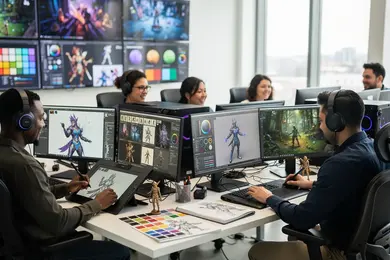
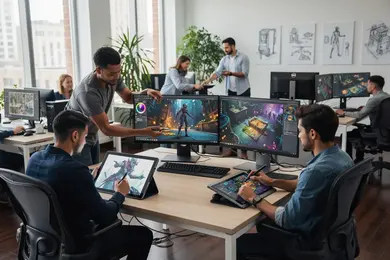
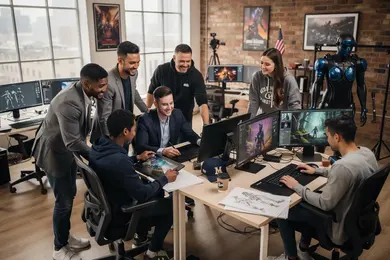
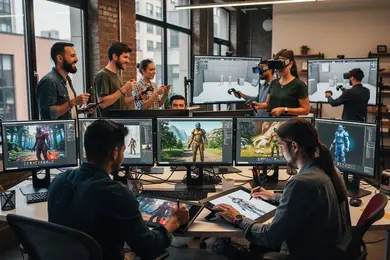
2027 Different Types of Game Art & Design Bachelor's Degrees: Specializations, Careers, and Salaries

Co-Founder and Chief Data Scientist
Choosing the right bachelor's degree in game art & design can be daunting when faced with varied specializations like character modeling, environment art, or game programming. Many students struggle to align their interests with career opportunities and salary expectations. The Bureau of Labor Statistics projects a 9% growth in multimedia artists and animators' jobs through 2032, reflecting steady demand in the gaming industry.
Understanding each specialization's scope helps clarify these career prospects. This article examines different game art & design bachelor's degrees, detailing specializations, potential careers, and salary ranges to guide informed academic and professional decisions.
Key Things to Know About Different Types of Game Art & Design Bachelor's Degrees
- Bachelor's degrees in game art & design often specialize in 3D modeling, animation, or interactive design, preparing students for roles like environment artist, character animator, or UI designer.
- Graduates typically enter careers in game development studios, film, or VR industries, with roles demanding both creative and technical skills across platforms.
- Median salaries in game art & design vary from $50,000 to $85,000 annually, influenced by specialization, location, and studio size, with senior roles exceeding $100,000.
What Are the Different Types of Game Art & Design Bachelor's Degrees?
Game art & design bachelor's degrees are available in several program formats that differ by structure, pacing, and delivery method to suit diverse student preferences. Over 35% of undergraduate students now enroll in at least one distance education course, reflecting the growing popularity of flexible learning options.
These various formats allow students to find programs that align with their career goals and lifestyles while exploring game art & design degree specializations and career paths. Common program types include:
- Traditional: These programs follow a full-time, four-year schedule on campus, emphasizing hands-on learning with access to studios and faculty support, ideal for students seeking a structured college experience.
- Accelerated: Designed for motivated students, these programs allow completion in less time by increasing course loads or attending year-round, appealing to those eager to enter the workforce quickly.
- Online: Offering maximum flexibility, online bachelor's degrees enable students to study remotely at their own pace using digital lectures and virtual projects, benefiting those balancing education with work or personal commitments.
- Hybrid: These blend online coursework with occasional on-campus sessions, providing a balance of face-to-face interaction and remote learning convenience.
- Part-time: For students managing work or family, part-time programs extend graduation timelines by allowing reduced course loads, sometimes incorporating traditional, online, or hybrid elements.
Students interested in game art & design can explore a range of program options and learn more about specialized tracks and outcomes through online courses.
What Specializations Are Available in a Game Art & Design Bachelor's Degree?
Many game art & design bachelor's programs offer a variety of specializations, allowing students to focus their studies on particular interests and skill sets. Over 70% of these programs include specialized tracks or concentrations, reflecting the industry's demand for diverse expertise.
For those considering admissions, it's helpful to understand the common specializations available. Here are some key areas of focus:
- 3D Modeling and Animation: This specialization centers on creating detailed character and environmental models using industry-standard software. Students develop the ability to animate these models, bringing static designs to life and enhancing the visual richness of game worlds.
- Game Programming and Development: Combining creative design with coding, this track trains students in implementing game mechanics, developing interactive gameplay elements, and optimizing player experiences.
- Concept Art and Visual Design: Focusing on early game development stages, this area cultivates skills in illustration, storyboarding, and visual storytelling, producing artwork that guides overall production.
- User Interface (UI) and User Experience (UX) Design: Concentrating on the interaction between players and games, this specialization emphasizes designing interfaces that are both intuitive and visually appealing to improve usability and player engagement.
- Environment and Level Design: This track explores spatial design, balance, and interactivity to build immersive and navigable game spaces that challenge and captivate players.
Admission requirements vary, especially for non-majors aiming to enter game art and design graduate programs. Prospective students might consider pursuing an online degree in psychology to complement design studies, as understanding player behavior enhances UI/UX design. Exploring the admission criteria for an online game art and design master's can provide insights into preparing a competitive application.

2026 Update: Portfolio and Production Readiness
This 2026 update adds a practical lens on how well game art and design programs help students leave with job-ready work, not just completed coursework or a listed specialization.
- Whether courses require finished portfolio pieces in areas such as character art, environments, UI, animation, or technical art.
- How often students work in real-time game engines and collaborative production pipelines.
- Whether the program includes critique cycles, revisions, and presentation practice for portfolio reviews.
- What access students have to industry-standard software, hardware, labs, and remote production tools.
- Whether capstone projects involve playable demos, team-based game builds, or client-style briefs.
- How the school supports internships, studio networking, game jams, and portfolio showcases.
Checking these details helps students compare programs by career preparation, making it easier to choose a degree that supports both creative growth and employability.
What Entry-Level Jobs Can I Get With a Game Art & Design Bachelor's Degree?
A bachelor's degree in game art & design prepares graduates for a range of entry-level roles across the video game industry. Industry research shows that nearly 65% of recent graduates secure jobs within six months, highlighting strong demand for both creative and technical abilities.
The degree programs typically cover core skills like 3D modeling, animation, storytelling, and interactive design, which serve as foundations for various career paths. Entry-level opportunities often include:
- Junior Game Artist: Creates visual content such as characters, environments, and textures. This role builds proficiency in digital art software, color theory, and foundational design techniques essential for further artistic development.
- 3D Modeler: Crafts three-dimensional assets critical for game worlds. The position demands technical accuracy and expertise with industry-standard tools like Blender or Maya, along with knowledge of polygon optimization for performance.
- Game Animator: Brings game elements to life by animating characters and objects. Key skills include rigging, keyframing, and producing smooth, realistic or stylized motion sequences.
- Level Designer: Develops immersive game levels by combining gameplay mechanics with narrative elements. This role enhances spatial reasoning, user experience insight, and basic scripting or coding abilities.
- UI/UX Designer: Focuses on optimizing player interaction through intuitive interface design. This entails expertise in usability testing, visual communication, and crafting engaging, user-centered experiences.
Reflecting on the question of entry-level roles, a professional with a game art & design bachelor's degree shared that breaking into the field involved a steep learning curve. "Early on, juggling multiple software tools and meeting tight deadlines was challenging," he explained.
He emphasized the importance of building a diverse portfolio and staying adaptable, noting, "Each project taught me something new about collaboration and problem-solving that textbooks couldn't fully convey." This hands-on experience helped him gain confidence and navigate the competitive hiring landscape effectively.
What Industries Pay the Most for Game Art & Design Graduates?
Graduates holding a bachelor's degree in game art & design often find higher salary prospects in certain key industries. Industry trends show that sectors like video games and film typically outpace others in compensation due to demand for specialized expertise and complex creative challenges. These variations highlight the importance of choosing a sector wisely for career growth and earnings.
Below are some of the highest paying industries for game art and design graduates in the US, showcasing where skills and salary opportunities converge:
- Video Game Industry: Professionals in this area often develop characters, environments, and interfaces, utilizing 3D modeling, animation, and mastery of game engines such as Unreal or Unity to create immersive experiences. Rapid technological advances contribute to competitive remuneration.
- Film and Animation: This sector hires graduates for roles like visual effects artists and digital compositors, where storytelling, advanced rendering, and cross-department collaboration are essential. Major studios especially reward this blend of creativity and technical skill.
- Advertising and Marketing: Game art & design graduates create interactive campaigns and motion graphics, focusing on digital illustration and user experience design. Their work drives consumer engagement, often resulting in substantial salaries reflecting their impact.
For those researching pathways to entering growth sectors, exploring MSW programs with high acceptance rate can provide useful comparative insights into educational accessibility and career planning.
What Is the Average Salary for Game Art & Design Bachelor's Degree Graduates?
Salary ranges for graduates with a bachelor's degree in game art & design fluctuate based on multiple factors such as the employer's industry segment, experience level, and specific technical skills. Early-career earnings for game art and design professionals in the United States generally fall between $50,000 and $65,000 annually.
Several important elements influence these figures:
- Industry Sector: Those working in well-established game studios or tech hubs typically receive higher pay than those in smaller companies or startups.
- Experience: Salary tends to increase as designers gain hands-on experience and develop a strong portfolio, especially within the first few years.
- Technical Skills: Expertise in sought-after software, 3D modeling, animation, or programming often leads to better compensation opportunities.
- Geographic Location: Metropolitan areas with dense gaming and tech industries, such as Silicon Valley or Seattle, usually offer higher salary prospects.
- Employment Type: Entry positions may be contract-based with hourly wages, which can affect overall yearly income compared to full-time salaried roles.
A game art & design graduate reflected on her journey, emphasizing the initial challenges of breaking into the industry. She shared that securing her first role required persistence amid stiff competition and constant upskilling. "The early phase felt like proving myself every day," she recalled, "but building a diverse portfolio and staying current with new tools made a huge difference."
She also noted the emotional reward of seeing her designs come to life in collaboration with developers. Her experience highlights how determination and ongoing learning can positively impact salary growth and career satisfaction over time.
How Do Salaries Compare Across Game Art & Design Specializations?
Earnings within game art & design vary considerably based on the chosen specialization. For instance, 3D modelers often earn around $65,000 annually, while game designers focused on gameplay mechanics typically make closer to $75,000. Technical artists, who combine creative and programming skills, tend to surpass these figures, frequently earning over $80,000 depending on their experience and the size of their employer.
These salary differences are influenced by several factors, including the complexity of skills required, market demand, and the nature of the work. Specializations involving programming or advanced software tools usually command higher pay. Roles essential to gameplay development or technical pipelines often experience stronger industry demand, leading to better compensation compared to purely artistic positions focused on asset creation.
Are Salaries Different for Online vs On-Campus Game Art & Design Graduates?
Salaries for graduates with online and on-campus game art & design bachelor's degrees tend to be very similar, reflecting comparable training in essential skills like 3D modeling, animation, texturing, and game engine use. Both modalities typically offer equivalent coursework, including practical projects and software training, which helps ensure graduates possess similar technical capabilities.
Employer perception reinforces this equivalence, focusing more on a candidate's portfolio and hands-on experience than on the degree's delivery format. According to a survey by the National Association of Colleges and Employers (NACE), 78% of employers view online degrees as equal to traditional degrees when applicants present strong, relevant skills.
Factors that might influence salary variations include networking access, the degree of practical experience, and the demand in local game development industries. On-campus students often benefit from direct interactions with faculty, campus recruiting efforts, and peer collaboration that can boost career opportunities.
They may also have greater exposure to in-person labs, workshops, or internships that hone real-world skills. Conversely, online students who actively pursue virtual internships and build impressive portfolios can mitigate these gaps. Ultimately, individual initiative in gaining experience and showcasing abilities tends to have a greater impact on salary than the mode of education itself.
Do Costs Vary Across Game Art & Design Bachelor's Degree Programs?
Tuition and fees for game art & design bachelor's degree programs can vary widely based on several important factors, with average annual costs ranging from about $7,000 at public institutions to more than $35,000 at private universities. These variations play a crucial role for students weighing average tuition costs for game art and design bachelor's degrees.
Key considerations include:
- Institution Type: Public colleges usually offer lower tuition rates, especially for in-state students, while private universities tend to charge higher fees but may feature more specialized resources or smaller class sizes.
- Program Format: Online game art & design degrees may differ in cost compared to traditional on-campus programs. Some online options offer affordable pricing due to reduced overhead, but others have similar or even higher costs depending on technology and curriculum needs.
- Program Length: Standard bachelor's degrees often require around 120 credits over four years, yet accelerated or part-time programs can alter the total expenses, sometimes increasing costs due to intensive studio work or access to advanced software and equipment.
- Geographic Location: Universities in urban or high-living-cost areas typically have higher operational expenses, which can translate to increased tuition and fees.
Students interested in exploring financial aid options for game art and design programs should also examine how various programs' pricing structures align with their budgets and career goals. For those considering flexible learning paths, programs similar to online MBA entrepreneurship programs illustrate how cost dynamics can vary in online education.
What Financial Aid Options Are Available for Game Art & Design Students?
Students pursuing a bachelor's degree in Game Art & Design can access a variety of financial aid resources to help cover tuition and other educational expenses. According to the National Center for Education Statistics, approximately 84% of undergraduate students benefit from some form of financial aid.
Below are common types of aid available to support students in this creative and technical field.
- Federal Grants: Programs like the Pell Grant deliver need-based funding that students do not have to repay, making them essential for minimizing debt.
- Student Loans: Federal student loans are widely used, offering low-interest borrowing options with repayment plans designed to accommodate recent graduates entering the workforce.
- Scholarships: Many scholarships focus on students specializing in digital arts, animation, or interactive media, which are key areas within Game Art & Design. These awards often come from industry groups committed to nurturing emerging talent.
- Work-Study Programs: These provide opportunities for part-time employment aligned with students' fields of study, allowing them to gain experience and build professional networks while supporting their finances.
- State and Private Aid: Some students may qualify for state-sponsored programs or private grants, especially those targeting arts and technology disciplines, helping diversify funding sources beyond loans.
Prospective students exploring financial support options can also find valuable guidance by researching the cheapest online colleges offering game art & design bachelor's degrees. This approach can help reduce overall costs while maximizing scholarship and grant opportunities.
Being informed about financial aid for Game Art & Design bachelor's degrees and seeking out scholarships and grants for Game Art & Design students can significantly ease the financial burden and open doors to specialized career paths in this dynamic field.
What Factors Should I Consider When Selecting a Game Art & Design Degree?
Selecting the right game art & design bachelor's degree involves weighing various academic and personal factors to find a program that aligns with your goals. A recent survey revealed that nearly 60% of students prioritize program specialization when choosing their degree.
Keeping these priorities in mind can help streamline your decision. Consider these essential factors when exploring your options:
- Academic Interests: Game art & design spans diverse fields like 3D modeling, animation, and environment art. Choose a curriculum that nurtures your specific creative or technical passions to build a strong skill set.
- Specialization Options: Some degrees emphasize technical aspects such as game engine programming, while others focus on artistic creativity. Clarify which focus best suits your desired role, whether as a concept artist, technical artist, or designer.
- Program Format: Full-time, part-time, and online programs offer varying degrees of flexibility. Find a structure that fits your lifestyle without compromising educational quality.
- Career Alignment: Look into internship opportunities, industry partnerships, and job placement rates to ensure the program supports your career ambitions and provides valuable real-world experience.
- Long-Term Goals: Evaluate how the degree prepares you for future salary growth and job stability in a competitive market.
What Graduates Say About Different Types of Game Art & Design Bachelor's Degrees
- Alice: "Choosing a game art & design bachelor's degree was driven by my passion for storytelling through visuals and wanting to master both the technical and creative aspects of game development. The program's comprehensive curriculum gave me hands-on experience with industry-standard tools that helped me land a job right after graduation. Pursuing this degree has significantly boosted my salary potential and opened doors to leadership roles in studios."
- Julian: "Reflecting on my journey, the game art & design bachelor's degree was invaluable in shaping my career path in character modeling and animation. The specialized courses clarified my focus and connected me with mentors who guided my portfolio development. It was definitely a smart investment, as the knowledge and contacts I gained have translated into consistent career growth and improved earnings."
- John: "From a professional standpoint, enrolling in a game art & design bachelor's degree was a strategic choice to enter the competitive game industry. The program's balance between theory and practical projects gave me confidence and credibility when applying to top studios. Since graduating, I've seen a steady rise in my compensation and opportunities to work on more ambitious projects."
Other Things You Should Know About Game Art & Design Degrees
In 2027, game art & design bachelor's degrees offer specializations like character animation, environment design, user interface design, and visual effects. Each specialization allows students to tailor their education to specific interests and career paths within the gaming industry.
In 2027, essential software skills for game art & design graduates include proficiency in tools like Adobe Creative Suite, Unity, Unreal Engine, Blender, and Maya. These skills are crucial for creating 2D and 3D assets, animation, and game development. Familiarity with scripting languages such as Python or C# is also beneficial.
In 2027, game art & design graduates can pursue various careers including roles as game designers, concept artists, and 3D modelers. They can work for video game companies or engage in industries such as animation, film, and virtual reality, reflecting growing demand for interactive digital media skills.
Proficiency in software such as Adobe Creative Suite, Autodesk Maya, Blender, and Unity or Unreal Engine is commonly required for game art & design graduates. These tools are essential for creating 2D and 3D art assets, animation, and game environment design. Strong software skills are critical to meeting industry standards and enhancing a graduate's competitiveness in the job market.
References
- What careers can you do with a Games degree? | University for the Creative Arts https://www.uca.ac.uk/blogs/careers-with-a-games-degree/
- Becoming a Game Designer: job description, salary, and career opportunities https://www.esma-artistique.com/en/metier/become-game-designer/
- Game Art Bachelor's https://www.fullsail.edu/degrees/game-art-bachelor-degree-program
- Bachelor of Fine Arts (Game Art & Design) https://www.jeduka.com/usa/universities/the-art-institute-of-seattle/bachelor-of-fine-arts-game-art-and-design
- LinkedIn: Most gaming jobs are in arts and design - GamesBeat https://gamesbeat.com/linkedin-most-gaming-jobs-are-in-arts-and-design/
- How Much Do Game Artists Make? Salary Guide by Role - ArtBlast https://artblast.co/game-artist-salary-guide/
- What to Know about a Game Design Degree | Grantford Financial Aid Blog https://www.grantford.org/post/what-to-know-about-a-game-design-degree
- Game Design Degree | Bachelor of Game Development https://www.cgspectrum.com/courses/game-design-program