2027 Different Types of Geosciences Bachelor's Degrees: Specializations, Careers, and Salaries

Co-Founder and Chief Data Scientist
Choosing the right geosciences bachelor's degree can be daunting when one considers the wide variety of specializations and career outcomes. For instance, a student passionate about environmental protection might wonder which concentration best positions them for impactful roles. Employment in geosciences-related fields is projected to grow by 5% through 2032, reflecting steady demand. Yet, salary expectations and job functions vary significantly depending on the focus area. This article explores the different specializations within geosciences degrees, the career paths they lead to, and the associated salary ranges, aiming to help prospective students make informed decisions aligned with their goals.
Key Things to Know About Different Types of Geosciences Bachelor's Degrees
- Bachelor's degrees in geosciences typically specialize in geology, environmental science, or meteorology, each emphasizing different scientific principles and fieldwork techniques.
- Career paths vary widely, including roles as environmental consultants, petroleum geologists, or atmospheric scientists, depending on specialization and industry demands.
- General salary expectations range from $50,000 to $90,000 annually, influenced by specialization, experience, and employment sector, with growth projected in sustainable resource management fields.
What Are the Different Types of Geosciences Bachelor's Degrees?
Geosciences bachelor's degrees are offered in multiple program formats, catering to various structures, pacing options, and delivery methods. This flexibility addresses the needs of diverse students pursuing different geosciences degree specializations and careers. Recent data shows that over 30% of science undergraduate degrees now include online or hybrid formats, highlighting the increasing demand for adaptable education pathways. Below are common program types prospective students can consider.
- Traditional On-Campus: Most geosciences programs follow a classic four-year schedule with in-person lectures, labs, and extensive fieldwork. This format suits students who benefit from face-to-face interaction and hands-on experience critical for geosciences applied skills.
- Accelerated Programs: Designed for motivated learners, these options allow degree completion within three years or less through heavier course loads or continuous terms. They cater to those eager to enter the workforce faster without sacrificing education quality.
- Online Programs: Providing digital course delivery with asynchronous lectures and virtual labs, online formats enable students balancing work or family commitments to study without geographic restrictions. These formats have expanded opportunities in many science fields.
- Hybrid Programs: Combining online instruction with mandatory on-campus labs or field exercises, these programs offer a blend of flexibility and direct engagement essential for thorough geosciences training.
- Part-Time Study: Allowing reduced course loads, part-time options extend the time to graduate but suit working professionals or others managing various obligations alongside their pursuit of geosciences degrees.
Understanding these program formats can guide students in choosing a path aligned with their goals in geosciences. For further insights into related fields and future prospects, consider exploring the top degrees for the future.
What Specializations Are Available in a Geosciences Bachelor's Degree?
Bachelor's degree programs in geosciences often include a variety of specializations, allowing students to tailor their education to specific interests and career goals. According to the American Geosciences Institute, approximately 70% of geoscience undergraduates choose a concentration within their degree. These focal areas develop targeted skills and knowledge, helping students prepare for advanced study or workforce entry. Prospective students exploring online geosciences master's admission criteria should note that these specializations provide a solid foundation for graduate studies.
- Environmental Geoscience: This specialization centers on understanding earth processes and their environmental impacts. Students gain skills in analyzing soil, water, and air quality while studying pollution and resource management techniques relevant for sustainable practices.
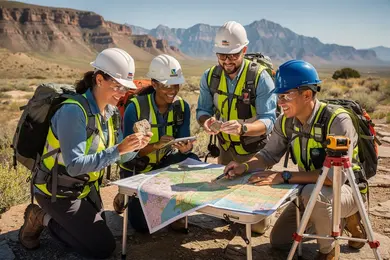
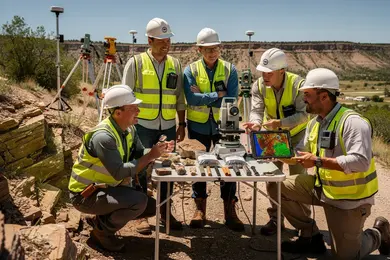
- Geology: Focusing on earth materials, rock formations, and geological history, this track emphasizes analytical and field investigation skills. It prepares students to examine natural hazards and explore mineral resources effectively.
- Hydrogeology: Concentrating on groundwater movement and distribution, students learn to assess water resources, study aquifers, and address water quality challenges. This specialization is vital for sustainable water management strategies.
- Geophysics: Applying physical principles to earth studies, this specialization includes seismic activity, magnetic fields, and internal earth structures. It also involves training in data analysis and remote sensing technologies, equipping students with technical expertise.
- Petroleum Geosciences: Focused on fossil fuel exploration and extraction, this area integrates geology, chemistry, and engineering principles to locate and evaluate oil and gas reserves. Entry requirements for geosciences master's programs for non-majors often consider background knowledge in these essential areas.
Students interested in graduate pathways may also look into how much does a masters in psychology cost for comparative insight into program affordability and admission trends.
2026 Update: Licensure and Certification Readiness
For this 2026 update, we added a practical lens on how different geosciences bachelor’s paths prepare students for credentials that may matter after graduation, especially in environmental consulting, geology, GIS, and field-based roles.
- Check whether the curriculum includes enough geology coursework for future professional geologist licensure in your state.
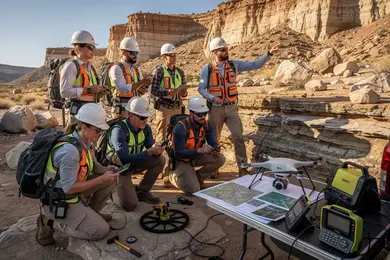
- Look for required field camp, field methods, or mapping experiences if you plan to work in applied geology or resource assessment.
- Review whether GIS, remote sensing, or data analysis courses are built into the major or only offered as electives.
- Ask if the program supports safety training commonly requested for environmental fieldwork.
- Confirm whether internships, research labs, or agency partnerships can help document hands-on experience.
- Compare how each specialization prepares you for graduate study if advanced credentials are part of your plan.
Checking credential readiness early helps students choose a geosciences degree that fits not only their interests, but also the requirements they may face in the job market.
What Entry-Level Jobs Can I Get With a Geosciences Bachelor's Degree?
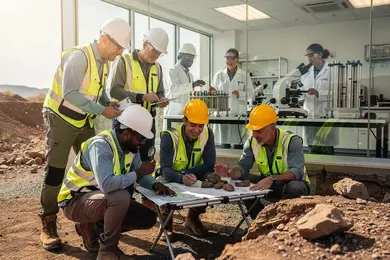
A bachelor's degree in geosciences prepares graduates for numerous entry-level positions in environmental, energy, and research fields. Studies show that approximately 75% of recent geosciences graduates secure relevant employment within six months, reflecting strong demand for these skills. Below are some typical roles new graduates might pursue.
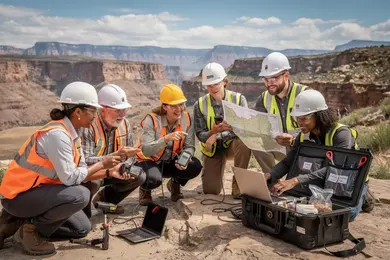
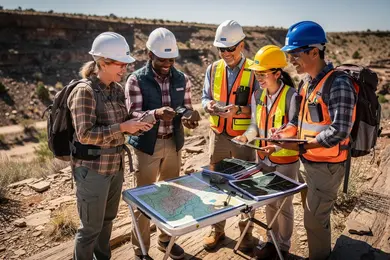
- Environmental Consultant: These specialists evaluate the environmental consequences of construction and development projects. They collect and analyze samples of soil, water, and air, ensuring adherence to regulatory standards while honing skills in fieldwork, data analysis, and compliance.
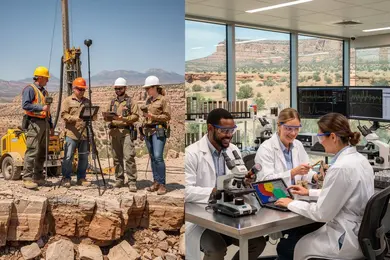
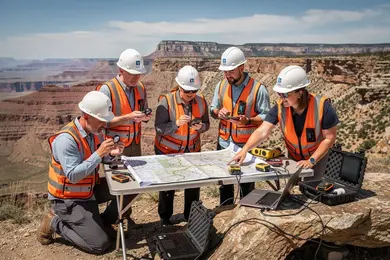
- Geological Technician: Supporting professional geologists, these technicians gather and examine rock, mineral, and soil samples. Their work often includes mapping, assisting with drilling operations, and conducting lab tests, which sharpens technical expertise and familiarity with industry tools.
- Hydrologic Technician: Focused on water resources, hydrologic technicians monitor water quality and availability. They perform field measurements and data assessments for watershed health, gaining proficiency in geographic information systems (GIS), environmental monitoring, and data collection.
- Petroleum Technician: Often employed in oil and gas, these technicians help with exploration and drilling processes. Responsibilities include collecting geological information, preparing reports, and supporting safe field operations, building experience in energy resource management and practical fieldwork.
When asked what entry-level jobs are attainable with a geosciences degree, a professional shared that starting out can feel overwhelming but rewarding. "Initially, I was hesitant about the steep learning curve, especially with technical equipment and data interpretation," he recalled. "However, with hands-on experience in the field and patience, I quickly gained confidence. The collaboration with specialists across different sectors made each project engaging and educational." This firsthand perspective highlights how entry roles offer valuable groundwork for career growth while developing essential scientific and analytical skills.
What Industries Pay the Most for Geosciences Graduates?
Industries offering the highest salaries for geosciences graduates often demand advanced technical skills and practical experience. Recent data indicates that sectors like oil and gas typically provide compensation well above the national average for geosciences bachelor's degree holders. Below are three top paying sectors for geosciences bachelor's degree holders in the US and how these industries leverage their expertise.
- Oil and Gas: Professionals in this sector engage in exploration, seismic analysis, and reservoir modeling. The work requires sophisticated problem-solving and mastery of cutting-edge technology, resulting in lucrative salary packages that reflect the complexity of these roles.
- Environmental Consulting: This field focuses on evaluating soil, water quality, and regulatory compliance through field data collection and GIS technology. Though salaries may be lower than in oil and gas, it appeals to graduates interested in sustainability and environmental impact studies.
- Mining: Geosciences graduates in mining help locate and assess mineral deposits while optimizing extraction and safety practices. Expertise in mineralogy and geostatistics is crucial, with compensation often reflecting the high demands for risk management and efficient resource utilization.
Those interested in expanding their technical skills beyond geosciences may also explore opportunities in online data science programs, which can open doors to diversified career paths and enhanced earning potential.
What Is the Average Salary for Geosciences Bachelor's Degree Graduates?
Starting salaries for geosciences bachelor's degree holders generally range from $55,000 to $65,000 per year, though actual compensation varies based on several influential factors. Industry sector, experience level, and geographic location all play significant roles in shaping earning potential. Below are some key elements affecting salary prospects in this field.
- Industry Sector: Compensation tends to be higher in fields like petroleum extraction, environmental consulting, and mining due to the need for specialized technical skills and knowledge.
- Geographic Location: Areas with abundant natural resources or robust energy markets typically offer better salary packages to geoscientists.
- Experience and Skills: Professionals with advanced expertise, such as proficiency in geographic information systems (GIS) or complex data analysis, generally command higher wages as they advance in their careers.
- Economic Fluctuations: Global commodity price trends can affect hiring rates and salary levels, impacting the job market for geoscientists over time.
- Job Responsibilities: Roles centered on research, policy, or education may have different pay scales compared to positions focused on exploration or engineering.
When asked about her salary outlook, a professional with a geosciences bachelor's degree reflected on the early stages of her career, describing the process as both challenging and rewarding. She emphasized that it took patience to navigate the competitive job market and continuous learning to build specialized skills. "The initial salary felt fair given my fresh expertise, but I noticed how gaining field experience and certifications opened doors to better opportunities," she shared. This experience highlights how earning potential evolves alongside professional growth and adaptability within the geosciences sector.

How Do Salaries Compare Across Geosciences Specializations?
Earnings within geosciences can differ widely depending on the chosen specialization. Fields such as petroleum geology and mining geology typically offer higher salaries, with petroleum geologists earning between $85,000 and $100,000 annually on average. In contrast, specializations like environmental geology and hydrogeology usually have lower salary ranges, often falling between $55,000 and $75,000 per year. These variations highlight the financial impact that specialization choice can have on career outcomes in geosciences.
Several factors contribute to these salary differences, including the technical skills required, industry demand, and the nature of the work. Roles associated with resource extraction and energy sectors generally pay more due to their complex responsibilities and high-revenue industries. These positions often demand a strong blend of geological knowledge, engineering expertise, and data analysis capabilities. On the other hand, specializations focusing on environmental regulation and conservation typically have more modest funding, leading to comparatively lower wages despite the important work they perform.
Are Salaries Different for Online vs On-Campus Geosciences Graduates?
Salaries for graduates with a bachelor's degree in geosciences do not show significant differences based on whether the degree was earned online or on-campus. Both educational paths provide comparable core competencies, including data analysis, fieldwork techniques, and scientific reasoning, ensuring graduates are well-prepared technically. The curriculum is generally aligned with industry standards regardless of delivery format, maintaining a consistent knowledge base. Employer perceptions have evolved positively, especially as many online programs now include experiential learning like virtual labs and internships. According to a National Association of Colleges and Employers survey, graduates with accredited degrees across both delivery methods tend to start with similar salaries, averaging about $50,000 annually in geosciences-related roles.
Several factors beyond the mode of instruction influence potential salary differences. Networking access often gives on-campus students a slight advantage, as they can engage more directly with faculty, career fairs, and alumni, which may aid job placement and career advancement. Practical experience obtained through fieldwork is typically easier to arrange within on-campus programs, offering useful real-world skills that employers value. Additionally, variations in industry demand, regional expertise requirements, and chosen geosciences specializations play a crucial role in salary determination, often outweighing the impact of whether the degree was completed online or in person.
Do Costs Vary Across Geosciences Bachelor's Degree Programs?
Tuition and fees for geosciences bachelor's degree programs can vary widely, reflecting differences in program design and institution type. On average, annual tuition costs range from about $10,000 at public institutions to over $35,000 at private universities. Several key factors influence these cost differences.
- Public vs. Private Institutions: Public universities generally offer lower tuition rates for in-state students, making them more affordable for residents. Private institutions typically have fixed tuition fees that apply regardless of residency, leading to higher overall costs for many students.
- Online vs. On-Campus Programs: Online geosciences degrees may reduce expenses related to housing and transportation, which can offset tuition costs. However, some online programs set tuition rates that are comparable to or higher than on-campus options, depending on the school's pricing strategy.
- Program Length and Credit Requirements: Accelerated degrees or tracks that require fewer credits can reduce total tuition expenses by shortening the time to graduation. Conversely, programs with additional specialization courses or extensive fieldwork may require more credits, increasing overall tuition fees.
- Location Factors: Geographic location affects expenses beyond tuition, such as living costs. Institutions in urban or high-cost areas may result in greater financial commitments, even if base tuition is similar to other regions.
Students exploring cost differences between geosciences bachelor's degrees should consider these variables alongside curriculum and career goals to find programs that fit both budget and educational needs. For those interested in accelerated options with a different focus, exploring a fast track masters in psychology may also be worthwhile.
What Financial Aid Options Are Available for Geosciences Students?
Students pursuing a bachelor's degree in geosciences have access to a variety of financial aid resources designed to help cover tuition and other education-related costs. Data from the National Center for Education Statistics shows that approximately 85% of undergraduates receive some form of financial aid, reflecting strong support for students across many fields. The following options represent common avenues of assistance for those studying geosciences.
- Federal Grants: Need-based awards, such as the Pell Grant, help reduce costs without requiring repayment and are often available to eligible geosciences students. These grants significantly offset tuition expenses, making education more affordable.
- Student Loans: Federal and private loans provide funds that must be repaid with interest. Federal loans are favored for their lower interest rates and flexible repayment terms designed for student needs.
- Scholarships: Merit-based and field-specific scholarships reward academic achievement or demonstrated commitment to geoscience-related disciplines. Scholarships and grants available for geosciences degrees can come from professional bodies, government programs, and private organizations.
- Work-Study Programs: These programs enable students to earn income by working part-time positions, often related to their studies, which helps build skills while supporting education expenses.
- Assistantships or Departmental Aid: Some geosciences departments offer teaching or research assistant roles, giving students both financial help and valuable hands-on experience.
Starting early to explore multiple financial aid programs for geosciences students enhances the funding opportunities available and allows a sharper focus on academic and career goals. Those interested in related STEM fields might also explore options through an online mathematics degree, which can complement geosciences study paths.
What Factors Should I Consider When Selecting a Geosciences Degree?
Selecting the appropriate Geosciences bachelor's degree requires careful consideration of several factors that impact both academic fulfillment and career prospects. Studies indicate that nearly 60% of STEM students prioritize specialization options when making program choices, highlighting their significance in this field. Below are key points to guide your decision-making process.
- Academic Interests: Pinpoint the branch of Geosciences that resonates most with you, such as geology, hydrology, environmental science, or geophysics. This focus helps in finding a program that aligns with your passion and strengths.
- Specialization Flexibility: Check if the program offers diverse or niche specializations that enhance your expertise. Also assess opportunities for research and practical experience within your chosen subfield.
- Program Format: Consider whether on-campus, hybrid, or fully online delivery suits your learning preferences and lifestyle. Each format carries unique benefits and challenges affecting your educational experience.
- Career Relevance: Evaluate how well the curriculum prepares you for specific job roles and industries. Understanding typical salary ranges and employment demands can clarify your long-term potential.
- Long-Term Goals: Think about plans for graduate education, professional certifications, or geographic work preferences, as these will influence which degree pathway best supports your future ambitions.
What Graduates Say About Different Types of Geosciences Bachelor's Degrees
- Ellie: "Choosing a geosciences bachelor's degree was an easy decision for me because of my passion for understanding the Earth's processes and my desire to contribute to environmental sustainability. The specialization in environmental geology provided the perfect foundation, and I quickly found exciting job opportunities in consulting firms. Since graduating, my salary has grown considerably, reflecting the demand for skilled experts in this field."
- Quentin: "Reflecting on my educational journey, the geosciences bachelor's degree equipped me with invaluable technical skills and a deep understanding of earth systems that propelled my career in petroleum exploration. The blend of classroom learning and fieldwork gave me a competitive edge in the industry. Years later, the investment in this degree has paid off not only in fulfilling work but also in steady career advancement and increased earning potential."
- Jace: "When I enrolled in the geosciences bachelor's program, I was driven by a curiosity about natural resources and their impact on society. The career options I discovered after graduation exceeded my expectations, from environmental consulting to resource management. Notably, the specialized knowledge I gained helped me secure well-paid roles early on, making this degree a vital stepping stone for my professional growth."
Other Things You Should Know About Geosciences Degrees
In 2027, the average salary for a geosciences graduate varies by specialization. Generally, entry-level geoscientists can expect to earn between $50,000 and $60,000 annually, with those in specialized fields, such as petroleum geology, often commanding higher salaries upwards of $70,000.
Internships provide practical experience that enhances a graduate's resume and industry connections. They allow students to apply classroom knowledge to real-world projects, making them more competitive for entry-level positions. Employers in geosciences often value internship experience as a sign of readiness and commitment to the field.
Yes, a geosciences bachelor's degree is a solid foundation for graduate studies in areas such as environmental science, geology, or hydrogeology. Many graduate programs look for applicants who have completed relevant coursework and research during their undergraduate studies. Pursuing a master's or doctoral degree can open doors to advanced research roles and higher salaries.
References
- Remote Entry Level Geoscience Jobs | Remotely.jobs https://www.remotely.jobs/entry-level-geoscience-jobs
- Bachelor of GeoScience https://uninotes.com/university-courses/bachelor-of-geoscience
- Bachelor of Geosciences Earth Sciences BSc in Geosciences Earth Sciences https://www.unirank.org/guides/university-programs-courses/bachelor-of-geosciences-earth-sciences/
- Bachelors https://www.gotouniversity.com/programs/bachelors
- Financial Aid for Geology | Encyclopedia.com https://www.encyclopedia.com/education/news-and-education-magazines/financial-aid-geology-0
- Geological and Earth Sciences/Geosciences Graduate Salary: $52,949 Avg Across 444 Schools | PlainCollege https://plaincollege.com/programs/geological-and-earth-sciences-geosciences-bachelors
- Choosing Your Degree https://www.geolsoc.org.uk/Geology-Career-Pathways/University/Choosing%20your%20degree.html
- Geology / Earth Science -> Smart Choice ? - College Majors - College Confidential Forums https://talk.collegeconfidential.com/t/geology-earth-science-smart-choice/1722063
- Geoscience https://www.uaf.edu/academics/programs/bachelors/geoscience.php
- 20+ Geoscience Careers & How Much Geoscientists Make https://career360.snhu.edu/videos/20-geoscience-careers-how-much-geoscientists-make/