
2027 Different Types of Nonprofit Management Bachelor's Degrees: Specializations, Careers, and Salaries

Co-Founder and Chief Data Scientist
Choosing a nonprofit management bachelor's degree is really a choice about the kind of impact work you want to do. Some students want to raise money for mission-driven organizations. Others want to manage community programs, lead volunteers, evaluate outcomes, or eventually move into executive leadership. With over 380,000 nonprofit organizations operating in the U.S., the field needs people who understand both service and operations.
The challenge is that nonprofit management programs do not all prepare students for the same roles. Program format, specialization, internship access, tuition, and employer connections can shape your first job and long-term salary path. This guide explains the main types of nonprofit management bachelor's degrees, common specializations, entry-level jobs, salary expectations, cost factors, and financial aid options so you can compare programs with clearer career goals in mind.
Key Things to Know About Different Types of Nonprofit Management Bachelor's Degrees
- Nonprofit management degrees often offer specializations such as fundraising, program development, or nonprofit leadership, tailoring education to specific organizational roles.
- Graduates typically pursue careers as development coordinators, grant managers, or executive directors, with roles varying by specialization and organizational size.
- Average salaries range from $40,000 to $70,000 annually, depending on specialization, geographic location, and experience level within the nonprofit sector.
What Are the Different Types of Nonprofit Management Bachelor's Degrees?
Nonprofit management bachelor's degrees are usually built around the same core goal: preparing students to manage mission-driven organizations. What differs is the delivery format, pace, campus experience, and level of flexibility. According to the National Center for Education Statistics, more than 30% of bachelor's degree students in the U.S. take at least some courses online, which makes online and hybrid formats an important part of the nonprofit management degree landscape.
The best format depends on how much structure you want, whether you plan to work while studying, and how important in-person networking is to your career plan.
- Traditional campus-based programs: These usually follow a four-year schedule with in-person classes, set semesters, student organizations, and campus-based advising. They can be a strong fit for students who want a conventional college experience, easier access to faculty, and local internship connections.
- Accelerated programs: These programs shorten the time to completion through heavier course loads, shorter academic terms, or year-round study. They may appeal to students who want to enter the workforce sooner, but the pace can be demanding for those balancing work or family responsibilities.
- Online programs: Fully online nonprofit management degrees allow students to complete coursework remotely. This format is often practical for working adults, transfer students, military-affiliated students, or learners who do not live near a campus offering the major. Students should still check whether the program includes live sessions, group projects, internships, or local fieldwork requirements.
- Hybrid programs: Hybrid degrees combine online coursework with selected in-person classes, residencies, or field experiences. They can provide flexibility while still offering face-to-face networking, advising, and community engagement opportunities.
- Part-time programs: Part-time study spreads degree requirements over a longer period. This can make coursework more manageable for students with jobs or caregiving responsibilities, though it may delay graduation and extend the time before full-time career entry.
When comparing formats, look beyond convenience. Ask whether the program helps students build a nonprofit portfolio through internships, grant projects, fundraising campaigns, volunteer leadership, or community partnerships. Students planning to continue into graduate study may also want to compare future options such as one year masters programs online after completing the bachelor's degree.
What Specializations Are Available in a Nonprofit Management Bachelor's Degree?
Specializations let nonprofit management students focus their degree on a specific type of work. Recent educational surveys show that around 40% of students pursue a concentration within their degree to deepen expertise in particular areas. In nonprofit management, that choice can influence the projects you complete, the internships you pursue, and the entry-level roles you qualify for after graduation.
Students should choose a specialization based on the daily work they want to do, not just the title. Fundraising requires relationship-building and writing. Program evaluation requires comfort with data and outcomes. Leadership and governance require ethical judgment, budgeting awareness, and communication with boards and stakeholders.
- Fundraising and Development: This track focuses on donor relations, annual giving, major gifts, campaigns, sponsorships, and grant writing. It suits students who are persuasive communicators and comfortable connecting financial support to an organization's mission.
- Program Management and Evaluation: Students learn how to design programs, coordinate services, set goals, track outcomes, and use data to improve impact. This option is useful for those who want to manage community programs, human services initiatives, education projects, or public health outreach.
- Volunteer Management: This specialization prepares students to recruit, train, schedule, motivate, and retain volunteers. It also introduces policies, risk management, and legal considerations related to unpaid service work.
- Nonprofit Leadership and Governance: This path emphasizes ethics, board relations, strategic planning, organizational behavior, budgeting, and accountability. It is often a good match for students who want to move eventually into management or executive roles.
- Social Entrepreneurship: This concentration blends mission-driven work with business model design, innovation, earned revenue, and sustainability. It can fit students interested in launching social ventures or building programs that combine public benefit with market-based strategies.
Admission requirements for graduate programs can differ, especially for students who later pursue nonprofit management master's programs as non-majors. Some programs expect prior coursework in management, accounting, statistics, public administration, or related subjects. Planning early can help students avoid missing prerequisites later.
Students comparing nonprofit management with other undergraduate paths may also find it useful to review the best bachelor degrees to get and consider how salary, mission fit, and job stability differ across fields.
What Entry-Level Jobs Can I Get With a Nonprofit Management Bachelor's Degree?
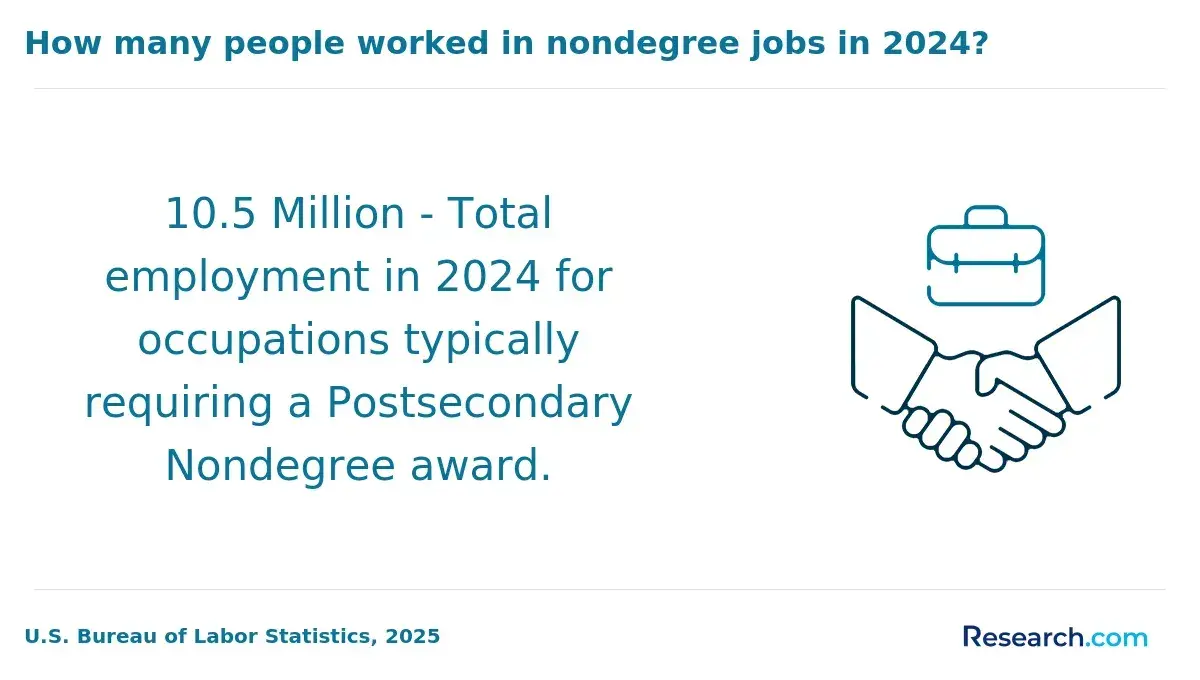
A nonprofit management bachelor's degree can prepare graduates for early-career roles in fundraising, program support, volunteer coordination, communications, and grant administration. Recent data shows that about 62% of graduates secure relevant employment within a year after finishing their degree. The strongest candidates usually pair the degree with internships, volunteer leadership, writing samples, event experience, or measurable project work.
Entry-level nonprofit roles often require flexibility. In smaller organizations, one person may help with donor records, social media, event logistics, volunteer schedules, and program reporting. In larger nonprofits, early roles may be more specialized but offer clearer promotion ladders.
- Development Assistant: Development assistants support fundraising teams by maintaining donor databases, helping organize campaigns and events, preparing acknowledgments, researching prospects, and assisting with grant materials. This role is a common starting point for students interested in fundraising and advancement.
- Program Coordinator: Program coordinators help plan, deliver, and monitor services. Duties may include scheduling activities, communicating with participants, tracking attendance, preparing reports, and coordinating with community partners. This job builds practical project management skills.
- Volunteer Coordinator: Volunteer coordinators recruit, onboard, train, schedule, and support volunteers. They need strong communication skills, patience, and the ability to match people's time and talents with organizational needs.
- Marketing Assistant: Marketing assistants support outreach through social media, email newsletters, website updates, press materials, and campaign content. This role can be valuable for students who want to connect nonprofit missions with public engagement.
- Grant Assistant: Grant assistants research funding opportunities, gather proposal materials, help draft applications, and track reporting deadlines. The role rewards careful writing, organization, and attention to compliance requirements.
One graduate described the first year in the field as demanding because the work touched almost every part of the organization. Starting as a development assistant, he had to learn donor communication, event coordination, and internal reporting at the same time. His takeaway was that early nonprofit jobs are not only administrative; they teach how people, funding, and mission connect. Students who are willing to learn quickly and ask for feedback often build strong foundations for advancement.
What Industries Pay the Most for Nonprofit Management Graduates?
Pay in nonprofit management depends heavily on the type of organization, its funding model, budget size, location, and the complexity of the work. Industry data shows that sectors like healthcare nonprofits typically offer salaries around 12% above the nonprofit average. Higher pay is often tied to larger budgets, regulatory requirements, specialized funding streams, and greater operational risk.
Students who want stronger earning potential should look for sectors where nonprofit management skills overlap with finance, compliance, data, grant oversight, and strategic partnerships.
- Healthcare Nonprofits: Health systems, hospital foundations, disease-focused organizations, and community health nonprofits often manage large programs and complex funding relationships. Graduates may work in fundraising, community benefit programs, patient support services, compliance coordination, or program administration. Knowledge of healthcare policy, financial management, and stakeholder relations can improve competitiveness.
- Environmental Nonprofits: Conservation, sustainability, climate, and land-use organizations need professionals who can manage projects, engage communities, support grant proposals, and communicate impact. Roles may require comfort with data, public policy, environmental law, and partnerships with government agencies or private funders.
- International Development: Organizations working in poverty reduction, disaster relief, global health, education, and humanitarian aid often operate across countries and funding systems. Graduates may support grant management, monitoring and evaluation, logistics, donor reporting, or partner coordination. Cross-cultural communication and careful documentation are especially important.
The highest-paying nonprofit paths are not always the easiest to enter. Students may need internships, language skills, data skills, grant experience, or sector-specific knowledge to compete. Those interested in nonprofit roles connected to justice, advocacy, reentry, victim services, or public safety may also explore a criminal justice degree online for related academic preparation.
What Is the Average Salary for Nonprofit Management Bachelor's Degree Graduates?
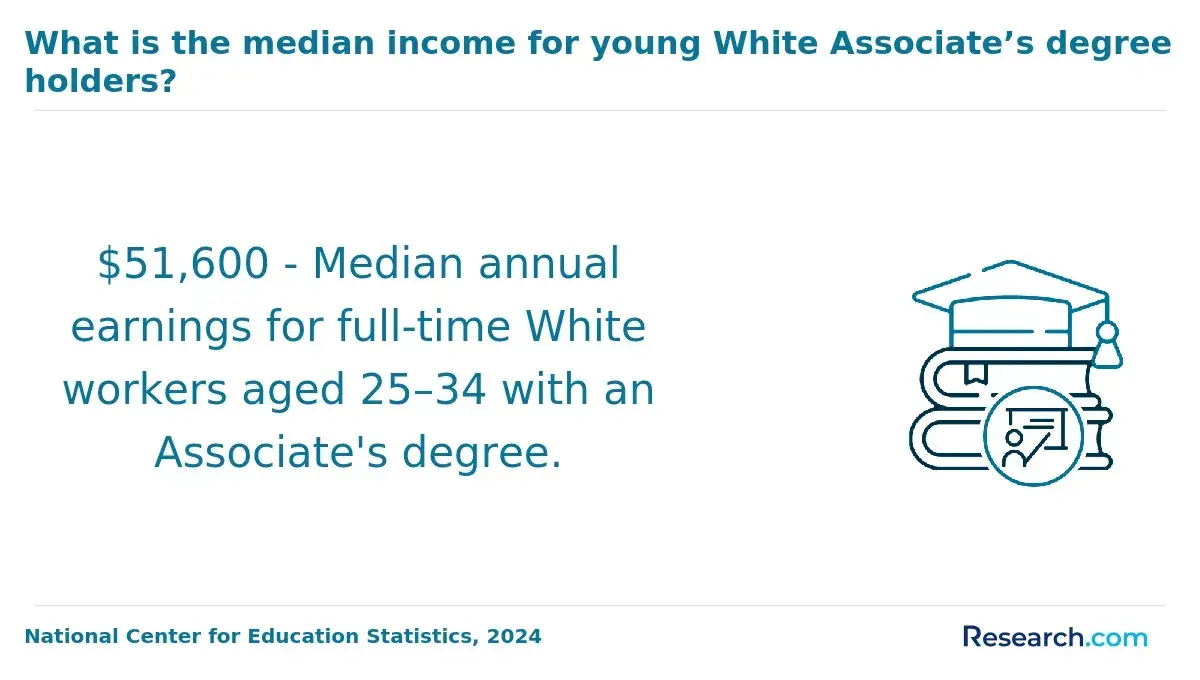
Salary expectations for nonprofit management bachelor's degree graduates should be realistic and role-specific. Entry-level salaries generally range from $40,000 to $50,000 per year, with early-career nonprofit managers earning approximately $42,000 annually according to recent labor statistics. Actual pay may be higher or lower depending on the organization's size, funding stability, location, and the employee's responsibilities.
Nonprofit work can provide meaningful career opportunities, but salaries are often shaped by budget constraints. Students who want to improve long-term earning potential should build skills that directly affect revenue, compliance, budgeting, reporting, or program growth.
- Industry Sector: Healthcare, education, foundations, international development, and large advocacy organizations may have different compensation structures than small local charities or community service agencies.
- Experience Level: Initial salaries may be modest, but compensation can rise after three to five years of leadership experience, successful fundraising work, grant management, or supervision.
- Geographic Location: Metropolitan areas often offer higher salaries because of cost of living and larger nonprofit markets. Rural organizations may offer lower salaries but sometimes provide broader responsibility earlier in a career.
- Organization Size: Larger nonprofits with bigger budgets may offer stronger salaries, formal benefits, advancement tracks, and specialized departments. Smaller nonprofits may offer faster hands-on learning but less compensation flexibility.
- Additional Skills: Grant writing, budgeting, donor database management, program evaluation, data analysis, and digital communications can improve marketability and salary growth.
A nonprofit management graduate described her salary growth as tied less to the degree title and more to the responsibilities she learned to handle. Early pay covered basic expenses, but taking on grant writing and donor reporting helped her demonstrate measurable value. Her experience reflects a common pattern: in nonprofit management, compensation often improves when employees can help secure funding, manage resources, or prove program results.
How Do Salaries Compare Across Nonprofit Management Specializations?
Salaries can differ substantially by nonprofit management specialization because each track develops different skills. Those focusing on nonprofit financial management typically earn 15-20% more than professionals in fundraising roles. This does not mean fundraising is a weak path; experienced development professionals can be highly valuable. However, finance-focused roles often require technical budgeting, accounting, forecasting, compliance, and reporting skills that directly affect organizational stability.
In general, specializations connected to money management, data, compliance, and leadership tend to support stronger salary growth. Specializations centered on entry-level outreach or general coordination may start lower but can still lead to advancement with experience.
- Nonprofit financial management: Often associated with higher compensation because organizations depend on accurate budgeting, restricted-fund tracking, audit preparation, and financial reporting.
- Fundraising and development: Pay may vary widely. Entry-level development roles can start modestly, but professionals who manage major gifts, campaigns, donor strategy, or institutional grants may see stronger long-term growth.
- Program management and evaluation: Salaries often rise when the role includes supervising staff, managing large budgets, reporting outcomes, or overseeing multiple sites or grants.
- Volunteer management: These roles may begin lower than finance or senior development positions, but they build leadership, training, and operations experience that can transfer into broader management jobs.
- Social entrepreneurship: Earnings can be less predictable because roles may exist in startups, hybrid organizations, or innovation-focused nonprofits. The upside depends on funding, scale, and revenue model.
Students should not choose a specialization based only on salary. A higher-paying track that does not fit your strengths can lead to poor job satisfaction. A better strategy is to identify where your interests overlap with skills that nonprofits consistently need: funding, finance, evaluation, operations, leadership, and stakeholder communication.
Are Salaries Different for Online vs On-Campus Nonprofit Management Graduates?
For most nonprofit management graduates, salary differences are usually driven more by accreditation, experience, internships, location, and job function than by whether the degree was completed online or on campus. Both formats can teach nonprofit leadership, fundraising, program evaluation, ethics, budgeting, and organizational management. Employers tend to focus on whether the program is credible and whether the applicant can do the work.
Research indicates that approximately 70% of employers now view online and traditional degrees as equally credible. That acceptance is strongest when the online program is offered by an accredited institution, uses the same academic standards as campus programs, and provides meaningful opportunities to apply skills.
- Online graduates: Online students may already be working, which can strengthen their resumes if their jobs or volunteer roles relate to nonprofit work. The main risk is choosing a program with limited career services, weak internship support, or little interaction with faculty and peers.
- On-campus graduates: Campus students may have easier access to local nonprofit internships, student organizations, career fairs, and faculty-led projects. These experiences can help with networking and first-job placement.
- Hybrid graduates: Hybrid programs can offer a balance of flexibility and in-person connection, especially for students who want some campus engagement without attending full time in person.
Students choosing an online program should ask direct questions before enrolling: Does the school help place students in internships? Are there nonprofit partners in the student's local area? Will the transcript or diploma identify the program differently? Are career services available to online learners? These details matter more than the delivery format alone.
Do Costs Vary Across Nonprofit Management Bachelor's Degree Programs?
Yes. Costs can vary widely across nonprofit management bachelor's degree programs. Recent data show that average annual tuition can range from about $6,000 at public in-state colleges up to over $35,000 per year at private universities. The sticker price is only part of the decision, however. Students should compare net cost after grants and scholarships, required fees, transfer credit policies, living expenses, and the time needed to finish.
- Institution Type: Public universities usually charge less for in-state students than private institutions. Out-of-state tuition at public universities can change the comparison, so students should review residency rules carefully.
- Program Format: Online nonprofit management degrees may reduce commuting, housing, and campus-related costs. However, students should still check for technology fees, online course fees, proctoring costs, and required in-person experiences.
- Program Length and Credits: Most bachelor's degrees require about 120 credits. Additional prerequisites, electives, concentration requirements, or repeated courses can increase the total cost. Transfer-friendly programs may lower costs for students with prior college credit.
- Geographic Location: Schools in high-cost urban areas may come with higher living expenses even when tuition is comparable. Rural or regional campuses may be less expensive but could offer fewer local internship options.
- Academic Support and Career Value: A low-cost program is not automatically the best value if it lacks advising, internship support, employer connections, or relevant nonprofit coursework. Students should compare both affordability and career preparation.
Prospective students should request a full cost estimate from each school and ask how many credits are required, what fees apply, and how transfer credits are evaluated. It can also help to compare tuition patterns in related fields, such as social media marketing schools, because nonprofit careers increasingly use digital outreach and campaign communication skills.
What Financial Aid Options Are Available for Nonprofit Management Students?
Nonprofit management students may qualify for the same major categories of financial aid available to other undergraduate students, including grants, loans, scholarships, and work-study. Recent data from the National Center for Education Statistics shows that around 85% of undergraduate students receive some type of financial aid. The most important first step is usually completing the required financial aid application for the schools you are considering.
- Federal Grants: Need-based grants such as the Pell Grant do not have to be repaid when students meet program requirements. These can be especially important for students trying to reduce borrowing.
- Federal Student Loans: Direct Subsidized and Unsubsidized Loans can help cover remaining costs after grants and scholarships. Borrowers should review interest, repayment terms, and total projected debt before accepting the full amount offered.
- Scholarships: Scholarships may be based on merit, financial need, leadership, community service, civic engagement, or interest in nonprofit work. Students should search through colleges, local foundations, professional associations, and community organizations.
- Work-Study Programs: Work-study allows eligible students to earn money through part-time employment. When possible, students should look for roles in service offices, community engagement centers, fundraising departments, or nonprofit partner organizations.
- Employer or Service-Based Support: Students already working for nonprofits should ask whether their employer offers tuition assistance, professional development funds, or flexible scheduling for degree completion.
The strongest affordability strategy is to combine aid sources rather than depend on one option. Students should compare financial aid packages by net price, not just scholarship amount, and should ask whether awards are renewable each year. Those considering related fields with analytical or impact-measurement value may also compare options such as a data science degree.
What Factors Should I Consider When Selecting a Nonprofit Management Degree?
Selecting a nonprofit management bachelor's degree should start with career fit. Studies show that more than 60% of students emphasize choosing a degree that matches their career objectives and specialization areas. For this field, that means evaluating not only the major name but also the curriculum, experiential learning, faculty background, cost, and employer connections.
- Academic Interests: Clarify whether you are most interested in fundraising, advocacy, program delivery, volunteer leadership, operations, community development, or social entrepreneurship. The right program should offer coursework that matches those interests.
- Specialization Options: Review available concentrations and electives. A student interested in grant writing needs different preparation than a student aiming for nonprofit finance or executive leadership.
- Program Format: Decide whether online, hybrid, part-time, accelerated, or campus-based study fits your schedule and learning style. Flexibility matters, but so do access to advising, internships, and networking.
- Career Preparation: Look for required internships, capstone projects, service-learning, community partnerships, donor database training, grant proposal assignments, and opportunities to work with real nonprofit clients.
- Accreditation and Institutional Reputation: Choose an accredited institution and verify that credits are transferable if you might change schools or pursue graduate study. Accreditation can also affect financial aid eligibility.
- Total Cost and Aid: Compare tuition, fees, living expenses, transfer credits, financial aid, and expected time to completion. A program with a higher sticker price may be affordable after aid, while a cheaper program may cost more if credits do not transfer.
- Long-Term Goals: If you want executive leadership, prioritize programs with governance, finance, strategy, and management coursework. If you want frontline community work, prioritize program design, evaluation, case coordination, and field experience.
A practical way to compare programs is to list your top target jobs, then check whether each degree gives you evidence for those jobs: relevant coursework, internship experience, writing samples, data skills, leadership examples, and faculty or employer references.
What Graduates Say About Different Types of Nonprofit Management Bachelor's Degrees
- : "I chose a nonprofit management bachelor's degree because I wanted to work in community development, not just study social issues from a distance. The fundraising and program coordination courses helped me qualify for a program assistant role, and the hands-on projects made interviews easier because I could talk about real work I had done. The degree gave me a practical starting point for moving into management. — Tristan"
- : "The biggest value of my nonprofit management degree was learning how business decisions and mission decisions connect. Courses in ethical leadership, volunteer engagement, and donor relations helped me stand out when I applied for jobs. I entered donor relations within six months of graduation, and the skills I built in communication and stewardship have continued to support my career growth. — Jessica"
- : "I wanted a degree that would prepare me to lead organizations serving vulnerable populations. The nonprofit finance and strategic planning coursework helped me understand budgets, operations, and funding decisions in a practical way. Those skills made the transition into a director role much smoother and gave me more confidence in a competitive field. — Christopher"
Other Things You Should Know About Nonprofit Management Degrees
In 2027, nonprofit management bachelor's degrees offer specializations like fund development, volunteer coordination, nonprofit leadership, and social entrepreneurship. These pathways prepare students for varied roles in nonprofit settings, emphasizing essential skills tailored to specific career goals.
In 2027, specializations within a nonprofit management bachelor's degree can significantly influence career paths. Areas such as fundraising, program management, and community outreach can lead to roles like development manager, program coordinator, or community engagement consultant, impacting salary potential and job opportunities.
In 2027, salaries for careers in nonprofit management with a bachelor's degree typically range from $45,000 to $80,000 annually. Factors like location, specific role, size of the nonprofit, and individual experience can significantly influence earnings.
Yes, obtaining certifications like Certified Nonprofit Professional (CNP) or grants management credentials can boost a graduate's credentials. These certifications validate a candidate's expertise and commitment to the field. They often improve job prospects and may lead to higher salaries.
References
- Non-Profit/Public/Organizational Management Graduate Program Tuition https://www.collegetuitioncompare.com/graduate/non-profit-public-organizational-management/
- Business Degrees Add Up Pluses and Minuses for Nonprofit Managers https://www.philanthropy.com/news/business-degrees-add-up-pluses-and-minuses-for-nonprofit-managers/
- Nonprofit Management https://www.geteducated.com/online-degrees/bachelor/business/nonprofit-management/
- Prepare to Lead Your Nonprofit With an MPA Degree Online From Murray State https://onlinedegrees.murraystate.edu/programs/business/mpa/non-profit-leadership/key-nonprofit-leadership-skills/
- Business Graduates in Non-Profit and Social Sectors https://www.educationdirectory.net/articles/careers-for-business-graduates-in-non-profit-and-social-sectors
- Online Nonprofit Management Degree | Explore Your Options https://www.learnhowtobecome.org/best-online-bachelors-in-nonprofit-management-degree-programs/
- Top Bachelor's In Business Management Jobs https://business.beyondtools.com/master-voice/top-bachelors-in-business-management-jobs-1767648828
- Nonprofit Leadership and Management, BS Arizona State University - Kaplan International https://www.hotcoursesabroad.com/india/course/us-usa/nonprofit-leadership-and-management-bs/56288840/program.html
- Felix Baumgartner’s Secret Fortune Revealed—Nobody Expected What This Aerial Legend Made - Celebrity Net Worth https://seabase.core.cli.mbl.edu/beta-stats/mastering-nonprofit-management-a-comprehensive-guide-1767647944
- Nonprofit Management | An Opportunity to Change the World https://www.tuw.edu/school-news/benefits-of-working-in-nonprofit-management/


