
2027 Does a Speech Pathology Degree Require Internships or Clinical Hours?

Co-Founder and Chief Data Scientist
Choosing a speech pathology degree means planning for more than lectures, exams, and research papers. Clinical training is central to how students learn to assess communication disorders, deliver therapy, document progress, and work with clients across age groups and care settings.
For most prospective students, the practical question is not whether clinical hours matter, but how they will affect program length, weekly workload, cost, licensure preparation, and job readiness. According to the American Speech-Language-Hearing Association, over 85% of accredited programs mandate at least 400 clinical hours before graduation. That requirement can shape everything from course sequencing to whether a student can continue working while enrolled.
The stakes are high because graduates who do not complete the required supervised experience may face delays in certification, licensure, or employment. At the same time, the field continues to attract interest as demand is projected at 25% employment growth through 2030. This guide explains how internships and clinical hours work in speech pathology degrees, how requirements differ by degree level and format, and what students should verify before enrolling.
Key Things to Know About Speech Pathology Degree Internships or Clinical Hours
- Speech pathology degrees mandate clinical hours or internships, often exceeding 400 hours, essential for graduation and ASHA certification, emphasizing hands-on patient interactions.
- Online programs arrange local clinical placements, while campus-based degrees integrate on-site experiences, both ensuring supervised skill development despite differing formats.
- These practical requirements extend program duration but enhance career readiness, with 85% of graduates reporting positive employment outcomes within six months.
Does a Speech Pathology Degree Require Internships or Clinical Hours?
Yes. In most speech pathology programs, supervised clinical hours are a required part of the degree, not an optional add-on. Students typically complete clinical practicums, internships, or rotations so they can practice assessment, intervention, documentation, and professional communication under qualified supervision.
Clinical hours give students the chance to apply classroom learning to real clients. That practical training is especially important in speech-language pathology because graduates need more than knowledge of anatomy, language development, swallowing, fluency, and speech sound disorders. They must also learn how to make clinical decisions, adapt therapy, communicate with families or care teams, and follow ethical and documentation standards.
These experiences usually become more intensive as students move through the program. Early clinical work may include observation and limited participation. Later placements often involve direct client interaction in settings such as schools, hospitals, clinics, rehabilitation centers, and private practices.
Prospective students should treat clinical requirements as a major planning factor. They can affect commuting, work schedules, childcare, tuition budgeting, and the total time needed to finish the degree. Before enrolling, ask the program where placements are typically completed, who arranges them, whether evening or weekend options exist, and how the program verifies that hours satisfy certification and licensure expectations.
Students comparing long-term education pathways may also review related options such as online doctorate of education programs, especially if they are considering future leadership, policy, or academic roles connected to education and communication services.
Are Internships Paid or Unpaid in Speech Pathology Programs?
Speech pathology internships and clinical placements are typically unpaid. They are usually structured as supervised educational experiences rather than employment, even when students work in real service settings. According to recent data, fewer than 20% of speech pathology clinical placements provide any form of pay.
This is important for budgeting. A student may need to complete hundreds of required hours while also paying tuition, transportation, background check fees, immunization costs, or site-specific onboarding expenses. In some cases, clinical schedules can also limit the number of paid work hours a student can maintain outside the program.
Why many speech pathology clinical placements are unpaid
- They are tied to academic credit: The placement is part of the degree curriculum and is supervised to meet learning outcomes, not designed primarily as a paid staff role.
- Sites must provide supervision: Schools, hospitals, clinics, and private practices commit staff time to observe, coach, evaluate, and document student performance.
- Paid options are limited: Paid internships may exist through special employer agreements, grants, or funded positions, but they tend to be competitive and location-dependent.
- Certification value is still high: Even unpaid placements are essential because they help students meet clinical expectations and develop the practical skills employers evaluate.
Before accepting admission, students should ask whether the program charges additional clinical education fees, whether travel to placement sites is expected, and whether the school has relationships with enough sites to support students in their region. Students comparing related helping-profession degrees may also review accredited online counseling degree options to understand how supervised fieldwork costs can differ across fields.
What Is the Difference Between Internships or Clinical Hours in Speech Pathology Degree Levels?
Clinical expectations change substantially by degree level. A bachelor's degree may introduce students to the field and include observation, but it generally does not provide the level of direct supervised practice needed for independent professional entry. Master's programs carry the most important clinical preparation for aspiring speech-language pathologists. Doctoral programs typically focus on advanced practice, specialization, leadership, or research integration.
| Degree level | Typical clinical focus | What students should expect |
| Bachelor's degree | Observation and introductory exposure | Students may shadow professionals, learn basic documentation concepts, and observe assessment or therapy. These experiences build context but do not meet certification or licensure requirements. |
| Master's degree | Direct supervised clinical practice | Students complete over 400 clinical hours, typically involving assessment, therapy, client interaction, and professional documentation in multiple settings. These hours are essential for professional certification and state licensure. |
| Doctoral degree | Advanced specialization and higher-level clinical decision-making | Students may pursue complex cases, leadership responsibilities, research-connected clinical work, or specialized practice areas with greater autonomy under program rules. |
The biggest practical difference is the level of responsibility. Undergraduate students are usually learning how the profession works. Master's students are building entry-level clinical competence. Doctoral students are often refining advanced expertise or preparing for specialized roles.
Students should also pay attention to how each program documents hours. Not all observation, simulation, or work-related experience counts the same way. Program rules, accreditation standards, and state requirements determine what can be applied toward graduation, certification, or licensure preparation.
Those comparing clinical training models in adjacent fields may find it useful to review online marriage and family therapy programs, where supervised practice is also central but structured around a different scope of care.
How Do Accelerated Speech Pathology Programs Handle Internships or Clinical Hours?
Accelerated speech pathology programs do not remove the clinical requirement. Instead, they compress coursework and supervised practice into a shorter schedule. That can make the path faster, but it also makes time management more demanding.
In many accelerated formats, clinical experiences are scheduled in concentrated blocks, paired with intensive academic terms, or sequenced earlier than in traditional programs. Students may move quickly from classroom preparation into supervised contact with clients. This structure can be efficient, but it leaves less room for a reduced workload, delayed placements, or last-minute schedule changes.
What accelerated students should plan for
- More intensive weekly schedules: Clinical placements may require daytime availability while coursework continues in the evening or online.
- Less flexibility to pause: Because cohorts move quickly, missing a clinical block can delay graduation.
- Earlier readiness expectations: Students may need to master foundational skills quickly before entering client-facing settings.
- Possible use of simulations or telepractice: Programs may supplement in-person experience with simulation labs and telepractice while still working toward licensure-required clinical hours.
About 20-25% of master's level speech pathology programs now feature accelerated tracks, reflecting growing student interest in expedited routes that still maintain rigorous internship criteria. Students considering this format should ask how placements are scheduled, whether the school guarantees enough clinical opportunities, and what happens if a placement site becomes unavailable.
When I spoke with a recent graduate of an accelerated speech pathology program, he described the experience as "intense but incredibly rewarding." He recalled clinical placement days that began early in the morning and were followed by evening lectures and assignments. "It felt like life was happening at double speed," he said.
He also emphasized that the pressure had a clear purpose. "These block rotations forced me to develop real-world skills quickly and stay focused." Although he initially found the balance overwhelming, he said the format helped him build resilience, confidence, and professional habits that carried into practice.
Are Internship Requirements the Same for Online and On-Campus Speech Pathology Degrees?
In most cases, yes. Online and on-campus speech pathology programs generally must meet the same clinical education expectations when they prepare students for the same professional outcomes. Internship or clinical hour requirements for online and on-campus speech pathology programs are largely equivalent, with both needing around 400 to 600 supervised hours.
The main difference is not the standard; it is the logistics. On-campus students may complete placements through university clinics or nearby partner sites. Online students often complete in-person clinical hours in their own communities, subject to program approval and supervisor qualifications. Enrollment in online clinical speech pathology education has grown by over 30% in recent years, showing that remote coursework paired with local clinical training has become more common.
Students comparing online masters slp programs should look closely at how each school helps secure placements, especially if they live far from the institution or in an area with limited clinical sites.
Online versus on-campus clinical placement considerations
| Factor | Online programs | On-campus programs |
| Clinical hour expectations | Usually comparable to on-campus programs and aligned with accreditation and licensure preparation | Usually comparable to online programs and aligned with accreditation and licensure preparation |
| Placement location | Often arranged near the student's home, if approved by the program | Often arranged through campus clinics, university partners, or regional sites |
| Scheduling flexibility | May be more adaptable for working adults, but daytime clinical availability is still often needed | May follow campus-based sequencing and local site availability |
| Student responsibility | Students may need to help identify potential sites, depending on the program | The program may have more established local placement pipelines |
Before choosing either format, confirm whether the program is authorized to place students in your state, whether supervisors must hold specific credentials, and whether clinical hours completed in your location will support your intended licensure pathway.
How Do Speech Pathology Degree Specialization Choices Affect Internship Requirements?
Specialization choices can influence where students complete internships, what client populations they serve, and which skills they must document. The total clinical hour framework may remain similar, but the mix of experiences can differ significantly.
For example, students interested in pediatric speech therapy may complete placements in schools, early intervention settings, or children's hospitals. These sites emphasize developmental communication, educational collaboration, family communication, and age-appropriate intervention. Students focused on adult neurogenic disorders may spend more time in hospitals, rehabilitation centers, or outpatient clinics, where they encounter neurological assessment, treatment planning, swallowing-related concerns, or recovery after illness or injury.
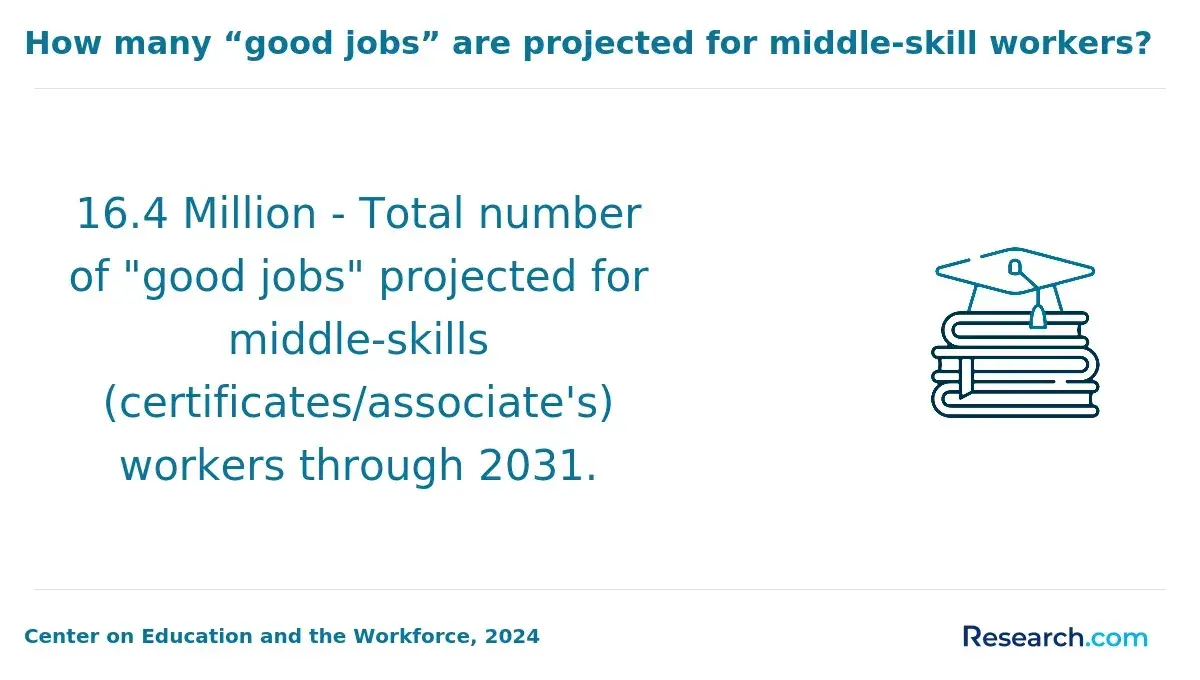
The growing demand for specialized practitioners is reflected in workforce trends, with the U.S. Bureau of Labor Statistics projecting a 21% growth in speech-language pathology jobs between 2021 and 2031, particularly in healthcare and educational settings. That makes it important for students to choose clinical experiences that support the population and work environment they hope to enter.
How specialization can shape clinical training
- Pediatrics: Placements may prioritize developmental language, school-based services, family collaboration, and educational goals.
- Adult neurogenic disorders: Students may need exposure to rehabilitation, hospital documentation, interdisciplinary teams, and complex treatment plans.
- Fluency disorders: Clinical work may include more client counseling, behavioral techniques, and long-term therapy planning.
- Augmentative and alternative communication (AAC): Placements may involve technology-supported communication, device trials, and highly individualized intervention plans.
Specialization can also affect scheduling. Some clinical sites operate only during school hours, while others may require healthcare onboarding, background checks, immunizations, or specific training. Students should map specialization interests early so the program can help match them with appropriate sites before graduation deadlines become tight.
When comparing career paths, students may also review broader labor-market resources such as majors that make the most money, but clinical fit and licensure preparation should remain central when choosing a speech pathology specialization.
Can Work Experience Replace Internship Requirements in a Speech Pathology Degree?
Sometimes, but students should not assume that prior work experience will replace required clinical hours. Programs may review relevant experience, but accredited speech pathology degrees often require formal, supervised, documented clinical training that meets specific standards. Paid work, even in a related setting, may not count unless it aligns with program rules and required supervision criteria.
This issue is especially important for working adults, teacher assistants, rehabilitation aides, healthcare staff, or professionals who already have experience with communication disorders. Some may receive partial credit or reduced practicum expectations if their experience is directly relevant, verified, and approved. Others may still need to complete the full clinical sequence because their prior work was not supervised, documented, or evaluated in the required way.
Questions to ask before counting on work experience
- Does the program accept prior experience for credit or hour reduction? Policies vary widely by institution and degree level.
- What documentation is required? Students may need employer verification, job descriptions, supervisor credentials, hour logs, and performance evaluations.
- Was the experience supervised appropriately? Programs may require supervision by qualified professionals, not just general workplace oversight.
- Will the substitution support licensure or certification goals? A program may recognize experience academically, but students still need to ensure it aligns with professional requirements.
Doctoral programs sometimes provide more substitution flexibility than master's programs, but policies differ. The safest approach is to request a written evaluation from the program before enrolling or before making employment decisions based on an assumed hour reduction.
When asked about this, one graduate described the process as useful but time-intensive. She had to collect verification for previous clinical roles and coordinate with both her employer and program advisors. The approval reduced some internship hours and made her schedule more manageable, but it did not eliminate the need for formal clinical training.
"It wasn't an easy path, but having some of my work recognized gave me relief and allowed me to focus more deeply on my remaining clinical requirements," she said. Her experience shows why students should advocate for a review while also preparing for the possibility that most required clinical work will still need to be completed through the program.
How Long Do Internships or Clinical Rotations Last in a Speech Pathology Degree?
The length of internships and clinical rotations depends on the program format, degree level, placement availability, and whether the student is enrolled full time, part time, or in an accelerated pathway. Many programs require at least 400 supervised clinical hours, but those hours may be distributed in different ways.
- Semester-long rotations: These commonly last 12 to 16 weeks and may be built into the final year of the degree. They provide consistent clinical exposure while students continue academic work.
- Extended internships: Some experiences can span up to a full calendar year, combining practicum and supervised clinical work. A longer timeline may allow students to build deeper skills across multiple client populations or settings.
- Short-term intensive placements: These focus on a specific population or setting, such as pediatric clients, geriatric clients, schools, hospitals, or rehabilitation services. They can help students gain concentrated experience in a targeted area.
Flexible or part-time clinical schedules are becoming more common as programs serve students with different work and family obligations. Still, flexibility has limits. Clinical sites may operate during standard business or school hours, and students must be available when supervisors and clients are available.
Students should ask for a sample clinical calendar before enrolling. A strong program should be able to explain when clinical rotations begin, how many days per week are typical, whether placements may require travel, and what happens if a student needs to repeat or extend a rotation.
Does Completing Internships Improve Job Placement After a Speech Pathology Degree?
Yes, completing internships can improve job placement because they give graduates documented, supervised experience that employers can evaluate. A 2022 survey found that graduates who completed internships were 35% more likely to secure employment within six months of graduation, highlighting the practical value of experiential learning.
Internships help students move from being academically prepared to being workplace-ready. They also give employers confidence that a graduate has handled real clients, followed supervision, documented services, and worked within professional expectations.
- Employer confidence: Hands-on clinical experience can reduce onboarding time because graduates have already practiced core assessment and therapy skills.
- Professional references: Supervisors can become valuable references who can speak directly to a student's clinical judgment, reliability, and communication style.
- Networking: Placements connect students with schools, clinics, hospitals, rehabilitation centers, and private practices that may later hire entry-level clinicians.
- Skill evidence: Clinical logs, supervisor feedback, and placement evaluations help demonstrate experience beyond classroom performance.
- Internship-to-job conversion: Some placements function like extended interviews. A strong student may be considered for a full-time role if the site has openings.
Students should approach placements strategically. Showing up prepared, accepting feedback, documenting accurately, and maintaining professionalism can affect future recommendations. Those who need flexible study options while preparing for clinical requirements may also compare broader online college programs, while remembering that speech pathology fieldwork still requires substantial supervised practice.
Do Employers Pay More for Speech Pathology Graduates With Hands-On Experience?
Hands-on experience can influence starting pay, although salary decisions depend on employer type, location, setting, specialization, funding, and licensure status. Practical experience significantly influences starting salaries for speech pathology graduates, with studies showing that those who complete clinical rotations earn about 8% more on average than peers without such experience.
That pay difference generally reflects readiness. Employers may value graduates who can begin client-facing work with less basic training, understand documentation expectations, and communicate effectively with clients, families, and professional teams.
- Reduced training burden: Graduates with strong clinical preparation may require less introductory coaching after hire.
- Better interview examples: Internship experience gives candidates concrete cases, challenges, and outcomes to discuss during interviews.
- Stronger negotiation position: Graduates can point to supervised experience with assessment tools, therapy planning, client communication, and documentation.
- Setting-specific value: Healthcare employers, school systems, and private practices may weigh clinical experience differently depending on staffing needs and client complexity.
- Specialization effects: Those specializing in pediatric or geriatric speech pathology tend to have greater pay benefits from clinical exposure due to the specific demands of these populations.
Students should be careful not to treat internship completion as a guaranteed salary premium. It is better viewed as one factor that can strengthen employability and negotiation readiness, especially when paired with a well-matched placement, strong supervisor evaluations, and clear evidence of clinical competence.
What Graduates Say About Their Speech Pathology Degree Internships or Clinical Hours
- : "From a professional standpoint, the internship in my online speech pathology program was essential. The modest cost of around $5,200 was budget-friendly compared to traditional programs, and the flexible scheduling fit my lifestyle. Most importantly, it equipped me with critical clinical competencies that directly influenced my career advancement. — Andrew"
- : "The internship portion of my online speech pathology studies was demanding but rewarding. Reflecting back, the $4,500 cost felt justified given the real-world skills and professional connections I developed. It significantly boosted my confidence and credibility in the field, shaping my approach as a practitioner. — Peter"
- : "Completing the internship requirement for my online speech pathology degree was a truly eye-opening experience. Despite concerns about costs, the program's average $5,000 internship fee was a worthwhile investment that provided hands-on learning I couldn't have gained elsewhere. This practical exposure has been pivotal in securing my current role as a clinical specialist. — Winnie"
Other Things You Should Know About Speech Pathology Degrees
In 2027, a speech pathology degree typically requires both internships and clinical hours. These are essential for hands-on experience and practical skills, often mandated by accreditation bodies to ensure students meet the professional standards for practice.
Most speech pathology programs require students to undergo background checks, health screenings, and sometimes drug tests before beginning clinical placements. These measures protect client safety and comply with facility policies where students complete their clinical hours.
During clinical training for a speech pathology degree in 2027, students are typically required to undergo performance evaluations by their clinical supervisors. These evaluations assess their practical skills, apply theoretical knowledge, and provide feedback for improvement.
References
- Online Speech-Language Pathology Graduate Program | Baylor University https://csd.robbins.baylor.edu/graduate/online-csd-graduate-program
- Speech Language Pathology Internship (Minnesota) - Health Sciences Education - Mayo Clinic College of Medicine & Science https://college.mayo.edu/academics/health-sciences-education/speech-language-pathology-internship-minnesota/
- Speech-Language Pathology Internships Abroad: A Guide https://www.therapyabroad.org/guide-to-speech-language-pathology-internships-abroad/
- SLP Internships: Complete Guide to Clinical Training 2025 https://www.speechpathologygraduateprograms.org/blog/speech-pathology-internships/
- Is a Speech Pathology Degree Worth It? https://speechpathologymastersprograms.com/become-speech-pathologist/is-speech-pathology-degree-worth-it/
- Internships, Clinics, Hands-on Requirements - Communication Sciences and Disorders https://westliberty.edu/communication-sciences-disorders/internships-clinics-hands-on-requirements/
- 8 Things the Best Speech-Language Pathology Programs Have in Common https://www.mghihp.edu/news-and-more/opinions/csd-discussions/8-things-best-speech-language-pathology-programs-have-common
- How To Become A Speech Pathologist: 6 Crucial Career Steps | USAHS https://www.usa.edu/blog/how-to-become-a-speech-pathologist/
- Sign the Petition https://www.change.org/p/american-speech-language-hearing-association-paid-slp-internships
- 7 Powerful Tips to Advance Your Career in an SLP School Job in Granada Hills - Speech Improvement Center https://speechimprovementcenter.com/7-powerful-tips-to-advance-your-career-in-an-slp-school-job-in-granada-hills/


