2027 Does an Online Applied Psychology Master's Degree Qualify You for Licensure?

Co-Founder and Chief Data Scientist
Imagine a candidate who completes an online applied psychology master's degree eager to become a licensed practitioner but later discovers their program lacks accreditation or required practicum hours, delaying licensure by years. Nearly 40% of applicants face hurdles due to noncompliance with state board criteria, often linked to online degrees.
This challenge highlights the importance of verifying a program's alignment with rigorous licensure standards before enrollment. This article explores accreditation, supervised experience requirements, and state-specific rules to help prospective students ensure their online applied psychology master's degree qualifies them for licensure, avoiding costly setbacks and unmet professional goals.
Key Benefits of Qualifying for Online Applied Psychology Master's Degree Licensure
- Online applied psychology master's programs accredited by recognized bodies meet key state board requirements, enabling eligibility for licensure exams and supervised clinical hours.
- The flexibility of online programs supports working professionals, career changers, and those re-entering academia, accommodating diverse schedules and prior experience transfers.
- Understanding state-specific policies, licensure portability, and continuing education obligations ensures graduates' online degrees align with professional practice standards nationwide.
What is an applied psychology master's degree, and what forms does it take online?
Prospective students and career changers exploring online applied psychology master's degree options need clarity on how these degrees align with licensure requirements. Different program structures and degree types can significantly impact eligibility for professional credentials. Below are key factors to consider when evaluating online applied psychology master's programs.
- Degree Variants: These master's degrees usually come as a Master of Science (M.S.) or Master of Arts (M.A.), with some programs offering professional variants focused on counseling or clinical practice. The M.S. typically emphasizes research and quantitative skills, while the M.A. leans more toward theory and applied practice, which affects licensure pathways.
- Online Delivery Models: Online programs may be synchronous, requiring live attendance, or asynchronous, allowing self-paced study. Each format offers different levels of flexibility and interaction, influencing how students balance studies with other commitments.
- Cohort vs. Self-Paced: Some programs enroll students in cohorts progressing together for peer support and routine, whereas others are fully self-paced, offering scheduling freedom but less community engagement.
- Program Prevalence: Asynchronous, self-paced programs predominate due to their appeal to working professionals and nontraditional students. Institutions adopt these formats to increase accessibility and enrollment.
- Licensure Relevance: Understanding which degree type and delivery format meet accreditation and supervised clinical hour requirements is critical for licensure eligibility. This knowledge helps avoid completing programs that do not satisfy state board criteria.
For those researching options, consulting resources like the best online degrees can clarify program suitability. Evaluating types of online applied psychology master's programs carefully enables students to select degrees that align with their professional licensure goals.
Do state licensing boards recognize online applied psychology degrees for licensure purposes?
Prospective students pursuing an online applied psychology master's degree should thoroughly investigate state licensure requirements to ensure their degree qualifies them for professional practice. Licensure boards across the U.S. differ significantly in how they assess online versus on-campus degrees, making it essential to understand each jurisdiction's stance before enrolling.
- State-Level Variability: Licensure for applied psychology is governed individually by each state's licensing board, resulting in widely varying rules. While some states accept online degrees if regionally accredited, others scrutinize curriculum and clinical training before approval.
- Online vs. On-Campus Degrees: Most boards do not outright reject online degrees but require that programs deliver equivalent accreditation and supervised practicum hours. For example, California demands verifiable clinical hours regardless of whether education was online or in person.
- Examples of State Policies: New York provides explicit guidance on acceptable online programs, whereas Texas evaluates applications individually, potentially causing delays or requests for additional documentation.
- Licensure Requirements Beyond Degrees: Candidates must complete supervised clinical hours and pass the Examination for Professional Practice in Psychology (EPPP). Boards prioritize hands-on training that some online programs may find challenging to fully provide.
- Contact Your State Board: Since 40% of applicants report delays due to unclear degree recognition, contacting your state board before enrolling in any online applied psychology degree is crucial to avoid licensure issues later.
For those exploring further educational options, consider reviewing the most affordable online PhD programs that may complement your career goals in psychology and related fields.
What supervised clinical or practicum hours are required for applied psychology licensure after an online degree?
Supervised clinical or practicum hours are a pivotal requirement for licensure in applied psychology, with most licensing boards demanding substantial hands-on experience regardless of whether a degree is obtained online or on campus. Typically, candidates must complete between 1,500 and 2,000 supervised hours to meet state regulations.
- Required Hours Amount: Most states stipulate 1,500 to 2,000 hours of supervised clinical or practicum work completed under an approved supervisor to verify professional competence in applied psychology.
- Field Placement Coordination: Online programs often support students in identifying and securing local internship or practicum sites near their residence, helping ensure that the fieldwork complies with state standards and accommodates remote learners.
- Residency-Based Completion: Students are usually expected to complete their supervised hours in their home state rather than where the institution is based, as licensing boards mandate that practical experience occurs within the jurisdiction where licensure will be sought.
- Documentation Hurdles: Graduates of online programs may face verification challenges, such as confirming that supervisors meet state licensing criteria or that clinical hours fulfill the specific state's regulations, potentially delaying licensure approval.
- Variable State Requirements: Since licensing criteria differ widely by state, students should engage early with their licensing board to clarify accepted practicum hour formats and whether prior approval of placements is necessary.
A professional who completed an online applied psychology master's degree that accepted transfer credits shared that navigating supervised hours was a complex but crucial process. He explained, "Even with flexible credit policies, finding a qualified supervisor in my state took months, and at times I worried if my hours would align with the licensure board's expectations." He also noted the administrative burden of submitting detailed documentation and obtaining supervisor endorsements, emphasizing the importance of early and consistent communication with state boards to avoid surprises near licensure application time.
What examinations must applied psychology graduates pass to obtain licensure?
Graduates holding an online applied psychology master's degree generally qualify to take the same licensure exams as their on-campus counterparts, provided their program is accredited and meets the specific requirements set by state board licensure exams for applied psychology professionals. The degree's curriculum must align well with core exam content areas like assessment, intervention, ethics, and research methods to enhance exam readiness.
Since many licensing exams include supervised clinical components, online students should verify that their program offers or facilitates required practicum hours. Over 90% of applied psychology licensure boards mandate passing national or state examinations as a credentialing step.
- Examination for Professional Practice in Psychology (EPPP): Serving as the foremost national exam, the EPPP evaluates essential psychological knowledge. Most states insist on passing this exam to practice independently, regardless of whether the degree was obtained online or on-campus.
- State Jurisprudence or Ethics Exams: Many jurisdictions require an additional test focusing on state-specific laws, ethics, and regulations. Graduates from distance programs must ensure their training covers these areas to meet local board requirements.
- Oral or Clinical Competency Exams: Some licensing boards demand practical exams assessing clinical skills and judgment, which depend heavily on access to supervised clinical experience typically detailed in state board licensure exams for applied psychology professionals.
- National Certified Counselor (NCC) Exam: For those pursuing counseling licenses, passing the NCC exam is often mandated, assessing applied psychology graduates' counseling expertise.
Prospective students should confirm exam eligibility directly with relevant credentialing organizations to ensure their online program meets local licensing standards. Decisions about enrollment might also benefit from reviewing fields such as executive online MBA programs, which similarly emphasize accreditation and credential recognition.
What is the minimum GPA requirement for applied psychology master's programs that lead to licensure?
For individuals exploring online applied psychology master's programs that may lead to licensure, knowing typical GPA expectations is essential. A recent survey by the Council of Graduate Schools reveals that 78% of psychology master's programs require at least a 3.0 GPA for admission, highlighting how academic performance remains a critical gatekeeper for entry.
- Admission GPA Thresholds: Accredited applied psychology programs generally mandate a minimum GPA around 3.0 on a 4.0 scale to certify adequate academic readiness. Online programs often uphold these requirements similar to on-campus programs, though some may weigh professional experience or other qualifications more flexibly.
- Licensing Board Criteria: Licensing authorities usually do not impose strict minimum GPAs themselves, deferring primarily to program standards and successful degree completion. However, verifying specific state board regulations is important since policies can vary.
- Effect on Licensure Exams: GPA rarely prevents candidates from taking licensing exams outright. Nevertheless, a strong academic record can bolster an application, serving as one factor among others during the licensing evaluation process.
- Variations by State: States differ in how much emphasis they place on academic transcripts during licensure decisions, so prospective students should investigate whether their jurisdiction references GPA or other academic measures when determining eligibility.
A professional who transitioned careers after completing an online applied psychology master's noted that although her program required a solid GPA for admission, her state's licensing board focused more on supervised practicum hours and exam scores than academic transcripts.
She recalled feeling reassured once she confirmed that meeting the program's GPA requirement was the primary hurdle and that the licensing process weighed practical experience heavily. Reflecting on her journey, she shared, "My GPA opened the door, but the hands-on training and passing the board exams truly shaped my readiness. It was encouraging to know that states aren't solely fixated on grades but on overall competency and professional growth."
How do online applied psychology programs fulfill the residency or in-person requirements tied to licensure?
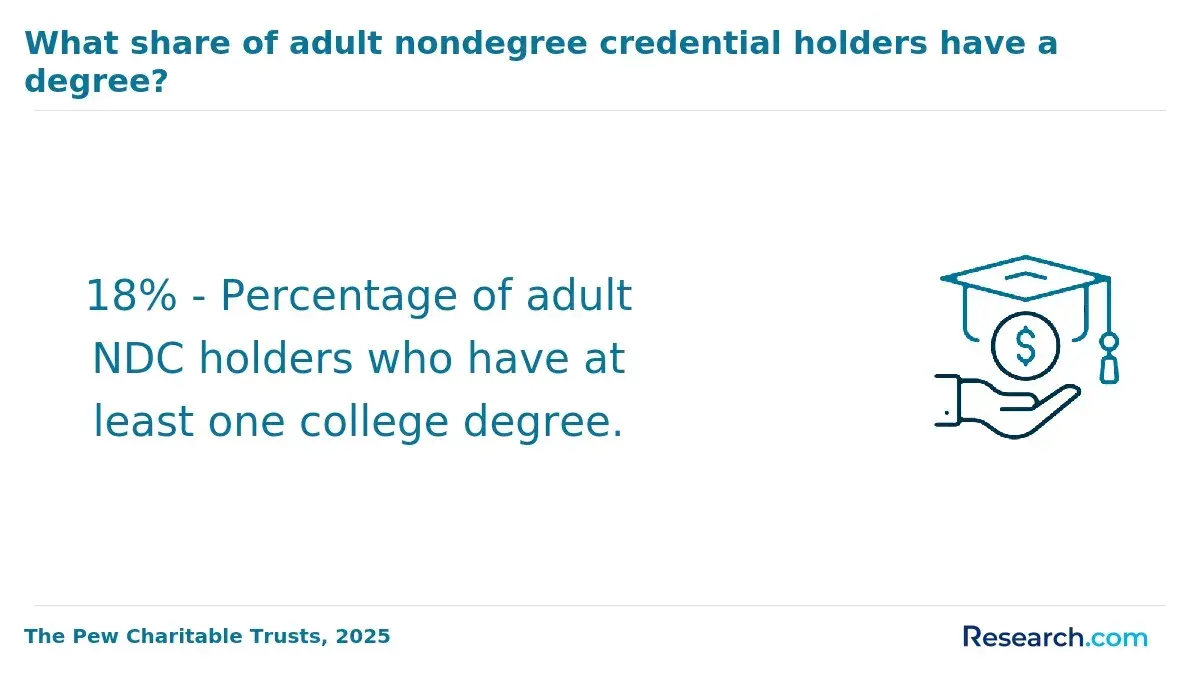
Nearly 40% of master's students in applied psychology programs now engage in remote learning, often transferring prior credits to accelerate their studies. For students pursuing an online applied psychology master's degree, meeting residency requirements remains a crucial step to ensure eligibility for licensure. Key factors to consider in this process include:
- Residency Mandates: Licensing boards often require a set number of in-person supervised training hours to confirm clinical competence, as online coursework alone cannot fully substitute practical experience.
- Program Adaptations: Many online applied psychology programs address these mandates through intensive residencies, hybrid formats, or approved in-state clinical placement sites that blend virtual study with essential hands-on work.
- Licensing Board Review: During licensure application, boards scrutinize residency hours and clinical training documentation to ensure compliance with state-specific regulations, influencing credit transfer acceptance.
- Regulatory Updates: Some states have eased in-person requirements recently, influenced by adjustments during the COVID-19 pandemic, allowing for greater flexibility in fulfilling residency obligations.
How does interstate licensure portability work for online applied psychology graduates?
Many online applied psychology master's degree students plan to study in one state but practice in another, making licensure portability a critical consideration. Nearly 35% of psychologists relocate across state lines during their careers, emphasizing the need to understand how licensure works across jurisdictions.
- Licensure Portability Defined: Licensure portability allows licensed professionals to practice in multiple states without repeating the entire licensure process. This means qualifications earned in one state may be recognized by others under specific conditions, easing career mobility.
- Interstate Compacts: The Psychology Interjurisdictional Compact (PSYPACT) enables licensed psychologists in participating states to offer telepsychology and temporary in-person services across borders without obtaining separate licenses. Though over 20 states participate, adoption varies, so verifying your state's membership is essential.
- Endorsement and Reciprocity: Certain states accept licensure from others through endorsement or reciprocity policies if educational backgrounds, supervised hours, and exams meet their criteria. Because these policies differ widely, checking each state board's specific requirements is vital, especially for online graduates.
- Challenges for Online Graduates: Licensing boards may scrutinize online degrees based on accreditation, practicum experiences, and curriculum alignment with state standards. Graduates might face additional supervised hour requirements or credential evaluations, which can delay licensure.
- Actionable Steps: Prospective students should research state licensing board policies early, confirm program accreditation by recognized bodies, and ensure practicum placements comply with the state's criteria to maximize licensure portability.
What are the common reasons online applied psychology graduates are denied licensure?
Prospective students considering an online applied psychology master's degree should carefully evaluate factors that may impact their state board licensure application. Common reasons for denial of licensure in applied psychology programs often relate to issues faced disproportionately by graduates of distance learning programs. Awareness of these challenges helps applicants prepare and avoid rejection during the licensure process.
- Program Accreditation Deficiencies: Licensure boards frequently require degrees from programs accredited by recognized agencies. Many state board licensure application rejection factors for online applied psychology graduates stem from completing programs that lack the necessary accreditation, raising concerns about educational quality and professional readiness.
- Insufficient Documentation of Supervised Hours: Completing practicum or clinical hours under supervision is mandatory for licensure. Online students may struggle to complete these hours in approved settings or provide adequate proof. This gap can lead boards to question the authenticity and sufficiency of their practical experience.
- Misalignment With Coursework Requirements: Many state boards specify essential coursework, such as ethics, assessment methods, and intervention strategies. Online programs not aligning curricula with these licensing prerequisites can leave graduates unqualified despite holding a degree, resulting in rejected applications.
- Background Check Issues: All licensure candidates must pass criminal background checks. Omissions, discrepancies, or late disclosures can cause denials, affecting online students along with traditional program graduates.
- Appeal and Corrective Measures: Graduates facing licensure denial often have the option to appeal, submit additional documentation, or complete required coursework and supervised hours retroactively. Proactively investigating program accreditation and coursework alignment before enrollment can help avoid such hurdles.
For anyone planning to pursue an online applied psychology degree, thoroughly verifying program credentials is critical. Given the complexity of state laws and requirements, it is wise to consult resources like the bachelor of psychology online guides, which emphasize accredited, licensure-aligned education. This ensures the degree supports not only academic goals but also professional licensure, reducing the risk of application rejection due to common issues affecting online graduates.
What technology and simulation requirements must online applied psychology programs meet to support licensure-track students?
For prospective online applied psychology master's degree students planning to pursue licensure, understanding the technology platforms and simulation tools for licensure-track applied psychology students is critical. These technological resources enable essential skill development while meeting accreditation and licensure standards. With recent projections estimating median annual earnings around $80,000 for master's degree holders in applied psychology roles, investing in a technology-compliant program is financially prudent.
- Technology Platforms: Accredited online programs use secure learning management systems that facilitate interactive coursework and video conferencing for live supervisor interactions. Platforms such as Zoom, Blackboard, or Moodle support both synchronous and asynchronous learning while ensuring confidentiality required in clinical training.
- Simulation Labs: Virtual labs simulate real clinical scenarios, allowing students to practice assessments and interventions. These simulations must meet accreditation standards to ensure the practical training aligns with in-person competencies.
- Telehealth Tools: State boards increasingly require telehealth technology compliant with HIPAA for supervised remote clinical hours. Mastery of telepsychology platforms is essential given the growing emphasis on digital mental health services.
- Accreditation and Evaluation: Bodies like APA and CACREP verify online curricula include sufficient hands-on components through technology. Licensing boards review clinical hour documentation and supervisor credentials to confirm standards are met.
- Student Assessment: Prospective students should inquire about virtual practicum frequency, access to licensed supervisors via telecommunication, and technology support availability. Emerging standards and pilot programs expanding telehealth practicums may influence future technology requirements.
For those exploring related fields or interdisciplinary opportunities, consider the value of a game development online degree to complement applied psychology skillsets in digital environments.
What continuing education requirements must licensed applied psychology professionals meet after earning their license?
Continuing education (CE) is a crucial component for graduates of online applied psychology master's programs, as nearly every state mandates ongoing coursework to maintain licensure. Typically required every one to two years, these obligations help practitioners stay current with evolving standards and practices, with many states expecting between 20 and 40 hours per renewal.
- State Variability: CE requirements differ significantly by state, with some mandating specific content areas such as ethics or clinical specialties. Understanding your state's regulations early ensures the chosen courses meet local board standards.
- Online Course Acceptance: The availability of online CE has expanded opportunities for licensees, but not all states accept credits from every provider. It is essential to confirm that the CE provider is accredited or recognized by the state licensing board before enrolling.
- Role of Professional Associations: Bodies like the American Psychological Association (APA) develop CE guidelines and approve courses that satisfy multiple jurisdictions, simplifying compliance across state lines.
- Specialized and Ethics Training: Many states require a portion of CE hours to focus on ethics and targeted clinical topics. These focused credits help maintain professional competency in sensitive and evolving areas of practice.
- Early Career Planning: Graduates should strategize early by selecting accredited CE providers aligned with their specialization and jurisdictional demands, ensuring smooth license renewals and ongoing professional development.
How should prospective students evaluate whether a specific online applied psychology program will qualify them for licensure in their state?
Choosing an online applied psychology master's program requires careful evaluation to ensure it meets licensure requirements, as nearly 30% of applicants face delays due to unmet educational criteria. Prospective students should follow a systematic approach to verify program eligibility before enrolling.
- Check Accreditation: Verify that the program holds proper regional accreditation and recognition from specialized psychology accrediting agencies, since many state licensing boards require such credentials for licensure approval.
- Contact State Boards: Reach out directly to your state's psychology licensing board to get current licensure requirements and confirm the program's curriculum satisfies these standards.
- Review Curriculum: Assess whether the program's courses, supervised practicum hours, and clinical training align with your state's published licensure prerequisites, which are often detailed in official board documents.
- Confirm Practicum Arrangements: Investigate how the program facilitates onsite or approved remote practicum and internships, essential for fulfilling hands-on training mandates required for credentialing.
- Use Public Resources: Utilize state board licensure guidelines, requirement PDFs, and the program's disclosure statements to cross-check compliance and identify potential gaps ahead of enrollment.
- Consult Advisors and Professionals: Engage with program advisors and licensed psychologists who can provide firsthand insights on the program's effectiveness and licensure success within your jurisdiction.
Completing this due diligence before committing saves time and expense by preventing surprises after graduation. A thorough, jurisdiction-specific review ensures the online applied psychology degree supports your pathway to licensure and professional practice.
What Graduates Say About Qualifying for Online Applied Psychology Master's Degree Licensure
- Chloe: "Choosing an online applied psychology master's degree was a game-changer for me as I balanced work and family commitments. I carefully verified the program's accreditation and licensure eligibility, which gave me confidence that my degree would meet state requirements. Pursuing this flexible path not only accelerated my career launch but also deepened my understanding of practical psychological principles relevant for licensure."
- Sally: "What stood out about my online applied psychology master's program was the clear guidance on how to verify licensure qualifications step-by-step, which made the process less daunting. I was drawn to the program because it offered specialized coursework designed for licensure preparedness, all while allowing me to continue working full-time. Reflecting back, this program truly impacted my professional trajectory, giving me both the credentials and the confidence to advance in the mental health field."
- Nestor: "From the start, I approached my online applied psychology master's degree with a professional mindset, focusing on programs that aligned with licensure standards. Ensuring the curriculum matched licensure board criteria required thorough research, but it was essential to validate my eligibility. Completing the degree online offered me convenience without compromising rigor, ultimately positioning me well for licensure and my subsequent career growth in applied psychological practice."
Other Things You Should Know About Applied Psychology Degrees
You should ask whether the program is accredited by a recognized body and if it meets your state's specific licensing requirements. Inquire about supervised practicum or internship opportunities and their compatibility with your location. Clarify how transfer credits will affect your completion of required course content for licensure.
An accredited program meets established quality standards essential for licensure eligibility. Most state licensing boards require a degree from an accredited institution, ensuring that the curriculum covers necessary competencies. Without accreditation, your degree may not qualify you to take licensing exams or apply for certification.
In 2027, licensure eligibility for online applied psychology master's programs largely aligns with traditional programs, provided they're accredited. Accreditation ensures the program meets educational standards required for licensure, regardless of the delivery format. Differences may arise in state-specific credit requirements or supervised practice hours.
References
- Applied Psychology https://www.nottingham.edu.my/pgstudy/course/research/applied-psychology-mphil-phd
- Online Psychology Grad School Q&A | All Psychology Schools https://www.allpsychologyschools.com/psychology-grad-school-admissions/online-programs/
- Licensure Portability 101 https://plus.aamft.org/licensure-portability-101/
- Guide To Getting An Online Master's In Psychology https://www.psychology.org/online-degrees/masters/
- Master of Science in Clinical Counseling Psychology https://www.brenau.edu/programs/ms-clinical-counseling-psychology/
- Counseling Licensure https://onlinecounselingprograms.com/become-a-counselor/counseling-licensure/
- Portability 2021 https://www.amhca.org/advocacy/portability/portability2021
- State Psychology Licensure Requirements: What to Know https://www.bestpsychologydegrees.com/state-licensing-requirements-for-psychologists/
- Continuing Education for Psychologists | North Carolina Psychological Association | NC https://www.ncpsychology.org/continuing-education-requirement
- What can you do with an online master's in clinical psychology? | edX https://www.edx.org/resources/what-can-you-do-with-a-masters-in-clinical-psychology