2027 State-Approved Online Nurse Midwifery Degree Master's Programs

Co-Founder and Chief Data Scientist
Many working nurses face challenges when seeking advanced education that fits their demanding schedules and meets state licensure standards. This difficulty often limits career progression in specialized fields like nurse midwifery. Nationwide, employment for nurse midwives is projected to grow 26% from 2021 to 2031, reflecting increasing demand for qualified practitioners. State-approved online nurse midwifery degree master's programs offer flexible pathways that align with regulatory requirements, enabling nurses to advance without relocating or pausing their careers. This article explores accredited online programs, emphasizing state approval and career support to help readers make informed education choices.
Key Benefits of State-Approved Online Nurse Midwifery Degree Master's Programs
- State-approved online nurse midwifery master's programs ensure recognized quality and adherence to rigorous state regulatory standards, enhancing educational credibility.
- Completion of state-approved programs improves eligibility for professional licensure and meets essential criteria for career advancement in healthcare.
- Employers and industry organizations prioritize graduates from state-approved programs, boosting job prospects and professional reputation within midwifery fields.
What Does "State-Approved" Mean for an Online Nurse Midwifery Master's Degree Program?
State approval for a nurse midwifery master's degree program means the program has been formally reviewed by a state education agency or regulatory body to ensure it meets the academic and professional standards required for graduate nurse midwifery education within that state. This process assesses the institution's curriculum, faculty qualifications, clinical training, and resources to confirm the program delivers a quality education aligned with state healthcare regulations. About 90% of states require such approval to ensure programs operate legally and prepare graduates appropriately for professional practice. For online students, understanding state authorization requirements for online nurse midwifery master's programs is especially important since state rules can vary widely depending on where the program or student is located.
The role of state approval extends beyond initial evaluation, encompassing ongoing oversight to maintain program compliance with evolving state regulations. This approval provides assurance that the program adheres to standards designed to protect both students and patients through rigorous education and resources. While state approval is distinct from national accreditation, it complements it by focusing on eligibility and recognition within the state's healthcare system. Prospective students should choose programs that maintain state approval to position themselves well for career advancement. Those interested in related healthcare fields may also explore online pharmd programs that meet similar regulatory and educational quality measures.
How Can I Check If an Online Nurse Midwifery Master's Program Is State-Approved?
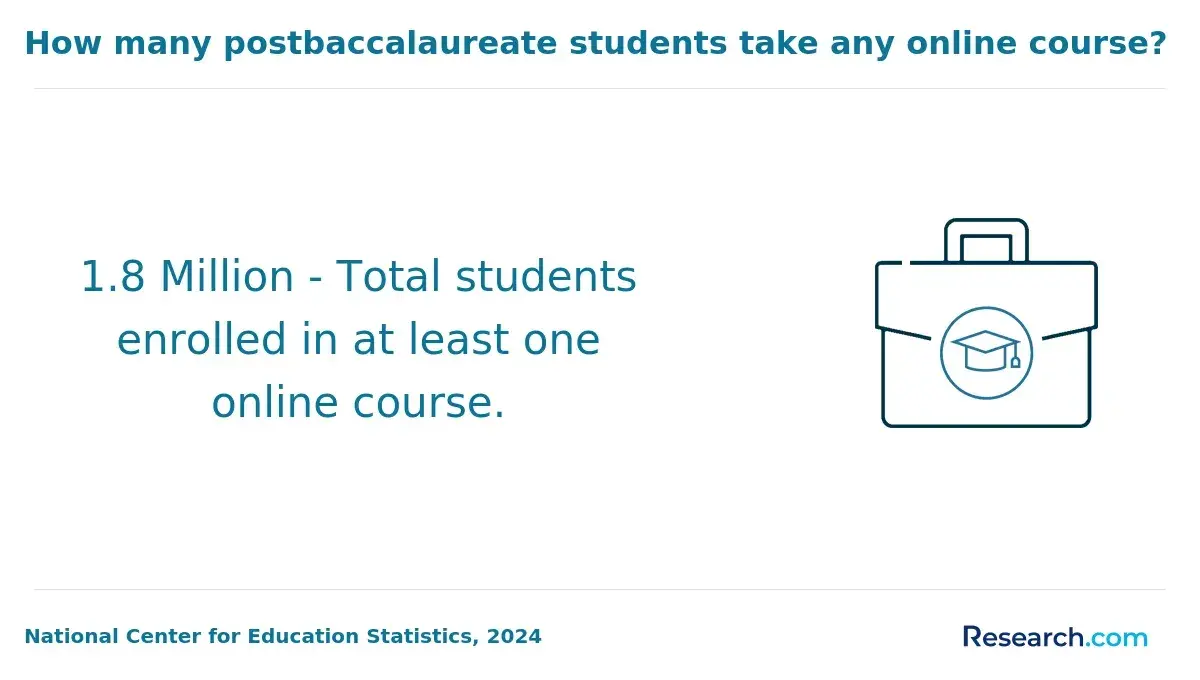
Verifying state approval for an online nurse midwifery master's program is essential to ensure your education meets regulatory standards and qualifies you for licensure. With over 6 million students enrolled in at least one online course nationwide, assessing program legitimacy has become increasingly important. Below are reliable ways to confirm a program's state approval status.
- State Education Databases: Search your state's higher education agency or board of nursing websites. These databases typically maintain current lists of authorized and approved nursing programs specific to that state, helping you verify legitimacy quickly.
- Institutional Disclosures: Review the program's official website for institutional authorization information. Schools usually disclose the state and regional approvals they hold to operate legally, which indicates compliance with state educational requirements.
- Reciprocity Agreements: Check if your state participates in interstate compacts like the State Authorization Reciprocity Agreement (SARA). These agreements simplify approval processes for programs offered across multiple states, providing broader recognition for students.
- Approval Documentation: Request official documents such as accreditation certificates and state authorization letters from the program. Examine these carefully to confirm the program meets required legal and regulatory standards.
- Direct Institution Contact: Contact the registrar's office or administration to ask for confirmation of state approval and licensure eligibility. This direct communication can clarify state-specific requirements that affect your ability to practice after graduation.
Taking these steps ensures your chosen program complies with state regulations and supports your professional advancement. Those interested in related fields might explore options such as a bachelors in healthcare administration as another pathway within healthcare education.
Do Online Nurse Midwifery Master's Programs Meet State Licensing Board Standards?
Many health professions require completion of educational programs that comply with specific state licensing board criteria. Online nurse midwifery master's degrees are frequently structured to satisfy these regulations, allowing students to earn credentials without geographical constraints. According to the American Midwifery Certification Board, more than 90% of certified nurse midwives graduated from programs meeting state or regional accreditation standards. Several critical elements determine if an online program fulfills licensing board requirements.
- Curriculum Alignment: The coursework must address state-mandated competencies related to prenatal, labor, delivery, and postpartum care. This ensures graduates possess the knowledge needed for clinical practice and licensure exams.
- Faculty Qualifications: Teaching staff should hold relevant credentials and clinical experience in nurse midwifery, guaranteeing students receive current, evidence-based education.
- Supervised Training Components: Even when primarily online, programs must include clinical practicums or hands-on experiences under qualified supervision, a key prerequisite for licensure.
- Institutional Authorization: The offering institution must have official approval or recognition from state education authorities, confirming its legal ability to deliver the program.
- Program Review by Regulatory Bodies: External accreditations from organizations such as the Accreditation Commission for Midwifery Education (ACME) validate program quality and adherence to established standards.
When asked about his experience graduating from a state-approved online nurse midwifery master's program, one professional shared that navigating clinical placement approvals was initially stressful but ultimately rewarding. He mentioned, "Arranging supervised practicums required coordination with local healthcare providers, which took persistence, but it ensured I gained the hands-on experience essential for licensure." He appreciated that the program's accreditation eased the state board's review of his credentials, giving him confidence in meeting all licensing criteria through an online pathway.
Are There Nationally Recognized Nurse Midwifery Programs Accepted by Most States?
Graduate programs that adhere to widely recognized academic and professional standards often receive broad acceptance across many states. About 70% of graduate students engage in interstate education, underlining the importance of state-approved programs. This is especially relevant for students seeking best nurse midwifery programs with multistate approval. Several key elements contribute to a program's nationwide recognition.
- National Accreditation: Accreditation from respected organizations ensures that programs meet rigorous educational and clinical benchmarks. This recognition is essential for approval by various state licensing boards and supports the acceptance of credentials across state lines.
- Standardized Curriculum Guidelines: Following nationally endorsed curriculum frameworks guarantees consistency in training. This alignment helps graduates demonstrate competencies that are acknowledged by different state agencies.
- Interstate Authorization Agreements: Participation in compacts like the Nurse Licensure Compact fosters professional mobility, making it easier for states to recognize online nurse midwifery master's programs and expedite licensure processes.
- Professional Association Alignment: Endorsements from national bodies, such as the American College of Nurse-Midwives, reflect adherence to industry standards and best practices, enhancing program credibility across states.
- Consistent Academic Standards: Uniform admissions criteria, clinical requirements, and faculty qualifications contribute to smoother state approvals, ensuring that programs meet expectations nationwide.
Students looking for cheap nursing programs that are recognized broadly should prioritize these factors to support their career advancement and state licensure prospects.
Is Accreditation Required for State-Approved Nurse Midwifery Master's Programs?
State approval and accreditation often get mixed up, though they serve different functions in graduate education. While state approval allows a program to legally operate within a state, accreditation evaluates the quality and standards of the education provided. Currently, over 90% of U.S. higher education institutions hold accreditation from recognized agencies, highlighting its importance. Understanding the distinctions between these processes is essential when assessing nurse midwifery master's programs.
- State Authorization: This confirms that a program meets state regulatory requirements to offer education legally within that state. It primarily addresses legal and operational permissions rather than educational quality.
- Accrediting Agencies: Independent organizations recognized by the U.S. Department of Education or the Council for Higher Education Accreditation (CHEA) conduct thorough reviews of academic programs. Their evaluations focus on ensuring programs maintain rigorous academic and professional standards.
- Program Quality Assurance: Accreditation verifies factors such as curriculum design, faculty credentials, and graduate outcomes to ensure the program delivers comprehensive and credible education.
- Federal Aid Eligibility: Students enrolled in accredited programs are often eligible for federal financial assistance, making accreditation a practical consideration when financing education.
- Academic Oversight: Accrediting bodies provide continuous monitoring and recommendations for improvement, helping maintain high standards over time.
A graduate of an online nurse midwifery master's program shared that navigating the distinction between state approval and accreditation was initially confusing, especially when selecting a program. She emphasized that while state approval assured her the program was legally recognized, she looked closely for accreditation to feel confident in the education's quality and to access financial aid. The comprehensive reviews and ongoing oversight attached to accreditation reassured her throughout the process. Reflecting on her experience, she noted, "Knowing the program was accredited made a genuine difference in how seriously I viewed my education and future career."
What Courses Are Required in State-Approved Nurse Midwifery Master's Programs?
State-approved online nurse midwifery master's programs adhere to structured graduate curricula that fulfill both academic standards and state regulatory requirements. These programs generally require between 40 and 60 credit hours, aligning with the typical master's degree in the United States, which averages around 42 credits. Below are five key courses commonly included in these curricula.
- Advanced Physiology and Pathophysiology: This course covers essential bodily functions and disease mechanisms related to maternal and neonatal health, establishing a solid clinical foundation.
- Pharmacology for Nurse Midwives: Focusing on medication use during pregnancy, labor, and postpartum periods, this course emphasizes drug safety and management specific to midwifery practice.
- Research Methods and Evidence-Based Practice: Students learn to critically assess scientific studies and integrate evidence-based findings into their clinical decision-making processes.
- Clinical Practicum in Nurse Midwifery: Providing supervised hands-on experience, this practicum allows students to develop practical skills by managing patient care in real healthcare settings.
- Capstone Project or Thesis: Serving as a culmination of the program, this requirement enables students to apply their knowledge to tackle a practical issue or contribute new insights within nurse midwifery.
Beyond these core subjects, many programs offer elective options that reflect emerging trends or specialized interests, ensuring comprehensive preparation for advanced nurse midwifery roles within professional and regulatory frameworks.
How Much Does a State-Approved Online Nurse Midwifery Master's Degree Cost?
Tuition for online master's programs varies significantly based on program design, credit requirements, and institutional policies. Nationwide, online master's degrees in nursing-related fields generally cost between $15,000 and $50,000 in total tuition. State-approved online nurse midwifery master's degrees often fall within or slightly exceed this range due to their specialized coursework and clinical training components. Several key factors influence the overall cost of these programs:
- Per-Credit Tuition Rates: Many institutions charge a flat rate per credit hour, typically ranging from $400 to over $1,000. The exact rate depends on factors like the school's prestige and available resources.
- Total Credit Requirements: Online nurse midwifery master's programs usually require 40 to 60 credit hours, directly impacting the total tuition cost.
- Technology and Online Learning Fees: Additional charges may apply to support digital platforms, software licenses, and technical assistance essential for online learners.
- Residency Status: In-state and out-of-state tuition differences can affect online students, especially when the program is tied to a specific state's public institution.
- Additional Academic Expenses: Textbooks, clinical placement fees, supplies, and certification testing costs contribute to the overall financial investment required.
Careful assessment of these cost drivers enables prospective students to budget effectively for a state-approved online nurse midwifery master's degree, helping them pursue professional advancement with fewer financial surprises.
Do State-Approved Nurse Midwifery Master's Programs Require the GRE or GMAT?
Admissions requirements for state-approved online nurse midwifery master's programs vary widely, as many institutions now assess applicants using multiple criteria beyond standardized tests. Recent data show that nearly 60% of U.S. graduate programs have adopted test-optional or test-waiver policies, reflecting a growing trend toward flexibility in admissions. Below are common scenarios where GRE or GMAT scores may or may not be required.
- Test-Optional Policies: Programs with test-optional admissions allow applicants to decide whether to submit GRE or GMAT scores. Those with strong academic backgrounds or relevant experience often choose not to submit test scores, highlighting other strengths in their application.
- GPA-Based Waivers: Applicants with a sufficiently high undergraduate GPA-typically above 3.0 or 3.5-may qualify for waivers that exempt them from submitting standardized test scores, streamlining the admissions process.
- Professional Experience Considerations: Extensive healthcare or nursing background can serve as evidence of readiness. Some programs waive GRE or GMAT requirements for practicing nurses seeking nurse midwifery degrees based on their clinical and professional experience.
- Holistic Admissions Reviews: Many programs use comprehensive evaluations, including letters of recommendation, personal statements, and leadership roles, to assess candidates beyond exam performance. This approach is increasingly common in nurse midwifery master's admissions.
- Program-Specific Testing Requirements: A minority of nurse midwifery master's programs still require GRE or GMAT scores for all applicants, regardless of other qualifications. This remains important to verify during application.
For those seeking accelerated paths into nursing, exploring the shortest lpn program options can provide valuable context alongside graduate admission requirements in nurse midwifery. Understanding GRE requirements for state-approved nurse midwifery master's programs and how GMAT and graduate admission tests are viewed remains crucial for prospective students pursuing professional advancement in this specialized healthcare field.
Do Employers Require Graduates to Come from State-Approved Programs?
Employer expectations regarding candidates with a state-approved nurse midwifery master's degree differ across healthcare sectors, roles, and state regulations. A 2022 survey by the National Association of Nurse Practitioners found that about 68% of healthcare employers verify whether candidates' educational programs meet state or national accreditation standards before making hiring decisions. Employers typically assess multiple crucial factors when reviewing applicants with a nurse midwifery master's degree.
- Accreditation and Credentials: Employers often favor graduates from state-approved nurse midwifery programs to ensure compliance with licensing boards and maintain clinical standards. Recognized academic credentials signal a candidate's preparedness for professional practice.
- Program Reputation: The historical outcomes and reputation of an educational institution can influence employer preferences. Programs known for rigorous curricula and successful alumni tend to carry more weight in hiring decisions.
- Curriculum Relevance: Alignment of the program's curriculum with current clinical practices and required skills is vital. Employers look for graduates trained in evidence-based methods and up-to-date techniques to meet patient care demands effectively.
- Licensing and Regulatory Standards: State licensing boards frequently require graduation from approved programs before granting certification or prescriptive authority, which employers consider essential when hiring for positions requiring such credentials.
- Work Experience: While educational background is important, relevant practical experience often complements formal education, enhancing a candidate's attractiveness. Real-world skills can sometimes offset stricter educational requirements.
For those pursuing an advanced credential, it is helpful to consider programs that meet state-approved standards and provide comprehensive clinical preparation. Additionally, exploring related healthcare fields, such as medical billing and coding, can broaden career options within the industry.
Does a State-Approved Nurse Midwifery Master's Degree Increase Salary?
Earning a state-approved nurse midwifery master's degree can enhance earning potential, though salary outcomes vary based on factors like experience, industry, and program type. Graduates with this degree in the United States typically earn between $90,000 and $120,000 annually. Several elements influence how this advanced degree may affect income.
- Career Advancement Opportunities: A master's degree often qualifies graduates for advanced clinical and administrative roles, which generally come with higher salaries compared to entry-level positions.
- Industry Demand: The need for specialized nurse midwives is growing, especially in underserved regions, leading to better pay for those with the appropriate credentials.
- Professional Certification Eligibility: Graduating from a state-approved program allows access to certifications that can boost professional reputation and strengthen salary negotiations.
- Leadership and Management Roles: Master's degree holders frequently become eligible for supervisory positions, offering compensation advantages over purely clinical jobs.
- Recognition of State Approval: Employers value credentials from state-approved programs as indicators of quality training, which can positively impact salary discussions.
What Graduates Say About State-Approved Online Nurse Midwifery Degree Master's Programs
- Kenneth: "Choosing a state-approved online nurse midwifery master's program was a pivotal step that allowed me to balance work, family, and education seamlessly. The rigorous curriculum challenged me to grow both academically and clinically, preparing me rigorously for diverse birthing scenarios. Today, my credential opens doors nationwide, giving me confidence and credibility in a competitive healthcare field."
- Debra: "The journey through a state-approved online nurse midwifery master's degree was intense but immensely rewarding. Managing coursework amid personal commitments taught me invaluable time management and self-discipline skills. Having the approval from the state ensured my education met high standards, which greatly enhanced my professional opportunities and patient trust once I began practicing."
- Betsy: "Completing a state-approved online nurse midwifery master's program was a thoughtful decision influenced by my desire for a flexible yet reputable education path. The program's alignment with state requirements eased my licensure process, making the career transition smoother. The respect and recognition that come with a state-approved degree have been essential in advancing my career and advocating confidently for maternal health."
Other Things You Should Know About Nurse Midwifery Degrees
Yes, many state-approved online nurse midwifery master's programs allow students to complete clinical hours at approved healthcare facilities near their homes. Programs usually coordinate with local preceptors or clinical partners to ensure compliance with state regulations. This flexibility helps maintain practical experience without relocating.
Typically, these programs require two to three years of full-time study, including both coursework and clinical practice. Some schools offer part-time options that extend the duration but provide greater flexibility for working professionals. The timeline depends on program structure and individual pacing.
References
- Nurse Midwifery Advanced Certificate Program https://nursing.stonybrookmedicine.edu/midwiferyAdvanced
- We’re There in the Moments of Nursing https://www.ncsbn.org/
- Online Certified Nurse Midwifery (CNM) Programs https://nursinglicensemap.com/nursing-degrees/online-nurse-practitioner-programs/online-nurse-midwife-programs/
- Becoming a midwife https://www.nmc.org.uk/education/becoming-a-nurse-midwife-nursing-associate/becoming-a-midwife/
- What's the difference between a Certified Midwife and a Certified Nurse Midwife? - NYC Midwives https://www.nycmidwives.org/blog/Whats-the-difference-between-a-Certified-Midwife-and-a-Certified-Nurse-Midwife.html
- Certified Nurse Midwife (CNM) License Requirements by State (2026) | LicenseMap | LicenseMap https://getlicensemap.com/states/nurse-midwife
- 10 Most Affordable Online Nurse-Midwifery Certificates and Degrees - BestMedicalDegrees.com https://www.bestmedicaldegrees.com/cheapest-online-nurse-midwifery-certificates-and-degrees/
- Is a master's degree in nursing worth it? | edX https://www.edx.org/resources/is-an-msn-worth-it
- Tuition & Fees — National Midwifery Institute https://www.nationalmidwiferyinstitute.com/certificate-tuition
- State Authorization https://onlinenursingdegrees.wilkes.edu/state-authorizations