2027 Fully Online vs Hybrid Nurse Midwifery Degree Master's Programs: Which Is Better?

Co-Founder and Chief Data Scientist
Many prospective students struggle to balance family, work, and education when choosing between fully online and hybrid nurse midwifery master's programs. For example, a working nurse seeking advanced certification faces the challenge of attending in-person clinicals while managing a demanding schedule. According to a recent National Center for Education Statistics report, 35% of graduate health profession students enrolled in online courses to accommodate flexibility needs.
Deciding which format aligns better with personal obligations and learning styles is crucial. This article explores the distinct benefits and limitations of fully online versus hybrid nurse midwifery programs, helping readers select the best fit for their career development and lifestyle.
Key Things to Know About Fully Online vs Hybrid Nurse Midwifery Degree Master's Programs
- Fully online nurse midwifery programs offer maximum scheduling flexibility, enabling students to balance professional commitments without required campus visits.
- Hybrid programs require periodic in-person sessions, fostering hands-on clinical skills and direct faculty interaction essential for practical learning.
- Students with demanding jobs or remote locations often prefer online formats, while those seeking structured, experiential learning benefit more from hybrid options.
How Do Hybrid and Online Nurse Midwifery Master's Programs Differ?
Fully online and hybrid nurse midwifery master's programs primarily differ in how they structure instruction, participation, and practical learning experiences. Approximately 40% of graduate nursing programs now offer hybrid formats, reflecting a rising interest in combining online flexibility with hands-on training.
Below are key distinctions that can help prospective students understand how these formats shape curriculum and assessments in nurse midwifery master's degrees:
- Learning Format: Fully online programs deliver all coursework via digital platforms, allowing students remote access to lectures, assignments, and discussions. Hybrid programs blend online content with mandatory in-person sessions that enhance skill-building.
- Residency Expectations: Hybrid programs usually include short on-campus residencies or clinical intensives for direct faculty and peer interaction. Fully online students typically face fewer or no campus visits, emphasizing remote clinical training.
- Scheduling Flexibility: Fully online options often provide asynchronous classes, enabling students to study on their own schedules. In contrast, hybrid programs require attendance at scheduled on-campus meetings, which can require travel planning.
- Participation Methods: Online students engage mainly through virtual discussions, video conferencing, and digital collaboration tools. Hybrid learners participate both virtually and face-to-face, offering a broader range of interaction styles.
- Campus Engagement: Hybrid programs foster stronger on-campus community building and networking opportunities. Fully online students depend more on virtual support networks and remote mentoring, which can affect their social learning experience.
For students seeking alternatives that minimize clinical requirements, exploring RN to BSN programs with no clinicals may offer additional pathways complementary to nurse midwifery studies.
Which Nurse Midwifery Master's Program Format Is More Flexible?
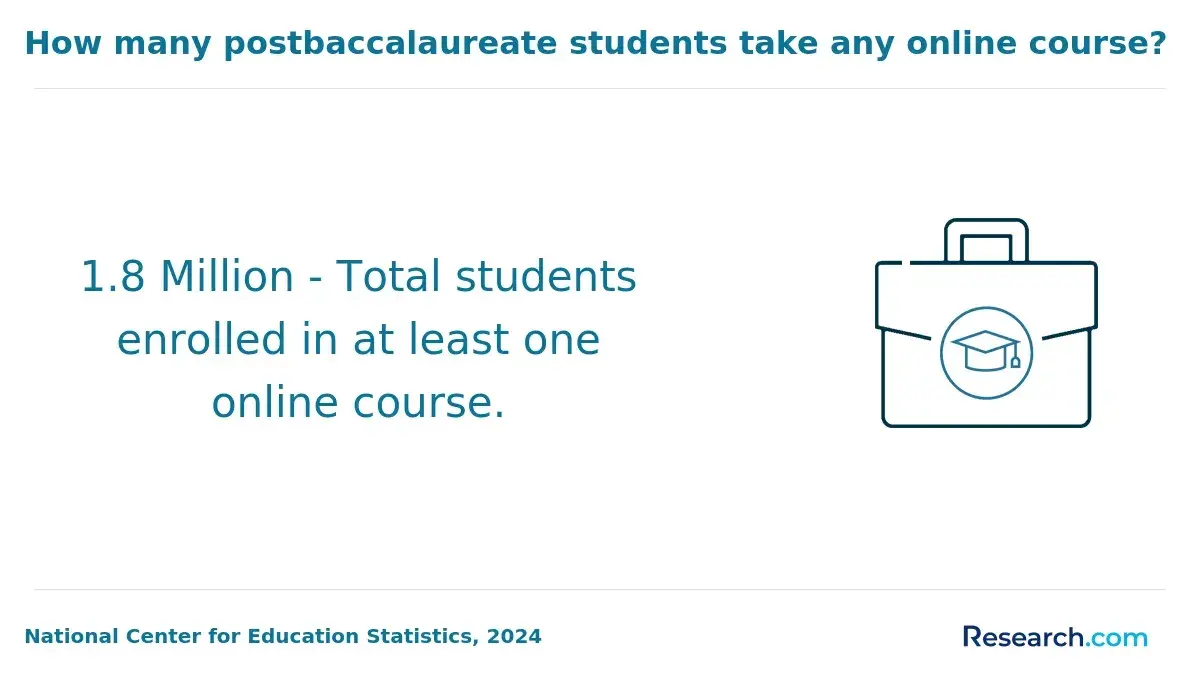
Flexibility is a key factor for students choosing between fully online nurse midwifery master's programs and hybrid options. Research shows that over 40% of graduate students take at least one online course, reflecting the increasing preference for remote learning solutions.
Below are five crucial factors that influence the flexibility offered by these two program formats:
- Class Schedule: Fully online nurse midwifery master's programs often provide asynchronous classes, allowing students to study at any time, which benefits those balancing work and family. Hybrid programs generally include synchronous sessions that require attendance at set times, offering less schedule freedom.
- Location Requirements: Fully online formats remove geographic limitations, enabling students to study from anywhere. In contrast, hybrid programs typically require on-campus attendance for some classes or clinical experiences, which can complicate logistics for students.
- Course Pacing: Online programs may allow self-paced study, giving students control over their progress. Hybrid degree program scheduling benefits from structured timelines but can be less adaptable due to in-person obligations.
- Attendance Expectations: Hybrid students must attend both classes and clinicals in person, reducing flexibility compared to fully online students who avoid physical presence requirements.
- Travel Commitments: Fully online learners eliminate commuting and travel time, a significant advantage for those with busy personal lives. Hybrid students must manage travel for face-to-face components, which demands careful time management.
These factors impact how students manage their work, family, and study commitments. Those seeking greater schedule freedom and minimal relocation often find a fully online nursing midwifery master's program flexibility preferable.
Meanwhile, hybrid formats combine remote learning with hands-on experience, suiting students who value direct interaction but can accommodate travel and fixed schedules. For more information, students might explore online DNP programs as part of their research.
Which Nurse Midwifery Master's Program Format Is Cheaper?
Cost plays a major role for students weighing fully online versus hybrid nurse midwifery master's programs. Typically, online options are more budget-friendly, with graduate tuition often falling between $15,000 and $30,000, generally less expensive than hybrid formats.
Several specific cost factors contribute to this difference:
- Tuition Structure: Fully online programs may offer a flat tuition rate covering all courses, whereas hybrid programs can add extra charges for in-person class components.
- Campus-Related Fees: Hybrid students commonly pay additional fees for facilities, technology, and student activities that aren't usually required in online formats.
- Commuting Expenses: Traveling to campus for hybrid courses incurs transport costs that online students avoid.
- Housing Costs: Attending on-site classes sometimes means relocating or securing temporary housing, adding to the overall financial burden.
- Technology Requirements: While online learners need reliable internet and software access-which may involve some cost-they often save on other campus-related expenditures.
As a graduate student who chose an online nurse midwifery program described it, "One challenge was ensuring my home setup was sufficient for attending virtual clinical simulations and lectures." They recalled spending extra time researching reliable internet providers and upgrading their computer, but appreciated the flexibility to study without daily commutes or relocating.
"Financially, it was easier to manage because I could stay where I was and didn't have the unpredictable costs of travel or housing near campus." This perspective highlights how personal circumstances shape the affordability of program formats and why many find online options more cost-effective overall.
Does Financial Aid Differ for Online vs Hybrid Nurse Midwifery Master's Degrees?
Financial aid availability plays a significant role for students weighing fully online versus hybrid nurse midwifery master's programs. Nearly 88% of graduate students in health-related fields utilized federal financial aid in recent years, regardless of their program format.
Below are five important factors to understand about financial aid options for hybrid nurse midwifery master's programs and fully online ones:
- Eligibility Criteria: Both online and hybrid students generally meet identical federal aid requirements such as enrollment status and academic progress, making access to aid largely comparable between formats.
- Types of Aid: Federal loans, Pell Grants, and work-study are typically accessible in either format. However, some state-funded grants may favor students enrolled in hybrid or in-person programs.
- Institutional Scholarships: Certain schools restrict scholarships to hybrid or campus-based nurse midwifery students, which may limit aid opportunities available to fully online learners.
- Federal and State Funding: Some states offer extra tuition assistance or waivers aimed at residents attending hybrid programs, which can give an advantage to those choosing hybrid delivery.
- Employer Tuition Assistance: Employer-sponsored aid often treats online and hybrid formats similarly, though confirmation of participation in clinical or hybrid components might be required for approval.
For students researching program prerequisites and planning financial support, resources like the best online nursing prerequisites can provide helpful guidance when choosing between online and hybrid nurse midwifery degrees.
Are Admission Requirements Different for Hybrid vs Online Nurse Midwifery Master's Programs?
Admission standards play a vital role when choosing between hybrid and fully online nurse midwifery master's programs. Although many criteria overlap, certain differences may affect which format best suits an applicant's background and preferences.
Below are five key admission aspects to consider for each program type:
- Academic Prerequisites: Both formats typically require a bachelor's degree in nursing and a current RN license. Hybrid programs may emphasize prior clinical coursework more due to hands-on, in-person labs, while online programs often accept documented equivalent experience instead.
- Professional Experience: Relevant nursing experience is essential across both. Hybrid tracks usually demand a minimum number of clinical hours as part of their on-site requirements, whereas online options tend to offer more scheduling flexibility but still expect significant practical exposure.
- Letters of Recommendation: Strong references remain important in both formats, generally from academic or clinical supervisors. Hybrid programs might prefer recommendations highlighting interpersonal skills suited for face-to-face learning environments.
- Standardized Tests: Some hybrid programs require GRE scores, reflecting traditional graduate admissions practices. Online programs often waive this or have more flexible, test-optional policies to attract a wider range of candidates.
- Application Deadlines: Hybrid programs usually enforce fixed deadlines aligned with cohort-based schedules, while online programs frequently offer rolling admissions to accommodate diverse applicant timelines.
When I spoke with a professional preparing to apply for a hybrid nurse-midwifery master's program, she shared that gathering clinical verification was "more demanding than expected" since the program required detailed documentation of past patient care hours. She appreciated the clarity of fixed deadlines but found balancing application requirements with her work schedule challenging.
She noted, "The process felt rigorous but confirmed the program's hands-on focus, which I wanted." Her experience highlighted how hybrid admissions can demand more precise clinical preparation, ultimately helping applicants assess their readiness for intensive, in-person training.

Is the Curriculum the Same in Online and Hybrid Nurse Midwifery Master's Programs?
Recognizing the curriculum similarities and differences helps students decide between fully online and hybrid nurse midwifery master's programs. Data from the American Association of Nurse Practitioners reveals that about 85% of these programs share a consistent core curriculum, regardless of delivery method.
Below are five key areas that illustrate how the two formats align and diverge:
- Core Course Content: Both online and hybrid programs typically include fundamental subjects like advanced physiology, pharmacology, and prenatal care to satisfy accreditation criteria.
- Elective Offerings: Fully online programs often provide a wider variety of electives, leveraging digital platforms, while hybrid programs may restrict electives to those manageable in face-to-face settings.
- Project-Based Learning: Hybrid formats frequently emphasize hands-on projects during in-person sessions, whereas online courses tend to use virtual simulations and case discussions for practical application.
- Capstone or Thesis Requirements: These components remain largely uniform, designed to assess student mastery through comprehensive research or clinical practice projects across both formats.
- Experiential Components: Hybrid programs usually mandate in-person clinical practicum hours, while fully online students complete clinical experiences locally with coordination facilitated remotely.
How Are Exams Conducted in Fully Online vs Hybrid Nurse Midwifery Master's Programs?
For prospective students exploring fully online nurse midwifery master's programs, exam formats play a significant role in choosing the right program. Research shows that about 68% of students in online graduate health fields consider exam security measures as a crucial factor.
Below are five important aspects that distinguish how exams are conducted in fully online versus hybrid nurse-midwifery programs:
- Online Proctoring: Fully online programs typically employ remote proctoring tools that use webcams and screen monitoring software. This approach ensures exam integrity remotely without requiring students to visit campus facilities.
- In-Person Exams: Hybrid nurse midwifery programs often mandate some exams to be taken on campus or designated testing centers, offering direct supervision to maintain a controlled testing environment.
- Timed Assessments: Both formats use timed exams; however, fully online courses usually enforce strict time limits automatically via software, while hybrid programs may allow more flexibility due to the in-person setting.
- Open-Book vs Closed-Book: Remote fully online exams sometimes adopt open-book policies to accommodate the challenges of remote testing, whereas hybrid programs most often require closed-book exams during in-person sessions.
- Integrity Measures: Hybrid formats rely on physical supervision to deter academic dishonesty, while fully online programs depend heavily on technology such as lockdown browsers and AI monitoring to uphold integrity.
The student experience differs accordingly; fully online learners navigate technology and self-discipline independently in isolated environments, while hybrid students balance remote learning with on-site exam obligations.
Which Nurse Midwifery Master's Program Format Offers Better Networking Opportunities?
Networking opportunities play a significant role for students deciding between fully online nurse midwifery master's programs and hybrid formats. A recent survey found that 68% of graduate students believe in-person interactions are essential for meaningful professional connections.
Below are five key aspects that influence the quality of networking in these different program formats:
- Peer Interaction: Hybrid programs encourage spontaneous, frequent face-to-face conversations, fostering informal connections that often last beyond the program. Fully online formats depend on scheduled virtual meetings and forums, which can feel less dynamic and limit the depth of peer relationships.
- Faculty Engagement: In hybrid settings, students benefit from in-person mentoring and more organic faculty interactions outside formal sessions. Online students typically communicate via video calls or email, which may restrict the personal connection critical for networking.
- Alumni Access: Both program types use online platforms for alumni engagement, but hybrid students often gain additional value from local alumni meetups, enhancing networking through face-to-face contact.
- Industry Events: Hybrid students usually have easier access to on-campus fairs and workshops, allowing them to participate in informal networking moments that virtual events often miss. Online students must rely on timed virtual events, which can feel more transactional.
- Collaborative Projects: Group work in hybrid programs often occurs in person, promoting stronger bonds and better teamwork experience. Fully online nurse midwifery master's programs networking advantages mainly come from virtual collaboration, which may be less effective in building connections.
For students weighing options, these networking factors deserve careful consideration alongside program curriculum and flexibility. Those seeking more direct professional connections might lean toward hybrid nurse midwifery master's degree networking opportunities.
Students prioritizing schedule flexibility and seeking an affordable online master's in healthcare administration or similar programs may still find fully online options valuable for their goals.
Are Job Placement Rates Different for Hybrid vs Online Nurse Midwifery Programs?
Employment outcomes are a key factor for prospective students comparing hybrid and fully online nurse midwifery master's programs. One study showed that roughly 85% of hybrid program graduates found employment within six months, while about 78% of fully online graduates did.
Several elements can influence these job placement rates and are worth considering. Key factors affecting employment outcomes include:
- Industry Connections: Hybrid programs typically build stronger relationships with local healthcare providers, offering students direct pathways to employment through established partnerships.
- Internship or Practicum Access: Onsite practicums in hybrid formats provide hands-on experience in real clinical settings, which employers highly value when hiring new graduates.
- Alumni Networks: Hybrid cohorts often form robust in-person networks that support job referrals and professional guidance, enhancing career opportunities.
- Career Services Support: Students in hybrid programs frequently benefit from on-campus career counseling, job fairs, and other tailored services that facilitate job placement.
- Regional Employment Opportunities: Hybrid programs tend to align with specific geographic healthcare markets, giving graduates a competitive edge within local nursing communities.
These aspects contribute to differences in job placement rates for hybrid nurse midwifery programs versus those fully online. While online programs offer greater flexibility, students may need to be more proactive in building connections and gaining clinical experience independently. For students seeking accelerated educational paths, exploring a fast-track bachelor degree can also complement career progression alongside graduate studies.
Does Program Format Affect Salary After Earning a Nurse Midwifery Master's?
Salary potential plays a significant role for students deciding between fully online and hybrid nurse midwifery master's programs. Graduates from both paths generally see starting salaries between $90,000 and $110,000 annually, though specific outcomes can vary.
Several factors linked to program format influence these salary differences, including:
- Networking Opportunities: Hybrid programs typically offer more face-to-face interaction, helping students build stronger professional networks that can lead to higher-paying roles.
- Industry Connections: The on-site elements in hybrid programs often provide better access to clinical sites and employers, which can improve job prospects and salary negotiations.
- Program Prestige: Well-established hybrid programs may carry reputational advantages that enhance graduates' earning potential compared to newer or fully online programs with less recognition.
- Experiential Learning: Hands-on training usually available in hybrid formats is highly valued by employers and can translate to improved compensation.
- Geographic Flexibility: Fully online programs allow graduates the freedom to work in various locations, which may affect income depending on regional salary differences.
While the format alone does not determine salary, the associated benefits and limitations of each approach contribute meaningfully to post-graduation earnings for nurse midwifery master's graduates.
What Graduates Say About Fully Online vs Hybrid Nurse Midwifery Degree Master's Programs
- Louise: "Choosing a fully online nurse-midwifery master's program was essential for me because I needed the flexibility to balance work and family. The cost savings compared to traditional on-campus programs allowed me to invest more in clinical experiences. Since graduating, I've noticed a significant boost in my confidence and ability to handle complex cases in my practice."
- Mikayla: "Pursuing a hybrid nurse midwifery degree offered the perfect blend of in-person support and online convenience. While the tuition was slightly higher than a fully online option, the hands-on sessions were invaluable for my professional growth. This program has definitely expanded my career opportunities and helped me build a strong network within the midwifery community."
- Kara: "As a working professional, the cost-effectiveness of a fully online nurse midwifery master's program was the main factor in my decision. The comprehensive curriculum and ability to study at my own pace made the experience rewarding without sacrificing my job. Now, I feel equipped with the skills and credentials to advance my career with confidence."
Other Things You Should Know About Nurse Midwifery Degrees
Yes, fully online nurse midwifery master's programs accredited by recognized bodies meet the educational requirements for certification by the American Midwifery Certification Board (AMCB). The key is ensuring the program follows accreditation standards and includes required clinical practice components, which are typically arranged locally, even in online programs.
Both fully online and hybrid nurse midwifery programs often provide similar clinical training requirements to ensure students meet licensure criteria. The key difference is the mode of instruction for non-clinical coursework, with online programs utilizing digital platforms and hybrid programs combining online and in-person learning.
Many fully online nurse midwifery programs provide comprehensive academic support services, including virtual tutoring, mentoring, and advising, comparable to those in hybrid programs. However, some face-to-face networking and lab-based support available in hybrid programs may be less accessible to fully online students.
References
- Best Nurse Midwifery Programs, Online Degrees Included https://www.nursemidwifery.org/
- Education You Need to Become a Nurse Midwife https://www.allnursingschools.com/nurse-midwife/degrees/
- Master's in Nurse Midwifery Programs: CNM Degree Guide 2025 https://www.midwifeschooling.com/masters-in-nurse-midwifery/
- MSN vs MPH: Which One is Right for You? https://www.edumed.org/articles/how-to-choose-between-an-msn-and-mph-degree/
- The midwife schooling process (Comprehensive guide) | Natural Healers https://www.naturalhealers.com/midwifery/schools/
- 20 Best Value Online Nurse Midwifery Programs - BestMedicalDegrees.com https://www.bestmedicaldegrees.com/best-value-online-nurse-midwifery-programs/
- The Complete Guide to MSN Programs: Online, Campus, and Hybrid https://www.onlinefnpprograms.com/guides/guide-to-msn-programs/
- Lead the Change in Healthcare: Why an MSN Degree Matters Now https://blog.cuw.edu/online-msn-degree/
- Hybrid Direct-Entry Midwifery Program - School of Midwifery https://commonsensemidwifery.org/hybrid-direct-entry-midwifery-program/
- Verifying that you are not a robot... https://www.mastersinnursing.com/the-hybrid-model-for-advanced-nursing-education/