
2027 Can You Complete an Online Nurse Midwifery Degree Program While Working Full-Time?

Co-Founder and Chief Data Scientist
Managing the demands of a full-time job, family responsibilities, and the rigorous coursework of an online nurse midwifery degree program can seem overwhelming. Nearly 70% of online learners in the U.S. juggle professional and educational commitments, making time management essential for success. Nurse midwifery programs, which require clinical practice alongside theory, add an extra layer of complexity to this balancing act.
This article offers practical insights to help full-time professionals assess whether pursuing an online nurse midwifery degree is a feasible and sustainable goal. By understanding course requirements and effective study strategies, students can make informed decisions suited to their unique circumstances.
Key Benefits of Completing an Online Nurse Midwifery Degree Program While Working Full-Time
- Flexible scheduling allows working nurses to balance shifts with coursework, making it easier to meet clinical hour requirements around their job.
- Online programs reduce commuting time, which benefits full-time workers by freeing hours for study or rest, crucial for demanding nurse midwifery roles.
- Access to digital resources and virtual simulations enhances learning without disrupting work, helping nurses gain skills needed for midwifery practice efficiently.
How Long Does It Take to Complete an Online Nurse Midwifery Degree While Working Full-Time?
The time it takes to complete an online nurse midwifery degree varies widely depending on several key factors, especially for working professionals. While most students finish between 2 to 3 years, the exact duration depends on enrollment status, program format, and work-life balance considerations.
Here are the main factors influencing the online nurse midwifery program length for working professionals:
- Enrollment Status: Part-time enrollment is common for those working full-time and usually extends the program to about three years, whereas full-time or accelerated pacing can reduce completion time to around two years.
- Course Format: Programs may offer asynchronous courses allowing flexible timing or cohort-based deadlines. Accelerated tracks exist but can be challenging to manage alongside a full-time job due to heavier weekly workloads.
- Prior Academic Credits: Transfer credits or previous nursing coursework may shorten the time required, although most nurse midwifery MSN programs have set core courses and clinical hours that all students must complete.
- Work Schedule and Study Hours: Clinical practicums requiring 600-800 total hours, sometimes involving intensive 40-hour clinical weeks, demand significant time management and can extend the program length if students reduce their course load.
- Program-Specific Requirements: Capstone projects, on-campus intensives, or additional clinical hours can add months to completion, especially if breaks or lighter course loads are needed due to work commitments.
Many who wonder how many years to finish nurse midwife degree online while employed full-time find that programs are designed with about three years for full-time study or the equivalent part-time pacing. Flexible program options, including the ability to complete clinical hours locally, can help balance study and employment. For professionals interested in accelerated options, exploring an accelerated online bachelor's degree for working adults may provide insight into time-saving educational strategies applicable to nurse midwifery pathways.
Is an Asynchronous or Synchronous Online Nurse Midwifery Program Easier for Students Working Full-Time?
Asynchronous nurse midwifery programs for working professionals are generally easier to manage for students with full-time jobs because they offer the flexibility to complete coursework anytime. This format allows nurses to fit studies around unpredictable work shifts and personal commitments, reducing stress and scheduling conflicts. Course delivery that does not require real-time attendance enables working professionals to study effectively without sacrificing job responsibilities.
In contrast, synchronous online nurse midwifery classes and full-time jobs can be challenging due to fixed live session times that require attendance. Synchronous programs promote better real-time interaction and immediate feedback, which can benefit complex clinical topics, but may limit flexibility. For example, a labor and delivery nurse might struggle to attend scheduled sessions after a night shift. Asynchronous formats let students review lectures or submit assignments at convenient times, such as weekends, improving time management. Hybrid programs sometimes record live classes to balance engagement and flexibility. Those considering which bachelor degree is the easiest to balance with full-time work may find asynchronous options better suited to their schedules.
What Time Management Strategies Help Online Nurse Midwifery Students Working Full-Time?
Managing time effectively is crucial for online nurse midwifery students juggling full-time work, as they must balance demanding academic, professional, and personal priorities. Below are five practical strategies, grounded in research, to help manage this complex workload efficiently.
- Track Your Time: Keeping a detailed record of daily activities reveals free time and uncovers patterns, allowing students to realistically allocate hours for study without overcommitment.
- Set Clear Goals and Prioritize: Defining specific academic targets and breaking them into smaller tasks helps focus on urgent assignments, minimizing overwhelm and maintaining steady progress.
- Leverage Productivity Tools: Utilizing digital planners and apps like Trello improves organization by coordinating coursework, clinical requirements, and work schedules in one place.
- Practice the Pomodoro Technique: Studying in focused intervals of 25 minutes with breaks enhances concentration while preventing burnout, making intense material more manageable.
- Minimize Distractions: Establishing a quiet study space, using internet blockers, and communicating boundaries reduce interruptions, protecting precious study time.
A student who balanced full-time work with an online nurse midwifery program shared that early on, she struggled with fatigue and missed deadlines. She gradually refined her routine by meticulously scheduling every hour and communicating clearly with family about her study commitments. "It wasn't easy," she reflected, "but setting strict boundaries and using timers helped me stay on track without feeling overwhelmed." Her experience underscores how disciplined planning and self-awareness can transform challenges into manageable steps, leading to successful program completion.
Breakdown of All 4-Year Online Title IV Institutions

What Are the Biggest Challenges Full-Time Workers Face in Online Nurse Midwifery Programs?
Full-time professionals often find it challenging to juggle the demands of their jobs alongside the rigorous academic and clinical workload of an online nurse midwifery program. The practical requirements, particularly hands-on clinical experiences, add layers of complexity beyond standard coursework. Below are the primary obstacles these students face while managing both commitments:
- Clinical Scheduling Conflicts: Nurse midwifery clinical rotations require between 675 and over 1,000 hours, often during unpredictable times such as labor and delivery. These hours may include day shifts, overnight coverage, and on-call duties, making it difficult to maintain a full-time job schedule during these intensive periods.
- Time Management and Burnout: Balancing coursework, clinical hours, and employment demands strong organizational skills and personal discipline. Many students experience elevated stress and fatigue, which can negatively affect performance and increase the risk of dropping out or needing to cut back on work hours.
- Limited Support and Resources: Working students may have restricted access to peer interactions and faculty guidance due to conflicting schedules. Insufficient institutional accommodations, like flexible clinical placements or support programs, can heighten feelings of isolation and complicate the navigation of program requirements.
How Do Online Nurse Midwifery Programs Handle Internships for Full-Time Workers?
Balancing the demanding clinical internship hours with a full-time job is one of the biggest challenges for students enrolled in online nurse midwifery programs. Despite this, completing substantial hands-on clinical hours-often ranging from 900 to over 1,000-is essential to ensure competence for certification and professional practice. To address these challenges, many programs offer tailored support and flexibility, including:
- Flexible Clinical Scheduling: Programs frequently enable students to complete clinical hours during evenings, weekends, or in large blocks, allowing alignment with variable work shifts and easing the strain of managing both roles.
- Local Placement Options: Many online degrees encourage or assist students in finding clinical sites near their residence, which cuts down on travel time and helps integrate clinical hours more smoothly into daily life.
- Part-Time Program Tracks: Offering extended timelines or part-time options lets students spread coursework and clinical requirements over a longer period, making workload management more feasible while maintaining employment.
- Dedicated Placement Support: Academic advisors or placement coordinators actively support students in securing appropriate clinical sites and preceptors, simplifying what can otherwise be a complex logistical process.
- Hybrid Learning Components: Some programs supplement online classes with scheduled in-person labs or simulation sessions, helping students gain hands-on experience without compromising their work schedules.
One student studying an online nurse midwifery program while working full-time shared how the experience was demanding yet manageable. He described initially feeling overwhelmed juggling night shifts and clinical requirements but found that having a placement coordinator made a major difference, especially in finding flexible clinical hours nearby. "Knowing I could complete most hours on weekends or in blocks took a huge weight off my shoulders," he said. He also valued the simulation labs, noting they boosted his confidence before heading into real-world clinical settings. Reflecting on the journey, he remarked, "It's tough, but the program's structure and support made it possible to advance my career without quitting my job."
What Technology Do You Need for an Online Nurse Midwifery Degree While Working Full-Time?
Balancing full-time work with online coursework demands reliable and efficient technology, making it vital for students enrolled in nurse midwifery programs. The right tools enable seamless access to virtual classes, clinical simulations, and communication platforms needed for success. To navigate these challenges, consider the following essential technology for online nurse midwifery programs:
- Reliable Computer: A modern laptop or desktop with sufficient processing power and memory is fundamental. Nurse midwifery programs require running video conferencing software, electronic health record (EHR) training modules, and simulation tools for clinical scenarios, supporting interactive case studies and thorough clinical documentation.
- High-Speed Internet Connection: Consistent, fast internet access is crucial for attending live lectures, submitting assignments, and engaging in virtual discussions without disruption. This ensures full-time professionals can participate effectively in synchronous clinical debriefings and telehealth simulations.
- Webcam and Microphone: High-quality video and audio devices are necessary for live classes, oral presentations, and group projects. These tools allow nurse midwifery students to conduct simulated patient interviews and demonstrate clinical skills in virtual labs, essential for developing bedside manner and assessment techniques.
- Learning Management System (LMS) Access: Platforms such as Canvas or Blackboard deliver course materials, quizzes, discussion boards, and grading. Nurse midwifery students rely on LMS access to manage coursework, review labor and delivery protocols, and submit reflective journals or case analyses.
- Clinical Documentation and Reference Software: Tools like UpToDate, EHR simulators, and citation managers (e.g., EndNote) support evidence-based practice and efficient research. These resources help full-time professionals quickly find medical guidelines, complete mandatory documentation exercises, and prepare scholarly work on maternal and newborn care.
Understanding the computer requirements for working nurses in online midwifery degree programs is critical to maintaining academic progress without compromising job performance. For those considering costs, exploring how much does it cost to get an associates degree can provide helpful financial context when planning education funding alongside work commitments.
Can You Qualify for Financial Aid If You Study Online and Work Full-Time?
Financial aid is often a crucial consideration for full-time professionals balancing employment while pursuing an online nurse midwifery degree, as tuition and related expenses can be significant. Many professionals wonder if working full-time affects their access to aid, especially federal benefits. Understanding these factors is essential to maximizing financial support.
Here are five important factors that affect financial aid eligibility for full-time workers pursuing online nurse midwifery degree programs:
- Federal Aid Eligibility (FAFSA): Accredited online nurse midwifery programs qualify students for federal financial aid through the Free Application for Federal Student Aid (FAFSA). Graduate students are considered independent, so aid is based on their income-not their parents'. This means full-time employed students can still access federal loans and some need-based grants.
- Income and Expected Family Contribution: Working full-time typically increases your income, which may reduce eligibility for need-based grants but does not disqualify you from federal loans such as Direct Unsubsidized or Graduate PLUS Loans. Many graduate students can receive between $25,000 and $50,000 annually, though higher earnings may limit some need-based support.
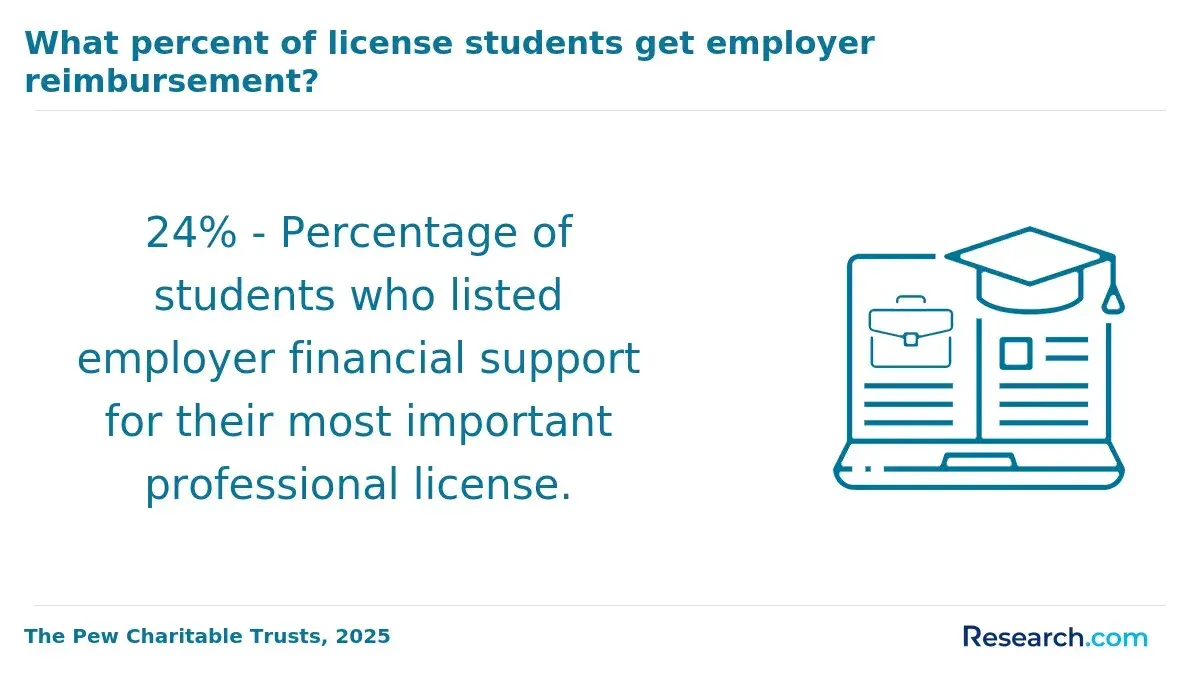
- Employer Tuition Assistance: Numerous healthcare employers provide tuition reimbursement or assistance for employees enrolled in advanced practice programs like nurse midwifery. This often requires a service commitment post-graduation and can be combined with other funding sources, enhancing affordability for working students.
- Scholarships and Loan Forgiveness Programs: Scholarships from professional groups such as the American College of Nurse Midwives, as well as federal and state loan forgiveness initiatives like the National Health Service Corps, are available to online students. These programs often prioritize candidates willing to serve in underserved communities.
- Satisfactory Academic Progress (SAP): Maintaining financial aid requires meeting your school's GPA and course completion standards. Balancing full-time work with rigorous nurse midwifery coursework is critical to avoid losing aid due to unsatisfactory academic progress.
Full-time professionals considering an online nurse midwifery program should explore all funding avenues carefully. For those exploring related opportunities, quick courses that pay well may offer additional career or educational options. Understanding financial aid eligibility for online nurse midwifery programs and whether you can get federal student aid while working full-time will better position you to achieve your educational and career goals.
Do Employers Support Employees Pursuing Online Nurse Midwifery Degrees in 2027?
Employer support has become a crucial consideration for full-time professionals pursuing an online nurse midwifery degree, as workplace policies directly influence the ability to manage academic and job responsibilities effectively. With the demanding coursework and clinical hours required, adequate employer assistance often determines whether students can succeed while continuing to work. Below are key ways employers typically support-or sometimes hesitate to support-employees pursuing online nurse midwifery degrees.
- Tuition Assistance: Many employers offer tuition reimbursement or scholarships to reduce financial barriers for employees enrolling in accredited nurse midwifery programs. This support is often contingent on a commitment to remain with the employer post-graduation, which helps hospitals facing staffing shortages retain skilled staff.
- Flexible Scheduling: Adjusting work hours or providing shift flexibility enables students to attend classes and fulfill clinical hour requirements. Some hospitals with nurse education partnerships prioritize this benefit to maintain a competent workforce.
- Clinical Placement Support: Employers may assist with local clinical placements, minimizing the need for extensive travel or time off work. This is particularly important in rural or underserved areas where nurse midwifery services are in high demand.
- Career Advancement Incentives: Certain organizations recognize the value of advanced credentials by ensuring promotions or salary increases after degree completion, incentivizing employees to advance their education and careers.
- Performance Concerns: Some employers hesitate to provide support due to worries about reduced availability or job performance, especially during peak periods. This can lead to denied requests for flexible scheduling or paid leave, impacting employees' ability to pursue their education.
Full-time professionals should carefully evaluate employer support policies, including the availability of employer tuition reimbursement for online nurse midwifery programs, when planning to balance work and study. More information about dual degree opportunities can be found through dual degree graduate programs that accommodate working students.
Does Completing an Online Nurse Midwifery Degree While Working Full-Time Improve Your Salary?
Completing an online nurse midwifery degree while working full-time can lead to higher salaries, influenced by factors like strong industry demand, degree level, employer views, and relevant experience. The field is growing rapidly, with job prospects and salaries rising-certified nurse-midwives earn more than registered nurses, with some metropolitan professionals making up to $180,000 annually. Employers often value candidates who demonstrate dedication by balancing work and education, seeing this as a sign of strong time management. Additionally, gaining practical experience during studies contributes to better starting pay and faster advancement, with entry-level certified nurse-midwives earning between $105,000 and $112,000, while veterans with extensive experience can make $121,000 or more.
Staying employed full-time while earning an advanced degree can improve promotion opportunities, job security, and the ability to immediately apply new skills clinically. Many employers prefer promoting internal candidates committed to professional growth. This dual approach allows graduates to be more competitive by integrating academic knowledge on the job. However, outcomes depend on the healthcare setting, employer incentives, and local economic factors. Some organizations offer tuition reimbursement or salary increases for advanced qualifications, though additional certifications may be required in certain workplaces. Researching these variables helps maximize earning potential.
What Should Full-Time Workers Look for When Choosing an Online Nurse Midwifery Program?
For full-time working adults, choosing the right online nurse midwifery program is crucial to successfully balancing professional and academic demands. The program's design and flexibility can greatly influence whether students can maintain this balance effectively. Consider these essential factors when evaluating options:
- Flexible Course Delivery: Programs offering asynchronous classes and 24/7 access to materials allow students to study at their own pace, fitting coursework around work schedules. This flexibility helps maintain steady progress without sacrificing job responsibilities.
- Clinical Placement Support: Access to local clinical sites reduces travel time and disruptions. Schools that assist with community-based practicum placements help students integrate hands-on experience seamlessly into their routines.
- Accreditation and Certification Preparation: Choosing a program accredited by recognized organizations ensures eligibility for national certification exams vital for professional practice. This guarantees that the education meets industry standards and supports career advancement.
- Faculty Accessibility and Peer Support: Programs fostering strong interaction with instructors and peers create a supportive learning environment. This engagement promotes motivation and networking critical for success in the nurse midwifery field.
- Program Duration and Scheduling Options: Schools offering part-time tracks and flexible pacing enable students to manage workload more effectively, preventing burnout while progressing steadily toward their degree.
What Graduates Say About Completing an Online Nurse Midwifery Degree While Working Full-Time
- Benjamin: "From a professional standpoint, pursuing an online nurse midwifery degree amidst a full workload demanded discipline and focus. The program's design accommodated my schedule while maintaining rigorous standards, which has significantly enhanced my expertise. The tuition was a considerable expense, yet the career opportunities gained far outweigh the investment. "
- Eden: "Enrolling in an online nurse midwifery program while working full-time made me reflect on the importance of time management and dedication. The learning experience was intense but accessible, offering practical knowledge that immediately influenced my clinical decisions. Despite the financial commitment, the cost was justified by the personal and professional growth I experienced. "
- Ryker: "Balancing full-time work with my online nurse midwifery degree was challenging but incredibly rewarding. The flexible pace allowed me to absorb the complex material without sacrificing my job performance. Considering the average cost was manageable, I truly believe this program was a valuable investment in advancing my career. "
Other Things You Should Know About Nurse Midwifery Degrees
In 2027, many online nurse midwifery programs are structured to accommodate the busy schedules of full-time nurses. Flexible clinical placements and virtual simulations are increasingly available, enabling nurses to manage their professional responsibilities alongside their educational commitments.
Most accredited online nurse midwifery programs tailor their coursework to meet the needs of working professionals through flexible scheduling and part-time enrollment options. The curriculum often includes recorded lectures, weekend or evening classes, and extended deadlines to balance study with full-time jobs effectively.
To maintain work-life balance while studying online, working professionals should prioritize time management by creating a structured schedule, utilizing flexible course options, and seeking support from family and employers. Many programs offer part-time options, allowing students to manage both academic and professional responsibilities effectively.
References
- SIFE for employers https://www.nmc.org.uk/registration/joining-the-register/sife/sife-for-employers/
- Is a Nurse Midwife Career Right for You? Salary, Work-Life & Program Options 2025 https://www.registerednursing.org/articles/is-nurse-midwifery-right-for-you/
- Online vs On-Campus CNM Programs: Complete Comparison Guide 2025 https://www.midwifeschooling.com/blog/online-vs-on-campus-cnm-programs-pros-cons-and-what-to-expect/
- Time Management Guide for Nursing Students https://www.edumed.org/resources/time-management-for-nursing-students/
- How to Choose the Best Midwifery Program for Your Career Goals https://empoweringmidwiferyeducation.com/how-to-choose-the-best-midwifery-program-for-your-career-goals/
- Nurse-Midwifery/Women’s Health Nurse Practitioner (NM/WHNP) https://online.nursing.georgetown.edu/academics/nurse-midwifery-womens-health-nurse-practitioner-nm-whnp/
- Funding, Financial Support, and Grants | Academy Online Learning https://academyonlinelearning.com/funding-financial-support-and-grants
- Nursing and midwifery educators teaching postgraduate online courses: A cross-sectional survey - ScienceDirect https://www.sciencedirect.com/science/article/abs/pii/S1557308721001347
- The Best Online Nurse-Midwife Programs | NurseJournal.org https://nursejournal.org/nurse-midwife/best-online-nurse-midwife-programs/
- Midwifery Internship Placements Abroad | Med Trips https://www.medtrips.co.uk/en/midwifery-internships


