
2027 Does an Online Forensic Science Master's Degree Qualify You for Licensure?

Co-Founder and Chief Data Scientist
Imagine completing an online forensic science master's degree only to discover that your state licensing board does not recognize the program for licensure. This scenario affects many graduates, as licensure requirements vary widely by state and often include specific accreditation and hands-on practicum hours not always fulfilled by online degrees.
According to recent data, less than 45% of online forensic science master's programs fully meet the licensure criteria across all U. S. jurisdictions. This article examines critical factors such as accreditation standards, supervised experience mandates, state policies, and licensure exams to help readers confidently assess online programs for professional qualification.
Key Benefits of Qualifying for Online Forensic Science Master's Degree Licensure
- Online forensic science master's degrees often meet accreditation standards required by state boards and national credentialing organizations, ensuring eligibility for licensure application.
- Flexible scheduling supports working professionals, career changers, and academic re-entrants in completing supervised practicums and clinical hours critical for licensure.
- Programs with recognized curricula facilitate preparation for licensure exams and comply with state-specific requirements, improving interstate licensure portability opportunities.
What Is a Forensic Science Master's Degree, and What Forms Does It Take Online?
Prospective students and career changers evaluating online forensic science master's degree programs must consider how degree types and delivery models affect licensure eligibility. Selecting the right program involves understanding structural nuances and accreditation impacts. Here are key elements to guide assessment:
- Degree Types: Most forensic science master's degrees are Master of Science (M.S.) or Master of Arts (M.A.) degrees. The M.S. emphasizes technical skills and laboratory work, whereas the M.A. often focuses on theory or policy. Professional variants may incorporate applied forensic credentials tailored to certification needs.
- Online Delivery Models: Programs offer synchronous formats, with scheduled live sessions, or asynchronous formats that allow self-paced study. Asynchronous and hybrid models are predominant among online forensic science master's degree programs, allowing flexibility for working professionals and international students.
- Program Structure: Traditional on-campus degrees usually follow cohort progressions, which some online programs mirror to foster peer engagement. Others use independent-study designs that permit individual pacing, aligning with diverse student schedules.
- Institutional Choices: Flexibility and access drive institutions to provide primarily asynchronous or hybrid formats in forensic science master's degrees, balancing rigorous academics with practical training.
- Licensure Considerations: Degree type and structure influence whether a program meets specific state board and credentialing body requirements. Accreditation, supervised clinical or practicum hours, and program format affect licensure eligibility and help avoid costly missteps.
Those interested in accelerated options might explore accelerated speech pathology programs online as a comparable example of flexible graduate education delivery.
Do State Licensing Boards Recognize Online Forensic Science Degrees for Licensure Purposes?
Prospective students pursuing an online forensic science master's degree should carefully assess how state licensing boards regard online credentials, as licensure acceptance varies greatly by jurisdiction. This understanding is crucial for making an informed decision about program enrollment that aligns with professional licensure goals.
- State-Level Variability: Licensure requirements are determined by each state's board independently, leading to diverse policies on online forensic science master's degree licensure acceptance by state boards. Some states have clear, written criteria for accepting accredited online degrees, while others evaluate applications on an individual basis, creating uncertainty for applicants.
- Accreditation Standards Matter: Recognition typically depends on the degree coming from a regionally accredited institution. Despite this, some boards differentiate between online and on-campus forensic science degrees, with concerns about curriculum rigor and practical training affecting acceptance in select states.
- Supervised Practicum Requirements: Many states mandate documented hands-on experience or clinical hours. Online programs must provide opportunities for in-person practicums or internships, which if absent, may lead to denial of licensure.
- State Examples: States such as California explicitly accept online degrees when accreditation and practicum criteria are satisfied. Conversely, New York reviews each applicant's credentials individually, sometimes resulting in delayed or uncertain licensure outcomes.
- Direct Board Communication Recommended: Due to the complex, state-specific nature of licensure, students should contact their licensing boards before enrolling to confirm program eligibility. A 2023 survey indicated that nearly 40% of forensic science professionals expressed concerns about acceptance of online degrees during licensure reviews.
For students balancing career shifts, staying updated on continuing education and licensure portability is essential. Additionally, exploring online certifications that pay well can complement forensic science qualifications and enhance career prospects.
What Supervised Clinical or Practicum Hours Are Required for Forensic Science Licensure After an Online Degree?
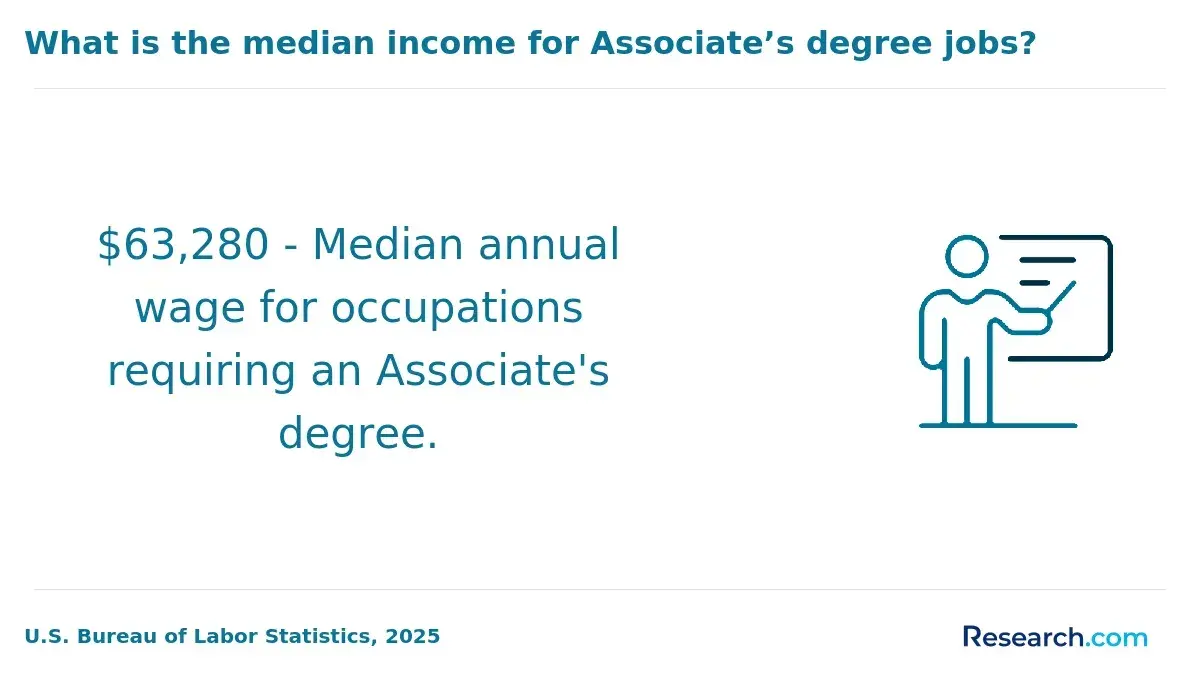
Completing supervised clinical or practicum hours is a critical step for students pursuing forensic science master's degrees online, often required by licensing boards before granting professional credentials. Research from the American Academy of Forensic Sciences indicates that candidates must typically fulfill between 400 and 1,000 hours of supervised practical experience regardless of program format.
- Hours Required: Most boards mandate several hundred hours of hands-on training, such as internships or laboratory work, to validate a candidate's readiness for professional practice.
- Field Placement Coordination: Online programs commonly assist students in securing local practicums or internships through partnerships with accredited agencies and labs near the student's home.
- Jurisdictional Variations: Some states require hours to be completed within their own jurisdiction, while others accept hours done either in the student's state of residence or where the institution is located, making early verification essential.
- Approval Obstacles: Graduates often encounter delays when submitting practicum hours due to inconsistent documentation formats or boards unfamiliar with online program collaborations.
A professional who enrolled in an online forensic science master's degree that accepts transfer credits shared the complexities involved, noting, "Coordinating my practicum locally was challenging since the licensing board had strict guidelines about where hours could be completed. Even after finishing over 500 hours, I faced multiple rounds of paperwork revisions because the board wasn't initially familiar with my online program's affiliations. It felt frustrating at times, as I had to persistently follow up and clarify details, but ultimately, the experience strengthened my practical skills and confidence." This firsthand account highlights the importance of researching state-specific requirements and maintaining thorough records when pursuing licensure after an online forensic science degree.
What Examinations Must Forensic Science Graduates Pass to Obtain Licensure?
Graduates aiming for forensic science licensure must typically pass recognized certification or licensing exams, which vary by state board examinations for forensic science graduates and credentialing entities. Online graduates are generally eligible to sit for these exams just as on-campus students are, provided their program meets accreditation standards and covers core forensic biology, chemistry, toxicology, and related subjects. The alignment between a program's curriculum and exam content significantly impacts candidate readiness for these rigorous assessments. While the delivery format-online or in-person-rarely affects basic eligibility, some states require supervised practicum hours or hands-on training, which can influence licensure outcomes. Confirming current forensic science licensure exam requirements with official testing organizations is essential, as policies can change. Notably, over 70% of states with licensure demand passing at least one formal certification or licensing exam. Prospective students should also consider accreditation and curriculum relevance when exploring online accelerated programs to avoid complications post-graduation.
- American Board of Criminalistics (ABC) Certification Exam: This national exam assesses proficiency in forensic disciplines such as serology, drug chemistry, and trace evidence analysis. Passing it signals professional competency necessary for numerous forensic science roles.
- American Board of Forensic Toxicology (ABFT) Certification Exam: Geared toward toxicology specialists, this exam evaluates knowledge of drug metabolism, instrumentation, and quality assurance, often required for forensic toxicology licensure.
- State-Specific Licensing Exams: Certain states impose their own forensic science licensing exams emphasizing local laws, ethical standards, and procedural regulations, making verification with state boards vital.
- Practitioner Competency Assessments: Some jurisdictions require candidates to demonstrate hands-on experience through supervised clinical or laboratory work before or alongside formal exams to ensure practical skills.
What Is the Minimum GPA Requirement for Forensic Science Master's Programs That Lead to Licensure?
Prospective students aiming for licensure through an online forensic science master's program should closely examine GPA requirements, as academic standing can critically influence their path to professional certification. Recent findings show that more than 60% of accredited forensic science graduate programs mandate a minimum GPA of 3.0 for admission, underscoring the importance of meeting this standard early.
- Standard GPA Thresholds: Accredited programs typically require a minimum GPA of around 3.0 on a 4.0 scale for admission. Some programs may accept candidates with slightly lower GPAs if offset by substantial relevant experience or persuasive recommendations.
- Consistency Across Formats: Accreditation criteria ensure online forensic science programs adhere to the same GPA standards as on-campus equivalents. Tuition delivery method does not significantly alter minimum GPA expectations since licensure eligibility depends more on program rigor than format.
- Licensing Boards' Academic Role: State boards generally do not set explicit GPA requirements but rely on accredited programs to enforce academic standards. Eligibility for licensure focuses more on degree completion and sanctioned clinical or practicum hours than on GPA alone.
- GPA and Exam Eligibility: A strong GPA often supports candidacy for licensing exams and may influence program endorsements. Conversely, insufficient academic performance can slow down or complicate licensure processes.
- State-Specific Criteria: Given that licensing standards vary by state, applicants should consult relevant forensic science boards to confirm if GPA factors into licensure evaluations or if alternative benchmarks hold greater weight.
A professional who transitioned careers after completing an online forensic science master's program shared her experience navigating GPA expectations firsthand. She noted that maintaining a competitive GPA was challenging, given the demanding coursework and balancing personal responsibilities. However, she highlighted that her program's flexibility allowed her to focus on areas that bolstered her academic record, which proved essential when applying for licensure. "My GPA was a key factor in securing faculty recommendations that supported my exam eligibility," she recalled. Reflecting on the process, she emphasized the importance of understanding each program's standards early and reaching out to advisors to address concerns before graduation. Her journey illustrated how academic performance, while only one piece of the licensure puzzle, remains a vital component of a successful forensic science career pathway.
How Do Online Forensic Science Programs Fulfill the Residency or In-Person Requirements Tied to Licensure?
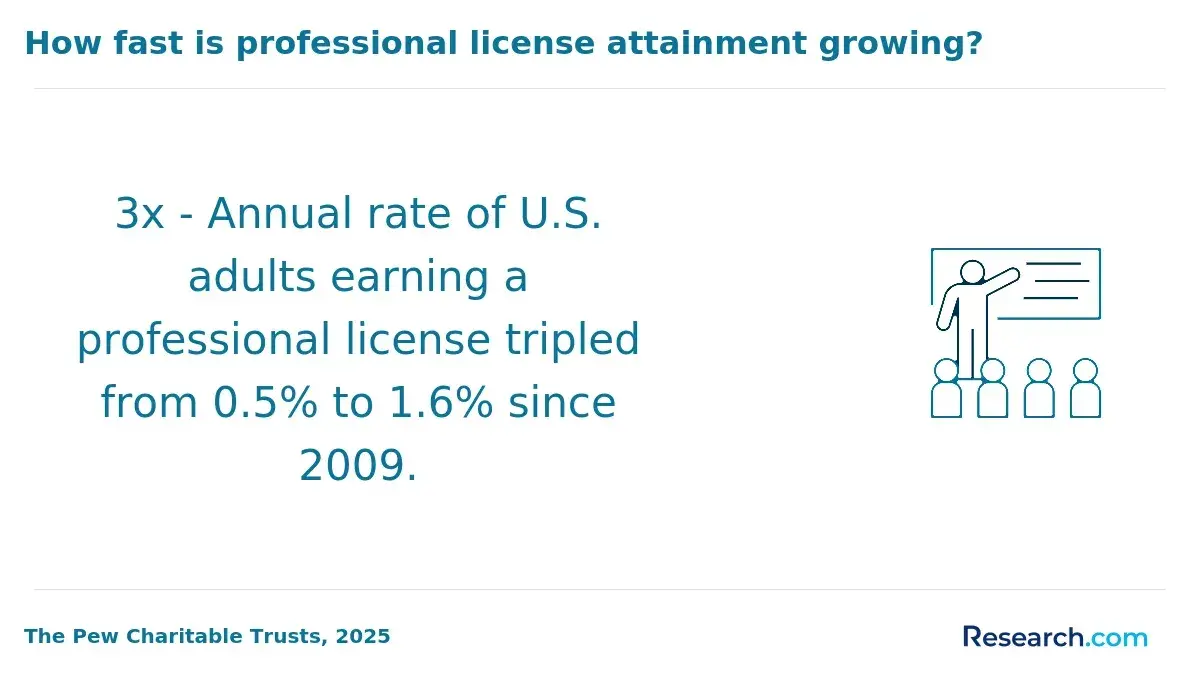
Enrollment in online forensic science master's programs has increased by about 20% in the last five years, reflecting growing interest in flexible graduate education. For prospective students, it is important to consider residency requirements since many licensure boards mandate in-person training components to verify practical skills. The following points summarize key considerations related to residency expectations and program offerings.
- Residency Mandates: Licensing agencies often require hands-on practice through supervised labs or practicum hours that cannot be fully completed online to ensure competency in forensic techniques.
- Program Solutions: Online forensic science programs commonly provide intensive on-campus residencies, blended course formats, or partnerships with approved local clinical sites to fulfill these hands-on obligations.
- Licensing Review: Boards assess completion of residency requirements during licensure application by examining documentation of practical hours and endorsed training venues.
- Regulatory Updates: Some recent policy changes have introduced partial allowances for virtual simulations or labs to substitute components of in-person training under specific, strict criteria to increase accessibility for online learners.
How Does Interstate Licensure Portability Work for Online Forensic Science Graduates?
Online forensic science master's degree students often study in one state but plan to work in another, making licensure portability a critical concern. In recent surveys, over 40% of forensic science professionals reported working outside the state where they earned their degrees, underscoring the need to understand cross-state licensing complexities.
- Licensure Portability Basics: Interstate licensure portability allows professionals licensed in one state to seek recognition in another, but forensic science lacks a broad nationwide compact. Portability depends largely on individual state policies rather than a universal agreement.
- State Board Variations: Each state's forensic science board sets its own requirements, which can include specifications on education accreditation, supervised practicum hours, and exam passage. Online degrees must meet the standards of the state where licensure is sought, which may differ from where the degree was awarded.
- Endorsement and Reciprocity: Some states provide endorsement or reciprocity agreements that recognize out-of-state licenses or credentials, but these are limited for forensic science. Additional documentation or exams often remain necessary for online degree holders.
- Challenges for Online Graduates: Graduates with online degrees may face extra scrutiny on program accreditation, validation of clinical experience, and eligibility for licensing exams. States may require proof that the online curriculum meets local licensing standards.
- Actionable Steps: Prospective students should verify state licensure requirements early, contact licensing boards to confirm recognition of online degrees, and plan to complete supervised practicum hours locally if required. This proactive research helps avoid costly delays or denials after graduation.
What Are the Common Reasons Online Forensic Science Graduates Are Denied Licensure?
Prospective students pursuing an online forensic science master's degree should carefully consider the licensing challenges that often affect graduates of distance programs. These challenges can result in licensure denials, especially because many state boards enforce strict requirements related to program quality and practicum experiences. Recognizing these common obstacles can help applicants prepare more effectively and avoid setbacks in meeting state board licensure requirements for online forensic science degrees.
- Accreditation Deficiencies: Licensing boards frequently require degrees from programs accredited by recognized organizations such as FEPAC. Online programs lacking proper accreditation risk their graduates being denied licensure, as their education may be viewed as insufficient or nonstandard by regulatory authorities.
- Insufficient Documentation of Supervised Hours: Many states mandate verified practical experience completed under qualified supervisors. Online students sometimes face difficulty providing adequate proof of practicum or internship hours, especially if their programs do not clearly support or track these requirements, which may lead to licensure refusal.
- Misalignment of Coursework with State Requirements: Each jurisdiction enforces unique course or competency standards. Graduates from online programs whose curricula do not align with these state-specific requirements may encounter denials due to curricular gaps or missing essential forensic science content.
- Background Check Concerns: Licensing for forensic science includes thorough background investigations. Applicants with incomplete disclosures or adverse findings in their criminal or professional histories without proper explanations may be refused licensure.
- Appeals and Corrective Actions: If licensure is denied, graduates generally have the right to appeal by submitting additional documentation or completing further coursework and supervised hours. Early awareness of the appeals process can strengthen candidates' chances of eventual licensure approval.
Because licensure standards vary significantly by state, evaluating any online forensic science program requires thorough scrutiny of these criteria to avoid completing a degree that does not meet professional practice requirements. Prospective students should also note that publication domains such as research.com provide resources on related fields, including the marriage and family therapist degree, illustrating diverse licensure demands across disciplines.
What Technology and Simulation Requirements Must Online Forensic Science Programs Meet to Support Licensure-Track Students?
Prospective students considering an online forensic science master's degree should be aware of the technology platforms and digital infrastructure essential for licensure-track programs. Graduates with this degree can expect a median salary ranging from $60,000 to $75,000, underscoring the importance of selecting a program meeting rigorous state board standards for forensic science program technology support.
- Technology Platforms: Online forensic science programs must use secure, interactive learning management systems (LMS) like Canvas or Blackboard. These platforms support real-time case analysis, multimedia resources, and simulation tools vital for hands-on forensic training and ensuring compliance with simulation technology requirements for online forensic science licensure programs.
- Simulation Labs: Accrediting bodies require high-fidelity virtual labs or augmented reality modules that replicate crime scene investigations and laboratory protocols. These simulations help students gain technical skills remotely, addressing limits on physical lab access.
- Supervised Practicum Integration: Programs should offer tele-supervised practicum or externship opportunities in accredited forensic labs. Licensing boards closely evaluate whether remote supervision meets direct mentorship and skill documentation criteria.
- Evaluation by Accrediting Bodies: Organizations such as FEPAC review programs for adequacy in delivering practical training through technology. Licensing boards verify accreditation and competency-based assessments via digital platforms to ensure equivalency with in-person training.
- Student Assessment and Emerging Standards: Prospective students should inquire about simulation technologies, telehealth tools for supervision, and faculty expertise with online forensic training. Asking about participation in pilot initiatives using blended reality or other innovative tools signals programs aligned with evolving requirements.
For students weighing education options, understanding whether a program fulfills local and national standards is critical to avoiding licensure hurdles. Those interested in related fields might also explore options like a cybersecurity degree online, which frequently shares technology demands and accreditation models similar to forensic science programs.
What Continuing Education Requirements Must Licensed Forensic Science Professionals Meet After Earning Their License?
Maintaining active licensure requires most forensic science professionals to complete continuing education (CE), with many states mandating between 20 and 40 hours every one to two years. This ongoing learning ensures practitioners stay current with evolving practices and regulatory standards.
- State-Specific Rules: Licensing boards across states define distinct CE requirements, often including mandated hours, approved topics, and renewal timelines. Some states require specialized courses, such as ethics or legal updates, reflecting local professional standards.
- Online CE Accessibility: Accredited online programs have broadened access, enabling working professionals to fulfill CE obligations flexibly. While many states accept online CE credits, others impose restrictions or require prior approval, making it crucial to verify regulations with each jurisdiction.
- Professional Associations' Guidance: Organizations like the American Academy of Forensic Sciences establish quality benchmarks for CE courses and partner with licensing bodies to align offerings. Their accredited programs often satisfy multiple boards' criteria and support consistent professional development.
- Mandatory Ethics and Specialty Hours: Ethics education is commonly required alongside specialization-specific CE credits, reinforcing professional integrity and expertise. Early career planning helps graduates integrate these requirements into their development timelines.
- Strategic Career Planning: Awareness of CE demands allows students to choose online forensic science programs with curricula and partnerships that promote smooth credit transfer and compliance, facilitating seamless license renewal.
How Should Prospective Students Evaluate Whether a Specific Online Forensic Science Program Will Qualify Them for Licensure in Their State?
Many prospective students aiming for an online forensic science master's degree encounter challenges related to licensure recognition. Nearly 40% of professionals report difficulties obtaining licensure across states, making it essential to assess programs thoroughly before enrolling.
- Check Accreditation: Confirm that the program is accredited by recognized organizations such as the Forensic Science Education Programs Accreditation Commission (FEPAC) or appropriate regional bodies. Accreditation ensures the program meets quality standards crucial for licensure eligibility.
- Contact State Board: Reach out to your state's licensure board to verify if degrees from the online program are accepted. State boards provide definitive information on licensure criteria and can clarify program-specific concerns.
- Review Curriculum: Compare the coursework offered with your state board's required subjects and credit hours. Important areas like forensic chemistry, biology, and crime scene investigation should be fully covered to align with licensure prerequisites.
- Confirm Clinical Arrangements: Ensure the program includes supervised practicum or clinical experiences that satisfy your state's mandated licensure hours. Practical training is often mandatory and can be a deciding factor in program selection.
- Use Public Documents: Utilize licensure requirement guides and program disclosures available online to systematically cross-check eligibility and curriculum details.
- Consult Advisors and Practitioners: Speak with program advisors knowledgeable about licensure pathways and licensed forensic science professionals to gain practical insight on degree acceptance and career viability.
Performing due diligence upfront significantly reduces the risk of encountering licensing issues after graduation, ensuring that your online forensic science degree prepares you effectively for professional practice in your jurisdiction.
What Graduates Say About Qualifying for Online Forensic Science Master's Degree Licensure
- Taylor: "Choosing an online forensic science master's degree was a strategic decision for me, as it allowed the flexibility to work while studying. I appreciated the clear guidance provided on verifying the program's accreditation to ensure it met licensure requirements in my state. Earning this degree online not only expanded my knowledge but also gave me confidence to pursue professional licensure with strong support from faculty."
- Cruz: "Reflecting on my journey, the most challenging part was confirming that the forensic science program met all criteria for licensure eligibility. The rigorous curriculum combined with online accessibility made it possible to balance family commitments and professional development. Pursuing this degree shaped my perspective on forensic applications and opened doors I hadn't anticipated before licensure."
- Nanette: "From a professional standpoint, enrolling in an online forensic science master's degree was essential to advancing my career while maintaining my job. I carefully followed all steps to verify the program's approval by licensing boards, which reassured me throughout the process. This path significantly impacted my career trajectory by enabling licensure and deepening my expertise without relocating."
Other Things You Should Know About Forensic Science Degrees
Prospective students should ask if the program meets the licensure requirements of their state or intended practice location. Inquire about accreditation status, the availability of supervised clinical or practicum hours, and whether these hours comply with state board mandates. Additionally, confirm if the curriculum includes preparation for required licensure exams and if the program provides support for licensing applications.
Accreditation ensures that the program meets established educational standards critical for professional practice. Most state licensure boards require graduation from an accredited program for eligibility. Without regional or programmatic accreditation, graduates may face challenges obtaining licensure, diminishing their professional credibility and job opportunities.
Employers and credentialing organizations increasingly recognize accredited online forensic science degrees as equivalent to traditional degrees, especially if the program includes practical components like supervised practicum hours. However, some may still prefer candidates from traditional programs, especially if the online curriculum lacks hands-on experience. Transparency about program accreditation and clinical training helps mitigate employer concerns.
In 2027, licensure requirements for forensic science graduates can vary by state, but generally, there is no distinction between online and traditional programs in terms of meeting the licensure criteria. Check with specific state boards to ensure your program meets all necessary requirements.
References
- The Advantages of Earning Your Master’s in Forensic Science Online https://www.stevenson.edu/online/about-us/news/advantages-of-earning-your-masters-in-forensic-science-online/
- How to Become Forensic Board Certified | CONCEPT Professional Training https://paloaltou.edu/resources/business-of-practice-blog/forensic-board-certified
- What Can You Do With a Forensic Science Certification? https://www.nu.edu/blog/what-can-you-do-with-certification-in-forensic-science/
- Understanding Licensure Portability https://networks.aamft.org/portability/blogs/portability-aamft/2023/03/31/understanding-licensure-portability
- Forensic Science and Criminal Justice MSc, by distance learning | University of Leicester https://le.ac.uk/courses/forensic-science-and-criminal-justice-msc-dl/2026
- Top Online Forensic Science Degree Programs https://www.forensicscolleges.com/online
- Portability Policies for Justice-Involved Individuals – National Center for Interstate Compacts | The Council of State Governments https://compacts.csg.org/portability-policies-for-justice-involved-individuals/
- How To Become A Forensic Psychologist: Step-By-Step Guide https://www.psychology.org/careers/forensic-psychologist/
- Training and licensing of forensic professionals | Research Starters | EBSCO Research https://www.ebsco.com/research-starters/law/training-and-licensing-forensic-professionals
- Certification https://www.criminalistics.com/certification.html


