
2027 Online vs On-Campus Forensic Science Degree Programs: Pros & Cons

Co-Founder and Chief Data Scientist
The surge in online forensic science degree programs reflects a broader shift in higher education, with recent data showing that over 40% of U.S. college students enrolled in at least one online course. This trend highlights the growing appeal of flexible learning options for aspiring forensic professionals.
However, choosing between online and on-campus formats involves careful consideration of factors such as flexibility, cost, learning environment, and career prospects. This article provides a balanced comparison to help prospective students make informed decisions based on expert insights into each educational pathway's strengths and limitations.
Key Benefits of Online vs On-Campus Forensic Science Degrees
- Online forensic science degree programs offer flexible scheduling that allows students to balance studies with work or family, with over 60% reporting improved time management skills.
- Students in online programs often pay lower tuition rates and save on commuting and housing costs, making education more accessible and affordable.
- On-campus programs provide access to hands-on laboratory experiences and equipment critical for forensic training, with 85% of employers valuing practical lab skills acquired through face-to-face learning.
Are online vs. on-campus forensic science programs structured the same way?
Online and on-campus forensic science programs are structured quite differently, particularly in how students access coursework and engage with hands-on learning. These differences shape the overall student experience, balancing flexibility with practical training requirements.
Below is a comparison of key structural elements in online versus on-campus forensic science programs, illustrating how each format addresses scheduling, course delivery, and student interaction.
- Course Delivery: On-campus programs provide all lectures and labs in person, granting students direct access to university facilities and equipment. Online programs rely on digital platforms for theoretical coursework but often include mandatory in-person lab sessions or at-home lab kits to meet practical training needs.
- Class Schedules: Traditional semester schedules with fixed class times characterize on-campus programs. Online programs offer greater flexibility through asynchronous coursework and accelerated terms, which is ideal for students balancing work or other responsibilities.
- Interaction and Collaboration: Face-to-face interaction with peers and instructors promotes immediate feedback and networking in on-campus settings. Online formats use virtual discussions and video conferencing, sometimes supplemented by in-person residencies, which may limit spontaneous collaboration but still enable professional connections.
- Hands-On Training: On-campus students receive integrated lab work within the curriculum, using advanced forensic instrumentation. Online students often need to attend campus for intensive labs or utilize at-home kits, which cannot fully replicate the experience of professional lab environments.
- Program Structure: On-campus programs are entirely in person, while online programs tend to be hybrid, combining remote theoretical study with required in-person or at-home practical experiences to fulfill accreditation standards.
Are admission requirements the same for online vs on-campus forensic science degree programs?
Colleges and universities generally uphold consistent academic standards for both online and on-campus forensic science degree programs, ensuring that learning outcomes remain equivalent regardless of the delivery format.
However, programs may differ in how they assess an applicant's readiness, especially for the distinct challenges of online learning.
Below is a summary comparing the key similarities and differences between admission requirements for online forensic science degree and traditional on-campus programs.
- Academic Qualifications: Both program formats typically require a high school diploma for bachelor's admission or a relevant bachelor's degree for graduate study, with strong performance in math and sciences like biology and chemistry. While minimum GPA standards usually range from 3.0 to 3.5, some online programs provide flexibility for applicants with non-traditional backgrounds or extensive work experience.
- Standardized Test Scores: Many forensic science programs require SAT or ACT scores for undergraduates, with competitive ranges around 1200-1400 (SAT) or 26-31 (ACT). However, online programs are increasingly adopting test-optional policies or waiving testing for experienced professionals and transfer students.
- Application Materials: Both online and on-campus formats request transcripts, personal statements, and letters of recommendation, often from science instructors or field professionals. Online programs may place extra emphasis on essays demonstrating self-motivation and readiness for independent, remote learning.
- Work Experience: Graduate-level online forensic science programs often prefer or require relevant professional experience, targeting career changers and working adults. On-campus programs more frequently admit students directly from undergraduate studies without this requirement.
- Technical and Logistical Readiness: Applicants to online programs must demonstrate access to reliable technology and digital literacy, and may need to complete orientations or assessments to confirm preparedness. Such requirements are typically not necessary for on-campus applicants.
- On-Campus or Laboratory Requirements: While on-campus programs integrate hands-on labs naturally, some online programs require periodic campus visits for labs or exams, impacting scheduling and travel. This distinction reflects a logistical consideration unique to the format.
Prospective students interested in flexible options may explore various 1 year masters degree programs that balance rigorous admission standards with the differences between online and on-campus forensic science program admissions.
Do online forensic science students receive the same academic support as on-campus students?
Universities have significantly expanded their academic support systems to ensure that online forensic science students receive comparable resources and assistance as their on-campus peers. Advances in technology and digital learning tools have made it possible for institutions to deliver tailored support across both learning formats.
Below is a comparison of the main academic support services typically offered to online and on-campus forensic science students.
- Tutoring Services: Both online and on-campus students have access to tutoring. Online platforms provide virtual sessions via video chat, forums, and on-demand help, while on-campus students may utilize in-person tutoring centers to clarify complex forensic concepts and improve academic performance.
- Career Counseling: Online programs offer digital career resources, virtual counseling appointments, and access to job boards. On-campus students benefit from face-to-face meetings with advisors and campus career fairs. Both formats support career advancement through resume workshops and interview preparation.
- Library Access: Remote students access extensive digital libraries, online databases, and e-journals, ensuring availability of research materials similar to physical collections on campus. Many universities provide 24/7 electronic resource access to promote efficient study and research.
- Faculty Interaction: Online students communicate with instructors via email, discussion boards, virtual office hours, and live video sessions. On-campus students engage directly during classes and scheduled meetings. Both systems foster mentorship and practical guidance from experienced forensic professionals.
- Peer Collaboration: Online platforms encourage group projects, peer reviews, and networking through forums and social media, connecting students nationwide. On-campus programs offer direct teamwork opportunities in labs and classrooms. Both modes help build professional networks and teamwork skills vital for forensic science careers.
How long does it take to complete an online vs an on-campus forensic science degree?
The time required to complete a forensic science degree can vary significantly depending on the program's delivery format, a student's individual pace, and the flexibility of scheduling options. Both online and on-campus programs typically aim for a four-year timeline but differ notably in how students can navigate their coursework. To better understand these differences, here is a comparison of the average completion times for online versus on-campus forensic science degrees and the factors that influence them.
- Online forensic science degree: Most online bachelor's degrees in forensic science are structured to be completed in about four years for full-time students, much like traditional programs. However, the asynchronous learning format often allows students to accelerate their studies and finish as quickly as 15 to 36 months when leveraging transfer credits or taking heavier course loads. This flexibility enables professionals balancing work and family to tailor their pace, either speeding up graduation or extending the timeline as needed.
- On-campus forensic science degree: Traditional on-campus programs usually require four years of full-time study, structured around fixed fall and spring semesters. These programs provide less flexibility in scheduling, with limited opportunities to accelerate beyond summer sessions or increased semester credits. Many students benefit from hands-on labs and direct academic support but must adhere to a more rigid timeline, resulting in less control over the speed of completion compared to online learners.
A professional who recently completed an online forensic science degree shared that the journey took him just over two years, which was a pleasant surprise given his full-time job and family commitments. He explained that being able to access coursework asynchronously allowed him to study late at night or on weekends and to adjust his class load during especially busy periods at work.
"It wasn't always easy," he reflected, "balancing studies with life's demands, but the flexible timeline meant I never felt rushed or left behind." This adaptability helped him stay motivated and complete his degree faster than he initially expected, illustrating how online programs can offer a personalized path that fits diverse lifestyles.
Are online forensic science programs cheaper than on-campus ones?
When comparing the cost of online versus on-campus forensic science programs, online options generally have lower tuition and fees along with fewer incidental expenses. However, the total price of a forensic science degree depends on tuition, fees, living costs, and aid availability, which vary by institution and program format.
Here is a breakdown of the main cost factors affecting the cost comparison of online vs on-campus forensic science degrees:
- Tuition and Fees: Online forensic science degree programs typically offer lower tuition rates than their on-campus counterparts. For example, top-ranked online master's programs usually range from about $7,875 to $13,117 annually, whereas on-campus tuition can be substantially higher, especially for non-resident students. Additionally, on-campus students often pay extra fees for athletics, health, and transportation services, which online students avoid.
- Living Expenses: One of the largest savings for online learners is the elimination of campus housing, meal plans, and commuting costs. On-campus students face thousands of dollars in annual expenses for room and board, which add significantly to the total price of their degrees.
- Technology Costs: While online students may need to invest in reliable computers, software, and internet access, these technology costs are usually modest compared to living expenses. Some institutions charge small technology fees per credit hour for online courses, but these are generally minimal.
- Financial Aid Availability: Both online and on-campus forensic science programs that are accredited qualify for federal financial aid, scholarships, and loans. Certain public university online programs labeled "self-supporting" do not negatively affect aid eligibility. However, some institutional scholarships may only be available to on-campus students.
The tuition for online forensic science degree programs tends to be more affordable overall, especially for students needing flexibility. Prospective students can explore a range of options including colleges offering open enrollment that may provide further cost-effective online learning pathways.
What are the financial aid options for online vs on-campus forensic science programs?
Both online and on-campus students pursuing forensic science degrees in the U.S. may qualify for various financial aid options, though eligibility and ease of access can differ based on the program format and the type of institution. These differences can affect the availability of funding and the types of aid students can receive.
Below is a comparison outlining the main financial aid options available for both online and on-campus forensic science students, helping prospective learners understand their choices:
- Federal Student Aid: Both online and on-campus students enrolled in accredited forensic science programs are generally eligible for federal financial aid, including Direct Unsubsidized Loans and Graduate PLUS Loans. However, online students must verify that their programs meet federal eligibility requirements, as some fully online or non-accredited programs do not qualify. Neither online nor on-campus graduate students are eligible for Pell Grants.
- State Aid: Many states offer grants or scholarships available to residents attending in-state schools, often accessible to both online and campus students if the program is state-approved and accredited. Some states restrict aid to campus-based programs or public institutions, so checking with state higher education agencies is important for online applicants.
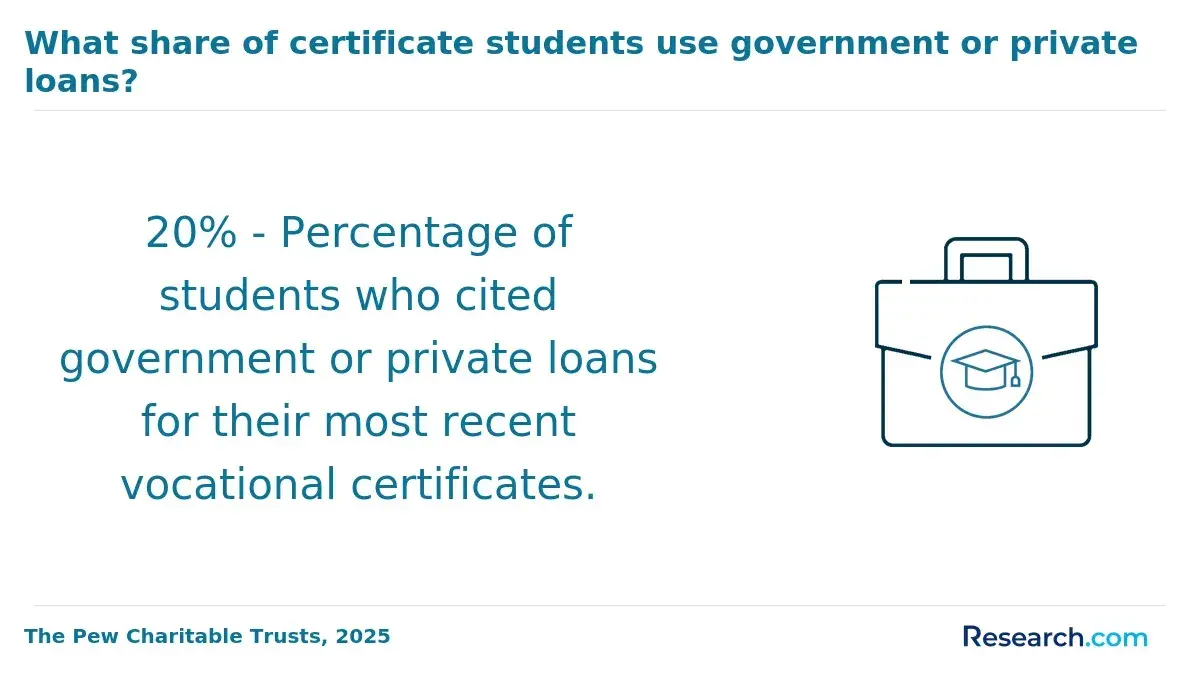
- Scholarships and Grants: Scholarships for on-campus forensic science programs and online options exist, including merit-based, need-based, and career-specific awards offered by universities and professional organizations. Online students might face less competition for certain national scholarships or awards geared toward non-traditional learners.
- Employer Tuition Reimbursement: This option supports employees in law enforcement or laboratory settings pursuing degrees and is generally available to both online and on-campus students. Working professionals often prefer online programs for their flexibility, making tuition reimbursement a practical benefit.
- Private Student Loans: Both student groups can obtain private loans to cover educational expenses unmet by other aid; these loans usually depend on creditworthiness and may come with higher interest rates. Online students should ensure their program's eligibility since some lenders restrict funding for certain online degrees.
For those seeking more affordable advanced education options with remote flexibility, exploring cheap phd programs online can be a valuable step in maximizing financial aid opportunities.
Are online forensic science programs as credible as on-campus ones?
Accreditation, faculty qualifications, and curriculum standards are crucial factors in establishing the credibility of both online and on-campus forensic science programs. The Forensic Science Education Programs Accreditation Commission (FEPAC) enforces stringent requirements, ensuring degree programs include comprehensive coursework in natural sciences and forensic specialties, supported by qualified faculty and strong student services.
Regionally accredited institutions offering online forensic science degrees must maintain equivalent learning outcomes and curriculum quality to their on-campus counterparts to ensure consistency and rigor.
Although only a few online programs hold FEPAC accreditation-Arizona State University being a prominent example-regional accreditation remains widely accepted and vital for overall credibility. Voluntary certification options, such as those from the American Board of Criminalistics, are available for graduates of both formats, although state licensure is not mandated for forensic scientists.
Perceptions among employers, academic institutions, and licensing bodies are gradually evolving to recognize the equivalency of online forensic science degrees when program quality and accreditation standards are met. Employers generally regard FEPAC accreditation as the gold standard and value strong scientific and laboratory training regardless of program delivery.
Data indicates that forensic science technicians earn similar median salaries-around $63,740 annually-regardless of whether their degree was earned online or on campus. Furthermore, advancements in virtual labs, simulation technologies, and strategic partnerships with law enforcement agencies have enhanced the practical training and overall reputation of online programs. These innovations are fostering greater acceptance of online forensic science education and expanding career prospects for graduates from both learning modalities.
Do employers prefer online vs on-campus forensic science degrees?
Employers in the forensic science field generally place greater emphasis on the reputation of the university, accreditation of the program, and the candidate's demonstrated skills than on whether the degree was earned online or on campus. Research and employer surveys reveal that the stigma once attached to online degrees has diminished significantly, especially when candidates graduate from well-known and accredited institutions.
Both online and traditional forensic science programs are evaluated based on the rigor of their curriculum, faculty qualifications, and opportunities for hands-on experience, including labs and internships. Ultimately, employers seek candidates who exhibit technical proficiency and critical thinking, as well as the ability to apply forensic methods effectively, regardless of the program's delivery format.
The normalization of remote and hybrid work environments has further softened employer preferences toward on-campus degrees, making online education a more accepted pathway. Online programs often offer flexible scheduling, cost savings, and technological skills that are highly valued in modern workplaces. However, for roles requiring extensive hands-on laboratory training or collaboration, some employers may still lean toward graduates from traditional settings.
Candidates who can demonstrate practical experience and relevant certifications, supported by an accredited degree, remain competitive overall. This evolving perspective aligns with broader workplace trends where skills and adaptability are prioritized above the educational format.
When speaking with a professional who pursued an online forensic science degree, she reflected on her experience securing employment positively. She noted, "What truly mattered to my employer was the portfolio of projects and internships I completed, not the fact that my coursework was online."
She shared how the program's flexibility allowed her to gain real-world experience simultaneously, which enhanced her practical skills and confidence. Her hiring manager reportedly valued her technological fluency and adaptability-attributes she attributes to the online format. This graduate's journey underscores how demonstrated competence and real-world application carry significant weight in landing forensic science positions today.
Do online vs on-campus forensic science program graduates earn the same salaries?
Salary comparisons between online and on-campus forensic science graduates are increasingly shaped by factors such as specialization, experience, and employer perceptions rather than the learning format itself. As the field evolves, the difference in earning potential between these program types has narrowed significantly.
To better understand the current trends, consider the following key factors that influence salary outcomes for online versus on-campus forensic science graduates.
- Specialization and Role: Salaries vary widely depending on the forensic science career path chosen. For instance, digital forensics specialists typically earn between $75,000 and $95,000, while forensic pathologists may command salaries from $200,000 to $250,000. This variation is more impactful on earnings than whether the degree was obtained online or on-campus.
- Experience and Credentials: Entry-level forensic science technicians generally start with salaries from $50,000 to $60,000, while seasoned professionals can surpass $100,000 annually. Both online and on-campus graduates have access to certifications and additional training that enhance earning potential, with employers mostly valuing experience and qualifications over the type of program completed.
- Employer Perception: Although some companies once preferred on-campus degrees, reputable online programs like those from the University of Maryland Global Campus produce graduates earning median salaries near $99,500, placing them among the top nationwide. Employer focus is shifting toward skills and accreditation, reducing bias against online degrees.
- Geographic Location: Forensic science salaries differ by region, with states like Illinois reporting average pay as high as $106,120. Both online and on-campus graduates can equally benefit from these geographic salary variations as location plays a significant role in earnings.
- Cost, Schedule, and Support: Online programs often offer more affordable tuition and flexible schedules, enabling students to work while studying and reduce debt. This advantage can accelerate workforce entry and positively affect lifetime earnings, although on-campus programs may provide more hands-on support and interaction.
Prospective students seeking the best accredited universities online with no application fee should carefully weigh these factors to align their education path with career and salary goals in forensic science.
How do you decide whether an online vs on-campus forensic science program is right for you?
Choosing between online and on-campus forensic science programs depends largely on your personal learning preferences, lifestyle, and professional goals. Understanding these factors can help you select the format that best supports your success in this field.
To assist with this decision, consider the following major factors when deciding which program aligns most closely with your needs.
- Learning Style: If you benefit from face-to-face interaction, hands-on experiences, and immediate access to instructors, an on-campus forensic science degree program may be ideal. Online formats tend to rely more on self-paced coursework and virtual simulations, which suit independent learners but may challenge those requiring more structured guidance.
- Flexibility Needs: Online forensic science degree programs offer significant advantages in terms of cost, flexibility, and accessibility. They often provide asynchronous schedules, making it easier for working professionals or those with family commitments to study on their own time. On-campus programs usually have fixed class times and require regular attendance.
- Budget Considerations: Online programs often reduce expenses related to commuting, housing, and campus fees, making them a more affordable option for many students. However, hybrid programs may incur additional travel costs during lab sessions. Assess your overall budget, including travel and materials, before committing.
- Networking Opportunities: On-campus programs tend to provide richer face-to-face networking with peers, faculty, and local internships, which can be valuable for career advancement. Online students might need to seek out virtual networking events and professional associations proactively to build connections.
- Access to Campus Resources: Being on campus grants you direct use of specialized laboratories, equipment, and faculty mentorship critical for hands-on forensic training. Although some online programs offer virtual labs or at-home kits, these cannot fully replicate in-person experiences. Hybrid options may balance both approaches but can require occasional travel.
If you want to explore career options further, consider what are some good trade jobs related to forensic science and allied professions to better understand the professional landscape.
Here's What Graduates of Online vs On-Campus Forensic Science Programs Have to Say About Their Degree
- Jamal: "Completing my forensic science degree online allowed me to balance work, family, and study in a way that on-campus programs simply couldn't offer. The flexibility was crucial, but what stood out most was how the program integrated real-world case studies and virtual labs, which gave me hands-on experience from home. After graduation, I confidently stepped into a forensic technician role, and the skills I gained online have proven to be directly applicable in my career. This program empowered me to pursue my passion without pausing my life. "
- Maria: "Attending the forensic science program on campus was an immersive experience that fostered deep professional relationships and personal growth. The access to state-of-the-art labs and face-to-face mentorship from faculty brought complex concepts to life and prepared me thoroughly for forensic analysis work. The camaraderie among peers also created a supportive community that motivated me through challenges. Today, I'm proud to contribute to advancing forensic methodologies, thanks to the solid foundation I built during those years. "
- Chen: "The hybrid forensic science degree was the perfect blend of online flexibility and on-site engagement, offering both convenience and practical exposure. Splitting my time between virtual coursework and hands-on sessions on campus heightened my understanding and retention of the material. It also provided a unique opportunity to network with professionals and professors in person, accelerating my career trajectory. This program equipped me with adaptability and expertise crucial for navigating the evolving demands of forensic work. "
Other Things You Should Know About Online & On-Campus Forensic Science Degree Programs
In 2027, online forensic science programs offer flexibility for working students and those needing geographical independence. These programs often leverage digital tools for virtual labs and simulations. On-campus programs, however, provide direct access to physical labs and peer collaboration, important for hands-on training in forensic techniques.
In 2027, online forensic science programs rival on-campus options by incorporating cutting-edge technology and virtual labs. While both formats ensure rigorous curricula, on-campus programs offer more direct access to laboratory facilities and face-to-face interactions, which may enhance practical skill development.
In 2027, on-campus forensic science programs often offer superior networking opportunities due to face-to-face interactions with peers and faculty. Conversely, online programs may lack this immediacy but often include virtual networking events, offering broader but less personalized networking avenues.
References
- Lockdown labs: Pivoting to remote learning in forensic science higher education - ScienceDirect https://www.sciencedirect.com/science/article/pii/S1355030622000582
- online-or-on-campus-the-pros-and-cons https://www.waldenu.edu/resource/online-or-on-campus-the-pros-and-cons
- Cost of Online Education vs. Traditional Education [2025]: Comparison https://educationdata.org/cost-of-online-education-vs-traditional-education
- Forensic Science - University of New England (UNE) https://www.une.edu.au/study/sciences/forensic-science
- How Much Does A Forensic Scientist Make? A Salary Overview https://www.salemu.edu/blog/how-much-does-forensic-scientist-make/
- Forensic Scientist - Degrees, Certifications, Career & Salary https://www.forensicscolleges.com/careers/forensic-scientist
- Online Degree vs On-Campus Degrees https://www.online.drexel.edu/news/online-degree-vs-traditional-degree.aspx
- Forensic Science and Criminal Justice MSc, by distance learning | University of Leicester https://le.ac.uk/courses/forensic-science-and-criminal-justice-msc-dl/2025
- How an Online Forensic Science Master’s Program Can Accelerate Your Career https://www.stevenson.edu/online/about-us/news/how-an-online-forensic-science-masters-program-can-accelerate-your-career/
- Master’s Degree: Requirements » Master’s Degree » Forensic Science » College of Pharmacy » University of Florida https://forensicscience.ufl.edu/apply/masters-degree-admissions/


