2027 Does an Online Mental Health Counseling Degree Qualify You for Licensure?

Co-Founder and Chief Data Scientist
Can an online mental health counseling degree fulfill the stringent requirements for professional licensure? This question challenges many career changers seeking flexibility through remote learning options. With 60% of mental health counselors holding at least a master's degree, understanding program accreditation and state-specific clinical hour mandates is critical.
Licensure typically involves supervised training and passing national exams, which vary by state. Online programs may differ in how they facilitate these components. This article explores whether an online mental health counseling degree qualifies graduates for licensure and highlights key factors students should assess before enrolling to ensure their education supports certification goals.
Key Things to Know About Online Mental Health Counseling Degree Licensure Qualifications
- Accreditation by CACREP or similar bodies ensures online mental health counseling degrees meet state licensure education standards.
- State licensure requirements vary widely, so graduates must verify their degree meets specific regional criteria before applying for licensure.
- Clinical hours, practicum, or supervised experience components are crucial; 60% of states mandate these for licensure eligibility after graduation.
Does an Online Mental Health Counseling Degree Qualify You for Licensure?
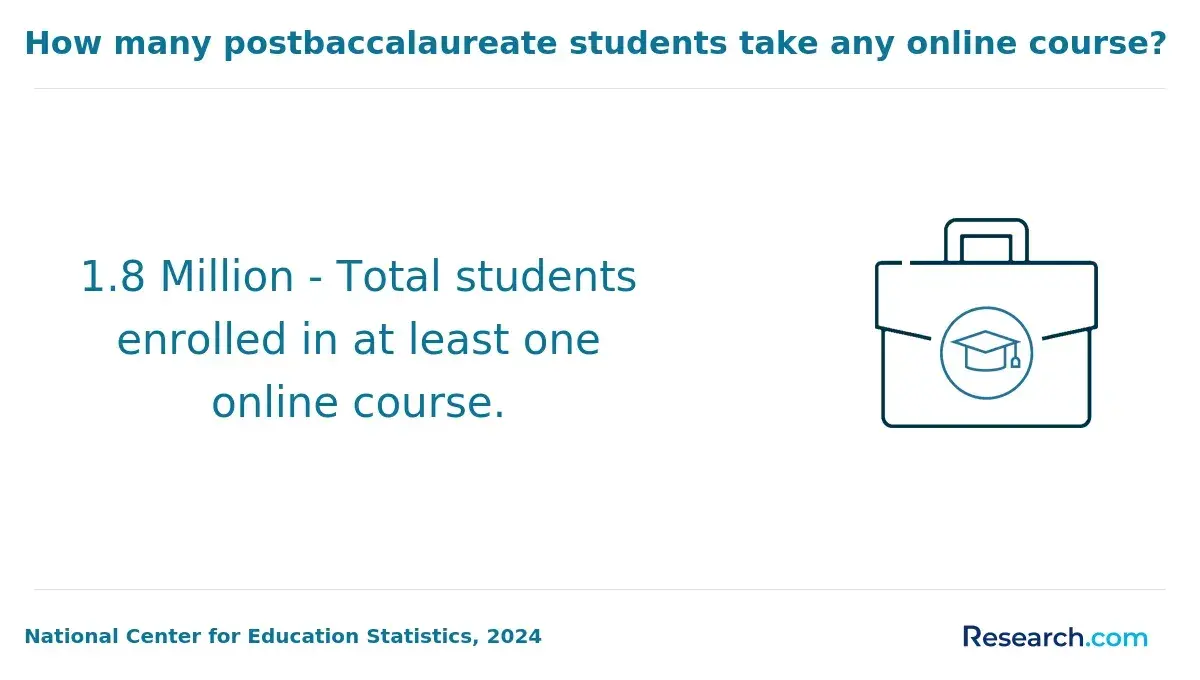
Online education has rapidly expanded across many fields, including those that lead to professional licensure. In fact, more than 15% of U.S. graduate students were enrolled exclusively in distance education as of 2019, reflecting this growing trend.
As licensure-track programs evolve, it becomes increasingly important to assess how online mental health counseling degree licensure requirements are met through digital formats. This shift highlights a need to understand the critical elements that ensure the degree qualifies for licensure.
The eligibility for state licensing depends largely on three main factors: institutional recognition, program curriculum, and supervised practical training. Programs must be offered by accredited institutions and align with approved educational criteria, including adequate coursework and credit hours.
Additionally, hands-on experience, such as internships or clinical placements, is essential and often coordinated locally despite the online setting. Meeting these standards is crucial for state licensing eligibility for online mental health counseling graduates, and prospective students might also explore options like the easiest DNP program to compare program structures and requirements.
Which Mental Health Counseling Careers Require Professional Licensure?
Certain careers within the mental health counseling field require professional licensure to protect public safety and ensure ethical practice. Licensed professionals undergo rigorous educational and training prerequisites, reflecting why the U.S. Bureau of Labor Statistics projects a 22% growth in employment for licensed mental health counselors from 2020 to 2030.
Below are key mental health counseling careers that typically mandate licensure before practice.
- Licensed Professional Counselor (LPC): LPCs deliver comprehensive mental health services such as diagnosis, treatment, and prevention of disorders. Licensure confirms that these counselors can practice independently while adhering to established ethical and clinical standards.
- Marriage and Family Therapist (MFT): MFTs specialize in addressing emotional and relational challenges within individuals, couples, and families. Licensing ensures therapists possess specialized systemic training critical for managing complex interpersonal dynamics safely.
- Licensed Clinical Social Worker (LCSW): LCSWs provide counseling and case management, frequently working with vulnerable groups in diverse community environments. Licensure is essential due to their involvement with sensitive social and psychological situations.
- Psychologist (With Counseling Focus): Licensed psychologists who provide therapeutic services must obtain licensure to validate their competency in psychological assessment, diagnosis, and evidence-based treatment methods.
- Licensed Substance Abuse Counselor: Those treating addiction and substance use disorders often require licensure to demonstrate expertise in specialized addiction therapies and ethical care in this high-risk area.
A mental health counseling degree graduate shared that navigating the licensure process felt daunting initially, especially balancing exam preparation with clinical hours.
He noted, 'The pressure to meet all licensing requirements was intense, but it reinforced my commitment to responsible practice.' He emphasized that professional licensure not only validated his skills but also increased his confidence in serving clients ethically and effectively.
What Accreditation Is Required for Mental Health Counseling Licensure?
Accreditation is a critical factor in determining if a mental health counseling degree program qualifies graduates for professional licensure. Research indicates that graduates from accredited programs typically achieve licensure exam pass rates near 80%, highlighting the impact of program quality on career outcomes.
Below are key accrediting organizations that influence licensure eligibility and ensure educational standards.
- Council for Accreditation of Counseling and Related Educational Programs (CACREP): Widely viewed as the premier accrediting body for mental health counseling degrees, CACREP sets comprehensive standards for curriculum, faculty, and clinical experiences. Many licensing boards prefer or require CACREP accreditation due to its rigorous academic and professional requirements.
- Commission on Accreditation of Allied Health Education Programs (CAAHEP): This organization accredits specialized allied health programs, including some counseling-related fields. While less prevalent for mental health counseling degrees, CAAHEP accreditation can enhance licensure eligibility depending on the program and jurisdiction.
- Regional Accrediting Agencies: These agencies accredit entire institutions rather than specific programs, certifying that schools meet general educational quality benchmarks. Regional accreditation supports licensure considerations by confirming institutional credibility.
- American Psychological Association (APA): Primarily accrediting clinical psychology doctoral programs, the APA's standards are essential for psychology licensure but have limited direct relevance for typical master's-level mental health counseling programs.
- National Board for Certified Counselors (NBCC): Though not an accrediting body, the NBCC endorses educational standards and approves certain coursework that licensing boards respect, thereby strengthening licensure qualifications and professional standing.
Do Licensure Requirements Vary by State for Mental Health Counseling Careers?
Licensure eligibility for graduates of online and traditional mental health counseling programs varies widely depending on state regulations. According to a recent report from the Association of State and Provincial Psychology Boards, almost 40% of states enforce unique educational or clinical stipulations that impact degree recognition for licensure.
This state-specific licensing variation significantly influences whether an online degree meets the qualifications needed to pursue licensure. The following discussion explores how these requirements differ across states.
Because state-specific licensing regulations for mental health counselors lack uniformity, the approval of online programs and educational prerequisites can vary drastically. Some states recognize online degrees that comply with their standards, while others mandate additional coursework or limit acceptance to degrees from certain institutions.
These divergent criteria affect not only which programs qualify but also the eligibility of graduates to apply for licensure directly. Students should also consider that licensure mobility between states may be complicated by these discrepancies, highlighting the importance of thorough research before committing to a program.
For those balancing work and education, options like online nursing programs for working adults exemplify how distance learning continues to evolve, though it remains critical to verify state-specific licensure compatibility.
What Online Courses Are Required for Mental Health Counseling Licensure?
Online mental health counseling degree programs are designed to fulfill the educational standards required for licensure by offering targeted coursework that builds essential skills and knowledge. Over 70% of students in these programs participate in online learning, highlighting its growing role in preparing future professionals.
The following categories outline the key types of courses commonly required to ensure licensure eligibility.
- Foundational Theory: These courses cover human development, psychological theories, and counseling principles, providing students with a comprehensive understanding of the frameworks that guide mental health practice.
- Applied Clinical Practice: Focused on developing hands-on skills, this coursework teaches counseling techniques, client assessment, and intervention methods crucial for effective therapeutic work.
- Ethics and Professional Standards: Emphasizing confidentiality, legal considerations, and ethical decision-making, these classes prepare students to navigate complex professional responsibilities.
- Research Methods: Offering instruction on evaluating clinical research and integrating evidence-based approaches, these courses enhance students' ability to apply current best practices in their work.
When I spoke with a professional holding a mental health counseling degree, she shared how navigating the online coursework was initially challenging but ultimately rewarding.
She explained that balancing rigorous classes with practical assignments required dedication and strong time management skills. 'Understanding how each course connected to licensure requirements gave me confidence that I was on the right path,' she said.
Rather than being intimidated by the online format, she found that the structure and clarity of the program helped her grasp crucial concepts effectively, making the entire learning process feel purposeful and aligned with her career goals.
Do Online Mental Health Counseling Programs Require Internships for Licensure?
Internship or practical experience components are commonly incorporated into mental health counseling programs designed to meet licensure requirements. Approximately 85% of accredited online or hybrid programs require students to complete supervised internships or practicum hours to ensure hands-on clinical exposure.
These real-world training opportunities are essential for applying classroom knowledge and honing professional counseling skills. The following discussion examines how these requirements integrate with licensure pathways.
The structure and timing of internship obligations differ across programs, shaped by curriculum design and licensure expectations. Rather than focusing on administrative placement, the emphasis lies on providing meaningful, supervised client contact that develops counseling competencies.
These experiences are critical for grounding theoretical learning in practical application under the guidance of licensed professionals. Ultimately, internships function as a vital bridge between academic training and professional readiness.
How Do Licensing Exams Work for Online Mental Health Counseling Graduates?
Licensing exams serve as a crucial, standardized measure of competency for graduates of both online and traditional mental health counseling programs. According to a 2022 NBCC report, first-time pass rates for online graduates on the National Counselor Examination average around 72%, closely matching those of their on-campus peers.
This parity illustrates that the exam process emphasizes skill and knowledge rather than the education delivery method. Key aspects of how licensing exams work for online mental health counseling graduates include:
- Eligibility Requirements: Online graduates must ensure their degree program meets the state's educational standards, including specific coursework and supervised practice hours, before becoming eligible to register for licensing exams.
- Exam Content: The exams cover essential areas such as human growth and development, counseling theories and techniques, group counseling, assessment and diagnosis, professional ethics, and treatment planning to ensure comprehensive evaluation of clinical competence.
- Preparation Methods: Candidates often prepare through thorough review of coursework, practice exams, and participation in prep courses or study groups, frequently utilizing digital resources and virtual communities suited to their schedules.
- Testing Administration: Exams are typically administered at authorized testing centers or via secure remote proctoring platforms, providing flexibility for online graduates to complete the testing process regardless of location.
How Do You Verify an Online Mental Health Counseling Program's Licensure Status?
Verifying an online mental health counseling program's licensure alignment is essential for students planning to meet professional licensure requirements. Nearly 30% of students unknowingly enroll in programs that lack proper accreditation or approval, which can obstruct their path to licensure. Below are key methods to confirm that a program supports students' licensure goals.
- Official Program Disclosures: Accredited programs typically provide transparent information about their licensure eligibility. Students should review the program's website, especially sections on accreditation, licensure, or career outcomes, to find clear, official disclosures.
- Institutional Recognition: Confirming that the institution offering the online mental health counseling degree holds accreditation from a recognized regional or national agency boosts credibility. Institutional accreditation often affects eligibility for licensure boards.
- Licensing Board Resources: Consulting state requirements for licensing mental health counseling degrees by reviewing the relevant state or territorial licensing board websites helps students verify if their chosen program meets mandated educational standards.
- Program Outcomes: Transparent disclosure of graduation rates, licensure exam pass rates, and employment statistics signals alignment with professional standards. These outcomes provide insight into the program's success in preparing students for licensure.
Students can also explore broader educational options by considering online self-paced degrees, which may offer additional flexibility along with proper accreditation and licensure alignment. Taking a careful, informed approach to verifying an online mental health counseling program accreditation verification ultimately safeguards students' investment and career prospects.
What Challenges Do Online Mental Health Counseling Students Face With Licensure?
Licensure pathways for online mental health counseling students often involve added complexity due to differences in educational standards and licensing board requirements across states. According to a recent survey, fewer than 60% of graduates from online counseling programs experienced no major obstacles during the licensure application process, pointing to widespread credentialing challenges.
These difficulties underscore key barriers students face, which include the following:
- Varied Program Expectations: Different state licensure requirements for online counseling degrees can create confusion about whether an online program satisfies all educational criteria. Students must carefully verify that their program meets the specific criteria set by their intended licensing boards.
- Documentation Hurdles: Licensing bodies often require detailed transcripts and proof of specific clinical hours or coursework. Online students may encounter delays if their programs do not provide clear or verifiable records, complicating timely submission for licensure.
- Program Alignment: Some online mental health counseling programs may offer strong curricula but lack full alignment with established professional standards needed for licensure. Failure to confirm this alignment can result in unexpected extra coursework or outright disqualification after graduation.
- Eligibility Pathways: Evolving and diverse eligibility pathways for licensure demand continuous research and understanding by students. Staying informed of changes is essential for adequately planning education and professional progression.
Those considering online degrees should also explore options among reputable online ASN programs as a comparison point for navigating complex educational criteria in healthcare-related fields.
Are Online Mental Health Counseling Degrees Respected in Licensed Professions?
Perceptions of online education within licensed professions have improved notably over recent years. Concerns about the credibility of online degrees have diminished as reputable institutions develop strong digital programs.
A new survey revealed that 76% of mental health employers feel comfortable hiring professionals holding online counseling degrees. This growing acceptance reflects a gradual shift in how these credentials are viewed within the workforce and licensure contexts.
Respect for online mental health counseling degrees largely depends on the quality of the program, achieved learning outcomes, and the graduate's ability to demonstrate competency. Increasingly, licensed professions prioritize these factors over the degree's mode of delivery, focusing on what skills the graduate brings to their role.
This trend aligns with the broader recognition of online mental health counseling degrees by licensed professions and reinforces the importance of choosing programs that meet established standards. Prospective students might also explore specialized pathways such as ADN to NP options that emphasize competency and career readiness.
What Graduates Say About Online Mental Health Counseling Degree Licensure Qualifications
- Westin: "Choosing to pursue an online mental health counseling degree was a game-changer for me, especially because I needed flexibility with my work schedule. I researched thoroughly to ensure my program met licensure requirements, which was crucial before committing. Having the right degree definitely eased the path to becoming a licensed counselor, and now I feel confident in my professional qualifications."
- Peter: "At first, I was skeptical about whether an online mental health counseling degree would qualify me for licensure, but my experience proved otherwise. The curriculum was rigorous and aligned with state standards, and the program included supervised practicum hours essential for licensure. Now, holding my license has significantly expanded my career opportunities and allowed me to make a greater impact on my clients' lives."
- Andrew: "My decision to pursue licensure with an online mental health counseling degree was driven by both convenience and accreditation. It's important to verify that the online program is recognized by licensing boards to avoid any setbacks. Achieving licensure has been instrumental in establishing my credibility and advancing my career within the counseling profession."
Other Things You Should Know About Mental Health Counseling Degrees
Yes, some states may consider prior in-person coursework or clinical experience when evaluating licensure applications. Even with an online mental health counseling degree, having hands-on or face-to-face practicum hours can support fulfilling supervised experience requirements. This combination may make the transition to licensure smoother depending on state regulations.
Students should verify that their online program facilitates or meets criteria for supervised clinical experience required for licensure. Planning ahead to secure qualified supervisors and appropriate settings is essential since online programs may not always provide direct placement assistance. Maintaining clear documentation of all supervised hours will aid in meeting licensure board standards.
Continuing education requirements for maintaining licensure typically remain the same regardless of the degree format. However, some certifications may have preferences or prerequisites related to degree accreditation or delivery method. Graduates should research specific certifications to ensure their online degree aligns with ongoing professional development criteria.
References
- How to Become a Clinical Mental Health Counselor - OnlineEducation.com https://www.onlineeducation.com/counseling/faqs/how-to-become-a-clinical-mental-health-counselor
- Mental Health Counselor https://onlinecounselingprograms.com/become-a-counselor/counseling-careers/mental-health-counselor/
- Mental & Behavioral Health Career Pathways | Health Workforce Initiative https://ca-hwi.org/resources/mental-behavioral-health-career-pathways/
- How To Become A Licensed Counselor: A Step-by-Step Guide | Psychology.org https://www.psychology.org/careers/counseling/
- CACREP https://www.cacrep.org/
- Online Mental Health Counseling Degrees Guide https://www.mentalhealthcounselorlicense.com/online-degrees/
- Are Online Counseling Degrees Respected? | University of Bridgeport https://www.bridgeport.edu/news/are-online-counseling-degrees-respected/
- 10 Things You Should Know About Becoming a Clinical Mental Health Counselor https://www.ucumberlands.edu/blog/10-things-you-should-know-about-becoming-clinical-mental-health-counselor
- Clinical Mental Health Counseling Licensure & Credentialing https://www.naropa.edu/programs/graduate-academics/clinical-mental-health-counseling/licensure/
- Look Up a Therapist's License - A State-by-State Guide - OpenCounseling https://blog.opencounseling.com/check-a-therapist-license/