
2027 Environmental Management Degree Programs for Career Changers

Co-Founder and Chief Data Scientist
Career changers often face uncertainty when entering environmental management, especially without prior industry experience. Many professionals worry about acquiring relevant skills quickly while balancing work and personal responsibilities. Notably, 56% of adult learners in environmental management programs pursue degrees to enhance employability in a rapidly evolving job market. With increasing demand for sustainability experts, environmental management offers a viable transition into stable, meaningful careers. This article explores degree program options tailored for career changers and highlights strategies to efficiently navigate education and workforce integration, empowering readers to confidently shift into environmental management roles.
Key Things to Know About Environmental Management Degree Programs for Career Changers
- Flexible scheduling and online or hybrid formats allow working adults to balance employment with studies, catering to career changers seeking manageable learning pathways.
- Programs emphasize employer-relevant skills, aligning curricula with industry standards to improve job market competitiveness and facilitate smoother career transitions.
- Accelerated pacing options and dedicated support services increase completion rates, with 65% of career changers reporting improved confidence and career prospects post-graduation.
What Environmental Management Programs Accept Career Changers?
Environmental management programs often appeal to working adults and professionals seeking a career transition because of their flexible admissions and practical curricula designed to leverage existing skills. Approximately 40% of graduate students in environmental fields are adult learners or career changers, highlighting the increasing emphasis on programs that accommodate nontraditional students.
Common environmental management degree programs with flexible admissions for working professionals include:
- Master of Environmental Management (MEM): These programs offer flexible entry requirements and focus on applied skills, enabling professionals from diverse backgrounds to transfer their expertise into environmental roles effectively.
- Master of Science in Environmental Policy and Management: This degree integrates policy analysis with management, making it ideal for career changers by emphasizing strategic thinking and leadership over technical prerequisites.
- Graduate Certificate in Environmental Management: With a shorter curriculum, these certificates provide essential knowledge and flexibility for busy adults who prefer to pivot careers without the commitment of a full degree initially.
- Online Environmental Management Degrees: Combining asynchronous coursework with practical assignments, these degrees help working professionals balance education alongside job and family responsibilities efficiently.
By offering adaptable programs with flexible admissions and relevant skill development, environmental management degrees present accessible pathways for professionals aiming to transition confidently into new fields. For additional guidance on flexible online education options, consider reviewing resources on slp online programs.
What Environmental Management Specializations Are Best for Career Changers?
Choosing the right environmental management specialization significantly impacts career changers aiming for a smooth professional transition. Demand in environmental science and protection occupations is expected to grow 8% from 2022 to 2032, reflecting increased opportunities for those with specialized skills. Below are four top specializations that leverage existing experience while offering career mobility and accessibility for newcomers.
- Environmental Policy and Compliance: Ideal for individuals with backgrounds in law, business, or public administration, this specialization builds on transferable skills related to regulatory frameworks and governance, making it easier for career changers to adapt and contribute effectively.
- Natural Resource Management: This focus suits professionals from biology or agriculture fields, emphasizing sustainable resource use and conservation practices that align with their previous expertise while opening doors to environmental stewardship roles.
- Environmental Health and Safety: Perfect for those experienced in industrial or healthcare settings, it centers on workplace safety and risk assessment, offering clear pathways for career changers familiar with safety protocols.
- Sustainability and Corporate Responsibility: Tailored for candidates from marketing, management, or communications, this specialization focuses on corporate sustainability initiatives and stakeholder engagement, tapping into existing skills to drive organizational responsibility efforts.
Working professionals interested in shifting to environmental management roles should explore specialized programs that match their skills and goals. Those considering educational routes may find pursuing an online business degree beneficial, as it complements many environmental management specializations by enhancing management and corporate responsibility capabilities. Aligning your choice with one of the top environmental management focus areas for professional transition ensures a more efficient and confident career move.
What Are the Admission Requirements for Career Changers Applying to a Environmental Management Program?
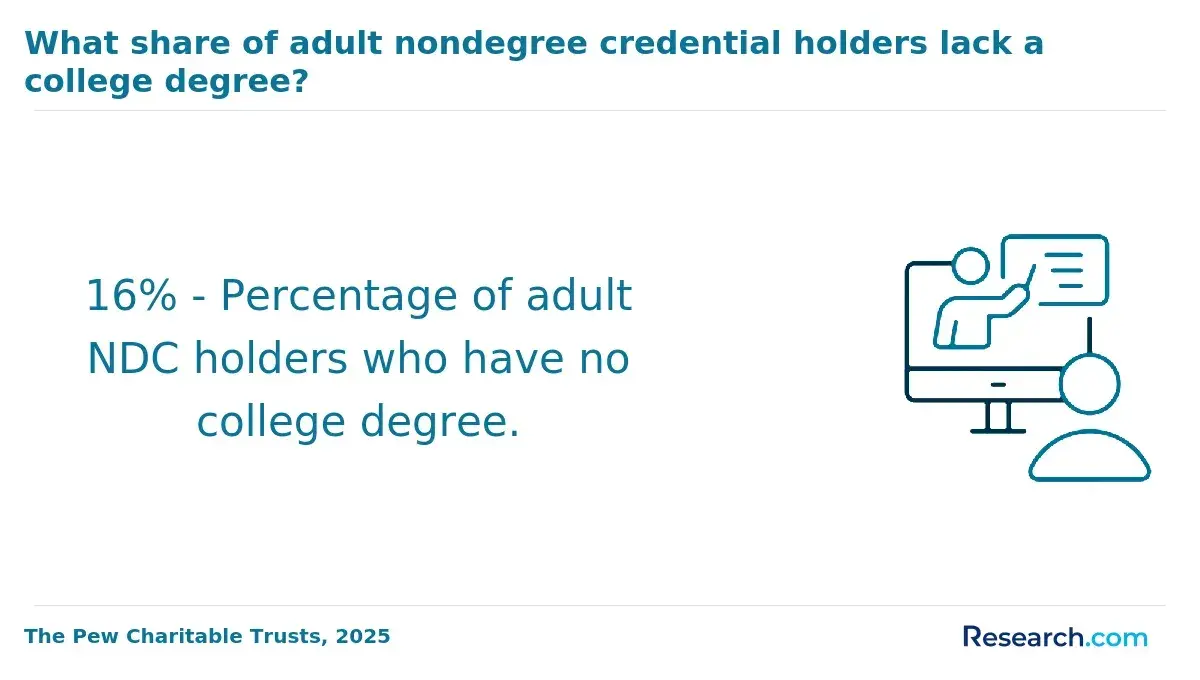
Career changers must carefully evaluate admission requirements when pursuing an environmental management degree since these often differ significantly from traditional student pathways. Nearly 40% of postsecondary enrollments were adult learners in 2020, reflecting a growing shift toward nontraditional admissions. The following list outlines typical criteria to help working professionals understand how to meet prerequisites for environmental management degrees as a working professional.
- Completed Degree: A bachelor's degree is generally required, but it does not always need to be in environmental science. Many programs accept diverse academic backgrounds, recognizing transferable skills.
- Academic Records: Official transcripts demonstrate academic readiness and may include minimum GPA standards. Flexibility is common for professionals with relevant experience.
- Letters of Recommendation: Typically from academic or professional contacts who can attest to the applicant's abilities and potential for success in the field.
- Personal Statement: Applicants explain their motivation for a career change and specific interest in environmental management, emphasizing how their prior experience complements this transition.
- Standardized Tests: Tests like the GRE may be required but are often waived for candidates with advanced degrees or substantial professional background.
Many programs cater to adult learners by offering flexible schedules such as part-time, evening, or online study options. This approach supports balancing work while meeting prerequisites effectively. Additionally, alternative qualification pathways including preparatory courses or certifications can bridge gaps in prior education.
Working professionals interested in flexible degree options might also explore a range of accredited marriage and family therapy programs online as another avenue for career growth. One resource for comparing such programs is accredited marriage and family therapy programs online.
What Is the Coursework for a Environmental Management Degree for Career Changers?
For professionals aiming to shift into environmental management, grasping the structure of the coursework is vital to balance study with existing commitments. Programs are crafted to be adaptable, frequently offering online or part-time options that fit varied schedules. Below are the core areas covered:
- Environmental Science Fundamentals: This section introduces essential concepts in ecology, biology, and earth sciences that lay the groundwork needed to understand environmental systems from a practical perspective.
- Environmental Policy and Regulations: Focuses on the legal framework and ethical standards that govern environmental conservation and compliance, ensuring students learn applicable rules relevant to real-world scenarios.
- Resource and Waste Management: Tackles strategies for sustainable utilization of resources alongside practical techniques for reducing waste and promoting recycling within industries and communities.
- Data Analysis and Environmental Technology: Covers methods for gathering and interpreting environmental data, often incorporating GIS tools and new technologies designed to support effective decision-making.
- Project Management and Communication: Highlights planning and leadership practices tailored for coordinating environmental projects and effectively engaging stakeholders during implementation.
One professional who pursued an online environmental management degree to facilitate a career shift shared his experience with me: "Balancing coursework with a full-time job was intense, but the flexible deadlines really helped. Adapting to new technical tools was challenging at first, especially without prior background, yet the structured support and online resources eased the learning curve."
He also noted that managing time and staying motivated were ongoing struggles, but eventually the program's practical approach "made the transition feel achievable rather than overwhelming."
What Environmental Management Program Formats Are Available for Career Changers?
Choosing the right environmental management program format is essential for career changers aiming to balance education with professional and personal obligations. Nearly 40% of online college students are aged 30 or older, reflecting a strong demand for adaptable learning options. Below are some widely adopted program structures that support flexible learning.
- Fully Online Programs: These allow students to complete coursework entirely via the internet, offering maximum convenience and enabling learners to study at their own pace from any location, ideal for busy professionals.
- Hybrid Programs: Combining virtual classes with occasional on-campus sessions, this format promotes interaction with instructors and peers while maintaining flexibility.
- Evening or Weekend Classes: Scheduled outside normal work hours, these programs accommodate those who require a more traditional classroom environment without compromising their daytime job commitments.
- Part-Time Enrollment: Extending the timeline to degree completion, this option reduces the academic load per term, helping students juggle coursework alongside other responsibilities.
What Skills Do Career Changers Gain in a Environmental Management Program?
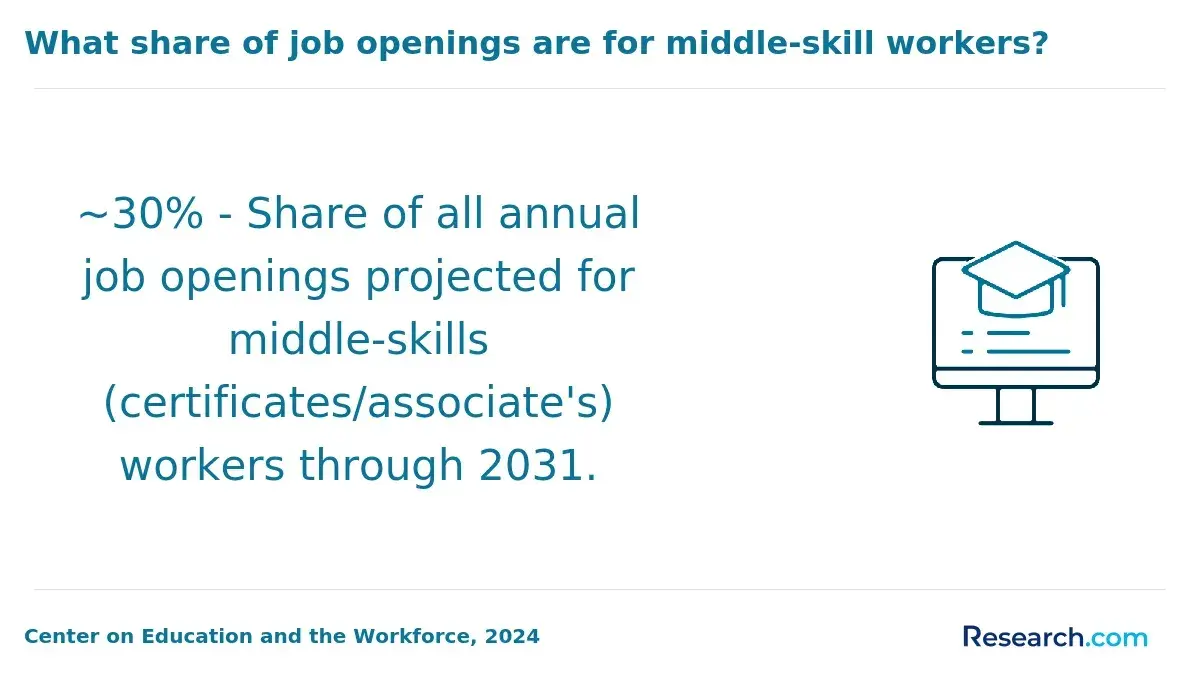
For adults shifting careers, developing new skills is crucial, as 87% of global workers report needing reskilling to stay relevant in a fast-changing job market. This makes acquiring practical and adaptable competencies through formal study especially valuable for career changers. Below are five essential skills people typically gain in an environmental management program that facilitate both effective role transitions and sustained career growth:
- Environmental Policy Analysis: Mastery of regulatory frameworks equips graduates to manage compliance challenges in various sectors, from government agencies to private firms.
- Project Management: Expertise in organizing resources, budgeting, and leading initiatives enables career changers to drive environmental sustainability projects with confidence.
- Data Collection and Interpretation: Proficiency in analyzing environmental data enhances decision-making and supports practical problem-solving across diverse workplaces.
- Risk Assessment: Skills in identifying and mitigating potential environmental hazards help safeguard natural resources and public health.
- Communication and Advocacy: The ability to clearly present technical information fosters collaboration with stakeholders, including policymakers and the community.
When asked about her experience, a career changer who completed an environmental management degree shared that adapting to new scientific concepts was initially intimidating but rewarding. She described how applying project management techniques to group assignments helped her build confidence managing real-world challenges, saying, "It was empowering to connect theory with practical action."
Over time, she noticed her communication skills significantly improved, making it easier to advocate for sustainability goals in her new role. Reflecting on the journey, she emphasized how the versatile skill set she developed not only eased her career shift but opened unexpected doors for long-term growth in the environmental sector.
How Much Does a Environmental Management Degree Cost for Career Changers?
Balancing education expenses with existing financial commitments is a critical concern for career changers pursuing graduate education, as the average borrower completes their studies with around $39,000 in student debt. This makes a clear understanding of total program costs essential for wise financial planning. The main components influencing the cost of an environmental management degree include several key areas:
- Tuition: Tuition is typically the largest expense, varying widely based on program length, format, and institution type. For environmental management, average tuition fees range from $15,000 to over $50,000 for a complete degree, reflecting these diverse options that cater to different learner needs.
- Fees: Additional fees commonly cover registration, laboratory access, and campus resources. These usually add several hundred to a few thousand dollars annually and should be factored into the total cost for a comprehensive budget.
- Textbooks and Materials: Course materials can be a significant recurring expense, often costing between $500 and $1,500 per year. Selecting partly online or hybrid programs may offer some savings on materials over time.
- Flexible Payment Options: Many programs now provide installment plans and employer tuition assistance to ease upfront financial burdens. Employers may also offer reimbursement for degrees related to the career path, which helps reduce overall debt accumulation.
- Accelerated and Credit-Transfer Opportunities: Programs allowing credits for prior experience or offering accelerated formats enable faster completion, lowering tuition and associated costs. Such options are especially valuable for adult learners aiming to transition efficiently into new roles.
For working professionals looking to optimize their educational investment, selecting a program that balances affordability with quality is crucial. Understanding the average tuition fees for environmental management programs helps in comparing options and calculating realistic budgets. Additionally, exploring related fields can provide insight into income potential; for example, highest paying bachelor degrees often guide students toward areas of growing demand and salary prospects.
How Does a Environmental Management Curriculum Support Career Transitions?
Curriculum design is especially important for career changers pursuing an environmental management degree curriculum for career changers, as it ensures the program is relevant and accessible to professionals entering a new field. Tailored courses focus on practical skills alongside theory, providing a direct pathway for those transitioning into environmental roles. Key curriculum features supporting this shift include the following:
- Applied Learning Opportunities: Programs emphasize case studies and simulations, giving students hands-on experience in addressing real-world environmental challenges and fostering problem-solving abilities.
- Transferable Skill Development: Curriculum integrates essential skills such as project management, data analysis, and communication, enabling learners to adapt their existing professional experience to environmental contexts effectively.
- Flexible Pacing Options: Many programs offer part-time or online courses, accommodating working professionals who must balance education with ongoing career and family commitments.
- Real-World Projects: Learners engage in practical projects that build portfolios demonstrating their expertise and readiness to prospective employers, enhancing employability in the environmental sector.
- Interdisciplinary Coursework: The integration of environmental science with business, policy, and technology broadens career pathways and cultivates adaptability in an evolving job market.
These curriculum elements collectively address the unique challenges faced by adult learners, equipping them with skills gained from environmental management programs for professionals that are both relevant and immediately applicable. For prospective students balancing affordability with quality, exploring options such as a cheapest online college can be a strategic step toward efficient career transition.
What Careers Can Career Changers Pursue With a Environmental Management?
Recognizing career possibilities is essential for those shifting into environmental management, as it helps match existing skills with new industry needs. The U.S. Bureau of Labor Statistics anticipates a 5% increase in environmental science and protection technician jobs from 2022 to 2032, signaling steady opportunities ahead. Below are some common career options for graduates in this field.
- Environmental Consultant: Provides guidance on compliance with environmental standards and helps develop sustainable strategies. This role benefits from analytical and problem-solving skills, making it accessible for professionals with research or project experience.
- Compliance Officer: Ensures organizations adhere to environmental regulations by monitoring operations and enforcing policies. Attention to detail and prior experience in regulation or oversight facilitate transitions into this position.
- Waste Management Specialist: Oversees programs aimed at reducing waste and promoting recycling initiatives. Operational expertise combined with understanding of environmental policies allows career changers to adapt effectively.
- Conservation Officer: Works to safeguard natural resources through monitoring activities and implementing conservation plans. Strong communication skills and practical field experience are advantageous in entering this role.
- Renewable Energy Project Coordinator: Manages and coordinates projects focused on sustainable energy solutions. Skills in planning, organization, and cross-team collaboration support career changers moving into this area.
What Is the Average Salary After Earning a Environmental Management Degree as a Career Changer?
Salary expectations play a key role for career changers weighing the benefits of pursuing an environmental management degree. Research shows that professionals who reskill often experience a salary boost of 10% to 20%, depending on their background and target industry. Below are typical earnings and factors shaping compensation in this field.
- Entry-Level Roles: New graduates generally earn between $50,000 and $65,000 annually, with salaries influenced by location and entry point within the industry.
- Mid-Career Professionals: Those with five to ten years of experience can expect salaries ranging from $70,000 to $90,000, reflecting growing expertise and leadership responsibilities.
- Senior Positions: Specialized or senior-level professionals often surpass $100,000, benefiting from advanced skills and strategic roles.
- Industry Variation: Compensation differs between sectors such as consulting, government, or nonprofit, each offering distinct pay scales and benefits.
- Prior Experience Impact: Individuals bringing management or technical skills from other fields may accelerate salary growth and achieve advanced positions more quickly.
What Graduates Say About Their Environmental Management Degrees for Career Changers
- Grant: "I decided to switch careers after realizing I wanted to make a tangible difference in sustainability efforts. The cost of the environmental management degree program was a concern, but knowing the average investment ranged between $15,000 and $25,000 helped me plan accordingly. Completing the program opened doors to roles I never imagined, completely transforming my professional trajectory with valuable skills and confidence."
- Harlan: "After years in a stagnant field, pursuing an environmental management degree felt like the right challenge. Though the price tag of around $20,000 was significant, I viewed it as an investment in my future. The degree was instrumental in equipping me with the expertise I needed, allowing me to transition smoothly into an impactful and fulfilling role."
- Archer: "Switching careers to environmental management was both exciting and daunting, especially considering the typical cost near $18,000. As someone methodical and cautious, I reflected deeply on the program's long-term benefits and realized the skills gained would far outweigh the financial cost. Graduating has since empowered me to contribute effectively in my new profession, validating every decision made along the way."
Other Things You Should Know About Environmental Management Degrees
In 2027, internships and practical experiences are often pivotal in environmental management programs for career changers. They provide hands-on learning and real-world exposure, bridging theory and practice, and enhancing employability in the environmental sector.
Yes, career changers with non-science backgrounds can succeed in environmental management degree programs. Many programs in 2027 are designed to support diverse educational backgrounds, offering foundational courses and personalized academic advising to build necessary skills and ensure successful transitions into the field.
Yes, many programs provide specialized support such as academic advising, career counseling, and flexible scheduling to accommodate adult learners. Some offer evening, weekend, or online classes to help working professionals balance studies with other responsibilities. Additionally, mentorship programs and peer support groups are increasingly common to assist career changers in adjusting to academic environments and career shifts.
References
- ISEP - Institute of Sustainability and Environmental Professionals https://www.isepglobal.org/learn/courses/certificate-in-sustainability-and-environmental-management/
- Entry Training Routes into an Environmental Management Career | BookmyCourse https://www.bookmycourse.co.uk/articles/entry_training_routes_into_an_environmental_management_career_14770/
- Types of Sustainability Degrees https://www.sustainabilitydegrees.com/degrees/
- Frequently asked green career questions - Green Careers Hub https://www.greencareershub.com/find-your-green-role/frequently-asked-questions/
- How to Choose a Great Environmental Manager Degree | LIS https://www.lis.ac.uk/stories/environmental-manager-degree
- Energy- and Environmental Management https://hochschule-burgenland.at/en/bachelor-energy-and-environmental-management/
- What skills do you need to succeed in environmental careers? | ECO Canada https://eco.ca/blog/essential-skills-for-environmental-jobs/
- Career Change | Transitioning into the Environmental Sector https://wolfpeak.com.au/news/ready-for-a-career-change-how-to-transition-into-the-environmental-sector-with-wolfpeak
- Your Top 10 Green Career Questions Answered - Catalyse Change https://catalysechange.com/2024/06/your-top-10-questions-about-green-careers/
- Faculty of Environmental Engineering https://wis.pwr.edu.pl/en/masters-degree


