2027 Fastest Online Kinesiology Bachelor's Degree Programs You Can Finish in 3 Years or Less

Co-Founder and Chief Data Scientist
The main question for many kinesiology students is not whether a bachelor’s degree is useful, but how quickly they can earn one without overpaying or putting work on hold. A traditional campus program often takes four years or more, while accelerated online options may shorten the timeline through transfer credits, compressed terms, summer enrollment, and competency-based pacing.
Online study is now a common part of undergraduate education. According to the National Center for Education Statistics, over 40% of undergraduate students engage in some form of online study, which helps explain why more colleges are building faster, more flexible pathways for working adults, transfer students, military learners, and career changers.
This guide explains how the fastest online kinesiology bachelor’s programs work, which options may be completed in three years or less, what admissions and credit requirements to expect, how financial aid applies, and how to compare accelerated, competency-based, and degree-completion formats before enrolling.
Key Benefits of the Fastest Online Kinesiology Bachelor's Degree Programs
- These programs offer flexible scheduling and asynchronous classes, allowing working professionals to balance education with career and personal commitments.
- Accelerated formats enable students to acquire essential kinesiology skills and credentials faster, often reducing total degree time by up to 50%.
- Students gain access to diverse global networks through virtual collaborations and industry connections, enhancing career opportunities in competitive health and fitness fields.
What Are the Fastest Online Kinesiology Bachelor's Degree Programs You Can Complete in 3 Years or Less?
The fastest online kinesiology bachelor’s degree programs use shorter course terms, year-round enrollment, transfer-friendly policies, or competency-based education to help students finish in three years or less. The degree usually still requires 120 credit hours, so the shorter timeline comes from taking more credits per year, applying previous college credit, or moving through coursework based on demonstrated mastery.
Students should confirm that a program is accredited, fully online or mostly online, and able to offer the required courses often enough to support an accelerated plan. A school may advertise online coursework, but internships, labs, practicums, or certain upper-division courses can still affect the completion timeline.
- University of Florida: Offers a fully online Bachelor of Science in Applied Physiology and Kinesiology requiring 120 credit hours. The program uses 8-week accelerated terms and year-round classes, which may allow completion in as little as 2.5 years. The total estimated cost is about $57,000.
- Towson University: Provides a Bachelor of Science in Kinesiology with an online option and accelerated sessions throughout the year. Students complete 120 credits and may finish within 3 years by using summer and winter sessions. The cost for in-state students averages $32,000.
- Western Governors University: Offers a competency-based Bachelor of Science in Health and Wellness with kinesiology-related coursework. Tuition runs roughly $6,700 per 6-month term, and there are no speed limits on course completion, so highly motivated students may graduate in under 3 years.
- California University of Pennsylvania: Features an online Bachelor of Science in Kinesiology requiring 120 credits and delivered through accelerated 8-week terms year-round. In-state tuition is around $9,800 annually, and students with transfer credits can finish within 3 years.
How to identify the fastest realistic option
- Check transfer limits before applying: A program that accepts more prior credits may be faster than one with shorter terms but stricter transfer rules.
- Ask whether major courses run every term: If required kinesiology courses are offered only once per year, the advertised pace may not match your actual schedule.
- Compare workload, not just duration: Finishing in 2.5 years or 3 years often requires summer classes and a heavier weekly study commitment.
- Verify accreditation: Speed should not come at the expense of institutional legitimacy, credit transferability, graduate school eligibility, or employer recognition.
Speed-to-completion depends heavily on course load, transfer credits, academic readiness, and whether the student can handle accelerated or competency-based formats. For readers comparing accelerated healthcare pathways more broadly, a 12 month dnp program online is another example of how compressed degree models can reduce time in school when the learner is prepared for the pace.
How Does an Accelerated Online Kinesiology Bachelor's Degree Save You Money Compared to a Traditional 4-Year Program?
An accelerated online kinesiology bachelor’s degree can reduce costs in two ways: by lowering the number of semesters you pay for and by helping you enter the workforce sooner. The savings are strongest for students who can use transfer credits, avoid repeated courses, enroll year-round, and maintain enough credits to finish on schedule.
The National Center for Education Statistics (NCES) cites an average annual tuition of about $9,500 at public institutions. Completing a bachelor’s degree in three years instead of four can reduce tuition by roughly 25%, saving approximately $9,500 in direct tuition costs.
Accelerated students may also pay fewer recurring charges. Course fees typically range from $200 to $400, and technology fees typically range from $100 to $200. Avoiding extra semesters can reduce the total amount paid for these recurring expenses, although exact savings depend on how each college charges fees.
The largest financial difference may come from opportunity cost. According to the U.S. Bureau of Labor Statistics (BLS), the median weekly earnings for bachelor’s degree holders are about $1,300, or nearly $68,000 annually. Graduating a year earlier can mean earning a salary sooner rather than spending that year in school.
| Cost factor | Accelerated 3-year path | Traditional 4-year path |
| Tuition example | $28,500 in tuition | $38,000 in tuition |
| Fee example | $1,800 in fees | $2,400 in fees |
| Estimated direct school cost | Approximately $30,300 | Higher because of the additional year |
| Opportunity cost | Earlier workforce entry | May include $68,000 in foregone earnings |
| Total estimated comparison | Lower direct cost and faster income potential | Total estimated expense of $108,400 in the example |
- Lower total tuition: Finishing in three years can cut tuition costs by about 25% compared with a four-year timeline.
- Reduced semester-based fees: Fewer terms may mean fewer course, technology, and registration charges.
- Earlier workforce entry: A faster degree can help students start earning a full-time income sooner.
- Lower opportunity cost: Avoiding an extra year of foregone earnings can be more valuable than the tuition savings alone.
- Better fit for prior-credit students: Working adults and transfer students may benefit most, especially if they are comparing healthcare pathways such as a cheapest rn to bsn program where prior academic credit can also shorten completion time.
The trade-off is intensity. Students who accelerate may have less time for paid work during heavy terms, and dropping or repeating a course can reduce the expected savings. Before enrolling, ask for a term-by-term degree plan and a full cost estimate, including tuition, fees, books, practicum expenses, and any residency or campus requirements.
Which Accredited Online Colleges Offer the Cheapest Kinesiology Bachelor's Degrees That Can Be Completed in Under 3 Years?
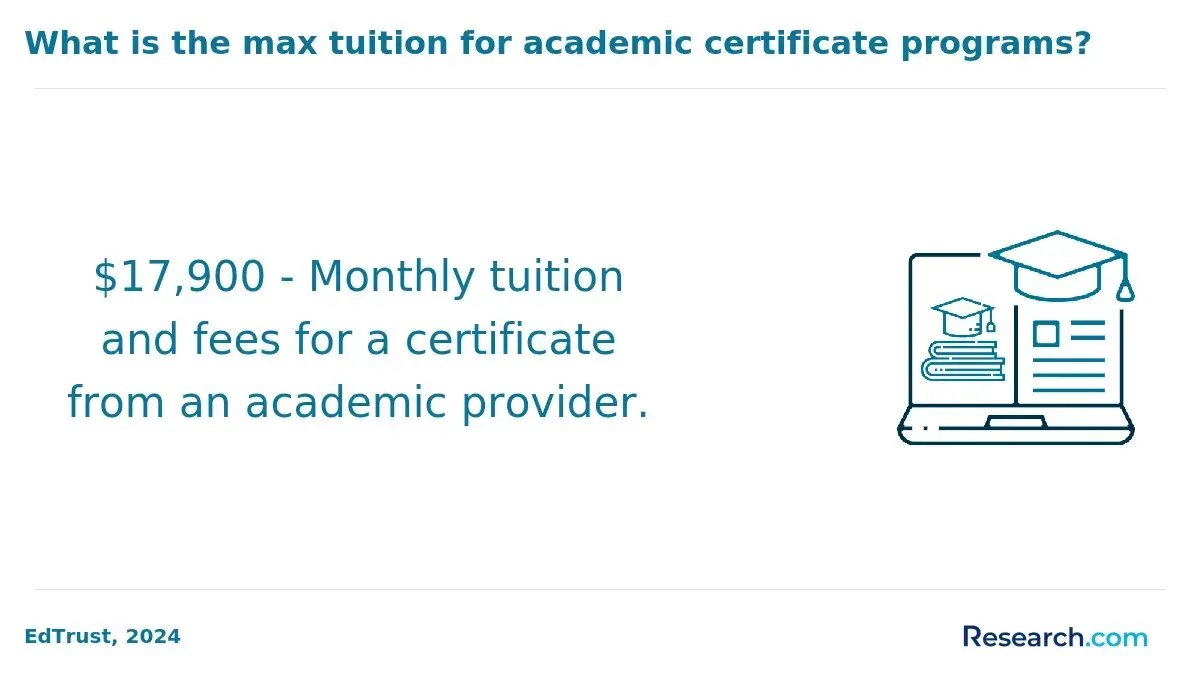
The cheapest accredited online kinesiology bachelor’s degree is not always the program with the lowest posted tuition. A lower-cost option must also accept enough transfer credit, offer required courses frequently, and provide a realistic path to completion in under three years. Regional accreditation is especially important because it generally supports stronger credit transfer, graduate school acceptance, employer recognition, and access to federal financial aid.
Students can verify institutional accreditation through the CHEA database before applying. Programmatic accreditation may also matter in some allied health fields, but for a bachelor’s degree in kinesiology, institutional accreditation is the first filter.
- Western Governors University: Uses a competency-based model charging about $3,920 per six-month term, with an estimated total cost near $15,680 if finished within three years. It holds regional accreditation from the Northwest Commission on Colleges and Universities (NWCCU), and its mastery-based format may help disciplined students move faster than a standard semester calendar.
- Columbia Southern University: Regionally accredited by the Southern Association of Colleges and Schools Commission on Colleges (SACSCOC), it charges roughly $275 per credit hour. The full 120-credit program costs close to $32,250, and continuous enrollment options may allow completion in about 2.5 years.
- Fort Hays State University: Accredited by the Higher Learning Commission (HLC), this school offers online kinesiology courses at $226.67 per credit hour. The degree can be earned in roughly three years at an estimated $27,200 total, with multiple start dates and transfer credit support.
- Thomas Edison State University: Regionally accredited by the Middle States Commission on Higher Education (MSCHE), TESU charges $399 per credit hour. Its competency-based credits and transfer-friendly policies can reduce costs to about $25,000 and speed up completion to under three years.
- University of Texas Rio Grande Valley: Regionally accredited by SACSCOC, this university’s in-state tuition is approximately $193 per credit hour. Accelerated pathways and credit transfer can make finishing in about three years feasible, with a total cost near $23,160.
What to ask before choosing the cheapest program
- Will my credits apply to the major or only electives? Transfer credits are most valuable when they replace required coursework, not just free electives.
- Are tuition rates different for online, out-of-state, or upper-division courses? Posted tuition can change by residency, modality, or course level.
- Are there extra fees for technology, graduation, labs, assessments, or practicums? These costs can affect the true price of a fast-track degree.
- Can the school guarantee course availability? A low-cost program may take longer if required classes are not offered every term.
A professional who enrolled in one of the fastest online kinesiology bachelor’s degree programs said the hardest part was managing transfer credit evaluation while adjusting to self-paced study. “I wasn’t just racing against the clock - I had to prove competency, which meant showing mastery in each subject before moving on. It made the experience intense but rewarding,” he explained. He also noted that a flat-rate tuition model made financial planning easier because he could focus on completing courses instead of worrying about unexpected charges.
What Admissions Requirements Must You Meet for a Fast-Track Online Kinesiology Bachelor's Program?
Admissions requirements for fast-track online kinesiology bachelor’s programs depend on the institution, the student’s transfer status, and the program format. Traditional universities commonly require official transcripts, a minimum cumulative GPA between 2.5 and 3.0, and prerequisite coursework in subjects such as biology, anatomy, or physiology. Some schools may request SAT or ACT scores, although many have test-optional policies, especially for adult learners and transfer applicants.
Competency-based and open-enrollment programs may place less emphasis on standardized testing and more emphasis on previous college credit, work experience, or readiness for independent study. These programs can be accessible, but they still require students to document prior learning and meet institutional academic standards.
Common admissions materials
- Official transcripts: Required from high school and any colleges previously attended.
- Minimum GPA: Many programs expect a cumulative GPA between 2.5 and 3.0.
- Prerequisite courses: Biology, anatomy, physiology, chemistry, or health science coursework may be required or recommended.
- Personal statement: Competitive programs may ask applicants to explain career goals, academic readiness, and interest in kinesiology.
- Letters of recommendation: References from instructors, supervisors, coaches, or healthcare professionals can strengthen an application.
- Portfolio or experience documentation: Some programs consider coaching, physical therapy assistance, wellness, military, or fitness-related experience.
- Safety-related requirements: Depending on the curriculum, students may need background checks, CPR certification, or first aid certification before fieldwork.
Applicants can improve their chances by completing science prerequisites before applying, requesting transfer evaluations early, and confirming whether the program has separate admission requirements for the kinesiology major after general university admission.
Students who want broader health-related preparation may also consider complementary training, such as online medical billing and coding courses, especially if they are interested in administrative, rehabilitation, wellness, or healthcare support roles.
How Many Credit Hours Are Required to Finish an Online Kinesiology Bachelor's Degree in 3 Years or Less?
Most U.S. bachelor’s degrees, including online kinesiology bachelor’s programs, require around 120 credit hours. To finish in three years or less, students usually need to complete approximately 40 credits annually. A typical accelerated plan might combine fall, spring, and summer coursework rather than relying only on two standard semesters.
- Fall: 14 credits
- Spring: 14 credits
- Summer: 12 credits
This schedule reaches 40 credits in one academic year. It is manageable for some full-time students, but it can be demanding for working adults, parents, and students taking lab-heavy or writing-intensive courses. Before committing, students should estimate weekly study hours, work obligations, practicum requirements, and course sequencing.
Ways to reduce the number of credits you still need
- Transfer credits: Prior college coursework from accredited institutions may apply to general education, electives, or major requirements.
- Prior learning assessments (PLA): Some schools award credit for documented professional, military, or technical learning.
- CLEP exams: Credit-by-exam can help students satisfy some lower-division requirements.
- Military credits: Training and service records may be evaluated for academic credit.
- Competency-based learning: In some programs, students progress by demonstrating mastery rather than sitting through a fixed term.
- Credit hour expectations: Completing 120 credit hours is the standard benchmark for most kinesiology bachelor’s degrees.
- Advanced credit opportunities: Transfer credits, PLA, CLEP, and military experience can reduce the number of new credits a student must complete.
- Competency-based learning: This model may shorten completion time for students who already understand parts of the curriculum.
- Accelerated scheduling: A common three-year plan includes 13 to 14 credits in fall and spring plus summer coursework.
- Growing adoption: Over 35% of undergraduates now engage in credit transfers or accelerated learning, according to the National Center for Education Statistics.
One professional who completed an online kinesiology bachelor’s degree within three years described the experience as challenging but achievable with a disciplined schedule. “Balancing a full-time job with heavy academic demands wasn’t easy,” she recalled, “but knowing exactly how many credits I needed each term helped me stay focused.” She also used PLA credits from previous military training to avoid repeating material she had already mastered.
Can You Transfer Credits to Finish Your Online Kinesiology Bachelor's Degree Faster - and How Does It Work?
Yes. Transfer credit is one of the most effective ways to finish an online kinesiology bachelor’s degree faster, but it works only when the receiving school accepts the credits and applies them to the right degree requirements. Universities review official transcripts to determine whether previous courses match their curriculum in content, academic level, credit value, and accreditation standards.
Students should request a formal transfer evaluation before enrolling whenever possible. A verbal estimate from admissions is helpful, but a written degree audit is more reliable because it shows which credits count toward general education, major requirements, electives, or prerequisites.
Common types of transferable credit
- College transfer credits: Courses from accredited colleges are often accepted when they are equivalent to required coursework.
- CLEP credits: Standardized exams can demonstrate subject knowledge and may satisfy some lower-division requirements.
- AP credits: Advanced Placement exam scores may count toward degree requirements, subject to school limits.
- Prior learning credits: Professional, military, or technical experience may be reviewed through documentation, portfolios, or assessments.
Some online kinesiology programs accept up to 90 credits, which can dramatically shorten the path to graduation. However, transfer is rarely automatic. Research indicates an average loss of 13 semester credit hours during transfer because of course mismatches, accreditation differences, grades below the receiving school’s threshold, or credits that apply only as electives.
- Start early: Submit transcripts, course descriptions, and syllabi before you commit to a program.
- Ask how credits apply: Credits that satisfy major requirements are more valuable than credits that count only as electives.
- Check residency requirements: Many schools require students to complete a minimum number of credits through the degree-granting institution.
- Confirm expiration policies: Some science or health-related courses may need to be recent to count toward prerequisites.
- Compare more than one school: A different institution may accept more of your previous coursework and shorten your timeline.
The key is to treat credit transfer as a financial and academic planning step, not an afterthought. The right transfer policy can save time and money; the wrong assumption can delay graduation.
What Financial Aid Options Are Available for Students Pursuing an Accelerated Online Kinesiology Bachelor's Degree?
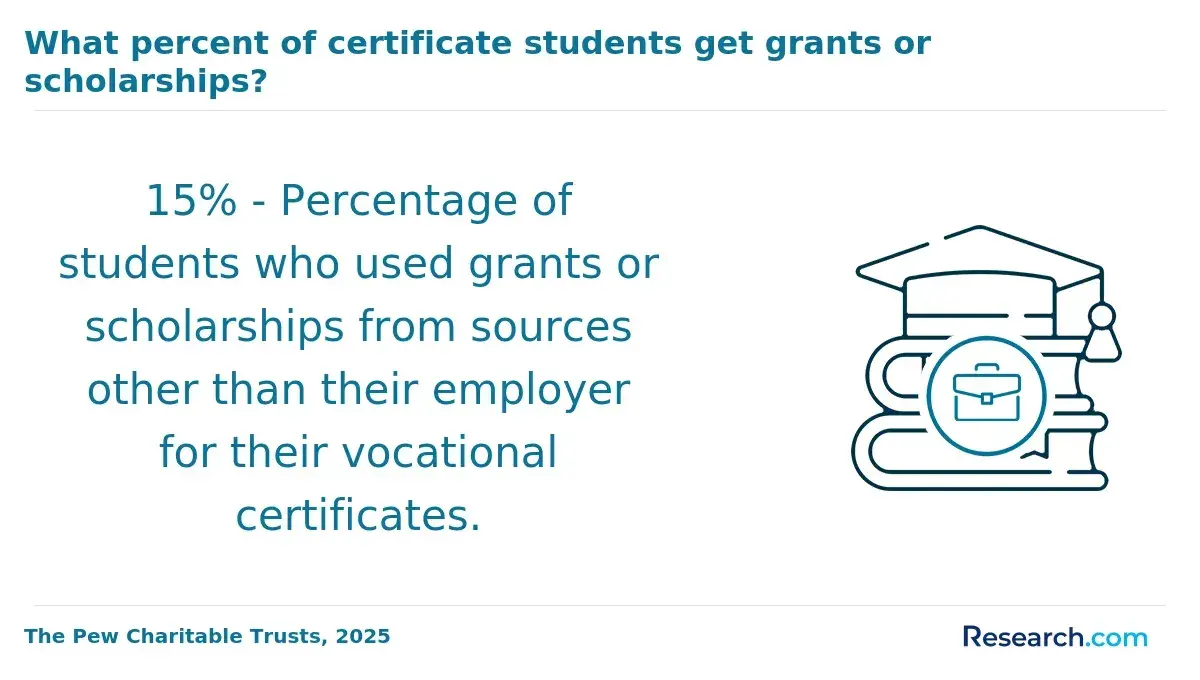
Students in accredited online kinesiology bachelor’s programs may qualify for federal, state, institutional, and employer-based aid. The starting point is the Free Application for Federal Student Aid (FAFSA), which determines eligibility for federal grants, loans, and work-study. According to the National Center for Education Statistics, over 60% of postsecondary students receive some form of financial aid.
- Federal financial aid programs: Completing the FAFSA may help students qualify for Pell Grants, subsidized federal loans, and federal work-study. Pell Grants do not require repayment, while subsidized loans have interest paid by the government during eligible enrollment periods.
- Institutional scholarships and merit awards: Many universities offer scholarships based on academic achievement, leadership, transfer status, military affiliation, or other criteria. Some awards are renewable, which matters for students planning an accelerated sequence.
- Discipline-specific grants: Foundations and professional organizations may support students in kinesiology, exercise science, wellness, physical therapy preparation, or related health sciences. These often require separate applications and deadlines.
- Enrollment intensity and aid eligibility: Federal aid eligibility often depends on enrollment level. Full-time status is typically 12 or more credits per term, so accelerated students should plan schedules carefully to maintain aid while avoiding overload.
- Employer tuition reimbursement programs: Working students should ask whether their employer supports online or accelerated kinesiology coursework. Some employers reimburse only approved programs, job-related courses, or classes completed with a required grade.
Financial aid mistakes to avoid
- Assuming all online programs qualify: Federal aid generally requires enrollment in an eligible accredited institution and program.
- Ignoring summer aid rules: Summer enrollment can help students finish faster, but aid availability may differ from fall and spring.
- Borrowing based only on tuition: Books, technology, exam fees, practicum costs, and lost work hours can affect affordability.
- Dropping below required credits: Reducing course load may lower aid eligibility or trigger loan repayment consequences.
Before enrolling, students should request a financial aid package for the accelerated plan specifically, not just for a standard academic year. The fastest plan is only useful if it remains financially sustainable.
How Does Competency-Based Education (CBE) Help You Finish an Online Kinesiology Bachelor's Degree Faster?
Competency-based education (CBE) can help students finish faster by allowing them to advance after proving mastery instead of waiting for a traditional semester to end. This format is especially useful for learners who already have relevant knowledge from college coursework, military training, coaching, fitness, healthcare support, or workplace experience.
In a CBE program, students usually complete assessments, projects, exams, or performance tasks tied to specific competencies. If they already understand the material, they may move quickly. If they need more time, they can spend longer on difficult subjects. When combined with transfer credits, some motivated students may shorten a traditional four-year pathway to as little as 12 to 18 months.
- Self-paced learning: CBE lets students progress by demonstrating mastery, which can accelerate completion for those with strong prior knowledge and disciplined study habits.
- Reduced time to degree: Combining CBE with transfer credits can significantly shorten a kinesiology-related bachelor’s pathway, sometimes to as little as 12 to 18 months.
- Accredited and financial aid eligible: Many established institutions offering CBE options are accredited and may participate in federal financial aid programs.
- Less external structure: CBE requires strong time management because students may not have weekly class meetings or fixed assignment rhythms.
- Employer recognition varies: Acceptance of CBE credentials is growing, but some employers are more familiar with traditional degrees. Accreditation and school reputation matter.
Who is most likely to succeed in CBE?
- Good fit: Self-directed learners, students with prior college credit, working adults with related experience, and learners who can study consistently without frequent reminders.
- Potentially difficult fit: Students who need live lectures, regular peer interaction, strict weekly deadlines, or extensive instructor-led explanations.
Students considering certifications alongside kinesiology coursework may also compare other healthcare credentials. For example, a guide to cpc certification explains credential differences, cost, and salary prospects in a separate health-related career path.
What Is the Difference Between an Accelerated Online Kinesiology Degree and a Degree-Completion Program?
An accelerated online kinesiology degree is designed to compress a full bachelor’s program into a shorter timeline, often three years or less. It may be appropriate for students starting with few or no college credits who are willing to take heavier course loads, enroll during summer, and follow a structured fast-track plan.
A degree-completion program is different. It is built for students who already have substantial college credit, often between 30 and 60 credits, or an associate’s degree. Instead of accelerating the entire bachelor’s curriculum from the beginning, it focuses on the remaining upper-division, major, general education, and elective requirements needed to finish the degree.
| Factor | Accelerated online kinesiology degree | Degree-completion program |
| Best for | Students starting fresh or with limited credit | Students with 30 to 60 credits or an associate’s degree |
| Typical strategy | Shorter terms, heavier loads, year-round enrollment | Applies prior credit to reduce remaining coursework |
| Time advantage | Compresses a full degree pathway | Finishes only the remaining requirements |
| Common learner profile | Students who can study full time at an intensive pace | Adult learners, transfer students, and working professionals |
| Cost advantage | May reduce semesters and opportunity cost | May reduce tuition by requiring fewer new courses |
Use this checklist to decide which format fits your situation:
- Prior college credits: Choose degree-completion if you already have 30 or more transferable credits or an associate’s degree.
- Time commitment: Choose an accelerated degree if you are starting with limited credit and can handle a heavier academic load.
- Financial considerations: Degree-completion may be less expensive if previous credits reduce the number of courses you must pay for.
- Career timeline: Degree-completion may help working adults finish quickly, while accelerated programs help first-time students shorten the full bachelor’s pathway.
- Flexibility and format: Degree-completion programs often offer part-time or evening-friendly pacing, which can be better for students balancing work and family obligations.
According to the National Center for Education Statistics, over 30% of undergraduate students in online programs are adult learners seeking degree completion. Students comparing health and wellness fields may also review an online dietitian degree, which often uses similar accelerated and degree-completion structures.
What Does a Typical Curriculum Look Like in a Fast-Track Online Kinesiology Bachelor's Program?
A fast-track online kinesiology bachelor’s curriculum covers the same core areas as a traditional program but delivers them in a compressed schedule. Instead of 16-week semesters, accelerated courses often run 5 to 10 weeks. Because the material is condensed, students may need 15-20 hours of study per course each week, especially in science-heavy classes.
Most programs combine general education, foundational science, movement science, applied health courses, electives, and a culminating experience. Some include internships, practicums, or field experiences, which can be essential for career preparation but may require students to coordinate placements in their local area.
- General education foundations: Courses may include biology, chemistry, anatomy, physiology, writing, statistics, and social science requirements that support advanced kinesiology study.
- Specialized kinesiology courses: Common subjects include exercise physiology, biomechanics, motor learning, sports psychology, injury prevention, and human performance.
- Internships and practicums: Experiential learning helps students apply classroom knowledge in fitness, wellness, rehabilitation, coaching, or community health settings.
- Capstone experience: Many programs require a final research, applied project, or professional portfolio that demonstrates integrated knowledge.
- Accreditation assurance: Programs accredited by bodies like the Commission on Accreditation of Allied Health Education Programs (CAAHEP) signal that the curriculum meets recognized quality expectations comparable to traditional formats.
What makes the curriculum challenging
- Science sequencing: Anatomy and physiology may be prerequisites for upper-division kinesiology courses, so course order matters.
- Compressed deadlines: A 5 to 10 week term leaves little room to fall behind.
- Fieldwork logistics: Students may need to secure approved local sites for internships or practicums.
- Graduate school preparation: Students planning for physical therapy, occupational therapy, athletic training, or similar pathways should confirm prerequisite alignment early.
Recent data indicates that accelerated online degree enrollment grows by over 20% annually, reflecting stronger interest in shorter education pathways. Even so, students should choose a curriculum based on career fit and academic quality, not speed alone.
How Does Employer Perception of an Accelerated Online Kinesiology Bachelor's Degree Compare to a Traditional Campus Degree?
Employer perception of an accelerated online kinesiology bachelor’s degree depends mainly on accreditation, school reputation, relevant experience, and the job being pursued. For many employers, a regionally accredited degree is more important than whether the courses were completed online, on campus, or on an accelerated calendar.
Students can strengthen the credibility of an accelerated online degree by completing internships, earning relevant certifications, building a portfolio, and gaining experience in fitness, wellness, rehabilitation support, coaching, or healthcare settings. These applied experiences show employers that the student has practical skills, not just academic credit.
- Accreditation is paramount: Employers are more likely to trust a degree from a regionally accredited institution, regardless of delivery format.
- Verification resources matter: The CHEA database can help students and employers confirm accreditation status.
- Experience improves marketability: Internships, certifications, portfolios, and work experience can reduce concerns about an accelerated or online format.
- Industry preferences vary: Some employers, graduate programs, or clinical-adjacent fields may prefer traditional or more hands-on preparation.
- Communication matters: Graduates should describe the rigor of the program, fieldwork completed, and skills gained rather than emphasizing only how fast the degree was finished.
For career planning, students should review job postings in their target field before enrolling. If postings emphasize hands-on experience, certifications, or graduate prerequisites, the best online program will be the one that supports those requirements, not simply the one with the shortest completion time.
What Graduates Say About Their Fast Online Kinesiology Bachelor's Degree Program
- Connor: "I chose an online kinesiology bachelor's degree program primarily because of its flexibility, allowing me to balance work and study without sacrificing my income. The affordable tuition fees made it an accessible option, which was crucial as I wasn't ready to take on significant debt. Earning my degree online has opened doors to advanced certifications and made me more competitive in the health and fitness industry."
- Flynn: "Looking back, enrolling in an online kinesiology program was the best decision for my career development. The cost-conscious structure of the program meant I could invest in my education without financial strain, and the accelerated pace helped me enter the job market sooner. The knowledge I gained has directly improved my approach as a physical therapist, giving me greater confidence and credibility."
- Joe: "The reason I opted for an online kinesiology degree was the ability to complete coursework remotely while managing my family commitments. The program's cost efficiency was a pleasant surprise, ensuring I didn't compromise quality for affordability. This degree has been instrumental in advancing my career, enabling me to transition into sports rehabilitation with a stronger foundation and better career prospects."
Other Things You Should Know About Kinesiology Degrees
Students in an accelerated online kinesiology program have access to a range of support resources including academic advisors, online libraries, and technical support. Additionally, online discussion forums and virtual study groups facilitate interaction and collaborative learning, enhancing their educational experience and helping them meet their accelerated graduation timeline.
Completing an online kinesiology bachelor's degree in 3 years or less offers several benefits. It allows students to enter the workforce faster, reduce tuition costs, and gain a competitive edge in health-focused careers such as fitness training, physical therapy assistance, or sports management, all while balancing other life commitments.
References
- Best Online Kinesiology Degree Programs, Updated for 2026 https://www.kinesiologydegrees.org/programs/online
- Online Degree vs. Traditional: Choosing the Right Path https://beal.edu/online-degree-vs-traditional/
- Online Kinesiology Degree Programs: Review Top Schools https://www.edumed.org/online-schools/kinesiology-degrees/
- Top 15 Low-Cost Online Bachelor's in Kinesiology 2020 https://www.greatvaluecolleges.net/rankings/online-bachelors-kinesiology/
- Can I get financial aid for an online degree? | edX https://www.edx.org/resources/can-i-get-financial-aid-for-an-online-degree
- What is Competency-Based Education (CBE)? | University of Phoenix https://www.phoenix.edu/blog/what-is-competency-based-education-and-how-does-it-work.html
- Financial Aid For Online Colleges https://www.affordablecollegesonline.org/financial-aid/financial-aid-for-online-colleges/
- Online Kinesiology Degree – Highly Rated, Quick, Affordable https://exsci.cuchicago.edu/kinesiology/degrees/bachelors/
- CBE: Competency-Based Education | East Texas A&M https://www.etamu.edu/cbe/
- Online Bachelor’s in Kinesiology and Exercise Science Programs https://teach.com/online-ed/healthcare-degrees/online-bachelors-kinesiology-exercise-science/