
2027 Different Types of Media Arts Degrees and Their Salaries

Co-Founder and Chief Data Scientist
As the demand for creative professionals capable of producing compelling digital content rapidly increases, selecting the right educational path in media arts becomes critical for career success. The Bureau of Labor Statistics projects that employment in multimedia arts and animation fields will grow significantly faster than the average for all occupations over the next decade, reflecting strong industry expansion and rising opportunities. Understanding the range of media arts degrees available and the potential earnings associated with each can empower students and graduates to make informed decisions that align with their career goals and market trends. This article offers a detailed exploration of the various degree options in media arts alongside insights into the salary expectations for graduates in this dynamic and evolving sector.
Key Points About Different Types of Media Arts Degrees and Their Salaries
- Associate degrees in media arts typically prepare graduates for entry-level technical roles such as video editing or graphic design, with average starting salaries around $35,000 to $45,000 per year, reflecting limited career advancement without further education.
- Bachelor's degrees in media arts open up broader opportunities in fields like digital animation, multimedia production, and creative direction, often leading to mid-career salaries averaging between $50,000 and $65,000, supported by the growing demand for digital content creators in the US job market.
- Master's degrees in media arts or related fields significantly enhance earning potential and leadership opportunities, with graduates frequently reaching senior roles such as creative managers or multimedia consultants, where salaries can exceed $80,000 annually, driven by expertise and experience in advanced digital technologies.
What Are the Different Types of Media Arts Degrees Available?
Understanding the different types and levels of media arts degrees is crucial for students to select programs that best align with their career goals and educational backgrounds. Each degree caters to specific interests within the media field, offering varied approaches to creative practice, technical skills, and theoretical knowledge.
Here are the main types of media arts degrees and what distinguishes each one:
- Bachelor of Arts (BA) in Media Arts: This degree offers a broad foundation in media history, theory, and digital production. Coursework commonly includes media criticism, storytelling, digital video and audio production, and analysis of media's social and cultural impacts.
- Bachelor of Science (BS) in Media Arts: The BS focuses more on technical skills such as creative technologies and interactive media. Students engage in hands-on production of digital content, learning video, audio, web design, and communication technologies.
- Bachelor of Arts in Digital Media Arts: Emphasizing practical skills, this program covers visual communication, broadcast journalism, film, and audio production. Students gain experience with equipment management, creative writing, and digital editing through studio and collaborative projects.
- Media Arts + Practice (BA, Certificate, PhD): These interdisciplinary programs explore traditional and emerging media like web design, digital storytelling, data visualization, and virtual reality. The curriculum encourages innovation and blends creative making with critical research methodologies.
- Arts, Media, & Entertainment (Minor/Emphasis): Often part of broader interdisciplinary studies, this focus highlights media criticism and evaluation of art forms, while analyzing media's role in entertainment and culture.
For students seeking alternatives or additional credentials, considering the quickest online associates degree options in related fields can also complement their learning path and career development.
What Specializations Are Available in Media Arts Degrees?
Choosing a specialization is a key factor when pursuing a media arts degree, as it enables students to tailor their education to specific skill sets and industry demands. This alignment not only enhances learning but also improves career prospects by focusing on roles that match individual strengths and ambitions.
Below is an overview of common media arts specializations, highlighting their focus areas, core skills, and potential career paths:
- Media Arts Production: Focuses on digital video, audio, and photography production and post-production. Students develop skills in editing, cinematography, scriptwriting, and directing, preparing for careers in film, television, audio engineering, and media production.
- Media Arts in Animation and Motion Graphics: Emphasizes 2D/3D animation, motion graphics, and visual effects. Core skills include character modeling, lighting, and compositing, with careers in animation, motion design, and visual effects for games, advertising, or film.
- Media Arts in Web and Interactive Media: Covers web development, front-end design, and human-computer interaction. Students learn coding, user experience (UX) design, and interactive application development, leading to roles as web designers, UX specialists, and app developers.
- Media Arts in Photography and Visual Media: Centers on digital imaging, photo editing, and visual storytelling. Key skills involve composition, retouching, and building professional portfolios, supporting careers as photographers, visual media specialists, and digital content creators.
- Media Arts in Audio Technology and Podcasting: Specializes in sound design, audio production, and music industry practices. Students gain expertise in recording, editing, and podcast creation, qualifying for positions such as audio engineer, podcast producer, and sound technician.
- Media Arts in Multimedia Journalism: Integrates reporting, writing, video production, and multimedia storytelling. Students prepare to create content across platforms, finding opportunities as multimedia journalists, news producers, and editors.
For those considering flexible learning options, exploring easiest online bachelor's degree programs online may provide accessible pathways to enter the diverse and evolving media arts field.
How Long Does It Take to Complete Each Type of Media Arts Degree?
Understanding the duration of media arts programs is essential for students as it helps them plan their education and career paths effectively. Knowing how long each degree typically takes can influence decisions about financial commitments, job prospects, and personal scheduling. Below is an overview of the main media arts degree types and their typical completion times.
- Associate Degree in Media Arts: This program usually takes about two years to complete when attending full-time. Part-time options can extend the duration, while prior coursework or credits may shorten it. Many community colleges offer accelerated or online formats to accommodate different student needs.
- Bachelor's Degree in Media Arts: Typically, a bachelor's degree requires four years of full-time study. Transfer credits from an associate degree can reduce this timeframe to around two or three years. Online and hybrid programs are increasingly common, providing flexible schedules that may affect total completion time.
- Master's Degree in Media Arts: Master's programs generally take one to two years to finish after earning a bachelor's, depending on whether the student enrolls full- or part-time. Some institutions offer accelerated or cohort-based study options, as well as online delivery, which can influence the timeline.
- Doctorate in Media Arts: A doctoral degree typically lasts three to six years or more, combining coursework, research, and a dissertation. Part-time study and individual program requirements vary widely, often extending the duration. Online doctoral options are less common but growing in availability.
Are There Accelerated Media Arts Degree Programs?
Accelerated media arts degree programs offer a faster pathway to earning both undergraduate and graduate credentials, reducing the typical duration required for separate degrees. These options often enable students to begin graduate coursework during their senior undergraduate year, allowing completion of both degrees in roughly five years instead of six or more. Common formats that contribute to this shortened timeline include condensed or overlapping coursework, where students take 12 or more graduate credits alongside their final undergraduate classes. Year-round terms or intensive summer courses also play a significant role in enabling students to accumulate credits faster and maintain continuous progress. Additionally, some programs allow the transfer of credits or dual enrollment, especially for students with strong academic records or advanced standing, facilitating a smoother transition into graduate studies without starting from scratch.
While accelerated programs provide appealing time savings, they come with a demanding workload and strict eligibility criteria. Applicants typically must maintain a minimum GPA, often around 3.4, and pass portfolio reviews to demonstrate their readiness for graduate-level work. The rigorous pace leaves little room for part-time study or flexibility, requiring students to balance a heavier academic load and stay consistently engaged with their studies. Prospective students should weigh these factors carefully to ensure that the intensity aligns with their personal and professional goals. Although specific salary gains from accelerated programs are not well-documented, completing degrees sooner may allow students to enter the media and communication fields earlier, where the median annual wage was $66,240 in 2023.
When discussing whether accelerated media arts degree programs are feasible, a graduate of such a program shared insightful reflections. He recalled the initial shock of managing graduate-level projects combined with senior undergraduate responsibilities, describing it as "a test of endurance and passion." The frequent deadlines during overlapping courses meant "every week felt like final exam week," yet he found the pace exhilarating. The summer sessions, while intensive, offered a sense of accomplishment and momentum that traditional timelines lacked. He emphasized the importance of a strong support system from faculty and peers, noting that without that, the program would have been overwhelming. Ultimately, he valued how the program "forced me to grow creatively and professionally at twice the speed," preparing him well for the fast-moving media industry ahead.
Are Online Media Arts Degrees as Credible as Traditional Ones?
Online media arts degrees today uphold the same academic standards as traditional campus-based programs. Leading accrediting bodies like the National Association of Schools of Art and Design (NASAD) and regional accreditors assess both formats for curriculum rigor, faculty qualifications, and student outcomes. Many online programs incorporate interactive projects, portfolio development, and access to industry-standard software, mirroring on-campus experiences. Additionally, some degrees blend traditional and digital art instruction, reflecting the growing demand for hybrid skill sets in the workforce. Course fees vary widely, with expert-led offerings from $11 to $262, while professional artist rates typically range from $10 to over $100 per hour depending on expertise and specialization.
Employer acceptance of online media arts degrees has increased significantly, especially as remote work becomes more common. Recent research shows that over 60% of employers regard online degrees from accredited, reputable institutions as equivalent to traditional degrees, provided graduates demonstrate strong technical and creative abilities. Employers prioritize a candidate's portfolio, adaptability, and up-to-date skills over the mode of study. As the boundaries between digital and traditional media arts continue to blur, the value of a degree ultimately hinges on the institution's accreditation, faculty expertise, and measurable student success, rather than solely on whether the program is online or in person.
How Much Does Each Type of Media Arts Degree Typically Cost?
Understanding tuition differences across media arts degree levels is essential for effective budgeting and long-term financial planning. These costs vary widely depending on the degree type, institution type, and delivery method, which can significantly impact a student's overall educational investment. Below is an outline of typical tuition ranges and financial considerations for each major media arts degree level.
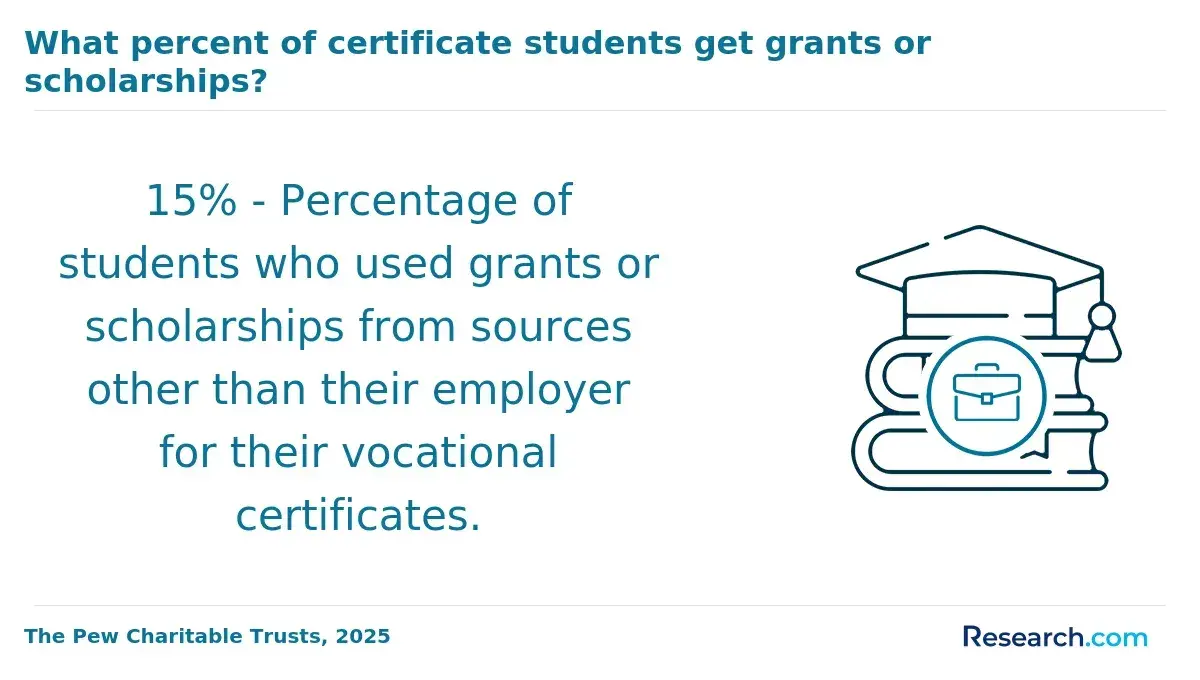
- Associate Degree in Media Arts: Tuition at public community colleges generally falls between $3,000 and $10,000 per year for in-state students, though private schools may charge up to $18,000 annually. Online programs might offer more affordable options. Many students qualify for federal Pell Grants and state-based financial aid to help offset these costs.
- Bachelor's Degree in Media Arts: Public universities typically charge an average of $11,611 per year for in-state and about $36,276 for out-of-state students, while private institutions can range from $37,000 to $55,000 annually. Full four-year costs can be substantial, but federal and state grants, scholarships, and student loans are commonly used to support funding.
- Master's in Media Arts: Graduate tuition varies significantly, from approximately $14,615 per year at in-state public universities to as much as $60,478 at top private schools. Many master's students manage tuition through research or teaching assistantships, scholarships, and specialized graduate loans.
- Graduate Certificates in Media Arts: These shorter programs often carry a total price tag between $10,000 and $25,000, though per-credit costs might be higher. Some certificates qualify for federal aid or employer tuition reimbursement, especially when pursued for career advancement.
A graduate of a media arts degree program shared her experience navigating these costs, emphasizing the importance of flexible financial planning. She mentioned how she combined scholarships with part-time work and a graduate assistantship, which covered much of her tuition and provided valuable practical experience. Reflecting on her journey, she noted, "Balancing costs was challenging, but being proactive about available resources made a huge difference." She also highlighted that the investment opened doors to creative career opportunities she values greatly in her current role. Through careful budgeting and taking advantage of institutional aid, she transformed the burden of tuition into a manageable and rewarding step toward her professional goals.
What Jobs Can You Get with Each Type of Media Arts Degree?
The level of a media arts degree significantly shapes the career opportunities available and the range of roles graduates qualify for in the industry. Higher degrees often lead to greater specialization, leadership roles, or academic positions, while entry-level programs prepare students for foundational creative or technical jobs. Below is an overview of common job roles associated with each type of media arts degree to help guide your career planning.
Common jobs for various media arts degree levels include:
- Certificate or Associate Degree in Media Arts: Graduates typically start in entry-level positions such as production assistant, media technician, junior graphic designer, or photographer. These roles involve tasks like camera operation, basic video or audio editing, and supporting creative teams within studios, local TV or radio stations, and smaller agencies. Freelance content creation is also a popular pathway, especially in smaller markets.
- Bachelor's Degree in Media Arts: This is the standard qualification for jobs like digital content creator, multimedia artist, video producer, social media specialist, journalist, or editor. Tasks often include producing and editing media for broadcast or corporate use, developing marketing campaigns, and managing digital projects. Employers range from media companies to advertising agencies and nonprofit organizations. Entry-level salaries typically range between $50,000 and $65,000, with specialized skills commanding higher pay.
- Master's Degree in Media Arts or Related Fields: Advanced degrees open doors to leadership roles such as creative director, media manager, or university instructor. Graduates often oversee creative teams, manage large productions, develop academic curriculum, or engage in research on emerging technologies. Median salaries for roles like art director can exceed $100,000, reflecting experience and industry.
- Doctorate or MFA in Media Arts: These terminal degrees are geared toward academic careers as professors or researchers, or toward specialized creative research and development. Responsibilities include teaching, publishing scholarly work, and leading innovative projects at universities or research institutes. For those seeking an easiest phd without dissertation, programs in media arts may provide a focused route to such advanced roles.
How Do Salaries Differ by Media Arts Degree Type?
Degree level often influences earning potential in media arts, making it important for students to understand how salary ranges vary by educational attainment. Knowing these differences can help students make informed decisions about their education and future career paths. Below is an outline of typical salary ranges associated with each major media arts degree type.
- Associate Degree in Media Arts: Entry-level roles with an associate degree generally have starting salaries ranging from $25,000 to $40,000 per year. These positions often include production assistants or junior graphic designers. Geographic location and industry type play significant roles in influencing pay, and career advancement usually requires additional education or experience.
- Bachelor's Degree in Media Arts: This is the most common degree for media arts careers, with average starting salaries between $40,000 and $55,000 annually. According to the U.S. Bureau of Labor Statistics, median wages for media and communication jobs were about $70,300 in 2024. Specific roles like film and video editors earned a median of $70,570, while writers and authors averaged $72,270. Specialized positions such as art directors can earn well over $100,000, especially with experience, and salaries often increase with skill development.
- Master's Degree in Media Arts: A master's degree opens doors to advanced positions such as digital strategists, creative directors, or academic roles. Starting salaries typically range from $60,000 to over $90,000, depending on the role and industry. This degree level also enhances eligibility for leadership and teaching positions, boosting long-term earnings potential.
- Doctoral Degree in Media Arts: Although less common, doctoral degrees enable access to academic careers or high-level research and consulting jobs. Tenure-track professors and senior researchers usually start with salaries near $70,000, with potential to reach six figures at major universities or research institutions. The job market is more specialized, but the long-term earning upside is significant.
Factors like location, industry sector, and experience continue to influence salaries within each degree level. For students seeking affordable programs to start their education journey, exploring cheapest online universities that accept fafsa can be a practical first step.
Is There High Demand for Media Arts Degree Holders in the Job Market?
There is moderate to high demand for media arts degree holders in the current US job market, driven by rapid technological changes and expanding industry sectors. Emerging technologies like artificial intelligence, digital marketing, and interactive media have broadened career opportunities within this field. Positions such as user experience (UX) designer, multimedia artist, and film and video editor show strong growth projections, with film and video editors expected to grow by 15.6% through 2030. The entertainment and gaming industries continue to increase demand for animators and multimedia artists, while the rise of digital marketing fuels the need for graphic designers and web content creators. Employers particularly value proficiency with the latest tools, including Adobe Creative Suite, animation software, and web development technologies, which are commonly taught in media arts programs. Students interested in a certification that pays well may find media arts a promising field due to these evolving needs.
Workforce demand is also influenced by regional factors. Major creative hubs like Austin, Los Angeles, and New York offer a wealth of job opportunities, internships, and freelance work in media arts disciplines. Meanwhile, smaller and mid-sized cities, though more limited in scope, still provide roles in local media, public relations, and communication industries. According to recent studies, about 75% of arts and design graduates work in jobs involving arts- or design-related duties, with 47% reporting their careers are directly related to their education. Salary data further demonstrates diversity within media arts professions: multimedia artists earn median annual incomes around $99,060, graphic designers about $58,910, and photographers approximately $40,760. Overall, the outlook for media arts degree holders remains positive, especially for those who maintain current skills, develop strong portfolios, and adapt quickly to ongoing technological advancements.
What Factors Should You Consider When Picking a Type of Media Arts Degree?
Choosing the right degree level in media arts is a critical decision for students who want to align their education with specific career goals and personal circumstances. The level you select-whether certificate, associate, bachelor's, or master's-has a direct impact on your skills, job opportunities, and earning potential. Consider the following key factors to make an informed choice:
- Career Goals: Different media arts degrees lead to distinct career paths. An associate degree may prepare you for entry-level production assistant roles, while a bachelor's or higher can open doors to specialized positions like cinematographer or digital media strategist. Knowing your target job helps determine which degree aligns best with your ambitions and salary expectations.
- Time Commitment: Programs vary in length, from two years for associates to four years for bachelor's degrees, with master's adding another two years. Assess how much time you can dedicate to your studies relative to your career timeline and financial situation.
- Program Specialization: Media arts degrees often offer concentrations such as cinematography, post-production, or screenwriting. Choosing a program with targeted coursework in your area of interest-like game design or audio engineering-can sharpen your skills and improve job readiness.
- Real-World Experience: Hands-on opportunities like internships and access to industry-standard facilities are crucial. Programs that emphasize practical experience and networking help build professional connections that enhance employability.
- Transfer and Advancement Options: If you plan to continue your education, check for accreditation and clear credit transfer pathways. Community college degrees that transfer into four-year programs can be cost-effective steps toward advanced qualifications.
- Salary Potential: Generally, higher degree levels correlate with higher earnings. For instance, specialized roles like technical writers and content strategists often require advanced training and command median salaries above $78,000, whereas entry-level media roles tend to pay less.
What Media Arts Graduates Say About Their Degree and Salary
- Completing my degree in digital media arts was a transformative journey that not only sharpened my technical skills but also expanded my creative vision. The program's focus on both theory and hands-on projects prepared me to confidently enter the competitive field of graphic design, where I now thrive creating meaningful visual stories for diverse audiences. The collaborative environment fostered lifelong connections and a genuine passion for innovation that continues to drive me. I'm grateful for the stability and growth opportunities this career has offered me in a fast-evolving industry. Jamal
- Studying film and animation arts challenged me to push the boundaries of traditional storytelling and embrace new digital tools that bring ideas to life. The rigorous training and access to cutting-edge technology gave me a unique edge when starting my career as a content creator for educational media. Beyond professional skills, it deeply enhanced my ability to connect with communities through powerful narratives that promote awareness and social change. This degree truly opened doors I never imagined and continues to inspire my passion for impactful media production. Maria
- My media arts education in interactive design has been pivotal in my personal and professional development. The program's emphasis on user experience and multimedia integration equipped me to work seamlessly across industries, from marketing to nonprofit sectors. Reflecting on my growth, I'm proud of how this training elevated my leadership skills and prepared me to adapt fluidly to new challenges, all while building inclusive digital experiences that serve diverse user needs. It's rewarding to see the positive impact my work has on communities and organizations alike. Aarav
Other Things You Should Know About Media Arts Degree Programs & Salaries
In 2027, media arts graduates can pursue roles in graphic design, animation, digital marketing, and film production. These fields often require strong technical skills and creativity, with starting salaries ranging from $40,000 to $60,000, influenced by factors like location, experience, and industry demand.
In 2027, media arts graduates can explore careers in digital media, game design, animation, and film production. Salary prospects vary widely; for instance, animators may start at around $50,000 annually, while game designers could earn starting salaries near $60,000, reflecting the industry's high demand for creative talent.
References
- Integrated Media Arts - Anna Maria College https://annamaria.edu/academics/graduate-studies/graduate-degrees/integrated-media-arts/
- Choosing Arts and Multimedia College Program: What to Expect https://www.ciit.edu.ph/what-to-expect-when-you-choose-arts-and-multimedia-as-your-college-program/
- Arts and Design Occupations https://www.bls.gov/ooh/arts-and-design/
- Media Arts: Potential Careers https://www.mcad.edu/academics/undergraduate/majors/media-arts/media-arts-potential-careers
- Five of the highest-paying art majors https://www.cca.edu/newsroom/five-best-and-highest-paying-art-majors/
- Media Arts Degree and Certificate Programs with Course Info https://bestaccreditedcolleges.org/articles/media-arts-degree.html
- Bachelor of Media Arts degree https://www.ufv.ca/calendar/current/ProgramsM-P/MEDIA_BMA.htm
- Online Degree vs Traditional Degree: Which is Better? [Detailed Analysis][2025] https://digitaldefynd.com/IQ/online-vs-traditional-degree/
- Specializations |Media Arts | SIU https://academics.siu.edu/comm-media/radio-television-digital-media/specializations.php
- 10 careers you can have with a media art degree - SMWC https://www.smwc.edu/10-careers-you-can-have-with-a-media-art-degree-blog-apr-21/


