
2027 Most Flexible Careers You Can Pursue With a Legal Studies Degree: Remote, Hybrid, and Freelance Paths

Co-Founder and Chief Data Scientist
As workforce expectations shift, many working professionals seek career paths that offer flexibility without sacrificing expertise. For individuals holding a Legal Studies degree, the traditional office-bound roles can feel restrictive amid growing demands for work-life balance and location independence. The legal sector increasingly embraces remote and hybrid models, reflecting an 18% rise in telecommuting among law-related occupations since 2020.
Transferable skills such as legal research, compliance analysis, and case management equip graduates for diverse environments beyond conventional law firms. This article explores the most flexible careers suitable for Legal Studies graduates, focusing on remote, hybrid, and freelance opportunities that align with evolving work models.
Key Benefits of Flexible Careers You Can Pursue With a Legal Studies Degree
- Remote and hybrid roles in legal studies overcome geographic limits, increasing job accessibility by 25%, enabling graduates to work for firms nationwide or internationally without relocation.
- Flexible work arrangements promote improved work-life balance, with 67% of legal studies professionals reporting higher job satisfaction and adaptability across industries like compliance and consulting.
- Freelance legal careers offer competitive income potential, with many practitioners achieving 10-15% annual growth, demonstrating long-term viability beyond traditional law firm roles.
What Are the Most Flexible Careers for Legal Studies Graduates?
Flexibility in careers for legal studies graduates depends more on the nature of the work than on specific job titles. Roles that prioritize outcomes over fixed schedules often allow professionals to decide when and where they work, enhancing autonomy. Recent data shows that around 45% of legal professionals now participate in flexible work arrangements, highlighting the rise of remote, hybrid, and freelance roles within these fields.
Several career paths offer particularly flexible opportunities for legal studies graduates, including quick degrees that pay well. For example:
- Project-Based Work: This path focuses on discrete assignments with clear deadlines but allows flexible hours, so graduates can organize their workload around personal commitments.
- Digital or Remote-Enabled Roles: Leveraging technology, these roles enable professionals to conduct legal research, document review, and case analysis outside traditional office settings, benefiting greatly from virtual collaboration tools.
- Advisory or Consulting-Based Work: Providing expert guidance on a contract or retainer basis offers high flexibility, letting professionals tailor their engagements based on client needs and personal schedules.
- Independent Contract-Based Work: Graduates can take on varied short-term contracts with multiple clients, requiring strong self-management but offering significant autonomy in work arrangements.
- Content Creation and Legal Education: Producing materials related to legal studies, often on a freelance or remote basis, presents another flexible career route aligned with legal expertise.
Which Industries Offer the Most Flexible Jobs for Legal Studies Graduates?
The flexibility of jobs available to legal studies graduates varies significantly across industries, influenced by the nature of the work and technological integration. According to a 2023 report by the U.S. Bureau of Labor Statistics, over 30% of legal-related jobs now include some form of flexible work arrangement. This trend reflects how sectors emphasizing document review, research, compliance, and communication have embraced remote and hybrid models to enhance productivity.
Below are several industries known for offering the most flexible careers for legal studies graduates:
- Technology: The tech industry's heavy reliance on digital platforms and cloud-based tools enables seamless remote collaboration. Legal professionals benefit from agile work structures, including part-time and freelance options, which support diverse schedules and locations.
- Financial Services: Banking and insurance sectors emphasize regulatory compliance and risk management, often using digital tools and virtual meetings. These features support hybrid work setups, allowing legal studies graduates flexibility in managing tasks like policy analysis and document review remotely.
- Consulting and Legal Research: Many firms hire legal studies graduates as contractors or freelancers for policy analysis and regulatory updates. This arrangement grants flexibility in workload and hours, often enabling remote client engagement across different regions.
- Government and Non-Profits: These sectors increasingly adopt hybrid models for roles in compliance and policy development. Remote work options are expanding as agencies recognize that digital communication tools sustain productivity while allowing workflow flexibility.
- Education and Training: Providers of continuing legal education and online certification courses rely on professionals in curriculum development and legal writing. Such roles are well-suited for remote and freelance work, offering significant schedule freedom.
For students seeking flexible career paths, pursuing an online bachelor's degree in legal studies can provide the foundation needed to take advantage of these opportunities.
What Remote Jobs Can You Get With a Legal Studies Degree?
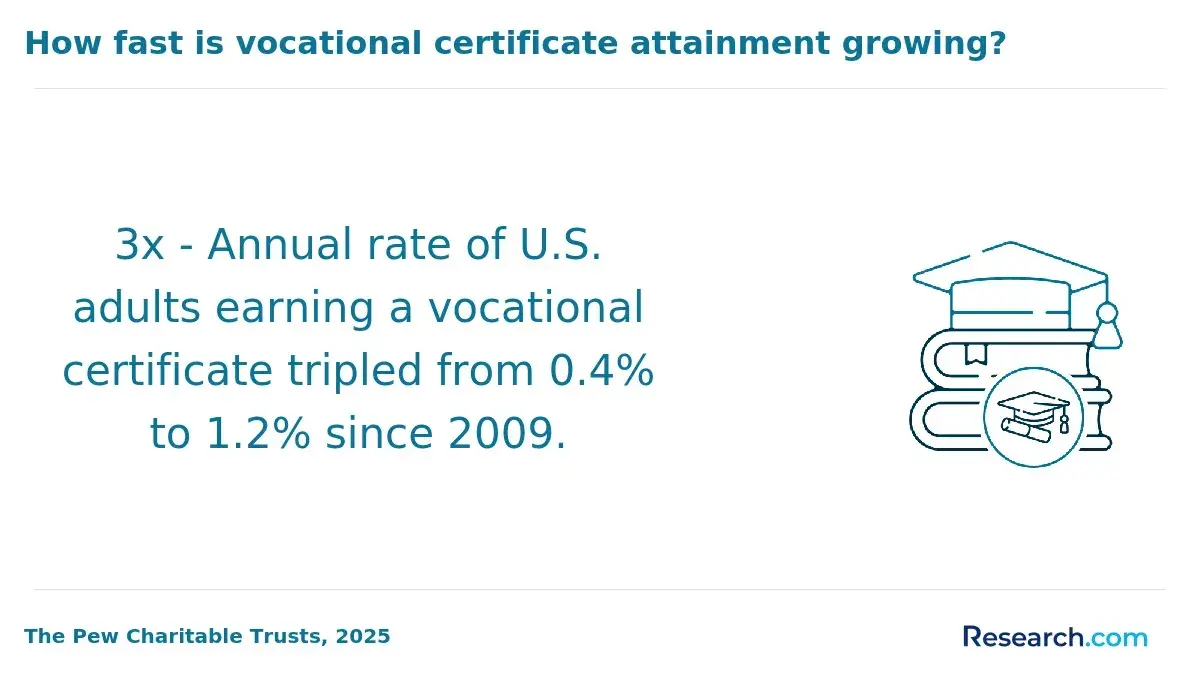
Graduates holding a legal studies degree increasingly find remote work opportunities due to advancements in digital communication and legal technology. Recent data from the Pew Research Center indicates that nearly 30% of professional jobs in legal fields now offer remote options, highlighting a growing trend toward flexible work settings. This shift allows many legal roles to be completed effectively outside traditional offices.
Various positions match the research-focused and document-driven nature of legal studies, enabling remote work. Some notable examples include:
- Legal Researcher: This role involves conducting thorough investigations into laws, regulations, and case precedents, primarily using online legal databases. Because most research and reporting can be done digitally, it suits fully remote arrangements.
- Paralegal: Paralegals assist lawyers by organizing case files and preparing legal documents. Cloud-based management systems and communication tools allow these tasks to be handled remotely without losing efficiency.
- Compliance Analyst: Analysts ensure organizations comply with relevant laws and policies by reviewing documents and generating reports. Digital audits and virtual collaboration make this position compatible with remote work.
- Contract Administrator: Managing and drafting contracts, often exchanged electronically, enables contract administrators to perform their duties from any location securely and efficiently.
- Legal Content Writer: Writing clear, accessible legal content for firms or publications can be done entirely online, translating complex concepts into reader-friendly language.
When asked about his experience, a legal studies graduate working remotely shared that adjusting to the lack of face-to-face interaction was initially challenging but ultimately rewarding. He noted, "Staying organized and maintaining communication through digital platforms took some getting used to." He also emphasized the importance of setting daily goals and creating a dedicated workspace to stay focused. Despite early hurdles, he values the flexibility remote work provides, allowing him to balance professional duties with personal time more effectively.
What Are Hybrid Jobs for Legal Studies Graduates?
Hybrid jobs blend remote and on-site work, allowing legal studies graduates to benefit from both in-person collaboration and flexible home-based tasks. A McKinsey & Company report shows around 58% of knowledge workers engage in hybrid roles, highlighting the rising demand for such flexible schedules. These arrangements cater well to legal roles balancing teamwork with independent duties.
Several remote and hybrid roles for legal studies graduates include:
- Compliance Officer: This position ensures that organizations comply with laws and policies. Compliance officers often perform on-site audits and meetings, while conducting policy reviews and reporting remotely.
- Legal Analyst: Legal analysts investigate case law and prepare detailed reports. They typically collaborate in the office but carry out the bulk of their research and analysis from home.
- Contract Administrator: Responsible for managing contract lifecycles, these professionals handle negotiations in person and review documents remotely, enabling a blend of focused and interactive work.
- Paralegal Specialist: Supporting attorneys with case development, paralegals participate in client meetings on-site and complete research and filing tasks remotely.
Hybrid legal studies jobs with flexible hours like these balance teamwork and independent responsibilities effectively, making them ideal for those seeking adaptable career options. Those interested in related fields can explore game design courses online for diverse educational opportunities.
What Freelance Jobs Can You Do With a Legal Studies Degree?
Freelance work offers legal studies graduates flexible, project-based opportunities that align well with independent contracting. With nearly 30% of the U.S. workforce engaging in freelance employment, this mode of work is increasingly popular across various professional fields. Many legal roles suit freelance arrangements due to their task-specific nature and limited long-term commitment.
Common freelance jobs available include:
- Legal Research and Writing: This role involves analyzing statutes, case law, and regulations to create memos, briefs, or legal documents. Freelancers in this field typically work on a project or hourly basis for law firms, corporations, or individual clients.
- Contract Review and Drafting: Freelancers in this area examine legal agreements and prepare tailored contracts for discrete transactions or business needs. These assignments are often commissioned for specific deals requiring specialized attention.
- E-Discovery Assistance: Specialists in e-discovery support litigation teams by managing and analyzing electronic data relevant to cases. This contract-based work suits freelancers who can handle distinct segments of larger projects.
- Paralegal Services: This broad category includes organizing case files and aiding trial preparation. Freelancers often take on temporary or project-specific assignments to address workload fluctuations or specialized requirements.
When asked about her experience, a freelancer with a legal studies degree shared how transitioning into freelance work was both challenging and rewarding. She described the initial uncertainty of building a steady client base and managing multiple deadlines independently. "There's a steep learning curve in balancing client expectations and maintaining quality," she noted. However, she appreciated the autonomy to choose projects that matched her interests and said, "Freelancing taught me discipline and flexibility, which I didn't expect to gain so quickly." Her journey underscores how freelancing can be a fulfilling path that requires perseverance and adaptability.
What Skills Are Required for Remote and Flexible Jobs?
Excelling in remote and flexible work environments demands a unique combination of skills that enable legal studies graduates to operate efficiently beyond traditional office settings. A 2023 Owl Labs study found that employees who master digital communication are 30% more successful in remote roles, underscoring the value of these capabilities. The following key skills support strong performance in such dynamic work arrangements.
- Digital Literacy: Comfort with online tools, legal databases, and digital communication platforms is critical. These skills allow legal studies graduates to navigate resources and collaborate effortlessly regardless of their physical location.
- Time Management: The capacity to organize priorities and independently meet deadlines helps professionals maintain productivity without direct supervision. This self-discipline is vital in flexible or remote settings where structures can be less rigid.
- Effective Written Communication: Clear and precise writing is essential for reducing misunderstandings in emails, reports, and virtual meetings. This skill ensures legal concepts are conveyed accurately and collaboration runs smoothly.
- Self-Motivation: Remote work requires initiative and the ability to stay focused without external prompts. Being self-driven helps legal studies graduates sustain high performance even when working alone.
- Adaptability: Quickly adjusting to new technologies, workflows, or unexpected challenges is crucial as remote environments evolve rapidly. Flexibility allows graduates to thrive amid constant change.
What Are the Highest Paying Flexible Jobs With a Legal Studies Degree?
Flexible work arrangements continue to provide strong earning opportunities for graduates with a legal studies degree. Employers increasingly offer remote, hybrid, and freelance options that accommodate varied professional lifestyles while maintaining competitive salaries. These adaptable work structures allow graduates to find roles that balance income and flexibility.
Below are some of the highest paying flexible jobs suitable for legal studies graduates:
- Legal Consultant (Freelance/Remote): Earning approximately $80,000 to $130,000 annually, legal consultants advise businesses and individuals on specific legal issues. The freelance or remote nature of this role supports schedule autonomy and commands higher pay due to specialized expertise.
- Compliance Officer (Hybrid): With average salaries from $70,000 to $120,000, compliance officers ensure that organizations comply with laws and regulations. Their work often combines remote and in-office responsibilities, offering a hybrid model that supports flexibility.
- Contract Analyst (Remote/Freelance): Contract analysts earn between $65,000 and $110,000 reviewing and negotiating contracts. Because their work focuses heavily on documentation, remote or freelance arrangements are common.
- Intellectual Property Consultant (Remote/Hybrid): Typically making $90,000 to $140,000, IP consultants provide guidance on patents and trademarks. They often work remotely or in hybrid setups, leveraging specialized knowledge to achieve premium fees.
- Legal Writer/Researcher (Freelance/Remote): Averaging $60,000 to $100,000, legal writers and researchers develop content and research reports, frequently on a contract basis. This role suits flexible freelance or remote formats well.
What Are the Disadvantages of Flexible Careers for Legal Studies Graduates?
Flexible careers, including remote, hybrid, and freelance roles, offer legal studies graduates a chance to align work with lifestyle preferences but come with challenges related to structure, stability, and professional growth. For example, about 20% of remote workers report loneliness as a significant issue, highlighting social and collaborative drawbacks faced by those in flexible legal positions. The following points outline key disadvantages of pursuing flexible remote careers for legal studies graduates.
- Inconsistent Structure: Flexible roles often lack the clear daily routines and defined responsibilities found in traditional legal settings. This can lead to irregular schedules and blurred lines between work and personal time, making it harder to maintain focus and manage productivity.
- Reduced Collaboration: Opportunities for mentorship and teamwork are less frequent in remote or freelance positions. Limited face-to-face interactions may cause feelings of isolation, which can be particularly challenging for legal studies professionals who benefit from collaborative environments.
- Unclear Career Progression: Flexible careers sometimes do not offer formal performance reviews or defined promotion pathways. This uncertainty can impede long-term professional development and make it difficult to measure career advancement or gain recognition.
- Variable Workload: Freelance and hybrid roles often experience fluctuating workloads, causing busy periods followed by slow times. This unpredictability can lead to financial instability and stress, especially for those just starting out or without a solid client base.
- Maintaining Credibility: Staying updated with rapidly changing laws and maintaining professional credibility can be more difficult without regular peer interaction. Missing timely legal updates or support can affect the quality of work over time for legal studies graduates in flexible careers.
Prospective graduates might also consider accelerated programs such as a 6 months masters degree online to boost credentials and adapt effectively within this evolving job landscape.
How Do You Find Flexible Jobs After Graduation?
Graduates in legal studies can access a growing range of flexible job opportunities as companies increasingly embrace remote, hybrid, and freelance work arrangements. Recent trends indicate that about 58% of professionals now have the option to work remotely at least part-time, reflecting a shift in hiring practices that benefits those seeking adaptable careers. These changes create greater access to varied work settings that fit diverse lifestyle needs.
Here are some effective channels for finding flexible careers for legal studies graduates:
- Online Job Platforms: Specialized websites aggregate remote and freelance legal studies job opportunities, offering filters for part-time or project-based roles. These platforms simplify the search for gigs involving legal research, compliance, or contract drafting.
- Networking Channels: Engaging with alumni networks, industry groups, and online forums uncovers hidden flexible roles often absent from mainstream listings. Networking remains key for discovering niche options tailored to legal studies expertise.
- Company Career Portals: Many organizations post hybrid and remote vacancies on their internal sites, highlighting a commitment to adaptable work environments. Regular monitoring of these portals ensures timely access to relevant openings.
- Project-Based Opportunities: Consulting and contract work offer legal studies graduates valuable experience with flexible schedules. This approach aligns well with businesses seeking external expertise without full-time employment.
For additional insights on flexible educational paths that can complement a legal studies background, some graduates explore online clinical psychology masters programs to diversify their credentials and career opportunities.
How Should Legal Studies Graduates Choose the Right Flexible Career Path?
Legal studies graduates exploring flexible career paths must thoughtfully assess their options to find a fit that supports both their professional ambitions and personal lifestyle. Selecting an appropriate work model can greatly impact future job satisfaction and advancement. Recent surveys show that nearly 60% of professionals in remote or hybrid roles experience increased satisfaction compared to traditional office settings, emphasizing how work structure affects well-being.
Key factors to consider when making this decision include:
- Work Structure Preferences: Individuals vary in their comfort with autonomy; some excel in freelance roles that offer freedom, while others benefit from hybrid setups blending independence with consistent team collaboration.
- Long-Term Stability: Evaluating the predictability of income, job security, and growth potential is critical, as freelance work can involve fluctuating workloads and less formal career advancement.
- Diverse Exposure: Flexible roles provide varying levels of access to multiple legal fields or industries, which influences skill enhancement and networking opportunities over time.
- Personal Working Style: Success in remote or flexible positions often depends on self-motivation and discipline, whereas more structured environments might better support those who seek routine and direct oversight.
What Graduates Say About Flexible Careers You Can Pursue With a Legal Studies Degree
- Romeo: "Completing my legal studies degree opened up an amazing opportunity to work remotely, which suits my lifestyle perfectly. The flexibility to manage my own schedule while staying engaged in meaningful legal work has been a game-changer. It's empowering to know I can maintain a rewarding career without being tied to a traditional office setting."
- Aidan: "Reflecting on my time studying legal studies, the hybrid work environment has been a great fit for me. It allows me to collaborate face-to-face when necessary but also enjoy remote days to focus deeply on my projects. This balance has given me the space to grow professionally while maintaining a personal connection to my workplace."
- Luke: "After graduating with a legal studies degree, I ventured into freelancing, which has been both challenging and liberating. Building my own client base and choosing assignments aligned with my values has made my career deeply fulfilling. The degree equipped me with versatile skills that are invaluable in independent practice."
Other Things You Should Know About Legal Studies Degrees
Yes, many compliance positions lend themselves well to remote or hybrid formats. Graduates can monitor regulatory adherence, conduct audits, and update policy manuals without being onsite full-time. This flexibility is especially common in industries such as finance, healthcare, and technology.
Yes, proficiency with legal research databases, document management systems, and virtual communication tools is essential. Remote and hybrid roles often rely on digital collaboration platforms and secure data handling, so comfort with technology improves job performance and flexibility.
For 2027, a popular flexible career option with freelance potential is becoming a Contract Specialist. With a legal studies degree, you can offer businesses the service of drafting, reviewing, and negotiating contracts, providing flexibility to work remotely or on a freelance basis.
References
- 5 Major Benefits of Remote Legal Careers https://virtualstaffingcareers.com/5-major-benefits-of-remote-legal-careers/
- Remote Legal Jobs Online - Work From Home | Remote.co https://remote.co/remote-jobs/legal
- Why hybrid law jobs are here to stay | TotallyLegal https://www.totallylegal.com/article/hybrid-law-jobs-here-to-stay
- Remote Legal Jobs - EU Remote Jobs https://euremotejobs.com/jobs/remote-legal-jobs/
- Join our team of freelance lawyers https://www.blg.com/en/careers/legal-professionals/freelance-lawyer-jobs
- Why Law Firms Won’t Fully Embrace Remote Work: Hint, It’s the Business Model https://www.techlawcrossroads.com/2025/02/why-law-firms-wont-fully-embrace-remote-work-hint-its-the-business-model/
- Alternative careers in the law - Chambers Student Guide https://www.chambersstudent.co.uk/where-to-start/alternative-careers-in-the-law
- Find Remote Legal Jobs | Work From Anywhere | LAWCLERK https://www.lawclerk.legal/work/
- Remote and Hybrid Hiring Trends for Legal Departments and Law Firms https://latitudelegal.com/resources/blog/remote-hybrid-hiring-trends/
- 7 Freelancing Opportunities for Law Students and Lawyers https://lawbhoomi.com/7-freelancing-opportunities-for-law-students-and-lawyers/


