2027 Fully Online vs Hybrid Communication Degree Master's Programs: Which Is Better?

Co-Founder and Chief Data Scientist
Choosing between fully online and hybrid communication master's programs can pose a dilemma for busy professionals balancing work, family, and education. For example, students in fully online formats often struggle with limited networking opportunities, while hybrid students face the challenge of commuting and fixed schedules. Recent data shows that 65% of online graduate students report difficulties connecting with peers compared to 40% in hybrid settings. This article examines the distinct benefits and drawbacks of both delivery models and offers guidance to help prospective students align their program choice with personal circumstances and career aspirations.
Key Things to Know About Fully Online vs Hybrid Communication Degree Master's Programs
- Fully online programs offer maximum learning flexibility, allowing students to study anytime and anywhere, ideal for working professionals with unpredictable schedules.
- Hybrid programs combine online coursework with scheduled in-person sessions, fostering more direct interaction and networking opportunities.
- Students balancing careers or family commitments may prefer online degrees, while those seeking structured engagement and campus resources often benefit from hybrid formats.
How Do Hybrid and Online Communication Master's Programs Differ?
Fully online and hybrid communication master's programs differ primarily in how instruction, participation, and learning experiences are structured, with about 40% of graduate communication programs offering hybrid formats reflecting the rising demand for blended learning. These differences impact tuition and academic requirements in online vs hybrid communication degrees, shaping student choices. Below are five key distinctions between these program types.
- Learning Format: Fully online programs use virtual platforms exclusively, allowing students to access coursework anytime and anywhere. Hybrid programs mix online instruction with scheduled on-campus sessions, combining remote flexibility with direct engagement.
- Residency Expectations: Fully online students may never visit campus, while hybrid students usually attend on-site classes or residencies that foster community and networking not available remotely.
- Scheduling Structure: Fully online programs often offer asynchronous courses suiting working professionals, whereas hybrid programs have fixed schedules for on-campus components requiring stricter time management.
- Participation Methods: Online students engage primarily through discussion boards, video calls, and digital assignments. In contrast, hybrid students benefit from face-to-face discussions and collaborative projects during in-person meetings.
- Campus Engagement: Hybrid formats enable access to campus facilities, faculty offices, and events, enriching the experience, while fully online programs emphasize virtual engagement and independent study.
When researching the best degree to pursue, considering these differences alongside tuition and academic requirements in online vs hybrid communication degrees helps align choices with personal and professional goals. For more detailed insights, visit best degree.
Which Communication Master's Program Format Is More Flexible?
Flexibility remains a crucial consideration for students deciding between fully online and hybrid communication master's programs. Data from the National Center for Education Statistics in 2023 shows that about 42% of graduate students enrolled in master's programs took at least one online course, reflecting the increasing appeal of flexible learning options. Several key factors determine the level of flexibility students can expect, especially when balancing graduate studies with work and personal responsibilities.
- Class Schedule: Fully online programs generally offer asynchronous classes, enabling students to access coursework anytime. In contrast, hybrid communication degree program scheduling advantages include fixed onsite sessions that require attendance at specific times, which may limit flexibility.
- Location Requirements: Online formats eliminate the need for commuting, benefiting students managing work or family commitments. Hybrid programs often necessitate physical presence on campus, reducing flexibility for those living far away or with tight schedules.
- Course Pacing: Many fully online programs provide self-paced options that let students progress according to their personal timelines. Hybrid students typically follow a structured semester calendar, which can be less accommodating.
- Attendance Expectations: Hybrid students must regularly attend in-person classes, which can conflict with professional or family obligations. Fully online programs often have more lenient attendance policies, increasing adaptability.
- Travel Commitments: Hybrid formats require travel to campus for certain classes or activities, posing challenges for working professionals. Fully online students avoid this barrier, making remote study more accessible.
Each of these factors influences how well students integrate their graduate studies into busy lifestyles, making fully online communication master's programs often more adaptable. Those interested in flexible learning might also explore online certificate programs that pay well as additional opportunities to enhance their careers.
Which Communication Master's Program Format Is Cheaper?
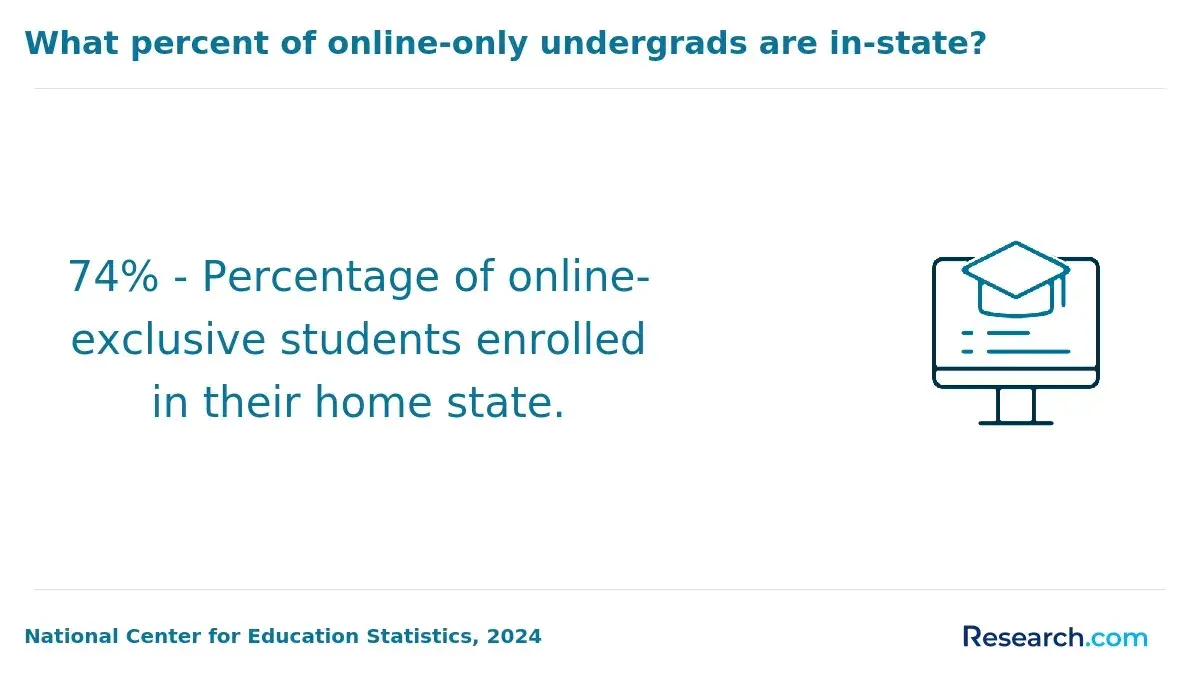
Cost plays a significant role for students deciding between fully online and hybrid communication master's programs. According to the National Center for Education Statistics, online graduate tuition rates can be 10-20% lower on average compared to hybrid or on-campus options. Several specific factors determine which program ultimately costs less.
- Tuition Structure: Online programs typically charge per credit hour without additional campus fees, simplifying billing. Hybrid programs often include extra charges tied to campus services that can increase the total tuition amount.
- Campus-Related Fees: Hybrid students usually pay for technology, library access, and activity fees associated with campus resources. In contrast, online learners might have those fees reduced or waived entirely, cutting overall costs.
- Commuting Expenses: Hybrid formats require students to travel to campus periodically, adding transportation costs. Fully online students avoid these expenses entirely since all coursework is remote.
- Housing Considerations: Students attending hybrid programs may face short-term housing or adjustments if they need to stay near campus for in-person sessions. This can increase living costs beyond typical rent or mortgage payments.
- Technology Requirements: Both formats demand reliable internet and suitable devices, but hybrid students may need specialized software or on-campus tech access that online students do not, slightly raising expenses.
When speaking with a graduate student who pursued an online communication master's degree, he shared that while the lower tuition was a big factor, managing his study schedule and technology setup was initially challenging. "I didn't realize how much self-discipline it would take to stay on track without face-to-face classes," he explained. However, the convenience of avoiding commuting and campus fees made a big difference. He found that the flexibility helped him balance work and study, ultimately justifying his choice of the fully online program.
Does Financial Aid Differ for Online vs Hybrid Communication Master's Degrees?
Financial aid availability plays a significant role for students weighing fully online versus hybrid communication master's programs. Nearly half of U.S. states require some in-person attendance to qualify for state financial aid, which can influence funding eligibility. Below are five important considerations related to financial aid options for online communication master's programs.
- Eligibility Criteria: Federal student aid rules usually apply equally to both formats when the institution is accredited and enrollment is at least half-time. However, state aid often requires a minimum in-person attendance, potentially limiting hybrid students attending classes out-of-state.
- Types of Aid: Federal grants, loans, and work-study are typically available regardless of format, but fully online students may face fewer work-study opportunities since many require on-campus presence.
- Institutional Scholarships: These vary more by school than by format. Still, some colleges design scholarships especially to support online learners, addressing their unique learning environments.
- Federal and State Funding: Residency and format restrictions impact eligibility. About 47% of states mandate in-state attendance for state aid, which can affect hybrid students differently than fully online ones due to required campus visits.
- Employer Tuition Assistance: Employers sometimes prefer hybrid programs to encourage workplace networking and align with physical presence needs, though remote degree support is growing.
For students exploring the highest paying college majors, understanding these funding nuances helps in making informed decisions about program format and financial aid.
Are Admission Requirements Different for Hybrid vs Online Communication Master's Programs?
Admission standards play an important role when weighing hybrid against fully online communication master's programs. While many criteria overlap, subtle distinctions can influence which format may be a better fit for each applicant. Below are five crucial factors to keep in mind during your evaluation:
- Academic Prerequisites: Both hybrid and online programs typically expect a bachelor's degree in communication or a related discipline, combined with a solid GPA. Hybrid formats may lean toward applicants with more direct academic or practical insights, reflecting their in-person learning components.
- Professional Experience: Hybrid programs often place greater emphasis on relevant work experience since students participate in interactive, face-to-face sessions. Fully online programs usually offer more flexibility here, focusing mainly on academic accomplishments.
- Letters of Recommendation: Both delivery styles generally require recommendation letters to gauge candidates' fit. Hybrid programs might prioritize endorsements highlighting collaboration and interpersonal abilities suited for on-campus engagement.
- Standardized Tests: Many programs have relaxed GRE or equivalent exam requirements recently. Still, hybrid options are somewhat likelier to ask for these exams to ensure readiness for a mixed learning environment.
- Application Deadlines: While mostly aligned, hybrid programs may enforce stricter deadlines tied to limited classroom availability and scheduling logistics.
Speaking with a professional preparing to join a hybrid communication master's program offered valuable insights. She mentioned how navigating the application requirements felt more intricate due to the need for detailed recommendations and careful timing. "I found myself double-checking how my work experience aligned with their expectations because of the in-person elements," she explained. Despite some initial uncertainty, she felt reassured that the admissions process helped clarify the program's demands. "It made me feel more confident that I'm choosing the right learning environment for my goals," she reflected, emphasizing how the hybrid format's balance of interaction and flexibility suited her aspirations well.
Is the Curriculum the Same in Online and Hybrid Communication Master's Programs?
Students deciding between fully online and hybrid communication master's programs need to recognize the similarities and differences in their curricula. A 2022 survey by the Online Learning Consortium found that 87% of schools use identical learning objectives for both formats. Below are five areas highlighting how curricula align or vary in these program types.
- Core Course Content: Both online and hybrid formats generally deliver the same foundational courses in communication theories, research methods, and media studies to uphold consistent academic standards.
- Elective Options: While core coursework is largely uniform, hybrid programs tend to offer more specialized on-campus electives that leverage face-to-face interaction, whereas online electives are modified for remote participation.
- Project-Based Learning: Hybrid students often engage in in-person group projects or presentations, whereas online students collaborate using digital platforms to replicate these experiences virtually.
- Capstone or Thesis Requirements: The final project guidelines usually remain consistent, but hybrid learners may have greater access to campus faculty support and resources during this phase.
- Experiential Components: Hybrid programs frequently include opportunities like internships or workshops held in person, which may either be limited or conducted online in fully virtual programs.
How Are Exams Conducted in Fully Online vs Hybrid Communication Master's Programs?
Prospective students considering fully online communication master's programs should be aware of how exam formats vary, as these differences affect preparation and overall experience. A 2022 survey by the Online Learning Consortium found that over 60% of students in fully online graduate programs undergo online proctored exams, highlighting the importance of remote assessment controls. Below are five key aspects that differentiate exam procedures in fully online versus hybrid communication programs.
- Online Proctoring: Fully online programs typically use webcam-based proctoring software combining AI and live monitoring to uphold academic integrity. Hybrid programs tend to use these technologies less frequently, relying more on in-person supervision.
- In-Person Exams: Hybrid programs usually require some on-campus or designated testing center attendance for exams, offering a more traditional environment. Fully online programs rarely have in-person exam requirements.
- Timed Assessments: Both program types include timed exams, but fully online formats enforce strict digital timers within learning platforms. Hybrid exams may offer slightly more time flexibility depending on whether the setting is online or in-person.
- Open-Book vs Closed-Book: Fully online exams often adopt open-book formats due to supervision challenges, whereas hybrid programs generally enforce closed-book exams during in-person sessions to ensure fairness.
- Integrity Measures: Hybrid programs rely on physical presence to safeguard exam integrity, while fully online options implement multiple layers of digital security such as browser lockdowns and biometric verification to deter cheating.
These differences influence how students prepare for exams and choose programs that align with their comfort with technology and scheduling needs.
Which Communication Master's Program Format Offers Better Networking Opportunities?
Networking opportunities play a significant role when deciding between fully online and hybrid communication master's programs. According to a survey by the National Association of Colleges and Employers, 70% of graduate students view professional connections as essential for career advancement. Below are five key aspects that highlight how each program format influences networking chances.
- Peer Interaction: Hybrid programs offer more frequent and dynamic engagement through face-to-face discussions, fostering deeper relationships. Fully online programs rely on virtual forums, which may limit spontaneous conversations.
- Faculty Engagement: In-person office hours and casual encounters in hybrid formats often result in stronger faculty relationships. Online students usually engage via scheduled virtual meetings, which can reduce informal mentorship opportunities.
- Alumni Access: Fully online programs depend on digital networking platforms for alumni connections, which can be helpful but lack the immediacy of in-person alumni events common in hybrid settings.
- Industry Events: Hybrid formats benefit from on-campus industry events that provide direct employer contact and hands-on experience, unlike online programs that commonly hold virtual-only career fairs.
- Collaborative Projects: Hybrid programs encourage in-person teamwork, enhancing networking quality, while online group work depends heavily on technology and scheduling, sometimes hindering spontaneous collaboration.
Prospective students considering a fully online communication master's networking benefits should note that while hybrid communication degree networking advantages often stem from physical interactions, online programs are actively enhancing their virtual networking tools. For those exploring various options, resources such as an mft degree guide can provide additional insights into affordable online graduate programs that support flexible learning alongside career networking goals.
Are Job Placement Rates Different for Hybrid vs Online Communication Programs?
Employment outcomes are an important consideration for prospective students comparing hybrid and fully online communication master's programs. A 2022 survey by the National Association of Colleges and Employers found that graduates from hybrid programs reported slightly higher job placement rates within six months, with the gap remaining under 5%. Below are five key factors that influence job placement differences between hybrid and online communication programs.
- Industry Connections: Hybrid programs often facilitate greater direct engagement with local employers through in-person networking events, increasing opportunities to build professional relationships and boosting job prospects.
- Internship or Practicum Access: Students in hybrid programs may benefit from easier access to campus resources and local internship opportunities, providing real-world experience that can enhance employability.
- Alumni Networks: On-campus involvement within hybrid formats often strengthens alumni connections, which can be instrumental in securing job referrals and career guidance.
- Career Services Support: Hybrid students typically have better access to face-to-face career counseling, workshops, and personalized job search assistance, which support more targeted employment efforts.
- Regional Employment Opportunities: Location matters; hybrid students studying near hubs of communication-related employment can tap into local hiring trends, while fully online students are dispersed and may miss region-specific openings.
These factors collectively shape job placement outcomes for hybrid and fully online communication degrees, but program quality and individual initiative remain decisive. For those considering graduate studies, comparing job prospects in communication programs should also take into account affordability and program accreditation. For example, students interested in related fields might explore a criminal justice degree online accredited to broaden their career options.
Does Program Format Affect Salary After Earning a Communication Master's?
Salary potential plays an important role in choosing between fully online and hybrid communication master's programs. Graduates from hybrid programs report average starting salaries of about $62,000, slightly higher than the $58,000 typical for fully online graduates. Several factors contribute to this difference, including:
- Networking Opportunities: Hybrid programs offer more in-person interaction, helping students establish stronger professional networks that can open doors to higher-paying positions.
- Industry Connections: Access to on-campus resources often allows hybrid students to engage with local employers and secure internships, boosting real-world experience and job prospects.
- Program Prestige: Some hybrid formats are associated with well-known institutions, which may enhance a graduate's credibility and increase earning capacity.
- Experiential Learning: Hands-on projects and practical communication scenarios are frequently integrated into hybrid courses, preparing students more effectively for competitive roles.
- Geographic Flexibility: Fully online students benefit from studying anywhere, which suits those balancing personal responsibilities but may reduce opportunities for local employer engagement and salary growth.
These distinctions highlight how program format can influence earning potential through varied access to networks, experience, and institutional reputation.
What Graduates Say About Fully Online vs Hybrid Communication Degree Master's Programs
- Armando: "Choosing a fully online communication master's program allowed me to balance work and study efficiently without relocating. The cost savings compared to a hybrid program were significant, which made advancing my education more accessible. Since graduating, I've noticed a clear boost in my professional credibility and opportunities within digital marketing."
- Damien: "The hybrid communication master's degree appealed to me because it combined the flexibility of online classes with valuable in-person networking. Although it was slightly more expensive than a fully online option, the face-to-face sessions enriched my learning experience and expanded my industry connections. This blend has greatly impacted my career growth, enabling me to take on leadership roles."
- Lucy: "I opted for a fully online communication master's to accommodate my unpredictable work schedule and geographic limitations. The affordability compared to traditional programs was crucial for me, but the real value came from applying learned strategies directly to my role in corporate communication. This degree has been instrumental in advancing my expertise and opening doors to new job prospects."
Other Things You Should Know About Communication Degrees
Fully online communication master's programs often incorporate digital simulations, virtual presentations, and collaborative projects to deliver practical experience. While they may lack face-to-face interaction, many programs use real-world case studies and interactive technologies to develop skills applicable to professional settings. However, the absence of in-person activities might limit opportunities for hands-on experiences such as live event management or on-site media production.
Faculty engagement tends to differ between fully online and hybrid communication programs due to mode of delivery. Hybrid programs often allow for more direct, in-person faculty interaction, which can benefit students seeking personalized mentorship. Fully online programs rely heavily on email, discussion boards, and scheduled video conferences, which can be effective but may lack immediacy and nuanced communication.
Hybrid programs often facilitate portfolio development through on-campus workshops, live presentations, and networking events that can enhance the quality and diversity of students' work. Fully online programs typically rely on virtual assignments, digital media projects, and remote collaborations to build portfolios. While both can produce strong professional portfolios, hybrid formats may offer more opportunities for real-time feedback and tangible experience.
References
- Hybrid vs. fully online: how different teaching models impact satisfaction https://www.amba-bga.com/insights/hybrid-vs-fully-online-how-different-teaching-models-impact-satisfaction
- Full-time, part-time, online - which study mode is right for you? https://www.studentspace.pl/en/blog/post/studia-stacjonarne-zaoczne-wieczorowe---ktory-tryb-wybrac
- Remote vs Hybrid vs Onsite Job Statistics in the US https://zoetalentsolutions.com/remote-vs-hybrid-vs-onsite-job-statistics-in-the-us/
- Do Employers Prefer Online Or In-Person Degrees? - Bluesky Thinking https://bluesky-thinking.com/do-employers-prefer-online-or-in-person-degrees/
- Online Degree vs. Traditional: Choosing the Right Path https://beal.edu/online-degree-vs-traditional/
- Difference between Hybrid, Online & In-Class Degree Programmes | BSBI https://www.berlinsbi.com/blog/what-is-the-difference-between-hybrid-online-and-in-class-degree-programmes
- Online Master's in Communication and PR Programs No Campus Visits Required https://www.onlineeducation.com/communication/faqs/fully-online-masters-communication-public-relations-programs
- Hybrid Learning or Online Degree: Complete Guide https://www.onlineuniversitiess.com/blogs/hybrid-learning-or-online-degree-guide
- How hybrid and online learning supports student accessibility and affordability - OI Digital Institute https://oidigitalinstitute.com/news/how-hybrid-and-online-learning-supports-student-accessibility-and-affordability/
- Digital exams https://www.th-koeln.de/en/academics/digital-exams_106781.php