2027 Can You Get Into a Communication Program with a Low GPA? Admission Chances & Workarounds

Co-Founder and Chief Data Scientist
Many students with low GPAs face significant challenges when applying to communication programs, where average accepted GPAs often hover around 3. 0. Recent trends show that programs value a holistic review, meaning GPA is important but not the sole factor in admissions decisions. This article explores how students with modest academic records can realistically approach the application process.
Understanding admission chances means recognizing limitations while seeking alternative pathways, such as relevant experience or supplemental coursework. Practical workarounds exist that can strengthen applications and improve prospects without relying solely on GPA scores. Insight into these strategies can help guide applicants toward more effective preparation in communication disciplines.
Key Things to Know About Admission Chances Into a Communication Program with a Low GPA
- Applicants with a low GPA can enhance chances by submitting strong portfolios or essays demonstrating communication skills and real-world experience.
- Completing relevant coursework or certificates in media, public relations, or digital communication improves applicant profiles and shows commitment.
- Professional experience in communication roles positively influences admissions; 45% of programs value practical work alongside academic records.
What Is the Minimum GPA Required to Apply for a Communication Program?
The minimum GPA requirements for communication programs generally fall between 2.5 and 3.0 on a 4.0 scale. Most U.S. universities set their baseline at approximately a 2.7 GPA, which is usually the lowest threshold for consideration. More competitive programs at top-ranked institutions often expect a GPA closer to 3.3 or higher, reflecting a stronger academic standing.
These admission GPA criteria for communication studies vary significantly depending on the selectivity of the institution, the program's demand, and whether the program is undergraduate or graduate level. Additionally, some schools assess recent academic trends, allowing a slight upward trajectory in GPA to offset earlier lower grades, which can provide flexibility for some applicants.
Applicants should be aware that most communication programs enforce specific GPA-related conditions. Maintaining a minimum cumulative GPA throughout the application process is common, as is achieving required GPAs in key prerequisite courses when applicable.
Programs often verify GPA based on official transcripts and may disqualify candidates whose GPA falls below the established minimum threshold outright. Emphasis is typically placed on the overall consistency of academic performance rather than isolated lower grades. For students with lower GPAs seeking alternatives, exploring 1 year master's programs may provide accelerated opportunities to strengthen academic credentials.
How Do Admissions Committees Evaluate Communication Program Applicants with Low GPAs?
Many communication programs consider GPA as one part of a broader evaluation to assess the overall potential of applicants. Admissions committees often weigh other aspects of a candidate's profile to better understand their readiness and fit for the program beyond just numerical grades. This approach is essential for admission criteria for communication programs with low GPAs.
- Coursework Rigor: Academic challenge is critical; applicants who complete advanced or demanding classes provide evidence of capability even if their GPA is lower. This demonstrates preparation for the program's academic demands.
- Academic Trends: Committees look for upward trajectories or improving grades over time, which indicate growth, persistence, and adaptability.
- Extracurricular Involvement: Active participation in communication-related activities, such as internships or volunteering, highlights practical skills and genuine interest, helping to offset a below-average GPA.
According to the National Association of Colleges and Employers (NACE, 2025), many U.S. communication programs accept GPAs typically ranging from 2.9 to 3.4. Showing strength in qualitative areas can compensate effectively.
For additional ways to enhance career prospects, consider exploring job certifications that pay well as a complementary strategy to academic qualifications focusing on how communication admissions evaluate applicants with below average GPA.
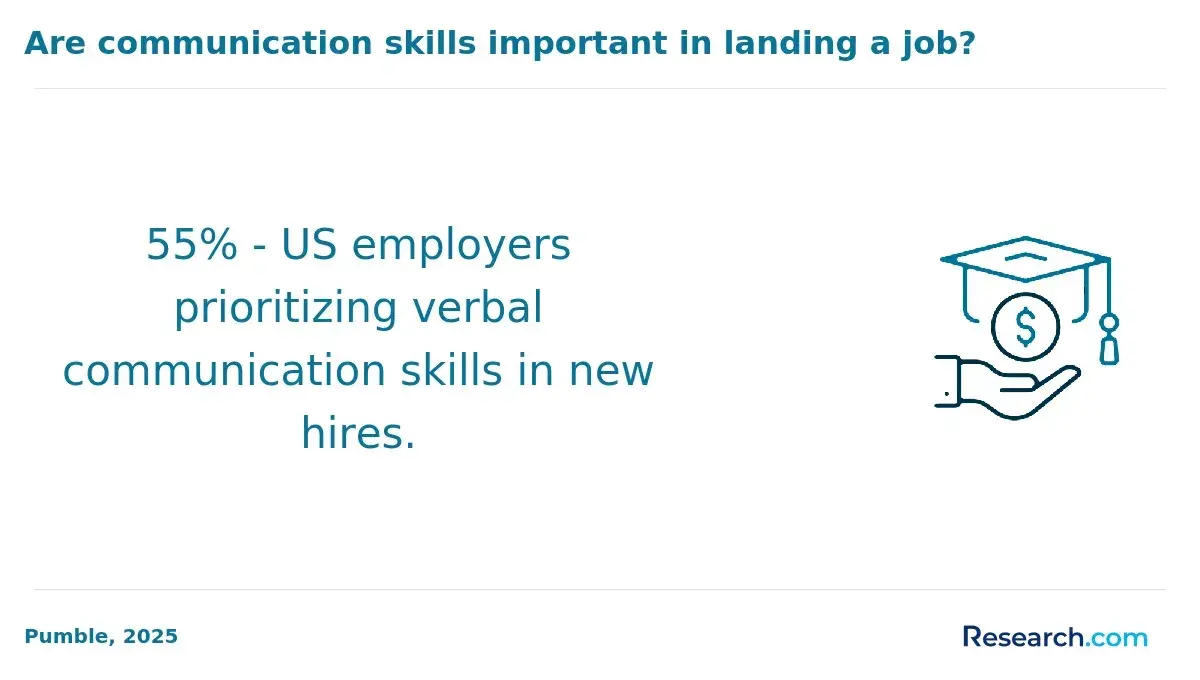
Can Professional Experience Offset a GPA Below the Communication Program's Minimum?
When academic performance falls short of a communication program's minimum GPA, showcasing professional experience can enhance an application. Admissions committees often evaluate work history alongside grades, recognizing practical skills as valuable indicators of an applicant's potential.
Relevant professional experiences that can bolster an application include:
- Leadership Roles: Taking charge in communications, public relations, or media positions reflects responsibility and initiative. Such roles demonstrate an ability to manage projects and lead teams, which can outweigh academic shortcomings.
- Industry Experience: Hands-on work in journalism, marketing, or digital media aligns closely with communication studies. This background signals familiarity with field-specific tools and environments that enhance academic preparation.
- Demonstrated Skills: Proficiency in writing, project management, social media, or public speaking highlights important competencies. These skills showcase practical knowledge and problem-solving abilities beyond classroom achievements.
By highlighting these experiences, applicants provide admissions officers with a more rounded view of their qualifications. Research from the National Association for College Admission Counseling (NACAC, 2025) indicates that about 41% of communication programs weigh professional experience heavily, especially for candidates whose academic records might otherwise limit their chances.
Can Standardized Test Scores Help Offset a Low GPA for Communication Admission?
Submitting strong standardized test scores can be an effective strategy to enhance an application when GPA is less competitive. High SAT or ACT scores demonstrate academic ability that may balance out a lower GPA in communication program admissions.
- Score thresholds: Many programs require minimum SAT or ACT scores, which serve as a baseline for academic preparedness. Meeting or exceeding these benchmarks can reassure admissions committees about a candidate's potential.
- Subject relevance: Performance in evidence-based reading and writing sections holds particular weight for communication fields, as it reflects skills critical to the discipline.
- Percentile rankings: High placement relative to peers showcases competitive strength and distinguishes applicants beyond raw scores.
- Consistency: When test scores align with other academic records or extracurricular achievements, they reinforce the overall profile and suggest steady academic capability.
Strong standardized test results highlight important skills that admission panels value, potentially offsetting weaker GPA indicators in the holistic review process for communication programs.
Can Completing Prerequisite Courses for a Communication Program Improve Your Admission Chances with a Low GPA?
When academic records show a GPA lower than typical admission standards, pursuing additional coursework can strengthen an application and signal readiness for a communication program's demands. These prerequisite classes serve as a chance to reinforce foundational skills and showcase academic resilience.
- Demonstrates subject mastery: Completing core communication-related courses reveals understanding of essential topics such as media analysis, writing, and presentation skills. This assurance helps admissions committees gauge preparedness beyond mere GPA numbers.
- Improves GPA in critical areas: Excelling in prerequisite courses can boost the overall academic profile, especially if prior grades were weak. Higher marks in these relevant subjects provide evidence of improved capability.
- Shows dedication and motivation: Choosing to retake or add prerequisite courses signals commitment to the field, highlighting a proactive attitude toward academic and professional growth.
Can Applying Early Improve Your Chances of Getting Into a Communication Program If Your GPA Is Low?
Applying early offers strategic advantages for applicants with weaker academic records by providing access to more available spots before the large wave of regular applications. Early cycles often feature less direct competition, which can be especially important when improving admission chances with low GPA early apply communication programs.
Key benefits of applying early include:
- Increased available seats: Early application rounds tend to have more open spots before later cycles start, giving students with lower GPAs a better shot at admission as fewer seats are taken.
- Holistic evaluations: Admissions committees may offer more personalized consideration during early reviews, weighing strong personal statements, leadership, portfolios, or relevant extracurriculars more heavily to offset lower GPAs.
- Reduced competition: Since fewer students apply early, applicants face less rivalry, which can improve acceptance chances, particularly in competitive communication programs.
Early decision and early action phases sometimes deliver up to a 15% higher acceptance rate for communication programs at certain universities. This benefit is notable at schools where average admitted GPAs are competitive but where other qualities can influence admission. Applicants exploring early application benefits for low GPA communication program admissions may find this approach a valuable component of their strategy.
Additionally, applicants interested in accelerated options can explore fast masters programs that may complement early admission strategies or offer alternative pathways into the field.
Can You Get Conditional Admission to a Communication Program with a Low GPA?
Conditional admission offers a way for individuals whose academic records do not meet the usual GPA thresholds to enter a communication program by fulfilling set requirements before full acceptance. This pathway recognizes potential beyond numeric criteria, providing a structured chance to demonstrate capability.
- Bridge or prerequisite courses: Students must complete foundational classes designed to bolster key skills needed for advanced topics. These courses help close learning gaps and prepare applicants for the program's rigor. Institutions require them to ensure readiness before continuing.
- Minimum grade requirements: Maintaining specified grades during early coursework proves academic commitment and competence. This probationary phase acts as a test of perseverance and ability. Failure to meet the standards may lead to revocation of admission.
- Progress assessments: Regular evaluations track a student's academic performance and adjustment to program demands. These checkpoints help institutions confirm that candidates remain on course for success. They serve as monitoring tools to support student retention.
This approach balances opportunity with caution, enabling individuals to build essential skills while safeguarding program quality and completion rates.
Can Starting in a Related Field and Transferring to the Communication Program Help Low-GPA Applicants?
When a student's GPA falls short of the typical communication program admission standards, beginning in a related major offers an alternative path. This approach allows time to enhance academic records and build relevant skills before applying to the communication program.
- Transcript Strengthening: Engaging in courses closely linked to communication, such as journalism or media studies, helps create a more competitive academic profile that highlights core abilities like writing and analysis.
- GPA Improvement: Performing well in the initial program can raise cumulative GPA, balancing weaker earlier grades and bolstering the overall academic standing.
- Proof of Persistence: Completing a sequence of relevant classes signals dedication and adaptability, traits admissions committees often prioritize.
- Smoother Transition: Becoming familiar with department expectations and culture during the preliminary studies eases the transfer process and integration into the communication program.
Are There Scholarships for Communication Program Applicants to Help Improve Their GPA?
Students applying to communication programs with lower GPAs often seek financial support to take additional courses or access academic resources that can improve their transcripts. By obtaining such assistance, they can enhance their skills and increase their chances of admission despite previous academic challenges.
Various scholarship opportunities to boost GPA for communication applicants typically come in forms that indirectly enable academic improvement. These include:
- Merit-recovery scholarships: These scholarships reward students who show motivation and potential despite past academic struggles. They provide funding to retake courses or pursue advanced training, directly supporting GPA improvement efforts.
- Need-based grants: These grants assist with educational expenses, reducing financial stress. With fewer financial burdens, students can dedicate more time and focus to raising their GPA.
- Funding for academic support programs: Scholarships or grants for tutoring centers, writing workshops, and peer mentoring are critical. Communication students benefit greatly from accessing such resources to build strong writing and presentation skills.
Applicants searching for communication program scholarships for low GPA students should note that many institutions set GPA thresholds near 3.0, increasing competition. Leveraging funding options that support academic enhancement is a strategic approach to strengthen applications. For those exploring affordable pathways, resources like the best cheap online schools that accept FAFSA may offer additional financial aid and flexible course options to help improve academic records.
Overall, while direct GPA-boosting scholarships remain uncommon, a combination of merit-based, need-based, and academic support funding can make a significant difference for communication applicants seeking to improve their GPA and gain admission.
Can Mentorship or Academic Advising Help Overcome GPA Barriers for Communication Program Applicants?
Guidance from experienced mentors and academic advisors is especially valuable for students with low GPAs aiming to apply for a communication program. Such support offers personalized strategies that address academic weaknesses while enhancing admission readiness beyond numeric grades.
- Personalized Study Strategies: Mentors help create tailored study plans focusing on core communication skills like writing and critical thinking, which can improve overall academic performance and demonstrate growth to admissions committees.
- Strategic Course Selection: Advisors recommend courses that balance achievable grades with essential program prerequisites, helping applicants build a competitive academic record while managing GPA challenges.
- Insight into Admissions Alternatives: Guidance includes highlighting other parts of the application, such as portfolios or recommendation letters, which can showcase potential even when GPA is low.
- Accountability and Motivation: Regular check-ins with mentors or advisors encourage consistent academic progress and help maintain motivation, which are critical factors for improving readiness and confidence.
Research shows that academic advising support for communication program admission and beyond significantly boosts student outcomes. According to the National Academic Advising Association, those who consistently engage with advisors have higher retention and graduation rates. Some communication programs accept applicants with GPAs as low as 2.5, especially when an upward trend and strong mentorship are evident.
Students exploring their options can also consider alternative educational pathways through accredited trade schools online, which often provide flexible programs and advising for communication-related careers. Overall, mentorship benefits for low GPA communication applicants extend beyond GPA by building a holistic profile that appeals to admissions committees.
What Graduates Say About Getting Into a Communication Program with a Low GPA
- Peterson: "Despite having a low GPA, I was determined to pursue a communication degree because I believed in the power of effective messaging. The program's cost was reasonable compared to other majors, averaging around $15,000 per year, which made it accessible for me with scholarships. Today, the skills I acquired have allowed me to thrive in public relations, and I truly credit this degree for jumpstarting my career."
- Arvin: "Getting into a communication program was challenging due to my academic record, but the affordable tuition-close to $12,000 annually-helped ease my concerns. Reflecting on my journey, I see how communication taught me critical thinking and adaptability, which have been invaluable in my marketing career. It was a worthwhile investment that changed my professional outlook completely. "
- Nathan: "With a low GPA, I didn't expect to get accepted into a communication degree, but persistence paid off. The cost was manageable, around $14,000 per year, making it possible through financial aid. Professionally, this degree opened doors to leadership roles, proving that strong communication skills are key in any business environment."
Other Things You Should Know About Communication Degrees
Yes, participation in relevant extracurricular activities can demonstrate your interest and skills in communication, thereby enhancing your application in 2027. Many programs appreciate well-rounded applicants, valuing practical experiences alongside academic achievements.
In 2027, many communication programs offer bridge programs or summer courses. These options help applicants with low GPAs demonstrate their dedication and capability, often providing an alternative pathway to full admission by allowing them to improve their academic standing or gain relevant skills.
Yes, interviews can increasingly influence admission decisions in 2027. They allow applicants to showcase their passion and communication skills, providing admission committees additional context beyond GPA for evaluating candidates.
References
- More Than Luck: 15 Ways to Improve College Admissions Odds https://kdcollegeprep.com/more-than-luck-15-ways-improve-admissions-odds/
- Does GPA Matter for Grad School? What Committees Want https://admit-lab.com/blog/does-gpa-matter-for-grad-school-applications/
- Do Transfer Credits Affect GPA? The Impact on Your Academic Record https://www.edvisorly.com/student-guides/do-transfer-credits-affect-gpa
- Can a High SAT Score Compensate for a Low GPA? - Princeton Review https://www.princetonreview.sg/sat-score-compensate-for-a-low-gpa/
- Communication Scholarship https://www.rmit.edu.vn/study-at-rmit/scholarships/future-undergraduate-student-scholarships/communication-scholarship
- Transferring Colleges with Bad Grades https://mycollegeguide.org/colleges-that-accept-low-gpa-transfer-students/
- How do admission committees typically begin to rank applicants? | Student Doctor Network Forums https://forums.studentdoctor.net/threads/how-do-admission-committees-typically-begin-to-rank-applicants.1453736/
- How To Get Into Grad School With A Low GPA https://www.affordablecollegesonline.org/college-resource-center/grad-programs-that-accept-low-gpa/
- GPA Requirements for Online Master’s in Communication Programs (2.5, 2.75, 3.0 GPA) https://www.mastersincommunications.com/faqs/online-masters-in-communication-gpa-requirements
- Does GPA Matter for Grad School Applications? | by Dr. Philippe Barr | Medium https://medium.com/@admit-lab/does-gpa-matter-for-grad-school-applications-the-admit-lab-cf6b76a2bbd
- National Association of Colleges and Employers. (2025). Job Outlook 2025. https://www.naceweb.org/store/job-outlook-202