
2027 Fully Online vs Hybrid Data Analytics Degree Master's Programs: Which Is Better?

Co-Founder and Chief Data Scientist
Imagine a working professional aiming to advance in data analytics but struggling to balance a full-time job with graduate studies. Fully online programs offer flexibility by removing geographic barriers, yet students miss in-person collaboration opportunities. Conversely, hybrid programs blend remote learning with occasional campus visits, demanding commute time but fostering face-to-face engagement.
According to the National Center for Education Statistics, enrollment in online graduate programs surged by 38% from 2018 to 2022, highlighting growing interest in flexible education formats. This article examines the pros and cons of fully online versus hybrid data analytics master's programs to help readers select the optimal path aligned with their needs.
Key Things to Know About Fully Online vs Hybrid Data Analytics Degree Master's Programs
- Fully online programs offer maximum flexibility, allowing students to access coursework anytime, ideal for those balancing full-time work or family commitments.
- Hybrid formats require in-person attendance for select sessions, fostering direct interaction and networking opportunities not found in fully online studies.
- Students seeking structured schedules and face-to-face mentorship benefit from hybrid programs, while fully online degrees suit self-motivated learners needing adaptable pacing.
How Do Hybrid and Online Data Analytics Master's Programs Differ?
Fully online and hybrid data analytics master's programs mainly differ in their instructional delivery, student participation, and overall learning experience. Around 35% of graduate programs now offer some form of hybrid learning, reflecting the rising demand for flexible education options. These distinctions influence how curriculum and assessment methods for data analytics degrees are structured.
The following highlights key differences between these two formats.
- Learning Format: Fully online programs deliver all coursework digitally, allowing students to complete lectures and assignments entirely online. Hybrid programs blend online learning with scheduled in-person sessions, requiring occasional campus attendance.
- Residency Expectations: Hybrid students attend on-campus classes or workshops periodically, fostering face-to-face interactions. Fully online students can earn their degrees remotely without any residency requirements.
- Scheduling Structure: Online programs typically offer asynchronous courses that enable students to study at their own pace. Hybrid programs often feature synchronous elements, requiring fixed times for live virtual meetings or in-person attendance.
- Participation Methods: Fully online learners engage through discussion boards, video lectures, and virtual group projects. Hybrid students benefit from real-time discussions and networking during on-campus sessions, enriching their learning experience.
- Campus Engagement: Hybrid formats promote stronger connections with faculty and peers by facilitating in-person mentorship and professional growth opportunities. In contrast, fully online students rely primarily on virtual communication channels for interaction.
Prospective students seeking affordable options can explore the cheapest online MBA programs as part of their broader research into flexible graduate education options in the U.S.
Which Data Analytics Master's Program Format Is More Flexible?
Flexibility is a key factor many students consider when choosing between fully online and hybrid data analytics master's programs. Recent studies show that nearly 60% of graduate students in the U.S. take at least one graduate course online, highlighting the growing preference for adaptable learning formats. The following five factors influence the flexibility of fully online versus hybrid data analytics degree scheduling advantages.
- Class Schedule: Fully online programs often offer asynchronous classes, allowing students to study at any time that fits their personal and professional commitments. Hybrid formats typically have fixed in-person sessions, which can limit a student's ability to adapt their study time.
- Location Requirements: Students in fully online programs can engage from any location, ideal for those who require geographic flexibility. Hybrid program candidates usually need to attend campus periodically, which may pose challenges for working professionals or those with family obligations.
- Course Pacing: Many online programs provide self-paced learning options, enabling students to progress at their own speed. Hybrid models tend to follow a more rigid semester calendar, potentially restricting flexibility for students managing multiple responsibilities.
- Attendance Expectations: Hybrid programs often require physical presence for labs or collaborative group work, which can reduce scheduling freedom. In contrast, online programs minimize such attendance demands, supporting students who balance work and study.
- Travel Commitments: Fully online programs eliminate commute time entirely, benefiting students balancing work, personal duties, and academic pursuits. Hybrid programs require travel to campus, which can add time and logistical complexity to students' schedules.
These elements make fully online data analytics master's program flexibility appealing to students juggling diverse obligations, while hybrid options offer structure that some may prefer despite travel and fixed sessions. Prospective students should also explore cheapest online colleges as they consider the best path for their educational and financial goals.
Which Data Analytics Master's Program Format Is Cheaper?
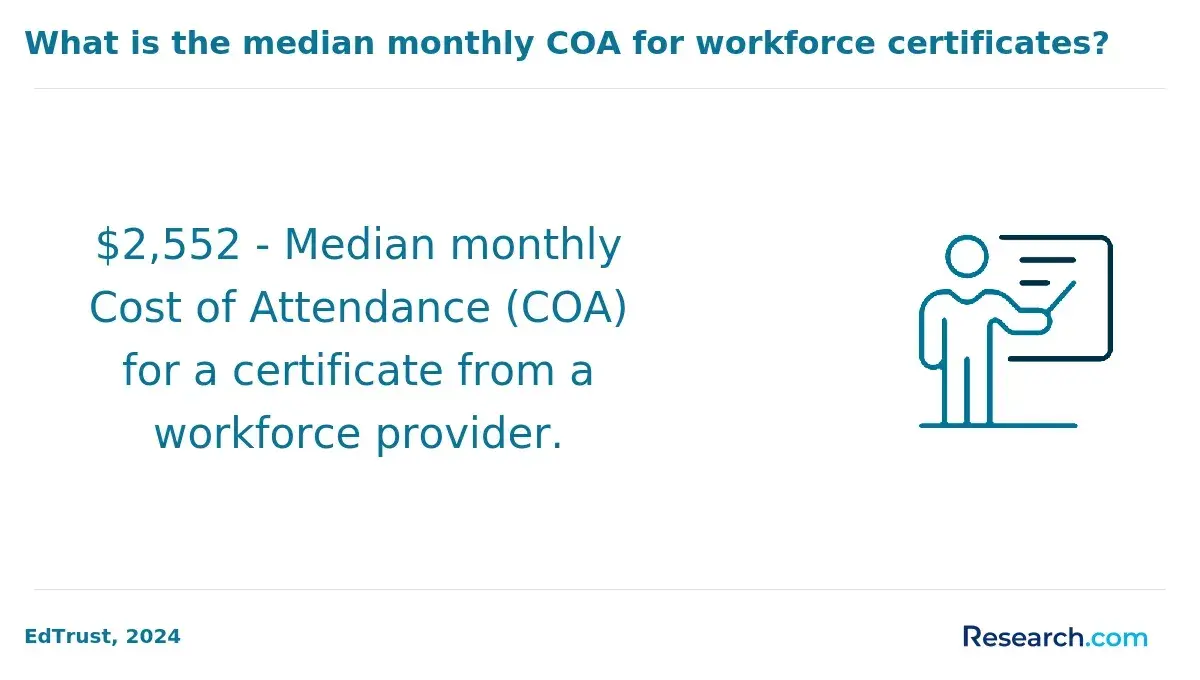
Cost plays a significant role for students deciding between fully online and hybrid data analytics master's programs. Research from 2023 shows that online tuition rates are typically 15-20% lower than those for hybrid or in-person formats. Several factors affect the total expenses when comparing these two formats.
- Tuition Structure: Online courses frequently offer flat-rate tuition per credit hour, which can simplify budgeting. In contrast, hybrid programs might add extra charges for on-campus components or special sessions.
- Campus-Related Fees: Students in hybrid programs often have to pay additional fees related to labs, facilities, or campus activities. Fully online learners usually avoid these costs altogether.
- Commuting or Travel Expenses: Those attending hybrid programs may incur costs for transportation, parking, or gas, whereas online students eliminate these expenses by studying from home.
- Housing Considerations: Hybrid learners who live far from campus could face temporary or permanent housing costs. Online students generally study remotely without needing to relocate.
- Technology or Platform Costs: Although online students might need reliable internet and the latest software, these costs typically remain lower than travel and housing expenses related to hybrid attendance.
One graduate student who pursued an online data analytics master's shared his experience, highlighting the financial advantages and challenges. He explained that managing his budget was easier without commuting and housing fees, but he occasionally faced unexpected technology expenses, such as upgrading his laptop. He mentioned, "I appreciated the flexibility online offered, especially since I didn't have to worry about parking or travel costs." However, he also noted feeling some isolation and needing strong self-discipline to stay motivated throughout his studies. Overall, he found the online format more affordable but emphasized that personal circumstances greatly influence the best choice.
Does Financial Aid Differ for Online vs Hybrid Data Analytics Master's Degrees?
Financial aid availability remains a significant factor for students comparing fully online and hybrid data analytics master's programs. A 2022 report from the National Center for Education Statistics showed that approximately 60% of online graduate students receive some kind of financial aid. Below are key considerations related to financial aid options for online data analytics master's programs and how they differ or align between formats.
- Eligibility Criteria: Hybrid programs often require physical attendance or occasional campus visits, which can impact qualification for certain state-specific aid tied to residency. Fully online students usually have more flexible eligibility since they are not bound by geographic restrictions.
- Types of Aid: Both program types typically qualify for federal loans and grants. However, hybrid students might access additional scholarships available exclusively to on-campus participants.
- Institutional Scholarships: Universities commonly reserve some scholarships for students attending hybrid or on-campus programs. This can limit fully online students' opportunities for institutional funding.
- Federal and State Funding: Federal aid tends to be accessible to both formats equally. State-funded aid, on the other hand, often favors hybrid students due to residency or enrollment requirements linked to campus presence.
- Employer Tuition Assistance: Employers may be more inclined to reimburse costs for hybrid programs, perceiving them as more comprehensive or rigorous, which can influence students' access to employer-sponsored aid.
Students weighing differences in scholarships and grants for hybrid versus online data analytics degrees should consider these points carefully to align their financial aid strategy with their learning preferences. Those interested in accelerating their education might explore options like an accelerated bachelor's degree online to complement their graduate studies.
Are Admission Requirements Different for Hybrid vs Online Data Analytics Master's Programs?
Admission standards play a significant role when comparing hybrid and fully online data analytics master's programs. Though many criteria overlap, some distinctions can influence a candidate's approach to applying. Below are five important factors to consider.
- Academic Prerequisites: Most programs require a bachelor's degree in a related discipline such as statistics or computer science. Hybrid programs may expect more robust foundational coursework to support in-person interaction and collaboration.
- Professional Experience: Hybrid formats often value prior hands-on experience because students need to balance work with on-campus commitments. Online programs tend to be more flexible, welcoming applicants with strong academics even if their work experience is limited.
- Letters of Recommendation: Both modalities generally require recommendation letters to evaluate an applicant's skills and potential, with little variation between formats.
- Standardized Tests: GRE or other exam requirements vary more by institution than program type. Some hybrid programs are more likely to require these scores, while many online programs waive them to improve accessibility.
- Application Deadlines: Hybrid programs may have fixed deadlines aligned with campus scheduling, whereas online options often offer rolling admissions, providing more flexibility for applicants.
When I spoke with a professional preparing to enter a hybrid data analytics master's program, she shared how navigating admission requirements felt intricate yet manageable. She mentioned, "Balancing my full-time job with preparing a strong application was challenging, especially coordinating recommendation letters on a tighter hybrid program timeline." Despite these hurdles, she appreciated that the structured deadlines helped her stay focused and organize her materials efficiently. Her reflection highlighted how different admission processes can shape the candidate experience, making it important to choose a format aligned with personal circumstances and learning preferences.
Is the Curriculum the Same in Online and Hybrid Data Analytics Master's Programs?
For students deciding between fully online and hybrid data analytics master's programs, recognizing similarities and differences in their curricula is essential. A 2023 survey by the Online Learning Consortium found that 78% of institutions deliver the same core content in both formats, ensuring foundational consistency. The following points outline key aspects where these programs align or diverge.
- Core Course Content: Both online and hybrid formats generally cover fundamental subjects like statistics, machine learning, and data visualization. This alignment guarantees that students acquire comparable essential knowledge regardless of delivery method.
- Elective Offerings: Hybrid programs often provide a wider array of electives accessible through in-person sessions, while online programs emphasize flexibility but may have a somewhat narrower elective selection due to virtual delivery constraints.
- Project-Based Learning: Fully online students typically engage with virtual labs and digital collaboration tools for hands-on projects. In contrast, hybrid learners benefit from face-to-face group work that can enhance interactive experiences and teamwork skills.
- Capstone or Thesis Requirements: Both program types usually require a final project or thesis. Hybrid students, however, might have greater access to direct, in-person mentoring and support during these culminating activities.
- Experiential or Applied Components: Hybrid programs frequently incorporate internships or practicums facilitated on campus, providing more direct supervision. Fully online programs usually rely on remote or virtual internships to satisfy practical learning mandates.
How Are Exams Conducted in Fully Online vs Hybrid Data Analytics Master's Programs?
For prospective students considering fully online data analytics master's programs, knowing how exams are conducted can greatly influence their choice. A 2023 EduResearch survey found that 68% of fully online programs use advanced online proctoring systems to ensure exam integrity. Below are five important factors to keep in mind regarding how exam formats differ between fully online and hybrid programs.
- Online Proctoring vs In-Person Exams: Fully online programs primarily use AI-enabled proctoring tools or live remote proctors, allowing students to take exams remotely. Hybrid programs often require in-person exams on campus to maintain tighter security and supervision.
- Timed Assessments: Both formats enforce strict time limits, but online exams require students to navigate digital platforms that may differ from traditional testing rooms, potentially affecting pacing.
- Open-Book vs Closed-Book: Due to monitoring challenges, fully online exams tend to allow open-book formats more frequently, whereas hybrid programs commonly administer closed-book exams under direct supervision.
- Integrity Measures: Hybrid programs benefit from physical identity verification and on-site proctoring, while online programs rely on biometric authentication and browser lockdown software to reduce cheating risks.
- Student Experience: Online students enjoy convenience and flexibility but might face technical disruptions or home distractions. Hybrid learners encounter a controlled environment but must travel to campus for certain assessments.
Which Data Analytics Master's Program Format Offers Better Networking Opportunities?
Networking opportunities significantly influence the choice between fully online and hybrid data analytics master's programs. A 2022 survey by the National Association of Colleges and Employers found that 79% of employers hire candidates based on referrals and recommendations, underscoring the importance of professional connections. The following five key aspects highlight how networking can differ between these program formats.
- Peer Interaction: Hybrid programs facilitate more frequent face-to-face meetings, helping students build stronger relationships. Fully online data analytics program networking benefits from virtual forums, but these connections tend to be less personal and spontaneous.
- Faculty Engagement: Direct contact in hybrid formats supports easier and more organic mentorship opportunities. Online students primarily depend on scheduled virtual meetings, which may feel less engaging and limit casual interactions.
- Alumni Access: Both online and hybrid students often use digital platforms to connect with alumni, but hybrid learners typically gain extra access to exclusive on-campus events that enhance networking with graduates.
- Industry Events: Hybrid students can attend conferences and workshops organized by the institution in person, creating richer networking experiences. Fully online learners frequently face challenges participating directly in such events, although virtual options are sometimes available.
- Collaborative Projects: In hybrid programs, teamwork tends to occur in person, fostering deeper cooperation and rapport. Online students usually rely on virtual collaboration tools, which can limit spontaneous discussion and bonding.
While hybrid data analytics master's degree professional connections generally benefit from richer in-person interaction, fully online programs provide flexibility and increasingly strong online communities. Prospective students considering scheduling or location constraints might also explore related fields, such as an EdD in educational leadership, which shares some networking dynamics with online graduate programs.
Are Job Placement Rates Different for Hybrid vs Online Data Analytics Programs?
Employment outcomes are a key consideration for prospective students comparing hybrid and fully online data analytics master's programs. Research indicates that both formats generally achieve competitive job placement rates, typically between 70% and 85% within six months post-graduation. Several factors can subtly influence these outcomes depending on whether a program is hybrid or fully online.
Five main factors contribute to job placement variations between hybrid and online data analytics master's programs:
- Industry Connections: Hybrid programs often maintain stronger relationships with local employers due to on-campus activities, providing students with more region-specific job opportunities tailored to their skills.
- Internship or Practicum Access: Students in hybrid programs usually have easier access to internships via on-campus career centers, which offer invaluable practical experience that enhances their resumes.
- Alumni Networks: Face-to-face interaction in hybrid settings tends to foster more active alumni networks, facilitating mentorship and referrals that can support better job outcomes.
- Career Services Support: While both formats provide career counseling, hybrid students may benefit from in-person workshops and networking events that bolster employability skills and confidence.
- Regional Employment Opportunities: Local job markets are often more accessible to hybrid students through established institutional partnerships, whereas online students might focus more on national or remote positions.
Overall, when researching job placement outcomes for hybrid and online data analytics master's degrees, students should weigh these factors alongside personal learning preferences and career goals. For a comprehensive list of reputable options, consider exploring popular online colleges that offer quality programs aligned with your aspirations.
Does Program Format Affect Salary After Earning a Data Analytics Master's?
Salary potential plays a significant role in choosing between fully online and hybrid data analytics master's programs. Research shows that graduates of hybrid programs often start with salaries about 8-12% higher than those from fully online tracks. Several factors contribute to these differences in earning potential.
Key elements impacting salary outcomes include:
- Networking Opportunities: Hybrid programs facilitate in-person interactions, helping students establish stronger professional connections that can lead to improved job offers and higher salaries.
- Industry Connections: Face-to-face components enable direct engagement with employers and participation in local events, which often enhance recruitment chances and salary negotiation leverage.
- Program Prestige: Many hybrid offerings come from well-established institutions whose reputations can increase graduates' market value and compensation.
- Experiential Learning: Hands-on projects and internships common in hybrid formats provide practical skills that employers highly value, potentially boosting salary offers.
- Geographic Flexibility: Fully online programs offer the advantage of remote study, appealing to candidates in diverse locations but sometimes limiting access to higher-paying regional job markets.
These factors illustrate how program format may affect starting salaries, although personal career aspirations and individual circumstances remain important considerations.
What Graduates Say About Fully Online vs Hybrid Data Analytics Degree Master's Programs
- Trent: "Choosing a fully online master's degree in data analytics was ideal for me because I needed flexibility while balancing work and family commitments. The affordability compared to traditional programs was a big plus, allowing me to invest without financial strain. Since graduating, I've noticed a significant boost in my ability to analyze complex data sets, leading to a promotion within my company."
- Jesse: "The hybrid format attracted me because it offered the best of both worlds-online convenience combined with in-person networking opportunities. I found the cost slightly higher than fully online alternatives, but the direct interactions with professors and peers made it worthwhile. Ultimately, this program sharpened my technical skills and expanded my professional network, which opened doors to more advanced roles in data analytics."
- Isolde: "Reflecting on my decision to pursue a fully online master's in data analytics, I appreciated how accessible the program was regardless of my location. The reduced expenses compared to on-campus programs made education more attainable. Professionally, the degree enhanced my credentials and confidence, allowing me to transition into a data-driven role at a leading tech firm with ease."
Other Things You Should Know About Data Analytics Degrees
Yes, many fully online data analytics master's programs incorporate practical assignments, virtual labs, and case studies to simulate real-world applications. Students often use specialized software and datasets to build their analytical skills. However, the intensity and nature of hands-on experiences may vary compared to hybrid programs that can offer in-person labs or group projects.
Hybrid programs typically require attending some on-campus sessions, which can add to the overall time commitment. These in-person components might include workshops, presentations, or team collaborations scheduled outside regular online coursework. Therefore, students should consider commuting and fixed attendance hours when choosing a hybrid format.
Yes, fully online data analytics master's degrees from accredited institutions generally hold the same value as hybrid degrees in the job market. Employers increasingly acknowledge the rigor and relevance of online programs, especially when they involve current technologies and methodology. The reputation of the institution and the graduate's demonstrated skills tend to weigh more heavily than delivery format.
References
- Why location matters in an online Data Science master’s program (yes, really) https://onlinesoe.tufts.edu/news-events/news/why-location-matters-online-data-science-masters-program-yes-really
- Online vs. In-Person Master of Data Science | MDS@Rice https://csweb.rice.edu/academics/graduate-programs/online-mds/blog/online-vs-in-person-master-of-data-science
- Master in Big Data and Analytics https://www.obsbusiness.school/en/masters-online/master-in-big-data-and-analytics
- Data Analytics, M.S. (STEM Designated with Day-1 CPT) https://www.mcdaniel.edu/academics/graduate-professional-studies/data-analytics-ms-stem-designated-day-1-cpt
- MBA | Hybrid & Online | Webster University https://enroll.webster.edu/mba-v2/
- Master’s in Data Analytics Salary Information | University of Bridgeport https://www.bridgeport.edu/news/masters-in-data-analytics-salary-information/
- Master of Science in Data Analytics (MSDA, Hybrid) | Rockhurst University http://rockhurst.edu/cbt/school-technology/data-analytics
- Online vs On-Campus Data Science Degrees: Which Should You Choose? - Midlands Business News https://midlandsbusinessnews.co.uk/online-vs-on-campus-data-science-degrees-which-should-you-choose/
- Difference between Hybrid, Online & In-Class Degree Programmes | BSBI https://www.berlinsbi.com/blog/what-is-the-difference-between-hybrid-online-and-in-class-degree-programmes
- Master’s in Data Analytics Salary (Updated in 2025) https://www.interviewquery.com/p/masters-in-data-analytics-salary


