
2027 Best Online Electrical Engineering Degree Master's Programs for Working Professionals

Co-Founder and Chief Data Scientist
Working professionals seeking to earn a master's degree in electrical engineering often struggle to balance education with job demands. According to the U. S. Department of Education, enrollment in online graduate engineering programs increased by 35% over the past five years, reflecting growing demand for flexible learning options. However, not all programs offer the same quality or accommodate professional schedules effectively. This article examines accredited online electrical engineering master's programs tailored for working students, focusing on admission criteria, curriculum design, and cost. It also highlights career benefits and financial aid to help readers select programs aligning with their goals and lifestyle.
Key Things to Know About the Best Online Electrical Engineering Degree Master's Programs for Working Professionals
- Eligibility typically requires a bachelor's degree in engineering or related fields, with some programs needing work experience or prerequisite courses to ensure readiness for advanced study.
- Application procedures often include submitting transcripts, letters of recommendation, and a statement of purpose, emphasizing career goals aligned with the program's rigorous curriculum.
- Programs vary by cost, flexibility, and accreditation, so compare credit requirements, part-time options, faculty expertise, and career support services to maximize return on investment.
What Are the Best Online Electrical Engineering Master's Programs Available for Working Professionals Today?
Employment in electrical engineering is expected to grow 7% from 2022 to 2032, reflecting increased demand and salary growth for qualified professionals. For working professionals seeking career advancement, selecting top accredited online master's in electrical engineering programs that offer flexibility without sacrificing academic rigor is crucial. Below is a summary of five standout programs designed to meet these needs.
- Virginia Tech: This program provides a fully online Master of Science in Electrical Engineering with both thesis and non-thesis options. Its asynchronous courses allow professionals in different time zones to work at their own pace, supported by a faculty known for strong research expertise.
- University of Southern California (USC): USC's online M.S. in Electrical Engineering combines rigorous coursework with live and on-demand learning formats. The program offers a flexible schedule and access to an extensive alumni network, which supports long-term career benefits.
- North Carolina State University: This master's degree focuses on embedded systems and renewable energy, with part-time enrollment available. Strong industry ties promote practical experience and effective job placement for graduates.
- Johns Hopkins University: The Whiting School's online M.S. emphasizes signal processing and communications through modular, self-paced courses geared toward working students balancing employment and study.
- Arizona State University: Known for affordability and student support, this program specializes in systems and controls. It offers comprehensive services tailored specifically to the needs of online learners.
Programs were chosen based on accreditation, curriculum flexibility, faculty expertise, and positive career outcomes, making them ideal for those pursuing the best online electrical engineering master's programs for working professionals. Students should evaluate factors such as admission criteria, cost, and alumni networks to find a program aligned with their professional goals and personal circumstances. For further guidance on selecting among top programs, see the detailed rankings and insights on college majors.
What Accreditation Standards Should an Online Electrical Engineering Master's Program Meet?
Accreditation is essential for ensuring your online master's in electrical engineering accreditation criteria meet recognized standards, impacting employer acceptance, credit transfers, and eligibility for federal financial aid. As demand for electrical engineers is projected to grow 7% from 2021 to 2031, selecting a properly accredited program is crucial. Below are key factors to consider when verifying program accreditation and avoiding unaccredited options.
- Regional Accreditation: Agencies like SACSCOC (Southern Association of Colleges and Schools Commission on Colleges) and HLC (Higher Learning Commission) assess an institution's overall academic quality and legitimacy.
- Programmatic Accreditation: Specialized accreditation by ABET (Accreditation Board for Engineering and Technology) focuses specifically on electrical engineering programs, ensuring technical rigor and industry relevance.
- Verification Methods: Students should confirm accreditation status through trusted sources such as the U.S. Department of Education's database and the Council for Higher Education Accreditation (CHEA) before enrolling in any accredited online electrical engineering master's programs in the US.
- Diploma Mill Warning Signs: Look out for programs lacking transparent accreditation details, unresponsive staff, unusually low tuition, or unrealistic degree timelines-these often indicate diploma mills.
- Impact on Career and Financial Aid: Properly accredited degrees support professional licensure, are favored by employers, and allow access to federal student aid, critical for working professionals advancing their education.
For those exploring similar advanced degrees, consider reviewing reputable options for online social work programs to understand how accreditation standards vary by field.
What Is the Minimum GPA Requirement for an Online Electrical Engineering Master's Program?
Working professionals pursuing an online electrical engineering master's degree often need to know admission GPA requirements to gauge their eligibility and plan application strategies. With acceptance rates around 40% for accredited programs, understanding typical thresholds and alternatives can improve candidacy. Key considerations regarding GPA expectations and application strengthening techniques include the following:
- Typical GPA Threshold: Most programs expect a minimum GPA near 3.0 on a 4.0 scale, serving as a baseline for admission evaluations balanced with other academic and professional credentials.
- Conditional Admission Options: Some schools allow provisional acceptance for applicants with slightly lower GPAs if they complete prerequisite coursework or demonstrate competence through other means before full admission.
- Holistic Application Review: Beyond GPA, admissions teams weigh relevant work experience, compelling recommendation letters, and clear personal statements to assess applicants' readiness for graduate study.
- Strengthening Low GPA Profiles: Candidates with below-average GPAs can improve prospects by taking post-baccalaureate electrical engineering courses or obtaining certifications like the Fundamentals of Engineering exam to demonstrate commitment and knowledge.
- Selective Versus Accessible Programs: Highly competitive programs typically require GPAs closer to 3.5, while more accessible options sometimes admit students with GPAs as low as 2.75, reflecting different admission standards.
A graduate of an electrical engineering master's program shared how despite initial concerns over a 2.9 GPA, investing time in additional coursework and securing strong recommendations made a meaningful difference. "Balancing a full-time job while improving my credentials felt overwhelming, but the support from advisors and the chance to prove my skills in real projects motivated me," he recalled. His experience underscores how persistence and targeted preparation can offset GPA limitations and lead to successful enrollment and career advancement.
Breakdown of All 4-Year Online Title IV Institutions

What Prerequisites and Prior Educational Background Are Required for an Online Electrical Engineering Master's Program?
Working professionals exploring admission into an online electrical engineering master's program must evaluate their prior academic and practical qualifications carefully. Meeting program prerequisites ensures preparedness for advanced graduate coursework and helps avoid delays. Below is a checklist highlighting common requirements and options to consider when reviewing prerequisites for online electrical engineering graduate degrees.
- Undergraduate Degree in Engineering or Related Field: Most programs require a bachelor's degree in electrical engineering or a closely aligned discipline such as computer engineering or physics. This background provides essential fundamentals in circuits, signals, and systems necessary for graduate studies.
- Core Coursework Completion: Foundational courses in calculus, differential equations, physics, and introductory electrical engineering topics are generally expected. Missing these prerequisites may postpone academic progress or require remedial classes.
- Bridge or Leveling Courses: Many programs offer preparatory courses designed to assist candidates from non-engineering backgrounds. These classes cover critical math and basic electrical engineering concepts, building readiness for graduate-level material.
- Professional Experience as a Substitute: In some professionally oriented master's programs, accumulated industry experience can partially offset missing academic prerequisites. Demonstrated work on engineering projects may validate applied expertise.
- Accreditation and Program Standards: Verify that the program holds accreditation from recognized organizations, reflecting adherence to academic rigor and prerequisite requirements.
This checklist provides working professionals with a practical tool to audit their preparedness relative to typical online electrical engineering master's program admission requirements. Prospective students should also explore financing options and affordable course offerings, which can be found at trusted sources such as business degree online platforms that often include comparable programs in technical fields.
What Does the Curriculum of an Online Electrical Engineering Master's Program Look Like for Working Professionals?
Working professionals exploring online electrical engineering master's programs should carefully assess how curricular elements align with their career advancement and learning preferences. The curriculum typically balances foundational courses with specialized options while offering flexible delivery to fit busy lives. Below is an overview of critical curricular factors to consider.
- Core Courses: Programs generally require advanced studies in topics such as signal processing, power systems, control systems, and microelectronics. These courses build essential technical competencies foundational to the field.
- Elective Tracks: Many programs provide focused elective sequences in areas like renewable energy, embedded systems, or communications, allowing students to customize their degree toward specific industry demands or interests.
- Capstone and Thesis Options: To demonstrate mastery, students often complete either a capstone project or thesis. This fosters practical problem-solving skills or in-depth research relevant to professional applications.
- Practicum and Internship Opportunities: Some curricula incorporate hands-on experiences such as practicums or internships, enabling students to apply theory in real-world environments and expand professional networks.
- Flexible Scheduling: Recognizing time constraints of working adults, courses are frequently organized into 8-week modules or weekend intensives. Asynchronous formats further allow self-paced study, minimizing conflicts with work commitments.
- Competency-Based vs. Credit-Hour Models: Competency-based education enables progression through demonstrated mastery, often accelerating degree completion for experienced learners. Traditional credit-hour systems offer structured pacing suited for those preferring scheduled semesters and guided assessment timelines.
- Alignment with Career Goals: Reviewing sample syllabi and consulting academic advisors are essential steps to verify that course content matches professional objectives and preferred learning methods.
A graduate I spoke with shared that choosing an online master's degree worked well around a demanding job and family life. They described the flexibility of asynchronous lessons and short modules as "a game changer" in managing time. Rather than pausing a career to study, they could seamlessly integrate learning during weekends and evenings. The capstone project, tailored to their work context, deepened their expertise while directly benefiting their employer. Although the rigor was intense, the structured yet adaptable curriculum made completing the degree feel achievable without sacrificing job performance or personal responsibilities.
How Long Does It Take to Complete an Online Electrical Engineering Master's Degree?
Completion times for online electrical engineering master's programs vary notably based on enrollment status and program options. Full-time students typically finish within 12 to 18 months, while part-time students often take between 2 to 3 years due to lighter course loads balanced with work responsibilities. Accelerated tracks can enable completion in under 12 months by condensing semesters or increasing credit loads.
Several strategies and institutional policies can reduce time to degree. Many programs accept transfer credits, offer prior learning assessments, or allow dual enrollment with related coursework, helping professionals shorten their academic journey. However, factors like juggling work and family, interruptions in funding, or evolving curricular requirements may delay graduation. Careful planning is essential for aligning academic goals with personal and financial circumstances.
Graduate enrollment in engineering fields has steadily increased, underscoring the importance of effective time management for success. The following points summarize key considerations for working professionals navigating program timelines:
- Enrollment Pace Flexibility: Choosing between full-time, part-time, or accelerated enrollment affects completion speed. Part-time options offer work-life balance, while accelerated programs demand greater time commitment but reduce overall duration.
- Credit Transfer and Prior Learning: Programs that recognize previous coursework or professional experience can shorten time needed to graduate, benefiting students with solid foundations or related certifications.
- Common Delays: Work obligations, family duties, and unexpected financial constraints often extend study periods. Changes in degree requirements or program availability may also impact timelines.
- Planning Realistically: Establishing a feasible graduation schedule involves assessing personal responsibilities and financial aid eligibility. Early communication with advisors helps anticipate challenges.
- Trends in Enrollment: With rising interest in graduate engineering education, especially among working professionals, understanding program structure and time expectations is increasingly crucial for success.
How Much Does an Online Electrical Engineering Master's Program Cost and What Are the Total Expenses for Working Professionals?
The tuition costs for online Electrical Engineering master's programs can vary significantly, with per-credit-hour fees typically ranging between $500 and $1,200 depending on the institution. Many universities have adopted a flat online tuition rate that applies equally to both in-state and out-of-state students, which simplifies budgeting for working professionals pursuing advanced degrees. Total program costs usually fall between $20,000 and $50,000, reflecting the 30 to 36 credit hours needed for graduation in most programs.
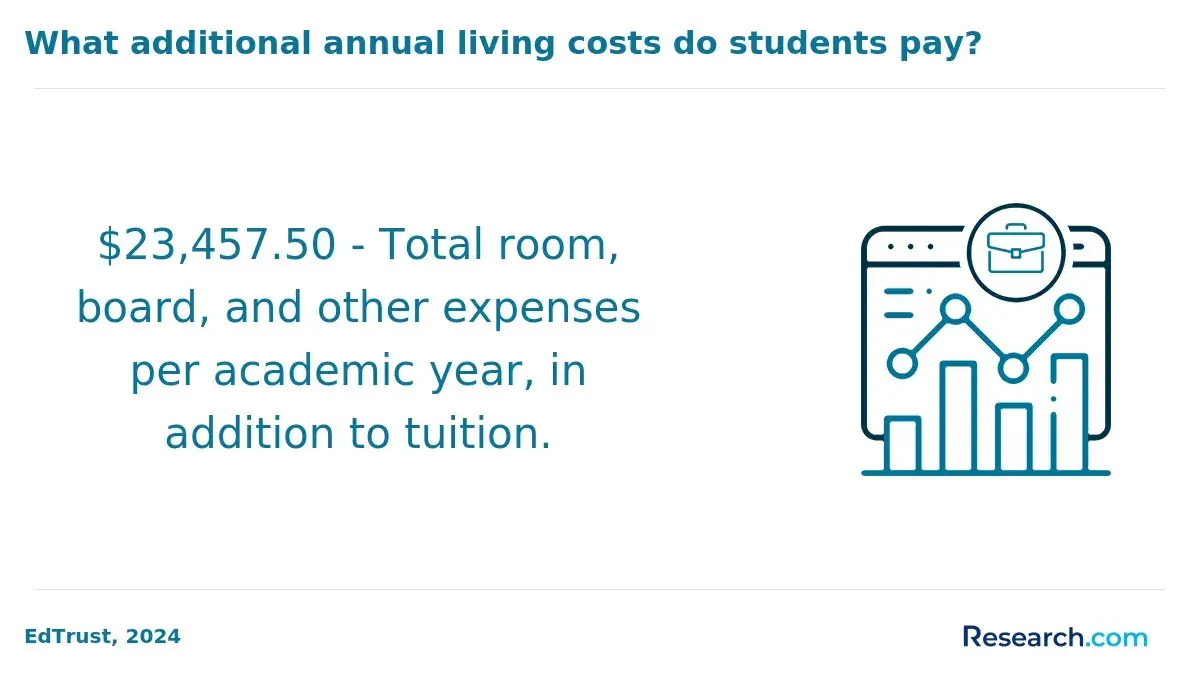
Additional fees beyond tuition often impact the total expenses for working professionals in Electrical Engineering master's degrees. Technology fees, which range from $100 to $300 per semester, as well as fees related to thesis or capstone projects, can add to the overall cost. Some programs also require minimal on-site residencies that may introduce travel expenses, while indirect costs including textbooks and specialized software subscriptions commonly add several hundred dollars annually. Membership costs for professional organizations like IEEE and examination fees for certifications should also be considered in the financial planning process.
Admission into Electrical Engineering master's programs is becoming increasingly competitive; recent statistics from the National Science Foundation reveal a 7% growth in enrollment for engineering master's degrees over the past five years. To better estimate the true cost of attendance, especially when evaluating online electrical engineering master's program tuition costs, prospective students should leverage tools such as the U.S. Department of Education's College Scorecard and university-specific Net Price Calculators. These resources help account for scholarships, assistantships, and other financial aid opportunities that may substantially reduce expenses. The key factors in cost considerations can be summarized as follows:
- Flat Tuition Rate for Online Programs: Many institutions now offer a uniform tuition rate for online courses, irrespective of residency, easing financial planning for students across states.
- Additional and Indirect Fees: Beyond tuition, expect technology fees, thesis or project charges, travel costs for residencies, textbooks, and software-which collectively can add a significant amount annually.
- Professional Memberships and Certification Costs: Membership in organizations such as IEEE and fees for certification exams are important costs often overlooked during initial budgeting.
- Competitive Admissions and Enrollment Trends: The demand for advanced degrees in Electrical Engineering is rising steadily, making early preparation and informed cost comparison essential.
- Helpful Financial Tools: Utilizing the affordable graduate schools database, College Scorecard, and Net Price Calculators assists prospective students in making accurate, personalized financial decisions.
What Financial Aid, Scholarships, and Employer Tuition Benefits Are Available for Online Electrical Engineering Master's Programs?
For working professionals pursuing an online electrical engineering master's program, understanding financial aid options is crucial to managing costs effectively. Various funding sources can help reduce the financial burden, from federal loans to employer benefits and specialized scholarships. Below is an overview of key financial support avenues.
- Federal Loans: Graduate students can access Direct Unsubsidized Loans and Graduate PLUS Loans designed specifically for advanced degree programs. To qualify, applicants must submit the Free Application for Federal Student Aid (FAFSA) annually, accurately indicating graduate status and financial information to determine eligibility. Early FAFSA submission is recommended to enhance funding opportunities.
- Scholarships and Fellowships: Numerous awards target electrical engineering graduate students through platforms like Fastweb, Scholarships.com, and professional organizations. These grants usually consider academic achievement, enrollment status, and sometimes research focus, with amounts ranging from $1,000 to $10,000 per year. Application deadlines generally occur from late fall to early spring.
- Employer Tuition Reimbursement: Many professionals benefit from employer-sponsored tuition assistance, which may cover part or all of tuition costs. Negotiating these benefits during hiring or performance reviews is essential, and aligning coursework with reimbursement schedules ensures timely claims.
- Graduate Assistantships and Fellowships: Although less common in fully online settings, some programs offer assistantships or fellowships that provide financial support via research or teaching roles. These opportunities can offset costs while enhancing professional experience.
How Do Online Electrical Engineering Master's Programs Support Working Professionals Through Flexible Scheduling and Delivery Formats?
Working professionals juggling career demands with graduate studies need versatile scheduling and course delivery options to succeed. Programs that offer varied formats can help learners fit education into their busy lives without sacrificing quality or interaction. Below are important features and models that enhance flexibility for diverse work schedules.
- Synchronous and Asynchronous Formats: Live classes provide real-time engagement and immediate feedback, while self-paced asynchronous courses cater to learners who require more control over when they study.
- Hybrid Models: Combining online coursework with periodic in-person or virtual sessions allows students to benefit from personal interaction alongside flexible study times.
- Cohort-Based Programs: Structured peer groups promote accountability and foster supportive networks, which can be crucial for maintaining motivation throughout a demanding curriculum.
- Evening and Weekend Scheduling: Offering classes outside traditional work hours shows a program's commitment to accommodating working students' time constraints.
- Recorded Lectures and Mobile Accessibility: Access to lecture recordings means students can review material whenever convenient, and platforms optimized for mobile devices enable learning on-the-go.
- Dedicated Support Services: Academic coaches, mentors, and advisors experienced with adult learners help address challenges unique to professionals balancing work and study.
- Trial Access to Learning Systems: Programs that provide demo sessions or open houses for their learning management systems allow candidates to evaluate the technology and ensure it fits their learning style before enrolling.
What Technology, Tools, and Technical Requirements Are Needed for an Online Electrical Engineering Master's Program?
Preparing for an online Electrical Engineering master's degree requires more than academic readiness; working professionals must ensure their technology meets program demands. This overview highlights key technology requirements and software tools to help candidates assess their current resources before enrolling in a program.
- Hardware and Operating System: Programs generally require a reliable computer running Windows 10 or later, macOS, or supported Linux distributions. At least 8 GB of RAM and a multi-core processor are necessary to handle complex tasks and simulations efficiently.
- Internet Speed: A stable high-speed connection of 25 Mbps or faster is essential for streaming lectures, participating in live discussions, and downloading large files without interruption.
- Essential Tools and Software: Students typically use specialized engineering software such as MATLAB, Simulink, PSpice, and CAD tools. Some programs provide licenses at no additional cost, while others require students to purchase them. Programming environments like Python or C++ compilers are often incorporated to support coding assignments.
- Accessibility and Compliance: Courses follow ADA standards, offering support like screen readers and captions to accommodate diverse learning needs. Dedicated disability services are usually available to ensure inclusivity.
- Technology Readiness Assessment: Before enrollment, prospective students should evaluate their devices, software access, internet speed, and accessibility support to avoid technical barriers during their studies.
Working professionals seeking a cyber security online degree may find similar technical requirements, making this preparation relevant across related fields.
What Career Outcomes and Salary Expectations Follow an Online Electrical Engineering Master's Degree for Working Professionals?
For working professionals, examining career outcomes after earning an online Electrical Engineering master's degree is essential for understanding potential returns on investment. Data from authoritative sources like the U.S. Bureau of Labor Statistics and graduate employment reports reveal how advanced credentials can influence job advancement and salary prospects.
- Salary Advantage: Professionals holding a master's degree in Electrical Engineering typically earn well above the field's median income, with annual salaries often surpassing $100,000 depending on experience and sector. This higher earning potential reflects the premium employers place on advanced technical expertise.
- Career Progression Within Fields: Those seeking advancement in their current industry frequently move into higher-level positions such as senior engineer, project manager, or technical lead. These roles come with increased responsibilities and offer greater leverage during compensation negotiations.
- Transitioning to Emerging Areas: Graduates pivoting to sectors like renewable energy or communications technology may experience steadier salary growth initially, but they gain access to industries expected to expand rapidly, positioning themselves for long-term opportunities.
- Program-Specific Outcomes: Employment rates, median starting salaries, and lists of top employers vary by program. Prospective students should contact admissions offices to obtain detailed outcome data, which helps evaluate how effectively a given program supports professional advancement.
What Graduates Say About Getting Accepted in Online Electrical Engineering Degree Master's Programs for Working Professionals
- Jireh: "Applying for the master's program in electrical engineering designed for working professionals was a seamless experience thanks to clear admission guidelines. I appreciated how the program accommodated my full-time job schedule while offering rigorous coursework. Navigating the balance between work and study was challenging but incredibly rewarding."
- Henrik: "Before committing, I spent considerable time researching accredited institutions offering online electrical engineering master's programs for working professionals. Consulting official academic catalogs and accreditations helped me ensure the program's quality and legitimacy. This thorough approach gave me confidence that I was making a sound educational investment."
- Weston: "Relying on federal education resources and accrediting agencies made it much easier to understand how to meet degree requirements for my online electrical engineering master's. The transparency helped me plan my course load efficiently and avoid surprises throughout the program. Looking back, this preparation was key to successfully completing the degree."
Other Things You Should Know About Electrical Engineering Degrees
When selecting the best online electrical engineering master's programs for 2027, consider accreditation, program duration, industry connections, and flexible scheduling. Prioritize programs with a strong reputation, proven alumni success, and robust student support services tailored to working professionals.
Pursuing an online master's in electrical engineering in 2027 offers unique advantages for working professionals, including flexible scheduling, the ability to balance work and study, and access to diverse global peers and instructors. These programs are designed to enhance career prospects without needing to relocate or take a career break.
Online electrical engineering programs typically offer a range of student support services tailored for remote learners, including academic advising, technical support, career counseling, and library access. Many programs provide virtual tutoring and discussion forums to facilitate collaboration and networking among working professionals. These services aim to replicate the campus experience and support students through challenges unique to balancing education with employment.
References
- Master of Science (MSc) https://www.ualberta.ca/en/engineering/electrical-computer-engineering/graduate/master-of-science.html
- Electrical Engineering Degree Program Guide - Intelligent https://www.intelligent.com/best-online-masters-in-electrical-engineering-degree-programs/degree-program-guide/
- Career Prospects of an Electrical Engineering Graduate https://sureexpo.com.my/post/career-prospects-of-an-electrical-engineering-graduate
- Master of Science in Electrical and Computer Engineering | Electrical, Computer & Energy Engineering | University of Colorado Boulder https://www.colorado.edu/ecee/academics/online-programs/ms-ece-coursera
- Best Online Electrical Engineering Master’s Degree Programs in 2025 https://www.onlinemastersdegrees.org/best-programs/engineering/electrical-engineering/
- Electrical and Computer Engineering (ECE) Degrees Online https://www.onlineengineeringprograms.com/electrical/ece
- Electrical Engineering Master - Wydział Elektrotechniki Automatyki i Informatyki https://weaii.po.edu.pl/electrical-engineering-master/
- Master of Science in Engineering in Electrical Engineering https://www.ese.upenn.edu/masters/electrical-engineering-program/
- 2025 Most Affordable Online Master's Degrees in Electrical Engineering https://www.onlineu.com/most-affordable-colleges/electrical-engineering-masters-degrees
- How Online Programs Support Electrical Engineers at Work https://info.online.bradley.edu/college-of-engineering/blog/online-programs-for-working-electrical-engineers


