2027 Fully Online vs Hybrid Occupational Therapy Degree Master's Programs: Which Is Better?

Co-Founder and Chief Data Scientist
Many prospective students face a dilemma when choosing between fully online and hybrid occupational therapy master's programs. For example, a working professional in a rural area may struggle with commuting for hybrid sessions yet seek hands-on experience, while another prefers the flexibility of online classes but worries about limited clinical exposure.
According to the AOTA, approximately 43% of occupational therapy graduate students enrolled online report balancing work and family demands as their primary reason. This article examines the key differences between these formats, helping readers select the program that best aligns with their lifestyle, learning style, and career objectives.
Key Things to Know About Fully Online vs Hybrid Occupational Therapy Degree Master's Programs
- Fully online programs offer maximum learning flexibility, allowing students to study anytime and anywhere, ideal for those balancing work or family, while hybrid formats require scheduled campus visits.
- Hybrid programs provide in-person engagement through periodic hands-on sessions, enhancing practical skills, whereas fully online formats rely heavily on virtual simulations and remote instruction.
- Students with demanding professional commitments often prefer fully online options for adaptability, while hybrid programs better suit those seeking structured, direct faculty interaction alongside clinical practice.
How Do Hybrid and Online Occupational Therapy Master's Programs Differ?
Fully online and hybrid occupational therapy master's programs differ primarily in how instruction, participation, and learning experiences are structured. With approximately 35% of graduate health profession programs now offering hybrid formats, there is a clear trend toward flexible education models that balance virtual and in-person learning.
Below are key distinctions that highlight these format differences.
- Learning Format: Fully online programs deliver all coursework via virtual lectures, discussions, and assignments. Hybrid programs blend online learning with on-campus attendance for labs or workshops, which enhances hands-on skill development.
- Residency Expectations: Hybrid formats usually require short residencies or on-site intensives each semester, allowing direct faculty interaction and peer collaboration, while fully online programs seldom have these mandates.
- Scheduling Structure: Online programs commonly offer asynchronous classes, granting students maximum flexibility to study anytime. In contrast, hybrid programs maintain more fixed schedules to coordinate in-person sessions.
- Participation Methods: Students in fully online programs engage through video conferencing and online forums, which can limit spontaneous discussion. Hybrid students benefit from face-to-face interaction during campus visits.
- Campus Engagement: Hybrid learners access campus resources such as labs and libraries during in-person sessions, creating a richer learning environment compared to fully remote students.
The differences in curriculum and assessments for occupational therapy master's programs often align with these structural features, allowing students to choose a path that fits their learning preferences and career goals. For those exploring different program formats, resources such as the shortest DNP programs online provide insight into flexible graduate options beyond occupational therapy master's degrees.
Which Occupational Therapy Master's Program Format Is More Flexible?
Flexibility is a crucial consideration for students deciding between fully online and hybrid occupational therapy master's programs. Approximately 40% of graduate students in the U.S. now take at least one online course, highlighting the increasing demand for adaptable learning options. Several factors play a significant role in determining flexibility, especially for those balancing work, family, and academic commitments.
Key elements influencing flexibility in fully online versus hybrid occupational therapy master's programs include:
- Class Schedule: Fully online programs generally offer asynchronous classes, allowing students to study anytime, which benefits those with unpredictable work or family hours. Hybrid programs often have fixed in-person sessions, reducing scheduling freedom.
- Location Requirements: Online options remove the need for commuting, making them ideal for students living far from campus or clinical sites. Hybrid programs require travel for face-to-face components, adding time and logistical complexity.
- Course Pacing: Many fully online programs permit self-paced progress, which is ideal for working students managing other responsibilities. Hybrid degrees tend to follow a structured academic calendar, limiting flexibility in pacing.
- Attendance Expectations: Hybrid students usually must attend physical classes or labs, which can restrict spontaneous schedule changes. Online students benefit from recorded lectures and more lenient attendance policies.
- Travel Commitments: Hybrid programs demand time for on-site clinical or lab work, which can present challenges for those balancing employment and family. Fully online programs minimize or eliminate travel needs, increasing convenience.
These factors help explain why fully online occupational therapy master's programs flexibility often suits a wider range of lifestyles. Prospective students might also explore related fields like online DNP programs for additional flexible graduate study options.
Which Occupational Therapy Master's Program Format Is Cheaper?
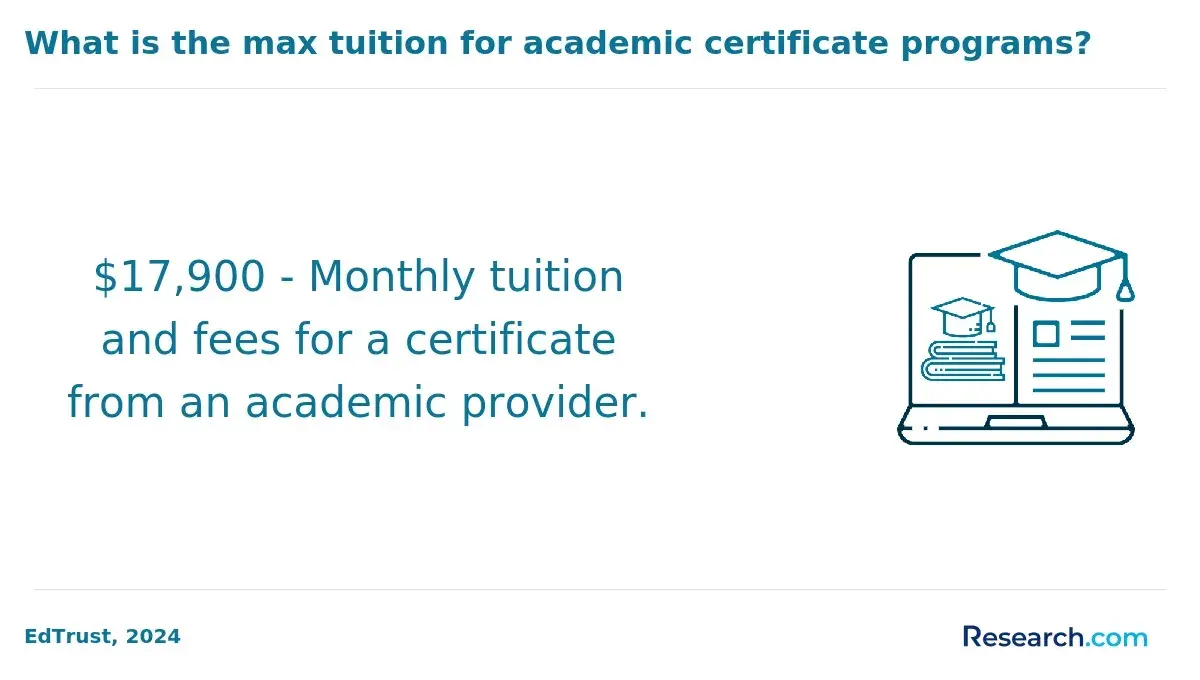
Cost plays a significant role for students weighing fully online versus hybrid occupational therapy master's programs. Research from the National Center for Education Statistics shows that tuition for online graduate programs can be 15-20% lower than that of on-campus or hybrid alternatives. Several cost elements determine which format might be more budget-friendly.
- Tuition Structure: Online programs often charge per credit or offer flat tuition rates, which can reduce expenses compared to the varied tuition models at traditional campuses.
- Campus-Related Fees: Those enrolled in hybrid formats may face additional charges for using campus facilities, laboratories, and technology resources, costs typically avoided by online students.
- Commuting or Travel Expenses: Hybrid students usually spend money on transportation, parking, or occasional travel to campus, which increases their overall financial burden.
- Housing Considerations: Maintaining local housing near campus for in-person sessions adds another layer of expense not usually required for fully online learners.
- Technology and Learning Platforms: While online students need reliable internet and devices, some hybrid programs may require specialized equipment or software access, affecting total costs differently.
One graduate student who pursued an online occupational therapy master's shared that choosing the fully online route helped manage his budget tightly. He noted, "Not having to commute or find temporary housing near campus really eased my financial worries." Balancing work and study from home also reduced stress.
He added, "I appreciated the flexibility, but making sure I had a quiet workspace and dependable internet was essential." His experience highlighted how the lower direct and indirect costs of an online program aligned well with his personal and financial circumstances.
Does Financial Aid Differ for Online vs Hybrid Occupational Therapy Master's Degrees?
Comparing financial aid options is crucial when choosing between fully online and hybrid occupational therapy master's programs. About 30% of graduate students enrolled fully online receive institutional aid versus 42% in hybrid or on-campus formats, showing a modest preference toward the latter. The following factors highlight how aid access may vary.
- Eligibility Criteria: Fully online students often face different residency requirements, with some institutions imposing stricter state-based rules. Hybrid programs tend to have more flexible enrollment standards that can ease qualification for aid.
- Types of Aid: Federal loans and grants typically support both formats, but certain scholarships are exclusive to hybrid programs due to expectations for in-person participation.
- Institutional Scholarships: Hybrid students may benefit from more scholarships rewarding campus involvement, whereas online students often depend on need-based or external funding sources.
- Federal or State Funding: Some states allocate funds preferentially to programs with physical campuses or in-person elements, which can limit aid opportunities for fully online students residing out of state.
- Employer Tuition Assistance: Employer-sponsored aid usually applies broadly; however, some employers require attendance in hybrid or local programs to qualify for reimbursement under professional development policies.
Prospective students weighing online occupational therapy master's financial aid options might also explore related offerings, such as the cheapest online BSN to DNP programs, as part of their funding research.
Are Admission Requirements Different for Hybrid vs Online Occupational Therapy Master's Programs?
Admission standards are a crucial factor when weighing hybrid versus fully online occupational therapy master's programs. While many criteria overlap, some distinctions exist due to differences in how instruction and clinical experiences are delivered. Below are five key admission elements to consider when comparing these program types.
- Academic Prerequisites: Both formats generally require a bachelor's degree with foundational science courses such as anatomy and biology. Hybrid programs often expect a stronger academic record in these areas since onsite practical components demand a solid scientific base.
- Professional Experience: Hands-on experience or volunteer work can be more heavily weighted in hybrid program applications reflecting their in-person clinical focus. Fully online programs may allow greater flexibility, sometimes placing less emphasis on prior direct practice.
- Letters of Recommendation: Letters are commonly requested by both formats, but hybrid programs may prefer recommendations that emphasize strong interpersonal and collaboration skills that are critical for onsite group work.
- Standardized Tests: GRE requirements vary mainly by institution rather than delivery method, though hybrid programs might lean toward traditional expectations for such exams.
- Application Deadlines: Deadlines tend to be similar, yet hybrid tracks sometimes have more rigid, cohort-based timelines that applicants must strictly follow.
When discussing admission differences with a professional preparing to enter a hybrid occupational therapy program, she reflected on the process's challenges and rewards. "It felt intense balancing clinical prerequisites with academic records, especially knowing that onsite components would demand real-world readiness," she shared.
She noted the importance of securing recommendation letters that highlighted her teamwork and communication abilities, which felt more critical here than in purely online settings. Though navigating these expectations was sometimes stressful, she appreciated how the admissions criteria aligned well with the hands-on nature of the program she chose, making her confident in taking this blended educational path.
Is the Curriculum the Same in Online and Hybrid Occupational Therapy Master's Programs?
For students deciding between fully online and hybrid occupational therapy master's programs, recognizing core curriculum similarities and differences can guide their choice. A 2022 American Occupational Therapy Association survey found that over 70% of accredited programs maintain consistent core content across formats to ensure quality education.
Below are five essential ways the curriculum aligns or varies between these delivery methods.
- Core Course Content: Both fully online and hybrid formats include fundamental subjects like human anatomy, therapeutic methods, and evidence-based practice, delivering the same essential knowledge base to students.
- Elective Availability: Hybrid programs often provide a broader range of electives available on campus, while online programs might restrict options that require physical presence or specific resources.
- Project-Based Learning: Online students frequently participate in virtual simulations and remote collaborative projects, whereas hybrid students benefit from more in-person teamwork through campus access.
- Capstone or Thesis: Both formats require a final project emphasizing either research or practical application, though hybrid students may have easier access to face-to-face mentorship.
- Experiential Components: Hybrid students usually complete scheduled on-site labs or clinical practicums, while online students arrange local fieldwork placements coordinated remotely to fulfill applied learning requirements.
How Are Exams Conducted in Fully Online vs Hybrid Occupational Therapy Master's Programs?
Exams in fully online occupational therapy master's programs differ significantly from those in hybrid formats, which is important for prospective students to consider. Research indicates that 68% of students in fully online health-related graduate programs experience some form of online proctoring during exams, highlighting the prevalence of remote monitoring.
Below are five key distinctions in exam administration between the two types of programs:
- Online Proctoring vs In-Person Exams: Fully online programs rely on online proctoring software to supervise exams remotely, ensuring academic integrity without requiring campus attendance. In contrast, hybrid programs typically mandate in-person exams held on campus to monitor students directly.
- Timed Assessments: Both fully online and hybrid exams are usually timed, but online programs may offer flexible time limits to address technical issues that can arise during remote testing.
- Open-Book vs Closed-Book: Online programs often utilize open-book exam formats to discourage cheating in remote settings, while hybrid programs generally administer closed-book tests under direct supervision.
- Technical Requirements: Online exams demand stable internet access and compatible devices from students, whereas hybrid exams take place in controlled campus environments that reduce technological variability.
- Integrity Measures: Fully online exams integrate AI monitoring, browser lockdowns, and identity verification technologies to enforce integrity; hybrid exams depend on physical proctors who oversee students during testing sessions.
The distinct exam formats influence student convenience, test anxiety, and preparation strategies, which are critical considerations when selecting the best occupational therapy program format to meet individual learning preferences and career objectives.
Which Occupational Therapy Master's Program Format Offers Better Networking Opportunities?
Networking opportunities are a critical factor for students deciding between fully online and hybrid occupational therapy master's programs. A 2023 survey by the American Occupational Therapy Association found that 68% of students believed direct interaction with peers and faculty significantly impacted their career advancement and professional connections. Below are five key aspects where networking potential varies between these program formats.
- Peer Interaction: Hybrid programs encourage spontaneous and frequent peer connections through in-person classes and on-campus events, promoting stronger personal relationships. Fully online occupational therapy master's program networking benefits are more structured, relying on virtual discussion boards and scheduled video meetings, which may limit informal conversations.
- Faculty Engagement: Hybrid students often gain from face-to-face office hours and personalized mentorship, facilitating easier access to faculty advice. Online students may experience less direct engagement despite availability of virtual meetings, potentially reducing the sense of connection.
- Alumni Access: Both formats offer alumni networks, but hybrid programs leverage on-campus events that often strengthen these bonds. Online programs maintain connections through digital platforms, which might result in less impactful interactions over time.
- Industry Events: Hybrid students benefit from local workshops and guest lectures through partnerships, offering accessible networking opportunities. Online students must depend on virtual events, which may restrict spontaneous networking and relationship building.
- Collaborative Projects: Face-to-face teamwork in hybrid settings fosters rapport and trust more naturally, enhancing collaboration quality. Online projects require structured digital communication that can sometimes hinder the depth of relationships among participants.
For those interested in exploring affordable options, some of the cheapest online DNP programs offer flexible pathways that complement career and networking goals. Choosing between fully online and hybrid formats ultimately depends on individual learning preferences and professional connection priorities within an occupational therapy master's degree career connections framework.
Are Job Placement Rates Different for Hybrid vs Online Occupational Therapy Programs?
Employment outcomes are a vital consideration for prospective students comparing hybrid and fully online occupational therapy master's programs. According to a 2022 survey by the American Occupational Therapy Association, hybrid formats report slightly higher job placement rates, with about 92% of graduates employed within six months, compared to roughly 85% for fully online programs. Several factors help explain these differences.
- Industry Connections: Hybrid programs often maintain stronger ties with local healthcare providers, which facilitates job placements by leveraging established relationships within the community.
- Internship or Practicum Access: Students in hybrid programs benefit from in-person practicum opportunities that can directly lead to employment offers, unlike many fully online students who have limited access to hands-on experiences.
- Alumni Networks: Being closer to campus enables hybrid students to engage more effectively with alumni, increasing mentorship opportunities and professional referrals in occupational therapy fields.
- Career Services Support: Hybrid learners typically gain better access to on-campus career fairs, workshops, and networking events, which enhance job search strategies and employment readiness.
- Regional Employment Opportunities: Hybrid programs often serve specific geographic regions, allowing students to cultivate local professional networks critical for securing nearby positions in occupational therapy.
Fully online programs offer flexibility but less direct interaction, which can limit access to internships and networking experiences that influence job outcomes. Students should consider how these employment-related factors align with their own goals and learning preferences when choosing between formats.
For those exploring options among online schools no application fee, understanding differences in job placement rates for hybrid occupational therapy programs versus fully online ones is especially important to make an informed decision.
Does Program Format Affect Salary After Earning a Occupational Therapy Master's?
Salary potential plays a significant role for students choosing between fully online and hybrid occupational therapy master's programs. Graduates from hybrid programs tend to start with an average salary of about $70,000, while those from fully online options typically earn closer to $65,000. Several factors contribute to these variations.
Key influences on salary differences based on program format include:
- Networking Opportunities: Hybrid programs encourage more in-person interaction, helping students develop stronger professional relationships that may translate into better job offers.
- Industry Connections: On-campus elements often provide access to local healthcare employers, boosting the likelihood of gaining employment in reputable organizations.
- Program Prestige: Some hybrid programs are affiliated with well-established institutions, enhancing graduates' resumes and improving negotiating leverage for higher salaries.
- Experiential Learning: Hybrid formats typically offer richer clinical experiences, which can make candidates more attractive to employers and better prepared for the workforce.
- Geographic Flexibility: Fully online students can study from lower-cost regions, but this flexibility might restrict exposure to high-paying urban job markets.
While the program structure affects salary to some extent, hands-on experience and networking often have a stronger impact on earning potential after graduation.
What Graduates Say About Fully Online vs Hybrid Occupational Therapy Degree Master's Programs
- Alex: "Choosing a fully online occupational therapy master's program was essential for me due to my unpredictable work schedule. The affordability of the online option compared to traditional programs made it possible to invest without overwhelming debt. Completing the degree online expanded my career opportunities by allowing me to gain credentials while continuing to work full-time, which was a game changer."
- Renee: "Pursuing a hybrid occupational therapy master's degree balanced the flexibility I needed with valuable in-person experiences. Although the hybrid program was slightly more expensive than the fully online option, I found the hands-on components crucial for building clinical confidence. This approach ultimately accelerated my career growth and helped me cultivate meaningful professional relationships."
- Leigh: "Reflecting on my decision to enroll in a fully online occupational therapy master's program, the main draw was the ability to study from anywhere without relocating. Despite concerns about missing face-to-face interaction, the program's structure and resources made remote learning highly effective. This degree enhanced my credentials and allowed me to transition smoothly into leadership roles within my field."
Other Things You Should Know About Occupational Therapy Degrees
Fully online occupational therapy master's programs must incorporate in-person fieldwork or clinical placements to meet accreditation standards and prepare students for licensure. Although lectures and some coursework are delivered virtually, students gain hands-on experience through arranged clinical rotations at approved sites near their residence. This ensures graduates develop practical skills comparable to those in hybrid or on-campus programs.
Hybrid occupational therapy master's programs typically align closely in duration with fully online programs when considering core curriculum. However, on-site clinics and labs in hybrid models might extend total completion time compared to fully online programs, which often have streamlined scheduling options.
References
- Exploring Online Master's Programs in Occupational Therapy: A Path to Empowerment - Oreate AI Blog https://www.oreateai.com/blog/exploring-online-masters-programs-in-occupational-therapy-a-path-to-empowerment/197ef2a7be8ff602874793493807bdb6
- Master of Occupational Therapy https://cabarruscollege.edu/academic-programs/allied-health-programs/master-of-occupational-therapy
- Are There Online Occupational Therapy Schools? Yes and No - myotspot.com https://www.myotspot.com/online-occupational-therapy-schools/
- Occupational Therapy Part-Time Hybrid Admissions Requirement https://www.baypath.edu/admissions-aid/graduate-admissions/occupational-therapy-part-time-hybrid-requirements/
- Hybrid Online Occupational Therapy Programs | USAHS https://www.usa.edu/programs/occupational-therapy-programs/hybrid-online-occupational-therapy-programs/
- Hybrid Occupational Therapy Programs for Flexibility and Hands-On Learning https://www.scuhs.edu/otd-article/hybrid-occupational-therapy-programs-for-flexibility-and-hands-on-learning/
- Masters of Occupational Therapy Degree Programs, Online Included https://www.occupationaltherapydegrees.org/programs/degree/masters
- Choose the Best Occupational Therapy Schools for Success https://www.cbd.edu/blog/occupational-therapy-schools-guide/
- How do Hybrid OT programs work? What percentage is online vs. in-person? https://otdeducation.com/article/how-do-hybrid-ot-programs-work-what-percentage-is-online-vs-in-person
- The most affordable online masters to doctorate in occupational therapy you can do in less than 2 years while keeping your full-time job https://otgrowth.com/blog/most-affordable-otd