
2027 Fully Online vs Hybrid Speech Pathology Degree Master's Programs: Which Is Better?

Co-Founder and Chief Data Scientist
Choosing a speech pathology master's program is not just a question of online versus campus learning. The format affects your weekly schedule, travel demands, clinical preparation, networking, costs, and sometimes how easily you connect with local practicum sites and employers.
Fully online programs are often the better fit for students who need maximum location flexibility, especially working adults, caregivers, rural students, and those who cannot relocate. Hybrid programs may suit students who want structured face-to-face learning, direct faculty contact, and built-in campus experiences while still completing part of the degree online.
According to recent data, 67% of speech pathology graduate students prefer hybrid options due to the blend of flexibility and in-person practice. This guide compares fully online and hybrid speech pathology master's programs across flexibility, cost, financial aid, admissions, curriculum, exams, networking, job placement, salary, and graduate perspectives so you can choose the format that best matches your goals and constraints.
Key Things to Know About Fully Online vs Hybrid Speech Pathology Degree Master's Programs
- Fully online master's programs offer maximum flexibility for students balancing work or family, with 100% remote coursework accessible anytime from any location.
- Hybrid programs require some in-person attendance, providing direct clinical experience and face-to-face interaction that can enhance practical skills.
- Students with demanding professional commitments often prefer fully online formats, whereas hybrid options suit those seeking hands-on training alongside remote study.
How Do Hybrid and Online Speech Pathology Master's Programs Differ?
Fully online and hybrid speech pathology master's programs differ mainly in how students complete coursework, interact with faculty, attend required sessions, and access hands-on learning. Approximately 30% of graduate speech pathology programs now offer hybrid formats, reflecting a growing demand for programs that combine remote learning with in-person training.
The right format depends on how much structure, travel, and face-to-face instruction you can realistically manage. Before applying, compare each program's residency rules, clinical placement process, synchronous class requirements, and technology expectations.
- Learning format: Fully online programs deliver coursework through virtual platforms, usually with lectures, discussion boards, digital assignments, and online simulations. Hybrid programs combine online coursework with scheduled campus-based or in-person learning experiences.
- Residency expectations: Hybrid programs often require on-campus residencies ranging from weekend workshops to week-long intensives. Fully online programs usually avoid campus visits, although students may still need approved clinical placements in their local area.
- Scheduling structure: Fully online programs are more likely to use asynchronous coursework, giving students more control over when they study. Hybrid programs often include fixed live sessions, campus dates, or in-person labs that require more advance planning.
- Participation methods: Online students interact through video meetings, online forums, recorded lectures, virtual labs, and faculty feedback. Hybrid students also gain face-to-face practice, which can be useful for clinical skill development and professional confidence.
- Campus engagement: Hybrid students typically have more direct access to campus facilities, faculty, peers, and events during required visits. Fully online students may have a weaker campus connection unless the program intentionally supports virtual advising, student groups, and alumni networking.
In short, fully online programs usually offer more independence, while hybrid programs offer more built-in structure and in-person contact. Students comparing affordability and delivery models can also review online speech pathology masters programs as part of their search.
Which Speech Pathology Master's Program Format Is More Flexible?
Fully online speech pathology master's programs are generally more flexible than hybrid programs because they reduce or eliminate campus travel and often provide more control over when students complete coursework. According to the National Center for Education Statistics, approximately 30% of graduate students engage in at least some online coursework, showing how important flexible study options have become.
That said, “flexible” does not mean effortless or completely self-paced. Speech pathology programs still include demanding academic work, clinical requirements, faculty deadlines, and professional standards. The most flexible option is the one whose schedule fits your work hours, family responsibilities, location, and clinical placement needs.
- Class schedule: Fully online programs often include asynchronous courses, allowing students to watch lectures and complete assignments around work and personal commitments. Hybrid programs may require live online classes, campus sessions, or fixed lab times.
- Location requirements: Online students can usually complete academic coursework from anywhere with reliable internet access. Hybrid students must travel to campus or another approved site for required in-person components.
- Course pacing: Some online programs allow more control over weekly study time, although deadlines still apply. Hybrid programs often follow a more structured academic calendar because in-person sessions must be coordinated in advance.
- Attendance expectations: Hybrid programs typically have stricter attendance requirements for campus-based meetings, labs, and intensives. Online programs may still require live participation, but attendance is usually virtual.
- Travel commitments: Hybrid students may need to budget time and money for transportation, lodging, parking, and missed work hours. Fully online learners generally avoid campus travel but must still plan for local clinical experiences.
Choose a fully online format if your top priority is location independence. Choose a hybrid format if you can commit to occasional in-person attendance and believe the added structure will help you learn clinical skills more effectively. Students building credentials alongside graduate study may also compare online certification courses that fit their schedule.
Which Speech Pathology Master's Program Format Is Cheaper?
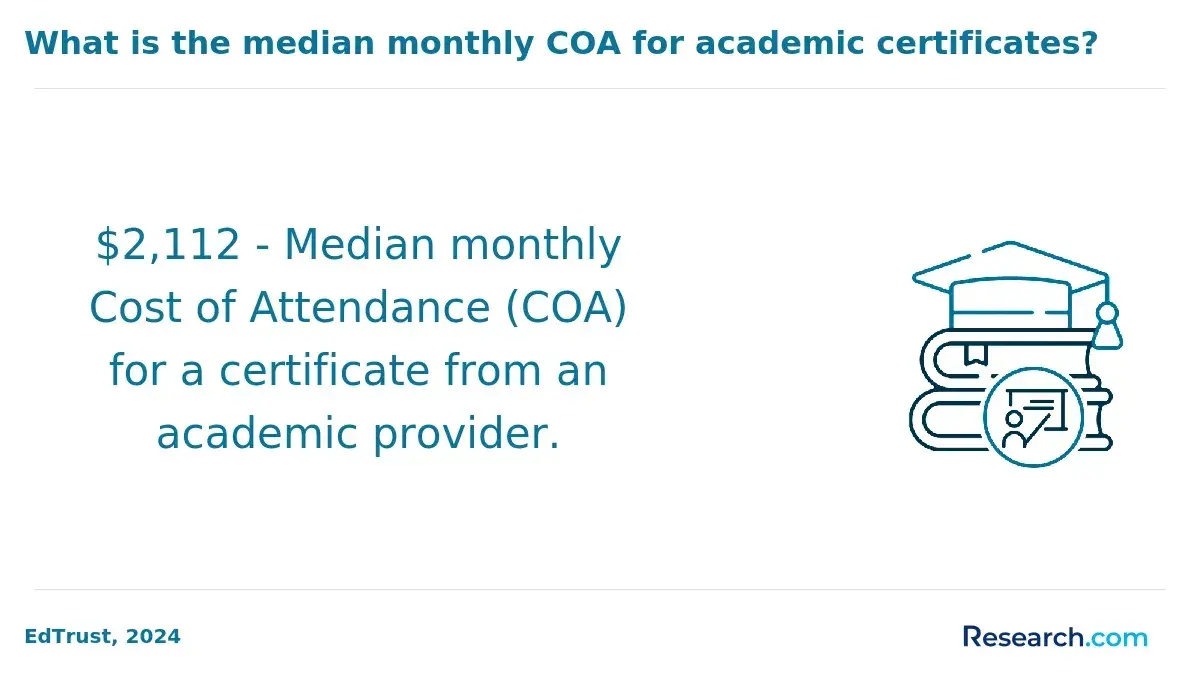
Fully online speech pathology master's programs are often cheaper overall, especially for students who would otherwise commute, relocate, or pay repeated campus-related costs. Research shows that tuition for online graduate programs can be 15-20% lower than that of hybrid or on-campus alternatives.
However, the cheaper format is not always the one with the lowest advertised tuition. Students should compare total cost of attendance, including fees, travel, technology, housing, clinical placement expenses, and lost income from required campus visits.
- Tuition structure: Online programs may charge a flat tuition rate regardless of residency. Hybrid programs may use separate in-state and out-of-state tuition rates, which can make them more expensive for nonresidents.
- Campus fees: Hybrid students may pay fees connected to campus services, facilities, health services, libraries, or student activities. Fully online students may avoid some of these costs, although online learning fees can still apply.
- Commuting costs: Hybrid students should calculate transportation, parking, fuel, public transit, or rideshare expenses. These costs can add up quickly if campus visits are frequent or far from home.
- Housing expenses: Some hybrid students may need short-term lodging during residencies or may choose to live near campus. Fully online students can usually remain where they already live.
- Technology needs: Both formats require a reliable computer, webcam, microphone, and internet connection. Online students may rely more heavily on technology, while hybrid students may carry both technology and travel-related costs.
A working graduate student might choose a fully online speech pathology master's degree because it allows them to keep a part-time job while avoiding daily commuting and parking expenses. The trade-off is that online students must be proactive about virtual participation, faculty communication, and arranging clinical experiences when required.
The practical takeaway: compare the full price of earning the degree, not just tuition per credit. A hybrid program with higher upfront costs may still be worthwhile if it provides stronger clinical support or local employer connections, but fully online programs often reduce the expenses that make graduate school harder to manage.
Does Financial Aid Differ for Online vs Hybrid Speech Pathology Master's Degrees?
Financial aid for speech pathology master's students usually depends more on accreditation, enrollment status, school participation in aid programs, and student eligibility than on whether the program is online or hybrid. Approximately 30% of state aid programs require some in-person coursework, which can affect students in fully online programs depending on where they live and where they enroll.
Before choosing a format, confirm aid eligibility directly with the school's financial aid office. Do not assume that an online graduate program automatically qualifies for the same scholarships, grants, or state funding as a hybrid program.
- Eligibility criteria: Federal aid eligibility generally depends on factors such as enrollment status, institutional participation, and program accreditation rather than delivery mode alone.
- Types of aid: Loans, grants, and work-study may be available to both online and hybrid students when the institution and program meet federal requirements.
- Institutional scholarships: Some schools reserve certain scholarships for campus-based or hybrid students, while others create awards for online learners. Scholarship rules vary by institution.
- Federal and state funding: State aid can be more restrictive than federal aid. Some states limit aid to residents, approved institutions, or programs with an in-person component.
- Employer tuition assistance: Employers often focus on whether the program is accredited, relevant to the employee's role, and aligned with workforce needs rather than whether it is online or hybrid.
Students comparing financial aid for online speech pathology master's degrees should ask three specific questions: Is the program eligible for federal aid? Does my state aid apply to this format? Are there program-specific scholarships for online or hybrid students? They can also review broader affordability resources, including cheap online colleges, to understand how online pricing and aid structures commonly work.
Are Admission Requirements Different for Hybrid vs Online Speech Pathology Master's Programs?
Admission requirements for hybrid and fully online speech pathology master's programs are usually similar because both formats prepare students for the same professional field and must maintain rigorous academic and clinical standards. Differences tend to appear in competitiveness, interview expectations, GRE policies, prerequisite flexibility, and how programs assess readiness for clinical work.
Applicants should not assume online programs are easier to enter. A strong application still needs evidence of academic preparation, communication skills, professional maturity, and readiness for graduate-level clinical training.
- Academic prerequisites: Applicants generally need a bachelor's degree in communication sciences, speech pathology, or a related area, often with a minimum GPA requirement. Students from other majors may need prerequisite coursework before full admission.
- Professional experience: Hybrid programs may place more emphasis on healthcare, education, therapy, or volunteer experience because students participate in in-person clinical activities early. Online programs may be more accessible to career changers, but experience can still strengthen an application.
- Letters of recommendation: Both formats commonly require letters from faculty, supervisors, or professionals who can speak to the applicant's academic ability, communication skills, reliability, and fit for speech pathology.
- Standardized tests: GRE scores may be mandatory for some hybrid programs, while online programs might waive this requirement more frequently. Policies vary, so applicants should verify each program's current requirements.
- Application deadlines: Deadlines may be similar, but hybrid programs sometimes coordinate admissions around campus residencies, cohort starts, or clinical placement schedules. Missing a deadline can delay enrollment by a full term or year.
A strong applicant strategy is to build a checklist for each program: prerequisites completed, GPA requirement met, recommendation writers confirmed, test policy verified, personal statement tailored, and clinical readiness clearly explained. For hybrid programs, applicants should also show they can meet travel and attendance requirements. For fully online programs, they should show they can succeed independently in a remote learning environment.
Is the Curriculum the Same in Online and Hybrid Speech Pathology Master's Programs?
The core curriculum is usually similar in accredited online and hybrid speech pathology master's programs because both formats must prepare students for the same professional competencies. An ASHA survey found that more than 75% of accredited programs deliver consistent core curricula regardless of format, ensuring comparable academic rigor.
The main difference is not usually what students study, but how they practice, demonstrate, and apply what they learn. Hybrid programs may offer more in-person skill development, while online programs rely more on virtual tools, local placements, and structured remote faculty support.
- Core course content: Both formats typically cover essential subjects such as anatomy, phonetics, language development, assessment, intervention, communication disorders, and professional ethics.
- Elective options: Hybrid programs may offer more in-person electives, labs, or specialty experiences. Online programs may adapt electives for remote delivery, which can be convenient but may limit certain hands-on activities.
- Project-based learning: Online students often complete virtual simulations, case analyses, recorded demonstrations, and individual projects. Hybrid students may have more face-to-face group work and live practice during campus sessions.
- Capstone or thesis: Culminating research or applied projects are usually similar in academic expectations, though presentation formats and faculty interaction may differ by delivery model.
- Experiential components: Hybrid programs often use university-affiliated clinical practicum opportunities or campus-based experiences. Fully online students generally need clear support for arranging approved local clinical placements.
When comparing curricula, look beyond the course list. Ask how clinical skills are taught, how placements are approved, how faculty observe performance, and how students receive feedback. A program with strong placement support and consistent supervision can matter more than the label “online” or “hybrid.”
How Are Exams Conducted in Fully Online vs Hybrid Speech Pathology Master's Programs?
Exams in fully online speech pathology master's programs are commonly delivered through learning management systems, remote proctoring tools, timed assessments, recorded demonstrations, case-based assignments, and applied projects. A survey revealed that 68% of online graduate programs use remote proctoring to uphold exam integrity.
Hybrid programs may use the same online tools for some assessments but are more likely to include in-person exams, live skills demonstrations, practical labs, or supervised assessments during campus sessions.
- Online proctoring: Fully online programs frequently use live or automated proctoring software. Students may need a webcam, microphone, stable internet connection, and a private testing space.
- In-person exams: Hybrid programs often require some exams or demonstrations on campus or at approved testing locations, especially for assessments that benefit from direct observation.
- Timed assessments: Both formats use timed exams. Online programs may provide a testing window to accommodate time zones and work schedules, while hybrid exams may occur at fixed class or residency times.
- Open-book vs closed-book: Online exams are often open-book, case-based, or application-focused to evaluate reasoning rather than memorization alone. Hybrid programs may use more closed-book exams when testing occurs in controlled settings.
- Integrity measures: Online exams rely on tools such as browser lockdown systems, identity checks, screen monitoring, and AI-based monitoring. Hybrid exams rely more on physical supervision and controlled testing environments.
Students should ask programs about proctoring fees, privacy policies, required technology, retake rules, and how clinical competencies are assessed. Exam format can affect stress levels, schedule planning, and the kind of preparation students need.
Which Speech Pathology Master's Program Format Offers Better Networking Opportunities?
Hybrid speech pathology master's programs generally offer stronger built-in networking because students meet faculty, classmates, supervisors, and local professionals in person. A survey by the American Speech-Language-Hearing Association found that 72% of graduates cited peer interaction and faculty connections as vital to their early career success.
Online programs can still provide meaningful networking, but students often need to be more intentional. The strength of networking depends on the program's advising model, alumni engagement, faculty availability, clinical placement network, and career services—not the format alone.
- Peer interaction: Hybrid students often build relationships through classroom conversations, labs, campus visits, and informal time before or after sessions. Online students rely more on discussion boards, group projects, video meetings, and cohort-based communication.
- Faculty engagement: Hybrid programs make spontaneous faculty contact easier through campus interactions and in-person office hours. Online students should look for programs with regular virtual advising, accessible faculty, and clear response-time expectations.
- Alumni access: Alumni networking depends heavily on institutional support. Hybrid programs may host on-campus alumni events, while online programs need strong virtual alumni panels, mentoring systems, and career webinars.
- Industry events: Hybrid students may have easier access to local conferences, workshops, employer visits, and clinical partners. Online students may need to seek virtual events or professional associations independently.
- Collaborative projects: Hybrid formats can make teamwork feel more natural because students work together in person. Online programs can still support collaboration if they use structured group assignments, live meetings, and faculty-guided peer interaction.
If networking is a priority, ask each program how students meet supervisors, alumni, and employers. A well-designed online program with active career support may outperform a hybrid program with limited engagement. Students thinking beyond master's-level preparation may also compare broader graduate pathways, such as the best online doctorate in organizational leadership, to understand how format influences professional networks in other fields.
Are Job Placement Rates Different for Hybrid vs Online Speech Pathology Programs?
Job placement can differ between hybrid and fully online speech pathology master's programs, although outcomes depend heavily on accreditation, clinical experience, local labor markets, career services, and student initiative. Data indicates that approximately 85% of hybrid program graduates secure jobs within six months, compared to around 75% for fully online graduates.
The difference is often tied to access: hybrid students may have more direct contact with faculty, supervisors, clinics, and local employers. Online students can still achieve strong outcomes, especially when their program offers robust placement support and they actively build professional connections.
- Industry connections: Hybrid programs may offer more face-to-face exposure to clinics, hospitals, school systems, and faculty contacts that can lead to referrals or interviews.
- Internship or practicum access: Hybrid students may benefit from established onsite or regional practicum relationships. Online students should confirm how the program helps identify, approve, and supervise local placements.
- Alumni networks: Programs with in-person components may have more engaged local alumni communities. Online programs need strong virtual alumni access to provide similar value.
- Career services support: Hybrid students may have access to campus recruiting, mock interviews, and local employer events. Online students should look for virtual career coaching, resume support, and employer connections.
- Regional employment opportunities: Hybrid programs tied to a specific region may prepare students for local hiring needs. Fully online students may have more geographic freedom but must research licensure, placement, and employer expectations in their own area.
When comparing job placement, ask programs for recent outcomes, how they define “placed,” whether data includes only respondents, and what types of roles graduates accepted. Students comparing other online graduate pathways can also review online accounting degree programs to see how format and career support affect employment outcomes across fields.
Does Program Format Affect Salary After Earning a Speech Pathology Master's?
Program format may influence early salary indirectly, but it is rarely the only factor. Recent figures indicate that graduates from hybrid programs earn an average starting salary near $62,000, slightly higher than around $58,000 for their fully online counterparts.
The salary difference may reflect networking, clinical placement access, local employer relationships, program reputation, and the types of jobs graduates pursue. It should not be interpreted as a guarantee that a hybrid degree always leads to higher pay or that an online degree limits earning potential.
- Networking opportunities: Hybrid students may gain more in-person access to faculty, supervisors, and employers who can share job leads or provide references.
- Industry connections: Hybrid formats may make it easier to connect with local clinics, hospitals, school districts, and healthcare organizations during training.
- Program prestige: Some hybrid programs are connected to long-established institutions with strong regional reputations, which may influence employer recognition.
- Experiential learning: Employers value strong clinical preparation. Hybrid programs may provide more direct in-person practice, while online programs must demonstrate that remote instruction and local placements provide comparable readiness.
- Geographic flexibility: Fully online study may allow students to remain in or move to regions with different job opportunities, but students must still understand local hiring conditions and licensure-related expectations.
For applicants, the better question is not simply which format pays more. Ask which program has stronger clinical placements, better faculty access, clearer licensure preparation, and stronger employer relationships in the region where you plan to work.
What Graduates Say About Fully Online vs Hybrid Speech Pathology Degree Master's Programs
- : "Choosing a fully online speech pathology master's program was ideal for me because I needed flexibility while working full-time. The cost difference compared to hybrid programs was significant, making it a more affordable option without compromising the quality of education. Since graduating, I've noticed a clear boost in my career opportunities, especially with telepractice roles becoming more common. — Alexis"
- : "I opted for a hybrid speech pathology master's degree to balance direct campus interaction with online convenience. While it was a bit more expensive than fully online options, the blend of experiences enriched my learning and networking. Reflecting on my journey, this approach has prepared me well to work in diverse clinical environments and collaborate effectively with multidisciplinary teams. — Isaiah"
- : "For me, the main reason to pursue a fully online speech pathology master's degree was accessibility, as I live in a rural area with limited local options. The reduced costs and lack of commuting made it manageable alongside family commitments. Professionally, earning this degree online has allowed me to stay competitive in the job market and engage in continuing education with ease. — Steven"
Other Things You Should Know About Speech Pathology Degrees
When comparing accreditation, ensure both fully online and hybrid programs are accredited by the Council on Academic Accreditation in Audiology and Speech-Language Pathology (CAA). This ensures the program meets national standards, significantly impacting licensure and employment opportunities by 2026.
When choosing between a fully online and hybrid Speech Pathology master's program in 2027, students should consider factors such as flexibility, clinical practicum opportunities, accreditation status, learning style preferences, and the potential for networking and in-person interactions. These elements can impact the educational experience and future career opportunities.
Online Speech Pathology master's programs often partner with local clinics or hospitals, allowing students to complete clinical practicum in their own region. They also use video simulations and telepractice for remote skill-building, and faculty supervisors oversee the process to ensure proficiency aligned with accreditation standards by 2026.
Fully online Speech Pathology master's programs address clinical practicum requirements by partnering with local clinics or healthcare facilities. Many programs provide virtual simulation labs and remote supervision to ensure students receive practical, hands-on experience. This flexible approach allows students to gain clinical skills while accommodating their personal and professional circumstances.
References
- Homepage https://speechpathologymastersprograms.com/
- How to Get into SLP Grad School: Key Application Tips | USAHS https://www.usa.edu/blog/how-to-get-into-grad-school-for-speech-pathology/
- Speech Pathology Graduate Programs | ASHA Comparison Tool https://www.speechpathologygraduateprograms.org/speech-pathology-graduate-programs-comparison-tool/
- Hybrid Accelerated Master of Speech-Language Pathology (MS-SLP) https://eimpartnerships.com/disciplines/master-of-speech-language-pathology
- Things to know about Online Master’s Degree in Speech Pathology Programs - Wizert https://www.wizert.com/english/blog/online-masters-degree-in-speech-pathology-programs
- Exploring Online SLP Graduate Programs: A Flexible Path to Success - Liricare https://www.liricare.com/blog/exploring-online-slp-graduate-programs-a-flexible-path-to-success
- Best Online Master’s in Speech Pathology (SLP) Programs for 2025 https://www.onlinemastersdegrees.org/best-programs/speech-language-pathology-slp/
- Is Speech-Language Pathology a Good Career? (2026 Guide) https://healthscience.pepperdine.edu/school-of-speech-language-pathology/blog/is-speech-language-pathology-a-good-career-2026-guide.htm
- Is a Master's in Speech Pathology Really Worth It? https://teach.com/online-ed/healthcare-degrees/online-masters-speech-language-pathology/is-a-master-of-slp-worth-it/


