
2027 MRI Tech vs. Radiology Tech: Explaining the Difference

Co-Founder and Chief Data Scientist
Choosing between MRI technology and radiologic technology is not just a question of which imaging equipment sounds more interesting. It affects your education path, certification options, day-to-day work, salary potential, stress level, and long-term career flexibility.
Both careers support physicians by producing diagnostic images, and both require accuracy, patient care skills, and strict safety habits. The difference is scope. MRI technologists specialize in magnetic resonance imaging, which uses powerful magnets and radio waves to create detailed images of soft tissue, organs, joints, and other internal structures. Radiology technologists, often called radiologic technologists, usually begin with X-ray imaging and may later add modalities such as CT, mammography, MRI, or fluoroscopy.
This guide compares MRI techs and radiology techs across duties, skills, salary, job outlook, career growth, transition options, workplace challenges, and stress. Use it to decide which path better fits your strengths, preferred work environment, and professional goals in medical imaging.
Key Points About Pursuing a Career as an MRI Tech vs a Radiology Tech
- MRI techs typically earn higher salaries, averaging $74,000 annually, compared to Radiology techs at around $63,000, reflecting specialized skills in magnetic resonance imaging.
- Job growth for MRI techs is projected at 9% through 2031, slightly faster than the 7% growth expected for radiology techs, indicating strong demand for MRI expertise.
- MRI techs focus on advanced imaging techniques with less radiation exposure, impacting patient safety and requiring extensive technical training compared to broader radiology tech roles.
What does an MRI tech do?
An MRI technologist operates magnetic resonance imaging equipment to produce detailed internal images that radiologists and other physicians use for diagnosis, treatment planning, and follow-up care. The role is highly specialized because MRI scanners use strong magnetic fields rather than ionizing radiation.
Typical responsibilities include reviewing screening forms, confirming patient identity and exam orders, positioning patients correctly, selecting or adjusting imaging protocols, monitoring the patient during the scan, and checking image quality before the study is sent for interpretation. Some MRI exams may involve contrast agents, so technologists also need to follow facility procedures for patient preparation and safety monitoring.
MRI techs spend much of their day balancing technical precision with patient support. Many patients are anxious, claustrophobic, in pain, or unfamiliar with the loud sounds and confined space of the MRI scanner. Clear instructions, calm communication, and careful positioning can make the difference between a completed diagnostic exam and a scan that must be repeated.
Safety is central to the job. MRI technologists screen for implants, metal objects, medical devices, and other risks before anyone enters the MRI environment. They also coordinate with radiologists, nurses, physicians, and other imaging staff to ensure that images meet clinical requirements and are properly documented.
MRI technologists commonly work in hospitals, outpatient imaging centers, specialty clinics, and diagnostic laboratories. Some develop deeper expertise in areas such as neurological imaging, musculoskeletal imaging, cardiac MRI, breast MRI, or pediatric imaging.
What does a radiology tech do?
A radiology technologist, or radiologic technologist, produces diagnostic images using imaging equipment such as X-ray machines, CT scanners, fluoroscopy units, and, in some settings, MRI systems. The role is broader than MRI technology because radiologic technologists may work across several imaging procedures or use general radiography as a foundation before specializing.
Core duties include preparing exam rooms, confirming physician orders, explaining procedures to patients, positioning patients and equipment, applying radiation safety practices, capturing images, evaluating image quality, and maintaining accurate patient records. In urgent care, hospital, or emergency settings, radiology techs may need to work quickly with trauma patients, surgical teams, or critically ill patients.
Radiology techs do not diagnose patients, but their work directly affects diagnostic accuracy. A poorly positioned or low-quality image can delay care or require repeat imaging, so attention to detail is essential. They also help protect patients and staff by using shielding, exposure controls, and facility safety protocols.
Radiologic technologists commonly work in hospitals, outpatient clinics, urgent care centers, physician offices, diagnostic imaging centers, and medical laboratories. The role can be a strong entry point into advanced imaging specialties because many radiology techs later pursue CT, MRI, mammography, interventional radiology, or leadership roles.
As of 2024, the median yearly income for this profession is $77,660. Employment opportunities are expected to grow by 4% between 2024 and 2034, reflecting steady demand for skilled technicians in medical imaging fields.
What skills do you need to become an MRI tech vs. a radiology tech?
MRI techs and radiology techs need many of the same professional habits: accuracy, patient communication, physical stamina, comfort with medical technology, and the ability to follow safety protocols without shortcuts. The difference is where those skills are applied. MRI techs focus deeply on magnetic resonance safety and protocol execution, while radiology techs need broader familiarity with imaging methods, especially procedures that involve radiation.
Skills an MRI tech needs
- MRI equipment proficiency: MRI technologists must understand scanner operation, coil selection, imaging sequences, patient setup, and the software used to acquire high-quality images.
- Magnetic field safety: They must screen for implants, metal objects, devices, and other contraindications because MRI environments can be dangerous if safety steps are missed.
- Patient coaching: MRI exams can be long, noisy, and uncomfortable. Techs need to explain the process clearly and help patients remain still during the scan.
- Attention to image quality: Small errors in positioning or protocol selection can reduce diagnostic value, especially in complex soft-tissue exams.
- Problem-solving under time pressure: MRI techs may need to adjust scan parameters, manage motion artifacts, or respond when a patient cannot tolerate the exam.
- Physical stamina: The job often requires standing for long periods, helping patients transfer safely, and working around large equipment in a controlled environment.
Skills a radiology tech needs
- General imaging knowledge: Radiology techs need a strong foundation in X-rays and may also work with CT scans, fluoroscopy, or other modalities depending on their training and workplace.
- Radiation safety: They must minimize exposure for patients, staff, and themselves by using proper technique, shielding, distance, and exposure controls.
- Positioning accuracy: Correct patient positioning is one of the most important skills in radiography because it affects image clarity and diagnostic usefulness.
- Communication skills: Radiology techs often work with patients who are injured, anxious, elderly, or in pain, so instructions must be clear, brief, and compassionate.
- Critical thinking: They must recognize when an image is not adequate and know when to repeat, adjust, or escalate concerns according to protocol.
- Organization: Managing patient flow, documentation, exam orders, image labeling, and regulatory requirements is part of keeping imaging services efficient and safe.
If you prefer mastering one advanced modality in depth, MRI may be the better fit. If you want broader exposure to multiple imaging procedures and clinical settings, radiologic technology may offer more variety early in your career.
How much can you earn as an MRI tech vs. a radiology tech?
MRI technologists generally have higher earning potential than radiology technologists because MRI is a more specialized imaging modality and requires advanced technical and safety knowledge. However, pay in either field depends heavily on location, employer type, experience, shift differentials, credentials, and whether the technologist works in a high-demand specialty or underserved area.
For an MRI technologist salary United States 2025 comparison, the median annual salary was $88,180 as of May 2024. Entry-level MRI techs often start with higher pay than their radiology counterparts, and experienced professionals with specialized certifications in areas like cardiac MRI or pediatric radiology can earn upwards of $135,000 annually, especially in urban or coastal regions.
Outpatient care centers, specialty hospitals, high-volume imaging centers, and regions with staffing shortages may offer stronger compensation. Additional credentials can also improve mobility and bargaining power. Students comparing credential options may want to review certifications that pay well without a degree, while remembering that medical imaging roles typically have formal education and certification requirements.
In a radiology tech vs MRI tech earnings comparison, radiology technologists earned a median salary of $77,660 in May 2024. While starting salaries may be somewhat lower than for MRI techs, radiology techs at the 25th percentile earn about $83,500 annually, showing room for growth with experience and certification.
Radiology techs can raise their earning potential by adding post-primary credentials, moving into CT or MRI, taking lead roles, working evening or weekend shifts, or relocating to markets with stronger demand. The salary ceiling is often lower than that of MRI technologists, but radiologic technology can offer broader career mobility because it can serve as a base for multiple imaging specialties.
The practical takeaway is straightforward: choose MRI if your main priority is specialization and higher median pay. Choose radiologic technology if you want a broader imaging foundation that can lead to several specialty paths over time.
What is the job outlook for an MRI tech vs. a radiology tech?
Both MRI technologists and radiologic technologists have a stable employment outlook because diagnostic imaging is a core part of modern healthcare. Demand is supported by an aging population, ongoing use of imaging for diagnosis and treatment planning, and continued investment in advanced imaging technology.
Both MRI technologists and radiologic technologists are expected to see employment growth rates of 5-6% through 2034, exceeding the average for all professions. This growth corresponds to about 13,100 new jobs, with total employment increasing from 227,800 to 241,000. These trends point to steady demand rather than a short-term hiring spike.
The MRI technologist field is benefiting from wider access to MRI services. As the cost of MRI equipment has dropped, more general hospitals and clinics have been able to offer scans that were once concentrated in larger specialty centers. This expansion can create opportunities in public healthcare environments, outpatient settings, and regional hospitals that previously had limited MRI staffing.
MRI use is also supported by advances in imaging technology and increased diagnostic demand for cardiovascular, neurological, orthopedic, and soft-tissue conditions. Because MRI exams are technically complex, employers often value technologists who can combine patient care skills with strong protocol knowledge and safety judgment.
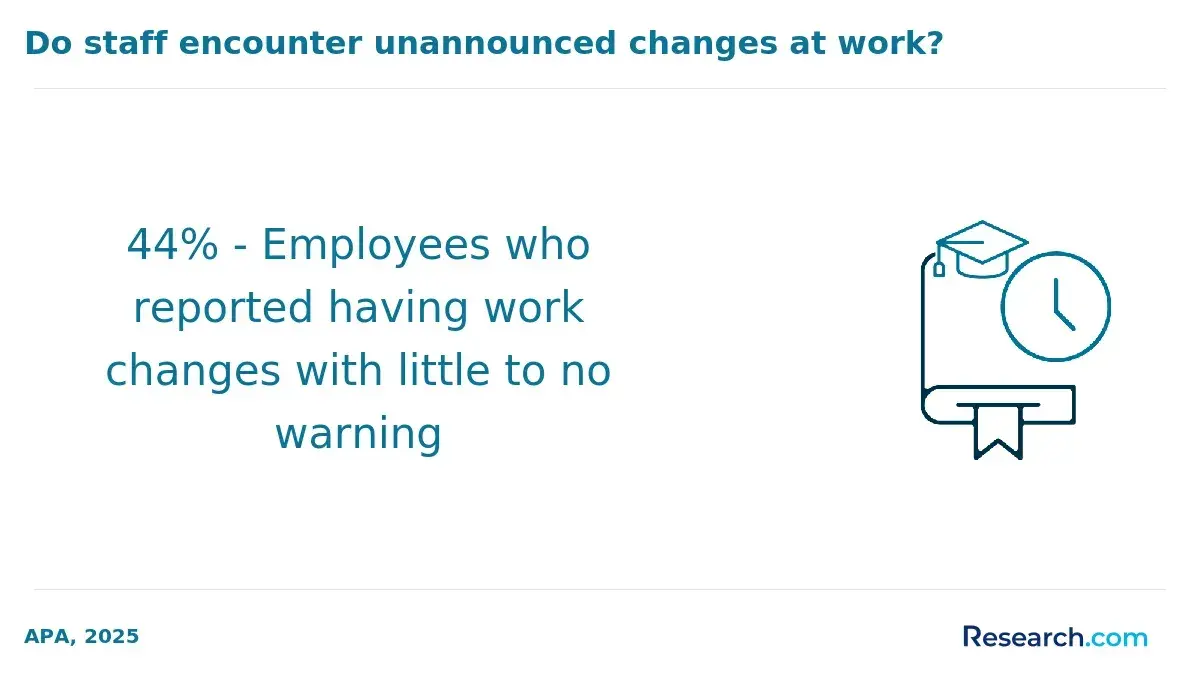
Radiologic technologists face a different labor-market pressure: staffing shortages. Vacancy rates rose sharply to 18.1% in 2023 from 6.2% just three years earlier. Healthcare providers require around 16,000 additional imaging technologists each year to keep pace with demand.
For students, the outlook is encouraging in both fields. MRI may offer stronger specialization-driven demand, while radiologic technology may offer more entry points across hospitals, outpatient clinics, emergency departments, and specialty imaging teams.
What is the career progression like for an MRI tech vs. a radiology tech?
Career progression in both fields usually depends on three factors: credentials, modality experience, and leadership ability. MRI techs often advance by becoming deeper specialists or supervisors within MRI services. Radiology techs often advance by adding modalities and moving into specialized, lead, education, quality, or management roles.
Typical career progression for an MRI tech
- Entry-level MRI technologist: Begins after completing the required education and certification pathway, performing standard MRI exams in hospitals, outpatient imaging centers, or specialty clinics.
- Experienced MRI technologist: Handles more complex exams, improves speed and image quality, works with a wider range of patients, and becomes more confident with protocols and troubleshooting.
- Senior MRI technologist: May support advanced imaging techniques, assist with protocol development, train new staff, and serve as a resource for difficult cases.
- MRI supervisor or department manager: Oversees scheduling, workflow, quality control, safety compliance, staffing, equipment coordination, and team performance.
Career growth often includes pursuing additional credentials in related fields like CT or interventional radiology or transitioning into education roles. This dynamic progression reflects common trends in MRI technologist career advancement opportunities, with salary increases averaging 12.5% to about $92,729 annually.
Typical career progression for a radiology tech
- General radiology technologist: Starts primarily with X-ray imaging and builds core skills in patient positioning, radiation safety, image quality, and clinical workflow.
- Specialist technologist: After 3-5 years, may pursue post-primary ARRT certifications in CT, mammography, MRI, or other advanced areas.
- Lead technologist or supervisor: Coordinates staff, exam flow, quality checks, training, and day-to-day department operations.
- Administrative or specialized roles: May move into management, equipment sales, quality assurance, healthcare IT, clinical education, or modality-specific leadership.
Radiology tech career growth pathways are often more flexible because general radiography can lead to several advanced imaging specialties. MRI career growth can be more focused, but that focus may support higher specialization and stronger pay in certain markets.
Professionals who want to strengthen their resume may consider additional credentials. For flexible skill-building options, online certification courses that pay well can be useful, especially when they align with recognized healthcare, imaging, leadership, or technology requirements.
Can you transition from being an MRI tech to a radiology tech (and vice versa)?
Yes, it is possible to transition between MRI technology and radiologic technology, but the process is not automatic. Each role has different education, clinical competency, and certification expectations. The easiest path usually depends on your current credentials and whether your training already includes radiography, radiation safety, or MRI-specific coursework.
An MRI tech who wants to move into radiologic technology may need to complete an associate degree in radiologic technology, especially if their original training did not include radiography. This path adds instruction in X-ray production, anatomy and positioning for radiographic exams, radiation protection, image evaluation, and clinical practice with ionizing radiation equipment.
Transferable skills can help. MRI technologists already understand patient screening, positioning, medical terminology, workflow, imaging documentation, and communication with radiologists. However, they still need to master radiation safety and the technical principles of radiography. After the degree, candidates must pass the American Registry of Radiologic Technologists (ARRT) certification exam to work as radiology technologists.
Radiology technologists who want to become MRI techs often have a more direct route because radiography is commonly used as a foundation for post-primary MRI training. They usually pursue specialized post-associate certificate programs in magnetic resonance imaging, often completed in less than two years.
The MRI transition requires learning magnetic field safety, MRI physics, pulse sequences, patient screening, contrast procedures, equipment operation, and MRI-specific image quality. Certification may be pursued through the American Registry of Magnetic Resonance Imaging Technologists (ARMRIT) or ARRT in MRI. Existing skills in patient care, anatomy, image evaluation, and clinical workflow can make the transition smoother.
According to the Bureau of Labor Statistics, MRI technologists earned a median annual wage of $88,180 in May 2024, notably higher than the $77,660 average for radiologic technologists. This difference highlights why some radiology techs choose MRI as a specialization. For students weighing longer-term educational investment, researching the best paying bachelor degrees can also help put medical imaging career options in a broader earnings context.
What are the common challenges that you can face as an MRI tech vs. a radiology tech?
MRI techs and radiology techs both face pressure from staffing shortages, heavier workloads, patient backlogs, changing technology, and the need to maintain safety and image quality under time constraints. In 2026, these challenges are especially important because imaging departments continue to rely on skilled technologists to keep diagnostic care moving efficiently.
Challenges for an MRI tech
- Managing a highly controlled safety environment: MRI suites require strict screening because the magnetic field can create serious risks when metal objects, implants, or certain devices are involved.
- Working with anxious or claustrophobic patients: MRI exams can feel intimidating. Techs must keep patients calm, still, and informed while maintaining the schedule.
- Handling complex equipment and protocols: MRI systems are specialized and expensive, and technologists must be comfortable troubleshooting scan quality, artifacts, and protocol adjustments.
- Keeping up with technology: Continuous adaptation to new scanners, software, AI-supported workflows, and advanced techniques requires ongoing professional development.
Challenges for a radiology tech
- Radiation safety responsibility: Radiology techs must consistently protect patients, coworkers, and themselves from unnecessary ionizing radiation exposure.
- High patient volume: Hospitals, emergency departments, and urgent care settings can require rapid exams with limited downtime between patients.
- Physical strain: Positioning injured, elderly, or immobile patients can be demanding, especially during long shifts.
- Multiple modalities and workflows: Radiology techs may need to adapt across X-ray, CT, fluoroscopy, mobile imaging, operating room imaging, or other procedures depending on the employer.
- Staffing shortages: Vacancies and workload pressure can lead to longer shifts, more call coverage, and increased stress.
Both professions face radiology technologist job difficulties and staff shortages that result in higher workloads and more complex workplace dynamics. The best way to prepare is to choose accredited training, build strong safety habits early, ask employers about staffing ratios and call expectations, and keep credentials current.
Salary satisfaction varies, with average radiologic technologist pay around $86,484, sometimes exceeding $100,000, especially for those with additional certifications or working in underserved areas. MRI technologists may have competitive salaries influenced by work setting and credentials.
For professionals considering advanced education to remain competitive, options such as a one year online doctorate may support broader professional growth, though technologists should carefully confirm whether any program aligns with their licensing, credentialing, leadership, or academic goals.
Understanding the challenges faced by MRI technologists in 2025 and the pressures affecting radiology techs can help students choose a path with realistic expectations rather than relying only on salary or job-growth figures.
Is it more stressful to be an MRI tech vs. a radiology tech?
Neither career is automatically more stressful in every workplace. Stress depends on the setting, patient volume, staffing, shift schedule, emergency responsibilities, and how comfortable you are with each type of risk. MRI stress is often tied to specialized safety and patient tolerance. Radiology tech stress is often tied to pace, radiation safety, and urgent clinical environments.
Radiologic technologists may experience higher day-to-day intensity in hospitals, trauma units, emergency departments, and operating rooms. They may need to image patients who are in pain, unstable, confused, or unable to cooperate. The work can be physically demanding because positioning patients safely is a major part of the job. Time pressure can also be significant when physicians need images quickly for clinical decisions.
That said, radiology techs are not responsible for diagnosing images or making treatment decisions, which can limit some forms of clinical stress. Their stress usually comes from workflow, patient condition, safety compliance, and the need to capture usable images quickly.
MRI technologists often work in more scheduled environments, such as outpatient imaging centers or dedicated hospital MRI suites. This can make the day more predictable. However, MRI exams are longer, the equipment is complex, and the safety screening is unforgiving. A missed safety concern in the MRI environment can have serious consequences.
MRI techs also spend more time managing patient anxiety. Claustrophobia, difficulty lying still, pain, and fear of the scanner can interrupt exams and create scheduling pressure. Their stress is less about rapid trauma imaging and more about maintaining safety, image quality, and patient cooperation during longer procedures.
If you handle fast-paced, varied clinical situations well, radiologic technology may feel manageable. If you prefer planned exams and deeper technical specialization, MRI may feel less stressful. The best way to judge fit is to observe both departments before enrolling, if possible.
How to Choose Between Becoming an MRI Tech vs. a Radiology Tech
Choose radiology technology if you want a broader entry point into medical imaging. Choose MRI technology if you want a more specialized role focused on advanced cross-sectional imaging and magnetic resonance safety. Both can lead to stable healthcare careers, but they suit different personalities and career goals.
Choose MRI technology if you want:
- Specialization: MRI is a focused modality that requires deep knowledge of scanner operation, anatomy, image quality, and magnetic safety.
- Higher median pay: MRI technologists earn higher median salaries, about $88,180 per year in 2024, compared with $77,660 for radiology techs.
- More predictable exam flow: Many MRI roles are in scheduled outpatient or dedicated imaging settings, although hospital MRI can still be busy and complex.
- Detailed soft-tissue imaging: MRI is especially suited to those interested in neurological, musculoskeletal, cardiac, and other advanced imaging applications.
Choose radiology technology if you want:
- A broader foundation: Radiologic technology can introduce you to X-ray imaging and create pathways into CT, mammography, MRI, fluoroscopy, or other specialties.
- More variety: Radiology techs may work in emergency departments, operating rooms, mobile imaging, outpatient clinics, and diagnostic departments.
- Faster-paced clinical exposure: If you are comfortable with trauma cases, urgent imaging, and varied patient conditions, radiology may be a better fit.
- Flexible advancement: Radiology techs can often expand their careers by adding post-primary certifications and moving across modalities.
Key factors to compare before enrolling
- Education: Both roles commonly require formal training, clinical experience, and certification. Radiology tech programs emphasize X-rays and radiation safety, while MRI programs emphasize magnetic resonance imaging and MRI safety.
- Work environment: Radiology techs may see more emergencies and varied settings. MRI techs often work in specialized scanner suites with longer exam times.
- Safety focus: Radiology techs manage ionizing radiation exposure. MRI techs manage magnetic field risks and patient screening.
- Salary and growth: MRI offers higher median pay, while radiology may offer more cross-specialization opportunities. Both fields promise stable job growth of about 5% through 2034, aligning with a strong job outlook.
- Your temperament: Choose the path that fits how you prefer to work: broad and varied, or specialized and technically deep.
If you value diverse daily duties and a wider imaging foundation, radiology technology is a strong fit. If you want higher pay potential and deeper expertise in one advanced modality, MRI technology may be the better choice.
Students who prefer quieter or more focused work settings may also want to compare medical imaging with other options listed in what is the best jobs for introverts. The right choice is the one that matches your strengths, tolerance for workplace pressure, and long-term credentialing plans.
The information provided guides those wondering how to choose between MRI tech and radiology tech career paths effectively in 2024.
What Professionals Say About Being an MRI Tech vs. a Radiology Tech
-
: "Choosing to become an MRI tech was one of the best professional decisions I've made. The field offers incredible job stability as demand continues to grow in hospitals and imaging centers nationwide. Plus, the salary potential allows me to support my family comfortably while doing work that truly matters.
— Yeshua"
-
: "Working as a radiology tech has exposed me to fascinating challenges every day - from mastering complex imaging technology to adapting to patient needs in fast-paced environments. It's a rewarding career that constantly pushes me to learn and improve my technical skills and patient care abilities.
— Hugh"
-
: "The continuous opportunities for professional development in the radiology field have been impressive. Advanced training programs and specialty certifications have allowed me to advance my career and take on leadership roles. For anyone looking for growth and meaningful work, this is an excellent path.
— Atlas"
Other Things You Should Know About an MRI Tech & a Radiology Tech
In 2027, MRI techs typically need an associate degree in radiologic technology with specialized MRI training, while radiology techs start with a similar degree covering broader imaging techniques, sometimes progressing to bachelor's programs for career advancement.
MRI techs often work in quieter, less physically demanding environments focused on operating the MRI machine. Radiology techs might rotate between various tasks, including transporting patients and adjusting heavy equipment, which can be more physically demanding. These differences can influence job satisfaction and health considerations.
MRI techs often need to reassure and calm patients due to the enclosed nature of MRI machines, while radiology techs might focus more on explaining procedures due to diverse equipment use. Each role requires distinct interpersonal skills tailored to their specific technology challenges.
References
- MRI vs. CT Tech: Job Duties, Training, and More | Prolink https://prolinkworks.com/perspectives/mri-vs-ct-tech-whats-difference
- Radiologic Tech Salary Guide (X-Ray, MRI) - Trusted Health https://www.trustedhealth.com/allied-career-guide/radiologic-tech/salary-guide
- Medical Imaging 101: What Does an MRI Tech Do? | SCC https://smithchason.edu/blog/medical-imaging-101-what-does-an-mri-tech-do
- Dangers of Working as a Radiologic or MRI Technologist | Pasternack Tilker Ziegler Walsh Stanton & Romano LLP Attorneys At Law https://www.workerslaw.com/legal-articles/what-are-the-hidden-dangers-of-working-as-a-radiologic-or-mri-technologist
- Five Ways Radiologic Technologists Can Advance Their Careers https://www.gurnick.edu/5-ways-radiologic-technologists-can-advancement-their-careers
- Radiologic and MRI Technologists https://www.bls.gov/ooh/healthcare/radiologic-technologists.htm
- Radiology Technician Job Description https://www.betterteam.com/radiology-technician-job-description
- Radiologic Tech vs. MRI Tech - Casa Loma College https://casalomacollege.edu/radiology-technologist-vs-mri-technologist-whats-the-difference/
- Radiologic Technologist - Explore Healthcare Careers - Mayo Clinic College of Medicine & Science https://college.mayo.edu/academics/explore-health-care-careers/careers-a-z/radiologic-technologist/
- Radiology Technologist vs. MRI Technologist: What's the Difference | https://aimseducation.edu/blog/radiology-technologist-vs-mri-technologist


