2027 Fully Online vs Hybrid Web Development Degree Master's Programs: Which Is Better?

Co-Founder and Chief Data Scientist
Choosing between fully online and hybrid master's programs in web development can be challenging for professionals balancing work and study. For example, a software engineer seeking flexible learning might struggle to commit to fixed on-campus sessions, while another student may value face-to-face interaction to enhance networking. According to recent data, 65% of online graduate students report improved job prospects within a year of graduation, highlighting the growing acceptance of digital credentials.
This article explores the key differences between online and hybrid web development master's formats, aiming to guide prospective students in selecting the path best suited to their lifestyle and career objectives.
Key Things to Know About Fully Online vs Hybrid Web Development Degree Master's Programs
- Fully online programs offer maximum learning flexibility, allowing students to access coursework anytime, ideal for those balancing full-time jobs or family commitments.
- Hybrid programs include scheduled in-person sessions, fostering direct collaboration and hands-on experience, which some employers value for practical skill development.
- Students seeking structured interaction and networking often prefer hybrid formats, while those needing self-paced study benefit more from fully online degrees.
How Do Hybrid and Online Web Development Master's Programs Differ?
Fully online and hybrid web development master's programs differ primarily in how instruction, participation, and learning experiences are structured. Recent data shows that about 45% of graduate programs offer hybrid formats, highlighting the growing demand for flexible education combining online and in-person elements. Below are key differences to help prospective students evaluate options within various college programs.
- Learning Format: Fully online programs deliver all coursework through digital platforms, enabling remote access to lectures, assignments, and discussions. Hybrid programs combine online instruction with scheduled in-person sessions, offering both virtual and face-to-face learning.
- Residency Expectations: Hybrid programs typically require periodic campus visits for labs, workshops, or exams, while fully online programs usually have no residency requirements, making them attractive to international or remote students.
- Scheduling Structure: Fully online courses often provide asynchronous learning, giving students flexibility to manage their own time. Hybrid programs may include fixed schedules to coordinate in-person meetings, which can affect work-life balance.
- Participation Methods: Online programs rely on virtual discussion boards, video conferencing, and digital collaboration tools. Hybrid formats enhance interaction with in-person team projects and networking opportunities.
- Campus Engagement: Hybrid students gain direct access to faculty, campus resources, and hands-on experiences that online students might not experience, enriching practical skills and professional connections.
These distinctions reflect key differences in curriculum delivery for online and hybrid web development degrees and can guide students in choosing the format best aligned with their learning preferences and career goals.
Which Web Development Master's Program Format Is More Flexible?
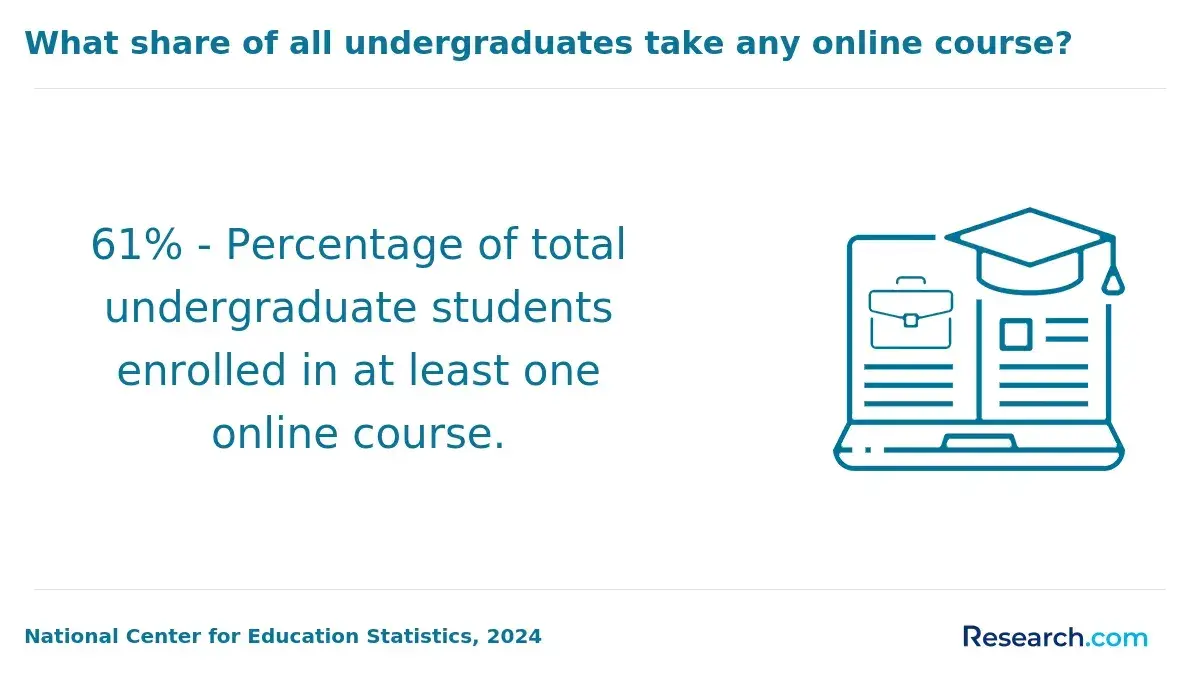
Flexibility plays a crucial role for students deciding between fully online and hybrid web development master's programs. Recent data shows that about 60% of graduate students in the U.S. take at least one online course, reflecting the rising demand for adaptable learning formats. Several factors influence how flexible a program can be, particularly for those juggling work, personal responsibilities, and graduate study.
Here are five key factors affecting flexibility in fully online versus hybrid web development master's programs:
- Class Schedule: Fully online programs often offer asynchronous classes, allowing students to study at their own convenience. Hybrid programs usually have fixed class times, limiting scheduling freedom.
- Location Requirements: Fully online students can learn from anywhere, eliminating commuting challenges. Hybrid programs require regular campus visits, which can restrict location flexibility.
- Course Pacing: Self-directed pacing is common in fully online programs, giving students control over their progress. Hybrid formats may follow a set pace, making time management more rigid.
- Attendance Expectations: Online programs generally have low or virtual attendance demands, enhancing convenience. Hybrid courses typically expect in-person presence during scheduled sessions.
- Travel Commitments: Fully online pathways require no travel, benefiting those with family or job obligations. Hybrid formats increase travel needs, potentially complicating balancing efforts.
Students exploring flexible learning options should also consider the variety of certificates I can get online to complement their master's credentials in web development.
Which Web Development Master's Program Format Is Cheaper?
Cost plays a significant role for students deciding between fully online and hybrid web development master's programs. Typically, online graduate programs cost between $10,000 and $25,000 per year, often making them a more budget-friendly choice compared to hybrid options. Several factors contribute to the differences in overall expense, as outlined below.
- Tuition Structure: Online degrees often feature a straightforward per-credit tuition rate without additional fees, while hybrid programs may charge more to cover in-person class elements.
- Campus-Related Fees: Hybrid students are frequently responsible for charges related to labs, campus facilities, or student activities, which online learners can generally avoid.
- Commuting or Travel Expenses: Those enrolled in hybrid programs may spend extra on transportation to and from campus, a cost not typically incurred by fully remote students.
- Housing Considerations: Students attending hybrid courses might need to secure temporary lodging near campus, adding to their financial burden unlike their online counterparts who remain at home.
- Technology and Platform Costs: While online students often invest in reliable internet services and special software, these expenses are usually lower than the combined indirect costs faced by hybrid learners.
When discussing affordability, a graduate student pursuing an online web development master's shared his experience. He noted that balancing work and study remotely allowed him to avoid expensive commuting and housing fees entirely. "Managing my budget was easier because I didn't have extra campus-related expenses," he explained. Still, he encountered moments of isolation and initially underestimated the need for a stable internet setup. Overall, he felt the online format provided a cost-effective solution without sacrificing the quality of his education.
Does Financial Aid Differ for Online vs Hybrid Web Development Master's Degrees?
Financial aid availability is a significant consideration for students comparing fully online and hybrid web development master's programs. According to the National Center for Education Statistics, about 25% of students in online graduate programs receive federal grants, similar to their hybrid counterparts. Here are five key financial aid factors that may influence your choice between formats:
- Eligibility Criteria: Federal aid is generally available to both online and hybrid learners, but some state grants require students to attend classes on campus, which can limit access for those pursuing fully online programs.
- Types of Aid: Hybrid students often qualify for more institutional scholarships targeting on-campus or blended learners, while fully online students might have broader access to aid tailored specifically for distance education.
- Institutional Scholarships: Certain scholarships are reserved exclusively for students physically present on campus, potentially providing an advantage to those in hybrid web development degrees compared to fully online peers.
- Federal and State Funding: Aid availability varies by state, with some prioritizing residents enrolled in hybrid programs requiring partial campus attendance over fully online students.
- Employer Tuition Assistance: Tuition assistance often depends on employer policies rather than program format; however, hybrid programs may better fit work schedules that allow occasional campus visits.
Exploring tuition assistance options for hybrid vs fully online web development master's programs can help students find funding aligned with their circumstances. For more funding insights in related fields, consider reviewing options in a CACREP-accredited program.
Are Admission Requirements Different for Hybrid vs Online Web Development Master's Programs?
Admissions standards play a crucial role when comparing hybrid and fully online web development master's programs, influencing who gains acceptance and how prepared students are for success. While many requirements overlap, some nuances related to program format can affect eligibility and expectations. Below are five key admissions criteria that often differ or align between hybrid and online options.
- Academic Prerequisites: Both program types generally require a bachelor's degree in computer science or a closely related field. Hybrid programs may, however, prefer applicants with coursework that supports in-person learning components, reflecting the increased academic rigor of blended formats.
- Professional Experience: Industry experience is valued across both formats, but hybrid programs might place more weight on practical skills that enhance collaborative work and face-to-face interaction, essential for on-campus sessions.
- Letters of Recommendation: While both formats require recommendations, hybrid programs may expect stronger endorsements emphasizing teamwork and interpersonal abilities to ensure candidates fit the in-person dynamics.
- Standardized Tests: GRE requirements are increasingly waived by both hybrid and online programs, though some hybrid masters still request scores based on program competitiveness and selectivity.
- Application Deadlines: Deadlines typically coincide for both formats, but hybrid programs with limited campus seating often impose earlier cutoff dates and offer rolling admissions to manage enrollment effectively.
When I spoke with a professional planning to enroll in a hybrid web development master's program, she shared how navigating these requirements felt like balancing varied expectations. "It wasn't just about meeting the academic criteria," she explained, "I had to demonstrate my ability to collaborate in person and highlight experiences that show I could thrive in a blended environment." The earlier deadlines pushed her to prepare application materials sooner than anticipated, creating a sense of urgency but also focus. She appreciated the clear emphasis on interpersonal skills, reflecting how hybrid programs blend technical knowledge with practical teamwork. Her reflections reveal that while core criteria remain stable, the hybrid track's unique demands shaped her approach and outlook positively.
Is the Curriculum the Same in Online and Hybrid Web Development Master's Programs?
Recognizing curriculum differences and similarities is crucial for students deciding between fully online and hybrid web development master's programs. Data from the National Center for Education Statistics in 2023 reveals that nearly 70% of hybrid programs maintain curriculum parity with their online counterparts. The following points outline key aspects of how these curricula align or vary:
- Core Course Content: Both program types generally cover essential subjects like programming, web architecture, and user experience to establish a strong foundation in web development principles.
- Elective Offerings: Hybrid formats often feature a wider range of specialized electives, taking advantage of in-person instruction, though many electives remain accessible remotely in online programs.
- Project-Based Learning: Online programs rely on virtual collaboration tools for group projects, while hybrid programs supplement this with in-person teamwork, enhancing interaction and engagement.
- Capstone or Thesis: Both formats require a final project or thesis, but hybrid students may benefit from additional face-to-face mentoring and workshops that support their research and presentations.
- Experiential Components: Hybrid programs frequently offer on-site labs or internships, providing hands-on experience; fully online programs usually substitute these with virtual labs or simulations to replicate practical learning.
How Are Exams Conducted in Fully Online vs Hybrid Web Development Master's Programs?
Exam formats play a crucial role for students considering fully online web development master's programs. A 2023 survey by the Online Learning Consortium found that 72% of fully online graduate students identified proctored exams as a key aspect of their learning experience. The way exams are administered varies notably between fully online and hybrid program formats.
Here are five important differences to consider:
- Online Proctoring: Fully online programs commonly use remote proctoring software that monitors students via webcam, screen sharing, and artificial intelligence to ensure academic honesty. This digital surveillance helps maintain exam integrity without physical presence.
- In-Person Exams: Hybrid programs typically require students to complete some exams on campus under direct supervision, combining face-to-face monitoring with digital tools for assessment.
- Timed Assessments: Both formats utilize strictly timed exams, but fully online courses may offer flexible scheduling within a set time frame, allowing students to select convenient test windows.
- Open-Book vs Closed-Book: Fully online exams often permit open-book conditions to focus on problem-solving and critical thinking, whereas hybrid programs more frequently enforce closed-book exams during in-person sessions.
- Integrity Measures: Identity verification and technical checks are rigorous in fully online settings, involving biometric or multi-factor authentication. Hybrid students rely more heavily on physical presence to uphold exam honesty.
The choice between fully online and hybrid web development programs hinges in part on these exam differences, influencing convenience, flexibility, and the overall student experience.
Which Web Development Master's Program Format Offers Better Networking Opportunities?
Networking opportunities are a significant factor when choosing between fully online and hybrid web development master's programs, as 85% of job success is linked to professional connections. Considering how each format supports networking helps prospective students find the best fit for their career goals. Below are five key aspects that highlight differences between fully online web development master's networking advantages and hybrid program benefits.
- Peer Interaction: Hybrid programs encourage more dynamic in-person communication, fostering stronger relationships through real-time discussions. Fully online programs rely primarily on virtual forums and video calls, which can sometimes feel less personal and limit spontaneous exchanges.
- Faculty Engagement: Hybrid students benefit from face-to-face meetings, mentorship, and office hours that enhance networking potential. Fully online students may face challenges arranging direct interactions, although well-structured platforms can help bridge this gap.
- Alumni Access: Hybrid programs often offer more robust alumni networks with frequent in-person events and reunions, increasing active participation. Online programs tend to have virtual alumni groups, which might result in less engagement over time.
- Industry Events: Hybrid formats typically integrate in-person networking events with employers and professionals, providing valuable face-to-face opportunities. Some fully online programs try to compensate with live webinars and virtual job fairs, which can be effective but differ in networking quality.
- Collaborative Projects: Hybrid students take advantage of both physical teamwork and digital tools, deepening connections. Fully online participants use virtual collaboration methods that are effective but may lack the nuances of in-person interaction.
For students prioritizing professional connections, hybrid web development program professional connections often offer a richer environment. However, advances in digital platforms help fully online formats remain competitive. Those exploring graduate education options might also consider psychology degrees for insights into online learning trends affecting multiple disciplines.
Are Job Placement Rates Different for Hybrid vs Online Web Development Programs?
Employment outcomes are a critical consideration for prospective students evaluating hybrid versus fully online web development master's programs. According to a 2022 report from the National Association of Colleges and Employers, hybrid programs tend to have slightly higher job placement rates, averaging around 82%, compared to 75% for fully online programs. Several factors help explain this disparity and inform the comparison of job placement outcomes for hybrid and online web development degrees.
- Industry Connections: Hybrid programs usually foster stronger relationships with local employers through in-person networking events. These connections often lead to more direct and immediate job opportunities after graduation.
- Internship or Practicum Access: Students enrolled in hybrid formats generally have easier access to hands-on internships or practicums. This real-world experience is highly valued by employers and can enhance employability.
- Alumni Networks: Hybrid programs often maintain more active and engaged alumni communities due to face-to-face interactions. These networks provide mentorship and job referrals, which can be crucial in launching a career.
- Career Services Support: On-campus career centers tend to offer more personalized guidance and job placement assistance. Hybrid students benefit from direct access to these resources more than fully online peers.
- Regional Employment Opportunities: Hybrid students frequently benefit from job markets localized around their campus. Fully online students studying remotely may miss out on these regional employment advantages.
These factors shape how well graduates transition into the workforce, making employment outcomes a key aspect to consider. For those researching programs, exploring a range of options, including the shortest online PsyD programs, can offer valuable insights into program structure and job prospects.
Does Program Format Affect Salary After Earning a Web Development Master's?
Salary potential plays a significant role when comparing fully online and hybrid web development master's programs. Research indicates that graduates from hybrid programs often report starting salaries about 8% higher than those completing fully online formats. The variation in earnings can be linked to several important factors outlined below.
- Networking Opportunities: Hybrid programs provide more in-person interactions, helping students build stronger professional relationships that can lead to better job offers and higher pay.
- Industry Connections: With on-campus components, hybrid formats frequently collaborate with regional employers, boosting internship chances and direct recruitment pathways.
- Program Prestige: Many hybrid programs are offered by well-established universities which carry reputations that enhance graduate marketability and salary levels.
- Experiential Learning: Hands-on projects and real-world teamwork common in hybrid settings develop practical skills that employers highly value, often translating into increased earnings.
- Geographic Flexibility: Fully online programs attract students from diverse locations, but limited local employer ties may restrict immediate access to lucrative positions post-graduation.
What Graduates Say About Fully Online vs Hybrid Web Development Degree Master's Programs
- Jason: "Choosing a fully online web development master's program was a game-changer for me because it allowed me to balance work and study without sacrificing my job. The cost was significantly lower than traditional programs, which made advanced education more accessible. Since completing the degree, I've been able to take on more complex projects and was promoted within six months-definitely worth the investment."
- Camille: "Reflecting on my hybrid web development master's experience, the flexible schedule was a highlight since I could engage with hands-on labs on campus while completing lectures online. While the tuition was slightly higher than fully online options, the blend of in-person and virtual learning gave me confidence in real-world skills. This approach strengthened my portfolio and broadened my professional network, which has opened doors in the tech industry."
- Alexander: "I pursued a fully online web development master's to overcome geographic and time-zone limitations. The affordability compared to brick-and-mortar programs was a big factor, but what truly stood out was how the curriculum kept pace with current industry trends. Professionally, the degree has boosted my credibility and enabled me to consult for multiple startups globally, an opportunity I wouldn't have had otherwise."
Other Things You Should Know About Web Development Degrees
Employers increasingly accept graduates from both fully online and hybrid Web Development master's programs as long as the program is accredited and graduates demonstrate strong skills. The choice between the two often matters less than the candidate's competencies and practical experience.
Hybrid programs often include opportunities such as workshops, guest lectures, and networking events on campus, which can enhance soft skills like communication and project management. These in-person components complement the technical curriculum and can better prepare students for client interactions or leadership roles. Fully online programs may provide some professional development resources but usually lack the same level of direct in-person engagement.
Hybrid programs typically offer more significant peer interaction opportunities due to in-person elements like on-campus seminars or workshops. In contrast, fully online programs rely on virtual discussions, which might limit spontaneous engagement but still facilitate diverse, global networking through digital platforms.
References
- Best Online Web Development Master's Degree Programs, Jobs, and Salaries https://careerkarma.com/blog/best-online-web-development-masters-degrees/
- Difference between Hybrid, Online & In-Class Degree Programmes | BSBI https://www.berlinsbi.com/blog/what-is-the-difference-between-hybrid-online-and-in-class-degree-programmes
- Online Education vs Hybrid Learning: Which Works Better in 2025 https://www.careers360.com/courses/online-education-vs-hybrid-learning-which-works-better-in-2025
- Should we teach in hybrid mode or fully online? A theory and empirical investigation on the service–profit chain in MBAs | Rennes School of Business https://www.rennes-sb.com/news/should-we-teach-in-hybrid-mode-or-fully-online-a-theory-and-empirical-investigation-on-the-serviceprofit-chain-in-mbas/
- Hybrid vs. fully online: how different teaching models impact satisfaction https://www.amba-bga.com/insights/hybrid-vs-fully-online-how-different-teaching-models-impact-satisfaction
- Online vs On-Campus Web Development Degrees: Which Is Better? https://hakia.com/degrees/web-development/online-vs-campus/
- Choosing Your Tech Career: Mobile App vs. Web Development https://sundancecollege.com/blog/choosing-your-tech-career-mobile-app-vs-web-development/
- Can Web Developers Work From Home? A Concise 2024 Guide | Jessup University https://jessup.edu/blog/engineering-technology/can-web-developers-work-from-home/
- Embracing Hybrid Subjective Online Exams at Leading University [Case Study] https://www.eklavvya.com/blog/hybrid-subjective-online-exams-case-study/
- Hybrid Learning or Online Degree: Complete Guide https://www.onlineuniversitiess.com/blogs/hybrid-learning-or-online-degree-guide