2027 Healthcare Administration Degree Programs for Career Changers

Co-Founder and Chief Data Scientist
Changing careers into healthcare administration is often a practical move for professionals who want management responsibility, stronger long-term mobility, and work tied to the healthcare sector without becoming a clinician. The challenge is choosing a program that recognizes what you already bring—leadership experience, business knowledge, technical skills, military service, operations work, or people management—while giving you the healthcare-specific foundation employers expect.
That decision matters because adult learners are not starting from the same place as first-time college students. Many are balancing full-time work, family responsibilities, tuition concerns, and uncertainty about whether their previous experience will count. Those concerns are real: 65% of adult learners cite concerns about balancing education with existing responsibilities during this career change. At the same time, healthcare management remains a high-demand field, with managerial roles projected to grow 32% by 2030.
This guide explains which healthcare administration programs are most suitable for career changers, what admissions committees usually look for, how specializations differ, what coursework to expect, how program formats affect your schedule, and what career and salary outcomes may be realistic after graduation.
Key Things to Know About Healthcare Administration Degree Programs for Career Changers
- Many healthcare administration degree programs offer flexible scheduling and online or hybrid formats, allowing working adults to balance study with professional and personal commitments.
- Accelerated pacing options enable career changers to complete degrees faster, responding to workforce demands for timely skill acquisition in healthcare management.
- Programs often include employer-relevant curricula and support services like career advising, boosting job placement rates in a sector growing 15% faster than average through 2031.
What Healthcare Administration Programs Accept Career Changers?
Many healthcare administration programs accept career changers, especially programs designed for working adults, degree completers, and professionals entering healthcare from business, technology, finance, operations, education, public service, or the military. The best fit depends on your current education level, how quickly you want to transition, and whether you need a credential for entry-level administrative work or advancement into management.
Nearly 40% of graduate students in healthcare-related fields are returning adults or career changers, so many schools now evaluate applicants through a broader lens than undergraduate major alone. Admissions teams may consider professional experience, leadership history, transferable skills, prior credits, and career goals.
- Bachelor's Completion Programs: These are often the most practical option for adults who have some college credits but no completed degree. They may accept transfer credits and allow students to finish a healthcare administration degree without restarting from the beginning. This path can be useful for career changers targeting coordinator, supervisor, or entry-level management roles.
- Accelerated Master's Programs: These programs are built for students who already hold a bachelor's degree, even if it is not in healthcare. They usually move quickly through foundational material and emphasize leadership, finance, policy, operations, and strategic management. They can suit professionals who already have management experience and want to reposition that experience for healthcare organizations.
- Online/Hybrid Degrees: Online and hybrid programs are common choices for working adults because they reduce commuting time and may offer asynchronous coursework. They are especially useful for students who cannot attend weekday daytime classes. The trade-off is that students must be disciplined about deadlines, group projects, and independent study.
- Post-Baccalaureate Certificates: Certificates can be a lower-commitment way to build healthcare administration knowledge after earning a prior degree. They may help career changers test the field, strengthen an application for a later master's program, or qualify for roles that require healthcare-specific knowledge but not necessarily a full graduate degree.
Before applying, compare how each program treats transfer credit, work experience, prerequisite coursework, practicum requirements, and part-time enrollment. A program that looks shorter on paper may not be the best choice if it requires daytime fieldwork you cannot complete while employed. For individuals interested in other healthcare pathways, a pharmacist degree may also lead to patient-facing and healthcare-system roles, though it follows a different academic and licensure path than healthcare administration.
What Healthcare Administration Specializations Are Best for Career Changers?
The best healthcare administration specialization for a career changer is usually the one that connects previous experience to a clear healthcare function. A former accountant may transition more smoothly into healthcare finance than patient safety. A data analyst may be more competitive in health information management. A retail or logistics manager may find operations, quality improvement, or practice management more natural.
The U.S. Bureau of Labor Statistics forecasts a 32% growth in employment for medical and health services managers from 2022 to 2032, but not all roles require the same background. Choosing a specialization early can help you select electives, internships, projects, and networking opportunities that support a realistic job target.
- Health Information Management: This specialization fits students with experience in IT, data analysis, records management, cybersecurity, or compliance. Coursework commonly focuses on electronic health records, privacy, data governance, reporting, and regulatory requirements. It can be a strong route for career changers who prefer systems, data accuracy, and information workflows over direct staff supervision.
- Healthcare Finance: This path is well suited to professionals from accounting, banking, corporate finance, insurance, payroll, or business analytics. Students learn how budgeting, reimbursement systems, payer contracts, revenue cycles, and cost controls work in healthcare settings. It is often a practical choice for career changers who want to translate quantitative skills into hospital, clinic, insurance, or health system roles.
- Quality Improvement and Patient Safety: Professionals with backgrounds in operations, manufacturing, project management, process improvement, compliance, or quality assurance may find this specialization especially relevant. It focuses on reducing errors, improving outcomes, managing risk, and redesigning workflows. Career changers with Lean, Six Sigma, or operations experience may have an advantage here, even if they are new to healthcare.
- Healthcare Policy and Management: This specialization is broader and can fit professionals interested in regulation, public health systems, administration, nonprofit leadership, government programs, or organizational strategy. It may appeal to career changers who want to understand how laws, payment systems, access issues, and organizational decisions shape healthcare delivery.
When comparing specializations, look beyond the title. Review actual course descriptions, faculty expertise, internship partners, and graduate outcomes. A specialization should help you explain to employers why your previous background is an asset, not a detour. Adult learners who want a shorter, skills-based credential before or alongside a degree may also consider medical coding and billing classes online with financial aid as one possible way to build healthcare revenue-cycle knowledge.
What Are the Admission Requirements for Career Changers Applying to a Healthcare Administration Program?
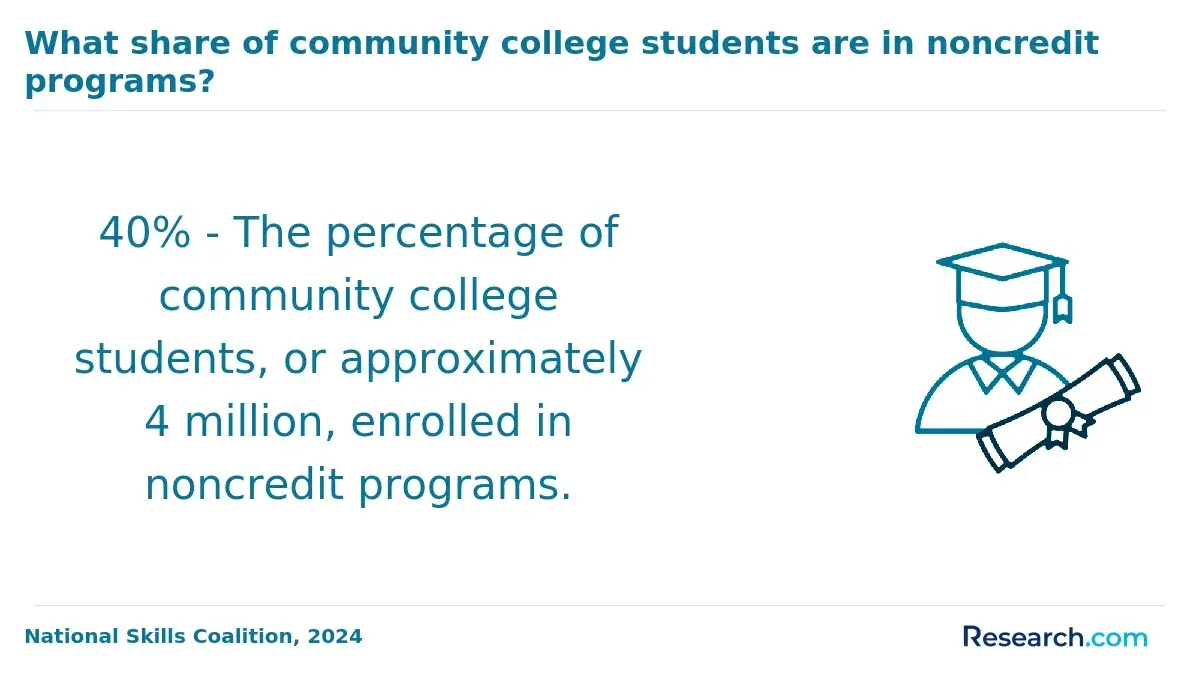
Healthcare administration admissions requirements vary by degree level, but career changers are rarely expected to have a prior healthcare major. Programs usually want evidence that you can handle college-level or graduate-level work, understand the purpose of the field, and can connect your past experience to healthcare leadership or administration. With approximately 40% of students in postsecondary education identified as adult learners, flexible admissions criteria have become increasingly important for working professionals.
- Completed Undergraduate Degree: Master's programs usually require a bachelor's degree, though the major may be unrelated to healthcare. Bachelor's completion programs may require prior college credits instead of a completed degree. Applicants should check whether prerequisite courses, minimum GPA expectations, or bridge courses apply.
- Official Transcripts: Schools use transcripts to verify completed coursework, degree status, credit transfer eligibility, and academic readiness. Career changers with older transcripts should not assume they are automatically disqualified; many programs review the full application, including recent work experience and professional development.
- Statement of Purpose: This essay is especially important for career changers. A strong statement explains why healthcare administration is the next logical step, what roles you are targeting, and how your prior experience in leadership, operations, finance, technology, customer service, or compliance prepares you for the field.
- Letters of Recommendation: Recommendations from supervisors, managers, military leaders, faculty, or colleagues can help document work ethic, leadership potential, communication skills, and readiness for graduate or professional study. Choose recommenders who can speak to specific examples rather than general character.
- Recognition of Transferable Skills and Relevant Experience: Some programs value professional certificates, military service, healthcare-adjacent work, management experience, or specialized training. Applicants may also pursue an affordable medical billing and coding certification to strengthen familiarity with healthcare documentation, claims, and reimbursement processes.
Career changers should ask admissions counselors direct questions before applying: Will my previous credits transfer? Are bridge courses required? Is healthcare work experience expected? Can I complete internships while employed? Are online students eligible for the same academic and career support as campus students? Clear answers can prevent delays, unexpected costs, and poor program fit.
What Is the Coursework for a Healthcare Administration Degree for Career Changers?
Healthcare administration coursework gives career changers the vocabulary, systems knowledge, and management tools needed to operate in hospitals, clinics, long-term care organizations, insurance companies, public health agencies, and healthcare-related businesses. The curriculum is typically business-oriented, but it applies management concepts to a highly regulated, patient-centered industry.
- Healthcare Systems and Policy: Students study how U.S. healthcare organizations are structured, how policy affects access and delivery, and how administrators make decisions within regulatory and reimbursement constraints. This is often the foundation course for students without prior healthcare experience.
- Healthcare Finance and Accounting: Coursework covers budgeting, cost analysis, reimbursement systems, financial reporting, and resource allocation. Career changers from business or finance may recognize many concepts but must learn how payment models and healthcare regulations change the way financial decisions are made.
- Organizational Leadership and Management: These courses focus on supervising teams, managing conflict, leading change, improving culture, and making decisions across departments. Students often use case studies to examine staffing, service quality, compliance, and operational problems.
- Health Information Management: Students learn about electronic health records, data privacy, reporting systems, patient information security, and compliance standards. This area is increasingly important because administrators rely on data to monitor performance, quality, access, and cost.
- Ethics and Legal Issues in Healthcare: This coursework introduces legal responsibilities, ethical decision-making, patient rights, confidentiality, risk management, and organizational accountability. It helps career changers understand why healthcare management decisions can carry legal, financial, and human consequences.
Many programs also include applied projects, capstones, internships, or practicums. These experiences matter because they allow students to translate classroom learning into evidence they can discuss in interviews. For career changers without healthcare work history, a project involving scheduling, quality metrics, patient flow, billing processes, or compliance review can help bridge the experience gap.
- : "Balancing work and study was challenging at first because I wasn't used to academic schedules and deadlines again. The flexibility of the online format helped me manage those pressures. Initially, I worried about keeping pace with classmates who had more background, but the practical assignments forced me to apply what I learned immediately, which reinforced my confidence. It wasn't just textbook learning-I felt supported throughout, especially when I hit tough spots and had questions about complex topics."
What Healthcare Administration Program Formats Are Available for Career Changers?
Career changers should choose a healthcare administration program format based on schedule, learning style, access to local healthcare employers, and the amount of structure they need. More than 40% of U.S. higher education students are aged 25 or older, and many programs now offer formats designed for adults who cannot pause work to study full time.
- Online Programs: Online programs allow students to complete coursework through digital platforms, often with asynchronous lectures and assignments. They are convenient for working professionals, parents, military-affiliated students, and learners who do not live near a campus. The main challenge is self-management: students must keep up with readings, discussion boards, group work, and deadlines without regular in-person reminders.
- Part-Time Programs: Part-time enrollment spreads coursework across a longer period, making the workload more manageable. This option may reduce short-term stress and allow students to continue earning income, but it can extend time to graduation and may affect financial aid pacing.
- Evening and Weekend Classes: Evening and weekend programs work well for students who want live interaction but cannot attend daytime classes. They may be especially useful for learners who benefit from face-to-face discussion, structured meeting times, and local networking.
- Hybrid Programs: Hybrid programs combine online coursework with scheduled in-person sessions. This format can offer a useful balance: flexibility for weekly assignments and direct contact for presentations, labs, residencies, networking, or applied projects.
When comparing formats, ask how exams are delivered, whether attendance is synchronous, how group projects are scheduled, and whether internships require daytime availability. If affordability and flexibility are priorities, comparing a healthcare administration degree online can help you identify programs that fit an adult learner's budget and schedule.
What Skills Do Career Changers Gain in a Healthcare Administration Program?
Healthcare administration programs help career changers convert general professional experience into healthcare-specific management capability. This matters because 87% of employers prioritize transferable abilities when hiring individuals from varied professional backgrounds. The strongest graduates can show both: they understand healthcare operations, and they can apply skills from their previous field in a new setting.
- Healthcare Policy Knowledge: Students learn how regulations, reimbursement rules, accreditation expectations, and organizational policies shape daily decisions. This skill helps career changers avoid treating healthcare like a standard business environment; patient safety, privacy, compliance, and access all affect administrative choices.
- Financial Management: Programs build skills in budgeting, cost control, revenue analysis, and resource planning. Graduates learn to evaluate financial performance while recognizing that healthcare organizations must balance efficiency with care quality and regulatory obligations.
- Leadership and Organizational Behavior: Students develop tools for managing teams, improving morale, handling conflict, leading change, and communicating across clinical and nonclinical departments. Career changers with prior supervisory experience can often adapt quickly once they understand healthcare culture and workflows.
- Data Analysis and Health Informatics: Coursework may involve interpreting operational dashboards, quality metrics, patient data, utilization trends, and compliance reports. These skills are valuable in roles that require evidence-based decision-making rather than intuition alone.
- Communication Skills: Healthcare administrators must communicate with clinicians, executives, patients, vendors, insurers, and regulators. Programs help students practice clear writing, presentations, negotiation, and cross-functional collaboration.
A career changer who completed a healthcare administration degree described the transition as demanding but confidence-building. Coming from a non-healthcare background, she initially found the analytical coursework difficult, then gained momentum through an internship where she could apply the material to real problems. "Understanding healthcare policy wasn't just academic-it gave me a foundation to engage with industry professionals and solve actual problems," she said. She also found the leadership training useful: "It's empowering to realize you can guide teams and impact workplace culture positively."
Breakdown of All 4-Year Online Title IV Institutions

How Much Does a Healthcare Administration Degree Cost for Career Changers?
The cost of a healthcare administration degree depends on degree level, school type, delivery format, enrollment pace, transfer credits, fees, and whether you qualify for employer support or financial aid. For working adults, the real cost is not only tuition; it also includes time away from work, commuting, technology, books, and any required field experience. The National Center for Education Statistics reports that average graduate tuition and fees in the U.S. can reach approximately $19,500 per year, so comparing total program cost is essential.
- Tuition: Tuition is usually the largest expense and can vary widely from $10,000 to over $50,000 depending on whether the institution is public or private, whether you enroll full time or part time, and how the program is priced. Career changers should calculate cost per credit, total credits required, and whether transfer credits reduce the final bill.
- Books and Materials: Textbooks, case-study materials, software, and online learning resources may add several hundred dollars per term. Some courses may require access to healthcare databases, simulations, or specialized platforms.
- Technology Fees: Online programs may charge technology fees to support learning platforms, remote proctoring, library systems, and technical support. These fees should be included when comparing online and campus-based options.
- Internship and Travel Costs: Some programs require practicums, internships, residencies, or on-campus sessions. Even when tuition is affordable, travel costs and unpaid fieldwork hours can affect working adults with limited schedule flexibility.
- Flexible Payment and Employer Support: Installment plans, employer tuition assistance, scholarships for adult learners, and federal student aid may reduce out-of-pocket costs. Career changers already employed by healthcare organizations should ask whether tuition assistance applies to administration degrees.
Online programs may reduce commuting and housing expenses, but they are not automatically cheaper. Compare the full cost of attendance, graduation requirements, financial aid eligibility, and whether the program has institutional accreditation. Students evaluating affordability across healthcare fields may also review the cheapest online WHNP programs to understand how costs differ among healthcare-related academic pathways.
How Does a Healthcare Administration Curriculum Support Career Transitions?
A strong healthcare administration curriculum supports career changers by filling healthcare knowledge gaps while preserving the value of prior professional experience. Instead of assuming every student has a clinical background, many programs introduce healthcare systems, terminology, policy, finance, and operations early, then move into applied leadership and decision-making.
- Applied Learning Opportunities: Case studies, simulations, and scenario-based assignments help students practice decisions they may face in healthcare settings, such as staffing shortages, budget limits, compliance concerns, patient access issues, and quality improvement initiatives.
- Transferable Skill Development: Programs strengthen leadership, communication, budgeting, project management, problem-solving, and analytical thinking. These skills are often familiar to career changers, but the curriculum teaches students how to apply them in regulated, patient-centered organizations.
- Flexible Pacing and Delivery: Online, hybrid, evening, and part-time options can help adults continue working while completing degree requirements. Flexible pacing is especially important for students who need time to adjust to academic work after years away from school.
- Real-World Projects and Internships: Capstones, practicums, and internships provide proof of healthcare exposure. For career changers, these experiences can become interview talking points and may help build a professional network in the field.
- Foundational Knowledge Integration: Courses in healthcare systems, medical terminology, ethics, law, finance, and information management help non-healthcare students understand the environment before they move into specialized or advanced management topics.
The best curricula make the transition intentional. They help students identify what they already know, what they must learn, and how to present themselves to employers. Students considering advanced healthcare education and affordability may also compare the cheapest DNP programs, though doctoral nursing pathways serve different professional goals than healthcare administration programs.
What Careers Can Career Changers Pursue With a Healthcare Administration?
Career changers with a healthcare administration degree can pursue administrative, operational, financial, information management, and consulting roles across healthcare organizations. The right role depends on prior experience, degree level, specialization, location, and whether the student gains healthcare exposure through internships or related work. The U.S. Bureau of Labor Statistics forecasts a 32% increase in employment within healthcare management from 2021 to 2031, but individual outcomes vary by market and qualifications.
- Healthcare Manager: Healthcare managers oversee departments, staff, budgets, scheduling, compliance tasks, and daily operations in healthcare facilities. This role may suit career changers with previous management, operations, human resources, or team leadership experience.
- Health Information Manager: Health information managers supervise patient records, data quality, privacy practices, reporting systems, and compliance with healthcare information regulations. This path can fit students with backgrounds in IT, data governance, analytics, records administration, or compliance.
- Medical Practice Manager: Medical practice managers handle the administrative functions of clinics, physician offices, and group practices. Responsibilities may include staffing, scheduling, billing coordination, vendor management, patient experience, and workflow improvement. Career changers from office management, retail management, customer service, or small business operations may find this role accessible.
- Clinical Operations Coordinator: Clinical operations coordinators support workflow, scheduling, project execution, documentation, and communication among clinical teams. This can be a useful entry point for career changers with project management, logistics, process improvement, or administrative coordination experience.
- Healthcare Consultant: Healthcare consultants analyze organizational performance and recommend improvements in efficiency, compliance, strategy, quality, finance, or operations. This role often favors professionals with strong analytical, business, consulting, finance, or strategy backgrounds, especially when combined with healthcare-specific training.
Career changers should be realistic about first roles. A degree may open doors, but employers may still prefer candidates with healthcare experience for senior positions. Internships, part-time healthcare work, volunteer experience, professional associations, and targeted certifications can help bridge that gap.
What Is the Average Salary After Earning a Healthcare Administration Degree as a Career Changer?
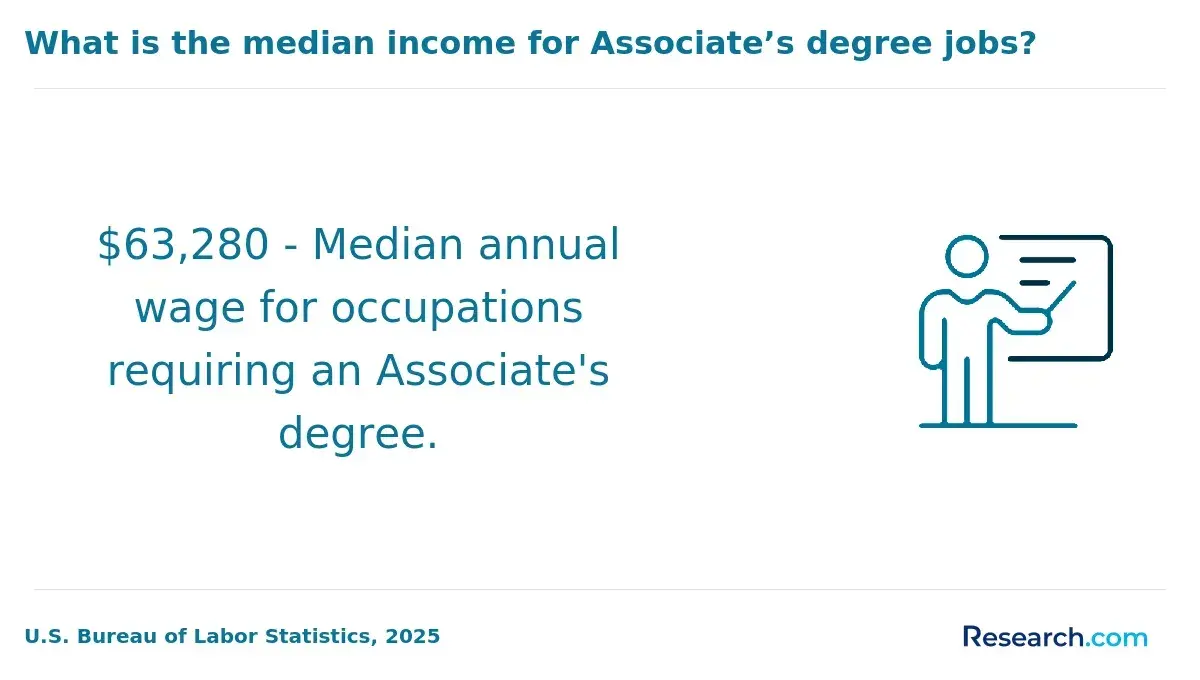
Salary after earning a healthcare administration degree depends on role, location, employer type, degree level, prior experience, and whether the graduate enters healthcare at an entry-level, mid-level, or leadership position. Data from the U.S. Bureau of Labor Statistics shows a median annual income of about $101,340 for healthcare administrators, but career changers should not assume every first healthcare role will pay at the median.
- Entry-Level Salaries: Entry-level salaries typically range from $60,000 to $75,000 yearly. Career changers with prior management, finance, analytics, operations, or compliance experience may be better positioned for the higher end of this range, depending on the employer and local market.
- Mid-Career Compensation: Mid-career compensation often spans from $85,000 to $110,000 as professionals gain healthcare-specific experience, manage larger teams, oversee budgets, or move into specialized roles.
- Experience Impact: Previous leadership or healthcare-adjacent experience can influence starting salary. For example, a former operations manager, data analyst, or finance professional may be able to demonstrate value more quickly than someone entering administration with little related work history.
- Geographic Influence: Urban and metropolitan areas tend to offer higher pay compared to rural settings because of demand, institution size, and concentration of hospitals and health systems. Cost of living should be considered alongside salary.
- Advanced Credentials: Graduate degrees, relevant certifications, and specialized experience can support advancement into higher-paying leadership roles. However, credentials are most valuable when paired with measurable work experience and strong performance.
For career changers, the most useful salary question is not only “What is the average?” but “What role can I realistically qualify for first, and what experience will help me move up?” A clear specialization, applied project work, and healthcare-related experience can make salary growth more achievable over time.
What Graduates Say About Their Healthcare Administration Degrees for Career Changers
- : "Deciding to switch careers into healthcare administration was daunting, especially considering the average cost of around $20,000 for many programs. However, the investment was worth it as it opened doors to roles I never imagined possible. Today, I lead operations at a major hospital, and I'm grateful for the skills and confidence the degree provided. Edward"
- : "I always reflected on how healthcare administration could deepen my impact beyond clinical work. Although the cost was substantial-around $18,000-it was a calculated risk that paid off. Graduating reshaped my professional path and gave me the tools to manage complex healthcare systems effectively. Greyson"
- : "When I decided to pursue a healthcare administration degree, I weighed the expense carefully since programs average near $22,000. That financial consideration was secondary to the transformation the education brought me personally and professionally. Completing the degree was pivotal in my successful shift to healthcare leadership, allowing me to influence patient care from an administrative perspective. Cooper"
Other Things You Should Know About Healthcare Administration Degrees
Yes, individuals from unrelated fields can pursue a healthcare administration degree. Programs often accept diverse backgrounds, focusing instead on the applicant's interest and potential. Some foundational courses might be required, ensuring all students start the program with a baseline understanding of healthcare and management principles.
Yes, financial aid options are available for career changers in healthcare administration programs. These include federal student loans, scholarships, and grants. Additionally, some schools offer specialized financial support programs specifically designed for mid-career professionals transitioning into healthcare administration.
Most programs in 2027 require a bachelor's degree for enrollment. Some may also request coursework in business or healthcare. However, prerequisites can vary, so checking specific program requirements at your institution of interest is advisable to ensure compliance.
References
- 30 Top Healthcare Administration Degree Programs: Comparing the Top Affordable and Cost-No-Object Schools - Healthcare Administration Degree Programs https://www.healthcare-administration-degree.net/best/affordable-vs-cost-no-object-schools/
- Bachelor of Science in Healthcare Administration - Accelerated https://www.desales.edu/programs/adult-studies/healthcare-administration-accelerated
- Earn Your Online Bachelor’s in Healthcare Administration from Newberry College https://www.newberry.edu/admission/explore-our-online-bachelors-healthcare-administration
- The Many Career Options for Those in Healthcare Administration https://www.tuw.edu/health/healthcare-administration-career-options/
- How to Become a Healthcare Administrator https://www.edumed.org/how-to-become/healthcare-administrator/
- 5 Healthcare Management Master's Concentrations - Healthcare Management Degree Guide https://www.healthcare-management-degree.net/list-articles/healthcare-management-masters-concentrations/
- 7 tips for those who want to transition their career to the field of Health Management - MUST University https://mustedu.com/7-tips-for-those-who-want-to-transition-their-career-to-the-field-of-health-management/
- Which Degree Should I Pursue https://www.ache.org/career-resource-center/special-groups/resources-for-students-and-early-careerists/which-degree-should-i-pursue
- Top 35 Most Affordable Healthcare Administration Master's Degree Programs for 2025 https://www.healthcareadministrationedu.org/top-35-most-affordable-healthcare-administration-masters-degree-programs-for-2018-19/
- What Jobs Can You Get With a Healthcare Administration Degree? https://nurse.org/healthcare/healthcare-administration-careers/