
2027 One-Year Online Marketing Master's Degree Programs: Accelerated Options, Costs & Outcomes

Co-Founder and Chief Data Scientist
Professionals with degrees outside business often struggle to enter the marketing field due to time constraints and financial concerns. Many seek accelerated, online master's programs to avoid lengthy campus commitments while balancing full-time jobs. According to recent data, 64% of online Marketing master's students prioritize program flexibility and duration when selecting a degree.
This demand highlights the need for concise yet comprehensive education paths that deliver industry-relevant skills quickly. This article explores one-year online marketing master's options, detailing costs, program structures, and expected career outcomes to help prospective students make informed decisions aligned with their goals.
Key Things to Know About One-Year Online Marketing Master's Degree Programs
- Online Marketing master's programs offer flexible scheduling, enabling recent graduates and working professionals to balance studies with employment or personal commitments efficiently.
- Accelerated one-year programs enable rapid skill acquisition, ideal for career changers seeking timely entry into competitive marketing roles.
- These programs foster global networking through diverse cohorts and virtual platforms, providing international applicants access to industry connections across multiple regions.
What Exactly Is a One-Year Online Marketing Master's Degree Program, and How Does It Differ from a Standard Graduate Format?
A one-year online marketing master's degree accelerated format is designed to compress graduate studies typically spread across two years into about 12 months. This is achieved through shorter semesters or quarters with increased credit loads each term, demanding continuous and rigorous engagement. For instance, Northeastern University's online Master of Science in Digital Marketing program spans four 10-week terms, enabling faster completion while maintaining academic rigor.
The University of Florida also offers a market research master's online program with an accelerated pace, emphasizing practical skills through condensed semesters. Southern New Hampshire University similarly provides reputable one-year online marketing options reflecting this model. This format contrasts markedly with standard graduate programs, which often provide a less intense schedule over two years or allow part-time enrollment.
The intensive curriculum of accelerated programs covers core marketing concepts, digital strategies, analytics, and leadership within a focused timeframe. One-year programs appeal most to working adults, career changers, and international students who need quick workforce re-entry without sacrificing the quality or accreditation of their graduate education.
- Accelerated Curriculum Structure: Programs use shorter, continuous study periods with higher credit demands per term, enabling degree completion in half the traditional timeline.
- Professional and Career Focus: These programs emphasize applied learning through real-world case studies, projects, and current digital marketing tools tailored for rapid industry relevance.
- Selective Admissions Requirements: Applicants generally must demonstrate strong undergraduate GPA, relevant work experience, or prerequisite coursework to succeed in the fast-paced environment.
- Examples of Institutions: Northeastern University, University of Florida, and Southern New Hampshire University illustrate effective implementation of the one-year online marketing master's degree accelerated format.
- Ideal Candidates: Working professionals, career changers, and international students benefit most from the intensive schedule that facilitates quick market re-entry.
For those researching fast-track options in graduate studies, the fastest degree to get online can be a crucial consideration when weighing accelerated marketing programs against longer alternatives.
Which Accredited Universities Currently Offer Legitimate One-Year Online Marketing Master's Programs?
For prospective students pursuing a legitimate one-year online marketing master's program, regional accreditation is crucial. This form of accreditation is widely respected for maintaining strict academic standards and qualifying students for federal financial aid. Unlike national accreditation, which usually applies to vocational or for-profit schools and may hinder credit transfer, regional accreditation ensures employer recognition and academic rigor. Specialized accreditations like AACSB (Association to Advance Collegiate Schools of Business) further validate marketing programs by signaling alignment with industry expectations and strong business curricula.
Across the five major U.S. regions, regionally accredited universities provide accelerated online marketing master's degrees designed for completion within 12 months. These intensive programs typically condense coursework and streamline electives to accommodate working professionals or career changers seeking accelerated advancement.
- University of Florida (Southeast): Warrington College of Business offers an AACSB-accredited online Master of Science in Marketing that can be completed in one year, costing approximately $30,000. The curriculum emphasizes digital marketing analytics and brand management.
- Northeastern University (Northeast): The D'Amore-McKim School of Business provides an accelerated online MS in Marketing Analytics with AACSB accreditation. Tuition is about $54,000, focusing on data-driven marketing strategies.
- University of Texas at Dallas (Southwest): The Naveen Jindal School of Management's one-year online MS in Marketing is AACSB accredited, with total tuition around $35,000. Courses cover consumer behavior and digital marketing techniques.
- University of Illinois Urbana-Champaign (Midwest): Gies College of Business offers an AACSB-accredited online Master of Science in Strategic Brand Communication, completed in one year for roughly $22,000 tuition, focusing on branding and marketing communications.
- Seattle University (West): Albers School of Business and Economics delivers a regionally accredited, accelerated online Master's in Marketing requiring 12 months, estimated tuition $38,000, with an emphasis on global marketing and ethics.
Students should confirm accreditation details through trusted sources like Peterson's and the U.S. Department of Education's College Navigator databases. Evaluating specialized accreditations such as AACSB for one-year online marketing master's programs helps ensure program quality and strengthens graduate employability and salary prospects. Those interested in related fields might also explore online social work programs for additional accelerated degree options.
How Much Does a One-Year Online Marketing Master's Program Typically Cost in Tuition and Fees?
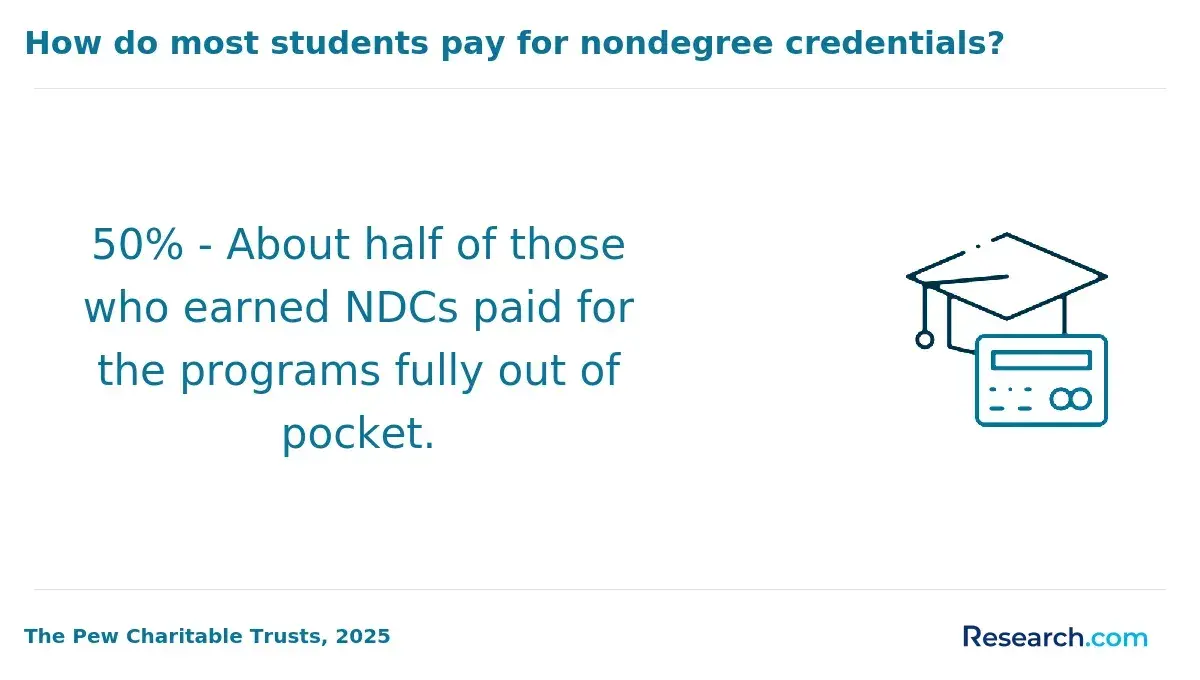
Tuition for one-year online marketing master's programs varies significantly by institution type. Public universities generally charge between $15,000 and $30,000, while private schools often range from $30,000 up to $60,000 or more. These figures are derived from the National Center for Education Statistics and recent school pricing tools.
Additional mandatory expenses commonly apply beyond tuition. Technology fees, essential for accessing online platforms and software, typically run from $300 to $1,000. Course materials, especially specialized resources for analytics or digital campaigns, may add several hundred dollars. Proctoring fees for remote exams usually cost between $50 and $100 per test. Some accelerated programs include short residencies requiring on-site attendance, which can add travel and lodging costs estimated between $500 and $2,000.
Prospective students are strongly encouraged to obtain a full cost-of-attendance statement from each institution, covering tuition, fees, estimated living expenses, and any unexpected charges. This helps ensure proper budgeting and minimizes enrollment surprises.
- Tuition Variation Between Public and Private Schools: Public institutions offer more budget-friendly tuition, averaging $15,000 to $30,000, compared to $30,000 to $60,000+ at private colleges.
- Technology and Course Material Fees: Expect additional costs up to $1,000 for necessary tech access and hundreds more for specialized instructional supplies.
- Proctoring and Exam Costs: Exam monitoring fees typically range from $50 to $100 per proctored test, impacting overall expenses.
- Residency Requirements: Some fast-track programs include brief on-campus residencies, potentially increasing costs by $500 to $2,000 for travel and accommodations.
- Rising Demand for Accelerated Programs: Enrollment in one-year marketing master's degrees has grown by approximately 15%, reflecting increased interest in condensed, flexible education.
A professional who pursued an online marketing master's to facilitate a career transition shared that managing financial expectations was among the biggest challenges. "Budgeting beyond tuition caught me off guard," he recalled. The additional fees for technology access and exam proctoring required advance planning, and the occasional residency meant coordinating travel amidst a busy work schedule. Despite these hurdles, he emphasized that requesting detailed cost breakdowns upfront was invaluable in avoiding surprises. He described the experience as demanding but ultimately rewarding, stating, "Having a clear picture of all expenses helped me stay focused on my goals rather than worrying about unexpected bills."
What Financial Aid and Scholarship Options Are Available for One-Year Marketing Master's Students?
Graduate students enrolled in accelerated one-year online marketing master's programs can access federal financial aid by completing the Free Application for Federal Student Aid (FAFSA). Timely submission is essential since these programs often follow nontraditional start dates, which may influence the distribution of loans such as Direct Unsubsidized Loans and Grad PLUS Loans. Work-study opportunities tend to be scarce in fully online accelerated formats but might be available in hybrid settings.
Scholarships based on merit are awarded to candidates demonstrating strong academic achievements or leadership skills, helping to offset tuition without repayment obligations. Additionally, marketing departments may offer fellowships that provide partial tuition coverage in return for research or teaching assistance, though these positions are competitive and limited. For working professionals, employer tuition reimbursement programs remain an important resource, particularly relevant for accelerated master's degrees designed for career changers and full-time employees.
Prospective students are encouraged to check with individual financial aid offices to explore all available options and deadlines. Using external search tools, such as the College Board's Scholarship Search, can further uncover funding opportunities tailored to one-year online marketing master's financial aid options. According to recent data, nearly 75% of graduate students receive some form of financial assistance, underscoring the importance of leveraging multiple aid sources when considering accelerated programs like online EMBA programs.
- Federal Financial Aid: Submission of the FAFSA allows eligibility for federal loans, with early application advised to accommodate accelerated program timelines and disbursement schedules.
- Merit-Based Scholarships: These awards reward academic excellence or leadership, reducing financial burdens without repayment requirements.
- Departmental Fellowships: Offered by marketing departments, fellowships can provide tuition remission for research or teaching roles, though positions are limited.
- Employer Tuition Reimbursement: Many full-time professionals leverage employer programs to finance their accelerated master's studies, easing tuition costs.
- Scholarship Search Tools: Online databases like the College Board's tool assist students in identifying additional scholarships suitable for accelerated marketing master's programs.
What GPA, Prerequisites, and Professional Experience Do One-Year Marketing Master's Programs Require?
One-year online marketing master's programs typically require a minimum undergraduate GPA of around 3.0 on a 4.0 scale. Admissions committees often review transcripts from various institutions by considering both overall GPA and performance in key marketing-related courses to evaluate readiness for rigorous graduate study.
Applicants usually need foundational coursework in marketing principles, statistics, economics, and business analytics. If prerequisites are missing, many programs allow students to complete bridging courses either before starting or concurrently during the master's curriculum to ensure academic preparedness.
Professional experience increasingly influences admissions, especially in accelerated programs that may waive GRE or GMAT requirements. Relevant work in marketing, advertising, or business fields can demonstrate practical skills and maturity, sometimes balancing lower academic qualifications or incomplete prerequisites.
Admission requirements and evaluation methods vary considerably by institution and program format. Some schools enforce strict GPA cutoffs, while others adopt a holistic approach that weighs experience, recommendations, and personal statements more heavily. Prospective students should carefully examine each program's admissions policies rather than assume a uniform set of standards.
- Minimum GPA Requirements: Programs generally require around a 3.0 GPA, assessing undergraduate transcripts for overall success and performance in related coursework to ensure readiness.
- Prerequisite Coursework: Essential courses include marketing, statistics, economics, and analytics; missing prerequisites can often be fulfilled before or during the program.
- Role of Professional Experience: Work history in relevant fields can offset standardized test requirements and strengthen applications, particularly for accelerated paths.
- Variable Admissions Standards: Requirements differ widely; applicants are advised to review individual program pages for precise details on criteria and waivers.
- Emerging Trends: Over 40% of one-year online marketing master's programs now highlight professional experience as a decisive admissions factor.
A professional who completed an online marketing master's program shared how balancing her work experience with academic requirements shaped her application journey. "I wasn't sure if my GPA would suffice, but my years in digital marketing helped demonstrate my capabilities," she recalled. Despite missing a few prerequisite courses, she was able to enroll conditionally and complete them alongside her degree. "It was intense managing both work and studies, but the program's flexibility made it doable, and the focus on professional readiness really boosted my confidence going forward."
Are GRE or GMAT Scores Still Required for Accelerated Online Marketing Master's Admissions?
Many accelerated online marketing master's programs have moved away from requiring GRE or GMAT scores, adopting more flexible admissions criteria after the pandemic. These test-optional or test-free approaches recognize that standardized exams may not fully represent an applicant's capabilities, especially for working professionals or those pursuing intensive one-year programs.
Programs that still request GRE or GMAT results typically clarify this in their admissions guidelines. Waivers are often granted based on factors such as significant professional experience, strong undergraduate GPA, or previous graduate coursework. International applicants or those with unconventional academic backgrounds might still need to submit test scores to demonstrate their quantitative skills.
A well-developed professional portfolio highlighting marketing successes, leadership, or relevant certifications can frequently replace the need for standardized tests. Admissions teams value practical experience, particularly in accelerated programs where students must apply advanced concepts rapidly. This shift also aligns with evolving employer expectations in the marketing field.
Since admissions criteria can vary widely and are subject to change, prospective students should regularly check each school's official admissions webpage for the most accurate and updated requirements.
- Shift Toward Test-Optional Policies: Many programs have eliminated GRE/GMAT requirements post-pandemic to expand access, especially in accelerated online marketing master's programs targeting diverse applicant pools.
- Waivers Based on Experience and Academics: Applicants with substantive work experience, a solid GPA, or prior graduate credits often receive exemptions from test-score submission.
- Professional Portfolios as Alternatives: Demonstrable marketing achievements and certifications increasingly substitute for exams, emphasizing real-world skills over standardized testing.
- International Student Requirements: Some institutions maintain GRE or GMAT mandates for international candidates to assess readiness but may offer waivers depending on credentials.
- Stay Informed on Admissions Changes: Because policies frequently update, candidates should consult individual program sites to verify current test-score expectations before applying.
Over 70% of U.S. graduate business programs, including marketing, had adopted test-optional admissions as of 2023, marking a clear trend in graduate education.
How Are Courses Structured and Delivered in a One-Year Online Marketing Master's Program?
One-year online marketing master's programs combine synchronous and asynchronous delivery models to suit accelerated study needs. Synchronous components include live lectures and discussions scheduled at fixed times, enabling interactive learning and immediate feedback. In contrast, asynchronous materials such as prerecorded videos and readings offer flexibility, allowing students to work around their personal schedules while adhering to tight deadlines.
These programs condense multiple semesters into just three or four terms within a year. Students typically enroll in 9 to 12 credit hours per term and commit 20 to 30 hours weekly to coursework, projects, and studying. Weekly deadlines are common, requiring disciplined time management and consistent engagement. Capstone projects, practicums, or thesis requirements, which synthesize marketing theory and practice, usually occur during the final term or overlap with other coursework, demanding focused effort in a condensed timeframe.
- Accelerated Term Structure: Terms last 8 to 12 weeks, with students balancing multiple courses simultaneously, leading to a more intense workload than traditional semester lengths.
- Credit Hour Expectations: Enrollment ranges from 9 to 12 credits per term, requiring 20-30 hours of study weekly to meet accelerated pacing and assignment deadlines.
- Delivery Formats: The blend of synchronous live sessions and asynchronous learning materials provides both real-time interaction and scheduling flexibility necessary for accelerated programs.
- Capstone and Practicum Integration: Final capstone projects or practicums integrate practical applications with academic learning, typically completed during the last term amidst a rigorous schedule.
- Time Management Demands: Intensive course compression necessitates effective time management and proactive participation to succeed academically.
Recent studies show that 75% of students in accelerated one-year online marketing master's programs report increased proficiency in digital marketing tools within their first six months, highlighting the practical focus and effectiveness of these formats.
What Core Curriculum and Specialization Tracks Are Covered in a One-Year Online Marketing Master's Degree?
One-year online marketing master's curriculum tracks are designed to deliver essential knowledge efficiently through a carefully structured core set of courses. These foundational classes typically cover consumer behavior, digital marketing strategies, market research, and analytics to establish a solid marketing base within a shortened timeframe. With accelerated programs, essential content is compressed to fit an intensive schedule, which helps students gain vital skills quickly without sacrificing rigor.
Specialization options in accelerated marketing programs allow students to focus on specific career paths such as digital marketing, brand management, marketing analytics, or international marketing. These focused tracks enhance the ability of graduates to pursue roles like SEO strategist, brand manager, or data analyst. Tailoring coursework to individual career goals is a key advantage of these programs, providing specialized expertise that meets current industry demands.
Compared to traditional two-year marketing master's programs, accelerated formats condense the same core curriculum and specialization options into fewer months. This faster pace prioritizes practical applications and case-based learning over extended theoretical exploration, which benefits students aiming for immediate career entry but may reduce opportunities for elective courses or dual specializations. Many reputable programs regularly update their curricula to integrate emerging marketing technologies, social media algorithms, AI marketing tools, and data privacy regulations to align with evolving employer expectations.
- Core Curriculum Emphasizes Foundational Skills: Courses cover consumer behavior, digital marketing, market analytics, and strategic planning to ensure a solid marketing base within a condensed timeframe.
- Specialization Tracks Offer Career Focus: Options such as brand management, digital marketing, or marketing analytics allow students to customize skills for targeted career paths.
- Accelerated Format Compresses Learning: The same essential content as longer programs is delivered at a faster pace, prioritizing practical skills for quicker workforce entry.
- Curriculum Updates Reflect Industry Trends: Programs revise course content regularly, integrating new technologies and marketing strategies to stay relevant and competitive.
- Balance Between Theory and Application: Accelerated courses emphasize real-world case studies and hands-on projects alongside theoretical concepts, enhancing immediate job readiness.
Prospective students interested in further advancing their leadership skills after completing a marketing program may explore options such as a doctorate in leadership online, which can complement marketing expertise for senior management roles.
How Do One-Year Online Marketing Programs Balance Academic Rigor With Accelerated Completion?
One-year online marketing programs often prompt concerns about balancing academic rigor with accelerated course completion. However, research and employer surveys consistently show that graduates from well-designed accelerated marketing curricula perform as well as those from traditional programs, demonstrating that focused instruction and practical application can maintain high-quality outcomes.
Programs addressing the challenge of fast-track marketing master's curriculum with quality education outcomes use strategic designs such as cohort models that foster peer interaction and collaboration. Block scheduling and intensive modules concentrate coursework into manageable sessions, enhancing topic engagement and skill mastery despite the compressed timeline.
Faculty qualifications are crucial; accredited programs typically feature instructors with advanced degrees and significant industry experience who integrate current trends. Comprehensive student support, including academic advising, tutoring, and personalized career coaching, helps students navigate rigorous pacing and transition successfully into marketing careers.
Prospective students should prioritize programs that demonstrate transparency through published job placement rates and active alumni networks. These indicators serve as proxies for academic quality and ensure real-world relevance. Additionally, economic considerations are important. Interested students might also explore financial options and tuition comparisons by consulting sources like the best online construction management degree listings, which provide insight into cost-effective online education environments.
- Structured Learning Models: Cohort-based enrollment and block scheduling enable organized progress through intensive coursework, ensuring depth of study despite accelerated timelines.
- Experienced Faculty: Courses taught by professionals with advanced degrees and industry insights keep content current and challenging.
- Comprehensive Student Support: Academic advising, tutoring, and career services are critical to help students manage the program's pace and transition effectively into marketing careers.
- Outcome Transparency: Published employment statistics and active alumni networks provide evidence of program quality and real-world impact.
- Employer Feedback: Surveys indicate that graduates from well-designed accelerated programs meet or exceed the expectations of marketing employers.
What Technology Tools and Software Skills Are Students Expected to Learn in an Online Marketing Master's Program?
One-year online marketing master's programs emphasize mastery of essential digital tools that equip students for immediate contribution in fast-paced marketing roles. Students learn to navigate software platforms fundamental to campaign execution, data analysis, and customer engagement, meeting employer demands for technical proficiency. Required hardware typically includes a reliable computer with current specifications and steady high-speed internet; some programs may also require access to software licenses, though many offer free or discounted subscriptions as part of enrollment.
Demonstrated expertise in these applications often distinguishes candidates in the competitive job market, reflecting the trend that 78% of marketing professionals regard digital tool fluency as critical for career growth.
- Customer Relationship Management Platforms: Systems like Salesforce and HubSpot help students manage client interactions, automate outreach, and track leads efficiently, supporting personalized marketing efforts.
- Data Analytics and Visualization Tools: Proficiency with Google Analytics, Tableau, and Excel enables analysis of campaign impact and market trends, fostering data-driven decision-making.
- Digital Advertising and Social Media Software: Platforms including Google Ads and Facebook Business Manager train students to design, launch, and optimize paid digital campaigns while managing social media scheduling and monitoring.
- Content Management Systems: Knowledge of WordPress or Drupal equips students to create and maintain web content critical to digital marketing strategies.
- Marketing Automation Tools: Familiarity with Marketo or Pardot streamlines lead nurturing and automates customer lifecycle marketing workflows, enhancing campaign efficiency.
Can Students Pursue a One-Year Online Marketing Master's Degree While Working Full-Time?
Completing a one-year online marketing master's degree while working full-time typically requires completing 30 to 36 credits within 12 months. Institutional reports indicate students spend around 15 to 20 hours weekly for a 6-credit term, averaging about 10 to 12 hours per week in 3-credit courses. This accelerated pace demands strong time management skills and supportive employers. Common strategies to balance work and study include time-blocking daily sessions exclusively for coursework, leveraging employer policies that allow flexible hours or paid educational leave, and taking advantage of asynchronous classes that let students engage with materials on their schedule.
Surveys show that roughly 40% to 50% of students enrolled in these accelerated marketing programs maintain full-time employment while studying. To better understand program demands, prospective students should ask admissions counselors key questions such as:
- Weekly Time Commitment: What is the typical weekly study hours required, and how is this distributed across the term to handle the accelerated format?
- Flexibility and Scheduling: Are asynchronous or other flexible course delivery options available to accommodate full-time work?
- Employer Collaboration: Are there examples of students successfully negotiating work arrangements during enrollment?
- Support Services: What academic or wellness resources assist working students in managing stress and deadlines?
- Success Rates: What portion of students complete the program while working full-time, and what common challenges do they face?
What Graduates Say About Their One-Year Online Marketing Master's Degree Program
- Leilah: "Choosing an online marketing master's degree was a game-changer for me as I wanted to pivot from finance to a more creative field. The program's flexibility allowed me to manage my full-time job while gaining relevant skills. Plus, the cost was much more reasonable compared to traditional programs, making it a smart investment for my career transition."
- Nicholas: "Pursuing an online marketing master's degree was a strategic decision to enhance my knowledge without sacrificing my current work commitments. The affordability of the program was a major factor since I needed to be mindful of expenses. Since graduating, I've noticed a clear impact on my career growth and confidence in handling digital campaigns."
- Marlyn: "I chose the online marketing master's degree to deepen my expertise while continuing to work in a demanding job. Reflecting on the experience, the cost-effectiveness and comprehensive curriculum truly set it apart. This degree has not only expanded my professional network but also helped me secure a leadership role in my company."
Other Things You Should Know About Marketing Degrees
In 2027, one-year online Marketing master's programs offer specializations such as digital marketing, brand management, and data analytics. These tracks allow students to focus on particular areas of interest and align their studies with career goals in the rapidly evolving marketing landscape.
Employer perceptions of one-year online Marketing master's degrees have improved as online education quality and accreditation have strengthened. Many employers value the skills and knowledge from accelerated online programs if the institution has solid accreditation and a rigorous curriculum. However, some may still prefer traditional degrees depending on industry norms and the applicant's overall experience.
References
- Online Master’s in Marketing Programs No GRE or GMAT Required (GRE Waiver) https://www.mastersincommunications.com/faqs/online-masters-in-marketing-gre-gmat-requirements
- WU (Vienna University of Economics and Business) https://www.wu.ac.at/en/programs/masters-programs/marketing/structure-content
- What are the admission requirements for a Master's in Marketing in top UK and USA universities? https://mentr-me.com/question/what-are-the-admission-requirements-for-a-masters-in-mark
- The Fastest Online Digital Marketing Degrees: How to Get Your Digital Marketing Degree Fast https://careerkarma.com/blog/fastest-online-digital-marketing-degree/
- 1-Year Master in Digital Marketing | ESEI Business School Barcelona https://www.eseibusinessschool.com/programmes/master-in-digital-marketing/
- Admissions https://www.hec.edu/en/master-s-programs/master-marketing/admissions
- 7 Tech Skills Digital Marketers Need to Know - Skillcrush https://skillcrush.com/blog/digital-marketing-skills/
- Online Master's Degree Marketing: Your Guide from Inquiry to Enrollment - Motimatic https://motimatic.com/industry/higher-ed/online-masters-degree-marketing/
- Digital Marketing Major https://www.kozminski.edu.pl/en/digital-marketing-major
- Luiss â Libera Università Internazionale degli Studi Sociali https://www.luiss.edu/admissions/graduate-admissions/students-luiss-ue-schengen/certifications


