
2027 Competency-Based Online Marketing Master's Degrees

Co-Founder and Chief Data Scientist
Many prospective students face uncertainty navigating traditional credit-hour online marketing master's programs that follow fixed schedules and pace. Adult learners and career changers often struggle to balance work and study, delaying degree completion. Competency-based education (CBE) offers flexibility by allowing students to advance upon demonstrating mastery rather than completing set class hours.
According to the National Center for Education Statistics, 29% of online master's graduates valued flexible pacing as a primary factor in program choice. This article explores how competency-based online marketing master's programs operate, their admission criteria, curriculum, costs, and career impacts, helping readers decide if this model fits their goals and lifestyle.
Key Benefits of Competency-Based Online Marketing Master's Degree
- Competency-based online marketing master's degrees offer flexible schedules, allowing working professionals to advance education without disrupting careers or personal commitments.
- These programs accelerate skill acquisition by focusing on mastery of specific marketing competencies rather than seat time, enabling faster degree completion.
- Students gain access to a global network of peers and industry experts, fostering valuable connections that support diverse career opportunities and collaborations worldwide.
What Is a Competency-Based Marketing Master's Degree, and How Does It Work?
For prospective students considering competency-based online marketing master's degree programs, understanding how competency-based education (CBE) differs from traditional models is essential. This section outlines the core features of CBE programs and their advantages for flexible, skills-focused graduate study. Key points include the following:
- Competency-Focused Learning: Rather than accumulating credit hours, CBE requires learners to demonstrate mastery of specific marketing skills and knowledge before advancing. This emphasis on learning outcomes over seat time ensures practical expertise.
- Self-Paced Structure: Students progress through modular units at their own pace, enabling them to accelerate through familiar content and devote more time to challenging areas, accommodating diverse schedules.
- Assessment-Based Progression: Advancement depends on passing evaluations such as projects, exams, or practical assignments that verify competency in core marketing concepts rather than classroom attendance.
- Faculty and Mentor Support: Programs offer personalized guidance from instructors or mentors who provide feedback and assistance despite the self-directed nature of the learning process.
- Alignment with Adult Learners' Needs: Designed for working professionals and adult students, CBE programs provide the flexibility and relevancy needed to balance graduate study with other responsibilities.
This overview plays a vital role in distinguishing competency-based online marketing master's degree programs and clarifies how they cater to modern learners. According to recent data, enrollment in competency-based programs has increased by more than 15% annually, reflecting growing demand for this education model among adult learners. For those exploring effective graduate pathways, additional insights into the best college degrees can provide valuable guidance.
What Are the Admission Requirements for a Competency-Based Online Marketing Master's Program?
Applicants considering a competency-based online marketing master's program should familiarize themselves with typical admission criteria to align their qualifications appropriately. Admissions standards often emphasize a mix of academic credentials and relevant experience, differing from traditional models in ways like GPA requirements for competency-based marketing master's programs. Key components to prepare for include:
- Bachelor's Degree: Most programs require a bachelor's degree from an accredited institution as a foundation, ensuring readiness for graduate-level marketing coursework.
- Transcripts and Academic Record: Applicants submit official transcripts which, while less focused on strict GPA cutoffs, verify prior academic performance and preparedness.
- Professional Experience: Relevant marketing or related field experience is frequently preferred or required, as competency-based education values demonstrated skills that can shorten time to degree completion.
- Standardized Test Waivers: Many competency-based online marketing master's degrees waive GRE or GMAT requirements, reflecting a holistic admissions approach that prioritizes competencies over exam scores.
- Holistic Evaluation and Recommendations: Admissions review letters of recommendation, personal statements, and skill evidence to assess motivation, communication, and fit with program goals.
Applicants can improve their prospects by spotlighting specific marketing competencies, leadership experiences, and successful projects in their background. This approach effectively demonstrates readiness for a self-paced, skill-driven learning environment. Additionally, exploring online certificate programs that pay well can complement a marketing master's degree journey and enhance career advancement opportunities.
What Is the Minimum GPA Requirement for a Marketing Competency-Based Master's Program?
Prospective students considering competency-based online marketing master's degrees often wonder about GPA requirements and admissions flexibility. These programs typically emphasize both academic achievement and real-world experience, using various approaches to evaluate candidates. Here are some important points to consider:
- Standard GPA Expectations: Many accredited marketing competency-based master's programs require a minimum undergraduate GPA around 3.0 on a 4.0 scale, ensuring students have a solid academic foundation for graduate studies.
- Admissions Flexibility: Applicants with GPAs below this threshold may still be accepted if they demonstrate substantial professional accomplishments or experience in marketing, highlighting the value of practical expertise.
- Alternative Assessment Methods: Programs often use additional evaluation tools such as portfolios, competency exams, or project submissions to assess a candidate's applied skills beyond traditional GPA metrics.
- Institutional Variability: Requirements differ across universities; some impose firm GPA cutoffs, while others adopt holistic review processes that weigh work history and demonstrated competencies more heavily.
- Personalized Guidance: Reviewing specific admissions criteria and consulting with admissions advisors can help applicants understand how their profiles align with program expectations and uncover alternative pathways for acceptance.
A professional who enrolled in a competency-based online marketing master's program shared that despite having a GPA slightly below the typical minimum, his years of hands-on experience and measurable project successes allowed him to build a strong portfolio that the admissions team valued highly. He described the admissions process as "less about a single number and more about demonstrating real-world impact," adding that reaching out to advisors early helped clarify what evidence of competency they needed. "It involved patience and persistence," he noted, "but ultimately, the program recognized my practical knowledge, which made all the difference."
How Long Does It Take to Complete a Competency-Based Marketing Master's Degree Online?
For prospective students exploring competency-based online marketing master's degree options, understanding program length is key to aligning study plans with personal and professional demands. The duration varies widely, reflecting the self-paced nature of these programs. Below are essential factors that influence the average duration of online competency-based marketing master's programs.
- Flexible, Self-Paced Progression: Students move forward by proving mastery of specific competencies instead of following fixed terms. This allows driven learners to complete studies rapidly, while others may extend their timeline without penalty.
- Typical Completion Range: Many students finish within one to three years. Those dedicating more time often graduate in about 12 months, whereas individuals balancing work and family tend to take longer.
- Subscription-Based Tuition Incentives: Monthly tuition models encourage quicker progress since paying by subscription reduces overall costs when the degree is completed sooner.
- Prior Learning Assessment and Transfer Credits: Credit for previously mastered skills or coursework can shorten program length by allowing students to bypass familiar content.
- Setting a Realistic Timeline: Students should plan their pace considering work schedules, personal commitments, and familiarity with marketing topics to maintain steady progress and avoid burnout.
This adaptable structure offers significant advantages over traditional credit-hour programs. For those researching degree fields, exploring the highest paying majors can inform career decisions aligned with a marketing master's. Overall, the flexible timing of competency-based programs accommodates diverse learning needs and lifestyles without sacrificing quality or rigor.
How Much Does a Competency-Based Online Marketing Master's Degree Cost?
Prospective students considering a competency-based online marketing master's degree should understand how tuition models affect their financial investment. Tuition is commonly structured in two ways, each with distinct advantages and cost implications. The following points highlight essential aspects of tuition and overall expenses to help learners prepare financially.
- Subscription-Based Tuition: This model charges a flat fee per term, permitting students to progress through unlimited courses or competencies within that period. It benefits learners who can accelerate their studies, potentially reducing total costs.
- Per-Competency or Per-Credit Pricing: Students pay individually for each completed competency or credit. This pay-as-you-go approach offers flexibility but may extend overall expense if pacing is slower.
- Cost Savings Compared to Traditional Programs: Because many competency-based programs allow faster completion and have lower operational costs, overall tuition often runs below that of traditional credit-hour degrees, sometimes saving thousands of dollars.
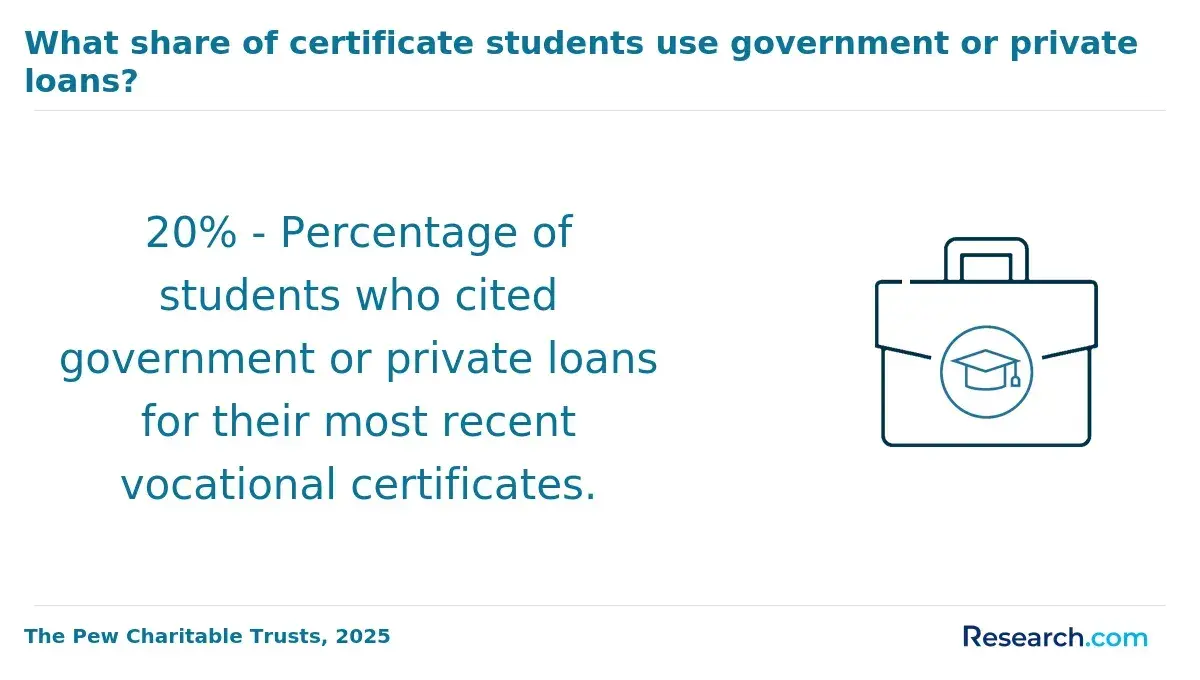
- Financial Aid Possibilities: Eligible students can access federal loans and grants, while employer tuition assistance and marketing-specific scholarships further offset expenses and improve affordability.
- Comprehensive Cost Considerations: True cost includes not only tuition but also fees for technology, textbooks, and course materials. Opportunity costs such as limited working hours during study periods also impact total expenditure and should factor into budgeting.
A professional who transitioned careers after completing a competency-based online marketing master's program shared her experience managing costs. She recalled, "Choosing a subscription model encouraged me to focus and complete faster, which saved money and kept me motivated." She also mentioned juggling work and study required careful planning, especially regarding technology expenses and limited income during intense learning phases. Her reflection underscores how personalized pacing combined with financial aid can make CBE programs an accessible and practical choice for career changers seeking efficiency without compromising quality.
Which Accrediting Bodies Recognize Competency-Based Marketing Master's Programs?
When considering competency-based online marketing master's degrees, it is crucial to ensure the program's accreditation status, since this impacts both employer recognition and access to federal financial aid. Below are essential aspects to keep in mind regarding accreditation:
- Regional Accreditation: The primary and most respected form of accreditation is granted by regional agencies such as the Higher Learning Commission (HLC), Southern Association of Colleges and Schools Commission on Colleges (SACSCOC), and the WASC Senior College and University Commission (WSCUC). These organizations assess schools comprehensively, including the effectiveness of their competency-based education models.
- Programmatic Accreditation: Some marketing programs also pursue accreditation from specialized bodies focused on marketing curriculum and learning outcomes. Though less common for competency-based programs, these accreditors verify that course content aligns with industry expectations and standards.
- Learning Outcomes and Evaluation: Accrediting bodies place high importance on well-defined learning outcomes and thorough assessment processes, ensuring students demonstrate mastery of relevant marketing skills in measurable ways.
- Checking Accreditation Status: Prospective students should confirm a program's legitimacy via the U.S. Department of Education's Database of Accredited Postsecondary Institutions and Programs (DAPIP), which lists recognized accrediting agencies and accredited institutions.
- Caution Against Unrecognized Accreditors: Watch out for claims of accreditation from organizations not acknowledged by the U.S. Department of Education or the Council for Higher Education Accreditation (CHEA). These entities often lack meaningful oversight, risking students' reputations and financial investment.
What Core Competencies and Curriculum Areas Are Covered in a Marketing CBE Master's Program?
Prospective students pursuing competency-based online marketing master's degrees should expect programs designed around clear, measurable learning outcomes aligned with current industry standards and professional expectations. These programs emphasize practical skill mastery over traditional credit accumulation. Below are key features that outline how these programs are structured and what students can anticipate:
- Defined Competency Domains: Programs focus on essential areas such as analytical reasoning, leadership, domain-specific technical skills, and ethical practice in marketing. These domains ensure graduates gain well-rounded expertise that employers value.
- Curriculum Structured Around Competency Units: Rather than traditional courses, study plans are organized into competency units that help students build specific skills sequentially, allowing progression by demonstrating mastery.
- Performance-Based Assessments: Evaluation relies on applied projects and practical tasks that simulate real marketing challenges, moving beyond typical exams to better prepare students for professional environments.
- Integration of Industry-Relevant Skills: Core components include data analytics, digital marketing tools, and campaign strategy development, with programs regularly updating content to reflect evolving market trends.
- Alignment With Career Goals: It is essential for prospective students to review each program's competency framework carefully to ensure it matches their individual professional objectives and interests.
What Delivery Formats and Technology Platforms Are Used in Online Marketing CBE Programs?
Competency-based online marketing master's programs rely on robust technology delivery methods to support flexible, self-paced learning and effective assessment. Understanding these platforms is key for prospective students navigating different program options. Below are important features commonly found in such programs' technology environments.
- Learning Management Systems (LMS): Established LMS platforms like Canvas, Blackboard, or specialized proprietary systems tailored for competency-based learning organize course content, assessments, and track demonstrated skills instead of traditional credit hours.
- Asynchronous Learning Formats: These formats allow students to engage with marketing content whenever their schedule permits, fostering self-paced progress. Asynchronous study is fundamental for working professionals balancing multiple commitments.
- Synchronous Sessions and Virtual Labs: Some programs incorporate live virtual sessions and labs, providing real-time interaction and collaborative experiences that enrich understanding and practical application of marketing concepts.
- Accessibility and Mobile Compatibility: Quality platforms offer accessibility features such as screen reader support and captioning, alongside mobile-friendly interfaces, enabling learners to study effectively on various devices including smartphones and tablets.
- Technical Support Services: Reliable 24/7 technical support, troubleshooting resources, and orientation help ensure that technology issues will not disrupt learning progress.
Given the variety in technology delivery methods for marketing master's programs, prospective students should request demos or trial periods to assess compatibility with their personal learning preferences and devices. Evaluating technology before enrollment can be as crucial as understanding program content.
For students seeking flexible and affordable graduate degrees, comparing options like a psychology degree or a marketing master's may also open alternative career pathways.
How Are Students Assessed, and How Is Mastery Demonstrated in Marketing CBE Programs?
For prospective students evaluating competency-based assessment methods for online marketing master's programs, understanding how mastery is demonstrated reveals significant differences from traditional education models. This section explains how marketing CBE programs assess student competence, focusing on practical performance rather than timed exams. The following points highlight key aspects of this assessment approach.
- Performance-Based Assessments: Mastery is commonly shown through real-world tasks such as simulations, case studies, capstone projects, or portfolios rather than conventional tests. These assessments allow students to apply marketing concepts in professional contexts, making the learning more relevant and applied.
- Faculty Evaluation with Rubrics: Competency assessors or faculty carefully review submissions using standardized rubrics aligned with current marketing industry standards. This ensures clear, consistent criteria guide evaluation, helping maintain academic rigor while reflecting real-world expectations.
- Resubmission and Growth Opportunities: When students do not initially meet competency thresholds, they have options to revise and resubmit their work. This non-punitive process encourages continuous learning and improvement, emphasizing a growth mindset throughout the program.
- Limited Use of Traditional Exams: Unlike typical programs that rely on timed tests, marketing CBE programs minimize or eliminate these exams. Instead, they prioritize demonstration of mastery through quality outputs, supporting students in learning at their own pace.
- Employer-Relevant Evidence of Mastery: The portfolios and projects produced often serve as tangible proof of skills, resonating strongly with employers who value demonstrated ability over letter grades.
Demonstrating mastery in marketing competency-based education programs requires this practical, evidence-based approach, which often provides graduates with strong career advantages. Prospective students should consider how these assessment methods align with their learning style and professional goals.
For those interested in examining how cost and other factors compare among programs, sources like top data science programs offer detailed pricing insights that can inform decisions across fields.
What Transfer Credit and Prior Learning Assessment Options Exist for Marketing CBE Programs?
Prior learning assessment (PLA) is a valuable option for students pursuing competency-based online marketing master's degrees, allowing those with existing expertise to earn credit by demonstrating mastery rather than completing all coursework. This approach recognizes work experience, certifications, and previous classes, potentially accelerating degree completion. The following key methods illustrate how PLA functions in these programs:
- Portfolio Evaluation: Students submit evidence such as work samples, project summaries, and certifications that demonstrate their marketing knowledge. Faculty or evaluators review these materials to award credit for competencies already mastered.
- Standardized Exams: Accepted exams like CLEP and DSST measure fundamental marketing skills and knowledge. Passing these can exempt students from specific courses by validating their proficiency through widely recognized assessments.
- Institutional Challenge Exams: Some schools create customized exams targeting particular marketing subjects. Success on these tests enables students to earn credit without retaking content they have already mastered, facilitating faster progress.
- Transfer Credit Limits: Most programs have caps on how many credits can be transferred or earned through PLA. Being aware of these limits helps students plan their curriculum and understand the potential impact on time and tuition savings.
- Preparation and Documentation: Collecting comprehensive documentation of marketing-related experience, certifications, and coursework before applying is important. Early inquiry into PLA policies during admissions ensures clear expectations and smoother credit evaluation.
What Career Outcomes and Professional Opportunities Does a Marketing CBE Master's Degree Unlock?
Career outcomes are a crucial consideration for students pursuing a competency-based online marketing master's degree. This model focuses heavily on skill mastery, which directly influences employability and professional growth. Below are key factors that highlight how such a degree enhances job prospects in marketing.
- Skills-Focused Recruitment: Employers show a growing preference for candidates who can clearly demonstrate relevant competencies rather than rely solely on traditional academic achievements. Documented skills from a CBE program align with real-world marketing demands, boosting candidates' marketability.
- Typical Roles and Salary Expectations: Graduates typically find opportunities as Digital Marketing Managers, Brand Strategists, Market Research Analysts, or Content Marketing Specialists. Salary ranges commonly span from $60,000 to $110,000 per year, influenced by factors such as experience and sector.
- Industry Demand and Recognition: Technology firms, retail companies, advertising agencies, and healthcare sectors actively seek professionals with up-to-date expertise in digital strategy, data analysis, and consumer insights-core areas emphasized in CBE curricula.
- Competency Portfolios as Differentiators: Presenting a detailed portfolio of demonstrated skills during interviews allows graduates to stand out by showcasing measurable achievements, making them more attractive to hiring managers.
- Networking and Professional Support: Participation in marketing associations, alumni groups, and CBE program communities enhances career development with mentoring opportunities and access to exclusive job listings.
What Graduates Say About Their Competency-Based Online Marketing Master's Degrees
- Lynda: "Choosing a competency-based online marketing master's degree was a game-changer for me because it allowed me to learn at my own pace without sacrificing my full-time job. The program's affordability compared to traditional degrees made it accessible, which was crucial for managing my finances. Now, I have practical skills that I apply daily in my career, and the flexibility helped me stay motivated throughout. "
- Nicholas: "Pursuing this type of marketing master's degree was all about efficiency for me-I appreciated that I only paid for what I needed to learn, which made the cost very reasonable. Reflecting on the experience, the competency-based approach truly suited my learning style since it focused on demonstrating knowledge rather than time spent in class. Professionally, it elevated my strategic thinking, making me more confident in leading digital campaigns. "
- Omar: "As a working professional, I valued the tailored structure of the competency-based online marketing master's program because it respected my existing skills and emphasized mastery. The cost was noticeably lower than comparable degrees, making it a smart investment in my future. This degree sharpened my ability to analyze market trends and improved my leadership opportunities within my company. "
Other Things You Should Know About Marketing Degrees
In 2027, a competency-based Marketing master's program is structured around self-paced modules. Students demonstrate mastery in specific areas before advancing. This model offers flexibility to working professionals and fosters practical expertise, which can enhance job prospects by aligning with current industry standards.
Competency-based programs focus on demonstrating knowledge and skills at an individual pace, allowing students to accelerate if they already possess relevant expertise. Traditional programs generally follow fixed credit hours and semester schedules. While both lead to accredited degrees, CBE offers greater flexibility, which suits self-motivated learners balancing education with work or personal commitments.
In 2027, industry collaborations significantly enhance competency-based online Marketing master's degrees by providing students with real-world experience and networking opportunities. These partnerships offer projects and internships that align learning outcomes with industry needs, ensuring graduates are well-prepared for the evolving marketing landscape.
References
- 8 Tech-Based Solutions for Designing and Delivering CBE https://www.instructure.com/resources/blog/8-tech-based-solutions-designing-and-delivering-cbe
- How is Mastery Defined in Postsecondary Competency-Based Education? - C-BEN https://www.c-ben.org/how-is-mastery-defined-in-postsecondary-competency-based-education/
- International Marketing Competencies https://www.emc.be/activities/international-marketing-competencies
- What you must know before pursuing a Masters in Digital Marketing https://www.avanse.com/blog/what-you-must-know-before-pursuing-a-masters-in-digital-marketing
- The Relevance of a Master's Degree in Digital Marketing https://www.enae.com/blog/relevance-masters-degree-digital-marketing
- A Comprehensive Guide to Competency-based Education https://www.edalex.com/guides/comprehensive-guide-to-competency-based-education/
- 5 Types of Content You Can Deliver Through Your LMS http://www.seeklms.com/blog/5-types-of-content-you-can-deliver-through-your-lms/
- Master of Marketing MMktg https://www.auckland.ac.nz/en/study/study-options/find-a-study-option/master-of-marketing-mmktg.html
- Credit for Prior Learning - White Mountains Community College https://www.wmcc.edu/credit-for-prior-learning/
- How Subscription Models Are Shaping Digital Marketing for Online Education Platforms https://socialtargeter.com/blogs/how-subscription-models-are-shaping-digital-marketing-for-online-education-platforms


