2027 Return on Investment (ROI) of a Supply Chain Management Degree Program

Co-Founder and Chief Data Scientist
Many candidates hesitate to invest in a supply chain management degree without clear evidence of its financial payoff. For example, an individual juggling full-time work wonders if the time and tuition commitment will significantly impact their earning potential. Recent data shows that supply chain management roles are projected to grow 22% by 2030, outpacing average job growth nationally. This article examines the return on investment of a supply chain management degree by analyzing costs, average salaries, industry demand, and career trajectories. Readers will gain insights to make informed decisions about pursuing this degree and its impact on long-term career growth.
Key Things to Know About Supply Chain Management Degree ROI
- Supply chain management graduates often see a 15-20% higher starting salary compared to general business degrees, reflecting strong demand in logistics and operations sectors.
- Career advancement rates in supply chain roles exceed 30% over five years, driven by growing global trade and technology integration.
- Flexibility to work across manufacturing, retail, and technology industries provides long-term job stability amid market fluctuations.
How Is ROI Calculated for a Supply Chain Management Degree Program?
Return on investment (ROI) in higher education quantifies the financial benefits students gain from their degree relative to the costs and time invested. This calculation helps prospective students evaluate whether pursuing a supply chain management degree program aligns with their career goals and financial expectations.
Several key factors contribute to calculating ROI for a supply chain management degree program, including:
- Tuition and fees: This encompasses the full cost of enrollment, including tuition, textbooks, and additional fees. These direct costs form the baseline financial commitment required to complete the degree.
- Opportunity cost: The income students forego by studying full-time or reducing work hours is an important element in estimating the true cost of the degree, affecting overall ROI.
- Time to completion: The duration needed to finish the program influences both the total educational expenses and the delay in entering or advancing in the workforce.
- Post-graduation salary outcomes: Graduates' starting salaries and raises after completing the degree play a key role in measuring the financial returns and justifying the investment.
- Long-term earning potential: This reflects the impact a supply chain management degree has on career progression and higher paying opportunities over a professional lifespan, critical for understanding sustained financial benefits.
When assessing return on investment calculation for supply chain management degrees or conducting a supply chain management degree program cost versus salary analysis, students should consider all these factors comprehensively. For those exploring related options, programs like an AI degree online may offer additional perspectives on educational investment.
How Much Does a Supply Chain Management Degree Program Cost?
Assessing the full cost of a supply chain management degree is crucial to accurately appraise its return on investment, especially as graduate tuition and fees in the U.S. have surged by more than 25% over the last decade. Rising student debt levels further emphasize the need for a comprehensive understanding of all financial commitments involved in obtaining the degree.
Several key expenses shape the overall cost and influence the ROI of such programs:
- Tuition and fees: These are the primary charges set by educational institutions and can vary significantly based on residency status and whether the program is public or private.
- Books and materials: Essential learning tools, including textbooks and software, frequently amount to several hundred or even thousands of dollars annually.
- Living and relocation: For programs requiring in-person attendance, housing, transportation, and everyday living costs must be considered.
- Opportunity cost: Time dedicated to full-time study often delays entering or advancing in the workforce, representing potential lost income.
- Hidden expenses: Additional fees may include application costs, technology upgrades, and travel for internships or professional networking.
When I spoke with a recent graduate of a supply chain management degree program, he highlighted that the financial burden extended far beyond tuition alone. He recalled, "Balancing part-time work while covering unexpected costs like software upgrades was stressful. It wasn't just the price tag on paper; managing day-to-day expenses and adjusting my lifestyle added up." He also noted how the delay in full-time employment weighed heavily, saying, "I had to carefully consider whether the long-term career benefits justified the immediate financial sacrifices." This firsthand perspective underscores that the true cost is a blend of direct payments and indirect challenges that shape the overall value of the degree.
What Financial Aid Is Available for Supply Chain Management Degree Programs?
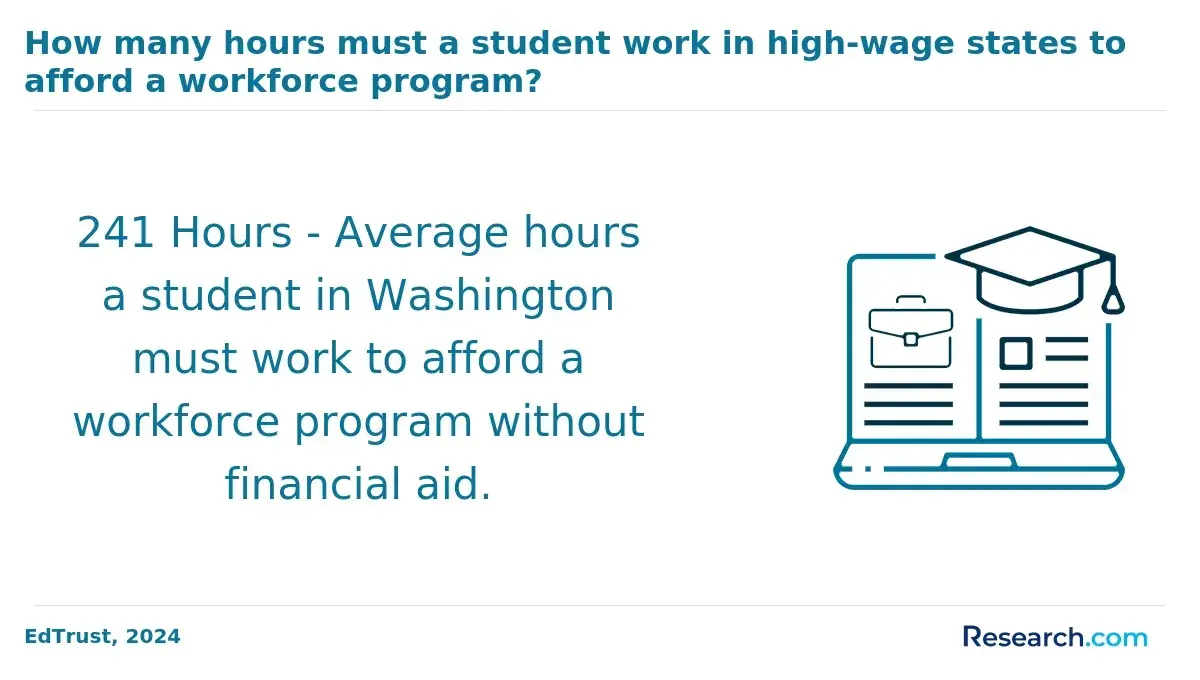
Financial aid reduces the initial expenses of supply chain management degree programs, helping students limit debt and improve their long-term return on investment. Research shows that more than 85% of U.S. graduate students benefit from some form of financial support, which can be crucial in managing educational costs and maximizing financial outcomes.
Common financial aid options that enhance affordability and ROI include:
- Scholarships: Merit-based awards that don't require repayment directly lower education expenses, reducing reliance on loans and increasing overall financial gains after graduation.
- Grants: Usually need-based, these funds relieve financial pressure without adding debt, allowing students to graduate with fewer obligations and higher net returns.
- Fellowships: Competitive opportunities offering stipends or tuition coverage, fellowships also often provide professional experience that can boost career prospects.
- Employer tuition assistance: Employees may receive financial support from their workplaces that covers part or all tuition costs, substantially decreasing out-of-pocket payments and accelerating ROI.
- Federal student loans: Though requiring repayment with interest, federal loans offer manageable rates and flexible plans, enabling investment in education without demanding full upfront payment-though careful debt management remains essential.
Accessing these aid types helps reduce financial burdens and strengthens the economic value of earning a supply chain management degree over time.
How Long Does It Take to Complete a Supply Chain Management Degree?
The time needed to complete a supply chain management degree directly influences its return on investment by affecting opportunity costs, total expenses, and how soon graduates can start earning. A shorter duration typically means lower overall costs and earlier entry into the workforce, improving financial outcomes.
Several key factors shape how long this degree takes to finish and impact its ROI:
- Enrollment status: Full-time students usually complete their studies faster than part-time students, allowing them to begin their careers sooner and reduce education-related expenses.
- Program format: Accelerated and online options often provide greater flexibility and shorter completion times, giving students the advantage of quicker degree attainment without compromising program quality.
- Transfer credits: Applying previously earned credits can significantly reduce the time required, minimizing costs and hastening financial returns from the degree.
- Internship or thesis requirements: While these elements may prolong the program, they enhance practical experience and employability, potentially leading to higher starting salaries and better job opportunities.
- Scheduling flexibility: Evening and weekend courses help working students progress steadily without interrupting income flow, balancing education and employment effectively.
When I asked a graduate of a supply chain management degree about her experience with the time it took to finish, she shared how balancing part-time enrollment while working full-time was challenging but rewarding. She mentioned, "Juggling my job and school stretched my study period, but the flexibility in course scheduling kept me motivated." She emphasized that despite the extended timeline, completing internships built her confidence and professional network, making the extra effort worthwhile. Her journey showed that although finishing the degree quickly is ideal financially, investing time in gaining relevant experience can be equally valuable for long-term career growth.
Is ROI Higher for Online or On-Campus Supply Chain Management Programs?
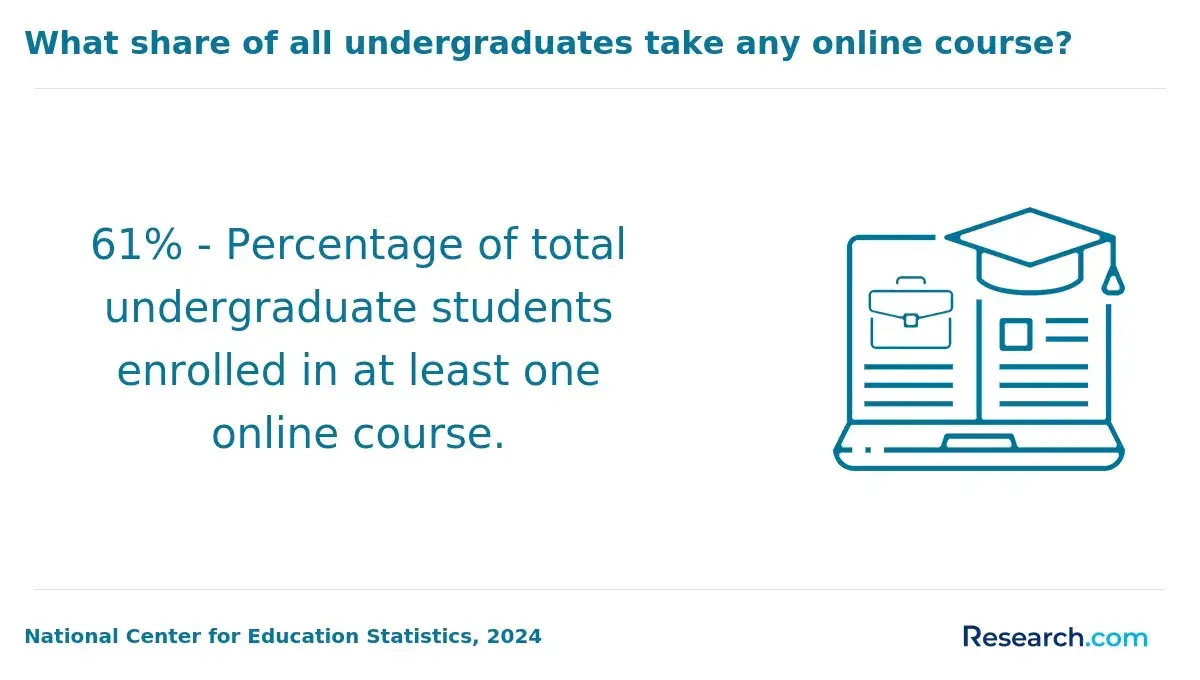
The return on investment (ROI) for supply chain management degree programs can vary significantly between online and on-campus formats due to differences in tuition costs, schedule flexibility, and career outcomes. With over 30% of higher education students now enrolled exclusively online, many prospective students consider how these factors impact their financial and professional returns. Comparing return on investment for online versus on-campus supply chain management degrees involves examining several key aspects.
- Tuition and fees: Online programs often have lower tuition, reducing upfront expenses. This makes them attractive to those seeking a cost-effective path, including options like the cheapest online business degree offerings.
- Opportunity cost: Online learners can maintain full-time employment, minimizing income loss during studies. In contrast, on-campus programs often require more time on campus, increasing opportunity costs.
- Time to completion: Flexible online scheduling can accelerate degree completion, allowing students to enter or advance in the workforce sooner, positively affecting overall ROI.
- Networking and career services: On-campus programs typically provide stronger in-person networking and access to campus recruiting, which may enhance job placement but require greater time investment.
- Employer perception and earnings: Some employers still favor traditional degrees, potentially affecting long-term earnings even if initial costs are higher for on-campus formats.
What Is the Average Salary After Earning a Supply Chain Management Degree?
Post-graduation salary is a key factor driving the return on investment (ROI) of a supply chain management degree, as it determines how quickly graduates can offset the cost of education. Graduates typically earn between $60,000 and $110,000 annually, reflecting a wide range influenced by various professional and personal factors. These supply chain management degree salary figures are critical for prospective students assessing the value of their investment.
Several factors influence average earnings with a supply chain degree, impacting ROI:
- Industry: Salary ranges differ across sectors such as manufacturing, retail, logistics, and technology, with high-demand industries offering better compensation to attract talent.
- Geographic location: Urban centers and regions with robust commercial activity command higher pay to accommodate increased living costs and market competition.
- Prior experience: Graduates with relevant work experience tend to start at higher salary levels and progress faster professionally, enhancing overall ROI.
- Specialization: Areas like procurement, logistics, or analytics influence earning potential, where technical specializations can yield premium salaries.
- Career level: Entry-level positions generally offer lower pay, whereas mid-to-senior management roles significantly boost compensation over time.
For those exploring related educational paths, comparing a supply chain management degree with options like a library science degree online program may also be insightful when considering cost versus salary prospects.
Does a Supply Chain Management Degree Lead to Promotions?
Promotions significantly enhance the return on investment (ROI) of a supply chain management degree through salary increases, broader responsibilities, and greater career mobility. These advancements translate into higher earning potential and increased professional opportunities over time.
A notable workforce trend is the emphasis on credential-based promotion, where formal education is becoming a key requirement for career advancement. Many employers prioritize candidates with relevant degrees for leadership roles, highlighting the growing importance of academic qualifications in the supply chain sector.
Key ways a supply chain management degree may impact promotion opportunities and ROI include:
- Credential requirements: Many organizations set formal education standards for mid- to senior-level positions. Holding a degree specifically in supply chain management often meets these prerequisites, making graduates more eligible for promotion.
- Leadership preparation: The curriculum equips students with strategic and management skills beyond technical knowledge, positioning them for roles involving greater responsibility and influence.
- Internal promotion policies: Companies frequently favor employees with advanced education in their internal advancement programs, increasing promotion prospects for degree holders.
- Employer tuition support: Many employers offer tuition assistance or reimbursement for relevant degrees, reducing upfront expenses and enhancing the overall ROI of the education investment.
- Experience and education synergy: Combining practical experience with a supply chain management degree provides a competitive edge in promotion decisions, as employers value this blend of applied knowledge and academic preparation.
For those evaluating career advancement with supply chain management degree options, it's important to recognize how this credential can improve promotion chances and financial returns. This degree is viewed as one of the highest paying bachelor degrees, reflecting its impact on career trajectories and salary growth. The impact of supply chain degree on promotion opportunities, paired with relevant work experience, can significantly strengthen an individual's professional standing in a competitive job market.
Which Industries Offer the Best ROI for Supply Chain Management Graduates?
The return on investment (ROI) for supply chain management graduates varies significantly across industries due to differences in salary levels, career progression, and the demand for specialized skills. Industries experiencing rapid growth and complex logistics challenges often provide stronger financial rewards and quicker advancement, making them attractive choices for career development.
Several industries commonly offer the highest paying industries for supply chain management graduates, driven by compensation growth, skill utilization, and long-term demand:
- Technology: Managing increasingly complex supply chains in technology requires specialized expertise, paired with lucrative salary packages and rapid career advancement opportunities that contribute to a high ROI.
- Healthcare and Pharmaceuticals: The critical, highly regulated nature of healthcare supply chains creates stable employment with growing specialization opportunities, fostering steady salary increases over time.
- Consumer Goods and Retail: Dynamic product turnover and constantly evolving consumer preferences demand skilled supply chain managers, resulting in solid pay and promotion potential.
- Manufacturing: As a traditional sector for supply chain roles, manufacturing offers stability and clear pathways into leadership positions, enhancing long-term ROI.
- Logistics and Transportation: Fundamental to supply chain operations, this sector offers consistent demand and the chance to develop niche expertise, maintaining strong career prospects.
Ultimately, the best industry sectors for supply chain management ROI depend on how closely graduates' skills match industry-specific demands and compensation competitiveness. Pursuing relevant online certificate programs can further boost these returns by aligning expertise with high-value opportunities in target industries.
Does Accreditation Affect ROI for a Supply Chain Management Degree?
Accreditation for supply chain management degree programs signifies formal verification that the curriculum meets established industry and educational standards. This endorsement ensures that the program's content aligns with current workforce demands, equipping students with relevant and practical skills. Employer recognition is a crucial factor tied to accreditation, as many companies prefer hiring graduates from accredited programs, viewing them as more prepared and competent. Additionally, accreditation often plays a vital role in qualifying students for financial aid and professional certification opportunities, enhancing the overall value of the degree.
Accredited programs tend to offer better long-term returns by fostering greater employer trust, which can improve job prospects and salary potential for graduates. These programs also facilitate credit transfers between institutions, supporting career flexibility and advancement. Furthermore, completion of an accredited supply chain management degree may be required for certain licenses or certifications, expanding professional options. Access to financial aid linked to accreditation can reduce upfront costs, further improving the return on educational investment over time.
Is a Supply Chain Management Degree Worth It?
The return on investment for a supply chain management degree depends largely on the cost of the program, the duration of study, and the financial benefits after graduation. Programs can vary from one to four years, depending on whether students pursue a master's or bachelor's degree, and whether they study online or on campus. Graduates often see competitive salaries, with median starting pay surpassing $60,000, and experienced professionals can earn considerably more. Career growth opportunities in logistics, procurement, and operations management enhance the financial upside, especially amid strong industry demand driven by expanding global trade and e-commerce.
Deciding if the degree is worth pursuing involves weighing factors like industry trends, program delivery, and personal career ambitions. Online programs may offer cost savings and greater flexibility, while scholarships and financial aid can reduce upfront expenses, improving overall ROI. The degree typically benefits those aiming for managerial or specialized roles but may be less advantageous for individuals who can gain similar expertise through certifications or work experience without substantial debt. Ultimately, students should assess how the program aligns with their professional goals and financial situation before committing.
What Graduates Say About The ROI of Their Supply Chain Management Degree
- Aaron: "Choosing a supply chain management degree felt like a strategic move towards a future-proof career. The tuition was a significant investment-around $40,000-but knowing the sector's growth and my improved earning potential, it was absolutely worth it. Since graduating, I've secured a management role that I wouldn't have qualified for without this degree. The ROI has been impressive on both professional and personal fronts. "
- Neil: "Enrolling in an online supply chain management program was a calculated decision influenced by the program's flexibility and relatively lower cost, typically about $25,000. Reflecting on my experience, the investment made sense as it allowed me to upskill without sacrificing my current job. This degree opened doors to advanced positions and gave me a solid foundation to navigate complex logistics challenges confidently. "
- Axel: "The part-time supply chain management degree program was affordable compared to the full-time alternatives, costing roughly $30,000 total. Balancing work and study was challenging but rewarding, as the degree directly contributed to a promotion within my company. It's a practical choice for anyone who wants a credible qualification without quitting their job, delivering clear long-term career value. "
Other Things You Should Know About Supply Chain Management Degrees
Emerging trends such as digitalization, sustainability, and the integration of AI in supply chain management could significantly impact ROI in 2027. These trends are reshaping the industry, leading to new efficiencies and potentially greater returns for program graduates equipped with relevant skills.
Gaining relevant work experience through internships or cooperative education while pursuing a supply chain management degree can increase ROI. Practical experience allows students to develop hands-on skills and build professional credentials. Employers often prefer candidates with experience, leading to higher starting salaries and improved career prospects.
In 2027, skills such as data analysis, strategic sourcing, and inventory management play a pivotal role in enhancing ROI for Supply Chain Management graduates. These competencies are in high demand, driving higher salary prospects, and allowing graduates to contribute directly to efficient and cost-effective supply chain operations.
References
- Is an Online MBA Worth It? Calculate Your ROI & Career Boost https://ebsedu.org/blog/is-an-online-mba-worth-it/
- Supply Chain Management Careers: Salaries, Growth & Opportunities | UAGC https://www.uagc.edu/blog/supply-chain-management-careers-salaries-growth-opportunities
- Supply Chain Manager Salary: Your 2025 Guide https://www.coursera.org/articles/supply-chain-manager-salary
- Tuition and Financial Aid | BS in Supply Chain Management https://www.qu.edu/schools/business/programs/bachelors-degree/supply-chain-management/tuition-and-financial-aid/
- How to Choose the Right Supply Chain Course for Your Goals https://cpscp.org/how-to-choose-the-right-supply-chain-course-for-your-goals/
- Key Factors for Successful Supply Chain Management - Industry 4.0 Science https://industry-science.com/en/articles/key-factors-for-successful-supply-chain-management/
- Online Vs. Campus Supply Chain Courses: Which is right for you? https://henryharvin.ae/blog/online-vs-campus-supply-chain-courses-which-is-right-for-you/
- Logistics and Supply Chain Management https://akademiata.pl/en/offer/bachelor/logistics-and-supply-chain-management/
- Purchase and supply chain management » Management – second-cycle programme » | WSZiB Kraków https://www.wszib.edu.pl/en/studies/management-second-cycle-programme/purchase-and-supply-chain-management/
- Navigating the Timeline: How Long Does It Take to Study Supply Chain Management? - Oreate AI Blog https://www.oreateai.com/blog/navigating-the-timeline-how-long-does-it-take-to-study-supply-chain-management/fc0eb265867b1dc8c0309a656ee86e78