
2027 Is a Supply Chain Management Online Degree Worth It?

Co-Founder and Chief Data Scientist
Online education continues to grow rapidly, with enrollment in distance learning programs increasing by over 30% in recent years. Many students are turning to online supply chain management degrees due to their convenience and the sector's expanding job opportunities, as global supply chain disruptions have underscored the need for skilled professionals. This surge demonstrates a rising interest in flexible learning paths tailored to industry demands.
This article aims to help prospective students evaluate whether an online supply chain management degree is worth pursuing. It examines crucial factors such as cost, program flexibility, accreditation, current job-market trends, and how employers perceive online qualifications, offering a comprehensive perspective on this educational investment.
Key Benefits of Online Supply Chain Management Degree
- Online supply chain management programs offer flexibility, allowing working professionals to balance studies and career advancement without relocating or pausing employment.
- The curriculum often aligns with industry needs, covering logistics, procurement, and data analytics, which enhances job readiness in a growing field projected to grow 19% by 2030.
- Graduates benefit from varied career paths in manufacturing, retail, and technology, with median salaries above $75,000, supporting strong return on educational investment.
Who Should Choose an Online Supply Chain Management Degree Program?
Online learning has become an increasingly practical option for many students due to its ability to accommodate diverse schedules and commitments. Its flexibility is especially valuable for individuals balancing work, family, and other responsibilities. This makes online programs an ideal choice for various types of learners.
The following groups are particularly well-suited for pursuing an online supply chain management degree:
- Working Professionals: These individuals can continue their careers while advancing their education. Online programs allow them to acquire new skills without interrupting their job routines.
- Adult Learners: Adults managing life's demands benefit from flexible schedules that let them fit coursework around personal obligations and other priorities.
- Career Changers: For those entering the supply chain field from a different background, online study provides a convenient way to earn a relevant degree while exploring new career paths.
- Students with Family or Personal Obligations: This group enjoys the freedom to study from any location, enabling them to maintain their educational goals alongside family and personal duties.
What Are the Pros and Cons of an Online Supply Chain Management Degree?
Online supply chain management programs have grown in popularity due to their ability to offer working professionals and students flexible learning schedules alongside career advancement opportunities. These programs combine industry-relevant coursework with asynchronous formats, meeting the needs of those balancing jobs and personal commitments.
Pros of an Online Supply Chain Management Degree
- Affordability and Financial Accessibility: Online degrees usually cost much less than on-campus options, with tuition sometimes as low as $360 per credit hour. Many schools also extend in-state tuition rates to online students nationwide, making an affordable online supply chain degree with career outcomes accessible to many.
- Flexibility for Working Professionals: The asynchronous course design allows students to study on their own schedules, ideal for full-time employees or those with families. This online supply chain management flexibility vs structure lets learners gain credentials without sacrificing their current job roles.
- Industry Connections and Practical Experience: Top programs partner with global companies like Boeing and Nike, offering internships and projects involving current supply chain software. These connections give students real-world experience and pathways to employment.
- Equal Access to Faculty and Resources: Online students benefit from the same expert faculty and academic support as on-campus peers, ensuring educational rigor matches convenience and flexibility.
Cons of an Online Supply Chain Management Degree
- Constant Technological Change: Supply chain management evolves rapidly with AI, blockchain, and IoT technologies. Students must commit to lifelong learning beyond the degree to stay competitive, which entails ongoing educational investments.
- Limited Hands-On Operational Exposure: While online internships exist, these programs can't fully replicate the immersive, real-time problem-solving found in physical operational settings, which employers often value highly.
- Networking Challenges: Virtual platforms do not fully replace spontaneous peer interactions and informal networking on campuses. Building professional relationships online requires intentional effort and self-discipline.
- Quality Variability Among Programs: Not all online degrees offer the same level of rigor or industry partnerships, making it essential to choose carefully. Some lack Fortune 500 ties or research opportunities that enhance program value.
For those exploring accelerated educational paths, accelerated undergraduate programs can also provide viable alternatives depending on career goals and time constraints.
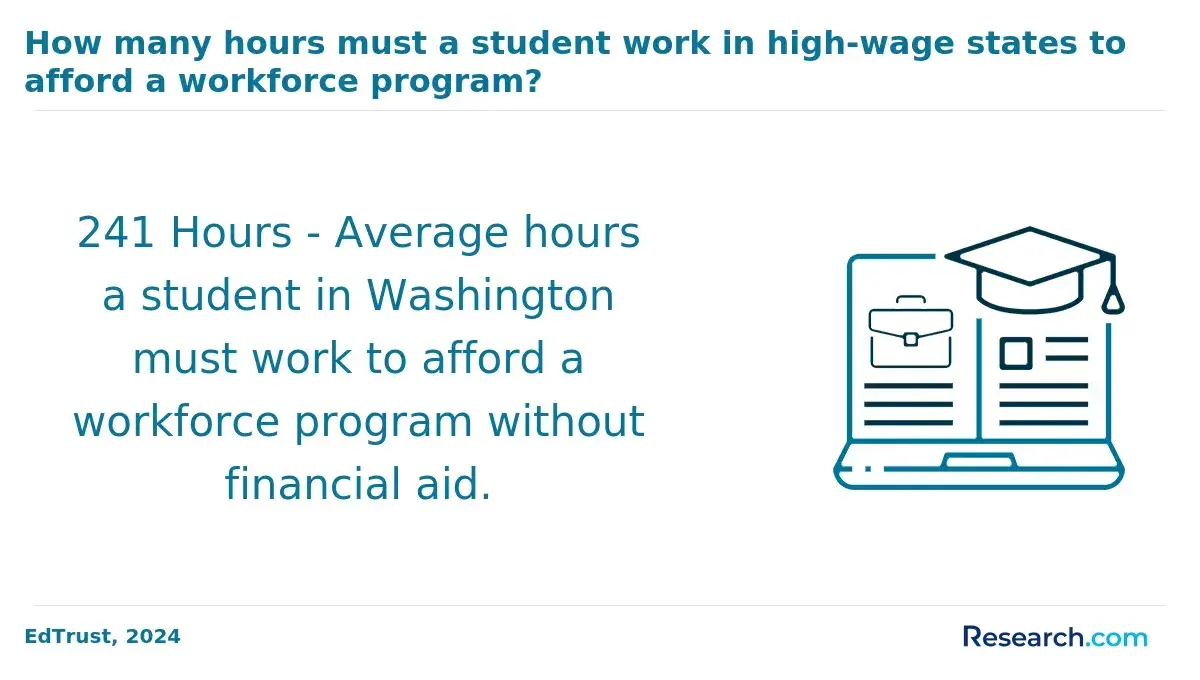
How Do AI-Enhanced Virtual Classrooms Work in Online Supply Chain Management Programs?
AI technologies have become central to modern online education by enhancing engagement and customizing content delivery. These innovations improve the learning experience for supply chain management students by offering tailored pathways and efficient assessment methods.
Below are key features illustrating how AI-powered virtual learning in supply chain management transforms online programs.
- Personalized learning paths: AI evaluates student performance data to create customized coursework, helping learners focus on areas that need improvement, which boosts understanding and retention.
- Automated and adaptive assessments: Assignments and quizzes are graded instantly by AI tools, providing quick feedback. Some programs incorporate AI-driven simulations for practical experience in real-world supply chain challenges.
- Enhanced collaboration: AI-powered chatbots and virtual assistants facilitate group projects by answering questions, suggesting relevant resources, and coordinating activities across different time zones efficiently.
- Data-driven support: By monitoring engagement, AI alerts instructors to students needing extra help, improving retention and academic success rates in these demanding programs.
Integrating artificial intelligence in online supply chain courses enables advanced topics like demand forecasting and risk mitigation to be taught interactively within virtual classrooms. Students interested in a certification that pay well often find these AI-enhanced tools prepare them for leadership roles in digital supply chain transformations.
What Technology Do You Need for an Online Supply Chain Management Degree?
Having the right technology setup is essential for success in modern online supply chain management programs. These programs rely heavily on digital tools and interactive platforms that reflect real-world industry practices, making reliable equipment crucial.
Below is a detailed list of the specific tools, equipment, and software students should prepare to meet computer and internet requirements for online supply chain management degree programs.
- Reliable Computer: A Windows or Mac computer with at least 8 GB of RAM and a 256 GB hard drive is recommended. This ensures smooth operation of specialized software used for data analysis, simulation, and multitasking during virtual classes and projects.
- Webcam and Microphone: Essential for participation in live lectures, group discussions, and presentations. Using a headset with a microphone or earbuds with a mic can improve sound quality and minimize distractions during collaborative sessions.
- Microsoft Office Suite: Programs like Word, Excel, PowerPoint, and Outlook are vital for creating reports, analyzing supply chain data, and maintaining clear communication with instructors and peers. Many universities provide free access to enrolled students.
- Specialized Software: Courses may require tools for supply chain simulation, data modeling, or project management such as SQL, R, or supply chain analytics platforms. Familiarity with these tools supports hands-on learning and practical application of concepts.
- High-Speed Internet Connection: A stable, high-speed internet connection is critical for streaming lectures, downloading assignments, and engaging in real-time activities, underscoring one of the best devices for virtual supply chain management courses.
Ensuring you have the proper technology not only facilitates day-to-day coursework but also prepares you for the tech-driven demands of supply chain roles in today's workforce. For students considering degree options, it is helpful to explore fields identified among the highest paying master degrees to gauge potential long-term benefits as well.
How Long Does It Take to Finish an Online Supply Chain Management in 2027?
Program length plays a key role for prospective students balancing education with work and life commitments, as it determines how quickly new skills can be applied. Online supply chain management degree timelines can vary widely based on program format and student pacing.
Below is a breakdown of typical completion times for these programs.
- Accelerated Programs: Some schools offer accelerated tracks that allow full-time students to graduate in as little as 18 months by leveraging self-paced assessments and flexible start dates. This option suits motivated learners seeking to finish quickly while managing other responsibilities.
- Standard Full-Time Track: Many students complete their degrees in about two to two and a half years, benefiting from a mix of scheduled courses and some flexibility in pacing. These programs often accommodate transferring credits and credit-by-exam options.
- Part-Time Enrollment: For those studying part time, degree completion can extend up to four years or more. Programs typically offer asynchronous classes and multiple start dates, allowing learners to customize their schedules for professional and personal needs.
- Competency-Based Learning: Programs that focus on mastery rather than seat time enable students to move faster if they demonstrate knowledge early, potentially reducing total time to degree completion.
Can You Work Full-Time While Completing an Online Supply Chain Management Degree?
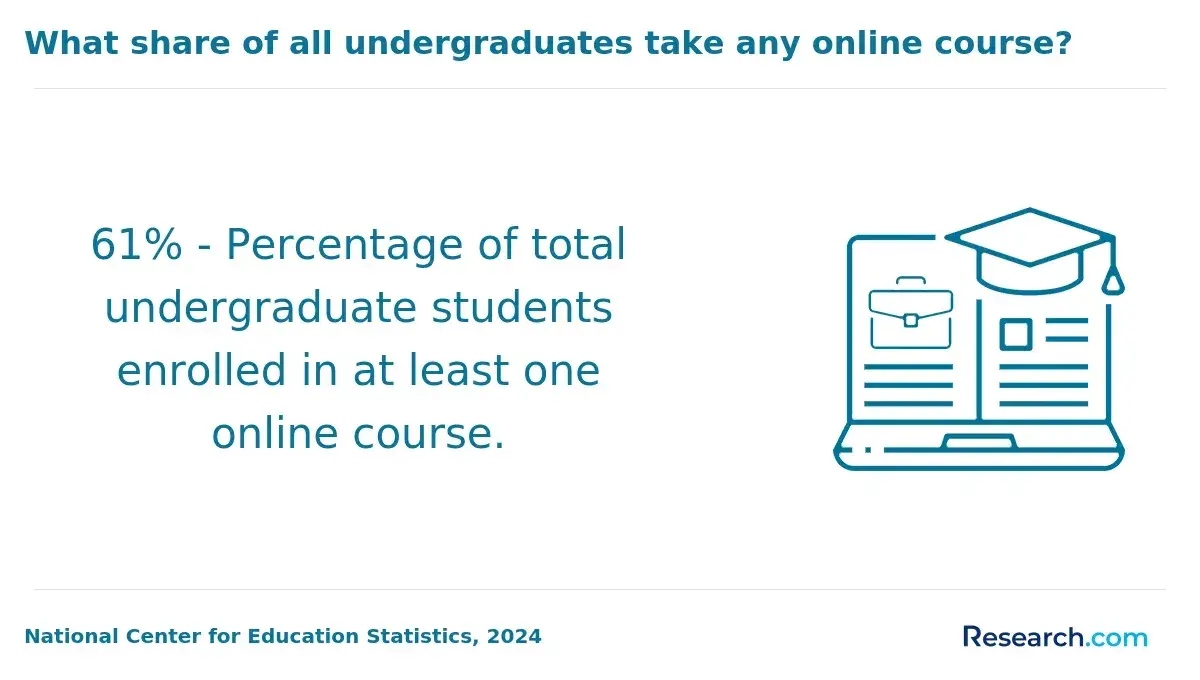
Many students worry about juggling a full-time job alongside online study, concerned that the demands might be overwhelming. This is especially true when programs expect significant weekly commitments. Several factors shape how well someone can balance work and an online supply chain management degree.
Key considerations include:
- Program pacing: Flexible or part-time options let students set a comfortable speed, often spreading master's coursework over one to two years to ease pressure.
- Asynchronous vs. synchronous courses: Courses that don't require fixed meeting times allow scheduling around work hours, but some live sessions may occur in evenings to accommodate professionals.
- Workload: Graduate students should plan for around 20-25 hours weekly, covering reading, assignments, and collaboration; undergraduates sometimes face lighter demands.
- Employer support: Access to tuition aid or flexible hours can significantly reduce stress, enabling focus on academic tasks.
- Time management: Strong organizational skills and resources like coaches help maintain progress without burnout.
When I spoke with a recent graduate who worked full-time during her online supply chain management studies, she shared the challenges of balancing deadlines with job responsibilities. She described late-night study sessions after work and the relief of asynchronous classes that let her plan study blocks during weekends.
Despite occasional fatigue, she emphasized that staying disciplined and leveraging support services made completing the degree alongside a career entirely feasible and rewarding.
How Do Online Supply Chain Management Degree Programs Help with Internships?
Internships are essential for gaining real-world experience and developing practical skills in supply chain management, preparing students for successful careers. Online degree programs recognize this need and provide multiple resources to help students secure and complete these vital work experiences.
These support systems include:
- Career Services Support: Dedicated coordinators assist students in finding internships that match their schedules and career goals, often partnering with leading companies to offer flexible, remote options.
- Virtual Career Fairs: Online events connect students directly with employers seeking supply chain interns, allowing for interactive networking without geographic constraints.
- Online Internship Platforms: Specialized job boards and databases focus on supply chain roles, making it easier for students to access relevant internship opportunities.
- Structured Practicum Courses: Academic programs incorporate internships for credit, with faculty oversight to ensure practical experience aligns with educational objectives.
- Mentorship and Networking: Programs provide access to industry professionals through mentorship relationships and virtual networking events, helping students build connections and receive guidance throughout their internships.
What Is the Average Tuition Cost of an Online Supply Chain Management Program?
Understanding tuition costs plays a vital role for students aiming to enroll in an online supply chain management degree, as it heavily influences financial planning and long-term affordability.
Below is a detailed look at key tuition factors to consider when comparing programs and budgeting for this field.
- Average Tuition Per Year: Online supply chain management bachelor's degrees generally cost between $5,000 and $10,500 annually, with some affordable options starting just above $5,000 per year.
- Tuition Per Credit: The cost per credit commonly ranges from $174 to $449, with public universities typically offering lower rates and private institutions charging on the higher side.
- Public vs. Private Institutions: Public schools usually deliver more budget-friendly tuition, especially for in-state students, sometimes as low as $174 per credit, while private universities can exceed $9,900 yearly tuition.
- In-State vs. Out-of-State Rates: Many online programs have uniform rates for all enrollees, but others impose higher out-of-state fees-some reaching above $33,000 annually compared to resident rates near $26,700.
- Additional Fees: Beyond tuition, students often face extra expenses like technology fees ($35 per course), online learning surcharges ($280 to $368 each semester), and mandatory resource fees around $200 per term.
A student pursuing an online supply chain management degree shared that navigating tuition concerns was initially overwhelming. He appreciated how some schools simplified fee structures, but found budgeting for extra costs tricky at times. "It wasn't just about the sticker price," he explained, "but understanding what else I'd need to pay each semester really helped me plan better."
While the tuition was a significant commitment, he felt confident the investment aligned with his career goals, emphasizing that careful research and financial strategizing made the journey manageable and worthwhile.
What Is the Average Salary for Someone with an Online Supply Chain Management Degree in 2027?
Understanding potential earnings is essential when assessing whether to pursue an online supply chain management degree. Knowing the salary outcomes helps gauge the value of your investment and career prospects.
Below are key salary insights revealing the earning potential for graduates in this field.
- Average Entry-Level Salary: Graduates typically start with salaries ranging from $60,000 to $62,590 annually, based on data from Southern New Hampshire University's online program. Entry-level pay reflects foundational skills and initial industry exposure for those holding a supply chain management degree online US.
- Mid-Career Salary: With experience, salaries increase significantly. Mid-level supply chain managers earn between $88,340 and $101,505, with some averages reported as high as $108,240 for bachelor's degree holders. The supply chain management graduate salary 2025 US shows this growth trend continuing as professionals advance.
- Salary by Industry: Industry choice greatly impacts earnings. Pharmaceutical and biotechnology sectors offer median salaries near $167,949, while information technology companies provide around $163,385. These sectors reward specialized skills and adaptability more than others in the supply chain space.
- Regional Salary Variations: Location influences compensation, with supply chain professionals in Ontario, California earning approximately $115,118 and those in Chicago earning $109,840. Smaller markets like Fort Myers, Florida pay around $66,814, reflecting local economic conditions and demand.
- Advanced Roles and Educational Premium: Supply chain directors earn median salaries near $137,580, procurement managers reach $159,000, and executive roles like chief supply chain officers can surpass $500,000 annually. Holding a graduate degree confers a significant premium, with median salaries rising to $119,000 according to the 2025 ASCM Supply Chain Salary and Career Report.
Those considering the best pathways to high-paying opportunities may also explore easiest online degrees that pay well, as supply chain management ranks prominently among them.
Which Industries Hire Graduates From Online Supply Chain Management Programs?
An online supply chain management degree offers remarkable versatility, preparing graduates for a wide range of professional fields. Its curriculum equips students with strategic procurement, logistics, and IT skills that apply across various industries.
Below is an overview of key sectors actively hiring graduates with these credentials, highlighting the career opportunities in supply chain management.
- Healthcare: The healthcare industry demands efficient supply chain professionals to manage pharmaceuticals and medical equipment logistics. Employers like AbbVie seek procurement specialists and logistics analysts who ensure timely delivery of critical supplies, helping operations run smoothly and safely.
- Technology: Tech giants such as IBM and Intel employ supply chain graduates for roles including operations managers and demand planners. These positions focus on inventory management, supplier coordination, and optimizing production timelines to maintain competitive advantage.
- Retail and E-commerce: Companies like Amazon rely heavily on skilled supply chain professionals to oversee fulfillment centers, inventory control, and distribution networks. The degree prepares graduates to tackle challenges in fast-paced retail environments and meet consumer demands efficiently.
- Manufacturing and Consumer Goods: PepsiCo and similar firms require supply chain experts to streamline procurement and logistics processes. Graduates support the end-to-end flow of raw materials to finished products, ensuring cost-effectiveness and quality.
- Renewable Energy and Logistics: This emerging sector increasingly hires supply chain professionals to manage complex transportation and procurement challenges. Job boards like Indeed and ZipRecruiter list remote positions, proving continued industry demand for these graduates.
Data from the University of Texas at Dallas shows over 400 companies hiring graduates of online supply chain programs between 2020 and 2024, demonstrating strong industries hiring supply chain management graduates. Ultimately, the degree opens doors to numerous career paths, as employers increasingly value the skills it provides across sectors.
For those curious about what trade school job pays the most, supply chain management ranks competitively among high-demand professions.
What Graduates of Online Supply Chain Management Programs Say About Their Degree
- Cade: "Pursuing an online supply chain management degree allowed me to learn at my own pace, which was crucial while balancing a full-time job. The coursework was practical and directly applicable, helping me secure a promotion within six months. Considering the average cost of attendance, it was a worthwhile investment in my career growth."
- Mohamed: "Choosing an online supply chain management program gave me the flexibility to tailor my studies around family commitments. Beyond the convenience, the affordable tuition fees made it accessible without compromising quality. This degree not only broadened my knowledge but also opened doors to new opportunities in logistics and operations."
- Axel: "The structured online supply chain management degree program equipped me with vital skills in procurement and inventory management efficiently. The cost was reasonable compared to traditional routes, and the ability to access expert instructors remotely enriched my learning experience. Professionally, it has sharpened my strategic thinking and boosted my confidence in managing complex supply networks."
Other Things You Should Know About Supply Chain Management Degrees
Yes, many employers recognize online supply chain management degrees, especially when earned from accredited institutions. The quality and reputation of the online program typically influence employer acceptance more than the format itself. Graduates from respected programs often compete equally with traditional degree holders in the job market.
Obtaining an online degree in supply chain management can open doors to promotions and leadership roles. The skills learned-such as logistics optimization, procurement, and inventory management-are critical in many industries. Employers value candidates who demonstrate up-to-date knowledge and formal education in these areas.
In 2027, certifications such as the Certified Supply Chain Professional (CSCP) and Certified in Logistics, Transportation and Distribution (CLTD) from APICS, as well as the Certified Professional in Supply Management (CPSM) from ISM, are valuable additions to a Supply Chain Management online degree.
References
- Unlock Global Opportunities with MSc Procurement, Logistics and Supply Chain Management from Sierra Leone https://rkc.swiss/master-of-science-in-procurement-logistics-and-supply-chain-management-from-sierra-leone
- Artificial Intelligence In Supply Chain Management https://wingswaytraining.com/artificial-intelligence-in-supply-chain-management/
- What can you do with a supply chain management degree? - FutureLearn https://www.futurelearn.com/info/blog/what-can-you-do-with-supply-chain-management-degree
- Artificial intelligence in supply chain management: A systematic literature review of empirical studies and research directions - ScienceDirect https://www.sciencedirect.com/science/article/pii/S0166361524000605
- Can I Work Full-Time While Earning an Online Degree? https://www.athens.edu/online-degree-completion-programs-working-adults/can-i-work-full-time-while-earning-an-online-degree/
- Supply Chain Management Careers | ASCM https://www.ascm.org/membership-community/career-resources/supply-chain-management-careers/
- Your Guide to Supply Chain Internships https://joinhandshake.com/blog/students/supply-chain-internships/
- What is AI in Supply Chain Management? Examples and Use Cases | SAP https://www.sap.com/resources/ai-in-supply-chain-management
- Tuition & Fees – Supply Chain and Logistics Management – Graduate Certificates & Minors | Oregon State Ecampus https://ecampus.oregonstate.edu/online-degrees/tuition/
- Online Master's MS in Supply Chain Management https://online.uky.edu/masters/supply-chain-management/ms


