
2027 Online vs On-Campus Sports Psychology Degree Programs: Pros & Cons

Co-Founder and Chief Data Scientist
The popularity of online sports psychology degrees has surged, with recent data showing a 12% increase in online enrollment nationwide over the past year. As more students consider flexible learning options, it is crucial to understand how online programs compare to traditional on-campus degrees.
This article examines the advantages and disadvantages of both formats, focusing on flexibility, cost, learning experience, and career outcomes. By providing a clear, expert analysis, prospective students can make informed decisions that align with their educational goals and professional aspirations in the evolving field of sports psychology.
Key Benefits of Online vs On-Campus Sports Psychology Degrees
- Online sports psychology degree programs offer flexibility, allowing students to balance coursework with work or personal commitments, with 68% of online learners citing convenience as their top reason for enrollment.
- Students in online programs often save an average of 40% on commuting and housing costs compared to on-campus counterparts, making the degree more affordable overall.
- On-campus sports psychology programs provide direct access to hands-on experience and networking, which 75% of employers consider valuable for career readiness in this field.
Are Online vs. On-Campus Sports Psychology Programs Structured the Same Way?
Online and on-campus sports psychology programs differ significantly in their structure, particularly in how courses are delivered, scheduled, and how students engage with faculty and peers. These differences cater to varying student needs, balancing flexibility against direct interaction and hands-on experience.
Below is a comparison of the key structural aspects between online and on-campus sports psychology degree formats:
- Course Delivery: Online programs use digital platforms for coursework, lectures, and assignments, allowing students to access materials anytime and anywhere. In contrast, on-campus programs require physical attendance, offering immediate feedback and hands-on activities like lab work that may be limited or simulated online.
- Class Schedules: Online courses often provide asynchronous scheduling with multiple start times or rolling enrollment, enabling students to work at their own pace alongside other commitments. On-campus programs follow a traditional academic calendar with fixed class times, requiring regular attendance and structured progression.
- Interaction and Collaboration: Online students communicate mainly through discussion boards, video calls, and virtual group projects, which offer convenience but may limit spontaneous interaction. Meanwhile, on-campus students benefit from daily face-to-face engagement, fostering richer discussions, mentorship, and networking opportunities.
- Hands-On Experience: Online formats may include virtual simulations or local practicum placements but typically restrict access to specialized facilities. On-campus learners can participate directly in laboratory research and utilize campus athletic resources for practical training.
- Faculty Engagement: Faculty interaction online is usually structured through scheduled video meetings or written feedback, providing flexibility but less immediacy. On-campus programs enable in-person advising and informal contact, enhancing personal academic relationships and supervision during practica.
Are Admission Requirements the Same for Online vs On-Campus Sports Psychology Degree Programs?
Colleges and universities generally uphold consistent academic standards for both online and on-campus sports psychology degree programs to ensure equivalent curriculum quality and learning outcomes. However, institutions may differ in how they assess applicants' readiness specifically for online learning environments.
Here is a comparison of key similarities and differences in admission requirements between the two program types, highlighting how each criterion is applied or adapted.
- Academic Qualifications: Both online and on-campus programs typically require a high school diploma or GED for undergraduate admission, with minimum GPA standards ranging roughly from 2.0 to 3.0, depending on the institution. Graduate applicants usually need a bachelor's degree and an undergraduate GPA of at least 3.0, consistent across both formats.
- Standardized Test Scores: SAT or ACT scores are commonly required for bachelor's program applicants on both online and campus tracks, although some online programs may be test-optional or waive tests for nontraditional students. GRE scores are more often requested for graduate-level admissions, particularly in on-campus sports psychology program entry criteria.
- Application Materials: Transcripts, letters of recommendation, and a personal statement or essay outlining the applicant's goals and interest in sports psychology are standard requirements for both formats. Online programs sometimes add requests for a resume or conduct background checks, especially for graduate study.
- Interview Process: Interviews may be required in both modalities; however, online programs frequently use virtual video interviews to evaluate communication skills and suitability for remote learning. On-campus interviews are more likely to be in-person.
- Technology Readiness: A distinct element for online applicants is demonstrating proficiency with digital platforms or submitting statements addressing independent study capabilities. Such requirements are uncommon in traditional on-campus admissions.
- Work Experience: Some graduate programs place optional emphasis on relevant professional experience, with online programs often highlighting this more to accommodate adult learners and working professionals.
- Flexibility and Cost: Online programs may offer flexible scheduling and accelerated formats, and often have lower tuition ranging from $8,000-$15,000 annually compared to on-campus costs exceeding $20,000. Both formats usually provide access to financial aid and scholarships.
- Career Prospects and Employer Perception: Graduates from both program types generally qualify for similar roles such as mental performance consultant or coach, with median salaries between $50,000 and $90,000. Employer acceptance of online degrees is increasingly positive, provided accreditation standards are met.
For those exploring options, resources on accelerated bachelor's degree programs may also provide additional insights relevant to online pathways.
Do Online Sports Psychology Students Receive the Same Academic Support as On-Campus Students?
Universities have significantly expanded their academic support systems to ensure that online sports psychology students receive resources and assistance comparable to those available to on-campus peers. This development reflects an institutional commitment to educational equity across learning formats.
Academic support services typically offered to both online and on-campus sports psychology students include the following:
- Tutoring Services: Online and on-campus students have access to subject-specific tutoring through virtual sessions or in-person appointments. Online platforms often feature 24/7 chat-based help and remote tutoring, offering flexibility for students balancing other commitments.
- Career Counseling: Both formats provide comprehensive career guidance, including resume workshops, interview preparation, and job placement assistance. Online students access these services through video calls, webinars, and digital career centers, ensuring equal professional development opportunities.
- Library Access: Digital libraries give online learners access to scholarly journals, e-books, and research databases comparable to on-campus collections. Universities also offer real-time librarian support via chat or email to assist online students effectively.
- Faculty Interaction: Online programs facilitate engagement through discussion forums, scheduled video calls, and instant messaging. Although on-campus students benefit from face-to-face interaction, many online students report higher perceived support thanks to accessible and responsive virtual communication.
- Peer Collaboration: Online cohorts use collaborative tools such as shared documents and video conferencing to foster community and group work, paralleling in-person study groups. Institutions continuously improve these platforms to enhance student interaction.
How Long Does It Take to Complete an Online vs an On-Campus Sports Psychology Degree?
The length of a sports psychology degree program can vary significantly depending on whether it is pursued online or on campus, as well as the student's pace and the scheduling flexibility offered. These factors shape how quickly students can complete their coursework and earn their degree.
Here is a comparison outlining the average completion times and key differences for online versus on-campus sports psychology degrees.
- Online sports psychology degree: Most online bachelor's programs are structured to be completed in about four years of full-time study, similar to traditional formats. However, accelerated options exist, with some programs allowing completion in as little as 16 months through condensed courses and year-round enrollment, providing substantial scheduling flexibility for balancing work or family commitments.
- On-campus sports psychology degree: Traditional on-campus degrees generally require four years for a bachelor's and 18-24 months for a master's when studying full time. These programs follow a semester-based calendar with set start dates and fixed class schedules, limiting the ability to accelerate completion but offering in-person academic support and direct interaction with faculty.
A professional who completed an online sports psychology degree shared his experience, noting that while the four-year timeline is typical, he was able to expedite his graduation by leveraging transfer credits and taking accelerated courses during summer terms. He recalled how challenging it was to juggle a full-time job and family life alongside his studies but appreciated the asynchronous modules that allowed him to work at his own pace.
"I felt pressure at times, especially during condensed sessions where deadlines came quickly, yet the ability to customize my schedule kept me motivated." He emphasized that without the flexibility of the online format, completing the degree in under three years wouldn't have been possible given his personal circumstances, highlighting how these programs can adapt to different student needs while maintaining academic rigor.
Are Online Sports Psychology Programs Cheaper Than On-Campus Ones?
Tuition, fees, and other expenses for online Sports Psychology programs are generally lower compared to their on-campus counterparts, making them an increasingly attractive option for many students. Understanding the differences in cost components can help prospective learners make informed decisions about their education investments.
Below is a breakdown of the main cost factors influencing the total price of online and on-campus sports psychology degrees to help compare online vs on-campus sports psychology tuition effectively.
- Tuition and Fees: Online sports psychology programs often cost 20-40% less than traditional on-campus programs due to reduced overhead for universities. For instance, while on-campus graduate tuition averages about $13,300 per year, online courses may charge between $429 and $520 per credit hour with accelerated options, lowering the overall cost significantly.
- Living Expenses: On-campus students typically incur housing, meal plans, and commuting expenses, which average around $11,985 annually, plus an additional $3,045 for other living costs. Online students frequently save thousands by living at home or in more affordable locations, eliminating campus-related housing and meal expenses.
- Technology Costs: Online learners may need to invest in reliable computers, internet access, and specialized software. Although these costs exist, they are generally minor compared to the extensive savings on housing and commuting. Some programs may also charge modest technology or proctoring fees.
- Financial Aid Availability: Both online and on-campus students are usually eligible for federal aid and scholarships if the program is accredited. However, certain scholarships may be restricted to on-campus students, so it is important for prospective online learners to verify their eligibility in advance.
- Schedule Flexibility and Opportunity Cost: Online programs often provide flexible scheduling, enabling students to work while studying. This flexibility can reduce opportunity costs related to lost wages-an important consideration alongside the average cost of online sports psychology degree programs.
For those seeking more options, exploring open admission universities with online programs can provide additional affordable pathways in sports psychology and related fields.
What Are the Financial Aid Options for Online vs On-Campus Sports Psychology Programs?
Both online and on-campus sports psychology students in the United States may qualify for financial aid, but eligibility and accessibility can differ based on the program format and the policies of individual institutions. Understanding these distinctions can help prospective students navigate their options more effectively.
The following outlines and compares the main financial aid options available for both online and on-campus sports psychology students.
- Federal Aid (FAFSA-based Grants and Loans): Federal financial aid such as Pell Grants, Stafford Loans, and federal Work-Study programs are generally available to both online and on-campus students, provided the institutions are accredited and enroll students at least half-time. Online students can receive the same federal funding as their on-campus counterparts if their institution participates in federal aid programs and the FAFSA is properly submitted.
- State Aid: State grants and scholarships often require residency or attendance at affiliated institutions. While some online learners qualify if their program is based at a state school or recognized by the state, other state aid programs may limit access to students physically attending campus. Regional tuition agreements can sometimes extend benefits to online students.
- Scholarships and Grants: Numerous scholarships and grants exist specifically for sports psychology students. Many are open to both online and in-person students based on merit, need, or identity. However, some awards, including graduate assistantships or campus-specific scholarships, may be restricted to on-campus attendees due to in-person responsibilities. Exploring scholarships and grants for sports psychology students is key for reducing program costs.
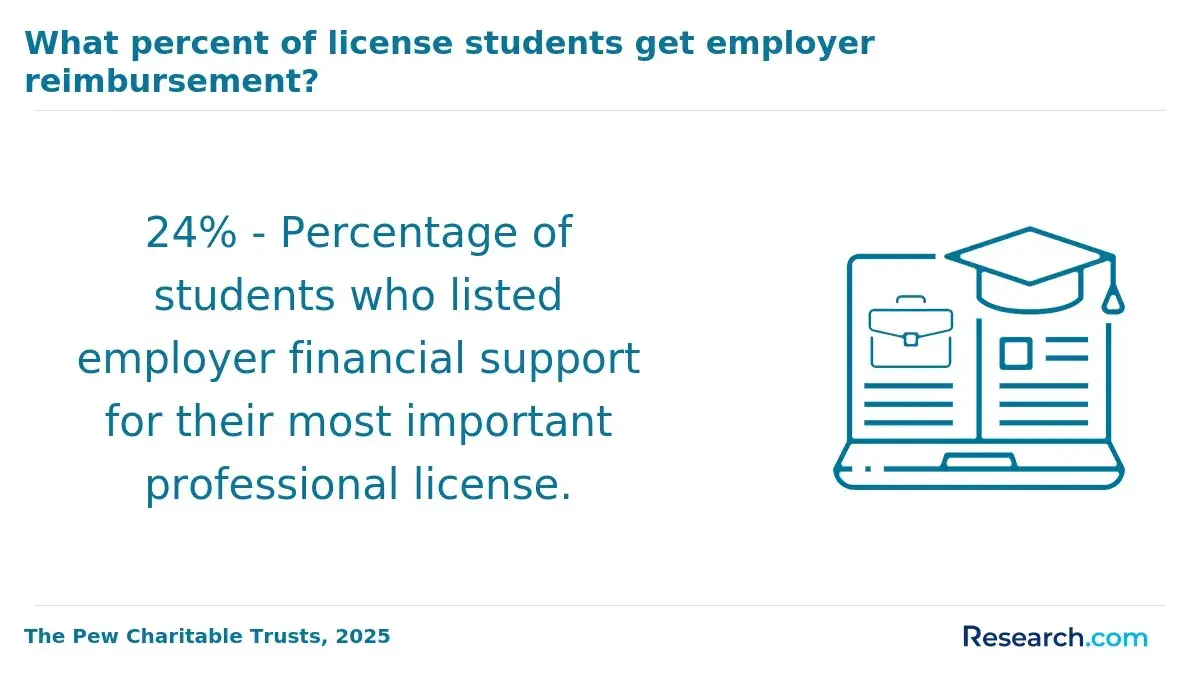
- Employer Tuition Reimbursement: Tuition reimbursement programs are increasingly popular among employers, especially in health and wellness fields. This benefit applies equally to online and on-campus students, with online programs offering particular appeal due to scheduling flexibility for working professionals.
- Private Student Loans: Private loans from banks or lenders are accessible to all students but often have higher interest rates and less flexible repayment than federal options. Eligibility depends largely on creditworthiness rather than the delivery format of the sports psychology program.
Students interested in more affordable options might also consider online master degree cheap programs which can reduce overall educational expenses while maintaining access to various financial aid options. For detailed comparisons and affordable program lists, see online master degree cheap.
Are Online Sports Psychology Programs as Credible as On-Campus Ones?
Accreditation, faculty qualifications, and curriculum standards play a crucial role in establishing the credibility of both online and on-campus sports psychology programs. Many reputable online programs, such as those at National University, Capella University, and Arizona State University, maintain regional accreditation and offer curricula closely aligned with their on-campus counterparts.
These online programs often feature faculty with advanced degrees and professional credentials like the Certified Mental Performance Consultant (CMPC) certification, ensuring academic rigor and expertise. Additionally, while hands-on practicum experiences are a key component of applied learning, online degrees strive to provide mentored training opportunities, though securing these can be more challenging in fully remote formats. Accreditation guarantees that both delivery methods meet high academic standards, which is vital for credibility.
Perceptions among employers, academic institutions, and licensing bodies regarding online versus on-campus sports psychology degrees are evolving positively. A 2023 Northeastern University survey found that 61% of HR leaders now view online degrees from accredited schools as equivalent to those earned on campus, reflecting growing acceptance fueled by improvements in virtual learning technologies and program quality.
However, some graduate programs and licensing boards remain cautious, particularly since no fully online sports psychology master's programs currently hold APA accreditation. Innovations such as interactive simulations and partnerships with sports organizations are enhancing the quality and reputation of online education, helping bridge the gap with traditional formats. These advances contribute to increasing competitiveness of online programs in terms of career advancement and salary potential within the sports psychology field.
Do Employers Prefer Online vs On-Campus Sports Psychology Degrees?
Employers in the United States increasingly regard online sports psychology degrees as comparable to those earned on campus, particularly when the degree comes from an accredited and well-recognized institution. According to recent surveys, such as the NACE Job Outlook 2024, 87.4% of employers have hired new graduates holding online degrees, with no reported difference in starting salaries between online and in-person graduates.
Despite this growing acceptance, some subtle distinctions remain: data from GMAC reveals that while 54% of employers see graduates from both formats as equally valuable, in-person graduates may sometimes be perceived as having stronger leadership and communication skills.
University reputation and program accreditation play a crucial role in shaping employer attitudes, with 83% of business leaders valuing online degrees from established schools as equal to traditional ones. However, degrees from exclusively online institutions might still face some skepticism, underscoring the importance of institutional prestige.
The rise of remote and hybrid work environments has also influenced employer perceptions, making online education far more mainstream and accepted. Employers are increasingly prioritizing demonstrated skills and competencies over the mode of instruction, acknowledging that productivity and effective skill development are not confined to traditional settings.
Over 70% of organizations report hiring candidates with online degrees in the past year, reflecting a shift toward a skills-based evaluation rather than format bias. Moreover, 96% of online graduates report favorable employment outcomes, reinforcing the strong career opportunities available to online sports psychology students. Ultimately, whether the degree is earned online or on campus, factors like university reputation, accreditation, and a candidate's proven abilities decisively influence hiring decisions.
When I recently spoke with a professional who completed her sports psychology degree online, she shared that her journey reflected many of these trends firsthand. She emphasized how the program's strong reputation and accreditation were pivotal in employer acceptance, noting that "once they saw the credential and my relevant internship experience, the fact it was online did not come up in interviews."
She also pointed out the flexibility of online learning allowed her to gain real-world experience concurrently, which she believes gave her an edge. "Employers appreciated that I could balance work and study effectively," she reflected, adding that her successful hiring outcome confirmed the growing respect employers have for well-rounded candidates from reputable online programs.
Do Online vs On-Campus Sports Psychology Program Graduates Earn the Same Salaries?
Salary comparisons between online and on-campus sports psychology graduates are increasingly shaped by employer perceptions of program quality, accreditation, and professional experience rather than the learning format itself. As hiring managers adapt to evolving workforce needs and digital education, the distinction between these degree types has less impact on earning potential.
Key factors influencing the average salary for online sports psychology degree graduates in the US and salary comparison between online and on-campus sports psychology programs include:
- Accreditation and Program Reputation: Employers prioritize degrees from regionally accredited institutions with strong reputations, regardless of delivery mode. Graduates from reputable online and on-campus programs typically have similar salary prospects, with the latest average salary for sports psychologists near $80,160 annually.
- Licensure and Clinical Training: Meeting state licensure requirements, including supervised clinical hours and exams, significantly impacts salary and job eligibility. Both online and on-campus programs offer pathways to licensure, resulting in comparable earning potential, supported by a median psychologist salary of $92,740 as reported by the Bureau of Labor Statistics in 2023.
- Work Setting and Specialization: Salary varies more by employment setting than degree format. Private practice and professional sports teams offer the highest salaries often exceeding $100,000, while entry-level roles in universities or clinics generally start around $76,550 to $90,000. Specialized certifications like Certified Mental Performance Consultant can further boost income to about $85,000 annually.
- Employer Perception and Market Trends: The stigma against online degrees has lessened, especially post-pandemic, with most employers focusing on credentials over format. Still, some elite sports organizations and academic institutions may marginally prefer on-campus graduates from prestigious schools, though this preference is rare.
- Professional Networking and Internships: Access to networking and hands-on experiences strongly affects salaries. While on-campus programs may provide more face-to-face opportunities, many online programs now offer robust virtual networking and placement support, leveling the playing field for graduates.
For students seeking quality education without the barriers of application fees, exploring accredited online universities with no application fee can open additional options while maintaining salary competitiveness.
How Do You Decide Whether an Online vs On-Campus Sports Psychology Program Is Right for You?
Choosing between online and on-campus sports psychology programs depends largely on your personal learning preferences, lifestyle, and long-term professional goals. Both options offer accredited degrees, but understanding your individual needs is essential to selecting the right format for you.
Below are key factors to consider when deciding which format fits best with your education and career plans, helping you effectively compare online and on-campus sports psychology degrees.
- Learning style: On-campus programs suit students who thrive in interactive, face-to-face settings that encourage immediate discussion and hands-on learning. In contrast, online programs rely on asynchronous lectures and written communication, making them ideal for self-motivated learners comfortable with technology and independent study.
- Flexibility needs: Online degrees typically offer greater scheduling flexibility, allowing students to access coursework at convenient times. This benefit is particularly valuable for working professionals or those balancing family commitments; some online master's programs can be completed in as few as 15 to 22 months.
- Budget: Generally, online sports psychology degrees are more cost-effective since they eliminate expenses such as housing, commuting, and campus fees. For example, some programs emphasize affordability so you can pursue your degree without incurring significant living costs.
- Networking opportunities: On-campus study provides more frequent in-person interactions with peers and faculty, which can lead to internships and research opportunities. While many online programs now offer virtual networking events, these may not fully replace the depth of connections formed on campus.
- Access to campus resources: Students studying on campus benefit from direct access to facilities such as labs, counseling centers, and athletic departments-important for those seeking hands-on practicum experience. Online students primarily use digital collaboration tools and virtual resources, which can be comprehensive but sometimes lack the breadth of in-person support.
If you want to explore choices further, consider checking out the best accredited online trade schools for a perspective on program quality. By carefully evaluating these factors alongside professional objectives, you can make an informed decision when choosing the best sports psychology program for your needs.
Here's What Graduates of Online vs On-Campus Sports Psychology Programs Have to Say About Their Degree
- Keoni: "Completing my sports psychology degree online allowed me the flexibility to balance my studies with a full-time job and family responsibilities. The virtual format was immersive, with engaging discussions and real-world applications that prepared me well for the workforce. Since graduating, I've been able to start a career helping athletes optimize their mental resilience without relocating or interrupting my life. This experience truly empowered me to grow both professionally and personally while maintaining my unique schedule."
- Felix: "Attending the sports psychology program on campus was an eye-opening experience that fostered deep connections with professors and peers who share a passion for the field. The face-to-face mentorship and access to on-site facilities provided invaluable hands-on learning opportunities that online programs can't fully replicate. This background gave me a competitive edge when entering the job market, allowing me to impact community sports initiatives with confidence and expertise."
- Era: "The hybrid sports psychology degree gave me the best of both worlds-flexibility to study remotely combined with the chance to engage directly during on-campus sessions. This format helped me develop strong self-discipline while building meaningful relationships through in-person workshops. The career support from both online and campus advisors opened doors for collaborative research projects and professional advancement, strengthening my commitment to fostering athlete well-being."
Other Things You Should Know About Online & On-Campus Sports Psychology Degree Programs
Yes, online sports psychology education offers flexibility, allowing working professionals to balance studies with their career. With asynchronous classes and a self-paced format, online programs enable learners to integrate coursework into their schedules without compromising professional responsibilities or opportunities for career advancement.
Online sports psychology programs in 2027 often incorporate virtual simulations and remote internships to address practical training. However, they may lack the immediate hands-on experience and networking opportunities of on-campus settings, which could be crucial in fields requiring interpersonal skills and direct client interaction.
References
- Online Bachelor of Science in Sports Psychology – Faulkner University https://www.faulkner.edu/online/online-bachelor-degrees/sports-psychology/
- Sports Psychology Degree Programs Online and In-Person | UWS https://www.uws.edu/sport-performance-psychology/
- Careers With a Sports Psychology Degree | National University https://www.nu.edu/blog/sports-psychology-degree/
- Online learning in higher education in the UK: Exploring the experiences of sports students and staff - ScienceDirect https://www.sciencedirect.com/science/article/pii/S1473837622000302
- The Problem With Exclusively Online Degree Programs https://tcf.org/content/commentary/the-problem-with-exclusively-online-degree-programs/
- Cost of Online Education vs. Traditional Education [2025]: Comparison https://educationdata.org/cost-of-online-education-vs-traditional-education
- Sports Psychology Programs & Degrees 2025 Guide https://careersinpsychology.org/top-sports-psychology-degree-programs/


