2027 Highest-Paying Jobs with a Global Studies Master's Degree

Co-Founder and Chief Data Scientist
Many mid-career professionals with a master's degree in global studies face uncertainty about which career paths yield the highest financial returns. Despite growing demand for expertise in international relations, economic development, and cultural analysis, salary disparities remain significant. According to recent data, 35% of global studies graduates earn less than $50,000 annually within five years of graduation, highlighting the challenge of translating academic skills into high-paying roles. This article examines the top-paying jobs tailored to global studies graduates, aiming to guide professionals toward maximizing their investment by targeting rewarding and lucrative career options.
Key Benefits of the Highest-Paying Jobs with a Global Studies Master's Degree
- Pursuing the highest-paying global studies master's degrees offers immediate access to specialized roles averaging 20% higher starting salaries than general programs.
- These programs often include leadership training, accelerating progression to executive compensation levels within 5-7 years post-graduation.
- Graduates benefit from strong job security and long-term financial stability in high-demand sectors including international development, diplomacy, and global finance.
What Are the Highest-Paying Jobs With a Global Studies Master's Degree?
Earning a master's degree in global studies significantly enhances access to senior-level and well-compensated roles, with professionals in international affairs frequently earning median salaries above $100,000 annually according to the U.S. Bureau of Labor Statistics. This degree equips graduates with crucial expertise in international relations, strategic policy analysis, and cross-cultural communication, making them valuable assets in various high-impact positions. Below are five of the highest-paying jobs associated with a global studies master's degree.
- International Development Manager: Oversees global projects that drive economic and social progress, requiring leadership in coordinating diverse stakeholders and managing large budgets. Typically found in NGOs or multilateral agencies, this role commands high salaries due to its strategic significance and complex project execution.
- Foreign Service Officer: Acts as a diplomatic representative handling bilateral relations and policy advocacy. This position demands advanced negotiation skills and deep geopolitical knowledge, with compensation reflecting the responsibility of fostering critical diplomatic networks.
- Global Supply Chain Director: Leads international logistics coordination and supplier relations across borders. The role involves optimizing supply chains to improve efficiency and profitability in major corporations, justifying its premium salary.
- International Trade Analyst: Provides expert analysis of market trends, trade policies, and risk, influencing economic decisions. Often employed by government or private sectors, this role requires specialized expertise, resulting in high earning potential.
- Human Rights Consultant: Advises organizations on international human rights laws and ethical practices, contributing leadership or niche legal expertise in global frameworks. This specialization supports its position among the top global studies master's degree careers by salary.
For professionals seeking to advance their careers through specialized education, exploring options such as BCBA programs can also offer valuable pathways.
Which Industries Offer the Highest Salaries for Global Studies Master's Graduates?
Salary potential for global studies master's graduates varies significantly by industry due to differences in market demand, revenue scale, and operational complexity. Recent data shows that sectors deeply connected to international markets often pay up to 30% more than average for professionals with this expertise. These variations reflect the need for specialized knowledge in navigating complex global environments. Below are some of the highest paying industries for global studies master's graduates.
- Finance: This industry offers robust salaries as firms rely on global studies expertise to navigate international investments and comply with diverse financial regulations. Professionals help manage risks and identify opportunities in rapidly changing geopolitical landscapes.
- Consulting: Global studies graduates are valued for designing adaptable strategies across different markets. Their understanding of cultural diversity and political environments enhances consulting firms' ability to deliver effective, customized solutions to multinational clients.
- International Development: Organizations in this sector prioritize candidates who understand cross-border economic, social, and political factors. Their complex projects require knowledge to optimize impact and manage international partnerships effectively.
- Technology: Rapidly globalizing tech companies reward insights into international regulations and market entry strategies. Global studies professionals contribute to innovation by aligning product development with global trends and geopolitical shifts.
- Energy: Firms in this sector depend on managing global supply chains and associated geopolitical risks. Expertise in global studies helps anticipate policy changes and ensure continuity in volatile environments.
The top sectors hiring global studies master's degree holders tend to reflect these themes, demonstrating a direct link between strategic global insight and compensation growth. Mid-career professionals considering advanced degrees may also explore related options such as 2 year EDD programs online to diversify their skill set and increase earning potential.
What Is the Starting Salary with a Global Studies Master's Degree?
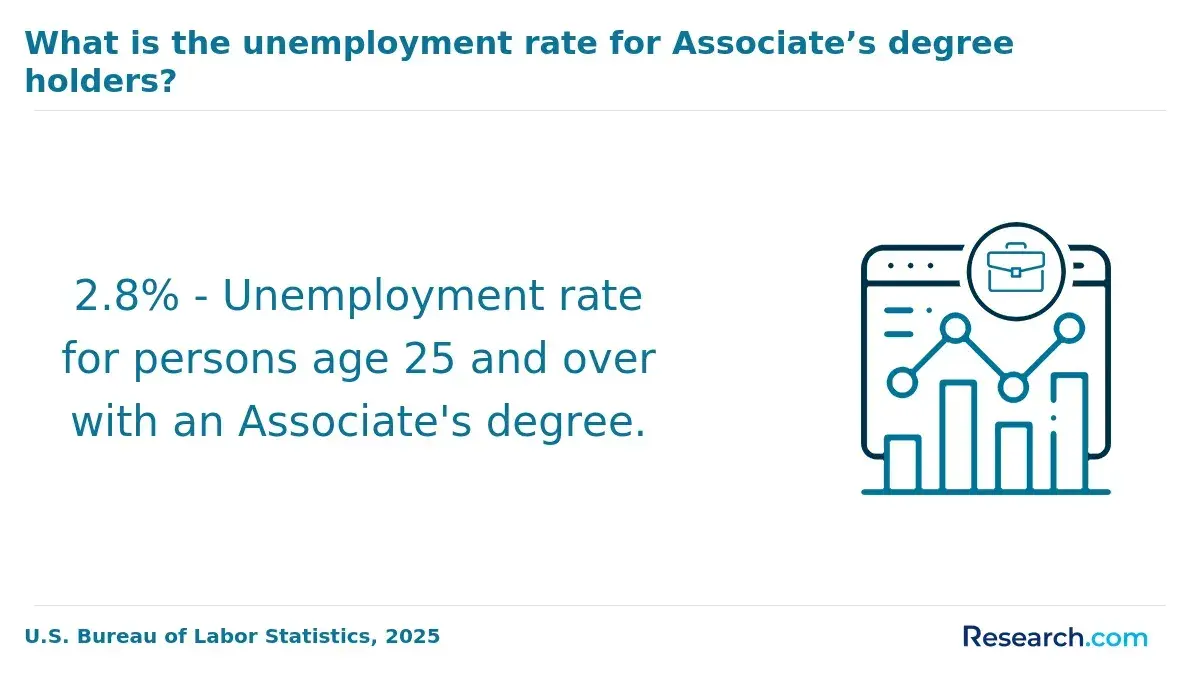
Starting salaries for graduates with a master's degree in global studies differ largely due to variations in job function, prior work experience, and current market conditions. The National Association of Colleges and Employers (NACE) reports that the average entry-level pay with a master's in global studies and related social sciences hovers around $60,000 annually. Several critical elements impact these beginning salaries:
- Job Role: Different sectors like international development, policy analysis, or global commerce offer varied compensation. Positions demanding specialized knowledge or technical skills usually provide higher starting wages.
- Experience: Early-career candidates with internships, volunteer engagements, or relevant past employment often receive better offers by showcasing applicable skills and practical understanding.
- Skills and Certifications: Mastery of foreign languages, proficiency in data analytics, or recognized project management credentials elevate a graduate's attractiveness to employers, often leading to improved starting packages.
- Networking Opportunities: Building professional connections enables access to less visible or higher-paying roles, helping graduates negotiate stronger salary terms.
- Market Demand: Current economic trends and global challenges influence employer priorities, meaning demand for certain expertise can boost initial compensation.
Prospective students aiming to maximize the starting salary for global studies master's degree graduates should focus on skill development, hands-on experience, and strategic networking. For more about related fields, exploring the most lucrative degrees can offer useful context.
Which States Pay the Highest Salaries for Global Studies Master's Degree Holders?
Compensation for master's degree holders in global studies differs widely across U.S. states, influenced by factors like living costs, demand for niche expertise, and concentrations of global industries. Recent research indicates that some regions provide wage premiums up to 20% higher than the national average for these graduates, reflecting their alignment with international commerce, policy, and nonprofit sectors. Below are five states notable for offering top salaries to global studies master's recipients.
- Washington: The Seattle area's robust international trade and technology sectors fuel a high demand for professionals with global knowledge. This concentration results in elevated salaries driven by competition among employers seeking specialized skills.
- New York: The state's status as a hub for international organizations, financial centers, and diplomatic entities creates numerous opportunities requiring advanced global expertise, driving compensation upward.
- California: Its diverse economy includes significant nonprofit and government programs focused on global outreach, which supports premium wages for those with global studies backgrounds.
- Virginia: Proximity to national and international government agencies and contractors focused on policy and security allows for competitive pay rates tied to global affairs roles.
- Massachusetts: Emphasizing education, research, and international development, the state places high value on advanced global studies competencies, reflected in salaries above average.
When I asked a graduate of a global studies master's program about the salary landscape, he described the challenge of balancing passion with financial realities. "Navigating offers across states meant weighing not just paychecks but also living costs and career growth," he recalled. Early in his search, he found it frustrating that high-paying roles often demanded niche skills or prior experience in highly specialized sectors. "It wasn't just about having the degree; it was about showing how I could apply my expertise to complex international issues," he explained, underscoring how regional market dynamics shape earning potential.
Which Global Studies Master's Specializations Lead to the Highest Salaries?
Specializing within a global studies master's program can notably enhance earning potential, with some fields offering wage premiums up to 20% above generalist roles due to rising demand for specialized knowledge. These areas reflect the critical skills employers seek to tackle intricate global problems. Here are some of the top-paying specializations:
- International Security and Conflict Resolution: Experts in this field are highly sought after by governments and international organizations addressing global threats and diplomatic challenges. Their expertise supports initiatives in peacekeeping, strategic policy, and crisis management, which drive their elevated salaries.
- Global Economic Policy and Development: Specialists play a vital role in designing and implementing economic strategies that influence international markets. Their work in policy formulation helps stabilize economies and guide development in volatile financial environments, adding significant value to employers.
- Cybersecurity and Global Risk Management: With cyber threats escalating worldwide, professionals skilled in protecting digital infrastructure and managing risks command premium compensation. Their abilities are essential for safeguarding multinational operations and data integrity.
- International Trade and Finance: This specialization focuses on navigating complex global financial regulations and facilitating cross-border investments. The demand for experts who can optimize trade flows and compliance drives attractive salaries.
- Environmental Policy and Sustainability: As organizations prioritize addressing climate change and sustainability goals, specialists in this area secure higher pay by enabling adherence to international standards and promoting environmentally responsible practices that are increasingly valued.
What Skills Can Increase the Salary of a Global Studies Master's Degree Graduate?
While earning a master's degree in global studies can boost earning potential, the actual salary increase often depends on honing specific technical and leadership abilities. Employers report that candidates with enhanced analytical and communication skills may receive salary premiums of up to 20% compared to those lacking these competencies. The following core skills are especially valuable for graduates seeking higher-paying positions.
- Cross-Cultural Communication: Mastery in interacting across diverse cultural contexts is crucial for coordinating multinational teams and negotiating international agreements. This skill supports roles requiring diplomacy and stakeholder engagement, both of which command premium compensation.
- Data Analysis and Quantitative Research: Proficiency in interpreting complex datasets empowers graduates to provide evidence-based insights and inform strategic decisions. Employers prize this ability for its role in optimizing policy outcomes and operational efficiency.
- Project Management: Effective management of global projects ensures timely delivery and resource allocation, improving organizational reliability. This competence is linked to leadership roles that oversee international initiatives and command higher salaries.
- Foreign Language Proficiency: Fluency in additional languages broadens access to international markets and client bases. Bilingual or multilingual professionals often receive enhanced remuneration for their ability to bridge communication gaps and expand organizational reach.
- Strategic Leadership: Guiding organizations through global complexities requires strong vision and decision-making capabilities. Graduates who demonstrate strategic foresight are highly sought after for executive positions with increased pay scales.
When discussing these skill sets with a working professional pursuing a global studies master's degree, she reflected on the immersive challenges of balancing coursework with a demanding job. "Developing strategic leadership wasn't just academic; it was about applying decision-making frameworks in real-time, often under pressure," she explained. She described how navigating language barriers during internships taught her patience and adaptability, deepening her appreciation for cross-cultural nuances. Although rigorous, mastering these skills felt rewarding, shaping her confidence to pursue roles with greater responsibility and compensation. "Each challenge reinforced why these competencies aren't just beneficial-they're essential," she concluded.
Is There a Salary Difference Between Online and On-Campus Global Studies Master's Graduates?
Prospective master's students often wonder if the format of their global studies master's program-online versus on-campus-affects their earning potential after graduation. A significant 72% of employers now consider online degrees comparable to traditional ones, reflecting growing acceptance of virtual education. This shift encourages a closer look at whether salary differences truly exist between these program formats.
Analysis shows that wage differences between online and on-campus global studies graduates are minimal or nonexistent in most cases. Instead, factors such as institutional reputation, relevant prior work experience, and networking opportunities play a much larger role in determining compensation. Employer perceptions have evolved, increasingly valuing skills and outcomes over how education was delivered, which benefits graduates regardless of format.
Hiring trends now emphasize practical experience and alumni connections as key career boosters. While online programs once faced stigma, improving technology and wider employer familiarity have helped level the playing field. Choosing a program should focus on quality, specialization, and career support, rather than concerns about salary disparities linked solely to whether it was completed online or on-campus.
Are Global Studies Master's Graduates More Competitive for Executive Positions?
Many professionals pursue a global studies master's degree to enhance their qualifications for senior leadership roles, gaining a comprehensive view of international dynamics that is critical in today's interconnected economy. This advanced education often provides a competitive edge for executive positions by fostering strategic and cultural competencies. Several key factors contribute to the executive competitiveness of global studies master's graduates:
- Cross-Cultural Leadership Expertise: Mastery of cultural dynamics enables leaders to engage diverse teams and stakeholders effectively, fostering inclusivity and cohesive decision-making processes that strengthen organizations.
- Strategic Global Perspective: Understanding geopolitical trends and economic shifts equips executives with foresight to anticipate challenges and seize opportunities, enhancing their influence on organizational direction.
- Complex Problem-Solving Skills: Training in addressing multifaceted global issues cultivates innovative thinking, allowing leaders to devise comprehensive solutions that improve organizational resilience and effectiveness.
- Ethical and Sustainable Leadership Focus: Familiarity with global ethical standards encourages responsible decision-making, bolstering credibility and ensuring long-term impact in socially conscious environments.
- Advanced Communication Abilities: Proficiency in international discourse and diplomatic negotiation supports the facilitation of consensus and stakeholder engagement, which are vital for influential executive leadership.
These factors collectively strengthen a global studies master's degree advantage in senior leadership roles by preparing graduates not only to navigate but also to shape complex international organizations. Candidates with this background often demonstrate leadership preparation that extends beyond technical skills, positioning them as valuable assets capable of ascending organizational hierarchies. Individuals exploring further advancement might also consider complementing their expertise with a PhD in organizational leadership to deepen strategic decision-making authority and professional credibility.
Specifically, global studies master's graduates tend to be more competitive for executive positions in international organizations, as their education aligns closely with the leadership demands of global markets and multicultural work environments.
What Is the ROI of a Global Studies Master's Degree?
Return on investment (ROI) is a key consideration for prospective global studies master's students weighing tuition costs against the long-term career earnings with a global studies graduate degree. Data indicates that individuals with a master's degree can earn around 20% more over their lifetime compared to those holding only a bachelor's degree, highlighting the financial benefits of advanced education. Several important factors determine the ROI of a global studies master's degree:
- Tuition Costs: Higher tuition fees can dampen short-term ROI, but programs with lower costs generally offer faster payback periods. Choosing affordable options can significantly improve financial outcomes.
- Salary Growth: Graduates often experience accelerated salary increases, especially when advancing into managerial or specialized international roles. This growth contributes to a stronger long-term ROI.
- Opportunity Cost: Time spent pursuing a degree represents lost income potential. Part-time or accelerated programs reduce this cost and enhance overall ROI by allowing students to maintain work engagements.
- Career Mobility: Advanced skills in global affairs open doors to diverse job markets and coveted international positions. This flexibility increases earning potential and job stability for graduates.
- Networking Value: Relationships developed during the program can lead to higher-paying roles or consulting opportunities, adding intangible but significant financial gains over time.
For mid-career professionals seeking to maximize ROI, assessing these factors alongside the return on investment of a global studies master's degree in the United States can guide informed decisions. Exploring affordable education options, such as those highlighted in the best online accounting degree listings, provides useful benchmarks for evaluating tuition relative to career benefit.
What Is the Job Outlook for Global Studies Master's Degree Holders?
For prospective global studies master's students assessing career stability and growth, analyzing job prospects is critical. The U.S. Bureau of Labor Statistics forecasts a 5% increase in employment for related social science fields over the next ten years, highlighting sustained opportunities for those with specialized knowledge. Several factors shape this positive outlook:
- Long-Term Demand Trends: Globalization and expanding international partnerships maintain consistent openings in diplomacy, policy research, and global development roles.
- Evolving Skill Needs: Employers increasingly prioritize candidates with cross-disciplinary capabilities such as cultural awareness, data analytics, and fluency in foreign languages, which boost employability.
- Technological Change: The growth of digital diplomacy and reliance on data-driven strategies compel graduates to continually refine their technological competencies to stay relevant.
- Leadership Pipelines: Organizations often seek advanced degree holders for higher-level positions, enhancing career advancement prospects for global studies graduates.
- Economic Resilience: Professionals versed in international systems are essential for navigating market fluctuations or geopolitical uncertainties, reinforcing job security in interconnected economies.
What Graduates Say About the Highest-Paying Jobs with a Global Studies Master's Degree
- Timothy: "Choosing a master's in global studies was a game-changer for me because it combined my passion for international relations with practical skills in policy analysis. Even though the program was a significant financial investment, the opportunities it opened up in high-paying positions at multinational organizations have more than justified the cost. I now feel confident that my degree is driving real career growth and financial stability."
- Emilio: "Reflecting on my decision to pursue a global studies master's, I realize how important the program's comprehensive curriculum was in positioning me for lucrative roles in consulting and global development. The financial burden was manageable thanks to scholarships, and the salary boost I received after graduation quickly offset those expenses. This degree was definitely a smart financial and professional move for me."
- Xavier: "Professionally, the global studies master's degree has expanded my career prospects far beyond what I imagined, especially in government and international NGOs. The cost was something I had to carefully consider, but the long-term financial impact has been hugely positive, with substantial increases in my earning potential. It's been a worthwhile investment that balances both intellectual fulfillment and financial reward."
Other Things You Should Know About Global Studies Degrees
Language proficiency is crucial for high-paying roles with a Global Studies master's degree in 2027. It opens opportunities in international organizations, global marketing, and multilateral diplomacy, where communicating effectively in multiple languages adds value and can command higher salaries.
Yes, graduates can enter diverse fields such as global business consulting, international education, journalism, or technology firms focused on global markets. Their interdisciplinary training equips them to address complex global issues, making them versatile candidates for various sectors. This flexibility can open doors to roles with competitive compensation beyond conventional pathways.
Networking is crucial for accessing high-paying global studies positions, as many jobs rely on professional connections and referrals. Participating in conferences, joining alumni associations, and engaging with global policy forums can create valuable contacts. Maintaining a strong network helps graduates stay informed about lucrative opportunities and industry trends.
References
- Is Grad School Worth It? A Comprehensive Return on Investment Analysis - FREOPP https://freopp.org/whitepapers/is-grad-school-worth-it-a-comprehensive-return-on-investment-analysis/
- International Relations Salary https://www.internationalrelationsedu.org/salaries/
- In-demand jobs for students with a Global Studies degree https://www.avanse.com/blog/in-demand-jobs-for-students-with-a-global-studies-degree
- Is a Graduate Degree Worth It? | UMGC https://www.umgc.edu/blog/is-a-graduate-degree-worth-it
- Top 15 Highest‑Paying Pharmacy Jobs in the UK 2025 (Including Salaries) https://apexlearning.org.uk/highest-paying-international-relations-jobs-uk-2025/
- Online MBA Degree vs. On-Campus Global MBA Degree: Which Format Suits Your Needs? https://www.gisma.com/blog/online-vs-on-campus-global-mba-which-format-suits-your-needs
- 6 Ways Postgraduate Studies Can Help You Further Your Career https://gradireland.com/6-ways-postgraduate-studies-can-help-you-further-your-career
- International Relations - Global Studies (MA) - Faculty of Social Sciences https://wns.uwr.edu.pl/en/2025/07/28/international-relations-global-studies-ma/
- 10 Highest Paying International Relations Jobs 2025 (Inc Salaries) | Nexford University https://www.nexford.edu/insights/highest-paying-international-relations-jobs
- Master of Global Studies MGlobalSt https://www.auckland.ac.nz/en/study/study-options/find-a-study-option/master-of-global-studies-mglobalst.html