2027 Are There Any One-Year Online Geographic Information Systems Degree Programs Worth Considering?

Co-Founder and Chief Data Scientist
If you are looking for a one-year online Geographic Information Systems degree, the main decision is whether you need a full degree or a faster credential that builds job-ready GIS skills. A traditional GIS bachelor’s or master’s degree usually cannot be completed in one year unless you already have substantial credits or are enrolled in an accelerated pathway. However, online GIS certificates and 4+1-style options can help working professionals, career changers, and recent graduates gain practical training in spatial analysis, remote sensing, geospatial databases, web mapping, and GIS software on a shorter timeline.
This guide explains what is realistically available, how one-year GIS programs differ from full degrees, what to expect from accelerated online study, and how to evaluate cost, admissions requirements, financial aid, and career fit before enrolling.
Key Points About One-Year Online Geographic Information Systems Degree Programs
- One-year online GIS degrees are typically accelerated, focusing on practical skills like spatial analysis and remote sensing compared to broader traditional programs.
- Students should expect immersive tech training with fewer general education requirements, aligning with GIS industry demands for proficiency in software such as ArcGIS and QGIS.
- These programs often appeal to working professionals; enrollment trends show rising interest in GIS certifications due to growing job market projections around 15% through 2030.
Is It Feasible to Finish a Geographic Information Systems Degree in One Year?
Finishing a complete Geographic Information Systems degree online in one year is usually not feasible for most students. The main exception is a student who already has significant transferable credit, is entering an accelerated pathway, or is completing a certificate rather than a full degree.
A bachelor’s degree in GIS commonly requires about 120 credits spread over four years. Even with accelerated online terms, compressing that amount of coursework into twelve months is generally unrealistic unless the student enters with an associate degree or extensive prior college credit.
A master’s degree in GIS also usually takes longer than one year. Many programs span two years and may include applied projects, research, internships, or a capstone. These requirements matter because GIS is a technical field: students need time to learn spatial databases, data visualization, remote sensing, geospatial programming, and applied analysis rather than simply complete lectures.
The more realistic one-year option is a GIS certificate. Certificate programs can often be completed in a year or less, especially when they are 12 to 15 credits and designed for working professionals. They do not carry the same academic weight as a full degree, but they can be valuable for focused upskilling, career advancement, or preparation for graduate study.
Are There Available One-year Online Geographic Information Systems Degree Programs?
There are no traditional one-year online GIS degree programs in the United States among the options described here. Students who want a shorter path should look at online GIS certificates, accelerated master’s pathways, or combined bachelor’s-to-master’s options that reduce the total time to an advanced credential.
The key distinction is important: a one-year GIS certificate can provide concentrated professional training, while an accelerated degree pathway may still take more than one year overall but can shorten the time needed to finish a graduate degree.
Examples of faster GIS pathways
- Penn State Online GIS Certificate: This 12-credit certificate focuses on data analysis, database design, and open web mapping. It is not a degree, but it can be completed in less than a year. Graduates may also apply for accelerated admission to Penn State's online GIS master's program.
- Arizona Online Accelerated Master's Program (AMP): This pathway is designed for students pursuing a Bachelor of Science in Geographic Information Systems Technology. It includes advanced coursework and can help students complete a master's degree faster than a traditional route, although it is not solely a one-year program.
- East Carolina University's GIST 4+1 Program: This option allows students to begin graduate-level classes during their senior undergraduate year and finish with one additional year beyond the bachelor's degree. Students must maintain a B grade or higher in graduate courses to remain enrolled.
For students who need a fast credential but are not yet ready for a longer GIS program, reviewing the top paying 6 month certifications can help compare shorter training options before committing to graduate-level GIS study.
Why Consider Taking Up One-year Online Geographic Information Systems Programs?
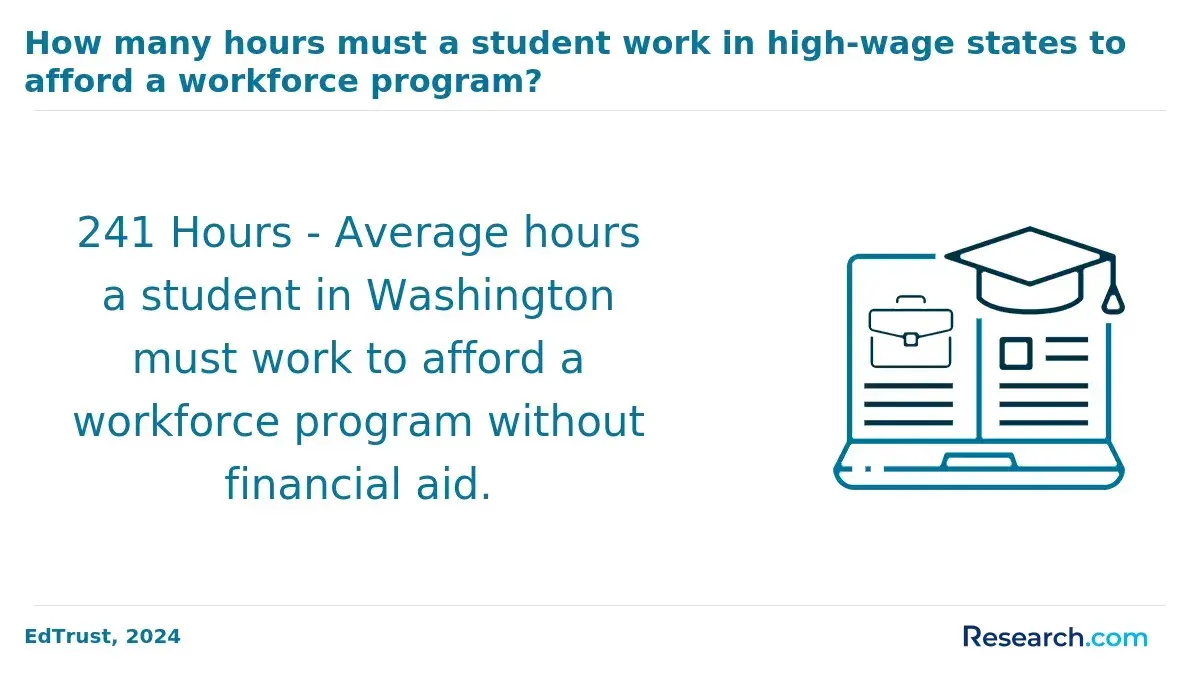
One-year online GIS programs are worth considering when your goal is targeted skill development rather than completion of a full undergraduate or graduate degree. They are especially useful for professionals who already work in planning, environmental management, logistics, public health, natural resources, emergency management, or data analysis and need geospatial skills to move into more technical roles.
The strongest programs focus on applied learning: using GIS software, managing spatial data, interpreting satellite or remote sensing data, creating maps for decision-makers, and communicating spatial patterns clearly.
Potential advantages
- Faster skill development: A one-year format can help students build practical GIS skills more quickly than a traditional degree timeline.
- Career relevance: GIS is used in environmental management, urban planning, public agencies, utilities, transportation, and business analytics. A focused program can help students connect spatial analysis skills to workplace problems.
- Flexible online study: Online delivery can be a good fit for working adults who need to study outside standard campus schedules.
- Stackable academic value: Some certificates can apply toward a later master's program, making them a lower-commitment way to test whether graduate GIS study is the right next step.
- Practical portfolio development: Applied assignments, web maps, spatial analyses, and capstone-style projects can give students work samples to discuss with employers.
This route is best for learners who can handle a compressed technical workload and have a clear reason for studying GIS. If your broader goal is quick career advancement through short credentials, it may also be useful to compare short online certificate programs that pay well alongside GIS-specific options.
What Are the Drawbacks of Pursuing One-year Online Geographic Information Systems Programs?
The main drawback is that most one-year online GIS options are not full degrees. They can be valuable, but students should not assume that a certificate will carry the same academic or hiring value as a bachelor’s or master’s degree. The right choice depends on your current education, work experience, target role, and whether employers in your field expect a degree.
Accelerated GIS study also creates practical challenges. GIS is software-heavy and conceptually demanding, so rushing through the material can limit skill depth if the program does not include enough hands-on practice.
- Heavy workload: Compressing spatial analysis, remote sensing, geospatial databases, web mapping, and programming into a short period can be difficult, especially for students working full time.
- Less time for mastery: Tools such as ArcGIS and Python require repeated practice. A fast program may introduce these skills without giving every student enough time to become confident.
- Limited networking: Shorter programs may provide fewer opportunities to build relationships with faculty, classmates, alumni, and employers.
- Fewer internship opportunities: A demanding schedule can make it harder to complete internships, volunteer mapping projects, or part-time GIS work while enrolled.
- Credential confusion: Some students search for a one-year degree but enroll in a certificate without understanding how employers or graduate schools will evaluate it.
To reduce these risks, ask programs about software access, live support, project expectations, career services, portfolio outcomes, and whether credits can transfer into a later degree. Students should also reserve regular time outside class for software practice and independent project work.
What Are the Eligibility Requirements for One-year Online Geographic Information Systems Programs?
Eligibility requirements for one-year online GIS programs vary by credential level. Undergraduate certificates may accept students with a high school diploma or equivalent, while graduate certificates and master’s pathways generally require a bachelor’s degree. Some programs also expect prior coursework or work experience in geography, environmental science, computer science, statistics, data analysis, or a related field.
Because accelerated GIS programs move quickly, admissions teams may look for evidence that applicants can handle technical coursework. Relevant professional experience, prior GIS exposure, programming knowledge, or a strong academic record can strengthen an application.
- High school diploma or equivalent: This is usually the minimum requirement for undergraduate certificates and some bachelor’s-level options. Some programs may request prior college credits or an associate degree.
- Bachelor's degree for graduate study: Graduate certificates and master's programs typically require a bachelor's degree in geography, environmental science, computer science, or a related field.
- Foundational GIS coursework or experience: Some programs require prior GIS coursework, while others allow beginners to start with introductory classes.
- Professional experience substitution: Applicants with significant GIS work experience may be able to waive prerequisite courses or demonstrate readiness through a portfolio, resume, or certifications.
- Application materials: GRE scores are increasingly optional. Graduate programs may request transcripts, letters of recommendation, a statement of purpose, and occasionally a resume outlining relevant work history.
Before applying, compare each program’s admissions page against your background. If you are researching accelerated graduate options more broadly, the fastest masters programs can help you understand how different schools structure shorter timelines and admission requirements.
What Should I Look for in One-year Online Geographic Information Systems Degree Programs?
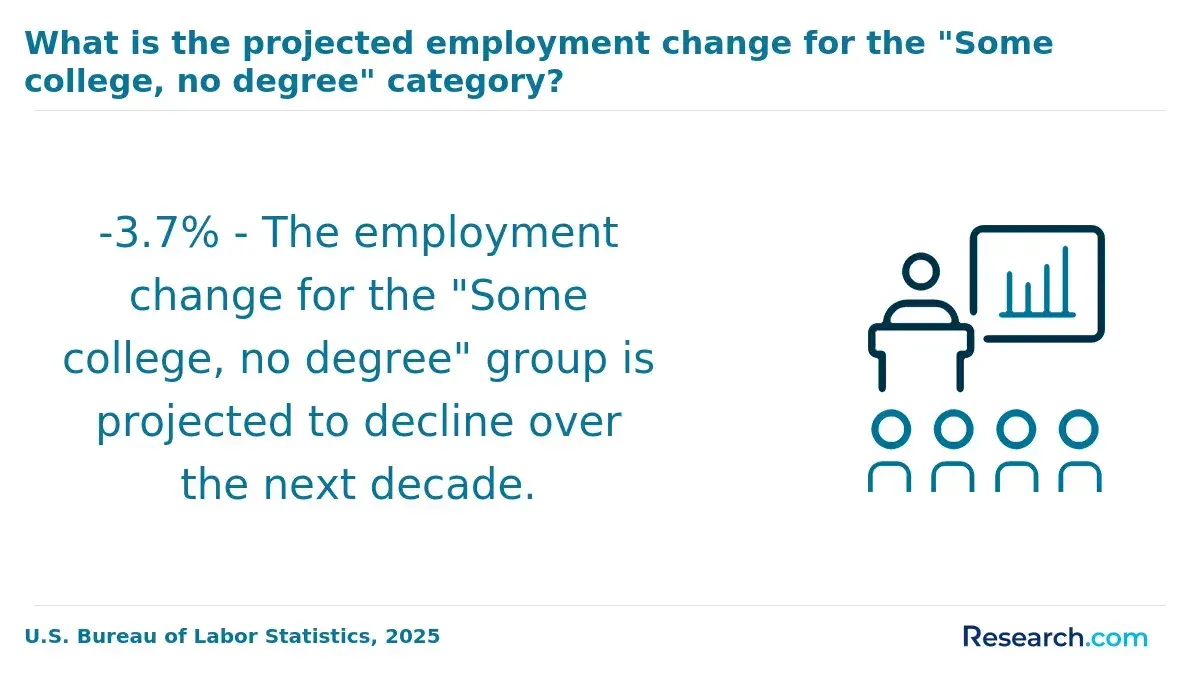
When evaluating one-year online GIS programs, focus on quality, transferability, practical skill development, and career alignment. A short program can be efficient, but only if it teaches the tools and methods you need for the roles you want.
Key factors to compare
- Accreditation: Prioritize accredited institutions so that coursework is more likely to be recognized by employers, graduate schools, and financial aid providers.
- Credential type: Confirm whether the program is a certificate, bachelor’s pathway, graduate certificate, master’s pathway, or full degree. Do not rely on marketing language alone.
- Curriculum depth: Look for coursework in spatial analysis, GIS databases, cartography, remote sensing, web mapping, and applied GIS problem-solving.
- Software and technical training: Strong programs should include hands-on work with GIS software such as ArcGIS and, when appropriate, programming often in Python.
- Applied projects: Real-world assignments, capstones, or portfolio projects can help demonstrate skills to employers.
- Faculty expertise: Instructors with experience in spatial analysis, remote sensing, GIS programming, and geospatial technologies can make the coursework more practical.
- Course delivery format: Decide whether synchronous live classes, asynchronous coursework, or a mix of both fits your schedule and learning style.
- Credit transfer policies: If you may pursue a master’s degree later, ask whether certificate credits can transfer and whether there are grade requirements.
- Total cost: Compare tuition, fees, software costs, course materials, and available financial aid or employer reimbursement.
- Student support: Online GIS students should have access to technical help, advising, library resources, career guidance, and software support.
- Career fit: Check whether electives align with your intended area, such as GIS analysis, urban planning, environmental management, public health, logistics, or geospatial intelligence.
Because one-year GIS options are limited, students may need to compare certificates and accelerated pathways across multiple institutions. The list of best schools online can be a useful starting point for identifying accredited online colleges with relevant program formats.
How Much Do One-year Online Geographic Information Systems Degree Programs Typically Cost?
One-year online Geographic Information Systems certificates generally cost between $12,000 and $16,000 for the 2025-2026 academic year. These programs are often structured as graduate or postbaccalaureate certificates and commonly include 12 to 15 credits, though requirements can vary by institution.
Several factors can affect the final price. Public universities may charge lower tuition, but some online programs use the same rate for in-state and out-of-state students. Additional technology fees, application fees, software access, course materials, and specialized coursework in areas such as geospatial intelligence or remote sensing may also increase total cost.
Compared with traditional four-year GIS bachelor’s degrees, which can exceed $40,000, one-year certificates are usually more affordable and require less time away from work. However, the lower cost comes with trade-offs: a certificate may not provide the same breadth of general education, research depth, internship access, or degree-level recognition as a bachelor’s or master’s program.
Before enrolling, calculate the full cost of attendance rather than tuition alone. Also ask whether the program qualifies for federal aid, whether credits can transfer into a later degree, and whether your employer offers tuition reimbursement for GIS or data-related training.
What Can I Expect From One-year Online Geographic Information Systems Degree Programs?
Students should expect an intensive, skills-focused online experience. Most one-year GIS options are certificate-level programs rather than full bachelor’s degrees because a traditional four-year undergraduate program cannot realistically be compressed into a single year. Penn State's 12-credit GIS certificate is one example: it represents the first year of their master's program and is completed through accelerated 10-week terms.
The coursework typically emphasizes practical geospatial competencies. Students may learn to work with GIS software, build and maintain geographic databases, analyze spatial patterns, create maps and visualizations, use Python for geospatial tasks, and develop web mapping projects. Applied examples may come from conservation, urban planning, environmental management, public health, and other fields that rely on location-based data.
The online format can be flexible, but it is not necessarily easy. Technical assignments often require sustained practice, troubleshooting, and comfort with data. Students who succeed usually set a consistent weekly schedule, keep up with software exercises, and build a portfolio of completed projects rather than treating assignments as isolated coursework.
For learners who prefer independent analytical work, GIS can be a strong fit. Students exploring good jobs for an introvert may find that GIS training supports roles centered on data analysis, mapping, research, and technical problem-solving.
Are There Financial Aid Options for One-year Online Geographic Information Systems Degree Programs?
Financial aid may be available for one-year online GIS programs, but eligibility depends on the institution, credential type, enrollment status, and whether the program qualifies for aid. Certificate students should verify funding options before enrolling because aid rules can differ from those for full degree programs.
- Federal student aid: Many eligible graduate and certificate programs may allow students to use federal aid, including Direct Unsubsidized Loans and Grad PLUS loans. Applicants must submit the FAFSA and usually enroll at least half-time, which is commonly met by accelerated GIS courses.
- State grant programs: State aid is often designed for degree-seeking students and may exclude certificate programs. Some states prioritize STEM-related fields such as geospatial sciences, but policies vary. Students should contact their state's higher education office for details.
- Scholarships and employer assistance: Professional groups such as the Urban and Regional Information Systems Association (URISA) and the American Society for Photogrammetry and Remote Sensing (ASPRS) offer scholarships between $1,000 and $5,000 for GIS students showing strong interest in geospatial technologies. Employers in urban planning, environmental management, logistics, and related fields may also provide tuition reimbursement.
Because accelerated programs may use shorter academic terms, aid can be disbursed in multiple smaller payments rather than one large payment. Students should plan for the timing of tuition bills, fees, books, software, and any out-of-pocket expenses.
What Geographic Information Systems Graduates Say About Their Online Degree
- Kian: "Completing the one-year online Geographic Information Systems degree drastically accelerated my career transition into urban planning. The program's competency-based structure allowed me to focus on mastering essential GIS skills without unnecessary delays, all while managing my full-time job. The affordable tuition was an added bonus that made this opportunity accessible. -"
- Leonard: "Reflecting on my experience, the accelerated online GIS degree was both challenging and rewarding. The coursework was intensive but well-designed, and the real-world projects enhanced my technical proficiency and confidence. Finishing within a year gave me a significant edge in my field, allowing me to contribute effectively to environmental consulting projects."
- David: "The GIS degree program perfectly balanced flexibility and rigor, enabling me to complete it swiftly while maintaining a professional workload. The online format was convenient, and the curriculum was tightly focused on industry-relevant skills, which made me job-ready immediately after graduation. Considering the overall cost, it was a smart investment in my career advancement. -"
Other Things You Should Know About Pursuing One-Year Geographic Information Systems Degrees
In 2027, students in a one-year online GIS degree program can expect to learn skills in GIS software like ArcGIS, QGIS, and remote sensing tools. These skills are vital for analyzing geographic data and creating maps, which are essential for various industry applications including urban planning and environmental studies.
Yes, accreditation is crucial when selecting an online GIS degree program for 2027. Accredited programs ensure that the curriculum meets industry standards, providing students with a recognized credential and enhancing employability in the competitive job market.
References
- Geographic Information Systems (GIS) Online Certificate https://cpage.sfsu.edu/gis
- Research Guides: Geographic Information Systems (GIS): Free Online GIS Training https://research.lib.buffalo.edu/gis-courses/gis-training
- 2025 Most Affordable Online Geographic Information Systems Degrees https://www.onlineu.com/most-affordable-colleges/geographic-information-systems-degrees
- Geographic Information Systems (GIS) https://www.ontariocolleges.ca/en/programs/energy-environmental-and-natural-resources/geographic-information-systems-gis
- Geographic Information Systems (Co-op and Non Co-op Version) - School of Advanced Technology https://www.algonquincollege.com/sat/program/geographic-information-systems/
- Best Online Bachelor's in GIS Degrees - GISDegree.org https://www.gisdegree.org/online/bachelors/
- Top 10 Educational Benefits for Students Who Use GIS https://www.esri.com/about/newsroom/arcwatch/top-10-educational-benefits-for-students-who-use-gis
- Geographic Information Systems Technician https://bismarckstate.edu/academics/programs/gis/
- Geographic Information Systems Program at CWI https://cwi.edu/program/geographic-information-systems
- Master of Science in Geographic Information Systems https://online.uc.edu/masters-programs/ms-geographic-information-systems/admissions/