
2027 Infection Control Nurse Careers: Skills, Education, Salary & Job Outlook

Co-Founder and Chief Data Scientist
Choosing an infection control nurse career means deciding whether you want to move from bedside care into a role focused on prevention, surveillance, education, and outbreak response. It is a specialized path, but it is not out of reach for registered nurses who enjoy clinical problem-solving, policy work, and patient safety.
The role matters because healthcare facilities continue to face risks from healthcare-associated infections, emerging infectious diseases, antimicrobial resistance, and compliance requirements. Infection control nurses help reduce those risks by turning clinical data into action, training staff, improving protocols, and responding quickly when infection patterns change.
This guide explains what infection control nurses do, the skills and credentials employers look for, how to enter the field, what salary and job outlook data suggest, and how to decide whether this career fits your strengths. Current figures point to a median salary near $82,000 to $91,000 and job growth of 6% over the decade, making this a practical option for nurses who want a stable career with measurable public health impact.
Key Things You Should Know About Infection Control Nurse Career
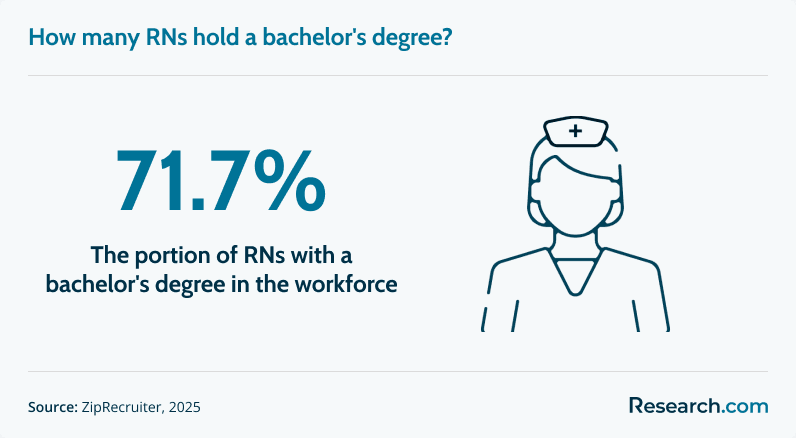
- The typical earning potential for an infection control nurse in the United States is about $91,445 annually, with most salaries ranging between $85,000 and $94,000.
- Infection control nursing is a stable and growing field driven by healthcare regulations and prevention demands, offering abundant opportunities to advance and increase pay.
- An entry-level infection control nurse needs a Bachelor of Science in Nursing (BSN) and an active RN license, with many employers requiring certification like the Certification in Infection Control (CIC).
- Success in this role depends on expertise in infection prevention and epidemiology, strong data analysis skills, clear communication, attention to detail, and leadership in training and policy development.
- Career advancement often leads to positions such as infection control coordinator, infection preventionist, or director of infection control, frequently supported by advanced degrees or certifications.
What do Infection Control Nurses do?
Infection control nurses, also called infection prevention nurses, help healthcare organizations prevent, identify, and control the spread of infectious diseases. Their work protects patients, nurses, physicians, support staff, visitors, and the surrounding community.
Unlike many nursing roles that focus mainly on direct patient care, infection control nursing combines clinical knowledge with epidemiology, data review, staff education, policy development, and regulatory compliance. These nurses look for infection patterns, investigate potential outbreaks, recommend prevention strategies, and make sure safety practices are followed consistently.
A day in the life of infection control nurses
A typical day may include reviewing infection surveillance reports, checking whether isolation precautions are being followed, teaching staff how to use personal protective equipment, meeting with department leaders, and documenting findings for internal or public health reporting. During an outbreak or suspected exposure, the work becomes more urgent and investigative.
The role often requires moving between clinical units, laboratories, administrative meetings, and training sessions. Infection control nurses may work with bedside nurses, physicians, environmental services, laboratory teams, occupational health staff, administrators, and public health officials. Their success depends on translating complex infection data into practical steps that busy healthcare teams can follow.
What are the key responsibilities of Infection Control Nurses?
The core responsibility of an infection control nurse is to reduce preventable infection risk. That goal requires a mix of surveillance, education, policy enforcement, investigation, and collaboration.
- Monitor infection data: Collect, review, and analyze infection reports to identify trends, clusters, and possible outbreaks.
- Investigate suspected outbreaks: Trace possible sources, review patient movement or exposure history, and recommend containment steps.
- Train staff and patients: Teach hand hygiene, isolation precautions, PPE use, cleaning practices, and disease-specific prevention measures.
- Develop and update policies: Align facility procedures with CDC guidance, state requirements, accreditation standards, and internal quality goals.
- Support compliance: Audit infection prevention practices, document findings, and help departments correct gaps before they become safety problems.
- Coordinate reporting: Work with public health agencies and facility leaders when infections must be reported or tracked formally.
- Advise clinical teams: Help determine isolation needs, exposure precautions, and safe workflows for patients with infectious conditions.
The most challenging vs. the most rewarding tasks
The hardest part of the job is often outbreak response. Infection control nurses must make fast, evidence-based recommendations while information is still changing. They may also need to ask colleagues to change familiar habits, which can create resistance if communication is not handled well.
The most rewarding part is seeing prevention work produce measurable results. A decline in infection rates, a contained outbreak, or improved compliance with safety practices can directly affect patient outcomes. For those still at the beginning of their nursing education, an online associate's degree in 6 months may be one possible starting point to research, but future nurses should always confirm state nursing board requirements and program eligibility before enrolling.
What are the key skills for Infection Control Nurses?
Infection control nurses need more than strong bedside nursing judgment. The role requires the ability to interpret data, influence behavior, write clear protocols, and respond calmly when a potential infection threat appears.
Technical skills
- Epidemiological data analysis: Review infection rates, recognize unusual patterns, and use findings to guide prevention strategies.
- Infection prevention policy development: Create or revise procedures for hand hygiene, isolation, PPE, cleaning, sterilization, and exposure response.
- Risk assessment: Identify weak points in workflows, equipment use, patient placement, and staff compliance that could increase infection risk.
- Surveillance system management: Maintain infection tracking processes and support timely, accurate reporting.
- Regulatory awareness: Understand how infection prevention connects to accreditation, public health reporting, and facility quality measures.
- Clinical documentation: Record investigations, audits, recommendations, and follow-up actions clearly enough for leadership and regulators to review.
Soft skills
- Critical thinking: Weigh incomplete information and decide which risks require immediate action.
- Communication: Explain protocols in plain language to staff, patients, families, and leaders.
- Attention to detail: Notice small workflow failures that can lead to larger infection risks.
- Adaptability: Adjust recommendations as new evidence, guidance, or outbreak information becomes available.
- Professional diplomacy: Correct unsafe practices without alienating the people who need to change them.
The one overlooked skill that separates the good from the great
Interdisciplinary collaboration is often the difference between a technically competent infection control nurse and a highly effective one. Infection prevention rarely succeeds through policy alone. It depends on cooperation across nursing units, physicians, environmental services, laboratories, supply chain, employee health, and administration.
For example, during a suspected outbreak, the nurse may need laboratory confirmation, isolation support from the unit, enhanced cleaning from environmental services, staffing guidance from leadership, and clear messaging to clinicians. If those teams do not trust the infection control nurse, even the best recommendation may stall.
For students comparing degree options before entering nursing, reviewing easy majors can be useful for broader academic planning. However, infection control nursing itself requires rigorous nursing preparation, RN licensure, and specialized clinical experience.
Infection Control Nurse Careers: A Step-by-Step Guide to Getting Started
Becoming an infection control nurse usually happens in stages. Most professionals first qualify as registered nurses, gain clinical experience, and then move into infection prevention through focused training, employer support, or certification preparation[1][2][3].
- Complete nursing education. Earn an ADN or BSN from a program that meets your state’s requirements for RN licensure. A BSN may strengthen your competitiveness, especially in hospitals and leadership-track roles.
- Pass the NCLEX-RN and obtain RN licensure. Licensure is required to practice as a registered nurse. Requirements vary by state, so verify rules with the appropriate board of nursing.
- Build clinical experience. Work in settings where infection prevention is visible, such as medical-surgical units, intensive care, emergency departments, operating rooms, long-term care, or public health.
- Seek infection prevention exposure. Volunteer for quality improvement projects, hand hygiene audits, policy committees, employee health initiatives, or outbreak response teams.
- Apply for infection control or infection prevention roles. Entry may come through an infection preventionist position, quality and safety role, public health role, or internal transfer within a healthcare facility.
- Pursue relevant certification when eligible. Credentials such as a-IPC or CIC® can help demonstrate specialized knowledge, but eligibility and experience requirements should be checked before planning a timeline.
- Continue professional development. Infection control practices change with new pathogens, guidance, technology, and regulations, so ongoing education is part of the career.
The infection control nurse career path is achievable, but it is not usually an instant transition directly from school. The strongest candidates can connect nursing judgment with data analysis, staff education, and practical quality improvement.
What education, training, or certifications are required?
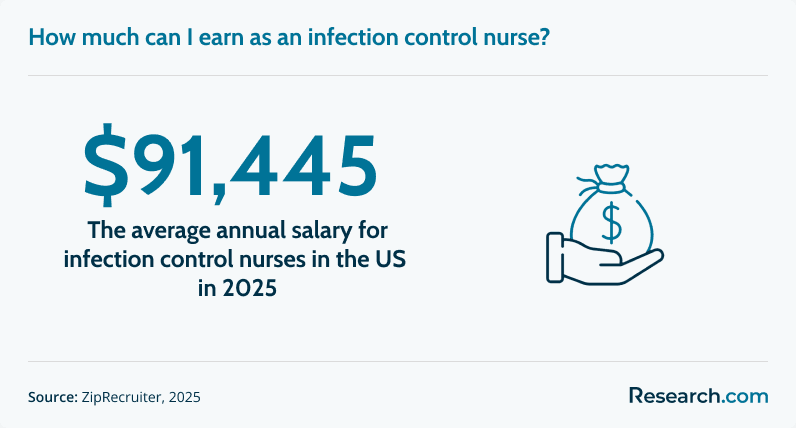
An infection control nurse typically starts with an Associate Degree in Nursing (ADN) or a Bachelor of Science in Nursing (BSN). Many employers prefer the BSN because it often includes broader preparation in leadership, research, community health, and evidence-based practice. Regardless of degree level, candidates must meet state requirements for Registered Nurse (RN) licensure and pass the NCLEX-RN exam.
Specialized credentials can strengthen a nurse’s profile. The Certified Infection Control (CIC®) credential is issued by the Certification Board of Infection Control and Epidemiology and is widely recognized in the field. The Associate-Infection Prevention and Control (a-IPC) credential offers an entry-level option for professionals developing infection prevention expertise.
Formal education alone is not enough. Most employers look for clinical experience and may require at least one year of full-time experience in infection control or related nursing roles. On-the-job training commonly includes surveillance methods, outbreak investigation, reporting procedures, regulatory requirements, and facility-specific protocols. CDC or state health department training modules may also provide continuing education units (CEUs).
Are advanced degrees or niche certifications worth the investment?
Advanced degrees, such as a Master of Science in Nursing (MSN), can be valuable for nurses who want to move into leadership, education, research, infection prevention program management, or system-level quality roles. Graduate certificates may also help nurses build targeted expertise without committing to a full degree.
The trade-off is cost and time. Not every infection control position requires a master’s degree, and some nurses can advance through strong experience, CIC preparation, and proven results. Before enrolling, compare tuition, schedule flexibility, accreditation, clinical or practicum requirements, employer tuition assistance, and whether the program supports your intended role.
Certifications such as CIC can improve credibility, but they require preparation and ongoing professional development. If you are considering graduate study while working, accelerated online master's degree programs may be worth comparing carefully, especially if they align with your licensure status, career goals, and available study time.
What is the earning potential for Infection Control Nurses?
The Infection Control Nurse salary in 2025 typically centers around a median annual figure of $91,445. Entry-level nurses can expect to earn closer to $74,500, while experienced professionals at the senior level may reach salaries near $125,000.
Actual earnings vary by employer, region, facility size, union status, shift expectations, education, certifications, and years of experience. Hospitals and large health systems may offer more structured advancement, while long-term care facilities, public health agencies, and ambulatory settings may differ in pay and responsibilities.
Salary growth often comes from moving beyond a staff role into infection prevention leadership, quality management, employee health, regulatory compliance, or system-wide program oversight. Credentials such as CIC may also support advancement, but compensation is ultimately determined by the employer and local labor market.
Factors that can increase earning potential
- Experience: Nurses who have handled surveillance, audits, outbreak investigations, and reporting are often stronger candidates for higher-level roles.
- Certification: Specialized infection prevention credentials can signal expertise and commitment.
- Leadership scope: Supervising staff, managing programs, or covering multiple sites may raise compensation.
- Geographic market: Pay can vary significantly by state, metro area, and local demand for experienced nurses.
- Employer type: Large hospitals, academic medical centers, and health systems may offer different pay structures than smaller facilities.
What is the job outlook for Infection Control Nurses?
The job outlook for infection control nurses shows a projected growth rate of 5% from 2024 to 2034, which is faster than the average for all occupations. Demand is supported by continuing healthcare needs, patient safety priorities, and the importance of infection prevention in both routine operations and emergency response.
The key factors shaping the future outlook
Several forces support continued need for infection control nurses. An aging U.S. population increases demand for healthcare services and creates more settings where infection prevention is essential. Retirements among current nurses can also create openings for nurses with specialized expertise.
Public health concerns continue to shape the field. Infectious disease outbreaks, antimicrobial resistance, healthcare-associated infections, and stricter reporting expectations all increase the value of nurses who can monitor risk and help organizations respond appropriately.
Healthcare regulations and quality improvement efforts also sustain demand. Facilities need professionals who can interpret guidance, train staff, document compliance, and reduce preventable harm. Nurses comparing flexible education options can review programs at the best schools online, but they should confirm that any nursing program meets licensure requirements in their state.
What is the typical work environment for Infection Control Nurses?
Infection control nurses usually work in healthcare settings where infection risk must be monitored continuously. Common employers include hospitals, ambulatory care centers, nursing and residential care facilities, public health agencies, and large healthcare systems.
The work environment is a mix of clinical and administrative activity. Infection control nurses may visit patient care units, observe workflows, review charts and lab data, attend committee meetings, deliver staff training, and prepare reports. They often serve as a bridge between frontline care teams and organizational leadership.
Schedules commonly follow standard business hours, especially for surveillance, training, and committee work. However, outbreaks, urgent exposures, inspections, or facility needs can require evenings, weekends, holidays, or on-call availability. Remote work is limited because many responsibilities involve direct observation, staff interaction, and facility-based response, though some documentation or meetings may occasionally be completed off-site.
What are the pros and cons of Infection Control Nurse careers?
Infection control nursing can be highly meaningful, but it is not the right fit for every nurse. The work is less centered on traditional bedside care and more focused on systems, prevention, compliance, and behavior change.
Pros
- Measurable impact: Infection prevention efforts can reduce harm across an entire unit, facility, or health system.
- Strong connection to public health: The role supports both individual patient safety and broader community protection.
- Intellectual variety: Work may involve data analysis, education, policy, investigations, audits, and interdisciplinary problem-solving.
- Leadership opportunities: Infection control nurses often influence facility-wide practices and serve on important committees.
- Career stability: Infection prevention remains important across healthcare settings and economic cycles.
Cons
- High-pressure situations: Outbreaks and exposure events can require urgent decisions with limited information.
- Resistance from staff: Asking colleagues to change habits or follow stricter protocols can be challenging.
- Emotional weight: Preventable infections can be difficult to process, especially when outcomes are serious.
- Constant updates: Guidelines, pathogens, reporting rules, and best practices can change quickly.
- Less direct patient care: Nurses who prefer continuous bedside interaction may find the role too administrative.
This career may fit you well if you enjoy teaching, systems thinking, quality improvement, and evidence-based decision-making. If you are exploring credentials that may support career mobility, you can also compare what certifications pay well while keeping in mind that nursing certifications usually require specific education, licensure, or experience.
What are the opportunities for advancement for Infection Control Nurses?
Infection control nursing offers advancement through leadership, specialization, education, consulting, research, and quality improvement. Nurses who can combine clinical credibility with data-driven decision-making are especially well positioned for growth.
Advancement pathways
- Staff Infection Control Nurse: Performs surveillance, education, audits, and day-to-day infection prevention activities.
- Infection Prevention and Control Manager: Oversees infection prevention programs, supervises staff, coordinates audits, and supports regulatory readiness.
- Infection Prevention and Control Director: Leads organizational strategy, develops system-wide policies, manages compliance priorities, and reports to senior leadership.
Specialization areas
- Healthcare-Associated Infections (HAIs): Focuses on preventing and reducing infections acquired in healthcare settings.
- Antimicrobial Resistance: Supports stewardship efforts and prevention strategies related to resistant organisms.
- Outbreak Management: Specializes in rapid investigation, containment, communication, and recovery planning.
- Clinical Research in Infection Prevention: Helps design, monitor, or evaluate studies related to infectious disease prevention and healthcare safety.
How to strengthen your advancement prospects
- Build a track record of measurable improvements, such as better compliance rates or reduced infection trends.
- Develop comfort with data systems, dashboards, and reporting requirements.
- Earn specialized credentials when eligible and relevant to your goals.
- Volunteer for committees related to quality, patient safety, antimicrobial stewardship, or emergency preparedness.
- Practice communicating recommendations to both frontline staff and senior leaders.
What other careers should you consider?
If you are drawn to infection prevention but want to compare related paths, several careers use overlapping skills in nursing, public health, education, safety, and research.
- Public Health Nurse: Focuses on disease prevention, community education, vaccination support, outbreak response, and population-level health programs.
- Occupational Health Nurse: Works on workplace safety, employee exposures, immunization compliance, return-to-work guidance, and infection prevention in employment settings.
- Forensic Nurse: Combines clinical nursing with evidence preservation, trauma-informed care, legal documentation, and contamination prevention.
- Nurse Educator: Teaches nursing students or healthcare staff, including infection control protocols, clinical skills, and evidence-based practice.
- Clinical Research Nurse: Supports studies involving infectious diseases, treatments, vaccines, patient safety, or healthcare quality improvement.
To choose among these options, compare how much direct patient care, teaching, data work, policy responsibility, and emergency response you want in your daily role. Infection control nursing is strongest for nurses who like prevention, investigation, systems improvement, and cross-department leadership.
Here's What Professionals Say About Their Infection Control Nurse Careers
- Aisha: "Working as an Infection Control Nurse feels like being on the front lines of safety every single day. I develop and update protocols that help reduce the risk of infections, and educating staff is a key part of what I do to maintain that vigilance. During the height of the COVID-19 pandemic, I volunteered at temporary facilities to make sure patients and healthcare workers stayed protected, which was intense but incredibly important. Each case I handle reminds me how crucial this role is in preserving health and preventing harm."
- Daniel: "When I first transitioned into infection control, the biggest hurdle was how others reacted to me. Carrying the message about outbreaks or the need to change long-standing practices was often met with resistance, and sometimes outright hostility. I had to work hard to build trust and focus on collaboration, showing that my goal was always patient safety, not criticism. Over time, those efforts paid off, and now I'm seen as a partner in care, which makes delivering tough news a little easier."
- Sofia: "There's no greater fulfillment than watching infection numbers decline after I implement targeted measures. Knowing someone's life was spared because I identified the source of an infection and changed protocols gives my work deep meaning. Mentoring new nurses who then carry on best practices also keeps me motivated-seeing the real-world results of my efforts is incredibly rewarding. It's these moments that remind me why this job means so much to me."
Key Findings
- Infection control nurses help prevent and manage infectious disease risks through surveillance, staff education, policy development, audits, and outbreak response.
- The career usually requires RN licensure, clinical experience, and specialized infection prevention training; many employers prefer a BSN, though an ADN can be a starting point.
- Specialized credentials such as a-IPC and CIC® can strengthen career prospects, but eligibility, experience requirements, and maintenance rules should be reviewed before planning.
- The Infection Control Nurse salary in 2025 typically centers around a median annual figure of $91,445, with entry-level earnings closer to $74,500 and senior-level salaries near $125,000.
- The job outlook shows a projected growth rate of 5% from 2024 to 2034, supported by healthcare demand, public health priorities, and infection prevention requirements.
- This career is a strong fit for nurses who like data, teaching, quality improvement, interdisciplinary teamwork, and prevention-focused work.
- The main challenges include outbreak pressure, staff resistance, frequent guideline changes, and the emotional burden of preventable infections.
Other Things You Should Know About Infection Control Nurse
In 2027, infection control nurses are tasked with monitoring and preventing the spread of infectious diseases within healthcare settings. Their responsibilities include educating staff on infection prevention, developing and enforcing hygiene protocols, conducting infection risk assessments, and collaborating with healthcare teams to implement effective infection control strategies.
Active surveillance using epidemiological frameworks is fundamental in infection control nursing, involving systematic data collection and analysis to detect infection patterns early. Essential tools include non-contact thermometers like TRITEMP™ to reduce cross-contamination and robust electronic health record systems that support real-time data tracking and reporting, enabling prompt and informed decisions.
References
- Infection Control Nurse CV Example https://www.wozber.com/en-gb/cv-examples/healthcare-and-wellness/infection-control-nurse-cv-example
- What Is an Infection Control Nurse? | BetterNurse.org https://betternurse.org/what-is-an-infection-control-nurse/
- Pros and Cons of Being an Infection Control Nurse + Salary + Steps to Become https://www.nursingprocess.org/infection-control-nurse.html
- A day in the life of an infection prevention and control nurse https://www.acn.edu.au/nurseclick/a-day-in-the-life-of-an-infection-prevention-and-control-nurse
- Infection Control Nurse Career Guide | NursingEducation https://nursingeducation.org/careers/infection-control-nurse/
- Infection Control Nurse Job Description (Updated 2023 With Examples) | Sigma https://jobs.sigmanursing.org/career/infection-control-nurse/job-descriptions
- What is an Infection Control Nurse? Explained https://www.carerev.com/blog/infection-control-nurse-role-responsibilities-and-how-to-become-one
- The Challenges and Joys of a Nurse Infection Preventionist https://www.infectioncontroltoday.com/view/the-challenges-and-joys-nurse-infection-preventionist
- Infection Prevention and Control Lead https://www.jobs.nhs.uk/candidate/jobadvert/C9393-23-0369


