2027 How Fast Can You Get a Clinical Psychology Degree Online?

Co-Founder and Chief Data Scientist
An online clinical psychology degree can make study more flexible, but it does not automatically make the path to licensure short. The real question is which credential you need: a bachelor’s degree for entry-level or graduate preparation, a master’s degree for certain counseling or therapy-related licensure paths, or a doctorate for clinical psychologist licensure in most states.
Online and hybrid programs can help students keep working, complete coursework year-round, or use transfer credits more efficiently. However, clinical training requirements, practicum hours, internships, state licensing rules, and accreditation standards still shape the timeline. This guide explains how long each degree level typically takes, when accelerated formats are realistic, what can shorten completion time, and how to evaluate fast-track online programs without risking licensure or employer recognition.
What are the benefits of pursuing a degree in Clinical Psychology online?
- Fast-track Clinical Psychology degrees online can reduce completion time by up to 30%, enabling quicker entry into the workforce amid rising demand for mental health professionals.
- Flexible scheduling and asynchronous courses support students managing work, family, and education without compromising academic rigor or practical experience.
- Increased accessibility attracts diverse student demographics, with 40% of online Clinical Psychology students balancing full-time employment during their studies.
How long does it typically take to earn a degree in Clinical Psychology?
The timeline for an online clinical psychology degree depends mainly on the degree level, whether you study full-time or part-time, how many credits you can transfer, and whether the program includes supervised clinical training. Online delivery may make scheduling easier, but it does not remove required coursework, practicum experiences, internships, dissertation work, or state licensing steps.
Bachelor’s degree timeline
A bachelor’s degree typically takes about four years for full-time students. Students who enroll part-time may need longer, while those who enter with an associate degree or substantial transfer credits may finish in two to three years. Most bachelor’s programs require around 120 credit hours and include general education, psychology foundations, abnormal psychology, statistics, research methods, and electives.
A bachelor’s degree in psychology or clinical psychology does not qualify graduates to work as licensed clinical psychologists. It is usually a foundation for graduate study or for entry-level roles in human services, case support, behavioral health administration, research assistance, or related fields.
Master’s degree timeline
Full-time master’s students usually complete their programs in 1.5 to 2 years. Part-time students may take up to 3 years, especially if they are balancing work, family responsibilities, or field placement requirements. Some online master’s programs use accelerated terms, continuous enrollment, or cohort-based scheduling to help students move faster.
Students should read program outcomes carefully. Some master’s programs prepare graduates for counseling-related licensure, such as LPC or LMFT pathways, depending on the curriculum and state rules. Others are designed for non-licensure roles, research preparation, organizational psychology, or doctoral preparation.
Doctoral degree timeline
Doctoral programs, including PhD and PsyD options, are not typically fully online because clinical psychology requires extensive supervised practice, assessment training, faculty evaluation, and internship experience. On-campus doctoral programs generally last 4 to 7 years, including clinical internships and dissertation work.
For students who want to become licensed clinical psychologists, the degree timeline is only part of the plan. Licensure generally requires a doctoral degree, supervised experience, and passing state exams. These steps can extend the total timeline beyond graduation.
Are there accelerated Clinical Psychology online programs?
Yes, accelerated online clinical psychology programs exist, but the amount of acceleration depends on the credential. Bachelor’s and master’s programs are more likely to offer shorter terms, year-round enrollment, and flexible pacing. Doctoral programs are harder to accelerate because clinical training, residency expectations, dissertation requirements, internships, and licensure standards limit how much time can be compressed.
Accelerated does not mean less demanding. Students should expect heavier weekly workloads, faster assignment cycles, and less time to recover between courses. Before enrolling, confirm whether the program is intended for licensure, doctoral preparation, or professional development.
- Capella University: Capella University offers an online Master of Science in Clinical Psychology focused on a competency-based, practitioner-scholar model emphasizing psychological theories, assessment, and psychopathology. This format may appeal to students who want flexible online coursework and a structured path through graduate-level psychology content.
- Pepperdine University: Pepperdine University provides an online Master's in Clinical Psychology that can be completed in 27 months. It requires 62-68 units over 8-12 sessions and includes four field experiences designed to meet LPC/LMFT licensure requirements.
- California Southern University: California Southern University features an online Doctor of Psychology (PsyD) with a Clinical Specialization for students pursuing psychologist licensure in states without residency mandates. Students should verify their own state’s requirements before assuming the program will meet licensure rules.
For students comparing shorter education paths outside clinical psychology, reviewing 6-month certificate programs that pay well can provide useful context on accelerated credentials and career-focused training options.
How do accelerated Clinical Psychology online programs compare with traditional ones?
Accelerated and traditional clinical psychology programs may cover similar academic content, but they differ in pace, scheduling pressure, and the amount of flexibility students have. The best choice depends on how quickly you need to finish, how much time you can study each week, and whether the program aligns with your licensure goal.
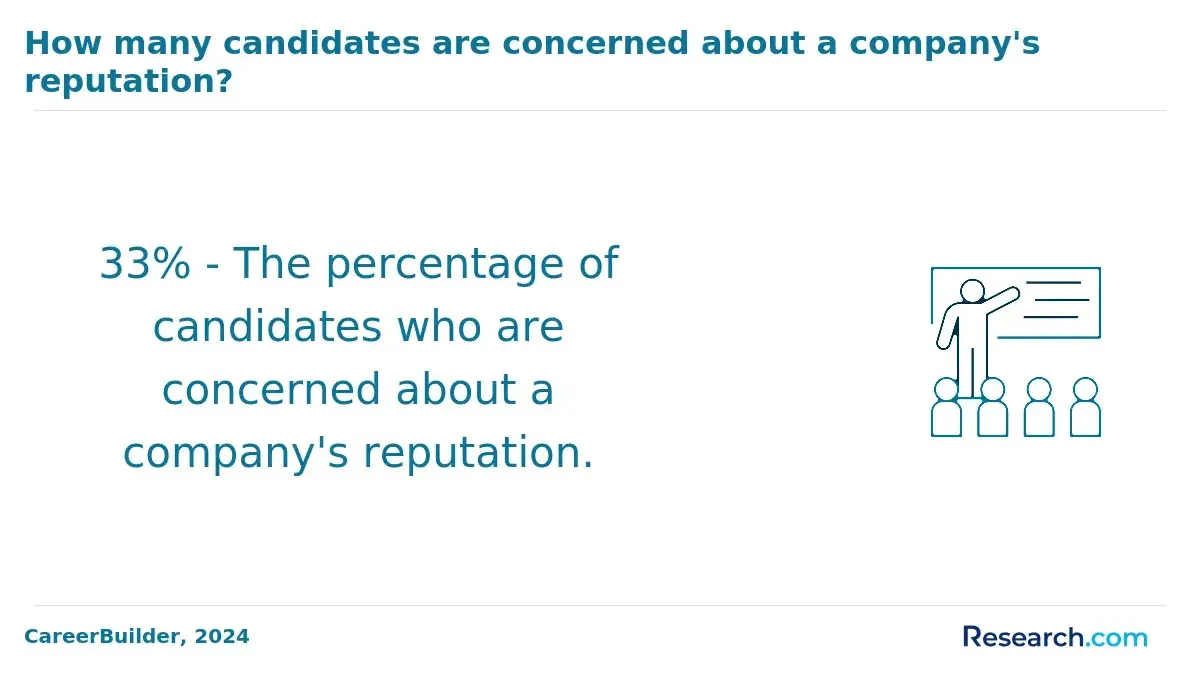
- Pacing: Accelerated online programs often use shorter terms, frequently seven to eight weeks, which can allow completion in as little as 1.5 to 2 years for a master's degree. Traditional programs usually follow full semesters of 15-16 weeks, which spreads coursework over a longer period.
- Course delivery: Accelerated online formats often include asynchronous coursework that students complete on their own schedule, sometimes with optional or required live sessions. Traditional programs may require regular in-person attendance and set class times.
- Weekly workload: Accelerated programs compress readings, discussions, exams, papers, and projects into shorter windows. Students who are already working full-time should expect several demanding study blocks each week. Traditional programs may feel more manageable because deadlines are distributed across a longer term.
- Clinical requirements: Fieldwork, practicum, and internship requirements cannot always be accelerated at the same rate as online coursework. Students should ask how placements are arranged, whether evening or weekend options exist, and how the school supports students who live outside the campus region.
- Accreditation and outcomes: A respected accelerated program should meet the same academic and professional standards as a traditional program at the same credential level. The format matters less than whether the institution is properly accredited and whether the curriculum meets the student’s career or licensure requirements.
Accelerated programs work best for students who are organized, self-directed, and able to protect study time. Traditional programs may be better for students who want more time to absorb complex material, build faculty relationships, or manage clinical placements at a steadier pace.
Students comparing flexible learning formats may also explore various college courses for older adults online, especially if they are returning to school after time away. The decision between accelerated vs traditional clinical psychology degree options should be based on readiness, schedule, support systems, and licensing fit rather than speed alone.
Will competency-based online programs in Clinical Psychology affect completion time?
Competency-based education can shorten completion time for some clinical psychology students because progress is based on demonstrated mastery rather than a fixed semester calendar. In this model, students move through assessments, projects, and learning units when they can prove they understand the material.
This format may help experienced students finish a master’s program in 12 to 18 months instead of the typical two to three years. It is most useful for students who already have strong academic preparation, relevant professional experience, disciplined study habits, and confidence with independent learning.
However, competency-based pacing has limits in clinical psychology. Students still need to meet program outcomes, complete required assessments, and satisfy any fieldwork or supervised practice expectations. Clinical practice hours, practicum standards, and licensing requirements cannot usually be skipped simply because a student progresses quickly through online coursework.
Before choosing a competency-based program, ask how mastery is evaluated, whether faculty feedback is timely, how clinical skills are assessed, and whether the program is accepted for your intended licensing or career path. A faster format is only valuable if it leads to a credential that employers, doctoral programs, or licensing boards recognize.
Can you work full-time while completing fast-track Clinical Psychology online programs?
Yes, some students work full-time while completing a fast-track online clinical psychology program, especially when coursework is asynchronous. The harder question is whether working full-time is sustainable once research projects, group assignments, practicum planning, field experiences, or capstone requirements begin.
Accelerated programs require consistent weekly time, not occasional last-minute study. Courses in abnormal psychology, assessment, ethics, statistics, research methods, and clinical theory can be reading-heavy and writing-intensive. Students who underestimate the workload may fall behind quickly because accelerated terms leave little time to recover.
How to decide if full-time work is realistic
- Map your weekly schedule before enrolling: Identify when you will study, attend live sessions if required, complete papers, and participate in field experiences.
- Ask about practicum and internship timing: Some placements take place during standard business hours, which can conflict with a full-time job.
- Talk with your employer early: Flexible scheduling, reduced travel, or predictable time off can make a major difference.
- Plan for peak workload periods: Exams, major papers, clinical documentation, and placement deadlines may cluster during the same weeks.
- Use advising and support services: Accelerated students benefit from early planning with academic advisors, field placement coordinators, and faculty mentors.
Working full-time is more realistic in non-licensure or coursework-only phases than during intensive clinical training. If your goal is licensure, build a plan that accounts for both class time and supervised experience.
Can prior learning assessments (PLAs) shorten Clinical Psychology degree timelines?
Prior learning assessments are unlikely to meaningfully shorten clinical psychology doctoral timelines. Unlike some career fields where professional certifications, portfolios, or work experience can replace multiple courses, clinical psychology is tightly controlled by accreditation expectations, licensing rules, and competency standards.
Most PsyD programs rely mainly on traditional transfer credit from regionally accredited institutions. They may allow 12-24 semester hours from recent graduate coursework completed with a grade of B or higher, but policies vary by school. Core clinical training components are usually protected from substitution.
Programs commonly restrict or prohibit transfer for practicum, internship, statistics, research methods, dissertation units, and other requirements that faculty must directly evaluate. Some programs may permit transfer of up to 400 clinical practicum hours if supervised by a licensed psychologist, but this does not reduce the required five-to-seven-year residency.
Students should treat PLA as a possible administrative benefit, not a reliable acceleration strategy for clinical psychology. If speed is a priority, transfer credits at the undergraduate or master’s level usually matter more than PLA at the doctoral level.
Can prior college credits help you get a degree in Clinical Psychology sooner?
Yes. Prior college credits can shorten the path to a clinical psychology-related degree, especially at the bachelor’s level. Students who have completed general education courses, an associate degree, or previous psychology coursework may be able to avoid repeating classes and move directly into upper-division requirements.
Transfer credit has the biggest effect when students enter a 120-credit bachelor's degree with a large block of accepted credits. Some institutions may accept up to 60-90 credits toward the 120-credit bachelor's degree, depending on the school, course grades, accreditation of the previous institution, and whether courses match the new program’s curriculum.
To use transfer credits effectively, take these steps before enrolling:
- Review the transfer credit policy: Confirm the maximum number of credits accepted, minimum grade requirements, and whether a "C" or better is required.
- Check course equivalency: Make sure previous psychology, statistics, research methods, and general education courses match the new program’s requirements.
- Submit official transcripts early: Unofficial estimates are helpful, but only an official transcript evaluation shows what will actually count.
- Ask about prerequisite sequencing: Missing statistics or research methods can delay upper-level psychology coursework even if many other credits transfer.
- Compare transfer-friendly schools: Universities with clear articulation pathways and transparent credit policies, such as the University of Central Florida or Florida Institute of Technology, may make planning easier.
Transfer policies vary widely, so students should request a written degree plan showing remaining credits, estimated completion time, and any required residency credits at the new institution. For students still building their academic foundation, an affordable option such as a cheapest associate degree may help reduce cost and shorten later bachelor’s degree completion time.
Can work or military experience count toward credits in a degree in Clinical Psychology?
Work or military experience may count toward credits in some psychology-related degree programs, but it usually applies to electives or general education rather than core clinical psychology requirements. Schools are cautious because clinical psychology coursework must document specific academic competencies, ethical training, research preparation, and supervised skill development.
Military training is often reviewed through recommendations from organizations such as the American Council on Education (ACE). Some universities also offer credit-by-examination or portfolio review options, allowing students to demonstrate college-level learning in approved subject areas.
Students should expect limits. Credits based on experience are usually capped, may not satisfy major requirements, and may not apply to graduate or doctoral clinical training. Even when prior experience is valuable professionally, it may not replace coursework in assessment, psychopathology, research methods, practicum, internship, or licensure-related content.
Before applying, ask the university which experiences are eligible, how evaluation works, what documentation is required, and whether credits will reduce the actual time to graduation. A credit award is useful only if it fits the degree plan.
What criteria should you consider when choosing accelerated Clinical Psychology online programs?
Choosing an accelerated online clinical psychology program requires more than finding the shortest completion time. The right program must match your career goal, state licensing requirements, budget, schedule, and tolerance for intensive coursework. A fast program that does not support your intended credential can cost more time in the long run.
- Accreditation status: Confirm institutional accreditation and, where relevant, programmatic accreditation. For doctoral clinical psychology study, American Psychological Association (APA) accreditation is especially important to review because it can affect internship competitiveness, licensure mobility, and employer confidence.
- Licensure alignment: Ask whether the curriculum meets educational requirements in the state where you plan to practice. State boards can differ on required coursework, supervised hours, residency expectations, and accepted delivery formats.
- Program purpose: Determine whether the degree is designed for clinical psychologist licensure, LPC/LMFT licensure, doctoral preparation, research, or non-licensure professional roles. Similar program names can lead to different outcomes.
- Transfer credit policies: Strong transfer credit policies for accelerated clinical psychology degrees can reduce repeated coursework. Request a transcript evaluation before committing.
- Course structure and delivery format: Look for clear information on term length, pacing, live attendance requirements, synchronous sessions, residency requirements, and whether courses run continuously throughout the year.
- Clinical placement support: For licensure-oriented programs, ask who finds field sites, whether placements are available near you, and what happens if a site falls through.
- Faculty qualifications: Courses should be led by qualified faculty, and clinical content should involve instructors with appropriate professional expertise, research background, or licensure experience.
- Student support: Accelerated students need responsive advising, writing support, library access, technical help, career services, and field placement guidance.
- Financial considerations: Tuition rates can range from $250 to $694 per credit hour, so compare total program cost, fees, books, travel for residencies, and the cost of reducing work hours during clinical training.
- Financial aid options: If you are asking whether can you use FAFSA for online school, verify that the institution participates in federal student aid and that your program is eligible.
The safest approach is to contact the admissions office, the program director, and the licensing board in your intended state. Get answers in writing when possible, especially for licensure alignment and transfer credit decisions.
Are accelerated online Clinical Psychology degrees respected by employers?
Accelerated online clinical psychology degrees can be respected by employers when they come from properly accredited institutions, include rigorous coursework, and align with the role the graduate is seeking. Employers usually care less about whether a program was online and more about whether the credential is legitimate, relevant, and backed by appropriate training.
For clinical roles, accreditation and licensure eligibility are central. Employers may look for degrees from institutions accredited by bodies recognized by the U.S. Department of Education or programs with recognition from the American Psychological Association when that standard applies. They may also verify supervised experience, state licensure, field placements, and professional references.
Accelerated formats can signal discipline and strong time management, but they can also raise questions if the program appears too compressed for the profession. Students can strengthen employer confidence by choosing a recognized school, documenting practicum or internship experience, building strong faculty and supervisor references, and being clear about what license or credential the program supports.
Students who want faster, skills-based alternatives in adjacent fields may also compare certificates that pay well. Certificates do not replace clinical psychology licensure, but they may support career growth in behavioral health administration, coaching-adjacent roles, human services, research support, or related areas.
What Clinical Psychology Graduates Say About Their Online Degree
- : "Enrolling in an accelerated online Clinical Psychology program was a game-changer for me. Completing the degree in less than two years allowed me to quickly pivot my career and start working as a licensed therapist. The curriculum was rigorous but well-structured, providing me with both practical skills and theoretical knowledge. The average cost was reasonable compared to traditional programs, making it a worthwhile investment. — Gregory"
- : "Choosing an online Clinical Psychology degree gave me the flexibility to balance work, family, and studies without compromising learning quality. The program's focused design helped me gain a solid understanding of clinical practices in a shorter timeframe than I expected. Reflecting on my journey, it was empowering to see how deeply I grew both professionally and personally through this experience. — Lisa"
- : "From a professional standpoint, the accelerated format of the Clinical Psychology degree challenged me to master content quickly while maintaining a high standard. This intense pace enhanced my time-management skills and reinforced my commitment to the field. Considering the average tuition costs, I found the program provided excellent value through its comprehensive approach and direct applicability to my clinical work. — Allison"
Other Things to Know About Accelerating Your Online Degree in Clinical Psychology
Internship and clinical practicum requirements, crucial components of fast-track online Clinical Psychology programs, extend the overall duration by ensuring practical, supervised experience. Though coursework can be accelerated, these requirements generally add months, as completing a specific number of supervised hours is essential for competency and licensure.
In 2027, a fast-track online Clinical Psychology degree can typically be completed in about 2 to 3 years, depending on program specifics and student pace. While accelerated formats are available, they still require completing practicum or internship components, which may extend the timeline.
References
- Top 3-Year Accelerated PsyD Programs for 2025-2026 https://psychdegreestarter.com/degrees/doctorates/top-3-year-accelerated-psyd-programs/
- Advising and Prior Learning Assessment for Degree Completion https://www.wiche.edu/key-initiatives/recognition-of-learning/pla-advising/
- Do College Credits Expire? The Ultimate Guide https://www.edvisorly.com/student-guides/do-college-credits-expire
- Fastest Online Master's In Counseling Programs https://www.psychology.org/counseling/fastest-online-degrees/
- Accelerated Master's in Psychology Programs 2025 https://careersinpsychology.org/accelerated-masters-programs-psychology/
- Do College Credits Ever Expire? | National University https://www.nu.edu/blog/do-college-credits-ever-expire-what-you-need-to-know-before-transferring/
- How Long Does It Take to Get a Psychology Degree? | ValidGrad.com https://validgrad.com/blog/how-long-does-it-take-to-get-a-psychology-degree-the-hidden-timeline-secrets-nobody-tells-you/
- How Employers View Online Degrees and Distance Learning Programs https://londongatecollege.com/how-employers-view-online-degrees-and-distance-learning-programs/
- 2025 Best Clinical Psychology Certificate Programs Online | 36 Answers - Featured.com https://featured.com/questions/online-clinical-psychology-certificates-vs-degrees-career-impact
- Pursuing a Clinical Psychology Degree: A Comprehensive Guide https://gsep.pepperdine.edu/blog/posts/pursuing-a-clinical-psychology-degree-a-comprehensive-guide.htm