
2027 Is Teaching a Hard Major? What Students Should Know

Co-Founder and Chief Data Scientist
Teaching is often perceived as less demanding than STEM fields, but this misconception overlooks its unique academic challenges. Approximately 35% of education majors in the U.S. struggle with balancing coursework and practical training, highlighting the major's rigorous nature. The discipline requires mastering theory, pedagogy, and extensive fieldwork, which demands significant time and effort from students.
This article explores the rigors of teaching programs, including course difficulty, workload, and essential skills such as communication and classroom management. It also examines factors influencing the perceived challenge, helping prospective students assess whether teaching aligns with their strengths and career aspirations.
Key Benefits of Teaching as a Major
- Teaching majors develop vital communication and classroom management skills, essential for diverse learners including career changers adapting quickly to new professional environments.
- Programs support full-time workers returning to school through flexible scheduling and practical coursework, facilitating academic advancement without sacrificing employment.
- Traditional undergraduates gain confidence by engaging with challenging content and field experiences, fostering readiness for dynamic educational settings and continuous professional growth.
Where Does Teaching Rank Among the Hardest College Majors?
Teaching is generally rated among the less challenging college majors in national surveys that assess academic difficulty. Common factors considered in these rankings include workload intensity, the level of technical or analytical skills required, and the amount of practicum or fieldwork students must complete. According to BigEconomics data, only 36% of education professors are rated as "difficult," a figure notably lower than in fields like STEM (63%) and business (56%).
Education majors typically report spending about 14 hours per week studying, with an average GPA of 3.6, indicating a lighter academic load compared to more demanding majors such as chemistry, which averages 18.5 study hours weekly and a GPA of 2.9, or architecture, which often requires over 20 hours of study each week.
Perceptions of difficulty in teaching can vary widely depending on the institution and individual student strengths. While majors like biochemistry and engineering often top difficulty lists due to heavy technical content and intense workloads, teaching challenges students differently, emphasizing practicum hours and classroom management skills.
For those with strong communication and organizational abilities, teaching may feel less strenuous than math-heavy or laboratory-intensive fields. Conversely, students struggling with interpersonal demands or hands-on learning might find teaching more taxing.
Ultimately, the difficulty of teaching compared to other majors depends on one's academic background and personal skills.
What Factors Make Teaching a Hard Major?
Teaching majors face numerous academic and skill-related demands that can make their programs particularly challenging. These demands require students to balance rigorous coursework with practical application, all while developing complex professional skills.
- Academic Rigor in Teaching Degree Programs: Teacher preparation programs are intentionally demanding to reflect real classroom challenges. Students must meet high expectations for coursework and grading standards, often achieving grades on par with or above those in other majors, which underscores the serious academic rigor these programs maintain.
- Teaching Major Workload and Demands: The workload includes extensive reading, writing, and critical thinking assignments essential for deep learning. Many courses require sustained effort, contributing to a heavy and continuous time commitment that few other majors demand.
- Technical and Analytical Complexity: Beyond mastering subject content, students must learn pedagogical strategies, classroom management, and assessment methods. The program emphasizes higher-level thinking skills, such as applying knowledge to new contexts and generating original interpretations.
- Field-Specific Demands: Practical components like student teaching and classroom observations demand significant time and commitment. These hands-on experiences add real-world complexity and prepare candidates for the multifaceted nature of teaching.
For those interested in efficiently completing their education, exploring options such as the best online associate's degree in 6 months may be beneficial to accommodate such demanding academic pathways.
Who Is a Good Fit for a Teaching Major?
Identifying who is best suited for a teaching major helps students focus on the qualities that drive success in this demanding field. Understanding these traits ensures students can manage the rigorous coursework and practical experiences effectively.
- Strong Communication Skills: Students with excellent verbal and written skills excel in teaching as they clearly convey concepts and foster understanding. These skills help in classroom management and in building positive relationships with students, a key factor emphasized among the best personality traits for teaching majors.
- Empathy and Patience: Those who naturally understand and relate to others' feelings adapt well to diverse learning styles and student needs. This fosters an inclusive and supportive classroom environment where students feel valued and motivated.
- Adaptability: Successful teaching students embrace change and feedback, thriving in dynamic classroom settings. Their growth mindset allows them to adjust lesson plans and strategies effectively, aligning with qualities of successful teaching students.
- Collaboration and Interpersonal Skills: Working well with peers, mentors, and students is critical in education programs. These students benefit from teamwork and thrive in cooperative learning environments that teaching majors often require.
- Organized and Motivated: Managing over 25 hours of combined fieldwork and coursework weekly demands strong organizational skills. Intrinsic motivation helps these students persist through the program's challenges, a factor highlighted in studies on the best personality traits for teaching majors.
Many education programs requiring high commitment align well with students who possess these traits. Those interested may also consider exploring the easiest master's programs to get into for alternative graduate paths.
How Can You Make a Teaching Major Easier?
Students often find teaching challenging due to its blend of theoretical knowledge and practical application, which demands effective study methods and organization. However, applying targeted strategies can significantly ease the workload and enhance learning efficiency.
- Use high-impact study strategies: Employ techniques like retrieval practice, spaced repetition, and combining visuals with text to improve memory retention and deepen understanding.
- Develop active study habits: Move beyond passive reading by summarizing material, creating concept maps, and regularly self-testing to reinforce mastery.
- Prioritize time management: Divide large tasks into manageable parts, schedule dedicated study periods, and monitor deadlines using planners or apps to reduce stress.
- Strengthen foundational skills early: Concentrate on core subjects such as educational psychology and classroom management in the early stages to build a strong base for advanced coursework.
- Leverage academic resources: Take advantage of professor office hours, study groups, and tutoring centers to gain support and foster collaborative learning.
Are Admissions to Teaching Programs Competitive?
Admissions to teaching programs in the US tend to be less competitive compared to fields like medicine or law. This is largely due to a decrease in students pursuing teaching degrees, which leaves many programs with more available spots than applicants. Additionally, many schools do not require a minimum 3.0 GPA for entry, making access easier. Teacher shortages in various areas also encourage institutions to maintain less restrictive admission standards to attract candidates.
Selectivity varies widely depending on the institution and teaching specialty. While most programs have moderate GPA requirements, top-tier schools and certain fields, such as STEM education, often expect higher academic qualifications. Applicants may also need prerequisite classes like math and English or relevant classroom or volunteer experience. The trend indicates that while general teaching programs stay accessible, more competitive tracks seek stronger academic records and practical backgrounds.
Is an Online Teaching Major Harder Than an On-Campus Program?
Online teaching programs are neither inherently harder nor easier than traditional on-campus programs, but the level of difficulty varies depending on individual circumstances and learning preferences. Both formats require commitment and present unique challenges and advantages.
To better understand the differences, consider the following aspects comparing online teaching degree vs traditional classroom programs:
- Academic Expectations and Workload: Accredited institutions maintain similar standards across formats; however, online students often face more variation in pacing and need greater self-motivation to stay on track.
- Interaction and Support: On-campus programs typically offer stronger interaction with instructors and peers through hands-on experiences, while online learners may feel isolated and must be proactive in seeking assistance.
- Learning Environment: The physical presence required for on-campus studies limits flexibility, especially for working students, whereas online programs provide access from any location but demand disciplined time-management skills.
- Unique Challenges of Online Learning: Technical issues, home distractions, and the necessity to organize study time independently are frequent obstacles faced by online students, making the challenges of online teaching majors distinct from those in person.
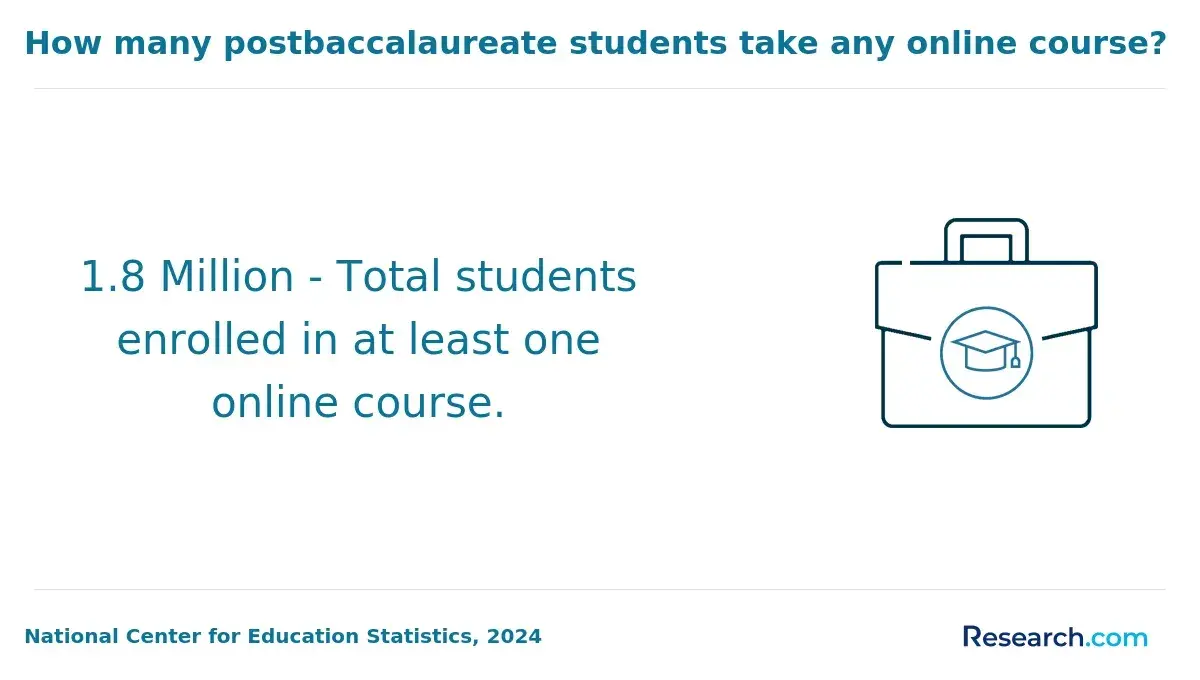
Research indicates that online learners may score marginally higher on standardized tests but can experience lower course completion rates and grade performance if less academically prepared. Those seeking cheap master degrees online should weigh these factors carefully to choose the option that best fits their personal learning style and support needs.
Are Accelerated Teaching Programs Harder Than Traditional Formats?
Accelerated teaching programs are generally harder than traditional formats due to their condensed timelines, faster course pacing, and increased workload intensity, which require students to quickly master core content. This intensive workload in accelerated teaching programs demands strong organizational skills to balance coursework with other responsibilities.
Below is a comparison of key differences between accelerated and traditional teaching programs:
- Course pacing and content density: Accelerated programs compress the same core material into 12 to 24 months, creating a greater content density per week compared to the slower pace of traditional formats.
- Workload management: Students balancing jobs or family may find the accelerated pace particularly demanding, whereas traditional programs allow more downtime between terms for reflection and support.
- Academic expectations and skills: Accelerated formats require higher self-discipline and adaptability to keep up with the rigorous schedule, while traditional programs provide a more measured learning experience.
- Learning retention and stress: Traditional teaching programs foster better retention due to their balanced pace and reduced stress, whereas accelerated formats increase the risk of burnout despite techniques like spaced repetition and the Feynman method.
- Flexibility and structure: The flexibility of online accelerated teaching degrees offers students the ability to fit studies around existing commitments through online or hybrid options, unlike the more rigid traditional paths.
For students exploring program options, it is helpful to review offerings from leading online schools that provide a variety of formats to suit different learning styles and time constraints.
Can You Manage a Part-Time Job While Majoring in Teaching?
Students can balance a part-time job while majoring in teaching, but success depends largely on factors such as the intensity of coursework, weekly hours required, job flexibility, and individual study habits. Teaching majors face demanding schedules, including classroom observations and practicums that require significant time commitments beyond typical classes.
Working fewer than 15-20 hours per week tends to be more manageable, as exceeding this threshold may affect academic performance. Ultimately, a student's ability to organize time and choose suitable work arrangements plays a critical role.
Many teaching students manage their dual responsibilities by carefully selecting credit loads that accommodate their other commitments. Flexible employment, such as on-campus or remote jobs with adaptable hours, aligns better with the unpredictable demands of teaching practicum hours and extensive lesson planning. The discipline's combination of hands-on experience and heavy reading load can make rigid schedules difficult to maintain alongside work. Access to campus academic support and digital planning tools further aids students in maintaining balance, especially during peak project or observation periods.
What Jobs Do Teaching Majors Get, and Are They as Hard as the Degree Itself?
Teaching majors pursue career paths that differ significantly in difficulty, responsibility, and required skill sets. While some jobs demand rigor comparable to the major, others may feel less intense or present challenges of a different nature depending on the work environment.
Considering whether teaching is harder than education careers with a degree is essential for making informed career decisions.
- Classroom Teacher (Elementary, Middle, or High School): These educators design curriculum, deliver instruction, manage diverse learner needs, and assess progress daily. The role is emotionally and intellectually intense, closely paralleling the demands of the teaching major through continuous planning and differentiation.
- Curriculum Developer: Specialists in this area research new educational technologies, design learning programs, and analyze student data. While intellectually demanding, this career typically lacks the real-time classroom pressures, making it somewhat less demanding than direct teaching roles.
- Special Education Teacher: Professionals in this field develop Individualized Education Programs while collaborating with various specialists to address student needs. The role often equals or exceeds the degree's difficulty, due to the complexity of individualized instruction and multitiered coordination.
- Corporate Trainer or Educational Developer: Trainers facilitate professional development sessions and create certification programs for educators. This career path generally involves structured schedules and content, with fewer unpredictable challenges, so it often feels less demanding than classroom teaching.
- Instructional Coordinator: Coordinators evaluate curricula, analyze academic data, and lead teacher professional growth efforts while ensuring compliance with state standards. This administrative role demands expertise akin to the major but emphasizes systemic improvement over direct instruction.
Students curious about the highest paying jobs for teaching majors in the US should note these roles have varying salary expectations tied to their complexity and settings. For more insights into education-related careers that may suit different personalities, the best career for introvert resource offers valuable guidance.
Do Teaching Graduates Earn Higher Salaries Because the Major Is Harder?
The difficulty of a teaching major does not necessarily lead to higher salaries. While teaching requires comprehensive academic preparation-including knowledge of pedagogy and subject expertise-the intensity of the major itself isn't the main factor influencing earnings. Instead, salaries depend more on market factors such as demand for teachers and the specific skills developed during training. Teaching is a profession where compensation reflects broader economic and institutional variables rather than the academic rigor of the degree.
Several external factors significantly impact teaching salaries. Location plays a major role; for example, teachers in California earn about $101,400 on average, compared to $47,200 in Mississippi, largely due to differences in state funding and cost of living. Grade levels taught also matter, with high school teachers earning around $78,500 annually, exceeding the K-12 average.
Experience further influences pay, but even with comparable education and tenure, teachers earn only about 66-73 cents per dollar compared to other professionals, highlighting that salary is more tied to demand and valuation than major difficulty.
What Graduates Say About Teaching as Their Major
- Pierce: "Pursuing teaching as a major was challenging but incredibly rewarding. The hands-on experience and educational theory equipped me well for the classroom, even though the workload was intense. Considering the average cost of attendance was quite reasonable, I feel it was a worthwhile investment for my career."
- Aryan: "Teaching is definitely a demanding major, balancing methods courses with practical fieldwork. Reflecting back, the effort paid off immensely, as it shaped my approach to education and personal growth. The cost was manageable, but I believe the true value lies in the impact this major has on both career and community."
- Jonathan: "From a professional standpoint, teaching posed difficult academic and emotional challenges, but it also opened many doors for my career. The financial cost was modest compared to other fields, making it an accessible major for many passionate about education. In hindsight, the rigor was justified given the lifelong skills I gained."
Other Things You Should Know About Teaching Degrees
In 2027, teaching majors can anticipate a demanding workload, with a balance between theoretical courses and practical field experiences. Students often take on projects, participate in classroom observations, and complete assignments designed to prepare them for real-world teaching environments. Time management and organization are crucial skills for handling these responsibilities.
Yes, in 2027, teaching majors are typically required to complete extensive fieldwork or practicum hours. This hands-on experience is crucial for developing practical teaching skills and understanding classroom dynamics. Institutions often collaborate with local schools to ensure students engage in real-world teaching environments.
In 2027, teaching majors must stay abreast of technological advancements. Students should anticipate integrating digital tools in classrooms and adapting to diverse learning needs. Emphasizing adaptability and digital literacy is vital for future educators to navigate evolving educational landscapes.
References
- The Teacher Pay Gap Is Really About the STEM Salary Premium | American Enterprise Institute - AEI https://www.aei.org/op-eds/the-teacher-pay-gap-is-really-about-the-stem-salary-premium/
- Learning in the workplace Teacher Degree https://students.uu.nl/en/teaching/science-education-and-communication/my-studies/internships/learning-in-the-workplace-teacher-degree
- What You Need to Know About Becoming an Education Major https://shuconnect.sacredheart.edu/blog/2024/02/09/what-you-need-to-know-about-becoming-an-education-major/
- 7 Reasons Why Majoring in Education Is a Good Idea https://www.geneva.edu/blog/program-spotlight/7-reasons-why-majoring-in-education-is-a-good-idea
- Press release: How competitive is admission to teacher education programs in Finland? - VisitEDUfinn https://windpress.info/en/press-release/958154/how-competitive-is-admission-to-teacher-education-programs-in-finland-visitedufinn
- What Can I Do With a Teaching Degree (Besides Teach)? https://www.alleducationschools.com/blog/what-can-i-do-with-a-teaching-degree-besides-teach/
- 15 Hardest Degrees in the World | Oxford Summer Courses https://oxfordsummercourses.com/articles/hardest-degrees-in-the-world
- How to Make Teaching Easier: A Comprehensive Guide (2024) - The Tutor Resource https://thetutorresource.com/how-to-make-teaching-easier/
- Hattie effect size list - 256 Influences Related To Achievement https://visible-learning.org/hattie-ranking-influences-effect-sizes-learning-achievement/
- PGCE and part time job https://www.thestudentroom.co.uk/showthread.php


